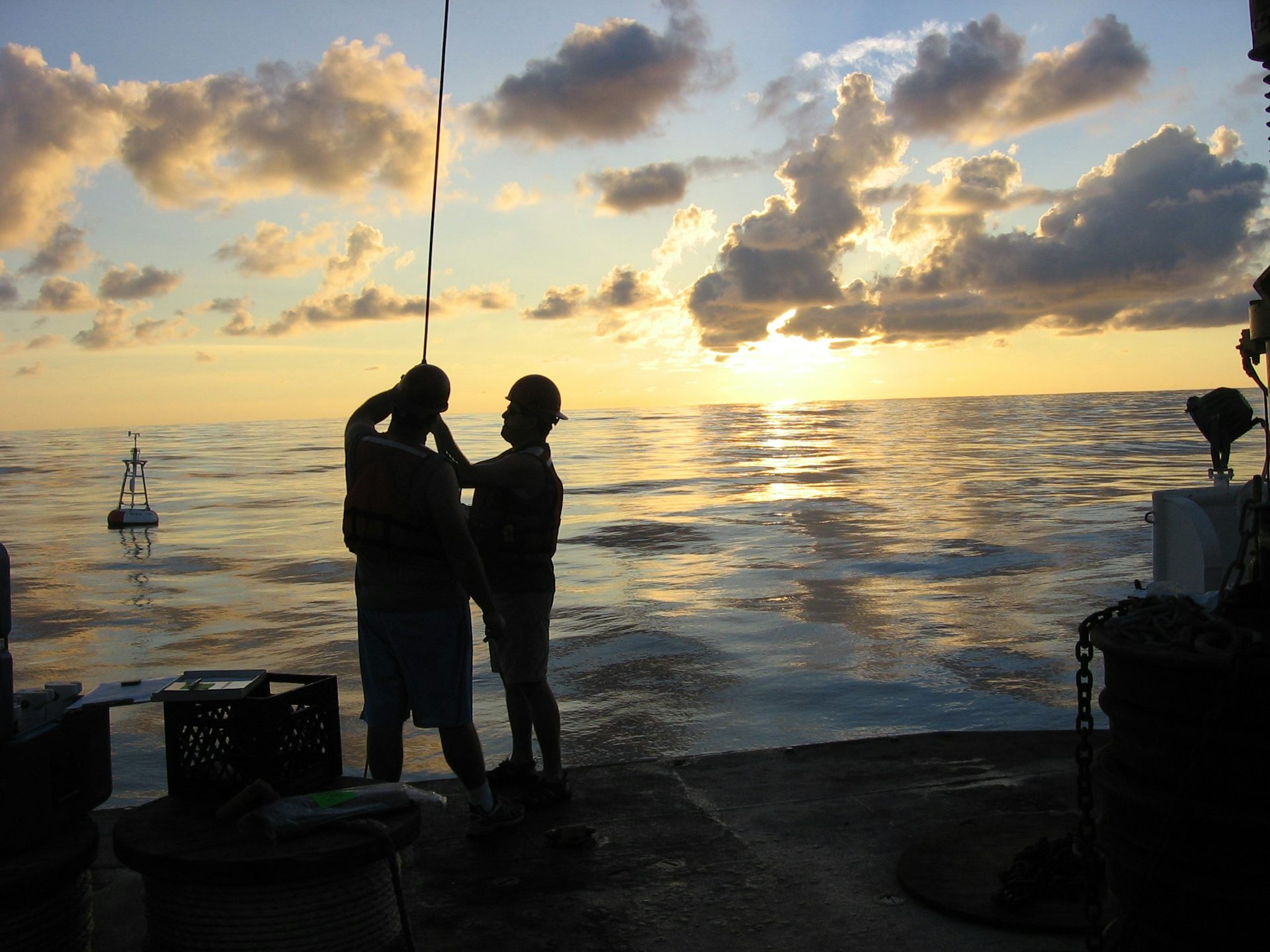
الشبكة التي تراقب محيطات العالم تتعرض لضغوط – تحديداً عندما تكون في أمس الحاجة إليها.
The network watching the world’s oceans is under pressure – just when it’s needed most
The Global Ocean Observing System informs weather forecasts and climate projections. But funding pressures could create data gaps leaving the world blind.
يزود نظام رصد المحيطات العالمي بتوقعات الطقس وتوقعات المناخ. لكن ضغوط التمويل قد تخلق فجوات بيانات، مما يترك العالم أعمى.
Increasingly, the world’s oceans are telling us our climate system may be changing faster and more dramatically than expected.
بشكل متزايد، تخبرنا محيطات العالم بأن نظامنا المناخي قد يتغير بشكل أسرع وأكثر حدة مما كان متوقعاً.
These new insights are made using a vast global network of instruments – from drifting floats and moored buoys to research vessels and underwater gliders – that quietly and continuously feed data to scientists.
تُستمد هذه الرؤى الجديدة باستخدام شبكة عالمية واسعة من الأدوات – بدءاً من العوامات العائمة والمنصات المثبتة وصولاً إلى السفن البحثية والزلاجات تحت الماء – التي تغذي البيانات بهدوء وبشكل مستمر للعلماء.
Known as the Global Ocean Observing System (GOOS) , it provides the fine-grained data that scientists need to detect changes, test climate models and refine projections of future risk.
يُعرف هذا النظام باسم “نظام مراقبة المحيطات العالمي” (GOOS) ، وهو يوفر البيانات الدقيقة التي يحتاجها العلماء لاكتشاف التغيرات، واختبار نماذج المناخ، وتحسين توقعات المخاطر المستقبلية.
But now there is rising concern this system itself is at risk – just when the world needs it most.
ولكن الآن، هناك قلق متزايد من أن هذا النظام نفسه معرض للخطر – في الوقت الذي يحتاجه فيه العالم أكثر من أي وقت مضى.
The hidden system behind modern forecasting
النظام الخفي وراء التنبؤات الحديثة
The GOOS is often described as a form of climate monitoring – but it is much more than that. It can best be understood as a network of complementary observing systems, each designed to capture different parts of the ocean in different ways.
غالباً ما يوصف نظام المراقبة العالمية للمحيطات (GOOS) بأنه شكل من أشكال مراقبة المناخ – لكنه أكثر من ذلك بكثير. يمكن فهمه على أفضل وجه على أنه شبكة من أنظمة الرصد التكميلية، صُمم كل منها لالتقاط أجزاء مختلفة من المحيط بطرق مختلفة.
Some 4000 autonomous Argo robotic floats sink every ten days down to 2000m depth, before rising to the surface to transmit temperature and salinity profiles to ground stations via satellite.
تغرق حوالي 4000 عوامة روبوتية مستقلة من طراز “آرغو” (Argo) كل عشرة أيام وصولاً إلى عمق 2000 متر، قبل أن ترتفع إلى السطح لإرسال مقاطع درجات الحرارة والملوحة إلى المحطات الأرضية عبر الأقمار الصناعية.
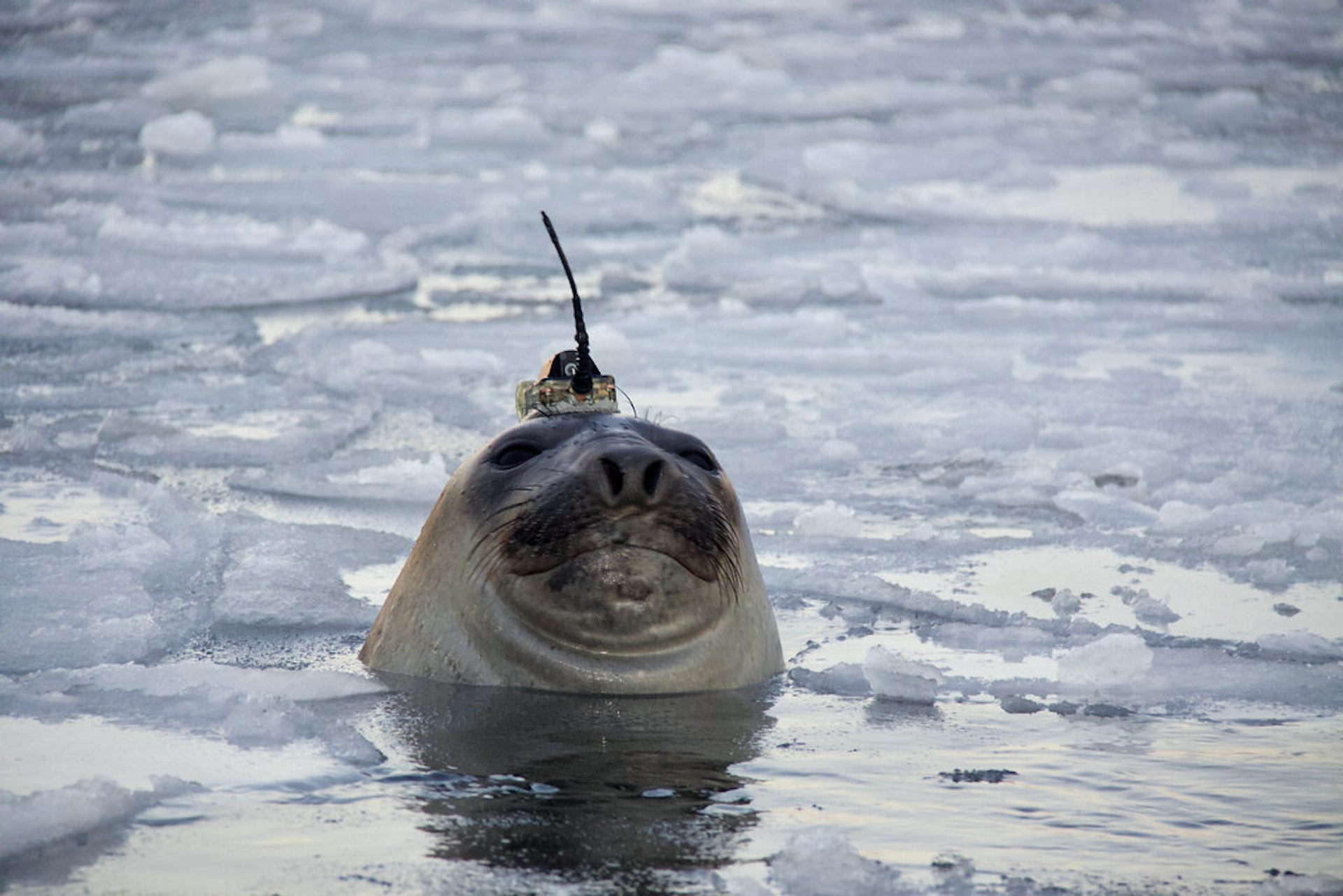
Underwater gliders target eddies, coastal currents and continental margins where floats cannot go. Elephant seals fitted with sensors collect data beneath polar sea ice in regions no other instrument can easily reach.
تستهدف الزلاجات تحت الماء (gliders) الدوامات، والتيارات الساحلية، والحواف القارية حيث لا تستطيع العوامات الوصول. وتجمع فقمات الفيل المجهزة بأجهزة استشعار البيانات تحت الجليد البحري القطبي في مناطق لا يمكن لأي أداة أخرى الوصول إليها بسهولة.
Each of these platforms answer questions the others cannot. And ocean observations collected by them now underpin many of the forecasting systems that modern societies rely on every day.
تُجيب كل منصة من هذه المنصات على أسئلة لا تستطيع المنصات الأخرى الإجابة عليها. وتُشكل ملاحظات المحيط التي يتم جمعها من خلالها الآن أساس العديد من أنظمة التنبؤ التي تعتمد عليها المجتمعات الحديثة كل يوم.
That includes the numerical weather models used to generate daily forecasts, which continuously ingest ocean data to predict evolving weather conditions, as well as newer artificial intelligence-based forecasting systems.
ويشمل ذلك النماذج العددية للطقس المستخدمة لتوليد التنبؤات اليومية، والتي تستوعب باستمرار بيانات المحيط للتنبؤ بتطور الظروف الجوية، بالإضافة إلى أنظمة التنبؤ الأحدث القائمة على الذكاء الاصطناعي.
The same is true for hurricane and cyclone forecasts, as well as seasonal forecasting used to anticipate drought, harvests and energy demand. Marine heatwave warnings, sea-level projections and efforts to understand major current systems also rely on sustained long-term observations beneath the ocean surface.
وينطبق الشيء نفسه على تنبؤات الأعاصير والمنخفضات، وكذلك التنبؤات الموسمية المستخدمة لتوقع الجفاف والحصاد وطلب الطاقة. وتعتمد أيضاً تحذيرات موجات الحر البحرية، وتوقعات مستوى سطح البحر، وجهود فهم أنظمة التيارات الرئيسية على الملاحظات المستدامة طويلة الأجل تحت سطح المحيط.
These observations are key for monitoring El Niño climate patterns – including a major event already underway and likely to peak late this year – and major current systems such as the Atlantic Meridional Overturning Circulation.
تُعد هذه الملاحظات أساسية لمراقبة أنماط مناخ النينيو – بما في ذلك حدث رئيسي جارٍ بالفعل ومن المرجح أن يبلغ ذروته في وقت متأخر من هذا العام – وأنظمة التيارات الرئيسية مثل الدوران التطبق المتوسطي الأطلسي.
While satellites can measure surface conditions, they still cannot directly observe the deeper waters where heat accumulates, currents reorganise and the precursors of future weather are already forming.
في حين يمكن للأقمار الصناعية قياس الظروف السطحية، إلا أنها لا تزال غير قادرة على مراقبة المياه الأعمق بشكل مباشر حيث تتراكم الحرارة، وتُعيد التيارات تنظيم نفسها، وتتكون بالفعل سلائف الطقس المستقبلي.
In short, the GOOS underpins everything from tomorrow’s storm warnings to next century’s climate adaptation plans.
باختصار، يدعم نظام GOOS كل شيء بدءاً من تحذيرات العواصف ليوم الغد وصولاً إلى خطط التكيف المناخي للقرن القادم.
Yet our newly published analysis suggests the system delivering those observations is far more fragile than most people realise.
ومع ذلك، يشير تحليلنا المنشور حديثاً إلى أن النظام الذي يقدم هذه الملاحظات أكثر هشاشة بكثير مما يدركه معظم الناس.
We found that if observations from a single major contributor, the United States, were withdrawn from GOOS, errors in estimates of how fast the ocean is warming would jump by 163% – worse than randomly losing 80% of all global ocean data.
وجدنا أنه إذا تم سحب الملاحظات من مساهم رئيسي واحد، وهي الولايات المتحدة، من نظام GOOS، فسترتفع الأخطاء في تقديرات مدى سرعة ارتفاع درجة حرارة المحيط بنسبة 163% – وهي نسبة أسوأ من فقدان 80% من جميع بيانات المحيط العالمية بشكل عشوائي.
The reason is largely geographical: US instruments cover every ocean basin and fill critical gaps no other nation currently monitors.
السبب جغرافي إلى حد كبير: حيث تغطي أدوات الولايات المتحدة كل أحواض المحيط وتملأ فجوات حاسمة لا تراقبها أي دولة أخرى حالياً.
And this is no theoretical concern. Proposed cuts to the National Oceanic and Atmospheric Administration (NOAA) and the National Science Foundation in the United States now threaten exactly this contribution.
وهذا ليس قلقاً نظرياً. فالخفض المقترح في إدارة المحيطات والغلاف الجوي الوطنية (NOAA) والمؤسسة الوطنية للعلوم في الولايات المتحدة يهدد الآن تحديداً هذا المساهمة.
Elsewhere, observing systems are also under growing strain, with European programmes facing mounting funding pressure.
وفي أماكن أخرى، تخضع أنظمة الرصد أيضاً لضغوط متزايدة، حيث تواجه البرامج الأوروبية ضغوطاً متصاعدة للتمويل.
In China, scientists and policymakers are trying to build a more resilient national observing effort – but without the resources currently required to fully support it.
وفي الصين، يحاول العلماء وصناع السياسات بناء جهد رصدي وطني أكثر مرونة – ولكن دون الموارد المطلوبة حالياً لدعمه بالكامل.
A resource the world can’t afford to lose
مورد لا يمكن للعالم تحمل خسارته
The total annual cost of operating the GOOS – across all platforms and personnel worldwide – is on the order of US$1.1 billion (about NZ$1.8 billion) .
يبلغ إجمالي التكلفة السنوية لتشغيل نظام مراقبة المحيطات العالمي (GOOS) – عبر جميع المنصات والأفراد في جميع أنحاء العالم – حوالي 1.1 مليار دولار أمريكي (ما يعادل حوالي 1.8 مليار دولار نيوزيلندي) .
If that sounds expensive, consider that a single major hurricane season can cost the United States hundreds of billions of dollars, while marine heatwaves have already collapsed fisheries and triggered mass coral bleaching around the world.
إذا بدا هذا مكلفاً، فضع في اعتبارك أن موسم إعصار رئيسي واحد يمكن أن يكلف الولايات المتحدة مئات المليارات من الدولارات، في حين أن موجات الحر البحرية قد أدت بالفعل إلى انهيار مصايد الأسماك وتسببت في ابيضاض جماعي للشعاب المرجانية في جميع أنحاء العالم.
Compared with the economic damage linked to ocean-driven extreme weather and climate disruption, ocean observation is one of the highest-return public investments available.
مقارنة بالضرر الاقتصادي المرتبط بالطقس القاسي واضطراب المناخ الناتج عن المحيطات، يعد رصد المحيطات أحد أعلى الاستثمارات العامة عائداً المتاحة.
The international scientific conference OceanObs’29, to be held in China in three years’ time, will be an opportunity to negotiate a more balanced global observing system – one better aligned with today’s economic realities and maritime interests.
سيكون المؤتمر العلمي الدولي OceanObs’29، المقرر عقده في الصين بعد ثلاث سنوات، فرصة للتفاوض على نظام مراقبة عالمي أكثر توازناً – نظام يتماشى بشكل أفضل مع الحقائق الاقتصادية والمصالح البحرية اليوم.
It should also encourage greater scientific cooperation among countries, helping ensure complementary observing networks collectively cover as much of the global ocean as possible.
وينبغي له أيضاً تشجيع التعاون العلمي الأكبر بين البلدان، والمساعدة في ضمان أن تغطي شبكات الرصد التكميلية أكبر قدر ممكن من المحيط العالمي.
Maintaining that coverage requires constant renewal.
يتطلب الحفاظ على هذا التغطية تجديداً مستمراً.
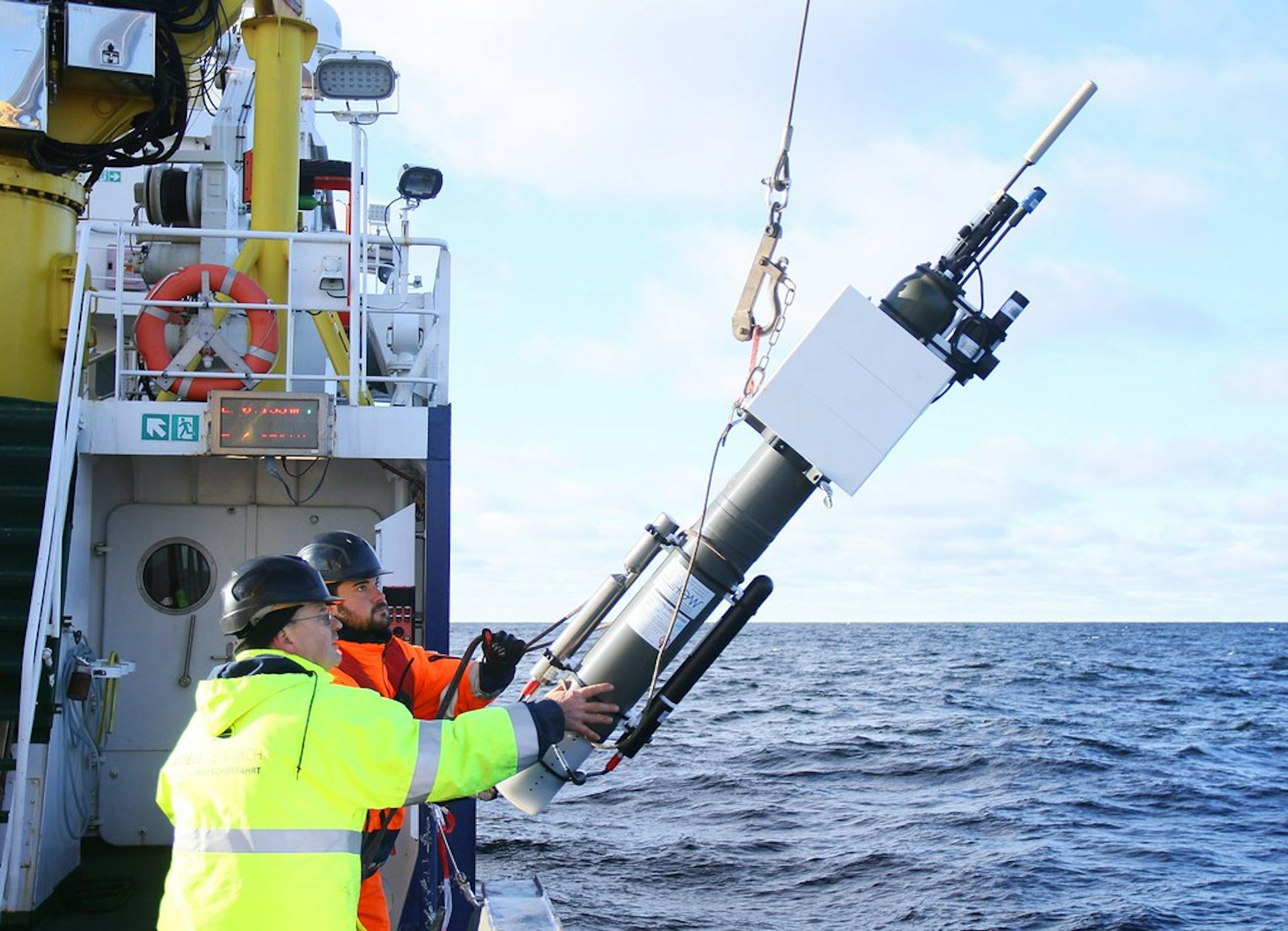
Argo floats typically last four to five years before their batteries fail. This means they must continually be deployed to prevent gaps emerging across the oceans.
عادةً ما تدوم عوامات أرجو من أربع إلى خمس سنوات قبل أن تفشل بطارياتها. وهذا يعني أنه يجب نشرها باستمرار لمنع ظهور فجوات عبر المحيطات.
New Zealand plays a surprisingly important role here. Since 2004, the research vessel Kaharoa has helped deploy more than 1,100 Argo floats for international partners across the Pacific and Southern Ocean.
تلعب نيوزيلندا دوراً مهماً ومفاجئاً هنا. فمنذ عام 2004، ساعدت سفينة الأبحاث “كاهاروا” (Kaharoa) في نشر أكثر من 1,100 عوامة أرجو للشركاء الدوليين عبر المحيط الهادئ والمحيط الجنوبي.
This demonstrates that even smaller countries can use their institutions, expertise and maritime interest to make important contributions.
يوضح هذا أن حتى البلدان الأصغر يمكنها استخدام مؤسساتها وخبراتها ومصالحها البحرية لتقديم مساهمات مهمة.
At the same time, if any one component of the GOOS is removed because of political decisions made in the US or elsewhere, the whole system’s ability to deliver reliable information would degrade.
وفي الوقت نفسه، إذا أُزيل أي مكون من مكونات نظام مراقبة المحيطات العالمي (GOOS) بسبب قرارات سياسية اتُخذت في الولايات المتحدة أو في مكان آخر، فإن قدرة النظام بأكمله على تقديم معلومات موثوقة ستتدهور.
That would require a rebuild of the system which would prove much more difficult and expensive than the cost of sustaining it today.
سيتطلب ذلك إعادة بناء للنظام، الأمر الذي سيثبت أنه أصعب وأكثر تكلفة بكثير من تكلفة الحفاظ عليه اليوم.
More importantly, it could leave the world flying blind into the most consequential transformation of the planet’s climate in human history.
والأهم من ذلك، أنه قد يترك العالم يطير عمى في مواجهة التحول الأكثر أهمية لمناخ الكوكب في التاريخ البشري.
The author acknowledges the contributions of Sabrina Speich, John P. Abraham and Lijing Cheng to this article.
يقر الكاتب بمساهمات سابرينا شباخ، وجون بي. أبراهام، وليجينغ تشنغ في هذه المقالة.
Kevin Trenberth does not work for, consult, own shares in or receive funding from any company or organisation that would benefit from this article, and has disclosed no relevant affiliations beyond their academic appointment.
لا يعمل كيفن ترينبرث لدى، أو يستشير، أو يمتلك أسهمًا في، أو يتلقى تمويلاً من أي شركة أو منظمة تستفيد من هذه المقالة، ولم يفصح عن أي انتماءات ذات صلة تتجاوز منصبه الأكاديمي.
Read more
-

هل كان أوكلاند مهد لكنة الكيوي؟ نظرية قديمة تسمع بها مجدداً
Was Auckland the cradle of the Kiwi accent? An old theory gets a new hearing
-
لقد فشلت الجهود الدولية لوقف برنامج الأسلحة النووية لكوريا الشمالية. وإليك ما سيأتي بعد ذلك
International efforts to end North Korea’s nuclear weapons program have failed. Here’s what comes next