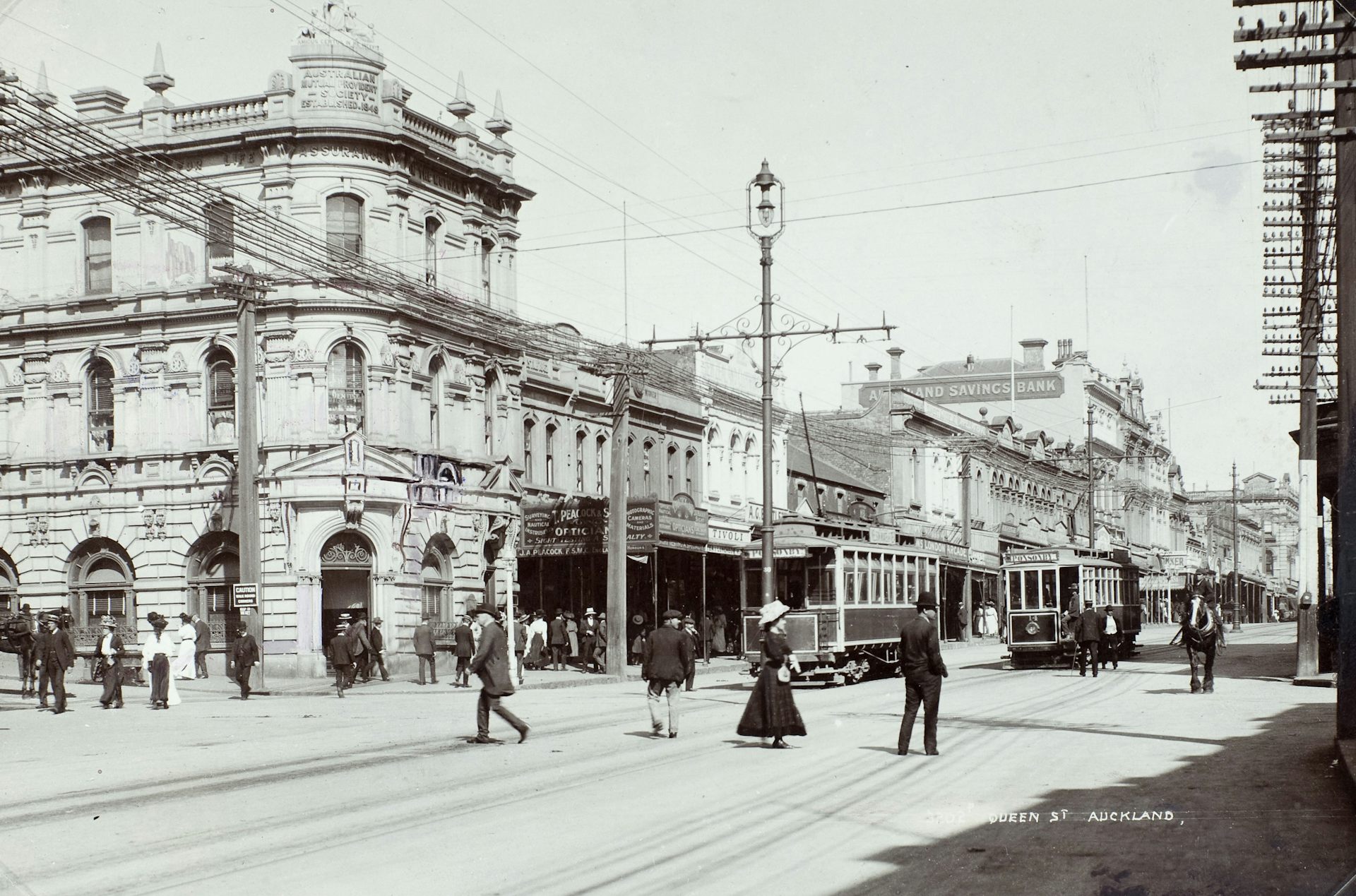
هل كان أوكلاند مهد لكنة الكيوي؟ نظرية قديمة تسمع بها مجدداً
Was Auckland the cradle of the Kiwi accent? An old theory gets a new hearing
A rediscovered academic paper from 1921 suggests New Zealand’s classic ‘fush and chups’ vowel sounds may have emerged fastest in Auckland’s colonial melting pot.
تشير ورقة أكاديمية أعيد اكتشافها تعود لعام 1921 إلى أن أصوات حروف العلة الكلاسيكية لنيوزيلندا، “فاش آند تشابس”، ربما نشأت بأسرع ما يمكن في بوتقة أوكلاند الاستعمارية.
If you’re a New Zealander who has spent time overseas, you’ve probably had someone comment on the way you speak: that swallowed e and flat i, the whole fush and chups thing … the rest of the world thinks we pronounce our vowels a bit funny.
إذا كنت من نيوزيلندا وقضيت وقتاً في الخارج، فمن المحتمل أن يكون أحدهم قد علّق على طريقة كلامك: ذلك حرف الياء المبتلع وحرف الإي المسطح، وقصة “فاش” و”تشابس” بأكملها… يظن بقية العالم أننا ننطق حروف العلة بطريقة غريبة بعض الشيء.
Even as a researcher of the Kiwi accent, it took me a while to wrap my head around the fact that “here” and “hair” aren’t supposed to rhyme.
حتى بصفتي باحثاً في لكنة الكيوي، استغرق الأمر مني بعض الوقت لاستيعاب حقيقة أن كلمتي “here” و “hair” لا يفترض أن تتناغما (تتوزنا في النطق) .
So where did this local form of spoken English originate, and how did we come to pronounce our vowels in such a unique way?
إذًا، من أين نشأ هذا الشكل المحلي للغة الإنجليزية المنطوقة، وكيف وصلنا إلى نطق حروف العلة بطريقة فريدة كهذه؟
It’s clearly a question many people have asked, given the interest in my public talk on the subject in Auckland this week, part of a project using oral history recordings of Aucklanders born around the turn of the 20th century.
من الواضح أن هذا سؤال طرحه الكثير من الناس، نظراً للاهتمام بحديثي العام حول الموضوع في أوكلاند هذا الأسبوع، والذي يندرج ضمن مشروع يستخدم تسجيلات التاريخ الشفوي لسكان أوكلاند المولودين حوالي مطلع القرن العشرين.
These recordings, now housed in the Auckland Libraries sound archives, let us listen back in time. When we compare them with modern recordings, we can trace how our accent has developed across generations.
تسمح لنا هذه التسجيلات، الموجودة الآن في أرشيفات الصوت بمكتبات أوكلاند، بالاستماع إلى الماضي. عندما نقارنها بالتسجيلات الحديثة، يمكننا تتبع كيفية تطور لكنتنا عبر الأجيال.
This means going back to when large numbers of English-speaking settlers arrived in Aotearoa New Zealand from the mid-19th century. Because they came from different parts of Britain – largely the South of England, Scotland and Ireland – they didn’t all speak the same kind of English and brought their regional accents with them.
هذا يعني العودة إلى فترة وصول أعداد كبيرة من المستوطنين الناطقين بالإنجليزية إلى أوتياروا نيوزيلندا منذ منتصف القرن التاسع عشر. ولأنهم أتوا من أجزاء مختلفة من بريطانيا – وخاصة جنوب إنجلترا، واسكتلندا، وأيرلندا – لم يتحدثوا جميعاً نفس النوع من الإنجليزية، وأحضروا معهم لكناتهم الإقليمية.
Despite the protests of educational authorities and elocution teachers of the time, what followed wasn’t the adoption of a single “correct” way of speaking the “Queen’s English”.
على الرغم من احتجاجات السلطات التعليمية ومعلمي النطق في ذلك الوقت، لم يكن ما تلا ذلك هو تبني طريقة واحدة “صحيحة” للتحدث بـ “الإنجليزية الملكية.”
Instead, these various accents came into contact, mixed together and gradually levelled out to something new – not quite British, not quite anything else. New Zealand linguists have known this part of the story for a while. What we don’t know are some of the specifics.
بدلاً من ذلك، تلامست هذه اللهجات المختلفة، وامتزجت معاً، وتدرجت تدريجياً لتصل إلى شيء جديد – ليس بريطانياً تماماً، وليس أي شيء آخر تماماً. وقد عرف علماء اللغة النيوزيلنديون هذا الجزء من القصة منذ فترة. ما لا نعرفه هو بعض التفاصيل المحددة.
Why, for example, does our accent have relatively little regional variation (other than Southlanders and their rolled Rs) , despite many early centres such as Christchurch and Dunedin having distinct cultural identities?
لماذا، على سبيل المثال، لكنتنا ذات تباين إقليمي قليل نسبياً (بخلاف سكان الجنوب ونطقهم لحرف الراء المكرر) ، على الرغم من أن العديد من المراكز المبكرة مثل كرايستشيرش ودنيدين كانت لها هويات ثقافية متميزة؟
We also don’t know if the accent developed fastest in certain places. Often, accents change quickly in cities and then spread. But so far, most of our historical research comes from recordings of speakers born in small towns.
ولا نعرف أيضاً ما إذا كانت اللهجة قد تطورت بشكل أسرع في أماكن معينة. فغالباً ما تتغير اللهجات بسرعة في المدن ثم تنتشر. ولكن حتى الآن، تأتي معظم أبحاثنا التاريخية من تسجيلات متحدثين ولدوا في مدن صغيرة.
A former professor of linguistics discusses the origins of the New Zealand accent. RNZ 6.11 MB (download)
يناقش أستاذ سابق في علم اللغة أصول لكنة نيوزيلندا. RNZ 6.11 ميجابايت (تحميل)
A rediscovered theory
نظرية مُعاد اكتشافها
This is where a piece of information that was almost lost provided some surprising inspiration.
هنا، قدمت معلومة كادت أن تضيع إلهاماً مفاجئاً.
In 1921, a professor at Otago University, George Edward Thompson, completed a thesis on the emerging New Zealand accent. This work was only rediscovered in the Hocken Collections by one of our team members in 2022.
في عام 1921، أكمل أستاذ في جامعة أوتاغو، جورج إدوارد طومسون، أطروحة حول لكنة نيوزيلندا الناشئة. لم يُعاد اكتشاف هذا العمل إلا في مجموعات هوكن من قبل أحد أعضاء فريقنا في عام 2022.
Thompson’s work provides one of the earliest and most comprehensive first hand descriptions of how early New Zealanders spoke. One of the things that stood out was a suggestion the accent was developing most strongly in the North Island, particularly in Auckland.
يقدم عمل طومسون أحد أوائل وأشمل الأوصاف المباشرة لكيفية تحدث سكان نيوزيلندا الأوائل. وكان أحد الأمور البارزة هو اقتراح بأن اللهجة كانت تتطور بقوة أكبر في الجزيرة الشمالية، وتحديداً في أوكلاند.
This got us thinking, because Auckland’s history looks quite different to many of New Zealand’s early districts.
دفعنا هذا للتفكير، لأن تاريخ أوكلاند يبدو مختلفاً تماماً عن العديد من مناطق نيوزيلندا المبكرة.
For one, the city has always been comparatively cosmopolitan, with people arriving from all over Britain rather than one dominant region. Secondly, its population grew steadily over time, unlike many other districts which saw booms and stagnation. Both these factors make a good environment for an accent to develop.
أولاً، كانت المدينة دائماً ذات طابع عالمي مقارنة، حيث وصل إليها الناس من جميع أنحاء بريطانيا بدلاً من منطقة مهيمنة واحدة. وثانياً، نمت أعداد سكانها بثبات بمرور الوقت، على عكس العديد من المناطق الأخرى التي شهدت فترات ازدهار وركود. ويشكل كلا العاملين بيئة جيدة لتطور اللهجة.
We still need to do the proper technical analysis to test whether Thompson was right, which is where the Auckland Libraries recordings are useful. They come from Aucklanders who would have been teenagers and young adults around the time Thompson was writing.
ما زلنا بحاجة إلى إجراء التحليل الفني المناسب لاختبار ما إذا كان طومسون محقاً، وهنا تكمن فائدة تسجيلات مكتبات أوكلاند. فهي تأتي من سكان أوكلاند الذين كانوا مراهقين وشباباً في مرحلة البلوغ تقريباً في الوقت الذي كان طومسون يكتب فيه.
When you listen to these recordings, the voices sound familiar – recognisably New Zealand but not quite how we speak today. Sometimes there’s a slight British or Australian quality, and speakers often shift between pronunciations.
عندما تستمع إلى هذه التسجيلات، تبدو الأصوات مألوفة – نيوزيلندية بشكل يمكن التعرف عليه ولكنها ليست تماماً كما نتحدث اليوم. في بعض الأحيان، هناك لمسة بريطانية أو أسترالية خفيفة، وغالباً ما يتنقل المتحدثون بين النطق.
But the features of the New Zealand accent we know are all there – maybe more than we expected.
لكن سمات اللهجة النيوزيلندية التي نعرفها موجودة كلها – وربما أكثر مما توقعنا.
Auckland English
الإنجليزية في أوكلاند
If our hunch is correct, we may not only solve some mysteries about the accent, but also challenge ideas about how it was formed and who contributed.
إذا كان حدسنا صحيحاً، فقد لا نكتفي بحل بعض الألغاز المتعلقة باللهجة فحسب، بل قد نتحدى أيضاً الأفكار حول كيفية تشكّلها ومن ساهم في ذلك.
For example, past research has often treated similarities between the Australian and New Zealand accents as coincidental, and assumed Māori had little influence on vowel pronunciation. This was largely because the research focused on the South Island where contact with Māori and Australia was more limited.
على سبيل المثال، غالباً ما تعاملت الأبحاث السابقة مع أوجه التشابه بين اللهجتين الأسترالية والنيوزيلندية على أنها مصادفة، وافترضت أن تأثير الماوري على نطق حروف العلة كان ضئيلاً. كان هذا إلى حد كبير لأن الأبحاث ركزت على الجزيرة الجنوبية حيث كان الاتصال بالماوري وأستراليا أكثر محدودية.
But that’s not necessarily true for Auckland, which had close trade connections with both Australia and local Māori from its inception. If Auckland was integral to the formation of our accent, those influences may need to be reconsidered.
لكن هذا ليس صحيحاً بالضرورة بالنسبة لأوكلاند، التي كانت تتمتع بروابط تجارية وثيقة بكل من أستراليا والماوري المحليين منذ نشأتها. إذا كانت أوكلاند جزءاً لا يتجزأ من تشكيل لهجتنا، فقد تحتاج تلك التأثيرات إلى إعادة النظر فيها.
Like all accents, New Zealand English continues to evolve, and Auckland is at the forefront of changes to the modern accent. Young Aucklanders are keeping their iconic “fush and chups” vowels, but may have an easier time buying “seven eggs” as they aim to be better understood in an increasingly linguistically diverse city.
مثل جميع اللهجات، تستمر الإنجليزية النيوزيلندية في التطور، وتقف أوكلاند في طليعة التغييرات التي تطرأ على اللهجة الحديثة. يحتفظ شباب أوكلاند بمقاطعهم الصوتية الأيقونية “فاش آند تشابس”، ولكن قد يجدون وقتاً أسهل لشراء “سبع بيضات” حيث يسعون إلى أن يكونوا مفهومين بشكل أفضل في مدينة متنوعة لغوياً بشكل متزايد.
Combined with Thompson’s historical commentary, this raises a big question: how long has Auckland been shaping the way New Zealanders sound? If Thompson was right, it might have been longer than we thought.
بالاقتران مع التعليق التاريخي لـ “طومسون”، يثير هذا سؤالاً كبيراً: منذ متى وأوكلاند تشكّل طريقة نطق النيوزيلنديين؟ إذا كان “طومسون” محقاً، فقد يكون الأمر أطول مما ظننا.
Dr Brooke Ross works for the University of Auckland. This project is funded by the Marsden Fund Council, managed by Royal Society Te Apārangi.
تعمل الدكتورة بروك روس لدى جامعة أوكلاند. يُموّل هذا المشروع من قبل مجلس صندوق مارسدن، وتديره الجمعية الملكية تي أبارانغي.
Read more
-

تيم ماكجرو في العشرين: كيف وضعت أغنية تايلور سويفت المنفردة الأولى صيغتها للنجاح
Tim McGraw at 20: how Taylor Swift’s debut single set her formula for success
-

الشعاب المرجانية متصلة سراً عبر المحيطات الشاسعة – وهذا أمر حيوي لبقائها.
Coral reefs are secretly connected across vast oceans – and that’s crucial for their survival