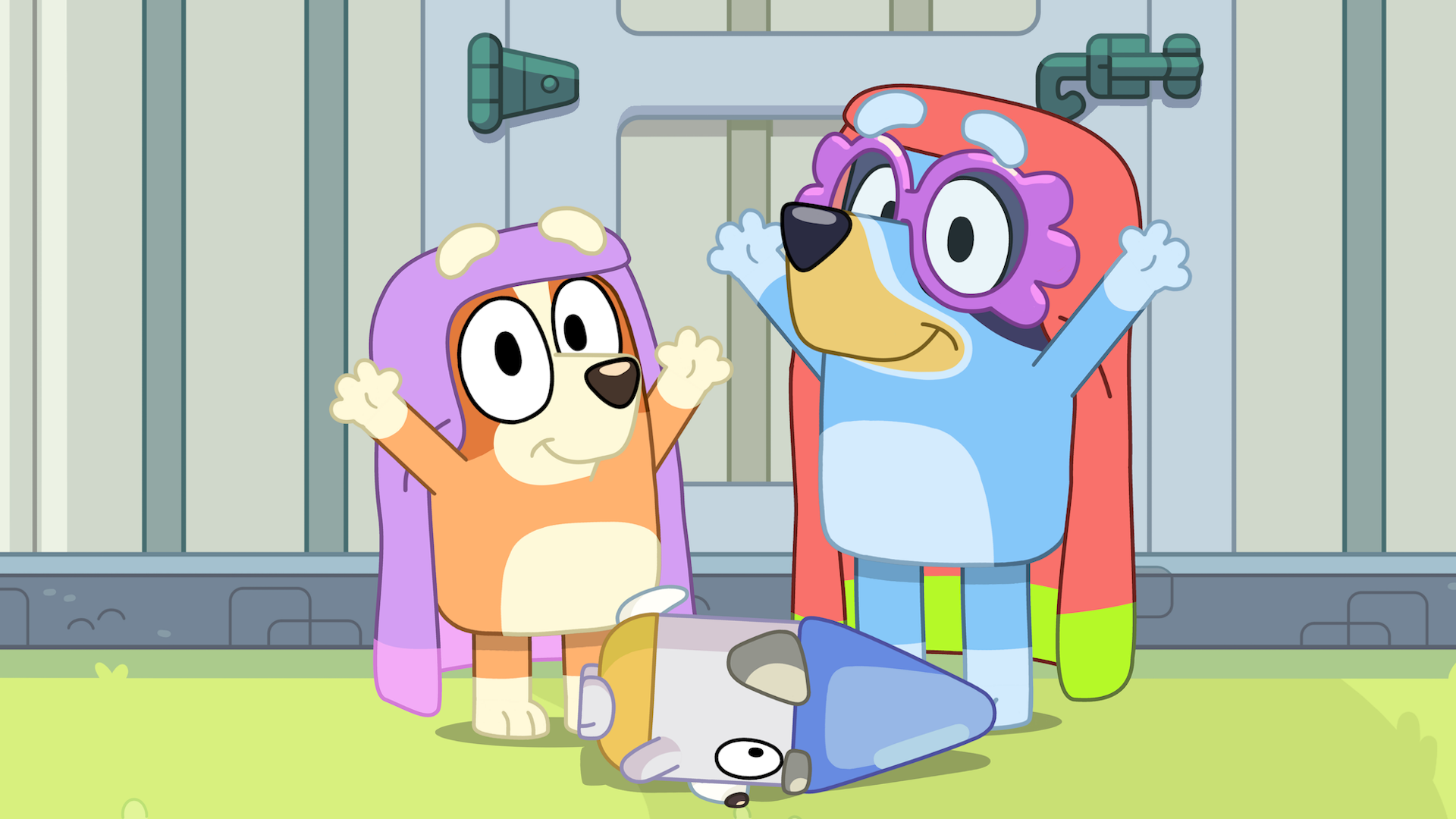
هل يمكننا اعتبار “اللعب” ديناً؟ بلووي تعتقد ذلك بالتأكيد.
Can we consider ‘play’ to be a religion? Bluey certainly thinks so
Bluey teaches us valuable life lessons, but what does it say about how we practise real-life religions, the positive and the detrimental?
تُعلّمنا بلووي دروساً حياتية قيمة، ولكن ماذا تقول عن كيفية ممارستنا للأديان الواقعية، الإيجابية والسلبية؟
Most of us are used to thinking of “religion” in terms of a belief in God or gods. Perhaps the big hitters of world belief systems come to mind – Judaism, Christianity, Islam, Hinduism, Sikhism, Buddhism or, in Australia, the Dreamtime.
معظمنا معتادون على التفكير في “الدين” من حيث الاعتقاد بإله أو آلهة. ربما تخطر على البال الأنظمة الاعتقادية الكبرى في العالم – اليهودية، والمسيحية، والإسلام، والهندوسية، والسيخية، والبوذية، أو، في أستراليا، زمن الأحلام (Dreamtime) .
But philosophers of religion and human belief systems tend to make it a bit more complicated for us. They like to expand what we think of as religious belief.
لكن فلاسفة الدين وأنظمة المعتقدات البشرية يميلون إلى تعقيد الأمر علينا بعض الشيء. فهم يحبون توسيع ما نعتبره اعتقادًا دينيًا.
One philosopher, William James, defined religion as “the belief that there is an unseen order, and that our supreme good lies in harmoniously adjusting ourselves [to it]”.
عرّف أحد الفلاسفة، ويليام جيمس، الدين بأنه “الاعتقاد بوجود نظام خفي، وأن خيرنا الأسمى يكمن في تكييف أنفسنا بتناغم [مع هذا النظام].”
When we think of religion this way, we can conceive of a lot more “unseen orders” or religions in the world than just the big, organised religions and belief in supernatural phenomena.
عندما نفكر في الدين بهذه الطريقة، يمكننا تصور الكثير من “الأنظمة الخفية” أو الأديان في العالم، أكثر بكثير من مجرد الأديان الكبرى المنظمة والاعتقاد بالظواهر الخارقة للطبيعة.
For example, most of us believe in the unseen order of “queuing” and believe that our greater good comes from harmoniously adjusting ourselves to its rules. These might include “first come, first serve,” “no cuts,” “join at the end,” “leaving the queue forfeits your place” and more.
على سبيل المثال، نؤمن معظمنا بالنظام الخفي لـ “الاصطفاف” (الوقوف في الطابور) ونعتقد أن خيرنا الأكبر يأتي من تكييف أنفسنا بتناغم مع قواعده. وقد تشمل هذه القواعد “الأسبقية لمن يأتي أولاً”، و”ممنوع التجاوز”، و”الانضمام في النهاية”، و”ترك الطابور يعني ضياع مكانك”، وغير ذلك.
Other unseen orders we interact with daily might include “manners”, “tall-poppy-ism,” or even “civil law”. James helps us understand how these beliefs function cognitively and emotionally, and how they affect our behaviour just like a traditional religion.
قد تشمل الأنظمة الخفية الأخرى التي نتفاعل معها يوميًا “الآداب”، أو “الاحتفاء بالزهور التذكارية”، أو حتى “القانون المدني.” يساعدنا جيمس على فهم كيف تعمل هذه المعتقدات معرفيًا وعاطفيًا، وكيف تؤثر على سلوكنا تمامًا مثل الدين التقليدي.
In Bluey, one of the most interesting religions is “Play”.
في مسلسل “بلووي”، أحد أكثر الأديان إثارة للاهتمام هو “اللعب.”
Play, religion and Bluey
اللعب، والدين، وبلوي
Play functions as a unifying unseen order all the characters align themselves to throughout the show.
يعمل اللعب كنظام خفي موحد تتوافق جميع الشخصيات معه طوال العرض.
The cast whole-heartedly believe in this unseen order of Play, with rules which ought to be harmoniously followed in order to reach the supreme good. This unifying belief centres the characters on the good of bonding, love and fun.
يؤمن الممثلون بصدق بهذا النظام الخفي للعب، بقواعد ينبغي اتباعها بانسجام للوصول إلى الخير الأسمى. يركز هذا الاعتقاد الموحد على خير الترابط والحب والمرح.
The pursuit of these ideals is rewarded both within the show by the characters and metatextually as the “gods” of the show (Joe Brumm and the other writers) bend the world towards them.
يتم مكافأة السعي وراء هذه المُثُل سواء داخل العرض من قبل الشخصيات أو على المستوى ما وراء النص، حيث يقوم “آلهة” العرض (جو بروم وغيره من الكتاب) بثني العالم باتجاهها.
So, what are the central beliefs of the religion of Play in Bluey? My research found four key rules which the characters consistently adjust themselves to.
إذاً، ما هي المعتقدات الأساسية لدين اللعب في بلوي؟ وجدت أبحاثي أربع قواعد رئيسية تتكيف معها الشخصيات باستمرار.
1. Don’t interrupt or stop. No one in the show ever willingly interrupts or stops mid-game, best illustrated by the episode Stumpfest.
1. لا تقاطع أو تتوقف. لا أحد في العرض يقاطع أو يتوقف طواعية أثناء اللعب، ويتجلى ذلك بشكل أفضل في حلقة “مهرجان الجذوع” (Stumpfest) .
2. Follow the agreed rules. Rules and “playing properly” are very important to the characters, most aptly illustrated by the episodes Shadowlands and Library.
2. اتبع القواعد المتفق عليها. القواعد و”اللعب بشكل صحيح” مهمان جداً للشخصيات، ويتجلى ذلك بشكل مناسب في حلقتي “أراضي الظل” (Shadowlands) و”المكتبة” (Library) .
3. Be enthusiastic. There are no half-measures or dissent allowed, illustrated by Octopus and Whale Watching.
3. كن متحمسًا. لا يُسمح بالحلول الوسط أو المعارضة، ويتجلى ذلك في حلقتي “الأخطبوط” (Octopus) و”مشاهدة الحيتان” (Whale Watching) .
4. Games should have happy endings, because the real world often doesn’t. This is the theme of the 2024 special The Sign.
4. يجب أن يكون للألعاب نهايات سعيدة، لأن العالم الحقيقي غالباً لا يكون كذلك. هذا هو موضوع الحلقة الخاصة لعام 2024 بعنوان “الإشارة” (The Sign) .
‘Contextualising’ religions
“تكييف” الأديان
The religion of Play is not without difficulties. The show spends a surprising amount of time questioning and exploring these rules, especially when they harm or hinder rather than help the characters seek good.
إن دين اللعب ليس خاليًا من الصعوبات. يقضي العرض وقتًا مفاجئًا في التساؤل واستكشاف هذه القواعد، خاصة عندما تضر بالشخصيات أو تعيق سعيها للخير بدلاً من أن تساعدها.
This is parallel to the process of “contextualising” real-life organised religions. Contextualising is when the practices or beliefs of religions are explored and changed over time to better suit the time and place the religion finds itself in and allow more people to comfortably and positively engage with the greater good of the religion.
ويوازي هذا عملية “تكييف” الأديان المنظمة في الحياة الواقعية. التكييف هو استكشاف ممارسات أو معتقدات الأديان وتغييرها بمرور الوقت لتناسب بشكل أفضل الزمان والمكان الذي تجد فيه الدين نفسه، وللسماح لعدد أكبر من الناس بالمشاركة بشكل مريح وإيجابي في الصالح العام للدين.
For example, many houses of worship have adjusted standing and kneeling practices for prayer to accommodate folks with physical disabilities and an ageing population. Likewise, many religious services that were once performed in ceremonial languages (like Latin, Sanskrit or Classical Arabic) are now done in the contemporary language of the community.
على سبيل المثال، قامت العديد من دور العبادة بتعديل ممارسات الوقوف والركوع للصلاة لاستيعاب الأشخاص ذوي الإعاقات الجسدية والسكان المسنين. وبالمثل، يتم الآن إجراء العديد من الخدمات الدينية التي كانت تُقام ذات يوم بلغات احتفالية (مثل اللاتينية أو السنسكريتية أو العربية الكلاسيكية) باللغة المعاصرة للمجتمع.
Bluey can offer us some lessons in contextualising our own religions, beliefs or non-religion.
يمكن أن يقدم لنا “بلووي” دروسًا في تكييف أدياننا أو معتقداتنا أو اللا-دين.
In the episode Shop we see worrying too much about how the unseen order works (the rules of a game) can stop you from engaging in the unseen order (having fun) . Engaging is far more important than rules.
في حلقة “المتجر” (Shop) ، نرى أن القلق المفرط بشأن كيفية عمل النظام غير المرئي (قواعد اللعبة) يمكن أن يمنعك من الانخراط في النظام غير المرئي (الاستمتاع) . المشاركة أهم بكثير من القواعد.
Episodes Charades and Helicopter teach inclusion and flexibility in play. Modifying the rules is acceptable so that more people can join in.
تُعلم حلقات “الغميضة” (Charades) و”المروحية” (Helicopter) الشمول والمرونة في اللعب. تعديل القواعد مقبول طالما أن المزيد من الناس يمكنهم الانضمام.
In Copycat we see the benefit of stories and playing out games with sad or unexpected endings. Different practices can illuminate more depth or diversity.
في حلقة “المقلد” (Copycat) ، نرى فائدة القصص ولعب الألعاب ذات النهايات الحزينة أو غير المتوقعة. يمكن للممارسات المختلفة أن تضيء عمقًا أو تنوعًا أكبر.
In Driving, Chilli interrupts to understand the game better, and can then better align her enthusiasm to the game. Some rules are less important than others – breaking a minor rule might be necessary to follow a more important rule.
في حلقة “القيادة” (Driving) ، تقاطع “تشيلي” لفهم اللعبة بشكل أفضل، ويمكنها بعد ذلك مواءمة حماسها للعبة بشكل أفضل. بعض القواعد أقل أهمية من غيرها – قد يكون خرق قاعدة بسيطة ضروريًا لاتباع قاعدة أكثر أهمية.
And in Pass the Parcel, a parent changes the practice of the game, back to how he played as a child with only one prize rather than a prize in every layer. This change to the unseen order is at first taken with great difficulty by the children and parents alike, but in the end is appreciated: the reward is greater than the growing pains.
وفي “تمرير الطرد” (Pass the Parcel) ، يغير أحد الوالدين ممارسة اللعبة، لتعود إلى الطريقة التي كان يلعب بها عندما كان طفلاً، بمكافأة واحدة فقط بدلاً من مكافأة في كل طبقة. هذا التغيير في النظام غير المرئي يُقابل في البداية بصعوبة كبيرة من قبل الأطفال والوالدين على حد سواء، ولكنه في النهاية يُقدَّر: فالمكافأة أكبر من آلام النمو.
Adjustment and contextualisation can be hard, but also rewarding.
قد يكون التكيف والتكييف صعبين، ولكنهما مجزيان أيضًا.
What we can learn about practicing religion
ما يمكننا تعلمه عن ممارسة الدين
The rules of the belief system are only a means to an end. The rules are a way of aligning oneself with the unseen order for the greater good. The rules are not the greater good in and of themselves.
إن قواعد نظام الاعتقاد ليست سوى وسيلة لغاية. فالقواعد هي طريقة لمواءمة الذات مع النظام الخفي من أجل الصالح الأكبر. والقواعد ليست هي الصالح الأكبر في حد ذاتها.
Bluey teaches us three important lessons about practicing religion through its depiction of the religion of play:
تُعلّمنا “بلووي” ثلاث دروس مهمة حول ممارسة الدين من خلال تصويرها لدين اللعب:
participation in the unseen order is more important than the specific rules
المشاركة في النظام الخفي أهم من القواعد المحددة.
extreme and rigid adherence to the rules can be harmful to those around us and ourselves
يمكن أن يكون الالتزام المفرط والجامد بالقواعد ضاراً بمن حولنا وبأنفسنا.
there is more than one way to practice an unseen order without giving up the supreme good that we all seek.
هناك أكثر من طريقة لممارسة نظام خفي دون التخلي عن الصالح الأسمى الذي نسعى إليه جميعاً.
There is more than one way to play a game, just as there is more than one way to practice a religion.
هناك أكثر من طريقة للعب لعبة، تماماً كما أن هناك أكثر من طريقة لممارسة الدين.
Sarah Lawson does not work for, consult, own shares in or receive funding from any company or organisation that would benefit from this article, and has disclosed no relevant affiliations beyond their academic appointment.
لا تعمل سارة لوسون لدى، أو تستشير، أو تملك حصصاً في، أو تتلقى تمويلاً من أي شركة أو منظمة قد تستفيد من هذه المقالة، ولم تفصح عن أي انتماءات ذات صلة تتجاوز منصبها الأكاديمي.
Read more
-
رد البابا ليو الحازم على هجوم ترامب يكشف عن رجل لله، وليس للسياسة
Pope Leo’s resolute response to Trump attack reveals a man of God, not politics
-
ما الهدف من التعليم؟ ولماذا تتصدر الدراما الكورية الجديدة “تعليمك درسًا” القوائم؟
What is education for? Why new Korean drama Teach You a Lesson is topping the charts