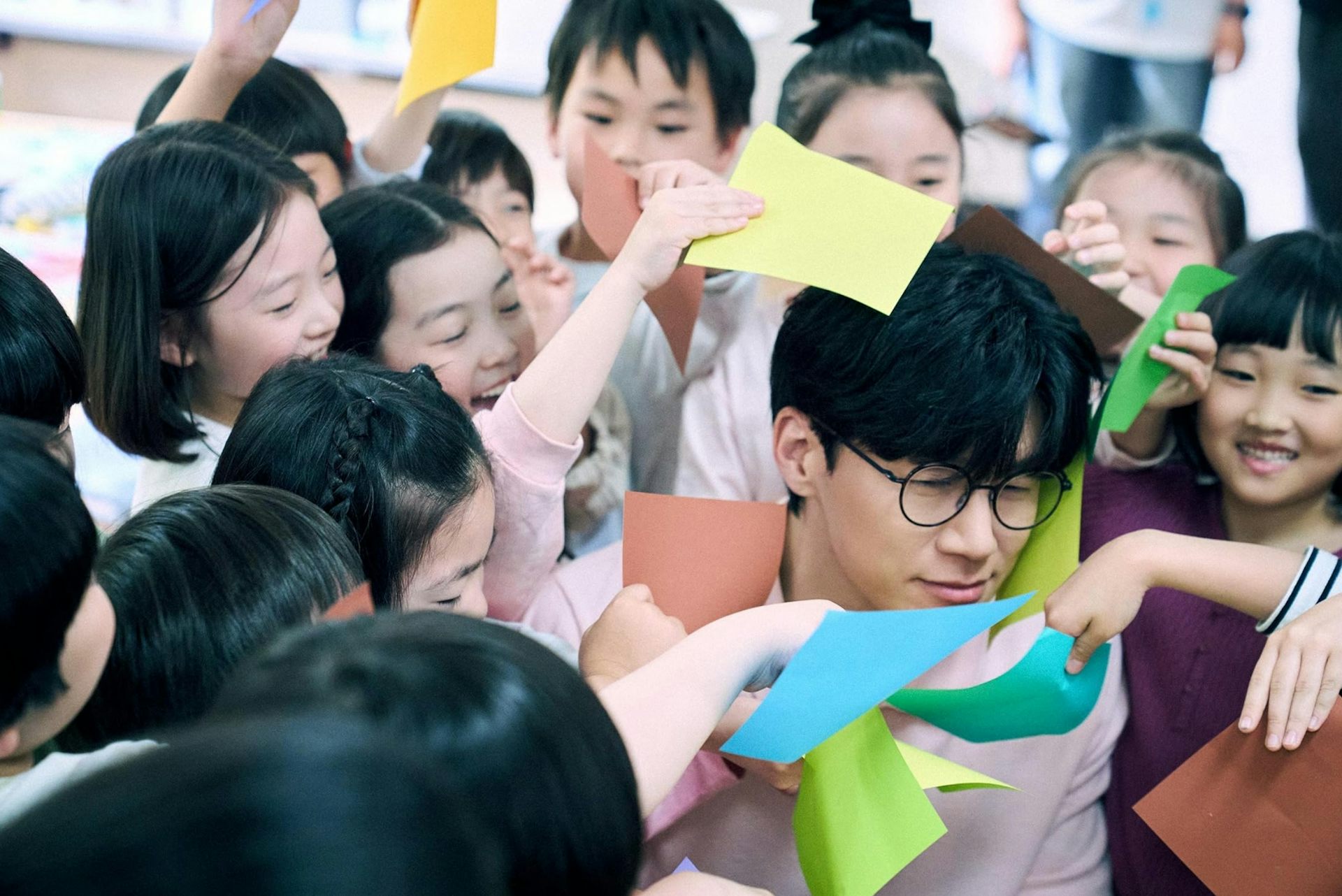
ما الهدف من التعليم؟ ولماذا تتصدر الدراما الكورية الجديدة “تعليمك درسًا” القوائم؟
What is education for? Why new Korean drama Teach You a Lesson is topping the charts
The popular new show is resonating deeply beyond borders for its exploration of the challenges of modern schooling.
يلامس المسلسل الجديد والشعبي قلوب المشاهدين بعمق ويتجاوز الحدود، وذلك لاستكشاف تحديات المدارس الحديثة.
Within a week of its release, Netflix’s new Korean drama Teach You a Lesson, directed by Hong Jong-chan, topped the platform’s global non-English rankings for the week of June 1-7.
في غضون أسبوع من إصداره، تصدر الدراما الكورية الجديدة لنتفليكس بعنوان “علِّمك درساً” (Teach You a Lesson) ، للمخرج هونغ جونغ تشان، قائمة التصنيفات العالمية غير الإنجليزية للمنصة للأسبوع الممتد من 1 إلى 7 يونيو.
Adapted from the popular webtoon Get Schooled (2020) , the 10-episode series about a government-backed vigilante unit trying to fix the wrongs in schools has quickly become a highly rated breakout hit.
تعتمد هذه السلسلة المكونة من 10 حلقات، والمقتبسة من الويب تون الشهير “Get Schooled” (2020) ، على قصة وحدة تطوعية مدعومة حكومياً تحاول تصحيح الأخطاء في المدارس، وقد أصبحت بسرعة نجاح كبير وحظيت بتقييم عالٍ.
Described in a Forbes article as “one of the most addictive feel-good dramas of the year”, the series has exploded across Asia and beyond.
ووصفتها مقالة لمنتدى فوربس بأنها “واحدة من أكثر الدراما المُبهجة وإدماناً لهذا العام”، وقد انتشرت السلسلة بشكل واسع في آسيا وخارجها.
Beneath its action, drama and satisfying takedowns lies a question troubling parents, educators and policymakers everywhere: what is education for, when the classroom itself is in crisis?
تحت غطاء الأكشن والدراما والمشاهد المرضية، يكمن سؤال يقلق الآباء والمعلمين وصناع السياسات في كل مكان: ما هو الهدف من التعليم، عندما تكون قاعة الدرس نفسها في أزمة؟
Lessons worth learning
دروس تستحق التعلم
Teach You a Lesson depicts a version of Korean society in which rising school violence and declining teacher authority have pushed the educational system to breaking point.
يصور مسلسل “Teach You a Lesson” نسخة من المجتمع الكوري حيث دفعت العنف المدرسي المتصاعد وتراجع سلطة المعلمين النظام التعليمي إلى نقطة الانهيار.
South Korea’s education minister Choi Gang-seok, portrayed by Lee Sung-min, establishes the Educational Rights Protection Bureau (ERPB) after his daughter, a teacher, tragically dies at the hands of a student.
يقوم وزير التعليم في كوريا الجنوبية، تشوي جانغ-سيوك (الذي يجسده لي سونغ-مين) ، بتأسيس مكتب حماية الحقوق التعليمية (ERPB) بعد وفاة ابنته، وهي معلمة، بشكل مأساوي على يد طالب.
The ERPB unit is granted extraordinary legal powers to intervene in troubled schools.
تُمنح وحدة الـ ERPB صلاحيات قانونية استثنائية للتدخل في المدارس المضطربة.
Leading the unit is Na Hwa-jin, played by Kim Mu-yeol. He is the action hero, the minister’s son-in-law, and a former Special Forces captain turned inspector.
يقود الوحدة نا هوا-جين، الذي يلعبه كيم مو-يول. إنه البطل العملي، وزوج ابن الوزير، وقائد سابق في القوات الخاصة تحول إلى مفتش.
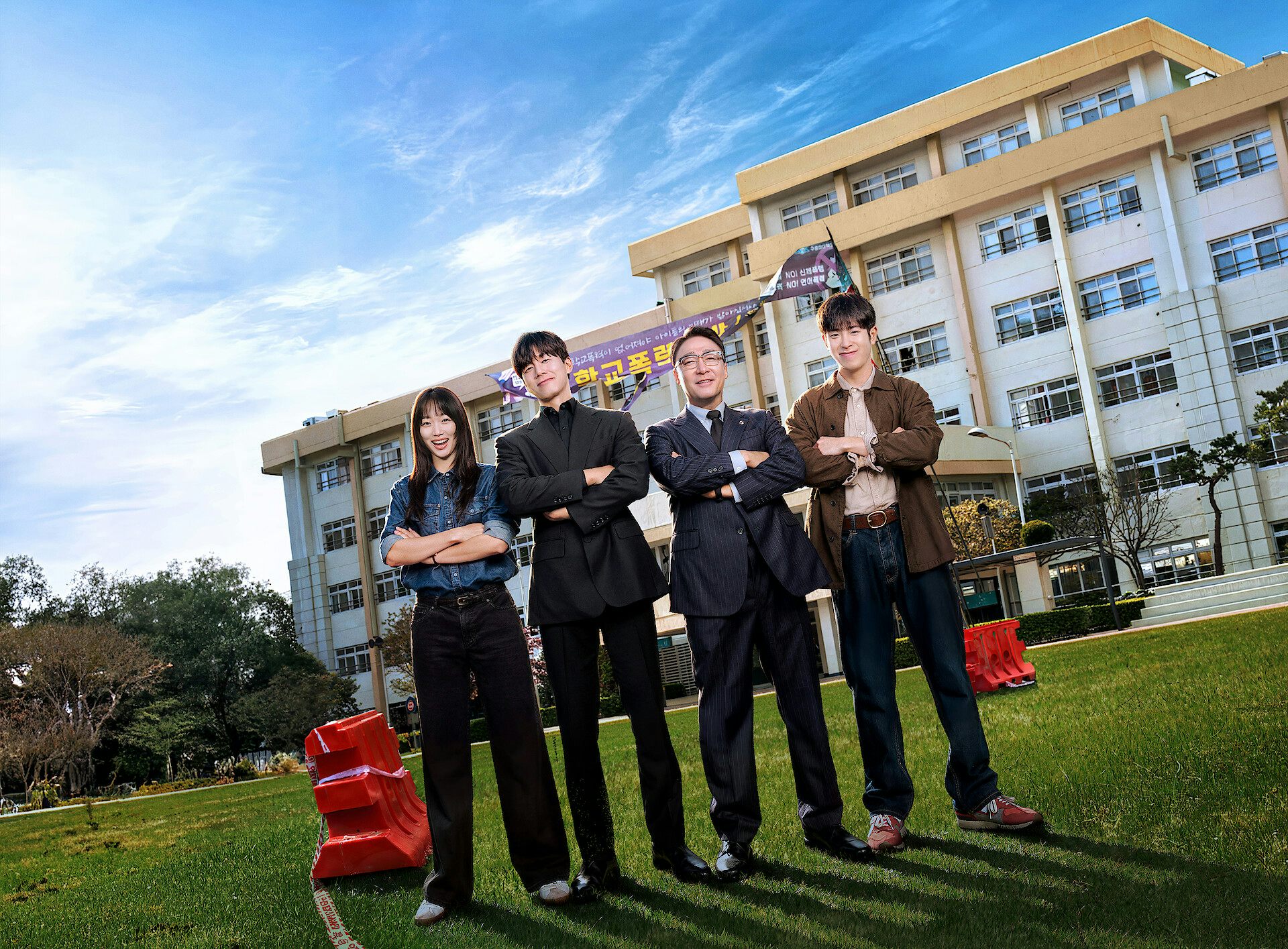
Hwa-jin teams up with the unhinged but fiercely trained Im Han-rim and the socially awkward yet technically gifted Bong Geun-dae.
يشكل هوا-جين فريقاً مع إم هان-ريم، الذي يبدو غير مستقر ولكنه مدرب بشدة، وبونغ جون-دي، الذي يعاني من التوتر الاجتماعي ولكنه موهوب تقنياً.
Much like the popular K-drama Taxi Driver (2021) , but set in classrooms, each episode tackles a new case involving bullying, corruption, academic misconduct, juvenile crime, gambling, drug trafficking or exploitation.
على غرار الدراما الكورية الشهيرة “سائق التاكسي” (2021) ، ولكن في بيئة الفصول الدراسية، تتناول كل حلقة قضية جديدة تتعلق بالتنمر أو الفساد أو سوء السلوك الأكاديمي أو الجريمة المراهقة أو المقامرة أو الاتجار بالمخدرات أو الاستغلال.
Victims seek help when institutions fail them, and the ERPB steps in with swift, cathartic justice.
يسعى الضحايا للحصول على المساعدة عندما تخفقهم المؤسسات، وتتدخل الـ ERPB بالعدالة السريعة والمُطهِّرة.
The cases range from the spoiled son of a powerful politician being shielded from the consequences of his bullying, to a vocational school where violence is valued, and a student influencer who weaponises social media against teachers (with tragic results) .
تتراوح القضايا من الابن المدلل لسياسي نافذ يتم حمايته من عواقب تنمره، إلى مدرسة مهنية حيث يُقدَّر العنف، وصولاً إلى مؤثر طلابي يستخدم وسائل التواصل الاجتماعي كسلاح ضد المعلمين (مع نتائج مأساوية) .
Other episodes explore exam fraud, overbearing parents and the pressures of competition. Many even draw on real incidents, including 2023 case in Seoul in which a young teacher took her own life after parental harassment.
تستكشف حلقات أخرى الاحتيال في الامتحانات والآباء المتسلطين وضغوط المنافسة. بل إن العديد منها يستند إلى حوادث واقعية، بما في ذلك قضية عام 2023 في سيول حيث انتحرت معلمة شابة بعد تعرضها لمضايقات أبوية.
By centring these compelling personal stories, the drama spotlights educational crises through the eyes of those harmed.
من خلال تركيز هذه القصص الشخصية المؤثرة، يُسلط المسلسل الضوء على الأزمات التعليمية من عيون المتضررين.
As Minister Choi responds to those who accuse the bureau of taking personal revenge: “We are not on the teachers’ side or the students’ side. We are on the victims’ side.”
عندما يرد الوزير تشوي على من يتهمون المكتب بالانتقام الشخصي: “نحن لسنا في صف المعلمين ولا في صف الطلاب. نحن في صف الضحايا.”
The fantasy of solving the unsolvable
خيال حل ما لا يمكن حله
In this series, if a politician’s child bullies others, the show topples the politician. If a teacher exploits an honest student, that teacher is held to account.
في هذه السلسلة، إذا تنمر طفل سياسي على الآخرين، يسقط المسلسل السياسي نفسه. وإذا استغل معلم طالبًا أمينًا، يُحاسب ذلك المعلم.
Reality is hard, so this kind of fantasy helps.
الواقع صعب، لذا يساعد هذا النوع من الخيال.
At the same time, Teach You a Lesson has been criticised by Korean educators for glorifying violence and corporal punishment through narratives in which problematic teenagers, abusive parents and corrupt educators are physically punished or publicly humiliated.
في الوقت نفسه، تعرض مسلسل “علّمك درسًا” لانتقادات من قبل تربويين كوريين لتمجيده العنف والعقاب البدني من خلال روايات يتم فيها معاقبة المراهقين المشاكل، والآباء المسيئين، والمعلمين الفاسدين جسديًا أو إذلالهم علنًا.
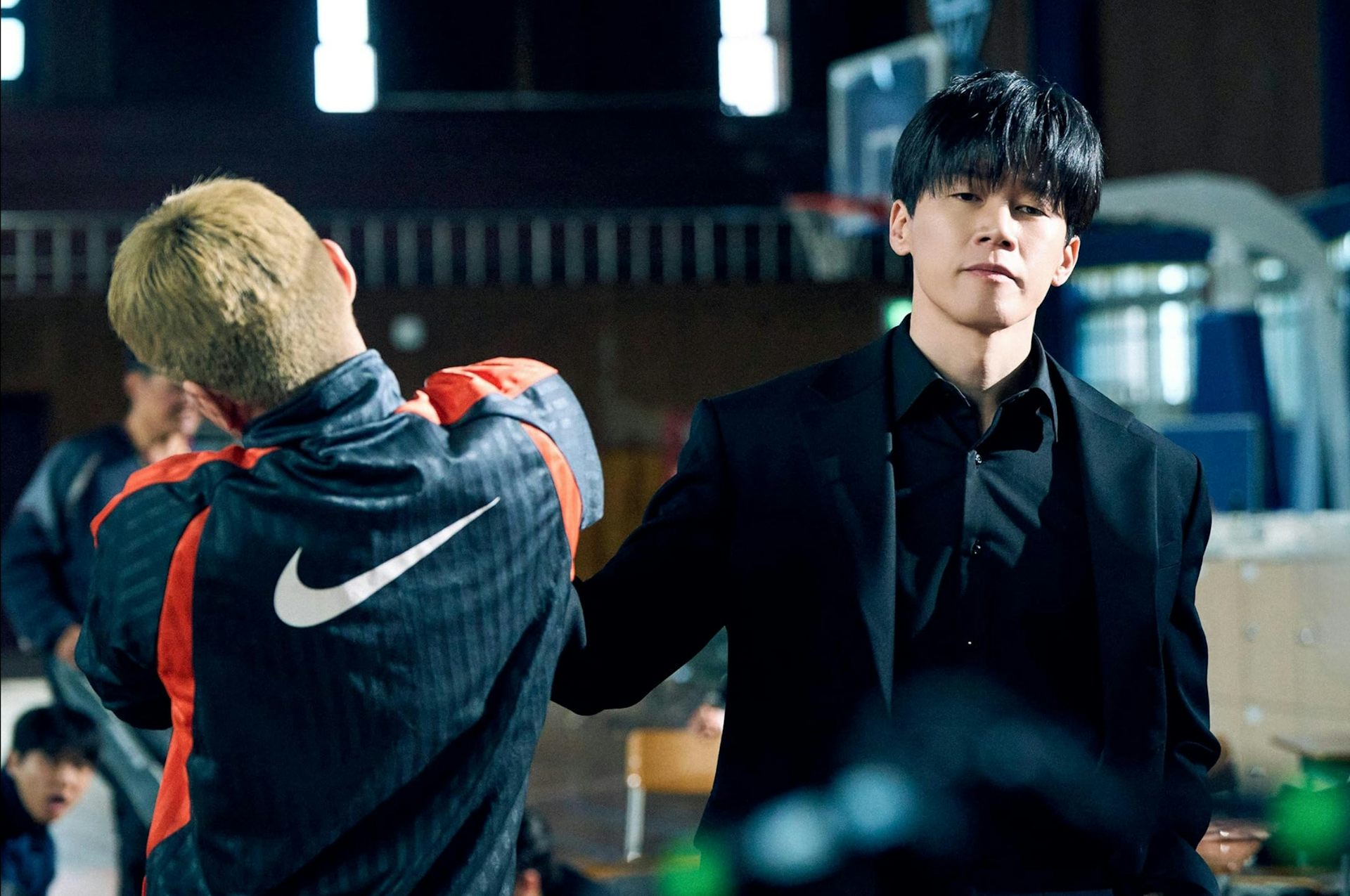
Yet its popularity suggests viewers are seeking more than vigilante satisfaction. The uplifting dialogue and vivid characters offer escapism, and spark reflections on the failures of real educational systems.
ومع ذلك، يشير شعبيته إلى أن المشاهدين يبحثون عن أكثر من مجرد الرضا الانتقامي. يقدم الحوار الملهم والشخصيات النابضة بالحياة الهروب، ويثير التأملات حول إخفاقات الأنظمة التعليمية الحقيقية.
At its heart, the series is about standing with victims. One of its most striking lines comes as Hwa-jin reflects on collapsing authority in schools: “If adults become afraid of children, the world is doomed.”
في جوهرها، تدور السلسلة حول الوقوف إلى جانب الضحايا. ويأتي أحد أكثر جملها لفتاً للانتباه عندما تتأمل هوا-جين تدهور السلطة في المدارس: “إذا خاف الكبار من الأطفال، فإن العالم محكوم عليه بالفشل.”
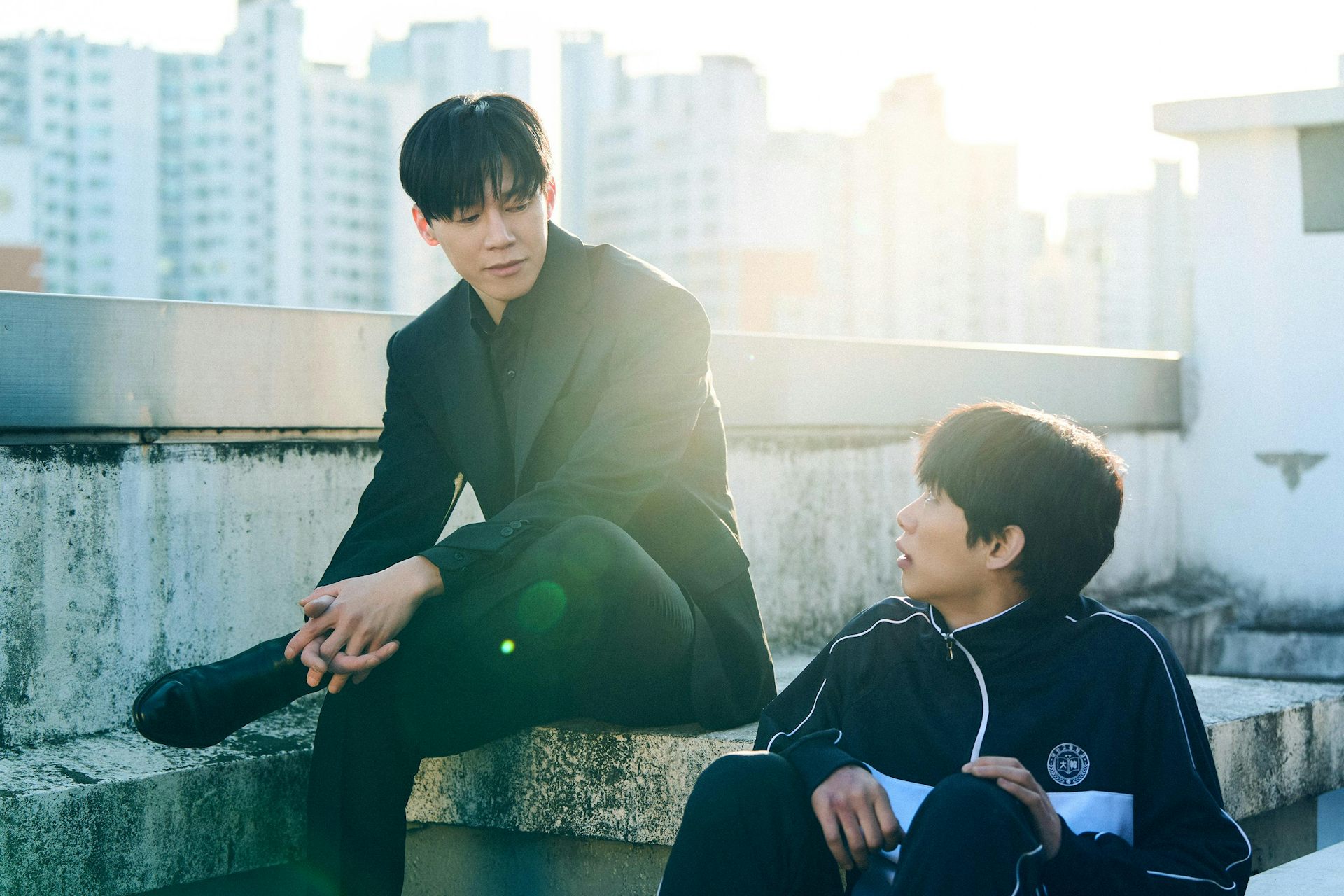
Again and again, the drama returns to the need to be seen and heard. Victims are urged to speak up. As Hwa-jin tells one bullied student, if pain remains hidden, no one will know help is needed.
مرارًا وتكرارًا، تعود الدراما إلى الحاجة إلى أن يُرى المرء ويُسمع صوته. ويتم حث الضحايا على التحدث. وكما تخبر هوا-جين أحد الطلاب الذين تعرضوا للتنمر، إذا ظل الألم مخبأً، فلن يعرف أحد أن المساعدة مطلوبة.
The show also resists the simplistic binary of heroes versus villains.
كما يقاوم المسلسل الثنائية التبسيطية بين الأبطال والأشرار.
One young offender in juvenile detention is revealed to have once been a victim himself, someone whose suffering went unnoticed until it curdled into violence. His plea to Hwa-jin – “Could you promise me just one thing? Can you make sure that no one turns out like me?” – feels directed as much at the audience as at the character.
يُكشف أن أحد المجرمين الشباب في الحجز الخاص بالقصّر كان ضحية في السابق، شخص لم يلاحظ معاناته حتى تحولت إلى عنف. تبدو مناشدته لهوا-جين – “هل يمكنك أن تعدني بشيء واحد فقط؟ هل يمكنك التأكد من أن لا أحد يصبح مثلي؟” – موجهة للجمهور بقدر ما هي موجهة للشخصية نفسها.
What, and who, is education really for?
ماذا، ولمن، هي التعليم حقاً؟
This question, more than any fight scene or dramatic confrontation, helps explain why Teach You a Lesson has hooked global audiences.
هذا السؤال، أكثر من أي مشهد قتال أو مواجهة درامية، يساعد في تفسير سبب جذب مسلسل “تعليمك درساً” للجمهور العالمي.
The appeal of its fantasy extends well beyond South Korea. The show notably went viral in China during “gaokao”, China’s fiercely competitive national university entrance exam season – tapping into widespread anxieties around pressure, fairness and opportunity.
إن جاذبية الخيال فيه تتجاوز كوريا الجنوبية بكثير. وقد انتشر المسلسل بشكل خاص في الصين خلال موسم اختبار القاوكاو (gaokao) ، وهو امتحان الدخول الجامعي الوطني التنافسي للغاية، مستغلاً بذلك المخاوف الواسعة حول الضغط والعدالة والفرص.
Research suggests confidence in modern education is eroding across many countries, including Australia. Parents worry about bullying, teachers report unmanageable workloads and shrinking authority, and policymakers struggle to reconcile the competing demands placed on schools.
تشير الأبحاث إلى أن الثقة في التعليم الحديث تتآكل عبر العديد من البلدان، بما في ذلك أستراليا. ويقلق الآباء بشأن التنمر، ويبلغ المعلمون عن عبء العمل الذي لا يمكن إدارته وتناقص السلطة، ويكافح صانعو السياسات للتوفيق بين المطالب المتنافسة المفروضة على المدارس.
At the same time, Teach You A Lesson is also deeply rooted in South Korea’s high‑stakes educational culture, where academic achievement is closely tied to social mobility, and where schooling carries enormous emotional and economic weight.
في الوقت نفسه، يتجذر مسلسل “تعليمك درساً” بعمق في الثقافة التعليمية عالية المخاطر في كوريا الجنوبية، حيث يرتبط الإنجاز الأكاديمي ارتباطاً وثيقاً بالحراك الاجتماعي، وحيث يحمل الالتحاق بالمدارس وزناً عاطفياً واقتصادياً هائلاً.
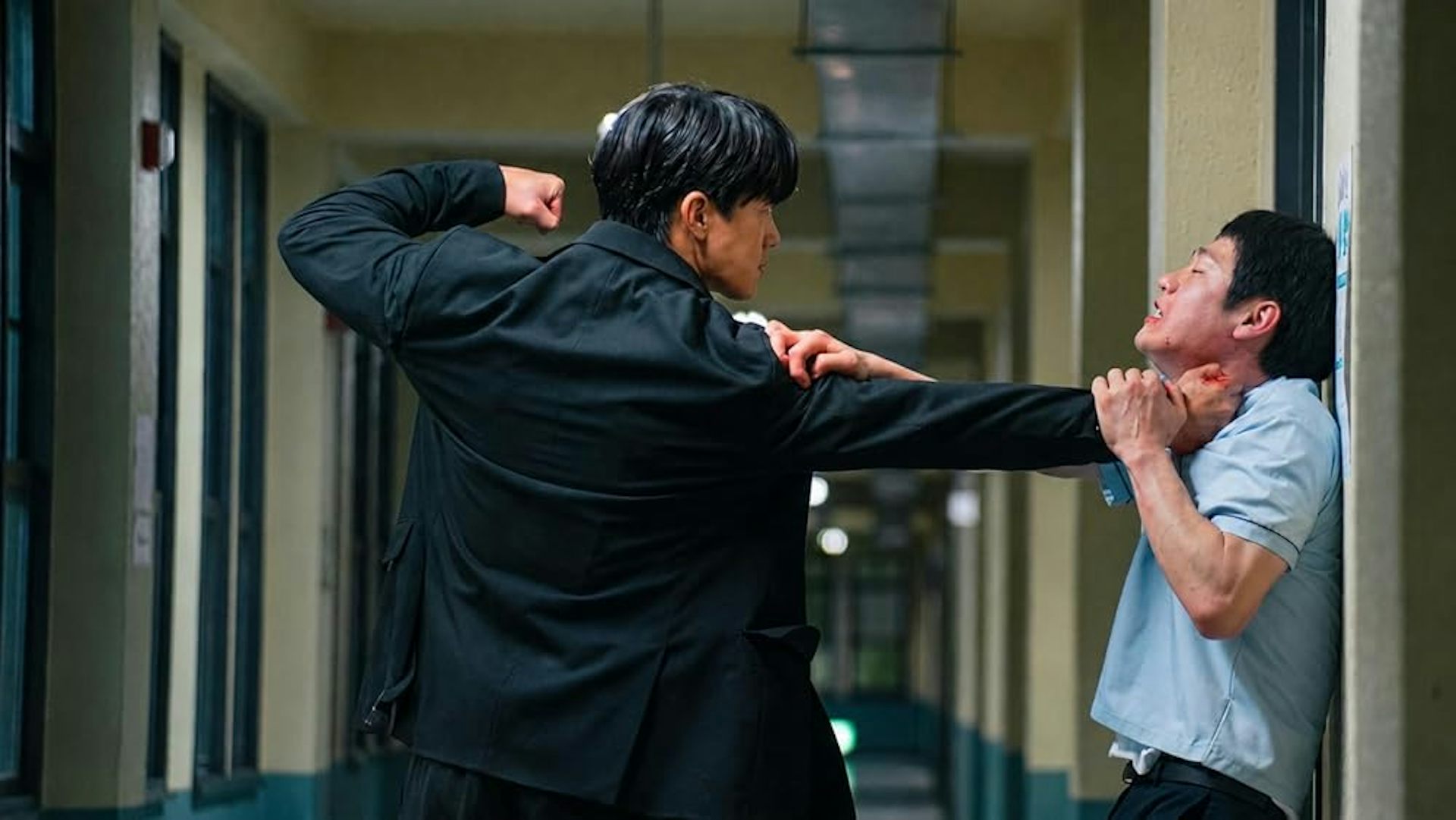
In the final episode, Hwa-jin tells the student responsible for his wife’s death “chances aren’t something you’re given, you earn them when you truly want them”. This line captures a belief that’s pervasive across East Asia and beyond: education is the best chance to earn a better life.
في الحلقة الأخيرة، يقول هوا-جين للطالب المسؤول عن وفاة زوجته: “الفرص ليست شيئاً يُمنح لك، بل تكسبها عندما تريدها حقاً.” تلتقط هذه العبارة اعتقاداً منتشراً في شرق آسيا وخارجها: أن التعليم هو أفضل فرصة لكسب حياة أفضل.
But what happens when educators, parents and policymakers can’t access the adequate tools to deal with the problems in front of them – and certain people lose out as a result? What, then, is education really for?
ولكن ماذا يحدث عندما لا يتمكن المعلمون والآباء وصانعو السياسات من الوصول إلى الأدوات الكافية للتعامل مع المشاكل التي تواجههم – وماذا يحدث عندما يفقد بعض الأشخاص بسبب ذلك؟ فماذا، إذن، هو التعليم حقاً؟
Yanyan Hong does not work for, consult, own shares in or receive funding from any company or organisation that would benefit from this article, and has disclosed no relevant affiliations beyond their academic appointment.
يانيان هونغ لا تعمل لصالح أو تستشير أو تمتلك حصصاً في أي شركة أو منظمة يمكن أن تستفيد من هذه المقالة، ولم تكشف عن أي انتماءات ذات صلة تتجاوز تعيينها الأكاديمي.
Read more
-

لماذا يمثل ازدهار سيارات الدفع الرباعي الكهربائية مشكلة للمناخ والصحة والعدالة
Why the electric SUV boom is a problem for climate, health and equity
-
3 أسباب تشير إلى أن الحرب بين الولايات المتحدة وإسرائيل وإيران تتجه نحو صراع متجمد
3 reasons the war between the US, Israel and Iran is headed for a frozen conflict