科学家们取消了最坏的气候情景——因为行动正在发挥作用
Scientists have scrapped the worst-case climate scenari…
Removing the worst-case climate future for Earth isn’t failed science, as climate sceptic Donald Trump claims. It’s a sign climate action has made a difference.
气候怀疑论者唐纳德·特朗普声称,移除地球最坏的气候未来并非科学失败。这表明气候行动已经产生了影响。
When major new climate change scenarios are released, there’s always strong interest. These scenarios lay out what our future climate will look like, depending on how fast we act to cut emissions.
每当发布重大的气候变化情景时,总会引起巨大的兴趣。这些情景描绘了我们的未来气候将是什么样子,这取决于我们减排的速度。
But what was surprising about the seven new scenarios announced last week was that United States President Donald Trump took an interest.
但上周宣布的七个新情景中最令人惊讶的是,美国总统唐纳德·特朗普对此表现出了兴趣。
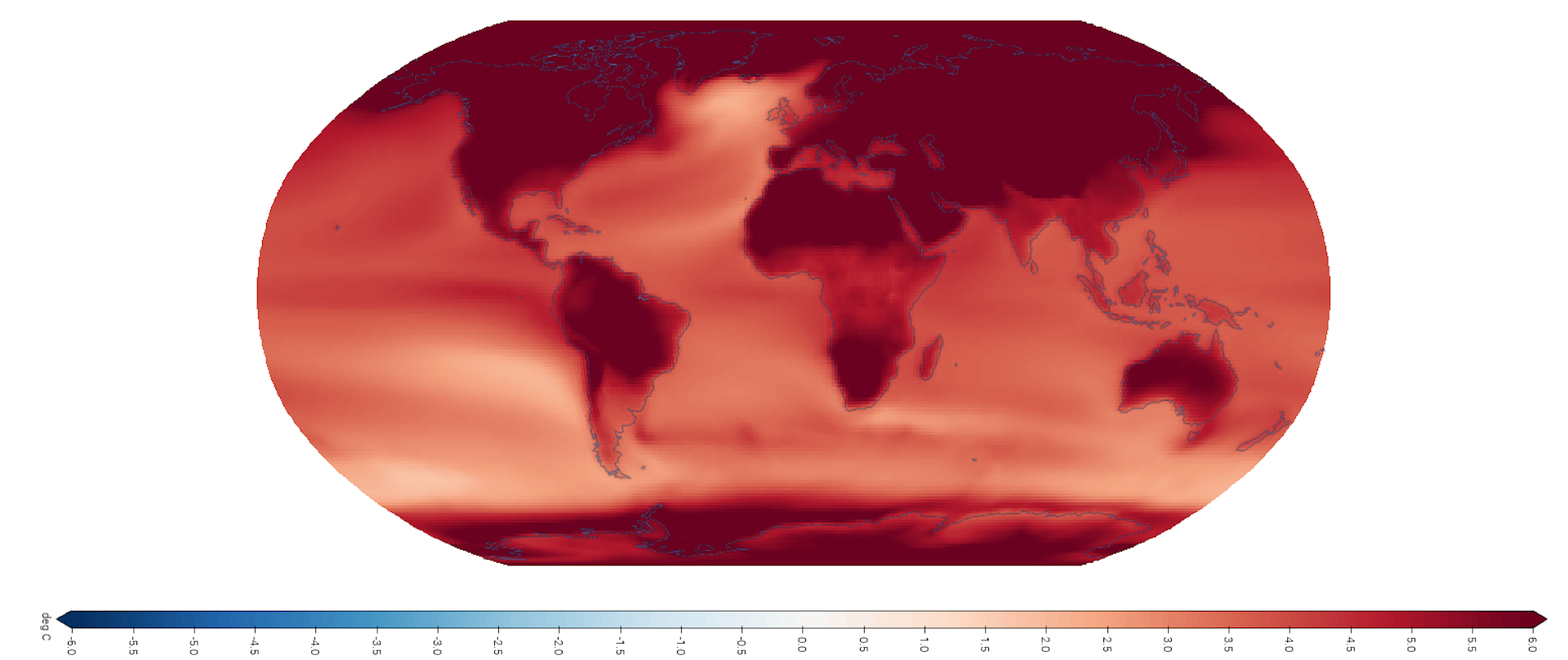
Why? Because a high-emissions scenario – known as RCP8.5 and its successor SSP5-8.5 – had been removed. Under these worst-case scenarios, nations would make no effort to cut emissions and expand fossil fuel use. By 2100, carbon dioxide levels would almost triple, to 1,135 parts per million and the world would be around 4.5°C hotter than the pre-industrial period.
为什么?因为一个高排放情景——被称为RCP8.5及其继任者SSP5-8.5——已被移除。在这些最坏情景下,各国不会努力减少排放并会扩大化石燃料的使用。到2100年,二氧化碳水平几乎将增加三倍,达到每百万分之一的1,135,届时地球的温度将比工业化前高出约4.5°C。
The climate scientists responsible for laying out the range of possible futures removed the RCP8.5 scenarios for a very good reason. Although often slow and incomplete, our efforts to tackle climate change have made a tangible difference. We have averted the worst climate future once thought possible.
负责描绘可能未来范围的气候科学家移除RCP8.5情景,是有充分理由的。尽管我们的努力往往缓慢且不完整,但我们应对气候变化的努力已经产生了切实的改变。我们避免了曾经认为可能发生的最坏气候未来。
The job is far from done. Emissions are at record highs and global warming is speeding up.
工作远未完成。排放量处于创纪录的高位,全球变暖正在加速。
But the removal of this high-emissions scenario isn’t, as Trump and other climate sceptics have claimed, a sign of failed modelling, or that climate change was a hoax. It’s a sign the expansion of solar, wind, electric vehicles and batteries have slowed emissions growth.
但移除这一高排放情景,并非如特朗普和其他气候怀疑论者声称的那样,是模型失败的迹象,也不是气候变化是个骗局的证明。它表明太阳能、风能、电动汽车和电池的扩张减缓了排放量的增长。
How are these scenarios made?
这些情景是如何制定的?
Many climate impacts are becoming evident after about 1.4°C of warming – the level we’re roughly at now.
许多气候影响在升温约1.4°C后变得显而易见——这也是我们目前大致处于的水平。
Because this period of extremely rapid climate change is due to human activities, it means we also have the opportunity to shape the future.
由于这段极快速的气候变化是由人类活动造成的,这也意味着我们有机会塑造未来。
What will this look like? Will the world keep heating up, or will rapid action cut emissions and bring warming to a halt? The answer will make a big difference to the future humanity faces.
未来会是什么样子?世界会持续升温,还是快速行动能减少排放并阻止升温?答案将对人类面临的未来产生巨大影响。
Predicting anything is difficult. But a group of scientists has created scenarios representing a range of possible climate futures.
预测任何事情都很困难。但一群科学家创建了代表一系列可能气候未来的情景。
Because the future is not set, scientists lay out a range of possible pathways for our future greenhouse gas emissions. They base them on what’s happened so far and what might happen in politics and technology over coming decades.
由于未来尚未确定,科学家们描绘了未来温室气体排放的各种可能路径。他们基于迄今发生的情况,以及未来几十年政治和技术可能发生的变化。
Then they select the emissions pathways deemed most plausible and then sample a range of different futures which are more or less optimistic about our fossil fuel use.
然后,他们选择了被认为最可信的排放路径,并采样了一系列对我们化石燃料使用程度不同(或多或少乐观)的未来。
Scientific groups around the world then model these scenarios in depth using different climate models to ensure there’s a large amount of data available at global, regional and local levels.
随后,世界各地的科学团体使用不同的气候模型深入模拟这些情景,以确保在全球、区域和地方层面都有大量数据可用。
These scenarios aren’t ranked by how likely they are. All are considered to be plausible futures. The huge range of temperature outcomes – approaching 2°C between the most and least optimistic scenarios by 2100 – points to how much of the future is in our hands.
这些情景并非按可能性进行排名。所有情景都被认为是可行的未来。到2100年,最乐观和最不乐观的情景之间的温度范围接近2°C,这表明了未来有多少程度掌握在我们手中。
Why the fuss about RCP8.5?
为什么对RCP8.5如此关注?
The two previous releases included two closely related scenarios – RCP8.5 and SSP5-8.5 respectively.
前两次报告包括了两个密切相关的情景——分别是RCP8.5和SSP5-8.5。
Here, “8.5” refers to radiative forcing – the level of extra heat (in watts) trapped per square metre by 2100.
在这里,“8.5”指的是辐射强迫——即到2100年每平方米被困住的额外热量水平(单位为瓦特)。
In these worst-case scenarios, the world sharply boosts fossil fuel use. Unsurprisingly, this leads to very high amounts of global warming. Scientists have long argued over whether this was plausible in the first place.
在这些最坏情景中,世界大幅增加了化石燃料的使用。不出所料,这导致了非常高的全球变暖程度。科学家们早就争论过这从一开始是否是可行的。
None of the new scenarios are as pessimistic as RCP8.5/SSP5-8.5. The worst possible scenario now envisions high emissions leading to warming of around 3.5°C by 2100. That would still be very, very bad.
新情景中,没有一个像RCP8.5/SSP5-8.5那样悲观。目前最坏的设想是,高排放会导致到2100年气温上升约3.5°C。那仍然是非常、非常糟糕的。
Sceptics acting in bad faith
怀疑论者恶意行事
Climate sceptics leapt on the removal of RCP8.5 as a sign the projections were wrong. These attacks were not made in good faith, but to cast doubt on climate science.
气候怀疑论者抓住移除RCP8.5的机会,将其视为预测模型错误的证据。这些攻击并非出于善意,而是为了对气候科学提出质疑。
A clear eyed assessment is that RCP8.5 was removed because climate action is starting to work.
一个清醒的评估是,移除RCP8.5是因为气候行动开始奏效了。
But while the worst outcome has been averted, we have also missed the window for the best future climate.
但虽然最坏的结果已经避免了,我们也错过了实现最佳未来气候的窗口期。
The new scenarios have no pathway as optimistic as the lowest emissions scenario from the last round of major climate projections. That scenario – SSP1-1.9 – envisaged strong climate action and rapid cuts to emissions, leading to global warming peaking at around 1.5°C.
新的情景模型没有像上一轮主要气候预测中最低排放情景那样乐观的路径。该情景——SSP1-1.9——设想了强有力的气候行动和快速的减排,使全球变暖峰值约为1.5°C。
Because global emissions haven’t yet begun to fall, the most optimistic new pathway would lead to warming peaking at about 1.9°C.
由于全球排放尚未开始下降,最乐观的新路径将导致变暖峰值约为1.9°C。
While we will definitely now pass 1.5°C, the hope is to only temporarily overshoot that level of warming while working to draw carbon dioxide back out of the atmosphere to get back to 1.5°C.
虽然我们肯定会超过1.5°C,但希望的是在努力将二氧化碳从大气中清除,回到1.5°C之前,只是暂时超过这个变暖水平。
Our current emissions trajectory is somewhere in the middle – below the high emissions path but well above the most optimistic scenario. Based on current policies and countries’ actions, we’re looking at around 2.6°C warming by 2100.
我们目前的排放轨迹处于中间地带——低于高排放路径,但远高于最乐观的情景。根据目前的政策和各国行动,我们预计到2100年全球变暖幅度约为2.6°C。
You might wonder why we need to keep redoing these climate scenarios.
您可能会想知道,为什么我们需要不断重新进行这些气候情景模拟。
One reason: facts change on the ground. Solar keeps rolling out far faster than expected, but fracking has opened up large new fossil fuel deposits. Political shifts make climate action more or less likely.
一个原因是:地面上的事实在变化。太阳能的推广速度远超预期,但水力压裂技术开辟了大量新的化石燃料矿藏。政治变动使得气候行动的可能性增减。
Another is because our climate models are continually improving. The better the models get, the more accurate and detailed our projections of sea level rise and other climate impacts can be.
另一个原因是:我们的气候模型在不断改进。模型越完善,我们对海平面上升和其他气候影响的预测就越准确和详细。
Yes, this is progress
是的,这是进步
Taking RCP8.5 off the table is a sign of progress – we’ve avoided the worst-case scenario. But we have also missed the best case future.
将RCP8.5排除在外是进步的标志——我们避免了最坏的情况。但我们也错过了最好的未来。
The next five years could play out in many different ways, leading to better or worse future climates. We must understand and prepare for what we’re facing – and double down on our efforts to create the best future possible.
未来五年可能会以许多不同的方式发展,导致未来气候更好或更糟。我们必须了解并为我们所面临的挑战做好准备——并加倍努力,创造尽可能美好的未来。
Andrew King receives funding from the Australian Research Council and the National Environmental Science Program.
Andrew King获得了澳大利亚研究理事会和国家环境科学计划的资助。