ألغى العلماء أسوأ سيناريو مناخي – لأن العمل يحدث فرقاً
Scientists have scrapped the worst-case climate scenario – because action is making a difference
Removing the worst-case climate future for Earth isn’t failed science, as climate sceptic Donald Trump claims. It’s a sign climate action has made a difference.
إن إزالة أسوأ مستقبل مناخي للأرض ليست علامة على فشل العلم، كما يزعم دونالد ترامب المتشكك في المناخ. بل هي دليل على أن العمل المناخي أحدث فرقاً.
When major new climate change scenarios are released, there’s always strong interest. These scenarios lay out what our future climate will look like, depending on how fast we act to cut emissions.
عندما يتم إصدار سيناريوهات جديدة رئيسية لتغير المناخ، يكون هناك دائمًا اهتمام كبير. ترسم هذه السيناريوهات ملامح مناخنا المستقبلي، اعتمادًا على مدى سرعة تصرفنا لخفض الانبعاثات.
But what was surprising about the seven new scenarios announced last week was that United States President Donald Trump took an interest.
لكن ما كان مفاجئًا بشأن السيناريوهات السبع الجديدة التي أُعلنت الأسبوع الماضي هو أن الرئيس الأمريكي دونالد ترامب أبدى اهتمامًا.
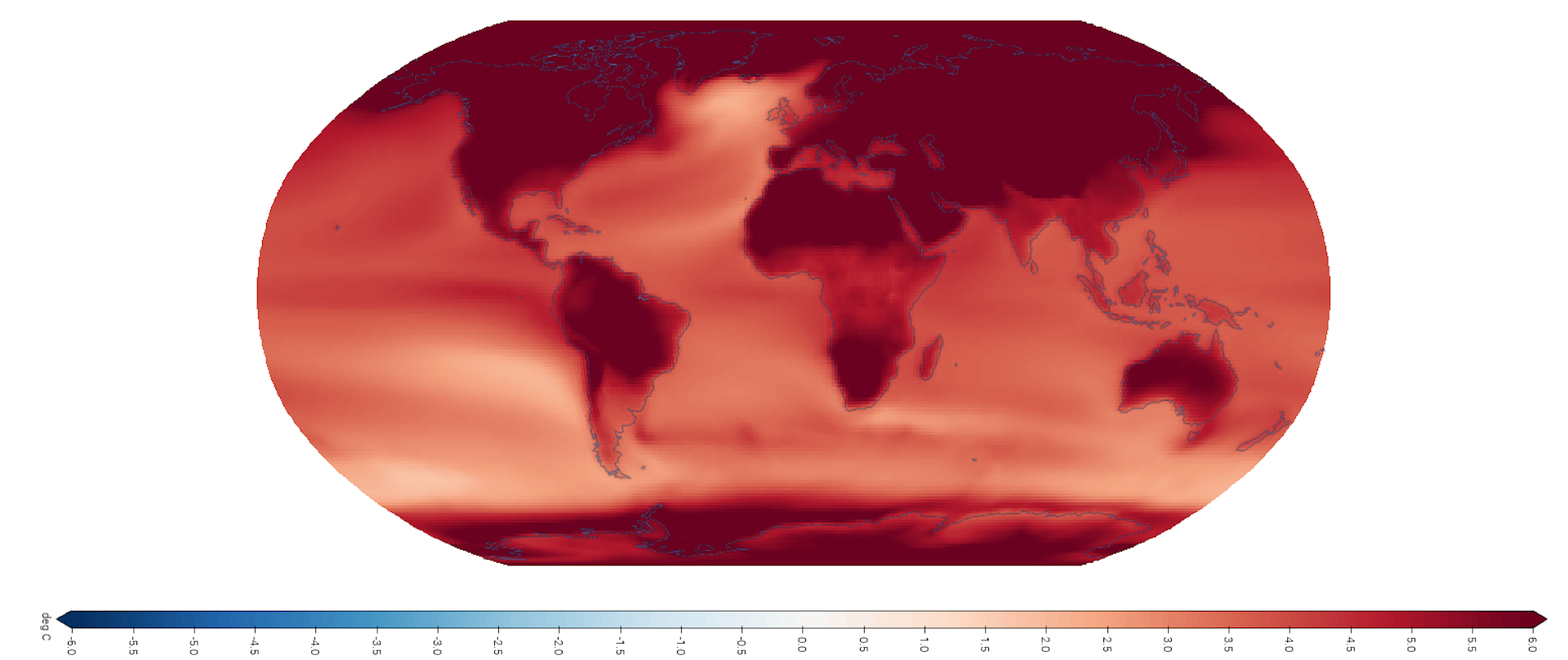
Why? Because a high-emissions scenario – known as RCP8.5 and its successor SSP5-8.5 – had been removed. Under these worst-case scenarios, nations would make no effort to cut emissions and expand fossil fuel use. By 2100, carbon dioxide levels would almost triple, to 1,135 parts per million and the world would be around 4.5°C hotter than the pre-industrial period.
لماذا؟ لأن سيناريو الانبعاثات العالية – المعروف باسم RCP8.5 وخليفته SSP5-8.5 – قد أُزيل. في ظل هذه السيناريوهات الأسوأ، لن تبذل الدول أي جهد لخفض الانبعاثات وتوسيع استخدام الوقود الأحفوري. وبحلول عام 2100، سيتضاعف مستوى ثاني أكسيد الكربون تقريبًا ثلاث مرات، ليصل إلى 1,135 جزءًا في المليون، وسيصبح العالم أكثر سخونة بحوالي 4.5 درجة مئوية من فترة ما قبل الثورة الصناعية.
The climate scientists responsible for laying out the range of possible futures removed the RCP8.5 scenarios for a very good reason. Although often slow and incomplete, our efforts to tackle climate change have made a tangible difference. We have averted the worst climate future once thought possible.
أزال علماء المناخ المسؤولون عن تحديد نطاق المستقبلات الممكنة سيناريوهات RCP8.5 لسبب وجيه للغاية. وعلى الرغم من أنها غالبًا ما تكون بطيئة وغير مكتملة، إلا أن جهودنا لمكافحة تغير المناخ قد أحدثت فرقًا ملموسًا. لقد تجنبنا أسوأ مستقبل مناخي كان يُعتقد أنه ممكن.
The job is far from done. Emissions are at record highs and global warming is speeding up.
العمل بعيد عن الانتهاء. الانبعاثات عند مستويات قياسية والاحتباس الحراري يتسارع.
But the removal of this high-emissions scenario isn’t, as Trump and other climate sceptics have claimed, a sign of failed modelling, or that climate change was a hoax. It’s a sign the expansion of solar, wind, electric vehicles and batteries have slowed emissions growth.
لكن إزالة سيناريو الانبعاثات العالية هذا ليست، كما ادعى ترامب وآخرون من المتشككين في المناخ، علامة على فشل النمذجة، أو أن تغير المناخ كان مجرد خدعة. بل هي علامة على أن توسع الطاقة الشمسية وطاقة الرياح والمركبات الكهربائية والبطاريات قد أبطأ نمو الانبعاثات.
How are these scenarios made?
كيف يتم إنشاء هذه السيناريوهات؟
Many climate impacts are becoming evident after about 1.4°C of warming – the level we’re roughly at now.
تصبح العديد من تأثيرات المناخ واضحة بعد حوالي 1.4 درجة مئوية من الاحترار – وهو المستوى الذي نحن فيه تقريباً الآن.
Because this period of extremely rapid climate change is due to human activities, it means we also have the opportunity to shape the future.
بما أن فترة التغير المناخي السريع للغاية هذه تعود إلى الأنشطة البشرية، فهذا يعني أن لدينا أيضاً فرصة لتشكيل المستقبل.
What will this look like? Will the world keep heating up, or will rapid action cut emissions and bring warming to a halt? The answer will make a big difference to the future humanity faces.
كيف سيبدو هذا؟ هل سيستمر العالم في الاحترار، أم أن العمل السريع سيخفض الانبعاثات ويوقف الاحترار؟ ستُحدث الإجابة فرقاً كبيراً في مستقبل البشرية.
Predicting anything is difficult. But a group of scientists has created scenarios representing a range of possible climate futures.
التنبؤ بأي شيء أمر صعب. لكن مجموعة من العلماء أنشأت سيناريوهات تمثل مجموعة من المستقبلات المناخية المحتملة.
Because the future is not set, scientists lay out a range of possible pathways for our future greenhouse gas emissions. They base them on what’s happened so far and what might happen in politics and technology over coming decades.
بما أن المستقبل ليس محتوماً، يضع العلماء مجموعة من المسارات الممكنة لانبعاثات غازات الاحتباس الحراري المستقبلية. ويستندون إليها على ما حدث حتى الآن وما قد يحدث في السياسة والتكنولوجيا على مدى العقود القادمة.
Then they select the emissions pathways deemed most plausible and then sample a range of different futures which are more or less optimistic about our fossil fuel use.
ثم يختارون مسارات الانبعاثات التي تُعتبر الأكثر ترجيحاً، ومن ثم يأخذون عينة من مجموعة من المستقبلات المختلفة التي تتراوح بين التفاؤل والتخوف بشأن استخدامنا للوقود الأحفوري.
Scientific groups around the world then model these scenarios in depth using different climate models to ensure there’s a large amount of data available at global, regional and local levels.
تقوم المجموعات العلمية حول العالم بعد ذلك بنمذجة هذه السيناريوهات بعمق باستخدام نماذج مناخية مختلفة لضمان توفر كمية كبيرة من البيانات على المستويات العالمية والإقليمية والمحلية.
These scenarios aren’t ranked by how likely they are. All are considered to be plausible futures. The huge range of temperature outcomes – approaching 2°C between the most and least optimistic scenarios by 2100 – points to how much of the future is in our hands.
هذه السيناريوهات ليست مصنفة حسب مدى احتمالية حدوثها. فجميعها تعتبر مستقبلات محتملة. إن النطاق الهائل لنتائج درجات الحرارة – الذي يقترب من 2 درجة مئوية بين السيناريوهات الأكثر والأقل تفاؤلاً بحلول عام 2100 – يشير إلى مقدار المستقبل الذي هو في أيدينا.
Why the fuss about RCP8.5?
لماذا كل هذا الضجيج حول RCP8.5؟
The two previous releases included two closely related scenarios – RCP8.5 and SSP5-8.5 respectively.
تضمنت الإصدارات السابقة اثنتين من السيناريوهات المترابطة بشكل وثيق – وهما RCP8.5 و SSP5-8.5 على التوالي.
Here, “8.5” refers to radiative forcing – the level of extra heat (in watts) trapped per square metre by 2100.
هنا، يشير الرقم “8.5” إلى القوة الإشعاعية (radiative forcing) – أي مستوى الحرارة الإضافية (بالواط) المحتبسة لكل متر مربع بحلول عام 2100.
In these worst-case scenarios, the world sharply boosts fossil fuel use. Unsurprisingly, this leads to very high amounts of global warming. Scientists have long argued over whether this was plausible in the first place.
في هذه السيناريوهات الأسوأ، يعزز العالم بشكل حاد استخدام الوقود الأحفوري. ومن غير المستغرب أن يؤدي هذا إلى مستويات عالية جداً من الاحترار العالمي. وقد ناقش العلماء منذ فترة طويلة ما إذا كان هذا الأمر معقولاً في المقام الأول.
None of the new scenarios are as pessimistic as RCP8.5/SSP5-8.5. The worst possible scenario now envisions high emissions leading to warming of around 3.5°C by 2100. That would still be very, very bad.
لا يوجد أي من السيناريوهات الجديدة متشائم مثل RCP8.5/SSP5-8.5. السيناريو الأسوأ الآن يتصور انبعاثات عالية تؤدي إلى ارتفاع في درجة الحرارة يبلغ حوالي 3.5 درجة مئوية بحلول عام 2100. ولا يزال هذا سيئاً جداً جداً.
Sceptics acting in bad faith
المتشككون الذين يتصرفون بسوء نية
Climate sceptics leapt on the removal of RCP8.5 as a sign the projections were wrong. These attacks were not made in good faith, but to cast doubt on climate science.
استغل المتشككون في المناخ إزالة سيناريو RCP8.5 كدليل على أن التوقعات خاطئة. لم تُقدَّم هذه الهجمات بحسن نية، بل بهدف التشكيك في علم المناخ.
A clear eyed assessment is that RCP8.5 was removed because climate action is starting to work.
التقييم الواضح هو أن إزالة سيناريو RCP8.5 جاءت لأن العمل المناخي بدأ يؤتي ثماره.
But while the worst outcome has been averted, we have also missed the window for the best future climate.
ولكن بينما تم تجنب أسوأ النتائج، فقد أضعنا أيضاً فرصة تحقيق أفضل مناخ مستقبلي.
The new scenarios have no pathway as optimistic as the lowest emissions scenario from the last round of major climate projections. That scenario – SSP1-1.9 – envisaged strong climate action and rapid cuts to emissions, leading to global warming peaking at around 1.5°C.
السيناريوهات الجديدة ليس لها مسار متفائل مثل سيناريو الانبعاثات المنخفضة من الجولة الأخيرة من التوقعات المناخية الرئيسية. هذا السيناريو – SSP1-1.9 – تصور عملاً مناخياً قوياً وتخفيضات سريعة للانبعاثات، مما أدى إلى بلوغ الاحترار العالمي ذروته عند حوالي 1.5 درجة مئوية.
Because global emissions haven’t yet begun to fall, the most optimistic new pathway would lead to warming peaking at about 1.9°C.
لأن الانبعاثات العالمية لم تبدأ بعد في الانخفاض، فإن المسار الأكثر تفاؤلاً الجديد سيؤدي إلى بلوغ الاحترار ذروته عند حوالي 1.9 درجة مئوية.
While we will definitely now pass 1.5°C, the hope is to only temporarily overshoot that level of warming while working to draw carbon dioxide back out of the atmosphere to get back to 1.5°C.
على الرغم من أننا سنتجاوز بالتأكيد حاجز 1.5 درجة مئوية الآن، إلا أن الأمل هو أن يكون هذا التجاوز مؤقتاً فقط، بينما نعمل على سحب ثاني أكسيد الكربون من الغلاف الجوي للعودة إلى مستوى 1.5 درجة مئوية.
Our current emissions trajectory is somewhere in the middle – below the high emissions path but well above the most optimistic scenario. Based on current policies and countries’ actions, we’re looking at around 2.6°C warming by 2100.
مسار انبعاثاتنا الحالي يقع في مكان ما في المنتصف – أقل من مسار الانبعاثات المرتفعة ولكنه أعلى بكثير من السيناريو الأكثر تفاؤلاً. بناءً على السياسات الحالية وإجراءات البلدان، فإننا نتطلع إلى ارتفاع يبلغ حوالي 2.6 درجة مئوية بحلول عام 2100.
You might wonder why we need to keep redoing these climate scenarios.
قد تتساءلون لماذا نحتاج إلى إعادة عمل هذه السيناريوهات المناخية باستمرار.
One reason: facts change on the ground. Solar keeps rolling out far faster than expected, but fracking has opened up large new fossil fuel deposits. Political shifts make climate action more or less likely.
أحد الأسباب: الحقائق تتغير على أرض الواقع. تستمر الطاقة الشمسية في الانتشار بشكل أسرع بكثير مما كان متوقعاً، لكن التكسير الهيدروليكي فتح رواسب كبيرة جديدة من الوقود الأحفوري. التغيرات السياسية تجعل العمل المناخي أكثر أو أقل احتمالاً.
Another is because our climate models are continually improving. The better the models get, the more accurate and detailed our projections of sea level rise and other climate impacts can be.
السبب الآخر هو أن نماذجنا المناخية تتحسن باستمرار. كلما أصبحت النماذج أفضل، أصبحت توقعاتنا بارتفاع مستوى سطح البحر وغيرها من التأثيرات المناخية أكثر دقة وتفصيلاً.
Yes, this is progress
نعم، هذا تقدم
Taking RCP8.5 off the table is a sign of progress – we’ve avoided the worst-case scenario. But we have also missed the best case future.
إن إبعاد سيناريو RCP8.5 عن الطاولة هو علامة على التقدم – فقد تجنبنا أسوأ سيناريو. لكننا أضعنا أيضاً أفضل مستقبل.
The next five years could play out in many different ways, leading to better or worse future climates. We must understand and prepare for what we’re facing – and double down on our efforts to create the best future possible.
يمكن أن تتكشف السنوات الخمس القادمة بطرق عديدة ومختلفة، مما يؤدي إلى مناخات مستقبلية أفضل أو أسوأ. يجب علينا أن نفهم ونستعد لما نواجهه، وأن نضاعف جهودنا لخلق أفضل مستقبل ممكن.
Andrew King receives funding from the Australian Research Council and the National Environmental Science Program.
يتلقى أندرو كينغ تمويلاً من المجلس الأسترالي للبحوث والبرنامج الوطني لعلوم البيئة.
Read more
-
كان الأستراليون الأصليون علماء الفلك الأوائل في العالم. لكن معرفتهم الآن في خطر.
Indigenous Australians were the world’s first astronomers. But their knowledge is now at risk
-
هل يمكن للديمقراطيين الفوز بالسيطرة على الكونغرس في الانتخابات النصفية الأمريكية؟ كل الأنظار تتجه إلى هذه السباقات المحورية
Could the Democrats win control of Congress in the US midterms? All eyes are on these pivotal races