巨齿鲨的传奇生命,由化石重现揭示
Megalodon’s legendary life revealed by fossil rediscove…
Previously lost fossils sometimes reemerge, but how do palaeontologists end up losing specimens in the first place?
以前丢失的化石有时会重新出现,但古生物学家最初是如何丢失这些标本的呢?
Museums are supposed to be havens for the collective cultural and scientific heritage of the planet, but specimens sometimes go missing.
博物馆本应是地球集体文化和科学遗产的避风港,但标本有时会失踪。
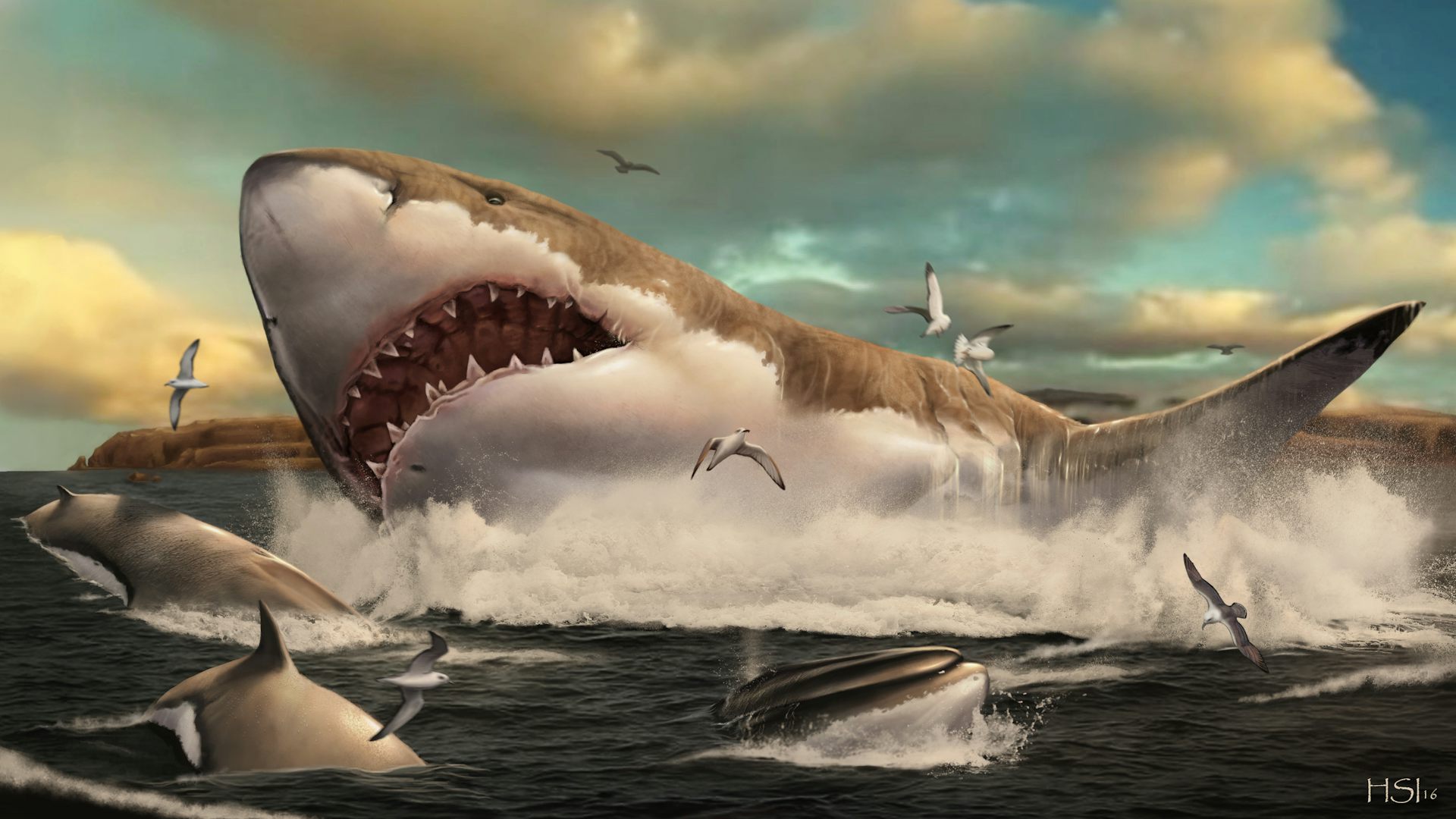
Happily, they can also be rediscovered, as a new study shows, with the vertebrae of the legendary predatory shark known to the world under its old name of Megalodon (now properly Otodus megalodon) turning up on a museum shelf decades after they were seemingly lost.
令人欣喜的是,正如一项新研究所示,它们也可能被重新发现。这次发现的主角是传说中的掠食性鲨鱼——巨齿鲨(Megalodon),它以前的名字广为人知,现在其学名为 Otodus megalodon 的椎骨,在看似失踪了几十年后,竟然出现在了博物馆的货架上。
The new paper takes another look at the size and growth of this giant shark that lived between 15 and 3.5 million years ago. The study confirms previous estimates that these animals might have been longer than 24 metres. To put that in context, even the most unnaturally exaggerated sharks in the Jaws franchise topped out at 10.5 metres. These were seriously big fish.
这篇新论文再次研究了这种生活在1500万至350万年前的巨型鲨鱼的大小和生长情况。该研究证实了此前的估计,即这些动物可能长超过24米。为了提供一个参照物,即使是《大白鲨》系列电影中最不自然夸大的鲨鱼,体长也最高只有10.5米。它们真是巨大的生物。
The work is based on an analysis of several 11-million-year-old vertebrae from one animal, found in Denmark. Apart from the jaws and teeth, shark skeletons are mostly cartilage, so vertebrae are rare and important. Compared to a tooth, they give a much better indication of the size of the owner and here these are the largest known of any O megalodon (23cm in diameter) .
这项工作基于对在丹麦发现的来自同一只动物的几块有1100万年历史的椎骨的分析。除了颌部和牙齿外,鲨鱼骨骼大部分是软骨,因此椎骨稀有且重要。与牙齿相比,它们能更准确地指示物体的尺寸;而这些样本则是已知任何 O megalodon 最大的(直径达23厘米)。
These important specimens were thought to have been destroyed in a move from the Geological Museum of Copenhagen (now part of the Natural History Museum of Denmark) to the Museum of Southern Jutland in 1989. The scientific records of them were limited to old photos and descriptions. A couple of these vertebrae have now turned up, having apparently sat on a shelf unrecognised for decades. This allowed for the new study, which also estimated that a newborn O megalodon might be 3.6 metres long and live for nearly a century.
这些重要的标本曾被认为在1989年从哥本哈根地质博物馆(现为丹麦自然历史博物馆的一部分)转移到南尤特兰博物馆的过程中被毁。关于它们的科学记录仅限于旧照片和描述。现在,几块椎骨出土了,它们显然是在货架上无人认领了几十年。这促成了这项新研究,该研究还估计了一只新生 O megalodon 的体长可能达到3.6米,并且寿命接近一个世纪。
How can museums and palaeontologists lose valuable fossils?
博物馆和古生物学家如何会丢失珍贵的化石?
All manner of unlikely and unfortunate actions can lead to the loss of fossils from museums.
各种不太可能和不幸的行为都可能导致博物馆的化石丢失。
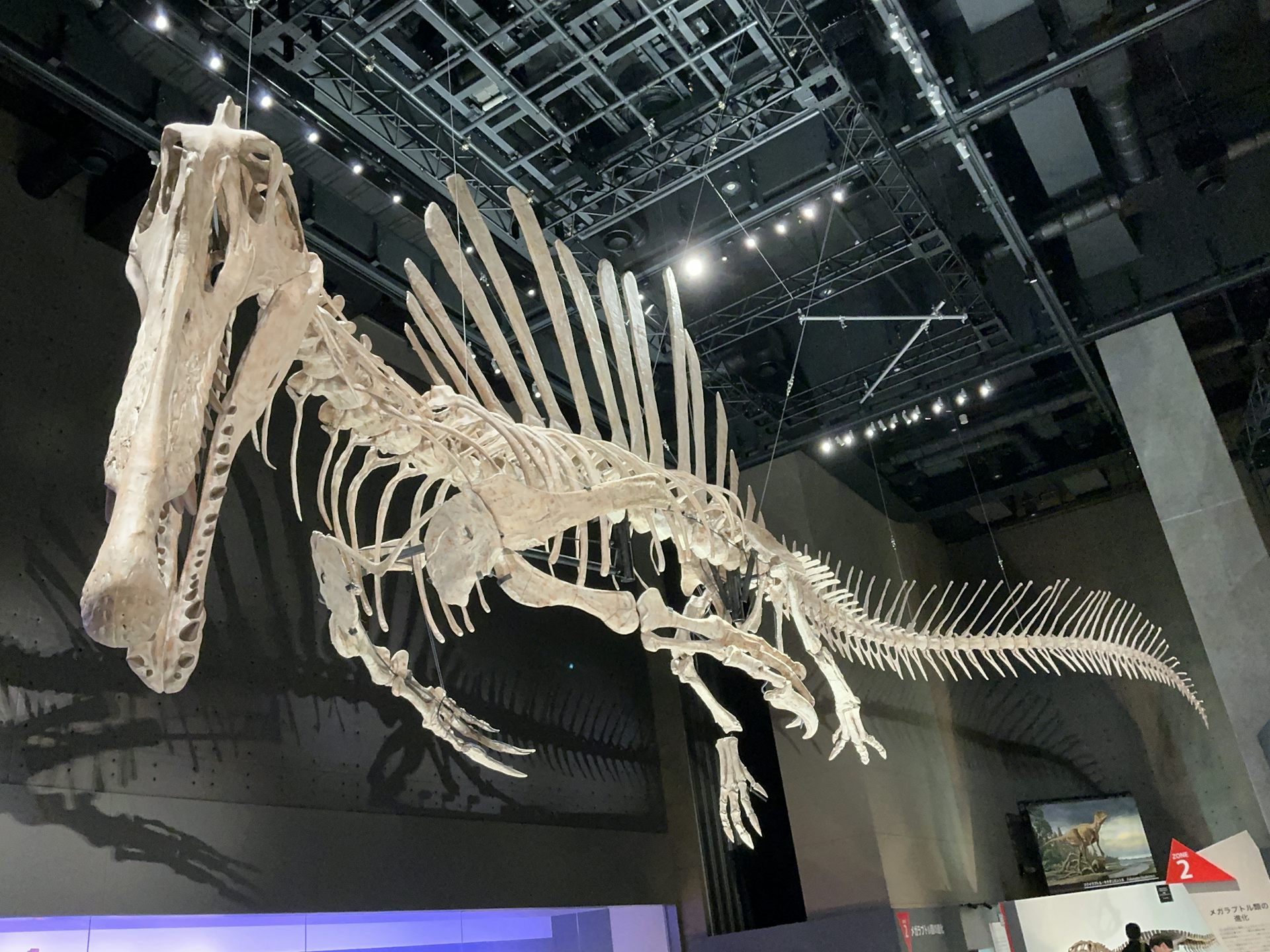
Most obviously this can happen during times of conflict. The second world war saw the loss of dinosaur fossils on both sides of the conflict. The original specimens of the sail-backed dinosaur Spinosaurus were destroyed in Munich by an allied bombing raid in 1944. Earlier, a number of specimens, including parts of the early dinosaur Thecodontosaurus, were destroyed in Bristol after an Axis raid in 1940.
最明显的情况是在冲突时期。第二次世界大战期间,双方都损失了恐龙化石。原版的帆背恐龙斯皮诺龙(Spinosaurus)标本于1944年被盟军轰炸机在慕尼黑摧毁。此前,包括早期恐龙齿骨龙(Thecodontosaurus)部分标本在内的许多标本,曾在1940年轴心国的一次空袭后在布里斯托尔被销毁。
These were not even the first losses from enemy action in international wars. In 1916, the Canadian ship SS Mount Temple was sunk by a German ship. Although it was mostly carrying wheat, it also had a cargo of dinosaur fossils from Alberta that were being moved to the UK. The cargo lists are vague so we don’t even know what dinosaurs were on board.
这些甚至不是国际战争中敌方行动造成的首次损失。1916年,加拿大船只“圣庙号”(SS Mount Temple)被一艘德国船击沉。虽然它主要运载的是小麦,但它还载有从阿尔伯塔省运往英国的恐龙化石货物。货运清单模糊不清,所以我们甚至不知道船上装了哪些恐龙。
Indirect action could be problematic too. In 1941, the Chinese attempted to move as many as 40 specimens of “Peking man” (Homo erectus) , the first of our relatives to have human-like proportions, to the US to try to save valuable early hominid fossils from the invading Japanese forces. They never arrived, and might have been lost at sea after the ship they were on was sunk. Although it’s possible they never even made it on board the vessel.
间接行动也可能带来问题。1941年,中国试图将多达40个“北京人”(Homo erectus)标本——这是我们亲属中第一个具有类人比例的物种——运往美国,以期从入侵的日本军队手中抢救有价值的早期人科化石。它们从未到达,可能是在载它们的船只沉没后在海中丢失了。虽然也有可能它们根本没有登上这艘船。
Things can also be simply lost or fall apart. An apparent giant sauropod dinosaur similar to Diplodocus was named by the US palaeontolgist Ed Cope in 1877 as Amphicoelias fragillimus. He described it from a single, incomplete, fragile, but giant, vertebra.
物品也可能只是简单地丢失或散架。一种类似于直角龙(Diplodocus)的巨大蜥脚类恐龙,由美国古生物学家爱德·科普(Ed Cope)于1877年命名为“脆弱双孔龙”(Amphicoelias fragillimus)。他是根据一个单一的、不完整、易碎但巨大的椎骨来描述它的。
Cope gave differing measurements of the vertebra at various times, making it unclear quite how large it actually was. When he died, his collection was sold to the American Museum of Natural History, but they were never able to find this specimen. Given how fragile it was, it may simply have disintegrated on the shelf and been overlooked or thrown away.
科普在不同时间对这个椎骨给出了不同的测量数据,使得它实际有多大变得不明朗。在他去世后,他的收藏被出售给了美国自然历史博物馆,但他们从未能找到这件标本。考虑到它的脆弱性,它可能只是在架子上自行崩解,从而被忽略或扔掉了。
Museums are not immune to losses either. If you have an enormous number of specimens (the Natural History Museum in London has an estimated 80 million objects in its collection) , it is inevitable that one or two may simply get lost.
博物馆本身也无法避免损失。如果你拥有大量的标本(伦敦自然历史博物馆的馆藏估计有8000万件物品),那么丢失一两个是不可避免的。
I’ve been an eyewitness to lost specimens turning up in a museum when a colleague spotted a dinosaur skull and pterosaur skeleton sitting on the wrong shelf like misplaced library books. Then there’s the more nefarious activities – I’ve heard of researchers deliberately moving specimens to make them hard to find so other researchers cannot examine them, and occasionally things are stolen from collections.
我曾亲眼目睹过丢失的标本在博物馆里重新出现的情景,当时一位同事发现了一个恐龙头骨和翼龙骨架,它们像放错地方的书籍一样放在了错误的架子上。还有更恶劣的行为——我听说过研究人员故意移动标本,使其难以找到,从而阻止其他研究人员检查;偶尔也会有物品从馆藏中被盗。
On top of this, natural disasters and accidents can wipe out history. The Fukushima earthquake and tsunami of 2011 in Japan caused major damage to the nearby Iwaki museum with damage to some of the fossils in their collections. And in 2018, one wing of the Nation Museum of Brazil in Rio de Janeiro burned down with the loss of many fossil specimens that were on display.
除此之外,自然灾害和事故也可能抹去历史。2011年日本的福岛地震和海啸对附近的岩木博物馆造成了重大损害,导致其部分化石标本受损。而在2018年,巴西里约热内卢的国家博物馆的一个翼楼着火,损失了许多展出的化石标本。
For all the examples raised here, museums are inherently safe places for specimens. There are millions and millions of fossils that have been held in institutions around the world for decades and even centuries. It is inevitable that accidents will happen, and that bad actors will cause occasional losses. Fortunately, at least on occasion these do reappear and give us some exciting new research opportunities.
鉴于这里提出的所有例子,博物馆本质上是保存标本的安全场所。世界上各地的机构存放着数百万计、甚至跨越了几个世纪的化石。事故发生和不当行为造成偶尔的损失是不可避免的。幸运的是,至少有时这些化石会重新出现,为我们带来一些令人兴奋的新研究机会。
David Hone does not work for, consult, own shares in or receive funding from any company or organisation that would benefit from this article, and has disclosed no relevant affiliations beyond their academic appointment.
大卫·霍恩(David Hone)并未受任何受益于本文的公司或组织雇佣、咨询、拥有股份或获得资金支持,并且除了其学术职位外,未披露任何相关隶属关系。