伊朗刚刚顶住了世界上最强大的军事力量。澳大利亚可以从其战略中学到什么?
Iran just outlasted the world’s most powerful military.…
Australia needs to consider how to adapt its military tactics and preparedness to meet potential future threats.
澳大利亚需要考虑如何调整其军事战术和准备,以应对潜在的未来威胁。
Iran has emerged undefeated after nearly four months of war against a nuclear-armed regional rival (Israel) and the world’s most powerful military (the United States) .
伊朗在与一个拥有核武器的地区对手(以色列)和世界上最强大的军事力量(美国)进行近四个月的战争后,仍然保持着未战胜的状态。
The regime is still in control of its population and territory. Though its economy is suffering, Iran’s industrial base is still churning out missiles, drones and rockets.
该政权仍然控制着其人口和领土。尽管其经济正在遭受痛苦,但伊朗的工业基础仍在不断制造导弹、无人机和火箭。
Many of Tehran’s top leaders have been killed, but the survivors remain determined to drive negotiations to an advantageous outcome.
特拉维夫的许多高级领导人已被杀害,但幸存者们仍然决心推动谈判达到有利的结果。
Australia is obviously very different from Iran in many respects. And war here is not imminent. But that doesn’t mean we can’t learn anything from Iran’s experience – in addition to Ukraine’s.
澳大利亚在许多方面显然与伊朗非常不同。而且这里没有战争的威胁。但这并不意味着我们不能从伊朗的经验中学习到任何东西——除了乌克兰的经验之外。
Here are a few lessons to consider about the way war is changing and how middle powers like Australia can better prepare to defend itself.
以下是关于战争如何变化以及像澳大利亚这样的中等强国如何更好地准备自卫的几点经验教训。
Unconventional deterrence
非传统威慑
Before the war, Iran’s “axis of resistance” – the Houthis in Yemen, Hezbollah in Lebanon, Hamas in Gaza, and Shia militias in Iraq – gave it strategic depth.
在战争之前,伊朗的“抵抗轴心”——包括也门的胡塞武装、黎巴嫩真主党、加沙哈马斯和伊拉克的什叶派民兵组织——为其提供了战略纵深。
Specifically, this network of proxy groups created asymmetric deterrence – it prevented more powerful adversaries from directly attacking it for decades.
具体而言,这个由代理团体组成的网络创造了非对称威慑——使更强大的对手在数十年间无法对其进行直接攻击。
Yes, the US and Israel did eventually attack Iran in last year’s 12-day war and this year’s conflict. But they did so knowing Iran’s proxies might retaliate by striking their bases, sabotaging their infrastructure or subverting their alliances – all of which ended up happening.
是的,美国和以色列最终在去年的“十二日战争”和今年的冲突中攻击了伊朗。但他们这样做时是知道伊朗的代理人可能会通过袭击其基地、破坏其基础设施或颠覆其联盟进行报复——而所有这些最终都发生了。
Australia would never sponsor terrorism. However, adopting an unconventional deterrence strategy is still possible, if it adheres to ethical and legal norms.
澳大利亚绝不会资助恐怖主义。然而,如果其行为符合道德和法律规范,采用非传统威慑战略仍然是可行的。
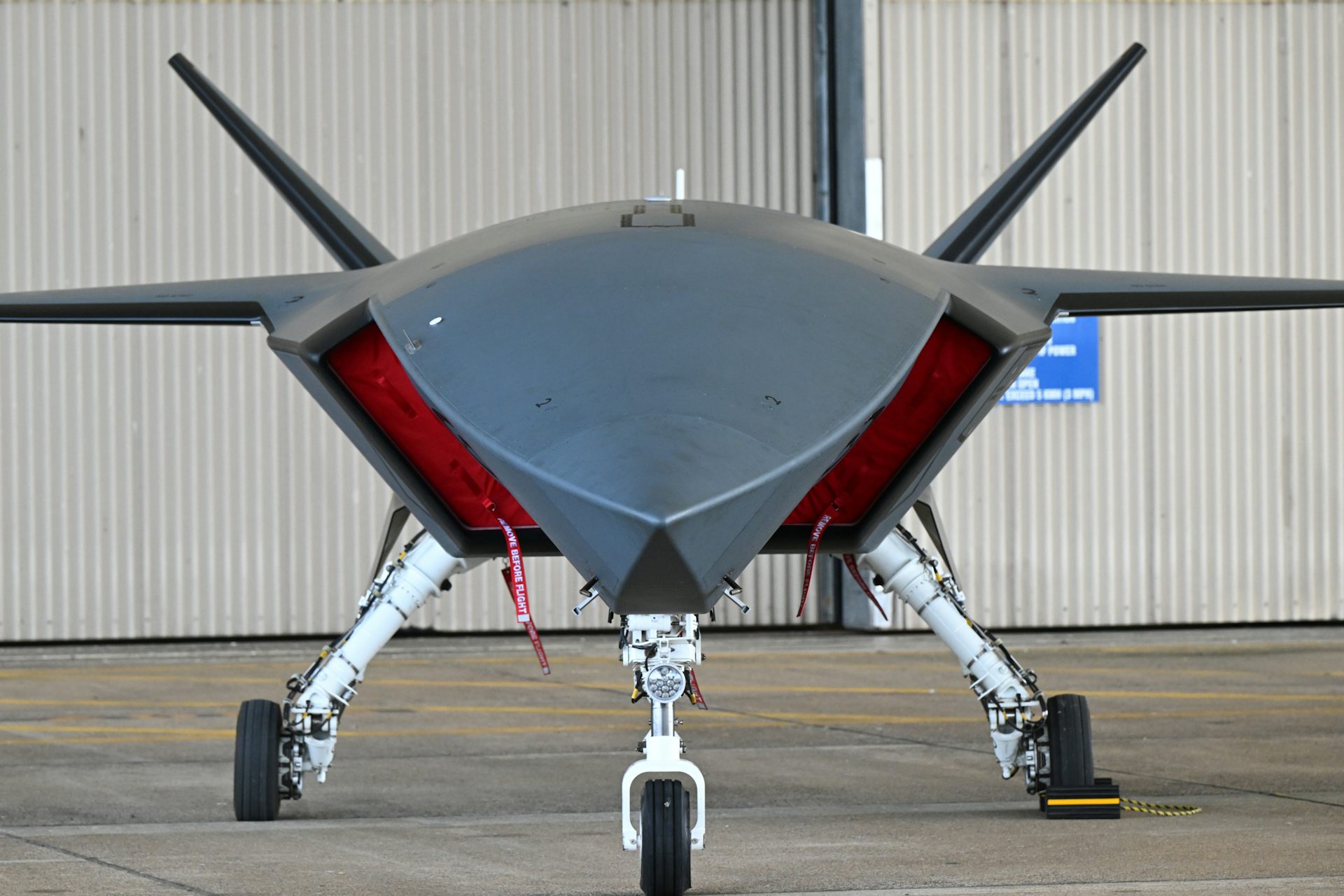
For instance, Australia could use irregular warfare capabilities, such as small, well-armed, amphibious teams or air, sea-surface and undersea drones – to influence an adversary’s calculus in deciding whether and how to attack us.
例如,澳大利亚可以使用非正规战能力,例如小型、装备精良的两栖小组或空、海面和水下无人机——来影响对手关于是否以及如何攻击我们的决策考量。
Keep deterring, even during war
持续威慑,即使在战争期间
Deterrence is sometimes seen as solely a pre-war strategy. If war breaks out, it has failed by definition.
威慑有时被视为纯粹的战前战略。一旦爆发战争,它就按定义而言已经失败了。
More sophisticated analysts, however, talk about “intra-war deterrence”, or the ability to keep deterring once war starts.
然而,更复杂的分析人士讨论的是“战时威慑”,即在战争开始后仍能保持威慑的能力。
Think of Iran using drones and mines to keep US ships out of the Persian Gulf and making it harder for US forces to raid Iran’s oil terminal at Kharg Island.
想想伊朗使用无人机和水雷阻止美国船只进入波斯湾,并使美军难以突袭其卡尔格岛的石油终端。
For Australia, this means continuing to demonstrate the ability to prevent an enemy from achieving its goals after war breaks out. This can be hugely valuable if it stops the enemy from using certain weapons or taking specific actions against us.
对澳大利亚而言,这意味着持续展示防止敌人在战争爆发后实现其目标的能力。如果这能阻止敌方使用某些武器或采取针对我们的特定行动,那将具有巨大的价值。
Build regional relationships
建立区域关系
Although Iran attacked many of its Persian Gulf neighbours, its relationships with Pakistan and Oman paid off.
尽管伊朗攻击了许多波斯湾邻国,但它与巴基斯坦和阿曼的关系却取得了成效。
Both countries hosted negotiations to try to end the war and played restraining roles during the conflict.
这两个国家都主办了旨在结束战争的谈判,并在冲突期间发挥了制约作用。
Likewise, before the war started, many regional countries were reluctant to allow Israeli or American aircraft to use their bases or fly over their territories, partly as a result of Iran’s diplomatic efforts.
同样地,在战争开始之前,许多区域国家不愿允许以色列或美国飞机使用其基地或飞越其领土,这部分归功于伊朗的外交努力。
For Australia, which sometimes has a blind spot for its neighbourhood, regional relationships can be a source of support in war.
对于澳大利亚而言,它有时对周边环境缺乏关注(盲点),区域关系可以在战争中成为支持的来源。
Hold at risk something your enemy needs
将你敌方需要的东西置于风险之中
Within a week of the war breaking out, Iran closed the Strait of Hormuz. The US and Israel responded by escalating their air campaign and establishing a counter-blockade of Iranian ports. US warships also began escorting tankers through the chokepoint.
战争爆发一周内,伊朗关闭了霍尔木兹海峡。美国和以色列对此的回应是升级空袭行动,并对伊朗港口建立反封锁线。美军战舰也开始护送油轮通过这个咽喉点。
But Iran still held at risk a chunk of global energy sea traffic, creating leverage for peace talks.
但伊朗仍然掌握着全球能源海上运输的一部分风险,从而为和平谈判创造了筹码。
In Australia’s case, our adversaries also need things we can control, such as raw materials, sea lanes, supply chains, financial resources or data links.
在澳大利亚的案例中,我们的对手也需要我们能够控制的东西,例如原材料、海路、供应链、金融资源或数据链路。
Again, Australia is not Iran. We would act in accordance with legal and ethical norms and only in the extreme case of a war for national survival. But in those circumstances, we could exert leverage over these things.
同样地,澳大利亚不是伊朗。我们将根据法律和道德规范行事,并且仅限于国家生存面临极端危机的情况下。但在那种情况下,我们可以对这些事物施加影响力(或:发挥筹码)。
Decentralise for resilience
去中心化以增强韧性
The Israeli-US “decapitation strikes” killed Iranian Supreme Leader Ali Khamenei on the war’s first day, but Iran fought on with barely a break.
以色列和美国发动的“斩首行动”在战争第一天杀死了伊朗最高领袖阿里·哈梅内,但伊朗几乎没有停顿就继续战斗。
This is largely due to its “mosaic defence” strategy. Military authority was automatically delegated to 31 regional commanders who had the freedom to strike targets identified before the war. This made Iran’s regime much harder to topple.
这很大程度上归功于其“马赛克防御”战略。军事权力自动下放给了31名区域指挥官,他们有自由打击战前确定的目标。这使得伊朗政权更难以推翻。
Given Australia’s vast size and dispersed population, a decentralised command-and-control strategy makes sense. Australia’s traditional structure of military districts offers a precedent, alongside our decentralised civil defence and emergency services.
考虑到澳大利亚广阔的地域和分散的人口,采用去中心化的指挥与控制战略是合理的。澳大利亚传统的军事区结构提供了一个先例,此外还有我们去中心化的民防和应急服务体系。
Recently, our preference has been centrally coordinated command from Canberra and the Joint Operations Command at Bungendore, NSW. This kind of system is appropriate for managing operations outside our territory, but it might need rethinking in the event of a major attack on Australia.
最近,我们的偏好一直是来自堪培拉和新南威尔士州邦根多尔联合行动司令部的中央协调指挥。这种系统适用于管理我们在领土以外的行动,但在发生对澳大利亚的大规模攻击时,可能需要重新思考。
Build a mobilisation base and resilient defence industry
构建动员基础和有韧性的国防工业
Iran has a very large fighting force, including 340,000 regular armed forces, around 120,000 members of the Iranian Revolutionary Guard Corps, and about 600,000 members of its Basij militia. This provided a large mobilisation base after the initial US and Israeli strikes.
伊朗拥有非常庞大的战斗力量,包括34万名正规武装部队、约12万名伊朗革命卫队成员以及约60万名巴吉民兵。这在最初的美国和以色列打击之后提供了一个巨大的动员基础。
Likewise, Iran’s defence industry is decentralised and was able to continue producing missiles and drones in hardened, concealed and dispersed facilities, despite heavy air attack.
同样,伊朗的国防工业是分散化的,即使遭受重度空袭,也能在加固、隐蔽和分散的设施中继续生产导弹和无人机。
Australia could learn from this by decentralising its own defence industry, particularly dual-use facilities and small and medium enterprises, and stockpiling our critical manufacturing inputs, such as minerals, fuel, advanced electronics and other hard-to-source components. This was routine during the second world war and needs to return to our thinking.
澳大利亚可以从中学到经验,通过分散化其自身的国防工业,特别是双用途设施和中小企业,并储备关键的制造投入品,例如矿物、燃料、先进电子产品和其他难以获取的组件。二战期间这是常态,现在需要重新纳入我们的思考范围。
Likewise, Australian Defence Force reserves are far smaller than needed for wartime mobilisation, something successive governments have failed to remedy.
同样,澳大利亚国防军预备役远小于战时动员所需的规模,这是历届政府未能解决的问题。
Extended range weapons and magazine depth
远程武器和弹药储备深度
Finally, Iran has demonstrated an impressive variety of long-range, low-cost, rapidly manufactured rockets, missiles and drones. The lesson is that quantity counts as much as quality.
最后,伊朗展示了种类繁多、成本低廉、可快速制造的远程火箭、导弹和无人机。教训是数量与质量同样重要。
Australia has historically had a high-tech military with advanced capabilities, but limited capacity. For example, the most recent Defence Strategic Review cut the army’s armoured forces to the point where we can probably sustain only one limited combat deployment.
澳大利亚历史上拥有先进能力的尖端军事力量,但容量有限。例如,最近的国防战略审查将陆军装甲部队削减到了一个我们可能只能维持一次有限作战部署的程度。
For future conflicts, we need greater “magazine depth”. This means investing more in low-cost drones, rockets and missiles and stockpiling the right kinds of ammunition in the right places. And crucially, we need the ability to keep producing weapons weapons during extended conflict.
对于未来的冲突,我们需要更大的“弹药储备深度”。这意味着要更多地投资于低成本无人机、火箭和导弹,并在合适的地点囤积合适种类的弹药。至关重要的是,我们需要在长期冲突中持续生产武器的能力。
David Kilcullen does not work for, consult, own shares in or receive funding from any company or organisation that would benefit from this article, and has disclosed no relevant affiliations beyond their academic appointment.
大卫·基尔库伦不为任何公司或组织工作,不持有其股票,也不接受来自这些公司的资金,且本文未涉及任何会从中受益的公司或组织的关联关系,他已披露了超出学术任职的任何相关隶属关系。