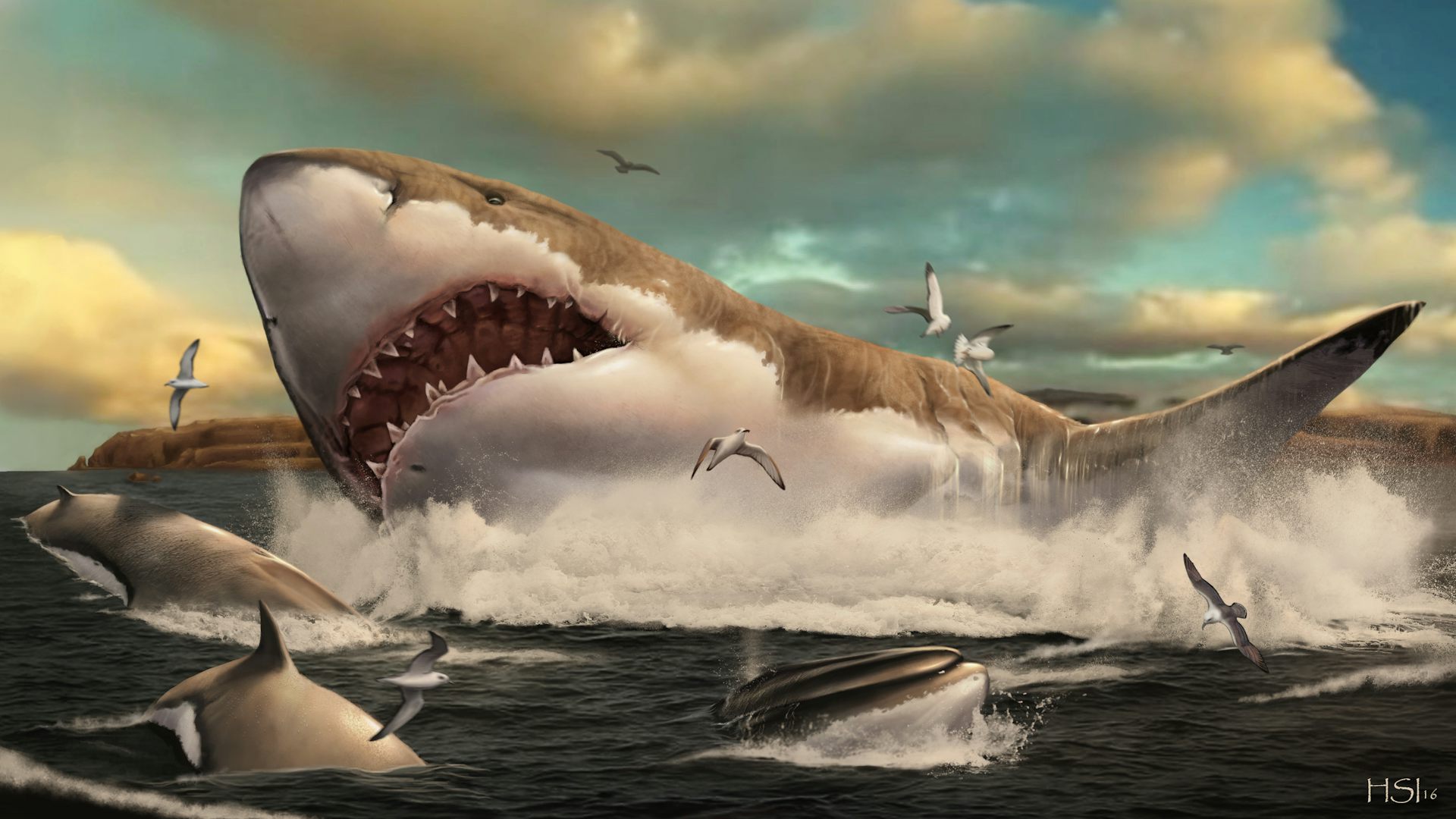
A vida lendária do Megalodão revelada pela redescoberta de fósseis
Megalodon’s legendary life revealed by fossil rediscovery
Previously lost fossils sometimes reemerge, but how do palaeontologists end up losing specimens in the first place?
Fósseis perdidos anteriormente às vezes reemergem, mas como os paleontólogos acabam por perder espécimes em primeiro lugar?
Museums are supposed to be havens for the collective cultural and scientific heritage of the planet, but specimens sometimes go missing.
Museus deveriam ser refúgios para o patrimônio cultural e científico coletivo do planeta, mas os espécimes às vezes desaparecem.
Happily, they can also be rediscovered, as a new study shows, with the vertebrae of the legendary predatory shark known to the world under its old name of Megalodon (now properly Otodus megalodon) turning up on a museum shelf decades after they were seemingly lost.
Felizmente, eles também podem ser redescobertos, como mostra um novo estudo, com as vértebras do lendário tubarão predador conhecido mundialmente pelo seu antigo nome de Megalodon (agora corretamente Otodus megalodon) sendo encontradas em uma prateleira de museu décadas depois de terem sido aparentemente perdidas.
The new paper takes another look at the size and growth of this giant shark that lived between 15 and 3.5 million years ago. The study confirms previous estimates that these animals might have been longer than 24 metres. To put that in context, even the most unnaturally exaggerated sharks in the Jaws franchise topped out at 10.5 metres. These were seriously big fish.
O novo artigo dá outra olhada no tamanho e crescimento deste tubarão gigante que viveu entre 15 e 3,5 milhões de anos atrás. O estudo confirma estimativas anteriores de que esses animais poderiam ter sido mais longos do que 24 metros. Para colocar isso em contexto, até mesmo os tubarões mais exagerados artificialmente na franquia Tubarão atingiram no máximo 10,5 metros. Estes eram peixes seriamente grandes.
The work is based on an analysis of several 11-million-year-old vertebrae from one animal, found in Denmark. Apart from the jaws and teeth, shark skeletons are mostly cartilage, so vertebrae are rare and important. Compared to a tooth, they give a much better indication of the size of the owner and here these are the largest known of any O megalodon (23cm in diameter) .
O trabalho é baseado em uma análise de várias vértebras de 11 milhões de anos de um único animal, encontradas na Dinamarca. Exceto as mandíbulas e os dentes, os esqueletos dos tubarões são compostos principalmente por cartilagem, então as vértebras são raras e importantes. Comparados a um dente, eles fornecem uma indicação muito melhor do tamanho do dono e aqui estes são os maiores conhecidos de qualquer O megalodon (23 cm de diâmetro) .
These important specimens were thought to have been destroyed in a move from the Geological Museum of Copenhagen (now part of the Natural History Museum of Denmark) to the Museum of Southern Jutland in 1989. The scientific records of them were limited to old photos and descriptions. A couple of these vertebrae have now turned up, having apparently sat on a shelf unrecognised for decades. This allowed for the new study, which also estimated that a newborn O megalodon might be 3.6 metres long and live for nearly a century.
Estes importantes espécimes foram considerados destruídos em uma mudança do Museu Geológico de Copenhague (agora parte do Museu de História Natural da Dinamarca) para o Museu de Jutlândia do Sul em 1989. Os registros científicos deles estavam limitados a fotos e descrições antigas. Algumas dessas vértebras apareceram agora, tendo aparentemente ficado em uma prateleira sem serem reconhecidas por décadas. Isso permitiu o novo estudo, que também estimou que um O megalodon recém-nascido poderia ter 3,6 metros de comprimento e viver por quase um século.
How can museums and palaeontologists lose valuable fossils?
Como museus e paleontólogos podem perder fósseis valiosos?
All manner of unlikely and unfortunate actions can lead to the loss of fossils from museums.
Todos os tipos de ações improváveis e desafortunadas podem levar à perda de fósseis dos museus.
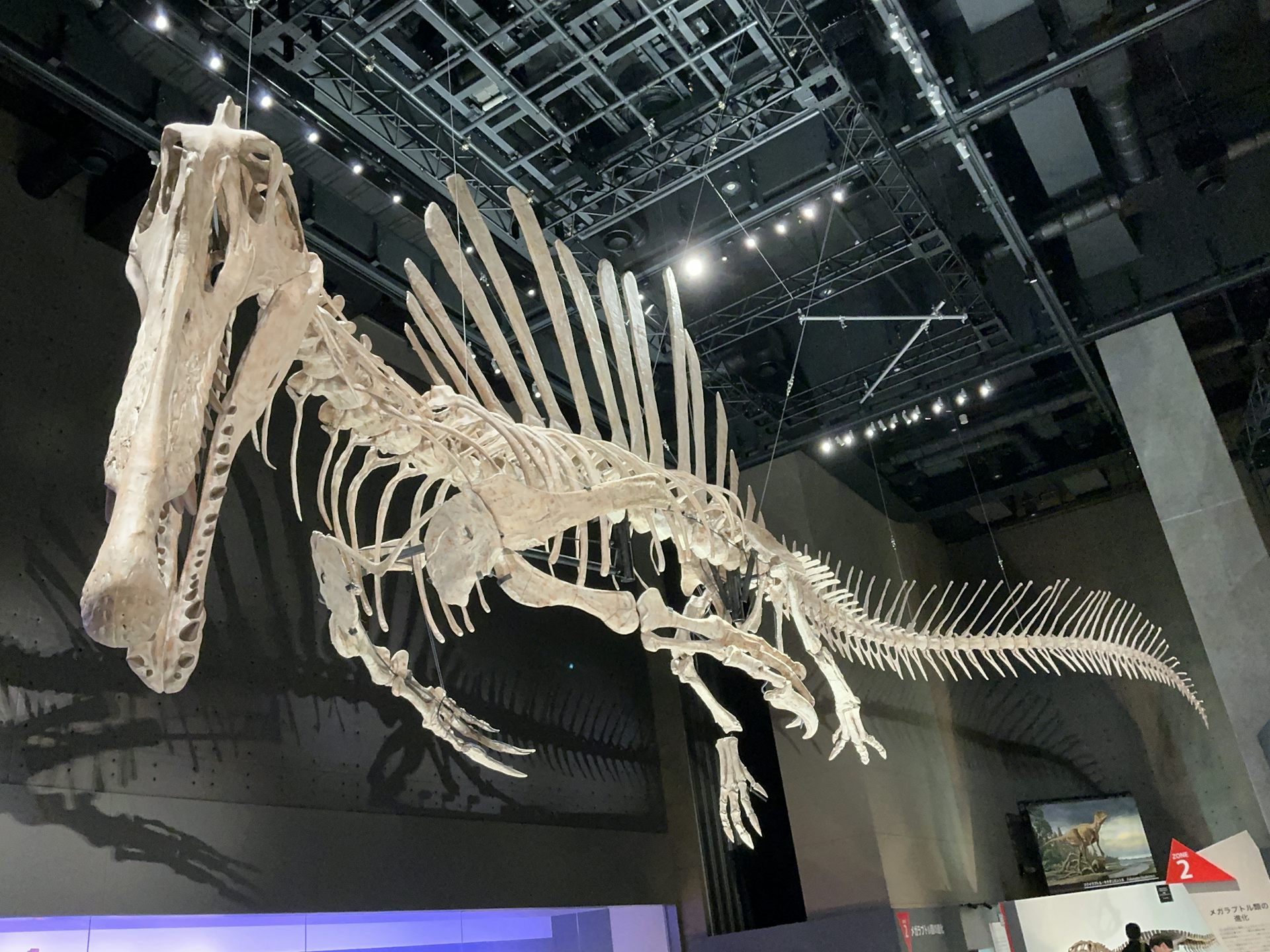
Most obviously this can happen during times of conflict. The second world war saw the loss of dinosaur fossils on both sides of the conflict. The original specimens of the sail-backed dinosaur Spinosaurus were destroyed in Munich by an allied bombing raid in 1944. Earlier, a number of specimens, including parts of the early dinosaur Thecodontosaurus, were destroyed in Bristol after an Axis raid in 1940.
Mais obviamente, isso pode acontecer durante tempos de conflito. A Segunda Guerra Mundial resultou na perda de fósseis de dinossauros em ambos os lados do conflito. Os espécimes originais do dinossauro com vela dorsal Spinosaurus foram destruídos em Munique por um bombardeio aliado em 1944. Anteriormente, vários espécimes, incluindo partes do dinossauro primitivo Thecodontosaurus, foram destruídos em Bristol após um ataque do Eixo em 1940.
These were not even the first losses from enemy action in international wars. In 1916, the Canadian ship SS Mount Temple was sunk by a German ship. Although it was mostly carrying wheat, it also had a cargo of dinosaur fossils from Alberta that were being moved to the UK. The cargo lists are vague so we don’t even know what dinosaurs were on board.
Estes não foram os primeiros prejuízos causados por ações inimigas em guerras internacionais. Em 1916, o navio canadense SS Mount Temple foi afundado por um navio alemão. Embora estivesse carregando principalmente trigo, também tinha uma carga de fósseis de dinossauros de Alberta que estavam sendo movidos para o Reino Unido. As listas de carga são vagas, então nem sabemos quais dinossauros estavam a bordo.
Indirect action could be problematic too. In 1941, the Chinese attempted to move as many as 40 specimens of “Peking man” (Homo erectus) , the first of our relatives to have human-like proportions, to the US to try to save valuable early hominid fossils from the invading Japanese forces. They never arrived, and might have been lost at sea after the ship they were on was sunk. Although it’s possible they never even made it on board the vessel.
A ação indireta também pode ser problemática. Em 1941, os chineses tentaram mover até 40 espécimes de “Homem de Pequim” (Homo erectus) , o primeiro dos nossos parentes a ter proporções humanas, para os EUA para tentar salvar valiosos fósseis de hominídeos primitivos das forças japonesas invasoras. Eles nunca chegaram e podem ter sido perdidos no mar depois que o navio em que estavam foi afundado. Embora seja possível que eles nem sequer tenham conseguido embarcar no navio.
Things can also be simply lost or fall apart. An apparent giant sauropod dinosaur similar to Diplodocus was named by the US palaeontolgist Ed Cope in 1877 as Amphicoelias fragillimus. He described it from a single, incomplete, fragile, but giant, vertebra.
As coisas também podem ser simplesmente perdidas ou desmoronar. Um aparente dinossauro saurópode gigante semelhante ao Diplodocus foi nomeado pelo paleontólogo americano Ed Cope em 1877 como Amphicoelias fragillimus. Ele o descreveu a partir de uma única vértebra incompleta, frágil, mas gigantesca.
Cope gave differing measurements of the vertebra at various times, making it unclear quite how large it actually was. When he died, his collection was sold to the American Museum of Natural History, but they were never able to find this specimen. Given how fragile it was, it may simply have disintegrated on the shelf and been overlooked or thrown away.
Cope forneceu medições diferentes da vértebra em vários momentos, tornando incerto quão grande ela realmente era. Quando ele morreu, sua coleção foi vendida ao American Museum of Natural History, mas eles nunca foram capazes de encontrar este espécime. Dado o quão frágil ele era, pode ter simplesmente se desintegrado na prateleira e sido ignorado ou jogado fora.
Museums are not immune to losses either. If you have an enormous number of specimens (the Natural History Museum in London has an estimated 80 million objects in its collection) , it is inevitable that one or two may simply get lost.
Os museus também não são imunes a perdas. Se você tem um número enorme de espécimes (o Museu de História Natural em Londres possui uma estimativa de 80 milhões de objetos em sua coleção) , é inevitável que um ou dois possam simplesmente se perder.
I’ve been an eyewitness to lost specimens turning up in a museum when a colleague spotted a dinosaur skull and pterosaur skeleton sitting on the wrong shelf like misplaced library books. Then there’s the more nefarious activities – I’ve heard of researchers deliberately moving specimens to make them hard to find so other researchers cannot examine them, and occasionally things are stolen from collections.
Eu fui testemunha de espécimes perdidos sendo encontrados em um museu quando um colega avistou um crânio de dinossauro e um esqueleto de pterossauro em uma prateleira errada, como livros de biblioteca fora do lugar. Há também as atividades mais nefastas – ouvi falar de pesquisadores movendo deliberadamente espécimes para dificultar sua localização, para que outros pesquisadores não possam examiná-los, e ocasionalmente coisas são roubadas das coleções.
On top of this, natural disasters and accidents can wipe out history. The Fukushima earthquake and tsunami of 2011 in Japan caused major damage to the nearby Iwaki museum with damage to some of the fossils in their collections. And in 2018, one wing of the Nation Museum of Brazil in Rio de Janeiro burned down with the loss of many fossil specimens that were on display.
Além disso, desastres naturais e acidentes podem apagar a história. O terremoto e tsunami de Fukushima em 2011 no Japão causaram grandes danos ao museu vizinho de Iwaki, danificando alguns dos fósseis em suas coleções. E em 2018, uma ala do Museu Nacional do Brasil no Rio de Janeiro pegou fogo com a perda de muitos espécimes fósseis que estavam em exposição.
For all the examples raised here, museums are inherently safe places for specimens. There are millions and millions of fossils that have been held in institutions around the world for decades and even centuries. It is inevitable that accidents will happen, and that bad actors will cause occasional losses. Fortunately, at least on occasion these do reappear and give us some exciting new research opportunities.
Para todos os exemplos citados aqui, os museus são inerentemente lugares seguros para os espécimes. Existem milhões e milhões de fósseis guardados em instituições ao redor do mundo por décadas e até séculos. É inevitável que acidentes aconteçam, e que agentes mal-intencionados causem perdas ocasionais. Felizmente, pelo menos ocasionalmente eles reaparecem e nos dão algumas oportunidades de pesquisa novas e emocionantes.
David Hone does not work for, consult, own shares in or receive funding from any company or organisation that would benefit from this article, and has disclosed no relevant affiliations beyond their academic appointment.
David Hone não trabalha para, consulta, possui ações ou recebe financiamento de nenhuma empresa ou organização que se beneficiaria deste artigo, e não divulgou afiliações relevantes além de seu cargo acadêmico.
Read more
-
Por que os bancos do mundo estão tão preocupados com o mais recente modelo de IA da Anthropic
Why the world’s banks are so worried about Anthropic’s latest AI model
-
Três razões pelas quais Donald Trump não retirará os EUA da Nato
Three reasons Donald Trump won’t pull the US out of Nato