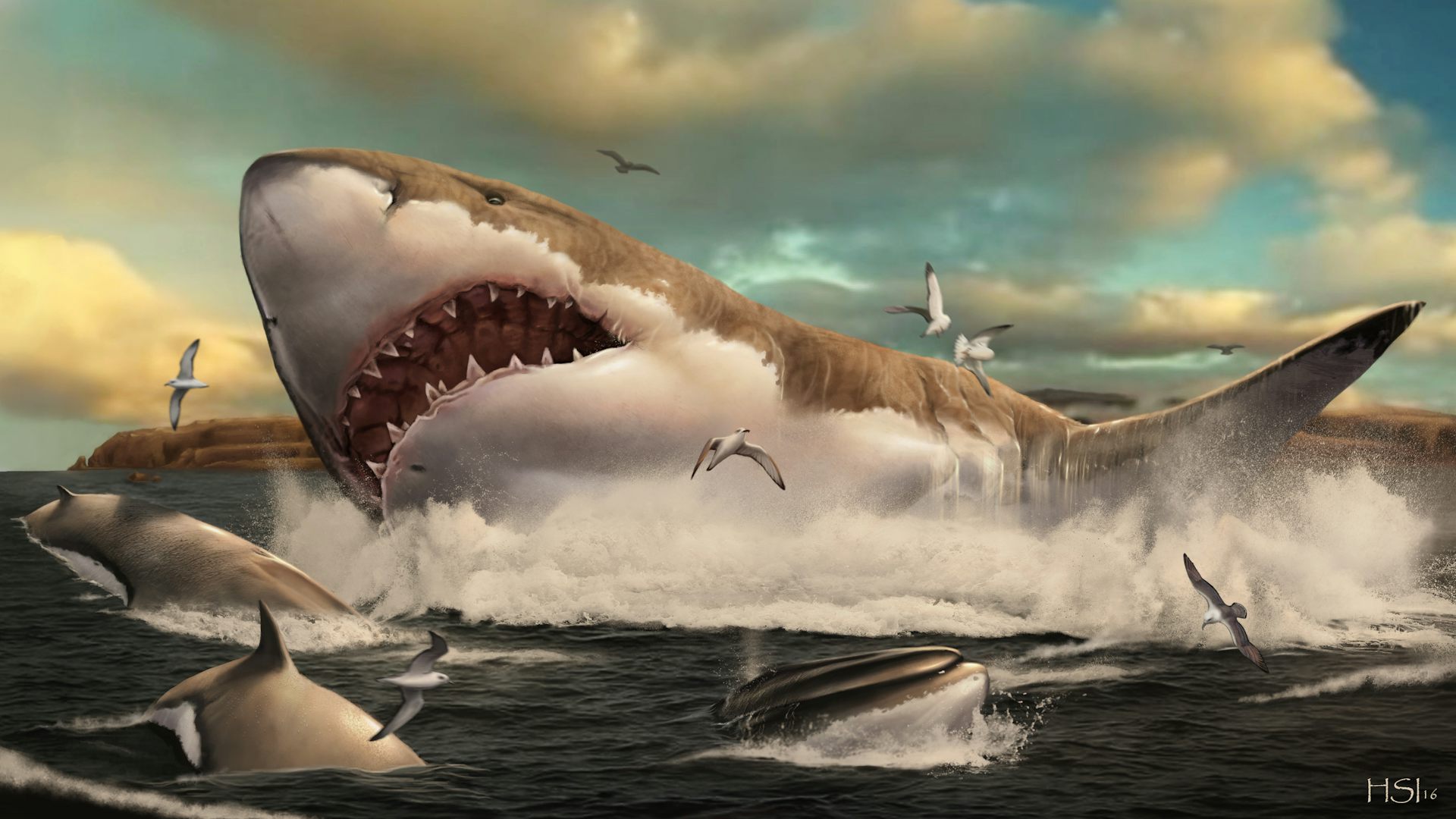
الحياة الأسطورية للميغالودون تكشفها إعادة اكتشاف الأحافير
Megalodon’s legendary life revealed by fossil rediscovery
Previously lost fossils sometimes reemerge, but how do palaeontologists end up losing specimens in the first place?
تعاود الأحافير المفقودة سابقاً الظهور أحياناً، ولكن كيف يفقد علماء الحفريات العينات في المقام الأول؟
Museums are supposed to be havens for the collective cultural and scientific heritage of the planet, but specimens sometimes go missing.
من المفترض أن تكون المتاحف ملاذاً للتراث الثقافي والعلمي الجماعي للكوكب، لكن العينات تضيع أحياناً.
Happily, they can also be rediscovered, as a new study shows, with the vertebrae of the legendary predatory shark known to the world under its old name of Megalodon (now properly Otodus megalodon) turning up on a museum shelf decades after they were seemingly lost.
وبشكل مفرح، يمكن أيضاً إعادة اكتشافها، كما تظهر دراسة جديدة، وذلك بفقرات العمود الفقري للقرش المفترس الأسطوري المعروف عالمياً باسم “الميغالودون” (Megalodon) (والذي يُعرف الآن بشكل صحيح باسم Otodus megalodon) ، والتي ظهرت على رف متحفي بعد عقود من ضياعها الظاهري.
The new paper takes another look at the size and growth of this giant shark that lived between 15 and 3.5 million years ago. The study confirms previous estimates that these animals might have been longer than 24 metres. To put that in context, even the most unnaturally exaggerated sharks in the Jaws franchise topped out at 10.5 metres. These were seriously big fish.
تتناول الورقة البحثية الجديدة نظرة أخرى على حجم ونمو هذا القرش العملاق الذي عاش بين 15 و 3.5 مليون سنة مضت. وتؤكد الدراسة التقديرات السابقة بأن هذه الحيوانات ربما كانت أطول من 24 متراً. ولوضع ذلك في سياقه، حتى أكثر أسماك القرش المبالغة بشكل غير طبيعي في سلسلة “الفك المفترس” (Jaws) لم تتجاوز 10.5 أمتار. لقد كانت هذه أسماك ضخمة حقاً.
The work is based on an analysis of several 11-million-year-old vertebrae from one animal, found in Denmark. Apart from the jaws and teeth, shark skeletons are mostly cartilage, so vertebrae are rare and important. Compared to a tooth, they give a much better indication of the size of the owner and here these are the largest known of any O megalodon (23cm in diameter) .
يعتمد العمل على تحليل عدة فقرات عمرها 11 مليون سنة من حيوان واحد، عُثر عليها في الدنمارك. وبصرف النظر عن الفكوك والأسنان، فإن هياكل أسماك القرش تتكون في الغالب من الغضروف، لذا فإن الفقرات نادرة ومهمة. مقارنة بالسن، فهي تعطي مؤشراً أفضل بكثير على حجم المالك، وهنا هي الأكبر المعروف لأي O megalodon (بقطر 23 سم) .
These important specimens were thought to have been destroyed in a move from the Geological Museum of Copenhagen (now part of the Natural History Museum of Denmark) to the Museum of Southern Jutland in 1989. The scientific records of them were limited to old photos and descriptions. A couple of these vertebrae have now turned up, having apparently sat on a shelf unrecognised for decades. This allowed for the new study, which also estimated that a newborn O megalodon might be 3.6 metres long and live for nearly a century.
اعتُقد أن هذه العينات المهمة قد دُمرت أثناء الانتقال من المتحف الجيولوجي في كوبنهاغن (الذي أصبح الآن جزءاً من متحف التاريخ الطبيعي بالدنمارك) إلى متحف يوتلاند الجنوبية عام 1989. وكانت السجلات العلمية المتعلقة بها مقتصرة على الصور والوصف القديم. وقد ظهر عدد قليل من هذه الفقرات الآن، بعد أن كانت موضوعة على رف دون التعرف عليها لعقود. وقد سمح هذا بإجراء الدراسة الجديدة، التي قدرت أيضاً أن يبلغ طول O megalodon حديث الولادة 3.6 متر وأن يعيش لما يقرب من قرن.
How can museums and palaeontologists lose valuable fossils?
كيف يمكن للمتاحف وعلماء الحفريات أن يفقدوا أحافير ثمينة؟
All manner of unlikely and unfortunate actions can lead to the loss of fossils from museums.
يمكن للعديد من الأفعال غير المحتملة والمؤسفة أن تؤدي إلى فقدان الأحافير من المتاحف.
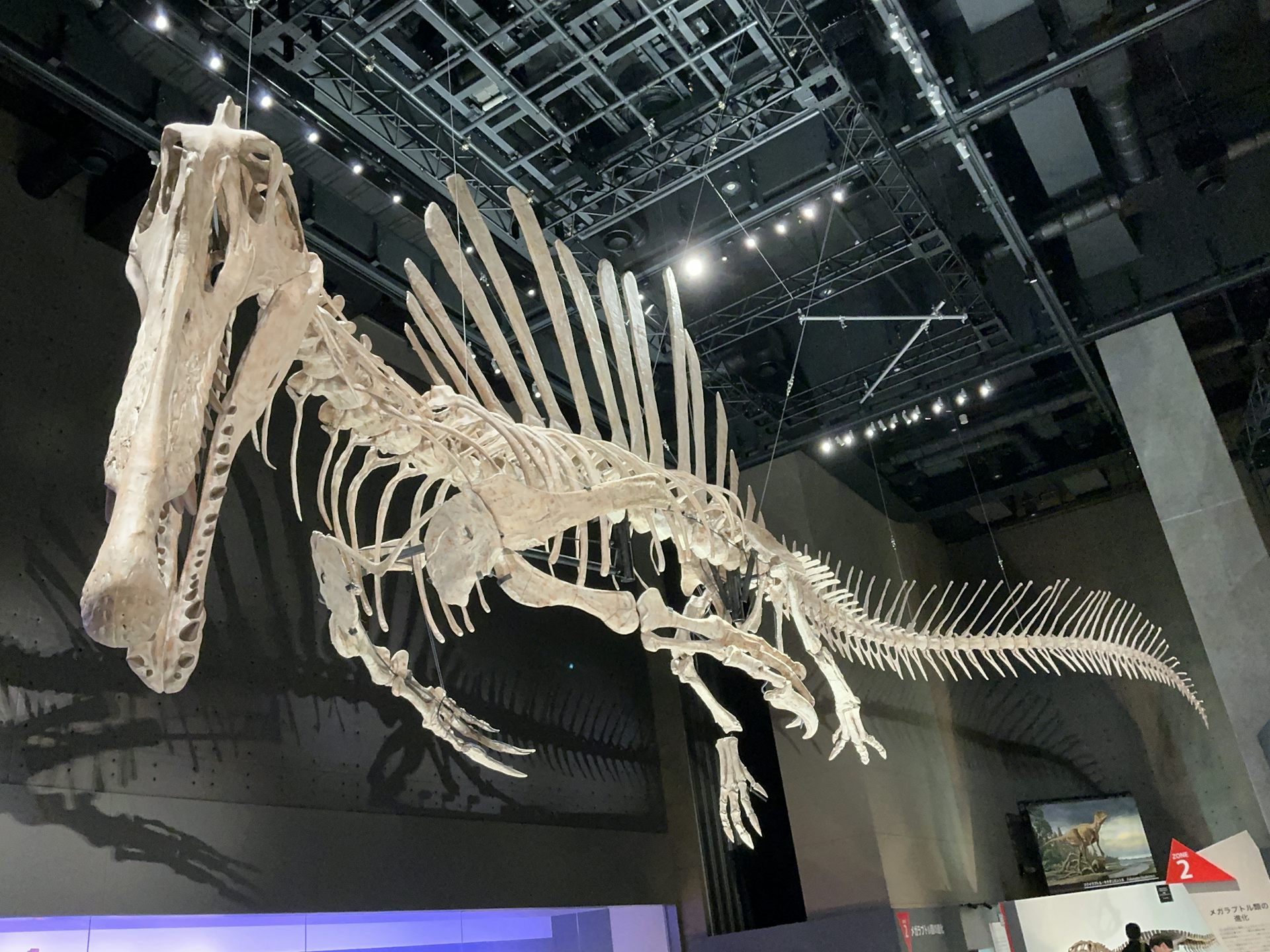
Most obviously this can happen during times of conflict. The second world war saw the loss of dinosaur fossils on both sides of the conflict. The original specimens of the sail-backed dinosaur Spinosaurus were destroyed in Munich by an allied bombing raid in 1944. Earlier, a number of specimens, including parts of the early dinosaur Thecodontosaurus, were destroyed in Bristol after an Axis raid in 1940.
من الواضح أن هذا يمكن أن يحدث خلال أوقات النزاع. شهدت الحرب العالمية الثانية فقدان أحافير الديناصورات على جانبي الصراع. دُمرت العينات الأصلية لديناصور السايل (Spinosaurus) ذي الظهر الشراعي في ميونيخ بفعل غارة جوية حليفة عام 1944. وفي وقت سابق، دُمر عدد من العينات، بما في ذلك أجزاء من الديناصور المبكر الثيكودونتوصور (Thecodontosaurus) ، في بريستول بعد غارة محورية عام 1940.
These were not even the first losses from enemy action in international wars. In 1916, the Canadian ship SS Mount Temple was sunk by a German ship. Although it was mostly carrying wheat, it also had a cargo of dinosaur fossils from Alberta that were being moved to the UK. The cargo lists are vague so we don’t even know what dinosaurs were on board.
لم تكن هذه هي الخسائر الأولى الناتجة عن تصرف العدو في الحروب الدولية. ففي عام 1916، غرقت السفينة الكندية إس إس ماونت تمبل (SS Mount Temple) على يد سفينة ألمانية. وعلى الرغم من أنها كانت تحمل في الغالب القمح، إلا أنها كانت تحمل أيضًا شحنة من أحافير الديناصورات من ألبرتا كانت في طريقها إلى المملكة المتحدة. قوائم الشحن غامضة لدرجة أننا لا نعرف حتى ما هي أنواع الديناصورات التي كانت على متنها.
Indirect action could be problematic too. In 1941, the Chinese attempted to move as many as 40 specimens of “Peking man” (Homo erectus) , the first of our relatives to have human-like proportions, to the US to try to save valuable early hominid fossils from the invading Japanese forces. They never arrived, and might have been lost at sea after the ship they were on was sunk. Although it’s possible they never even made it on board the vessel.
يمكن للعمل غير المباشر أن يكون إشكاليًا أيضًا. ففي عام 1941، حاول الصينيون نقل ما يصل إلى 40 عينة من “رجل بكين” (Homo erectus) ، وهو أول أقربائنا الذين امتلكوا نسبًا شبيهة بالبشر، إلى الولايات المتحدة لمحاولة إنقاذ أحافير الهومينيد المبكرة الثمينة من قوات اليابانيين الغزاة. لم تصل أبدًا، وربما فُقدت في البحر بعد غرق السفينة التي كانت عليها. وعلى الرغم من أنه من المحتمل أنها لم تصعد على متن السفينة أساسًا.
Things can also be simply lost or fall apart. An apparent giant sauropod dinosaur similar to Diplodocus was named by the US palaeontolgist Ed Cope in 1877 as Amphicoelias fragillimus. He described it from a single, incomplete, fragile, but giant, vertebra.
يمكن أيضًا أن تُفقد الأشياء ببساطة أو تتفتت. وقد سمى عالم الحفريات الأمريكي إد كوب (Ed Cope) ديناصوراً ضخماً يبدو أنه من نوع السوروبودوس يشبه الدبلودوكس (Diplodocus) عام 1877 باسم أمفيكويليا فراجيليموس (Amphicoelias fragillimus) . ووصفه بناءً على فقرة واحدة، غير مكتملة، وهشة، ولكنها عملاقة.
Cope gave differing measurements of the vertebra at various times, making it unclear quite how large it actually was. When he died, his collection was sold to the American Museum of Natural History, but they were never able to find this specimen. Given how fragile it was, it may simply have disintegrated on the shelf and been overlooked or thrown away.
قدم كوب قياسات مختلفة للفقرة في أوقات متباينة، مما جعل من غير الواضح مدى ضخامتها بالفعل. وعندما توفي، بيعت مجموعته إلى المتحف الأمريكي للتاريخ الطبيعي، لكنهم لم يتمكنوا أبدًا من العثور على هذه العينة. ونظرًا لمدى هشاشتها، فمن المحتمل أنها تفككت ببساطة على الرف وتم التغاضي عنها أو رميها بعيداً.
Museums are not immune to losses either. If you have an enormous number of specimens (the Natural History Museum in London has an estimated 80 million objects in its collection) , it is inevitable that one or two may simply get lost.
المتاحف ليست محصنة ضد الخسائر أيضًا. إذا كان لديك عدد هائل من العينات (يحتوي المتحف الطبيعي في لندن على ما يقدر بـ 80 مليون قطعة في مجموعته) ، فمن المحتم أن تضيع واحدة أو اثنتين ببساطة.
I’ve been an eyewitness to lost specimens turning up in a museum when a colleague spotted a dinosaur skull and pterosaur skeleton sitting on the wrong shelf like misplaced library books. Then there’s the more nefarious activities – I’ve heard of researchers deliberately moving specimens to make them hard to find so other researchers cannot examine them, and occasionally things are stolen from collections.
لقد كنت شاهد عيان على عثور عينات مفقودة في متحف عندما لاحظ زميل هيكل جمجمة ديناصور وهيكل طائر زواحف (pterosaur) موضوعين على الرف الخاطئ مثل كتب المكتبة المبعثرة. ثم هناك الأنشطة الأكثر خبثاً – فقد سمعت عن باحثين ينقلون العينات عمداً لجعلها يصعب العثور عليها حتى لا يتمكن الباحثون الآخرون من فحصها، وفي بعض الأحيان تُسرق الأشياء من المجموعات.
On top of this, natural disasters and accidents can wipe out history. The Fukushima earthquake and tsunami of 2011 in Japan caused major damage to the nearby Iwaki museum with damage to some of the fossils in their collections. And in 2018, one wing of the Nation Museum of Brazil in Rio de Janeiro burned down with the loss of many fossil specimens that were on display.
بالإضافة إلى ذلك، يمكن للكوارث الطبيعية والحوادث أن تمحو التاريخ. تسبب زلزال وتسونامي فوكوشيما عام 2011 في اليابان في أضرار جسيمة لمتحف إواكي القريب، مما أدى إلى تلف بعض الأحافير في مجموعاته. وفي عام 2018، احترق جناح من المتحف الوطني البرازيلي في ريو دي جانيرو مع فقدان العديد من العينات الأحفورية التي كانت معروضة.
For all the examples raised here, museums are inherently safe places for specimens. There are millions and millions of fossils that have been held in institutions around the world for decades and even centuries. It is inevitable that accidents will happen, and that bad actors will cause occasional losses. Fortunately, at least on occasion these do reappear and give us some exciting new research opportunities.
على الرغم من جميع الأمثلة المذكورة هنا، فإن المتاحف هي أماكن آمنة بطبيعتها للعينات. هناك ملايين ومليارات من الأحافير التي احتفظت بها المؤسسات في جميع أنحاء العالم لعقود وحتى قرون. ومن المحتم أن تحدث الحوادث، وأن يتسبب الفاعلون السيئون في خسائر عرضية. ولحسن الحظ، على الأقل في بعض الأحيان تعاد هذه العينات وتمنحنا فرص بحث جديدة ومثيرة.
David Hone does not work for, consult, own shares in or receive funding from any company or organisation that would benefit from this article, and has disclosed no relevant affiliations beyond their academic appointment.
ديفيد هون لا يعمل لدى أو يستشير أو يمتلك حصصاً في أي شركة أو منظمة تستفيد من هذا المقال، ولم يفصح عن أي انتماءات ذات صلة تتجاوز منصبه الأكاديمي.
Read more
-
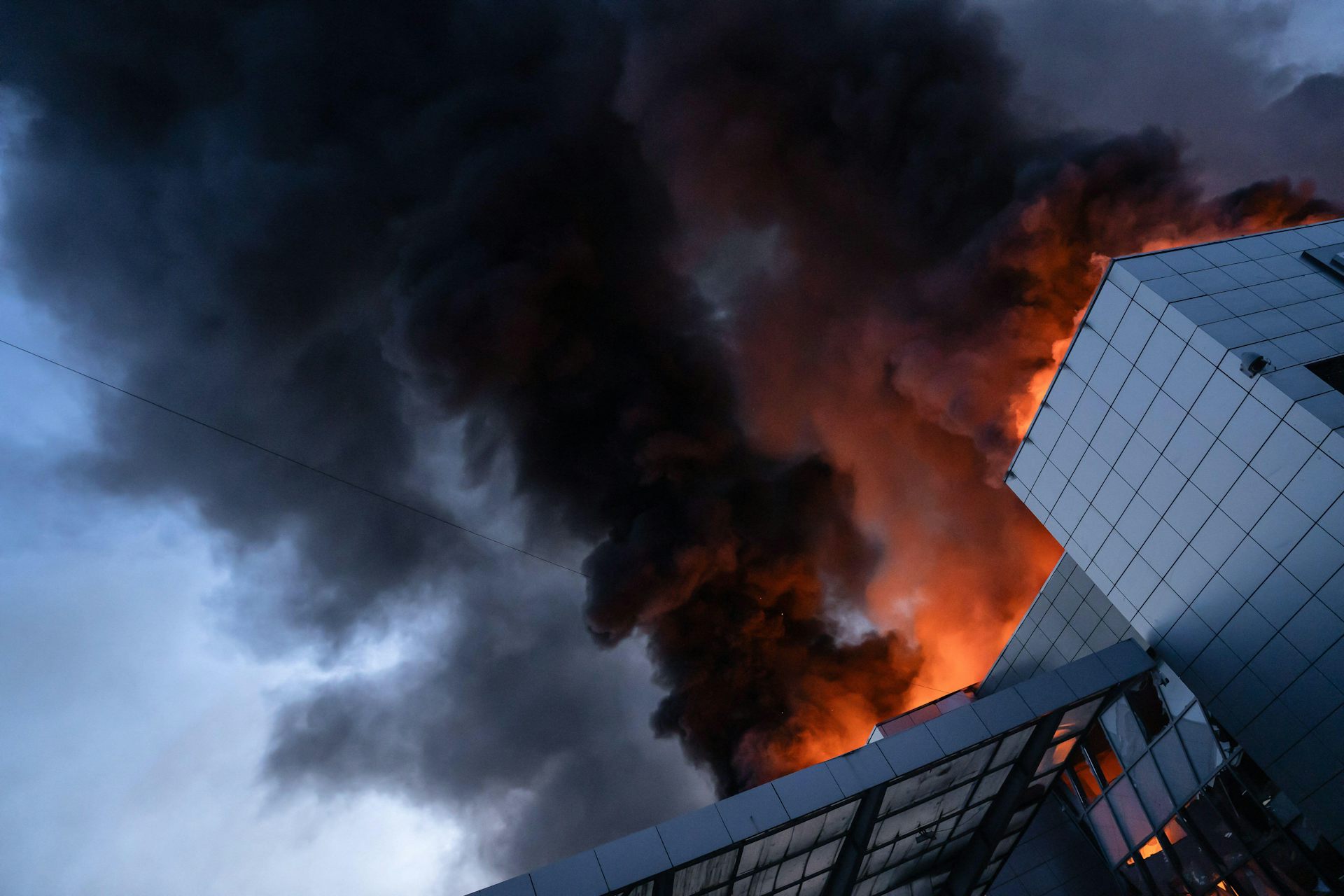
حرب أوكرانيا: الحملة الجوية تتكثف بينما يتبادل كل من روسيا وأوكرانيا هجمات ضخمة بالدرونز والصواريخ
Ukraine war: air campaign intensifies as Russia and Ukraine trade massive drone and missile attacks
-
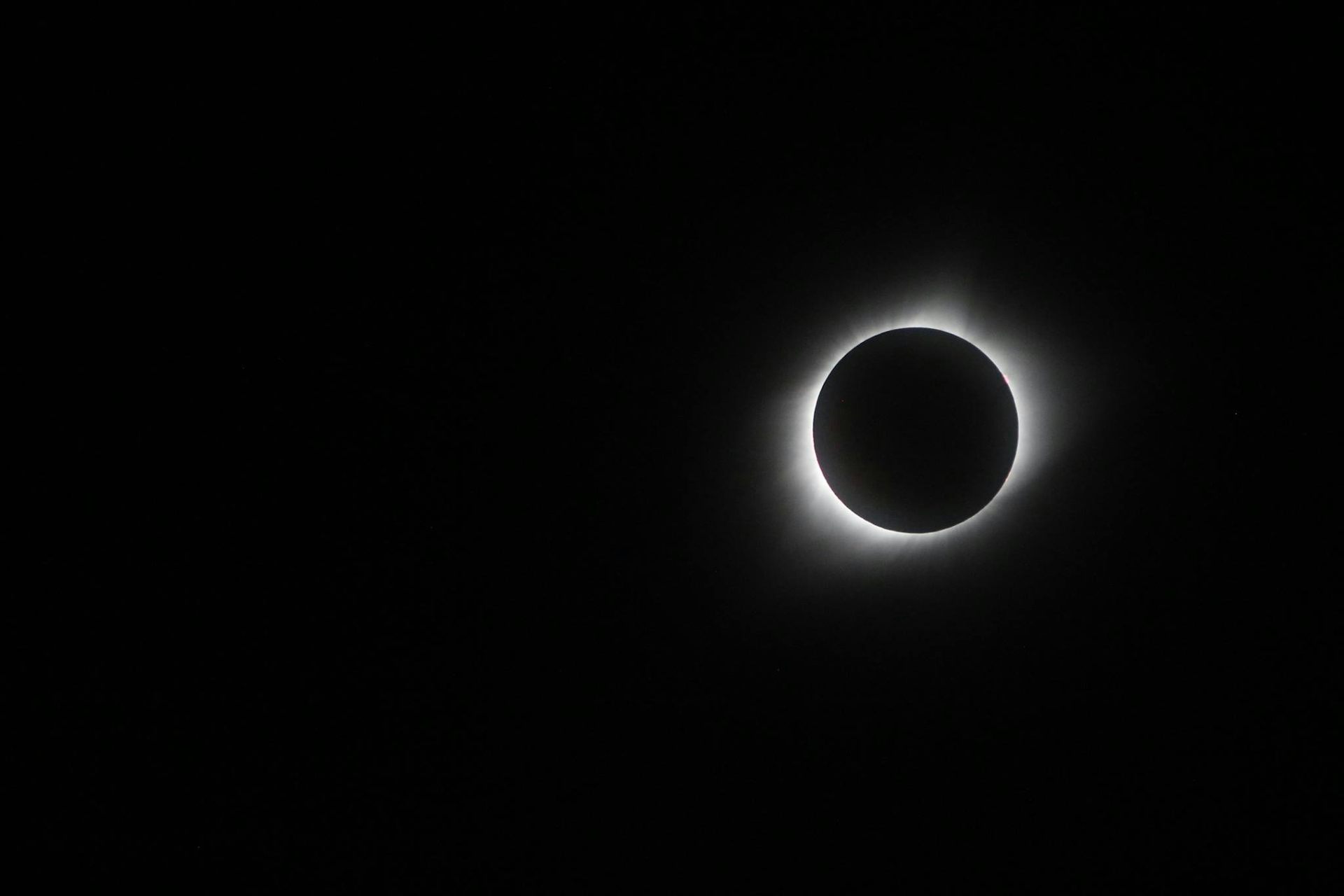
رؤية الكسوف من الأرض أمر مذهل – أما بالنسبة لرواد الفضاء الذين يرونه من الفضاء، فكان المشهد أعظم.
Seeing an eclipse from Earth is awe-inspiring – for astronauts seeing one from space, the scene was even more grand