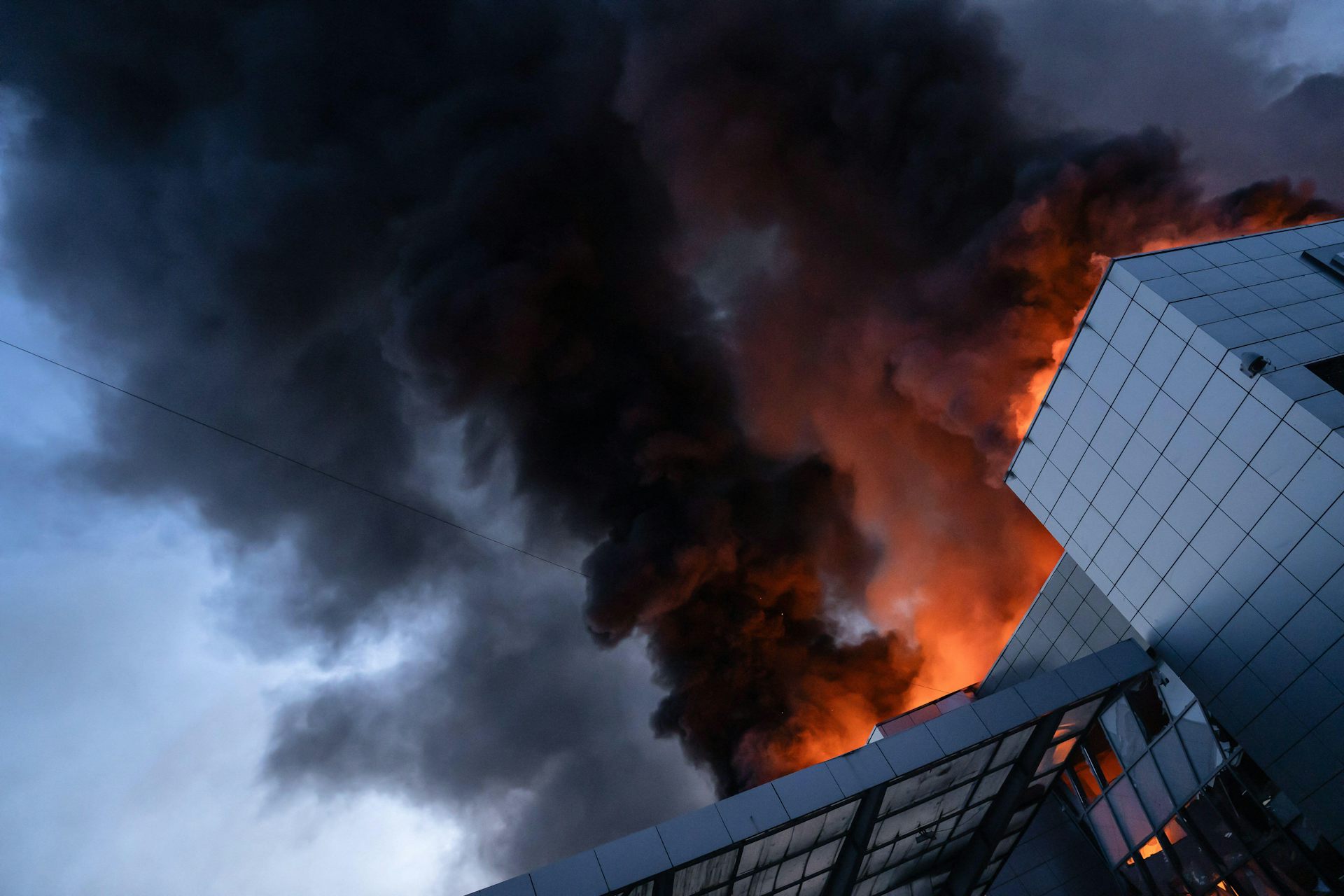
حرب أوكرانيا: الحملة الجوية تتكثف بينما يتبادل كل من روسيا وأوكرانيا هجمات ضخمة بالدرونز والصواريخ
Ukraine war: air campaign intensifies as Russia and Ukraine trade massive drone and missile attacks
Russia has launched its biggest drone and missile strikes of the war to date. But Ukraine has hit back effectively.
أطلقت روسيا أكبر ضرباتها بالدرونز والصواريخ في الحرب حتى الآن. لكن أوكرانيا ردت بفعالية.
Over the past month, there has been a notable increase in the intensity of the air war in Russia’s aggression against Ukraine. Strikes in mid- and late-May and early June have been characterised by significantly larger numbers of drones and missiles deployed by Russia in single attacks, leading to more destruction and more casualties.
على مدى الشهر الماضي، كانت هناك زيادة ملحوظة في شدة الحرب الجوية في عدوان روسيا على أوكرانيا. وقد اتسمت الضربات التي وقعت في منتصف وأواخر مايو وأوائل يونيو بأعداد أكبر بكثير من الطائرات المسيرة والصواريخ التي نشرتها روسيا في هجمات فردية، مما أدى إلى المزيد من الدمار والمزيد من الخسائر البشرية.
At the same time, Russian territorial gains on the ground have slowed significantly, and in some cases have been reversed by successful Ukrainian counter-attacks.
في الوقت نفسه، تباطأت المكاسب الإقليمية الروسية على الأرض بشكل كبير، وفي بعض الحالات تم عكسها بفعل هجمات أوكرانية مضادة ناجحة.
The change in intensity in the air war, however, is what generates headlines, and for good reason. Two consecutive Russian attacks on May 13 and 14 were the largest in the war to date.
ومع ذلك، فإن التغير في شدة الحرب الجوية هو ما يصنع العناوين الرئيسية، ولسبب وجيه. وكانت هجمتان روسيتان متتاليتان في 13 و 14 مايو أكبر هجمات في الحرب حتى الآن.
Ten days later, a similar strike hit Kyiv and other Ukrainian cities. And a week after that, Russia launched yet another large-scale strike.
بعد عشرة أيام، ضربت ضربة مماثلة كييف والعديد من المدن الأوكرانية الأخرى. وبعد أسبوع من ذلك، أطلقت روسيا ضربة واسعة النطاق أخرى.
Just focusing on the Russian strikes, however, masks an important pattern of increasingly effective Ukrainian retaliation.
ومع ذلك، فإن التركيز فقط على الضربات الروسية يحجب نمطاً مهماً من الانتقام الأوكراني الذي يزداد فعالية.
The first Russian attack in May was followed by Ukrainian strikes on the Moscow region. The second one saw Ukrainian strikes on St Petersburg on June 3, just before Vladimir Putin’s St Petersburg International Economic Forum was due to begin there.
تلا الهجوم الروسي الأول في مايو ضربات أوكرانية على منطقة موسكو. وشهد الهجوم الثاني ضربات أوكرانية على سانت بطرسبرغ في 3 يونيو، قبل وقت قصير من المقرر أن يبدأ فيها المنتدى الاقتصادي الدولي لفلاديمير بوتين.
At the same time, Ukraine has also intensified its strikes on Crimea and critical Russian supply lines to the peninsula, which Moscow has illegally occupied since 2014.
في الوقت نفسه، كثفت أوكرانيا أيضاً ضرباتها على القرم وخطوط الإمداد الروسية الحيوية إلى شبه الجزيرة، التي احتلتها موسكو بشكل غير قانوني منذ عام 2014.
This series of Russian and Ukrainian airstrikes represents a high-intensity retaliation cycle. Ukraine responds to a Russian strike, which Moscow then uses to justify its massive strike, and so on.
تمثل هذه السلسلة من الضربات الجوية الروسية والأوكرانية دورة انتقامية عالية الكثافة. ترد أوكرانيا على ضربة روسية، فتقوم موسكو بعد ذلك باستخدامها لتبرير ضربتها الضخمة، وهكذا.
What is new is both the scale of the Russian strikes, with larger numbers of drones and missiles compared even with the peak of attacks in late 2025, and the quickening cycle of these tit-for-tat attacks.
ما هو جديد هو كل من حجم الضربات الروسية، بأعداد أكبر من الطائرات المسيرة والصواريخ مقارنة حتى بذروة الهجمات في أواخر عام 2025، والدورة المتسارعة لهذه الهجمات المتبادلة.
Ukrainian attacks deep into Russia are no longer just symbolic but highly effective – prompting Russia to accuse Ukraine of a terror campaign, in an attempt to deflect from its own systematic targeting of civilian infrastructure.
لم تعد الهجمات الأوكرانية في عمق روسيا مجرد رمزية بل هي فعالة للغاية – مما دفع روسيا إلى اتهام أوكرانيا بشن حملة إرهابية، في محاولة للتهرب من استهدافها المنهجي للبنية التحتية المدنية.
In their levels of destruction and civilian casualties, the Russian strikes also seem more effective than in the past – and Ukraine’s air defences less so. But this is only partially true. Ukraine’s intercept rate of drones remains high. However, the larger number of drones being deployed by Russia means that, in absolute numbers, more drones hit their targets.
في مستويات الدمار والخسائر المدنية، تبدو الضربات الروسية أكثر فعالية أيضاً من الماضي – والدفاعات الجوية الأوكرانية أقل فعالية. لكن هذا صحيح جزئياً فقط. ولا يزال معدل اعتراض الطائرات المسيرة الأوكراني مرتفعاً. ومع ذلك، فإن العدد الأكبر من الطائرات المسيرة التي تنشرها روسيا يعني أنه، من حيث الأرقام المطلقة، تصيب المزيد من الطائرات المسيرة أهدافها.
Russia has also deployed more missiles in recent strikes, which Ukraine finds harder to intercept – not least because its stockpiles of anti-missile defences have been depleted over time, with the decrease in US support since Donald Trump’s return to the White House in January 2025.
كما نشرت روسيا المزيد من الصواريخ في الضربات الأخيرة، والتي يجد الأوكرانيون صعوبة أكبر في اعتراضها – ليس أقل من أن مخزون دفاعاتها المضادة للصواريخ قد استُنزف بمرور الوقت، مع تراجع الدعم الأمريكي منذ عودة دونالد ترامب إلى البيت الأبيض في يناير 2025.
The recent diversion of US interceptors to the American war effort in the Middle East has also run down the stocks of these defence systems that are available to Kyiv.
كما أدى تحويل صواريخ الاعتراض الأمريكية مؤخراً إلى الجهد الحربي الأمريكي في الشرق الأوسط إلى استنزاف مخزون أنظمة الدفاع هذه المتاحة لكيف.
Can this intensity be sustained?
هل يمكن الحفاظ على هذا المستوى من الشدة؟
Russia has thus been presented with an opportunity it is ruthlessly exploiting. But how sustainable is the current pattern?
وهكذا، عُرضت روسيا على فرصة تستغلها بقسوة. ولكن ما مدى استدامة النمط الحالي؟
The scale and frequency of the past four weeks is probably beyond Russia’s capacity to sustain indefinitely. While still large in scale, the strikes in late May and early June did not involve the same number of munitions as the first wave.
من المحتمل أن يكون حجم وتواتر الأسابيع الأربعة الماضية يتجاوز قدرة روسيا على الاستمرار إلى أجل غير مسمى. وعلى الرغم من أن الضربات في أواخر مايو وأوائل يونيو كانت لا تزال كبيرة النطاق، إلا أنها لم تتضمن نفس عدد الذخائر الموجة الأولى.
Russia is clearly able to mass-produce cheap attack drones, but less able to do the same for missiles. So, sustaining larger-scale attacks over time is likely to decrease their frequency, while more frequent attacks will mean a more limited scale.
من الواضح أن روسيا قادرة على إنتاج طائرات مسيرة هجومية رخيصة بكميات كبيرة، ولكنها أقل قدرة على فعل الشيء نفسه بالنسبة للصواريخ. لذلك، من المرجح أن يؤدي الحفاظ على هجمات واسعة النطاق بمرور الوقت إلى انخفاض تكرارها، بينما تعني الهجمات الأكثر تكراراً نطاقاً أكثر محدودية.
A mixture of the two is most likely – a sustained campaign of frequent massed drone strikes, with intermittent spikes of large missile barrages.
من المرجح أن يكون مزيجاً من الاثنين – حملة مستدامة من ضربات الطائرات المسيرة الكثيفة والمتكررة، مع ارتفاعات متقطعة من قصف الصواريخ الكبير.
While this may be a sustainable attack pattern for Russia, it does not mean the current level of effectiveness is equally sustainable. Ukrainian air defences will adapt and become more effective, including against Russian missiles.
وفي حين أن هذا قد يكون نمط هجوم مستدام لروسيا، فإنه لا يعني أن المستوى الحالي من الفعالية مستدام بنفس القدر. وستتكيف الدفاعات الجوية الأوكرانية وتصبح أكثر فعالية، بما في ذلك ضد الصواريخ الروسية.
Its defence cooperation with the EU is simultaneously improving. The lifting of Hungary’s veto on €40 billion (£34.6bn) of EU reimbursements for military support is likely to free additional funds to supply critical air defence systems to Ukraine.
كما أن تعاونها الدفاعي مع الاتحاد الأوروبي يتحسن في الوقت نفسه. ومن المرجح أن يؤدي رفع فييتو المجر بشأن سداد الاتحاد الأوروبي البالغ 40 مليار يورو (34.6 مليار جنيه إسترليني) للدعم العسكري إلى توفير أموال إضافية لتزويد أوكرانيا بأنظمة دفاع جوي حيوية.
Even with a sustained Russian air campaign, a manageable equilibrium is likely to set in over time. But critically, this will not merely be characterised by better Ukrainian defences against Russian attacks – but also by more effective Ukrainian strikes at Moscow’s critical war infrastructure.
حتى مع حملة جوية روسية مستدامة، من المرجح أن يتأسس توازن يمكن إدارته بمرور الوقت. ولكن الأهم من ذلك، أن هذا لن يتسم بمجرد دفاعات أوكرانية أفضل ضد الهجمات الروسية – بل أيضاً بضربات أوكرانية أكثر فعالية على البنية التحتية الحربية الحيوية لموسكو.
The Russian air campaign, and the war against Ukraine more generally, will thus become more costly for the Kremlin – and not just on the battlefield inside Ukraine.
وبالتالي، ستصبح الحملة الجوية الروسية، والحرب ضد أوكرانيا بشكل عام، أكثر تكلفة على الكرملين – وليس فقط في ساحة المعركة داخل أوكرانيا.
Whether this simply creates a different stalemate at a more costly level for both sides in their ongoing war of attrition, or prompts them to reassess their exit strategies, remains to be seen.
ما إذا كان هذا سيخلق ببساطة مأزقاً مختلفاً بمستوى أكثر تكلفة لكلا الجانبين في حرب الاستنزاف المستمرة، أو ما إذا كان سيحفزهما على إعادة تقييم استراتيجيات خروجهما، لا يزال بحاجة إلى أن يظهر.
For Moscow, there is a hard choice to be made: towards escalation, including potential nuclear mobilisation, or towards a peace deal. The middle ground of simply continuing is quickly eroding, because none of Putin’s strategic goals in the war can be achieved this way – and the ongoing waste of resources cannot be sustained indefinitely.
بالنسبة لموسكو، هناك خيار صعب يجب اتخاذه: إما التوجه نحو التصعيد، بما في ذلك التعبئة النووية المحتملة، أو التوجه نحو اتفاق سلام. إن المنطقة الوسطى المتمثلة في مجرد الاستمرار تتآكل بسرعة، لأنه لا يمكن تحقيق أي من الأهداف الاستراتيجية لـ بوتين في الحرب بهذه الطريقة – ولا يمكن الاستمرار في إهدار الموارد بشكل لا نهائي.
On the Ukrainian side, the statement by Ukraine’s president, Volodymyr Zelensky, that Ukraine’s recent strikes on Russia put the country on an equal footing with Moscow in negotiations, hints at Kyiv’s willingness to negotiate an end to the war with Moscow. However, it may take several more rounds in the air campaign retaliation cycle before the Kremlin reaches a similar conclusion.
على الجانب الأوكراني، يشير تصريح الرئيس الأوكراني، فولوديمير زيلينسكي، بأن ضربات أوكرانيا الأخيرة لروسيا وضعت البلاد على قدم المساواة مع موسكو في المفاوضات، إلى استعداد كييف للتفاوض على إنهاء الحرب مع موسكو. ومع ذلك، قد يستغرق الأمر عدة جولات أخرى في دورة الانتقام للحملات الجوية قبل أن يصل الكرملين إلى استنتاج مماثل.
Stefan Wolff is a past recipient of grant funding from the Natural Environment Research Council of the UK, the United States Institute of Peace, the Economic and Social Research Council of the UK, the British Academy, the NATO Science for Peace Programme, the EU Framework Programmes 6 and 7 and Horizon 2020, as well as the EU’s Jean Monnet Programme. He is a Trustee and Honorary Treasurer of the Political Studies Association of the UK and a Senior Research Fellow at the Foreign Policy Centre in London.
ستيفان وولف هو متلقٍ سابق لتمويل المنح من مجلس البحوث البيئية الطبيعية في المملكة المتحدة، ومعهد السلام بالولايات المتحدة، والمجلس الاقتصادي والاجتماعي للبحوث في المملكة المتحدة، والأكاديمية البريطانية، وبرنامج العلوم من أجل السلام التابع لحلف الناتو، وبرامج الاتحاد الأوروبي الإطارية 6 و 7 وأفق 2020، بالإضافة إلى برنامج جان مونيه التابع للاتحاد الأوروبي. وهو أمين وصندوق شرفي لجمعية الدراسات السياسية في المملكة المتحدة، وباحث أول في مركز السياسة الخارجية في لندن.
Tetyana Malyarenko does not work for, consult, own shares in or receive funding from any company or organisation that would benefit from this article, and has disclosed no relevant affiliations beyond their academic appointment.
تيتيانَا ماليارينكو لا تعمل لدى، أو تستشير، أو تمتلك حصصاً في، أو تتلقى تمويلاً من أي شركة أو منظمة قد تستفيد من هذه المقالة، ولم تكشف عن أي انتماءات ذات صلة تتجاوز منصبها الأكاديمي.
Read more
-
غزة: تركت ستة أشهر من وقف إطلاق النار المنطقة في الأنقاض ورؤية ضئيلة لمستقبل شعبها
Gaza: six months of ceasefire have left the territory in rubble and little vision for the future of its people
-

لقد أعيد تشكيل درب التبانة بفعل اصطدام كارثي قبل مليارات السنين. والآن هو في مسار لاصطدام آخر.
The Milky Way was rewired by a cataclysmic collision billions of years ago. Now it is on course for another