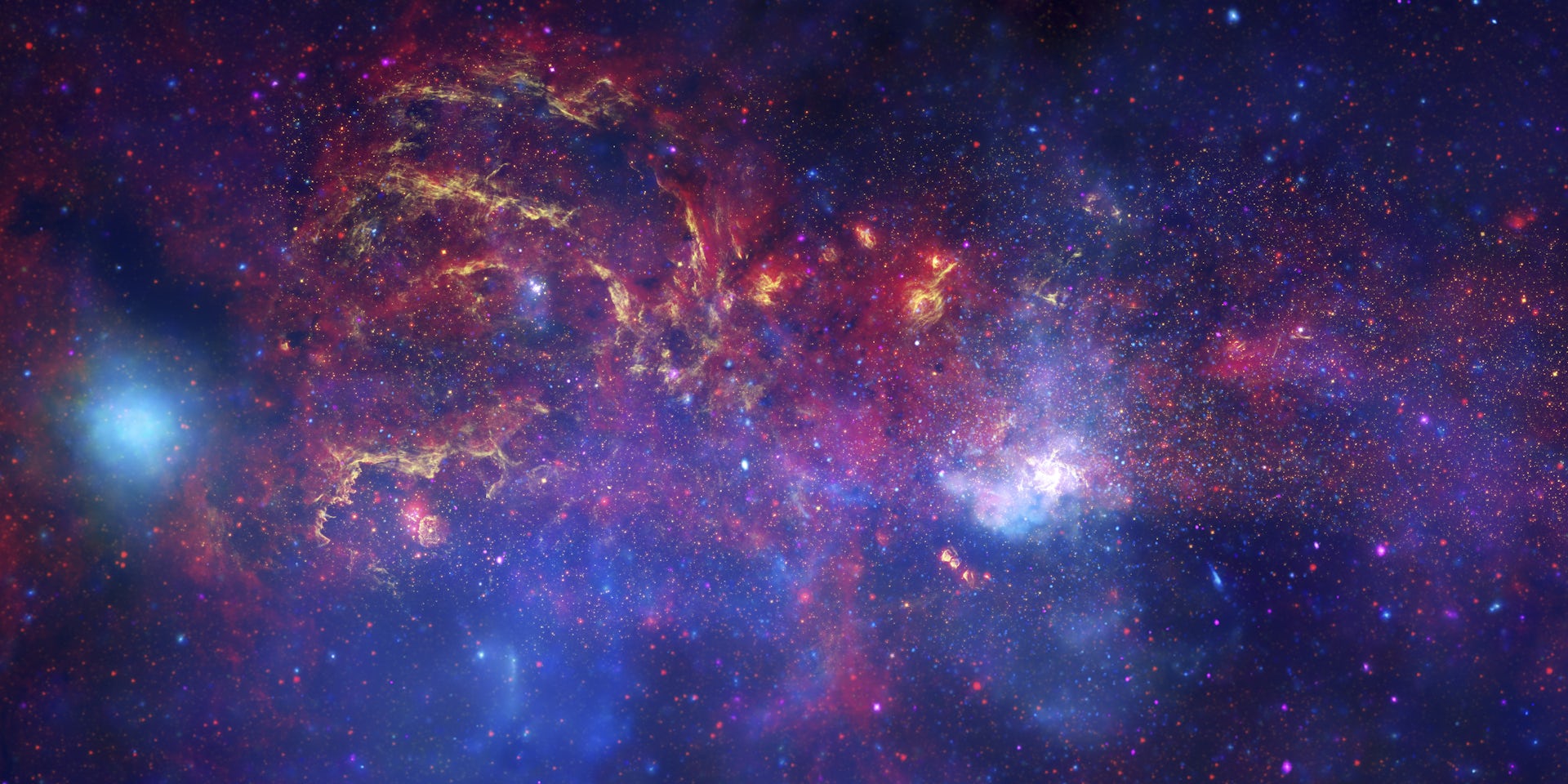
لقد أعيد تشكيل درب التبانة بفعل اصطدام كارثي قبل مليارات السنين. والآن هو في مسار لاصطدام آخر.
The Milky Way was rewired by a cataclysmic collision billions of years ago. Now it is on course for another
As a galactic archaeologist, my job is to reconstruct the past of our galaxy – and read the signs of its future.
بصفتي عالم آثار مجري، فإن وظيفتي هي إعادة بناء ماضي مجرتنا – وقراءة علامات مستقبلها.
Vasily Belokurov is one of three winners of the 2026 Kavli Prize in Astrophysics. The award is for uncovering fossil evidence of past galactic mergers that prove how the Milky Way evolved.
ياسليف بلوركوروف هو أحد الفائزين الثلاثة بجائزة كافلي للفيزياء الفلكية لعام 2026. وتُمنح الجائزة للكشف عن أدلة أحفورية على اندماجات مجرية سابقة تثبت كيفية تطور درب التبانة.
No matter the time or vantage point, from a pre-Neolithic cave to a post-lockdown London high-rise, the predictability of the night sky has always been humanity’s symbol of permanence and reassuring stability.
بغض النظر عن الوقت أو نقطة المراقبة، سواء كانت كهفاً ما قبل العصر الحجري الحديث أو ناطحة سحاب في لندن بعد فترة الإغلاق، ظل تنبؤ السماء الليلية دائماً رمزاً للبشرية للديمومة والاستقرار المطمئن.
Yet this apparent calm is deceptive. Our galaxy, the Milky Way, emerged from chaos and turbulence, and its constellations are full of migrants, exiles and survivors. Right now, it has begun to stretch and distort again, pulled by a massive companion and heading for an inevitable collision.
ومع ذلك، فإن هذا الهدوء الظاهري خادع. لقد نشأت مجرتنا، درب التبانة، من الفوضى والاضطراب، ومليئة بكوكباتها المهاجرين والمنفيين والناجين. وفي الوقت الحالي، بدأت تتمدد وتتشوه مرة أخرى، جاذبةً بقومية ضخمة ومتجهة نحو اصطدام حتمي.
How can I be so sure? As a galactic archaeologist, my job is to reconstruct the past of our galaxy and read the signs of its future.
كيف يمكنني أن أكون واثقاً إلى هذا الحد؟ بصفتي عالم آثار مجري، فإن وظيفتي هي إعادة بناء ماضي مجرتنا وقراءة علامات مستقبلها.
Instead of digging through soil, I use the laws of dynamics and stellar evolution to sift through hundreds of millions of stars – searching for the most ancient and chemically peculiar among them, interpreting their orbits and piecing together the events that shaped the Milky Way. One ancient encounter left scars so deep that, billions of years later, they still define the galaxy around us.
بدلاً من الحفر في التربة، أستخدم قوانين الديناميكا والتطور النجمي لغربلة مئات الملايين من النجوم – باحثاً عن الأقدم والأكثر غرابة كيميائياً بينها، ومفسراً مداراتها ومركباً الأحداث التي شكلت درب التبانة. لقد تركت مواجهة قديمة ندوباً عميقة لدرجة أنها لا تزال تحدد المجرة من حولنا بعد مليارات السنين.
I want to understand what governs the lives of these massive cosmic systems: which changes are nature – the slow internal evolution of a galaxy disc – and which are nurture, imposed by collisions and mergers.
أريد أن أفهم ما الذي يحكم حياة هذه الأنظمة الكونية الضخمة: أي التغيرات هي طبيعة – التطور الداخلي البطيء لقرص مجرة – وأيها تنشئة، مفروضة بفعل الاصطدامات والاندماجات.
Questions about the source of dark matter underpin it all. This is the invisible substance whose gravity holds galaxies together, but whose true identity remains one of the greatest unsolved puzzles in astrophysics.
تستند الأسئلة حول مصدر المادة المظلمة إلى كل شيء. إنها المادة غير المرئية التي يحافظ جاذبيتها على المجرات متماسكة، لكن هويتها الحقيقية لا تزال واحدة من أعظم الألغاز غير المحلولة في الفيزياء الفلكية.
The Milky Way is the one galaxy where stellar motions can be measured in extraordinary detail. This allows cosmologists including myself to construct our most precise map yet of dark matter: how far it reaches, how dense it is around the Sun, what shape it has and how smooth or lumpy it may be. If we can build this map in enough detail, we may begin to understand not just where dark matter is, but what it is.
درب التبانة هي المجرة الوحيدة التي يمكن فيها قياس الحركات النجمية بتفاصيل استثنائية. وهذا يسمح لعلماء الكونيات، بمن فيهم أنا، بإنشاء أدق خريطة للمادة المظلمة حتى الآن: إلى أي مدى تصل، وكم هي كثيفة حول الشمس، وما هو شكلها، وهل هي ناعمة أم متكتلة. إذا تمكنا من بناء هذه الخريطة بتفاصيل كافية، فقد نبدأ في فهم ليس فقط أين توجد المادة المظلمة، بل ما هي.
A cataclysmic collision
اصطدام كارثي
Our work has been transformed by a revolution in open sky surveys. From 2000, the Sloan Digital Sky Survey showed what becomes possible when vast astronomical datasets are made public, enabling discoveries far beyond the goals for which the survey was first built.
لقد تحول عملنا بفعل ثورة في مسوحات السماء المفتوحة. فمنذ عام 2000، أظهر مسح سلون الرقمي للسماء (SDSS) ما يمكن أن يتحقق عندما تُتاح مجموعات البيانات الفلكية الهائلة للعامة، مما مكن من اكتشافات تتجاوز بكثير الأهداف التي بُني المسح لأجلها في البداية.
And since 2014, Gaia, the European space telescope, has taken this transformation to another level by mapping the positions and motions of nearly 2 billion stars, turning the galaxy into a vast archaeological record. No ruins, no shards and no bones – only stars that hold the clues.
ومنذ عام 2014، نقل تلسكوب غايا الأوروبي الفضائي هذا التحول إلى مستوى آخر عبر رسم خرائط لمواقع وحركات ما يقرب من ملياري نجم، محوّلاً المجرة إلى سجل أثري شاسع. لا أنقاض، ولا شظايا، ولا عظام – بل نجوم تحمل الأدلة فقط.
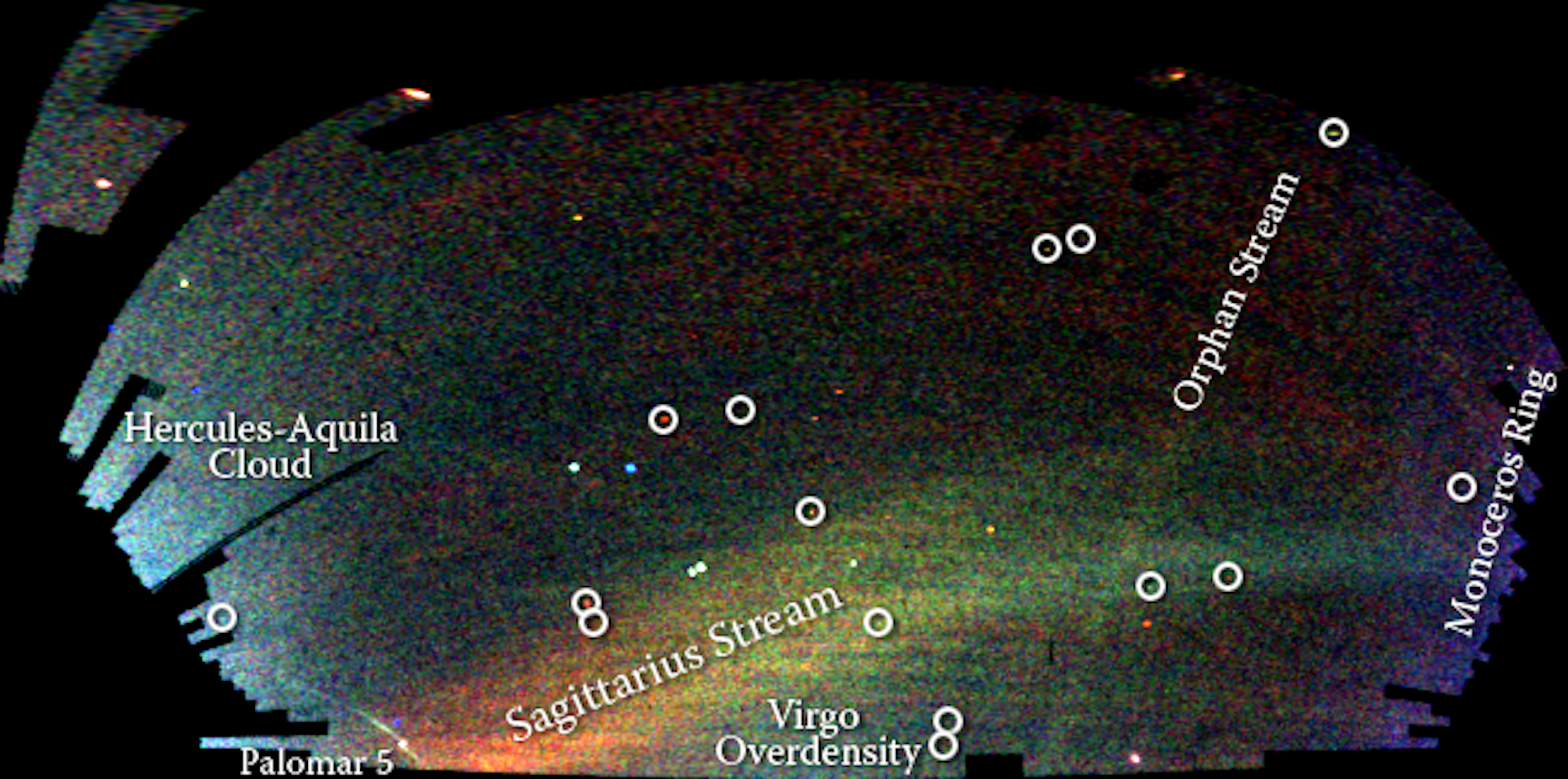
The clearest giveaway that something cataclysmic took place long ago in our galaxy is the migrants we observe: stars that were not born in the Milky Way.
أوضح دليل على حدوث شيء كارثي منذ زمن بعيد في مجرتنا هو النجوم المهاجرة التي نلاحظها: وهي نجوم لم تولد في المجرة الحلزونية.
While native stars mostly travel together, circling the galactic centre in the great rotating flow of the disc, migrants cut across that order. They slide past the locals, plunge into the inner galaxy, then fly back out to its outskirts, again and again.
بينما تسافر النجوم الأصلية معاً في الغالب، دائرة حول المركز المجري في التدفق الدوار العظيم للقرص، فإن النجوم المهاجرة تقطع هذا النظام. إنها تمر بجانب السكان المحليين، وتغوص في المجرة الداخلية، ثم تطير مرة أخرى إلى أطرافها، مراراً وتكراراً.
These unusual orbits go hand-in-hand with unusual chemistry. Most of the migrant stars are less enriched in heavier elements than the locally born population. Their chemical composition is a sign of a slower rate of evolution that is typical of a dwarf galaxy.
ترافق هذه المدارات غير العادية كيمياء غير عادية. معظم النجوم المهاجرة أقل ثراءً بالعناصر الثقيلة من التجمعات السكانية المولودة محلياً. ويُعد تركيبها الكيميائي علامة على معدل تطور أبطأ، وهو أمر نموذجي للمجرات القزمة.
This makes the migrants doubly valuable. They are both fossils of the Milky Way’s violent past, and probes of its outer regions, travelling where the local stars rarely go.
هذا يجعل النجوم المهاجرة ذات قيمة مضاعفة. فهي أحافير للماضي العنيف للمجرة الحلزونية، وفي الوقت نفسه مجسات لمناطقها الخارجية، حيث تسافر إلى أماكن نادراً ما تذهب إليها النجوم المحلية.
How the Milky Way was rewired
كيف أُعيد تشكيل درب التبانة
One of the central ideas in the theory of cosmic structure formation is that galaxies grow hierarchically. Smaller galaxies fall into larger ones and are torn apart, leaving their stars behind as migrants.
إحدى الأفكار المحورية في نظرية تشكل البنية الكونية هي أن المجرات تنمو بشكل هرمي. تندفع المجرات الأصغر إلى المجرات الأكبر وتتمزق، تاركة نجومها خلفها كـمهاجرين.
In the Milky Way, the largest ancient structure of this kind is known as Gaia-Sausage-Enceladus. It is the remains of a vanished galaxy that collided with our own between 8 and 11 billion years ago (the “sausage” refers to a pattern in its stars’ motions) .
في درب التبانة، تُعرف أكبر بنية قديمة من هذا النوع باسم “غايا-سوساج-إنسيلادوس” (Gaia-Sausage-Enceladus) . وهي بقايا مجرة اختفت اصطدمت بمجرتنا بين 8 و 11 مليار سنة مضت (“السوساج” يشير إلى نمط في حركات نجومها) .
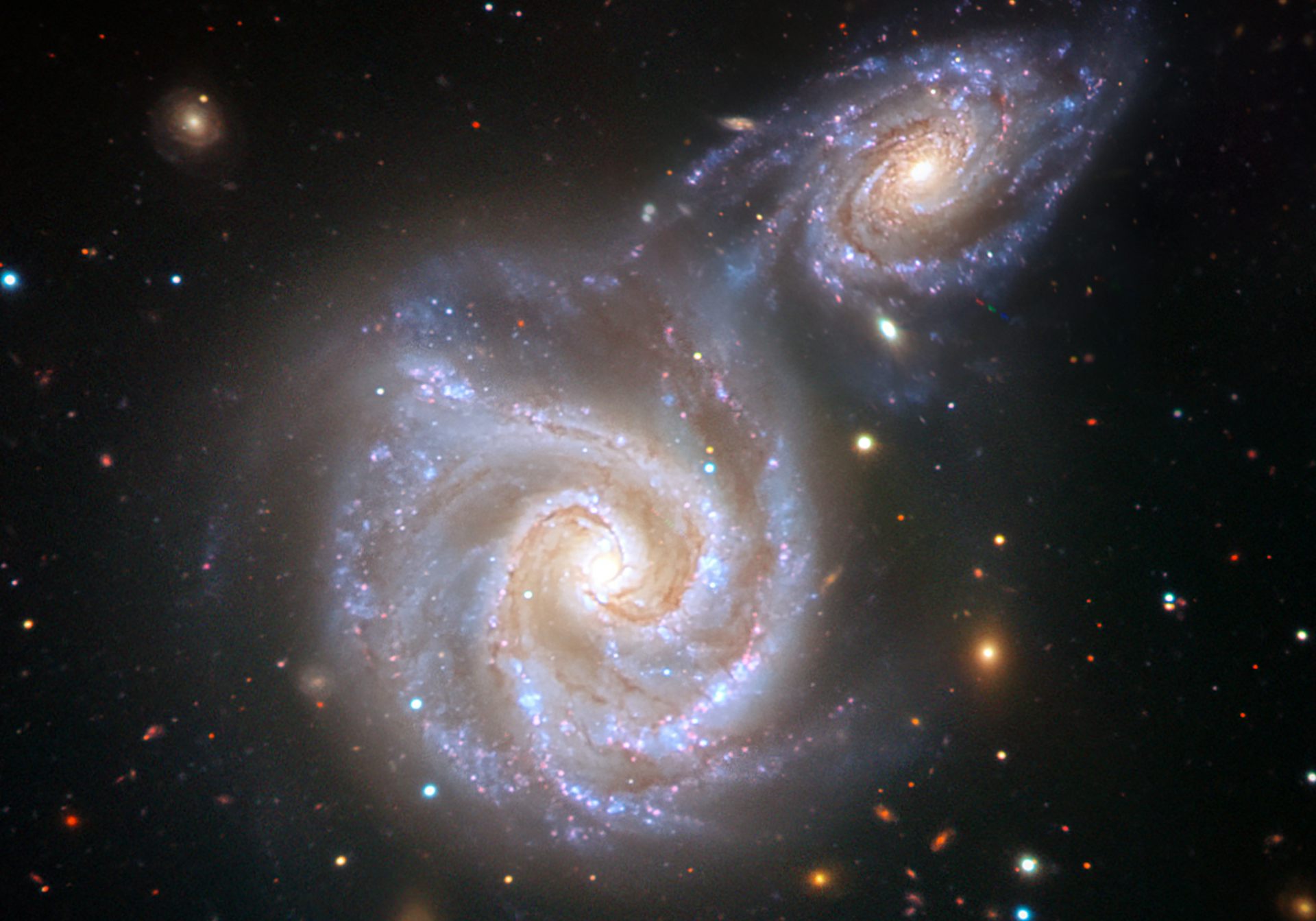
The Milky Way also did not go through that crash unscathed. The collision rewired and reshaped it.
لم يمر درب التبانة من هذا الاصطدام دون أن يتضرر. لقد أعاد التصادم تشكيله وتوصيل بنيته.
Some of these changes are easily visible in the data. Stars from the old disc were splashed into our galaxy’s halo, becoming exiles in the place where they were born. A new posse of star clusters were also acquired.
من التغييرات التي حدثت يمكن رؤيتها بسهولة في البيانات. تناثرت النجوم القادمة من القرص القديم إلى هالة مجرتنا، لتصبح منفية في المكان الذي وُلدت فيه. كما اكتسبت مجموعة جديدة من تجمعات النجوم.
At the same time, we think something even more momentous was taking place. The encounter changed the orientation of the Milky Way’s disc, and its alignment with the dark matter halo.
وفي الوقت نفسه، نعتقد أن شيئًا أكثر أهمية كان يحدث. فقد غيّر هذا اللقاء اتجاه قرص درب التبانة ومحاذاته مع هالة المادة المظلمة.
While dark matter is too diffuse to dominate our Solar System, in the outer galaxy it is the main gravitating mass – moving, streaming and, in the standard picture, clumping into a hierarchy of lumps.
في حين أن المادة المظلمة منتشرة جدًا بحيث لا تهيمن على نظامنا الشمسي، إلا أنها في أجزاء المجرة الخارجية هي الكتلة الجاذبية الرئيسية – تتحرك وتتدفق وفي الصورة القياسية تتكتل في تسلسل هرمي من الكتل.
Around the Milky Way, this dark matter forms a vast halo, much larger than the luminous part of our galaxy. We often imagine this halo as a sparse, round cloud, but Gaia has helped show this picture is too simple.
حول درب التبانة، تشكل هذه المادة المظلمة هالة شاسعة، أكبر بكثير من الجزء المضيء في مجرتنا. غالبًا ما نتخيل هذه الهالة كسحابة بيضاء ومستديرة، لكن “غايا” ساعدت على إثبات أن هذه الصورة بسيطة للغاية.
The dark halo can be stretched out of shape by a major encounter. Like a ship beginning to list, the Milky Way started to lean – not suddenly, not visibly, but over billions of years.
يمكن أن تتمدد الهالة المظلمة وتفقد شكلها بسبب لقاء كبير. مثل سفينة بدأت تميل، بدأ درب التبانة يميل – ليس فجأة، وليس بشكل مرئي، بل على مدى مليارات السنين.
A new galactic dance
رقصة مجرية جديدة
Unusually compared with many galaxies of similar mass, the Milky Way was allowed ample time to recover from the shock of the “sausage merger”. No other cosmic cataclysm appears to have shaken our Galaxy since, letting it settle into a quiet, uneventful life. That is, until now.
على عكس العديد من المجرات ذات الكتلة المماثلة، مُنح درب التبانة وقتاً وافراً للتعافي من صدمة “اندماج السجق.” ويبدو أنه لم يحدث أي كارثة كونية أخرى هزت مجرتنا منذ ذلك الحين، مما سمح لها بالاستقرار في حياة هادئة وخالية من الأحداث. حتى الآن.
The Large Magellanic Cloud (LMC) , currently our galaxy’s most massive companion, is already pulling at the Milky Way, disturbing its halo again. In an echo of what happened some 10 billion years ago, the Milky Way is being drawn into an accelerating dance with this neighbouring dwarf galaxy, recoiling in response to the LMC’s approach.
إن سحابة ماجلان الكبيرة (LMC) ، وهي حالياً الرفيق الأكثر ضخامة لمجرتنا، بدأت بالفعل بسحب درب التبانة، ومزعجةً هالة المجرة مرة أخرى. وفي صدى لما حدث قبل حوالي 10 مليارات سنة، يُسحب درب التبانة إلى رقص متسارع مع هذه المجرة القزمة المجاورة، في رد فعل على اقتراب سحابة ماجلان الكبيرة.
This is a dance that only one galaxy is likely to survive intact. A new chapter of migration, survival and adaptation has begun.
إنها رقصة من المحتمل أن تنجو منها مجرة واحدة سليمة. لقد بدأ فصل جديد من الهجرة والبقاء والتكيف.
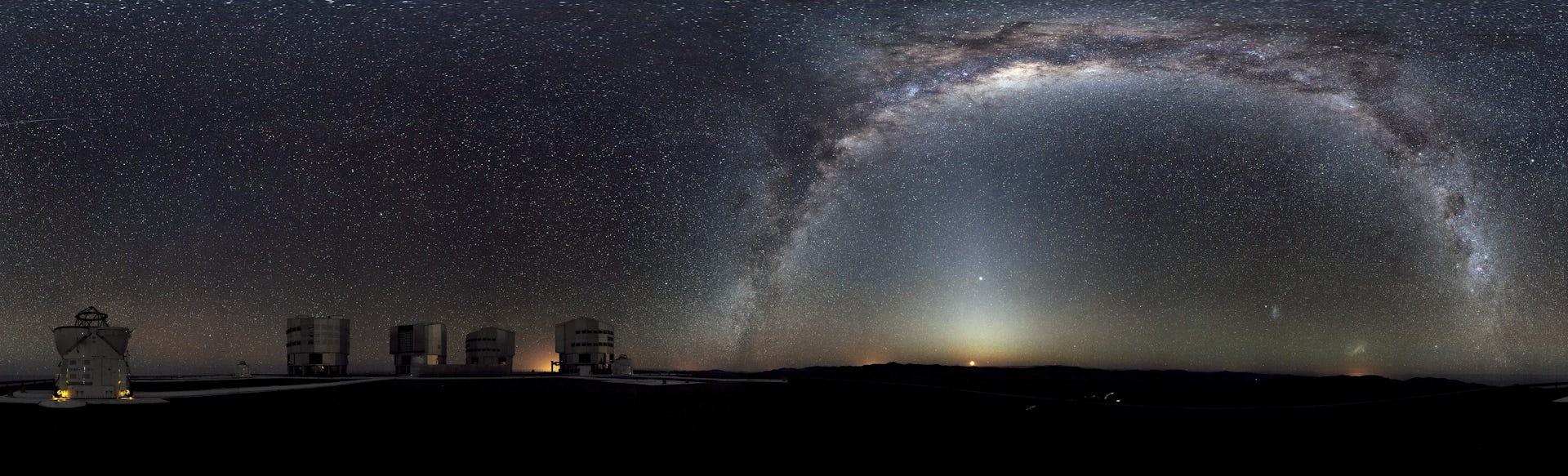
None of this spoils the beauty of the night sky – it deepens it. The calm band of light above us is not a symbol of permanence, but the visible reminder of a long survival.
لا يفسد أي من هذا جمال سماء الليل – بل يعمقه. إن الشريط الهادئ من الضوء فوقنا ليس رمزاً للدوام، بل هو التذكير المرئي لبقاء طويل.
The Milky Way has been broken, rebuilt and is now being disturbed again. Its stars remember the past; their motions reveal the future. What looks eternal is, in truth, a moment in a much longer story.
لقد تكسر درب التبانة وأُعيد بناؤه ويتم إزعاجُه مرة أخرى. نجومها تتذكر الماضي؛ وحركاتها تكشف المستقبل. ما يبدو أبدياً هو، في الحقيقة، لحظة في قصة أطول بكثير.
Vasily Belokurov has received funding from the European Research Council, the Leverhulme Trust, and the Science and Technology Facilities Council.
تلقى فاسيلي بيلوكوروف تمويلاً من المجلس الأوروبي للأبحاث، ووقف لير هولم للثروات، ومجلس المرافق العلمية والتكنولوجية.
Read more
-
في وساطة محادثات السلام بين الولايات المتحدة وإيران، تستعرض باكستان نفوذها الجيوسياسي
In mediating the US-Iran peace talks, Pakistan is flexing its geopolitical muscles
-
إذا كان الذكاء الاصطناعي مُسببًا للإدمان، فأين تقع المسؤولية – على شركات التكنولوجيا الكبرى أم مستخدميها؟
If AI is addictive, where does the responsibility lie – with big tech or its users?