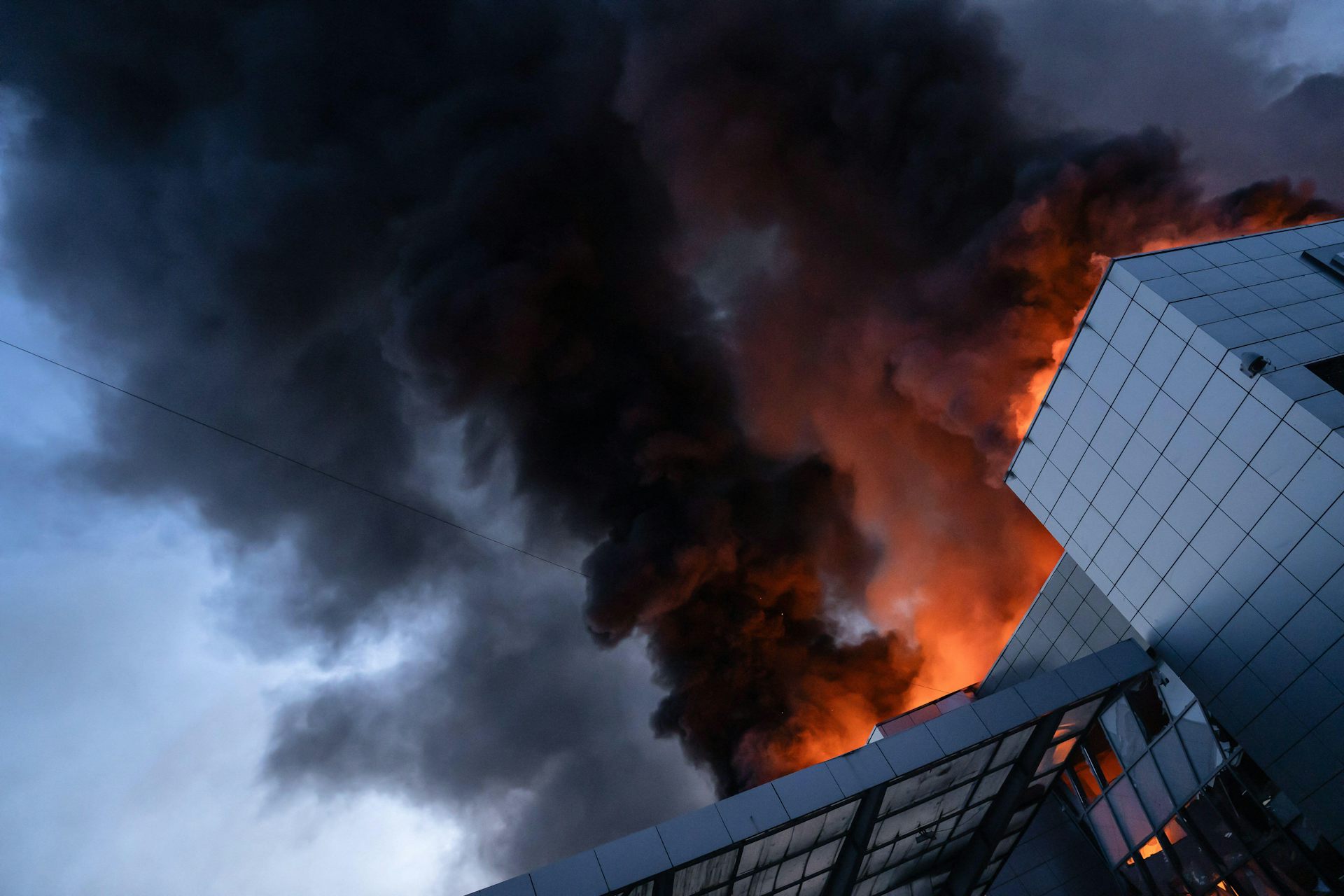
Guerra en Ucrania: la campaña aérea se intensifica mientras Rusia y Ucrania intercambian ataques masivos con drones y misiles
Ukraine war: air campaign intensifies as Russia and Ukraine trade massive drone and missile attacks
Russia has launched its biggest drone and missile strikes of the war to date. But Ukraine has hit back effectively.
Rusia ha lanzado sus ataques de drones y misiles más grandes hasta la fecha en la guerra. Pero Ucrania ha respondido de manera efectiva.
Over the past month, there has been a notable increase in the intensity of the air war in Russia’s aggression against Ukraine. Strikes in mid- and late-May and early June have been characterised by significantly larger numbers of drones and missiles deployed by Russia in single attacks, leading to more destruction and more casualties.
Durante el último mes, ha habido un notable aumento en la intensidad de la guerra aérea en la agresión de Rusia contra Ucrania. Los ataques de mediados y finales de mayo y principios de junio se han caracterizado por un número significativamente mayor de drones y misiles desplegados por Rusia en ataques individuales, lo que ha provocado más destrucción y más bajas.
At the same time, Russian territorial gains on the ground have slowed significantly, and in some cases have been reversed by successful Ukrainian counter-attacks.
Al mismo tiempo, las ganancias territoriales rusas en tierra se han ralentizado significativamente y, en algunos casos, han sido revertidas por exitosos contraataques ucranianos.
The change in intensity in the air war, however, is what generates headlines, and for good reason. Two consecutive Russian attacks on May 13 and 14 were the largest in the war to date.
Sin embargo, el cambio en la intensidad de la guerra aérea es lo que genera titulares, y por buenas razones. Dos ataques rusos consecutivos el 13 y 14 de mayo fueron los más grandes de la guerra hasta la fecha.
Ten days later, a similar strike hit Kyiv and other Ukrainian cities. And a week after that, Russia launched yet another large-scale strike.
Diez días después, un ataque similar golpeó Kiev y otras ciudades ucranianas. Y una semana después de eso, Rusia lanzó otro ataque a gran escala.
Just focusing on the Russian strikes, however, masks an important pattern of increasingly effective Ukrainian retaliation.
Sin embargo, centrarse solo en los ataques rusos enmascara un patrón importante de represalias ucranianas cada vez más efectivas.
The first Russian attack in May was followed by Ukrainian strikes on the Moscow region. The second one saw Ukrainian strikes on St Petersburg on June 3, just before Vladimir Putin’s St Petersburg International Economic Forum was due to begin there.
El primer ataque ruso en mayo fue seguido por ataques ucranianos en la región de Moscú. El segundo vio ataques ucranianos en San Petersburgo el 3 de junio, justo antes de que se celebrara allí el Foro Económico Internacional de San Petersburgo de Vladimir Putin.
At the same time, Ukraine has also intensified its strikes on Crimea and critical Russian supply lines to the peninsula, which Moscow has illegally occupied since 2014.
Al mismo tiempo, Ucrania también ha intensificado sus ataques contra Crimea y las líneas de suministro rusas críticas hacia la península, que Moscú ha ocupado ilegalmente desde 2014.
This series of Russian and Ukrainian airstrikes represents a high-intensity retaliation cycle. Ukraine responds to a Russian strike, which Moscow then uses to justify its massive strike, and so on.
Esta serie de ataques aéreos rusos y ucranianos representa un ciclo de represalias de alta intensidad. Ucrania responde a un ataque ruso, lo que Moscú luego utiliza para justificar su ataque masivo, y así sucesivamente.
What is new is both the scale of the Russian strikes, with larger numbers of drones and missiles compared even with the peak of attacks in late 2025, and the quickening cycle of these tit-for-tat attacks.
Lo nuevo es tanto la escala de los ataques rusos, con mayores números de drones y misiles en comparación incluso con el pico de ataques a finales de 2025, como el ciclo acelerado de estos ataques de represalia.
Ukrainian attacks deep into Russia are no longer just symbolic but highly effective – prompting Russia to accuse Ukraine of a terror campaign, in an attempt to deflect from its own systematic targeting of civilian infrastructure.
Los ataques ucranianos en profundidad en Rusia ya no son solo simbólicos, sino altamente efectivos, lo que lleva a Rusia a acusar a Ucrania de una campaña terrorista, en un intento de desviar la atención de su propio objetivo sistemático de infraestructura civil.
In their levels of destruction and civilian casualties, the Russian strikes also seem more effective than in the past – and Ukraine’s air defences less so. But this is only partially true. Ukraine’s intercept rate of drones remains high. However, the larger number of drones being deployed by Russia means that, in absolute numbers, more drones hit their targets.
En sus niveles de destrucción y bajas civiles, los ataques rusos también parecen más efectivos que en el pasado, y las defensas aéreas de Ucrania menos. Pero esto es solo parcialmente cierto. La tasa de interceptación de drones de Ucrania sigue siendo alta. Sin embargo, el mayor número de drones desplegados por Rusia significa que, en números absolutos, más drones golpean sus objetivos.
Russia has also deployed more missiles in recent strikes, which Ukraine finds harder to intercept – not least because its stockpiles of anti-missile defences have been depleted over time, with the decrease in US support since Donald Trump’s return to the White House in January 2025.
Rusia también ha desplegado más misiles en los ataques recientes, lo que resulta más difícil de interceptar para Ucrania, no menos porque sus reservas de defensas antimisiles se han agotado con el tiempo, con la disminución del apoyo estadounidense desde el regreso de Donald Trump a la Casa Blanca en enero de 2025.
The recent diversion of US interceptors to the American war effort in the Middle East has also run down the stocks of these defence systems that are available to Kyiv.
El reciente desvío de interceptores estadounidenses al esfuerzo bélico estadounidense en Oriente Medio también ha reducido las existencias de estos sistemas de defensa disponibles para Kiev.
Can this intensity be sustained?
¿Se puede sostener esta intensidad?
Russia has thus been presented with an opportunity it is ruthlessly exploiting. But how sustainable is the current pattern?
Rusia ha sido presentada así con una oportunidad que está explotando sin piedad. Pero, ¿qué tan sostenible es el patrón actual?
The scale and frequency of the past four weeks is probably beyond Russia’s capacity to sustain indefinitely. While still large in scale, the strikes in late May and early June did not involve the same number of munitions as the first wave.
La escala y frecuencia de las últimas cuatro semanas probablemente superan la capacidad de Rusia para sostenerlas indefinidamente. Aunque siguen siendo de gran escala, los ataques de finales de mayo y principios de junio no implicaron el mismo número de municiones que la primera oleada.
Russia is clearly able to mass-produce cheap attack drones, but less able to do the same for missiles. So, sustaining larger-scale attacks over time is likely to decrease their frequency, while more frequent attacks will mean a more limited scale.
Rusia es claramente capaz de producir en masa drones de ataque baratos, pero menos capaz de hacer lo mismo con los misiles. Por lo tanto, mantener ataques de mayor escala con el tiempo probablemente disminuirá su frecuencia, mientras que ataques más frecuentes significarán una escala más limitada.
A mixture of the two is most likely – a sustained campaign of frequent massed drone strikes, with intermittent spikes of large missile barrages.
Lo más probable es una mezcla de ambos: una campaña sostenida de ataques masivos y frecuentes con drones, con picos intermitentes de grandes barrajes de misiles.
While this may be a sustainable attack pattern for Russia, it does not mean the current level of effectiveness is equally sustainable. Ukrainian air defences will adapt and become more effective, including against Russian missiles.
Si bien este puede ser un patrón de ataque sostenible para Rusia, no significa que el nivel de efectividad actual sea igualmente sostenible. Las defensas aéreas ucranianas se adaptarán y serán más efectivas, incluidos los misiles rusos.
Its defence cooperation with the EU is simultaneously improving. The lifting of Hungary’s veto on €40 billion (£34.6bn) of EU reimbursements for military support is likely to free additional funds to supply critical air defence systems to Ukraine.
Su cooperación en defensa con la UE está mejorando simultáneamente. La retirada del veto de Hungría sobre los 40.000 millones de euros (34.600 millones de libras) de reembolsos de la UE para el apoyo militar probablemente liberará fondos adicionales para suministrar sistemas críticos de defensa aérea a Ucrania.
Even with a sustained Russian air campaign, a manageable equilibrium is likely to set in over time. But critically, this will not merely be characterised by better Ukrainian defences against Russian attacks – but also by more effective Ukrainian strikes at Moscow’s critical war infrastructure.
Incluso con una campaña aérea rusa sostenida, es probable que se establezca un equilibrio manejable con el tiempo. Pero fundamentalmente, esto no se caracterizará simplemente por mejores defensas ucranianas contra los ataques rusos, sino también por ataques ucranianos más efectivos contra la infraestructura bélica crítica de Moscú.
The Russian air campaign, and the war against Ukraine more generally, will thus become more costly for the Kremlin – and not just on the battlefield inside Ukraine.
La campaña aérea rusa, y la guerra contra Ucrania en general, se volverá así más costosa para el Kremlin, y no solo en el campo de batalla dentro de Ucrania.
Whether this simply creates a different stalemate at a more costly level for both sides in their ongoing war of attrition, or prompts them to reassess their exit strategies, remains to be seen.
Si esto simplemente crea un empate diferente a un nivel más costoso para ambas partes en su continua guerra de desgaste, o si les incita a reevaluar sus estrategias de salida, está por verse.
For Moscow, there is a hard choice to be made: towards escalation, including potential nuclear mobilisation, or towards a peace deal. The middle ground of simply continuing is quickly eroding, because none of Putin’s strategic goals in the war can be achieved this way – and the ongoing waste of resources cannot be sustained indefinitely.
Para Moscú, hay que tomar una decisión difícil: hacia la escalada, incluida una posible movilización nuclear, o hacia un acuerdo de paz. El punto intermedio de simplemente continuar se está erosionando rápidamente, porque ninguno de los objetivos estratégicos de Putin en la guerra puede lograrse de esta manera, y el gasto continuo de recursos no puede sostenerse indefinidamente.
On the Ukrainian side, the statement by Ukraine’s president, Volodymyr Zelensky, that Ukraine’s recent strikes on Russia put the country on an equal footing with Moscow in negotiations, hints at Kyiv’s willingness to negotiate an end to the war with Moscow. However, it may take several more rounds in the air campaign retaliation cycle before the Kremlin reaches a similar conclusion.
En el lado ucraniano, la declaración del presidente de Ucrania, Volodímir Zelenski, de que los recientes ataques de Ucrania contra Rusia han puesto al país en igualdad de condiciones con Moscú en las negociaciones, insinúa la voluntad de Kiev de negociar el fin de la guerra con Moscú. Sin embargo, pueden pasar varias rondas más en el ciclo de represalias de la campaña aérea antes de que el Kremlin llegue a una conclusión similar.
Stefan Wolff is a past recipient of grant funding from the Natural Environment Research Council of the UK, the United States Institute of Peace, the Economic and Social Research Council of the UK, the British Academy, the NATO Science for Peace Programme, the EU Framework Programmes 6 and 7 and Horizon 2020, as well as the EU’s Jean Monnet Programme. He is a Trustee and Honorary Treasurer of the Political Studies Association of the UK and a Senior Research Fellow at the Foreign Policy Centre in London.
Stefan Wolff es un antiguo beneficiario de subvenciones del Natural Environment Research Council del Reino Unido, el United States Institute of Peace, el Economic and Social Research Council del Reino Unido, la British Academy, el Programa Ciencia para la Paz de la OTAN, los Programas Marco de la UE 6 y 7 y Horizonte 2020, así como el Programa Jean Monnet de la UE. Es un fideicomisario y tesorero honorario de la Political Studies Association del Reino Unido y un Investigador Senior del Foreign Policy Centre de Londres.
Tetyana Malyarenko does not work for, consult, own shares in or receive funding from any company or organisation that would benefit from this article, and has disclosed no relevant affiliations beyond their academic appointment.
Tetyana Malyarenko no trabaja, asesora, posee acciones ni recibe financiación de ninguna empresa u organización que se beneficie de este artículo, y no ha revelado afiliaciones relevantes más allá de su nombramiento académico.
Read more
-
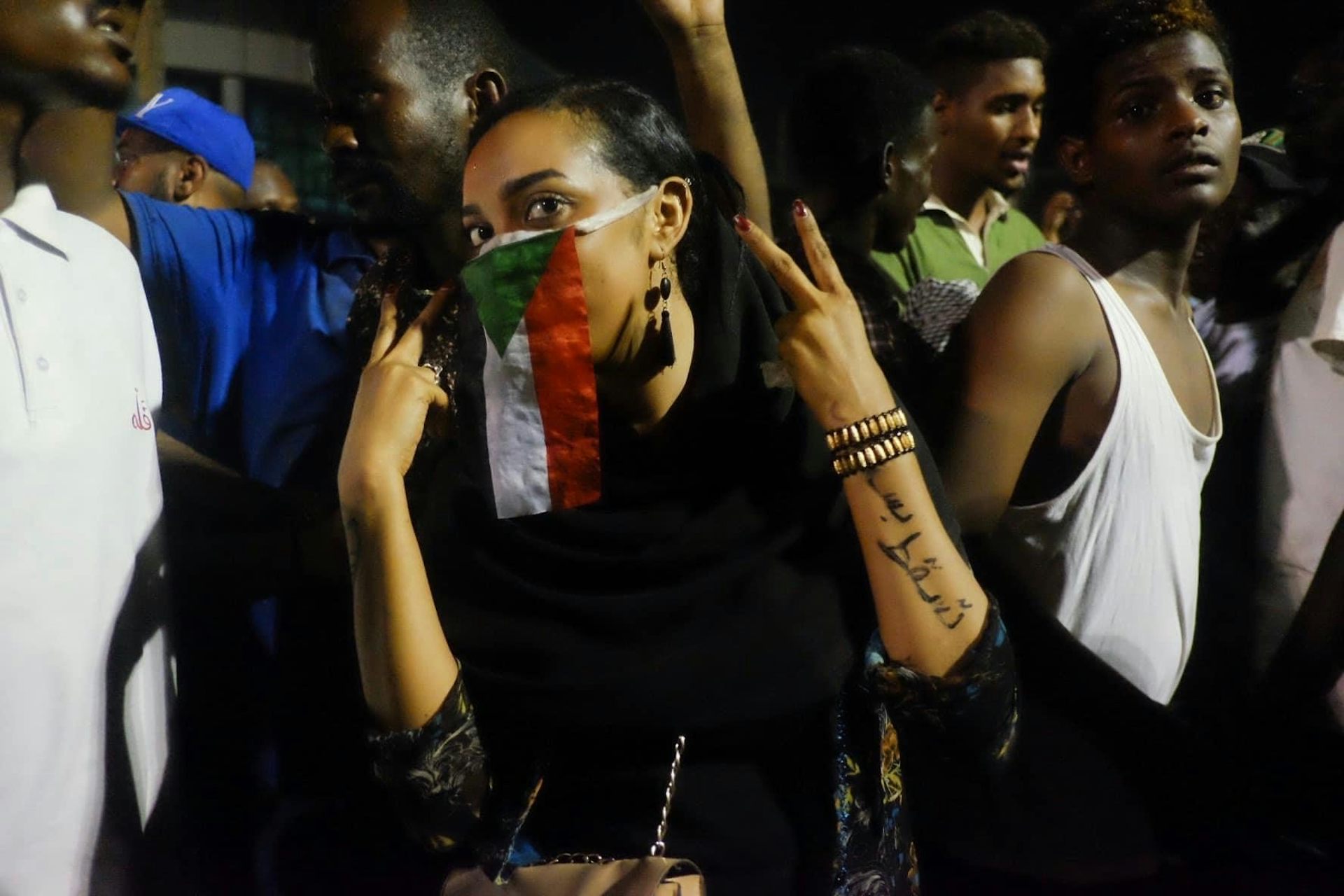
Los ritmos que derrocaron a Bashir: cómo la música de Sudán dio forma a una revolución
The rhythms that broke Bashir: how Sudan’s music shaped a revolution
-
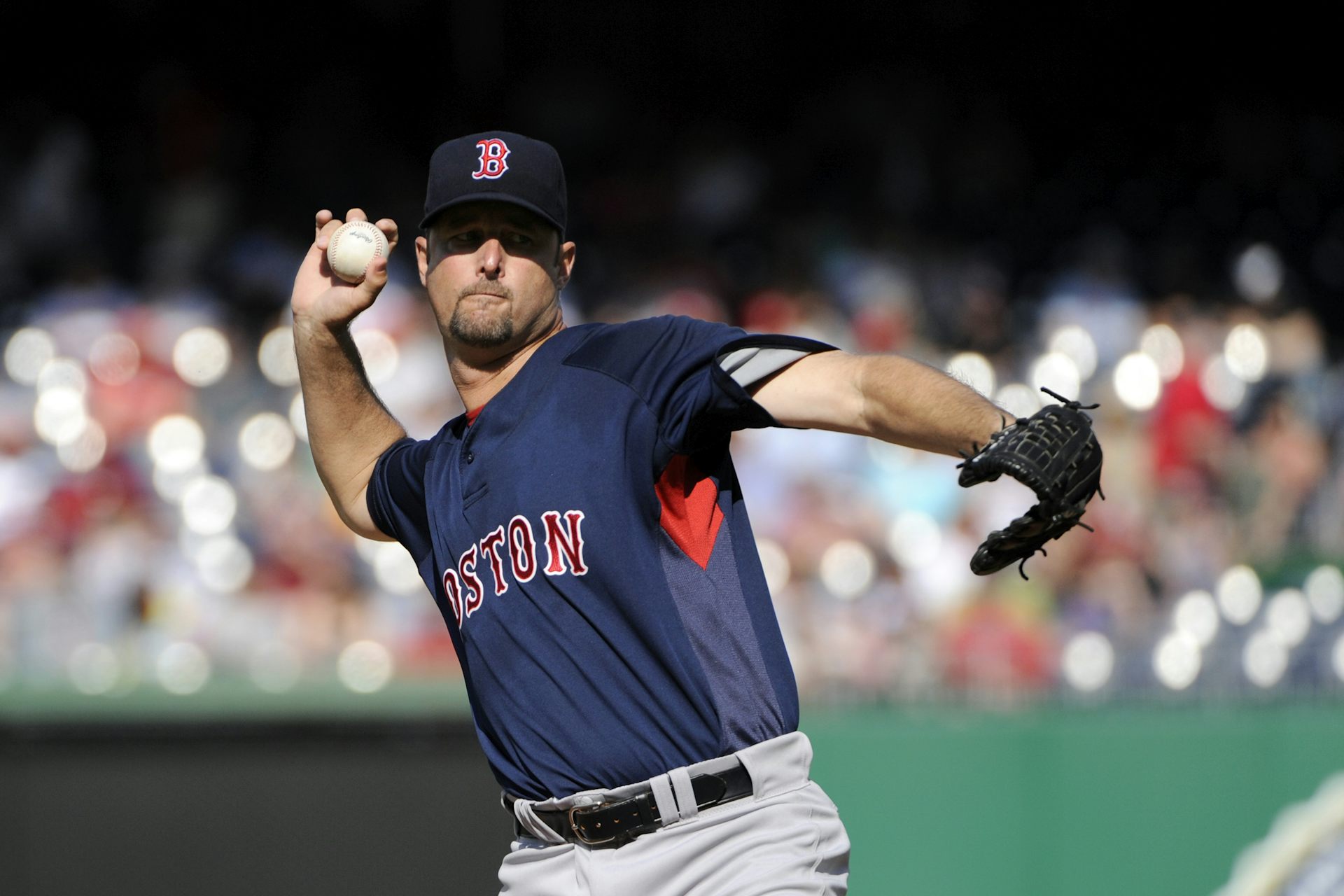
Bingles, knuckleballs y ‘Beer Barrel Polka’ – cientos de obras olvidadas muestran el ecléctico mundo de la erudición sobre béisbol
Bingles, knuckleballs and ‘Beer Barrel Polka’ – hundreds of forgotten works showcase the eclectic world of baseball scholarship