伊朗军事力量将最先进的无人机和黑客与过时的常规武器相结合
Iran’s military forces combine state-of-the-art drones …
Knowing what comes next in Operation Epic Fury is better understood by grasping the evolution of Iran’s military structure and capabilities.
要了解“史诗怒火行动”接下来会发生什么,最好是掌握伊朗军事结构和能力的演变。
Six weeks of U.S. and Israeli bombardment have served to degrade Iran’s nuclear facilities and cripple parts of its military.
美国和以色列六周的轰炸,削弱了伊朗的核设施,并瘫痪了其军事力量的某些部分。
But the Islamic Republic’s offensive capabilities have been built up over nearly 50 years, during which Iran has been either at war or under the threat of conflict.
但伊斯兰共和国的进攻能力是在近50年间建立起来的,在此期间,伊朗一直处于战争状态或面临冲突威胁。
As an expert in military history and theory, I believe that to understand what may come next in Operation Epic Fury, it’s valuable to grasp the development of Iran’s modern military structure, capabilities and international activities.
作为军事历史和理论专家,我认为要了解“史诗怒火行动”(Operation Epic Fury)接下来可能发生什么,掌握伊朗现代军事结构、能力和国际活动的发展历程是很有价值的。
Iranian military technology
伊朗军事技术
Prior to the establishment of the Islamic Republic of Iran in 1979, Iran’s military was largely supplied by Western powers, particularly the United States.
在1979年伊斯兰共和国成立之前,伊朗的军事力量主要由西方列强,特别是美国提供补给。
It entered the Iran-Iraq war in 1980 with a substantial amount of then-modern equipment. That included nearly 80 F-14 fighter aircraft, over 200 F-4 and F-5 aircraft and thousands of tanks.
1980年,它带着大量当时先进的装备进入了伊拉克战争。其中包括近80架F-14战斗机、超过200架F-4和F-5飞机以及数千辆坦克。
But Iran’s military was exhausted when the war ended in 1988. And the government had by then become a world pariah, making resupply all but impossible.
但当战争于1988年结束时,伊朗的军队已经筋疲力尽。届时,该政府已成为国际上的弃儿,使得补给几乎不可能。
Although Iran imported some military equipment from the Soviet Union and China in 1990, its economy could not support substantial military spending.
尽管伊朗在1990年从苏联和中国进口了一些军事装备,但其经济无法支撑大规模的军事开支。
Ironically, the arms embargoes that Iran faced during and after its war with Iraq made the regime self-reliant on its weapons stockpiles. And that triggered the development of a substantial domestic arms industry.
具有讽刺意味的是,伊朗在与伊拉克战争期间和之后面临的武器禁运,使得该政权不得不依靠自身的武器储备。这反而触发了国内大型军工产业的发展。
Most modern Iranian military equipment consists of reverse-engineered American and Soviet equipment, much of it obsolete. Since 1990, however, Iranian missile technology has substantially improved. That’s due to domestic production and importing expertise from other marginalized states, such as North Korea.
大部分现代伊朗军事装备是逆向工程改造的美国和苏联装备,其中许多已经过时。然而,自1990年以来,伊朗的导弹技术得到了显著提高。这得益于国内生产以及从朝鲜等其他边缘国家引进的专业知识。
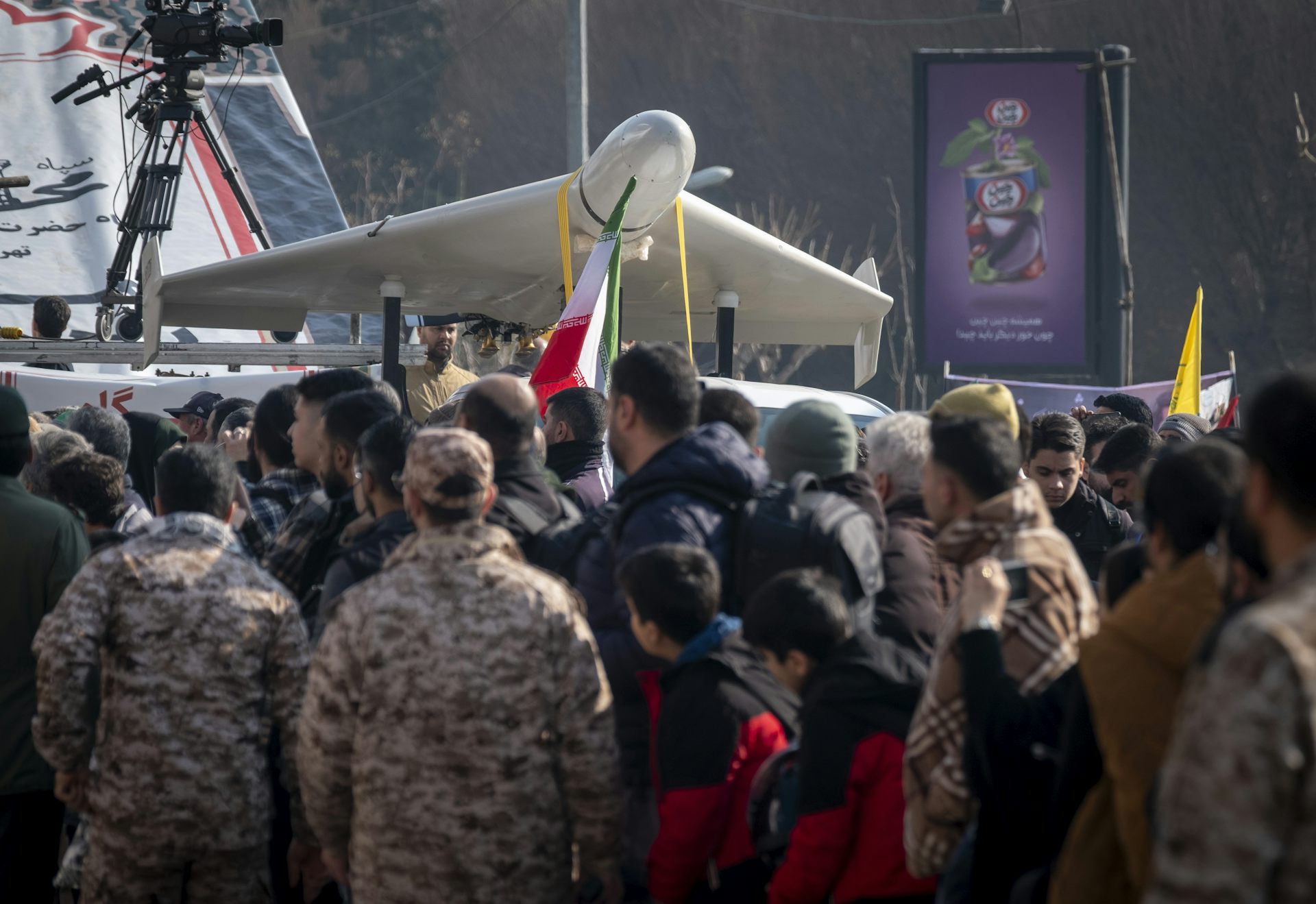
Starting in the 1990s, Iran also innovated a series of one-way attack drones, a relatively inexpensive way to attack distant targets.
从20世纪90年代开始,伊朗还创新了一系列单向攻击无人机,这是一种攻击远距离目标的相对廉价的方式。
The modern Iranian military
现代伊朗军事
The Iranian military is split into the regular military, or “Artesh,” and the Islamic Revolutionary Guard Corps. The Artesh plays a domestic defense role akin to a militia, while the Revolutionary Guard serves as the more professional military force.
伊朗军队分为常规军队(或称“阿尔泰什”)和伊斯兰革命卫队。阿尔泰什扮演着类似于民兵的国内防御角色,而革命卫队则充当了更专业的军事力量。
The Revolutionary Guard projects regional power. During the 2003 U.S.-Iraq war, for instance, it provided improvised explosive devices to insurgents targeting American forces.
革命卫队投射区域力量。例如,在2003年美伊战争期间,它向针对美军的叛乱分子提供了简易爆炸装置。
The Revolutionary Guard tends to receive the bulk of Iranian military resources, including the best personnel and equipment. Quds Force, the unconventional warfare wing of the Revolutionary Guard, has long played a role in exporting the revolutionary beliefs of the Iranian rulers. The Quds Force provides arms and guidance to proxies throughout the Middle East, primarily by fomenting insurrections against Arab Sunni governments.
革命卫队往往获得伊朗大部分军事资源,包括最优秀的人员和装备。革命卫队的非传统作战部门“库德斯部队”长期以来一直扮演着输出伊朗统治者革命信仰的角色。库德斯部队向中东各地的代理人提供武器和指导,主要方式是通过煽动针对阿拉伯逊尼派政府的叛乱。
Iran has long been the patron of Hezbollah, based in Lebanon, whose primary goal is the eradication of Israel. More recently, Iran has also engaged in substantial support of Hamas in Gaza, despite the fact that Hamas is a Sunni organization, while the rulers of Iran are members of the Shiite branch of Islam.
伊朗长期以来一直是总部位于黎巴嫩的真主党的支持者,其主要目标是消灭以色列。最近,伊朗还对加沙的哈马斯提供了大量支持,尽管哈马斯是一个逊尼派组织,而伊朗统治者是什叶派穆斯林。
Iran has constantly sought means of exerting military influence beyond its borders, without risking external attack. It has embraced the use of cyber warfare, a method of attack with a relatively low cost for participation and a potentially outsized influence on the world stage.
伊朗一直在寻求在不冒外部攻击风险的情况下,扩大其国境之外的军事影响力。它拥抱了网络战,这是一种参与成本相对较低,但可能对世界舞台产生巨大影响的攻击方式。
Iranian hackers have attacked Western military and government networks, including a hack of FBI Director Kash Patel’s personal emails. Iranian-backed hackers have also launched attacks on infrastructure and cultural institutions, including U.S. wastewater treatment plants and electrical grids.
伊朗黑客攻击了西方军事和政府网络,包括黑进了FBI局长卡什·帕特尔的私人电子邮件。伊朗支持的黑客还攻击了基础设施和文化机构,包括美国污水处理厂和电网。
Iran’s pursuit of atomic weaponry
伊朗追求原子武器
Iran’s government has relentlessly pursued nuclear weapons since at least the 1980s.
伊朗政府自至少20世纪80年代以来一直不懈地追求核武器。
The Iranian government has always maintained that its nuclear program is to provide power for the developing nation, rather than weaponry. But definitive evidence of uranium enrichment far beyond the requirements of power generation have caused Western states to demand an end to the Iranian nuclear program.
伊朗政府一直坚称其核计划旨在为发展中国家提供电力,而非制造武器。但确凿的证据表明,其铀浓缩程度远远超出了发电需求,这促使西方国家要求终止伊朗的核计划。
In 2010, cybersecurity researcher Sergey Ulasen discovered an incredibly complex malware program, dubbed Stuxnet, that was created to undermine the Iranian nuclear program by disrupting the function of enrichment centrifuges. No nation has ever taken responsibility for the attack, which set back Iranian uranium enrichment efforts by years.
2010年,网络安全研究员谢尔盖·乌拉森发现了一个极其复杂的恶意软件程序,代号为“震网”(Stuxnet),该程序旨在通过破坏浓缩离心机的功能来破坏伊朗的核计划。没有任何国家对这次攻击承担责任,这次攻击使伊朗的铀浓缩工作倒退了好几年。
In 2015, after negotiations with the five permanent members of the U.N. Security Council and Germany, Iran agreed to halt its uranium enrichment program in exchange for relief from economic sanctions and the release of frozen Iranian assets. The negotiations resulted in the Joint Comprehensive Plan of Action, or JCPOA.
2015年,在与联合国安理会五个常任理事国和德国进行谈判后,伊朗同意暂停其铀浓缩计划,以换取解除经济制裁和释放被冻结的伊朗资产。这些谈判促成了《联合全面行动计划》,即JCPOA。
Although the Trump administration withdrew the U.S. from the JCPOA in 2018, the agreement continued to function, and Iran seemed poised to reenter the global economy.
尽管特朗普政府于2018年将美国退出JCPOA,但该协议仍继续发挥作用,伊朗似乎准备重返全球经济。
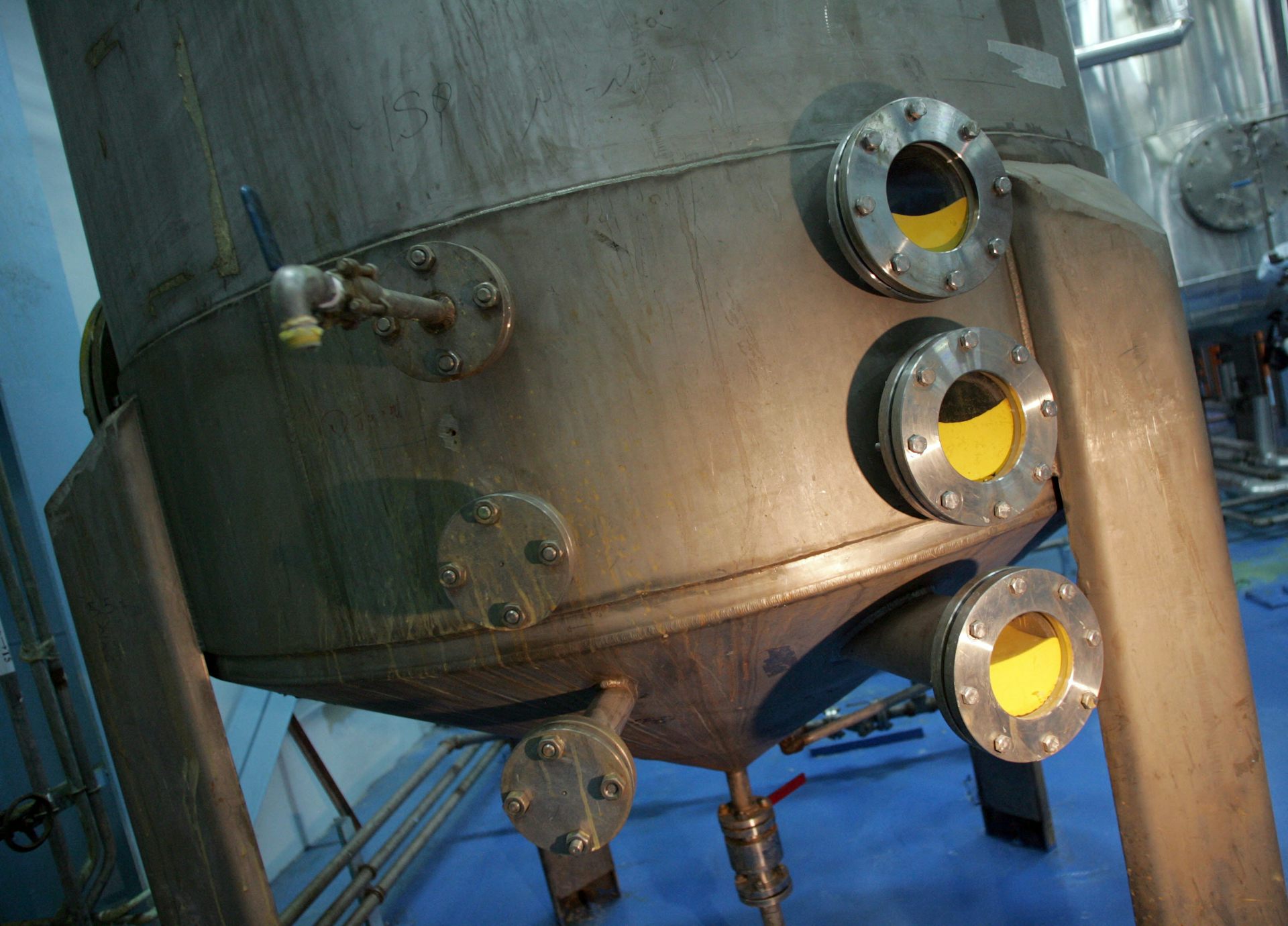
However, in 2020 the Iranians restarted their nuclear program. They also ramped up production of ballistic missiles and one-way attack drones.
然而,2020年伊朗重启了其核计划。他们还增加了弹道导弹和单向攻击无人机的产量。
In June 2025, the United States and Israel launched a massive aerial attack on Iranian nuclear facilities, an effort that Trump characterized as having destroyed Iran’s nuclear facilities.
2025年6月,美国和以色列对伊朗核设施发动了大规模空袭,特朗普曾称此举摧毁了伊朗的核设施。
Iran responded by launching a wave of ballistic missiles and drones toward Israel, most of which were intercepted before entering Israeli airspace.
伊朗则以向以色列发射一波弹道导弹和无人机来回应,其中大部分在进入以色列空域前被拦截。
The missile and interceptor war
导弹与拦截器战争
Prior to Operation Epic Fury, analysts estimated that Iran possessed 3,000 ballistic missiles and tens of thousands of one-way attack drones. They also concluded that Iran had a substantial production capacity to increase its stockpiles.
在“史诗怒火行动”之前,分析人士估计伊朗拥有3000枚弹道导弹和数万架单程攻击无人机。他们还得出结论,伊朗拥有巨大的生产能力来增加其库存。
In the first six weeks of the current conflict, Iran expended at least 650 missiles in attacks on Israel and hundreds more against other targets in the region.
在当前冲突的前六周内,伊朗在攻击以色列时消耗了至少650枚导弹,并对该地区其他目标消耗了数百枚导弹。
The U.S. has placed a heavy emphasis on attacking missile production and storage facilities. But it’s difficult to ascertain how many missiles and drones the Iranian military might still possess.
美国将重点放在攻击导弹生产和存储设施上。但很难确定伊朗军队可能还拥有多少导弹和无人机。
Iranian production and transportation has almost certainly sustained substantial losses in capacity. And U.S. and Israeli aircraft prowl the skies over Iran seeking signs of mobile launchers or attempts to transport missiles to firing locations.
伊朗的生产和运输能力几乎肯定遭受了巨大的损失。美国和以色列的飞机在伊朗上空盘旋,寻找移动发射器或将导弹运往发射地点的迹象。
The rate of Iranian missile fire has substantially declined since the first days of the conflict, but it has never dropped to zero. That has led some analysts to suspect that Iran maintains a significant cache of long-range weaponry in reserve, while U.S. Secretary of Defense Pete Hegseth argues that it has lost the capacity to launch major barrages.
自冲突最初几天以来,伊朗导弹发射的频率已大幅下降,但从未降至零。这导致一些分析人士怀疑伊朗保留了大量远程武器,而美国国防部长皮特·赫格塞斯则辩称,伊朗已经失去了发动大规模轰炸的能力。
Paul J. Springer is a Senior Fellow of the Foreign Policy Research Institute. His comments represent his own opinion and do not reflect the official policy of the United States Government, the U.S. Department of Defense, or the U.S. Air Force.
保罗·J·斯普林格是外交政策研究所的高级研究员。他的评论代表他个人的观点,并不反映美国政府、美国国防部或美国空军的官方政策。