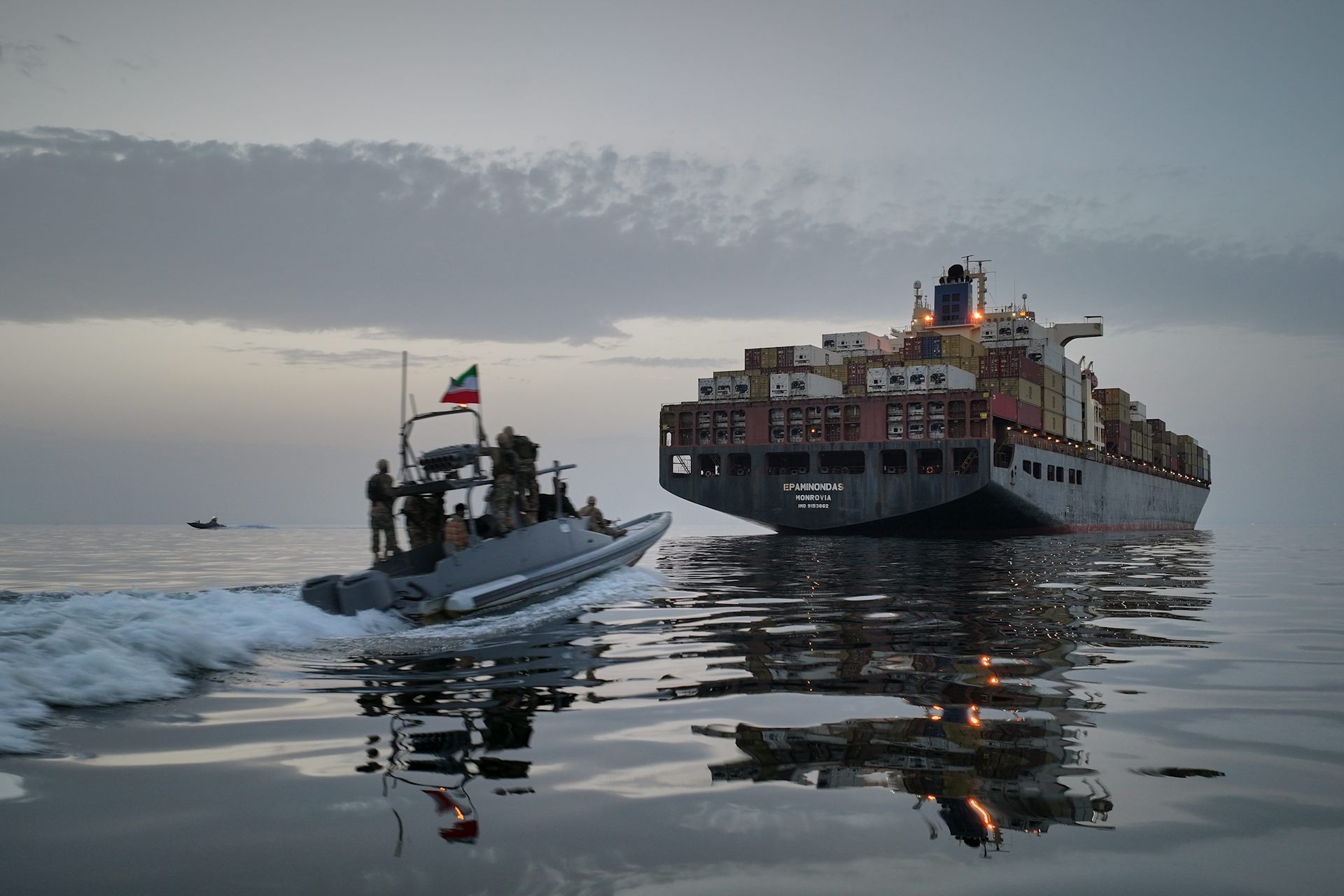
霍尔木兹海峡的2万名滞留船员面临导弹威胁、极度疲劳和孤立。
20,000 stranded seafarers in the Strait of Hormuz face …
Even at the best of times, most seafarers face extremely difficult working conditions, while contending with geopolitical crises and unpredictable trade cycles.
即使在最好的时候,大多数船员也面临极其恶劣的工作条件,同时还要应对地缘政治危机和不可预测的贸易周期。
As the closure of the Strait of Hormuz drags on, the United Nations’ International Maritime Organization has sounded the alarm over a related humanitarian crisis: the plight of the crew stuck on ships at or near the strait.
随着霍尔木兹海峡的封锁持续,联合国国际海事组织就与之相关的另一场人道主义危机敲响了警钟:即滞留在海峡内或附近的船员的困境。
Up to 20,000 seafarers on 2,000 vessels remain stranded in and around the strait, enduring a combination of physical danger and psychological stress typical of combat zones.
多达2万名船员滞留在海峡内及周边地区的2000艘船只上,忍受着典型的战区环境所带来的身体危险和心理压力。
They face daily horrors at work. Exhausted by the risk of being hit by missiles or falling debris, they cannot rest in safe harbours, as nearby ports are not secure.
他们在工作中面临着日常的艰险。由于担心被导弹或坠落碎片击中,他们无法在安全的港口休息,因为附近的港口都不安全。
As their supplies dwindle to dangerously low levels, they must ration food and water and rely on charities such as Mission to Seafarers for supplies (at great risk to the charity workers) .
随着他们的物资急剧减少到危险水平,他们必须配给食物和水,并依靠像“船员服务组织”这样的慈善机构获取补给(这给慈善工作者带来了巨大的风险)。
The longer the crisis persists, the more likely seafarers will be working after their contracts expire. They risk not being paid and being unable to get home. Desperate seafarers have also reportedly been targeted by scammers offering safe passage through the strait in exchange for cryptocurrency.
危机持续得越久,船员在合同到期后继续工作的可能性就越大。他们面临着无法获得报酬和无法回家的问题。据报道,绝望的船员还成为骗子目标,这些骗子以加密货币为代价提供穿越海峡的安全通道。
The current crisis is deeply troubling. But the grim reality is that even at the best of times, seafarers generally experience appalling working conditions, while contending with geopolitical crises and unpredictable trade cycles.
当前的危机令人深感担忧。但严峻的现实是,即使在最好的时候,船员普遍也经历着糟糕的工作条件,同时还要应对地缘政治危机和不可预测的贸易周期。
These workers face financial insecurity, job uncertainty, physical and mental hazards, isolation, overwork and limited career prospects. Fatigue and sleep deprivation expose them to serious injuries or illnesses on vessels that often operate without adequate medical facilities or qualified doctors.
这些工人面临着经济不安全、工作不确定性、身体和精神危害、孤立、过度劳累和有限的职业前景。疲劳和睡眠不足使他们在船上面临严重的伤害或疾病,而这些船只往往没有足够的医疗设施或合格的医生。
Lessons of COVID
新冠疫情的教训
The current crisis echoes problems revealed during the COVID pandemic. Then, some 400,000 seafarers were stranded at sea. Many were unpaid, and couldn’t be repatriated.
当前的危机呼应了新冠疫情期间暴露出的问题。当时,约有40万人海员滞留在海上。许多人没有拿到工资,也无法遣返。
Some ship operators introduced “no crew change” clauses (which ban crew changes while the operator’s cargo is onboard) . Such clauses in contracts undermine seafarers’ rights under the Maritime Labour Convention 2006. This exists to promote safety, security and good working conditions on ships, and protect seafarers’ rights.
一些船公司引入了“不得更换船员”的条款(即在船上载有该公司货物时禁止更换船员)。此类合同条款损害了《2006年海事劳工公约》规定的海员权利。该公约旨在促进船舶的安全、保障和良好的工作条件,并保护海员的权利。
As a result of an amendment to this convention, seafarers have since been designated as “key workers”. This facilitates access to shore leave, repatriation, crew changes and medical care ashore.
根据对该公约的修订,海员自此被指定为“关键工人”。这便利了他们获得岸上休假、遣返、更换船员和岸上医疗护理等服务。
However, the amendments do not take effect until December 2027.
然而,这些修订要到2027年12月才会生效。
More broadly, the Maritime Labour Convention requires shipowners to provide accommodation, food, transportation, cover for medical expenses and repatriation (the cost of the seafarers’ journeys home, including accommodation) .
更广泛地说,《海事劳工公约》要求船东提供住宿、食物、交通、医疗费用和遣返(包括住宿的海员回家的费用)。
But it relies on the countries where ships are registered (known as flag states) to regulate shipping – and ships are constantly moving and beyond the reach of regulators. Many are registered under flags of convenience (that is, not where they are owned) in countries with low labour standards that are seldom enforced.
但它依赖于船舶注册国(即船旗国)来监管航运——而船舶不断移动,超出了监管机构的触及范围。许多船只是在劳动标准较低、且很少得到执行的国家,以便利旗国的名义注册的。
Risk of attack or abandonment
遭受攻击或被遗弃的风险
Many commercial ships currently stuck in the Strait of Hormuz have been targeted in military operations, by both Iranian and US forces.
目前滞留在霍尔木兹海峡的许多商船,都成为伊朗和美国双方军事行动的目标。
Seafarers also face the unique threat of abandonment. This is where shipowners – in breach of maritime law – leave them without wages, support or maintenance. This occurs when shipowners fail to secure new business.
船员还面临被遗弃的独特威胁。在这种情况下,船东——违反了海事法律——会让他们失去工资、支持或维护。这种情况发生在船东无法获得新业务时。
And it is very difficult for seafarers to leave the ship on which they work. Maritime law also compels crews to keep ships safe and operational and prevents them abandoning ships except under the most extreme circumstances, such as if the vessel is sinking.
船员很难离开他们工作的船只。海事法律还要求船员保持船只的安全和运行状态,除非在最极端的情况下(例如船只正在下沉),否则禁止他们抛弃船只。
In 2025, 6,223 seafarers were abandoned on 410 ships – the sixth yearly increase in a row.
2025年,有6,223名船员在410艘船上被遗弃——这是连续第六年增加。
According to the International Seafarers’ Welfare and Assistance Network, there are probably many more unreported cases as seafarers fear dismissal and being blacklisted from other work.
根据国际船员福利和援助网络的数据,由于船员担心被解雇并在其他工作领域被列入黑名单,可能还有许多未报告的案例。
Early indications for 2026 are that the number of seafarers abandoned by shipowners already exceeds 6,000 cases.
2026年的初步迹象表明,船东遗弃船员的数量已经超过了6,000例。
Abandoned seafarers were also owed US$25.8 million in unpaid wages in 2025, of which just $16.5 million was recovered.
2025年,被遗弃的船员还应得2580万美元的未支付工资,其中仅收回了1650万美元。
Shadow fleets
影子船队
Most abandonments are linked to the shadow fleet, meaning ships that carry oil, gas and other goods in breach of sanctions. The shadow fleet has expanded to 20% of the world’s tankers and 7.5% of LPG carriers.
大多数弃船与影子船队有关,指的是违反制裁携带石油、天然气和其他货物运输的船只。影子船队已扩大到全球油轮的20%和液化石油气(LPG)运输船的7.5%。
Shadow fleet vessels have opaque ownership, inadequate insurance and poorly trained crew obtained through illegal recruitment methods bordering on human trafficking.
影子船队的船只拥有不透明的所有权、不充分的保险,以及通过接近人口贩运的非法招募方式获取的训练不足的船员。
They are registered in countries with lenient labour laws and poor labour protections, few safety regulations and little oversight. More than half of these ships are more than 15 years old (the traditional cut off age for tankers used by major oil companies) and are in substandard condition. They also use ports where they are unlikely to be inspected.
它们在劳动法宽松、劳动保护不力、安全规定少、监管不足的国家注册。这些船只中超过一半的船龄超过15年(大型石油公司使用的油轮传统淘汰年龄),且处于次标准状况。它们还使用不太可能被检查的港口。
In addition, they are often run by small ship management companies with little technical knowledge or industry experience, about which very little information is available.
此外,它们通常由小型船舶管理公司运营,这些公司缺乏技术知识或行业经验,并且关于这些公司几乎没有可用的信息。
Stranded in the strait
困在海峡
Under the circumstances in the strait, seafarers have been denied the right of repatriation. First, the US blockade prevents ships accessing ports from which they could transit. Second, the fuel crisis has driven the price of flights to a level that many shipowners cannot afford.
在海峡的当前情况下,船员们被剥夺了遣返权。首先,美国的封锁阻止了船只进入可以转运的港口。其次,燃料危机已将机票价格推高到许多船东无法承受的水平。
India, which maintains diplomatic relations with Iran and imports 90% of its gas from the Persian Gulf, has negotiated the safe passage of its seafarers.
印度与伊朗维持外交关系,并从波斯湾进口90%的天然气,已为本国船员协商了安全通过的通道。
But thousands of others remain stranded, with no states coming to their aid.
但成千上万的其他船员仍然滞留,没有国家前来提供援助。
Claudio Bozzi does not work for, consult, own shares in or receive funding from any company or organisation that would benefit from this article, and has disclosed no relevant affiliations beyond their academic appointment.
Claudio Bozzi 不受任何可能从本文中受益的公司或组织的雇佣、咨询、拥有股份或获得资金,并且除了其学术职位外,未披露任何相关隶属关系。