票价飙升可能帮助国际足联在本届世界杯周期内筹集150亿美元——这些钱从何而来,又将流向何方?
Soaring ticket prices could help FIFA pull in $15B this…
While FIFA’s revenues have exploded as fans pay higher-than-ever prices, the relative share of money going to support global soccer development has decreased.
尽管球迷支付了前所未有的高价,使国际足联的收入激增,但用于支持全球足球发展的资金的相对份额却有所下降。
At soccer’s World Cup, the top scorer gets the “golden boot,” and the best goalkeeper is handed the “golden gloves.” This year’s tournament will also provide organizer FIFA with a golden opportunity to create billions in additional ticket revenues.
在足球世界杯上,最佳射手获得“金靴”,最佳门将获得“金手”。今年的赛事也为组织方国际足联(FIFA)提供了一个创造数十亿美元额外门票收入的绝佳机会。
Ticket prices are so high that even President Donald Trump, a billionaire ally of FIFA President Gianni Infantino, said he wouldn’t pay.
门票价格高得惊人,甚至连国际足联主席詹尼·因凡蒂诺的亿万富翁盟友唐纳德·特朗普总统都表示他不会买。
The concern is that FIFA is pricing out many of the sport’s most devoted fans. In the 2022 Qatar-hosted World Cup, group-stage Category 1 tickets – the best seats – cost about $220, while Qatari residents could purchase tickets for $11 in some group-stage matches. Category 1 tickets to the final were about $1,600.
人们担心的是,国际足联正在让许多最忠实的球迷望而却步。在2022年卡塔尔世界杯上,小组赛的A类票——最好的座位——价格约为220美元,而卡塔尔本地居民在一些小组赛场次可以以11美元购买门票。决赛的A类票约为1600美元。
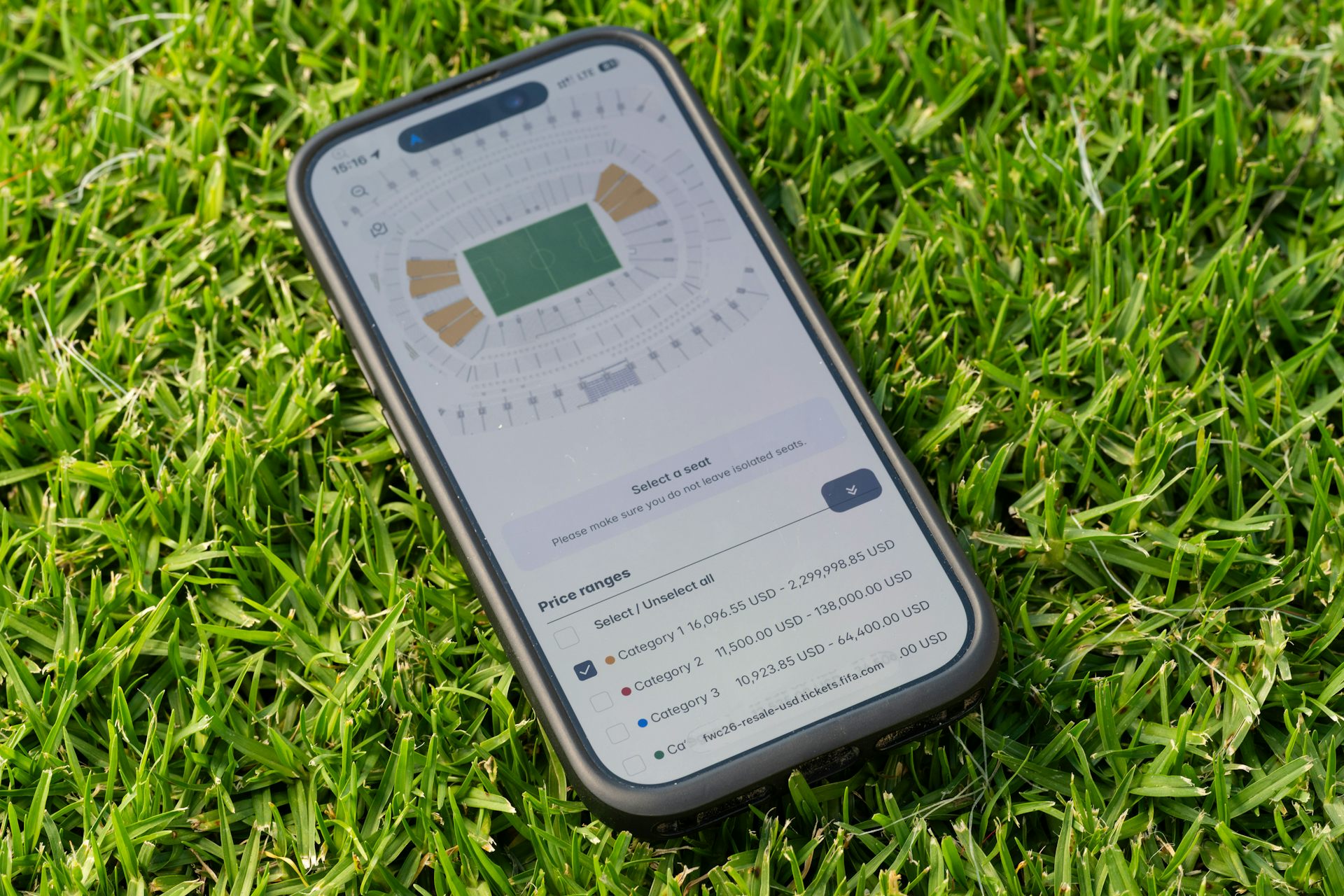
For the 2026 World Cup, dynamic pricing, which deliberately makes pricing opaque and subject to real-time changes, is being used for the first time. It means ticket prices may vary dramatically both across games and even for a given game over time.
对于2026年世界杯,首次使用了动态定价,这种定价方式故意使其不透明,并使其受实时变化的影响。这意味着门票价格可能会在不同比赛之间,甚至在同一场比赛的不同时间里发生巨大变化。
The initial baseline for Category 1 tickets during World Cup 2026 was about $600 when they first went on sale in the fall of 2025 but now they generally sell for over $1,000 and sometimes much higher. The price for Category 1 tickets for the opening game in Mexico City is currently over $2,500, and even Category 3 tickets, the lowest available tier, are over $1,000. For the final, Category 1 tickets initially cost over $6,000 and had exceeded $32,000 by early May.
2026年世界杯A类票最初的基准价格是在2025年秋季首次发售时约为600美元,但现在它们普遍售价超过1000美元,有时甚至更高。墨西哥城开幕赛的A类票目前价格超过2500美元,即使是最低档的C类票也超过了1000美元。对于决赛,A类票最初价格超过6000美元,到五月初时已超过32000美元。
As an emeritus professor of finance and author of “Keeping Score: The Economics of Big Time Sports,” I’ve done some number crunching and predict that increased ticket receipts will help FIFA exceed $15 billion in revenue this world cup cycle – which would be a record-breaker for soccer’s governing body and significantly more than its 2022 stated goal of $11 billion.
作为一名金融学荣誉教授和《记分:大型体育经济学》的作者,我进行了一些数据计算,预测门票收入的增加将帮助国际足联在本世界杯周期内收入超过150亿美元——这将是该足球管理机构的创纪录成绩,也远高于其2022年设定的110亿美元目标。
FIFA’s ticket pricing approach may be a logical way to capture at least some of the revenue that normally goes to ticket scalpers, but it’s also unlikely to find a sympathetic audience among potential ticket buyers. Further, what remains unclear is FIFA’s plan on how to spend the extra billions of revenue, with its stated goal to support positive social change belied by a track record of corruption and lack of transparency.
国际足联的票价策略或许是截留原本流向黄牛票贩子收入的一种合理方式,但它也难以获得潜在购票者群体的同情。此外,国际足联如何花费这数十亿美元的额外收入仍然不清楚,其声称支持积极社会变革的目标,与其腐败和缺乏透明度的记录形成了鲜明对比。
How FIFA operates
国际足联如何运作
It’s important to put ticket pricing in the context of FIFA’s broader finances and objectives.
将票价置于国际足联更广泛的财务和目标背景下进行考量非常重要。
FIFA is a nonprofit organization, registered as a charity in Switzerland, with a mandate not only to organize competitions like the World Cup but also to grow the game and expand soccer access globally.
国际足联是一个非营利组织,在瑞士注册为慈善机构,其使命不仅是组织世界杯等赛事,还包括发展这项运动并在全球范围内扩大足球普及度。
It operates on a four-year budget cycle with most revenues generated by the World Cup in the last year of the cycle.
国际足联的预算周期为四年,大部分收入是在周期的最后一年由世界杯产生。
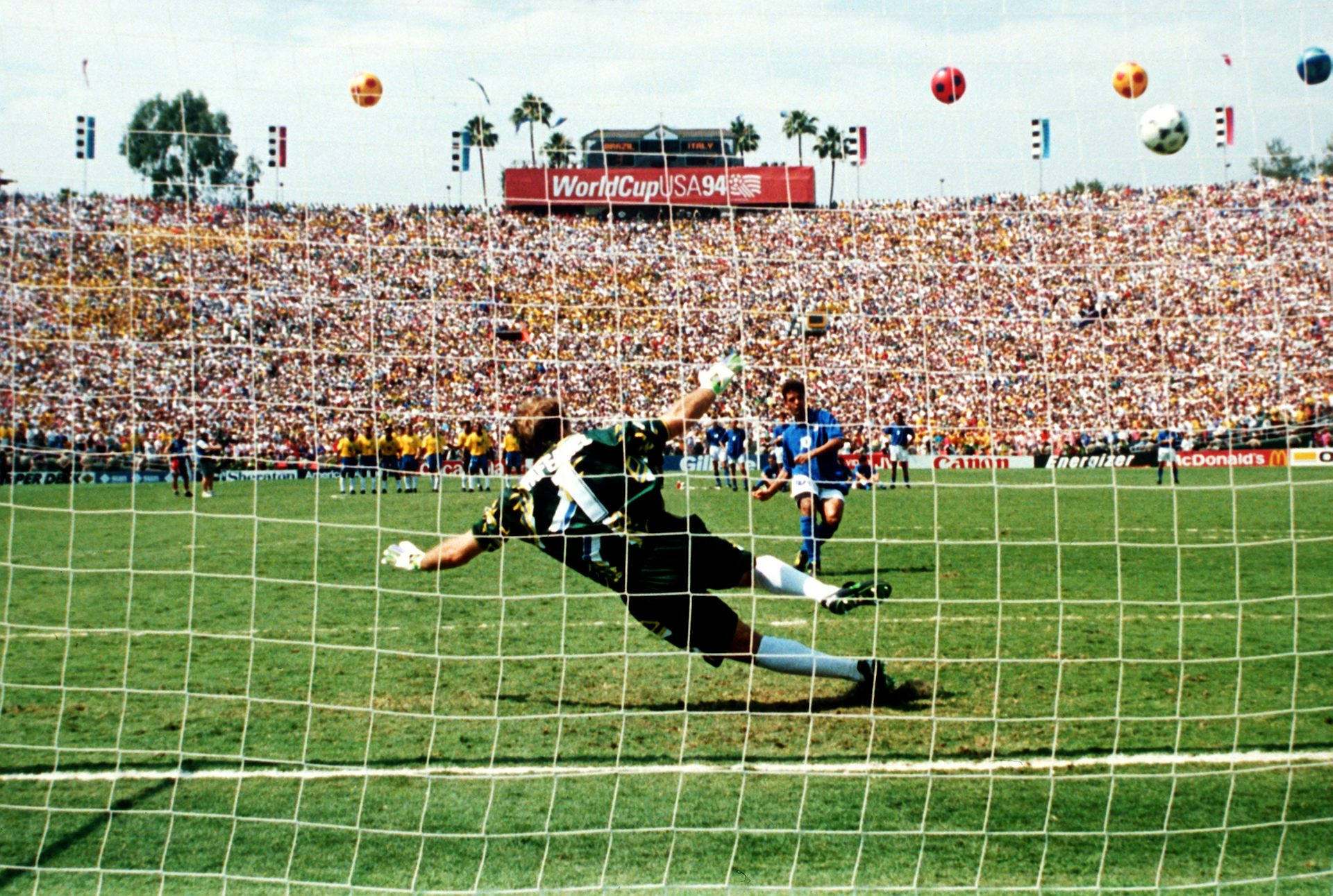
Historical comparisons help frame the issue. The 1994 World Cup in the United States, widely seen as a major success, generated $700 million in net revenue – or profits – versus a $550 million budget, driven largely by stronger-than-expected ticket sales and sponsorships. Large venues and high attendance also helped advance FIFA’s development goals, including the launch of Major League Soccer.
历史比较有助于理解这一问题。美国1994年世界杯被普遍视为一次重大成功,净收入(即利润)达到7亿美元,而预算为5.5亿美元,这主要得益于超出预期的票务销售和赞助。大型场馆和高出席率也有助于推进国际足联的发展目标,包括启动美国职业足球大联盟(MLS)。
By 2022, FIFA’s finances had grown dramatically. Revenue for the cycle that included that year’s World Cup was budgeted at $6.44 billion but ended up reaching $7.57 billion — with most growth coming from broadcasting and marketing.
到2022年,国际足联的财务状况大幅增长。包含该年世界杯的周期收入预算为64.4亿美元,但最终达到75.7亿美元,其中大部分增长来自广播和营销。
Budgeted ticket revenue appeared modest due to smaller venues in Qatar, but actual ticket revenue significantly exceeded expectations, most likely due to FIFA’s conservative revenue forecast. On the cost side, spending closely matched the budget, with $2.8 billion allocated to development programs in the 2019-2022 cycle. Despite this expense, reserves rose from $2.81 billion to $3.89 billion as a result of the 2022 tournament’s success.
由于卡塔尔场馆较小,预算票务收入看起来平平,但实际票务收入显著超出预期,这很可能是由于国际足联的收入预测较为保守。在成本方面,支出与预算基本持平,2019-2022周期分配了28亿美元用于发展项目。尽管有这些支出,但由于2022年锦标赛的成功,储备金从28.1亿美元增加到38.9亿美元。
Looking ahead to the 2026 World Cup cycle, FIFA budgeted that revenue would increase by $4.36 billion relative to the 2019-2022 cycle, to $11 billion, driven largely by ticketing — up $2.59 billion — and broadcasting, up $890 million. Costs were expected to rise by $4.57 billion, implying a projected surplus of about $100 million, the same small increase projected in the prior cycle. By 2024, a revised FIFA budget increased the forecasted revenue for the 2023-2026 cycle up to $13 billion.
展望2026年世界杯周期,国际足联预算收入将比2019-2022周期增加43.6亿美元,达到110亿美元,这主要得益于票务(增加25.9亿美元)和广播(增加8.9亿美元)。预计成本将增加45.7亿美元,这意味着预计盈余约为1亿美元,与前一个周期预测的增幅相同。到2024年,国际足联修订的预算将2023-2026周期的预测收入提高到130亿美元。
FIFA’s leverage with ticket demand
FIFA在票务需求上的筹码
FIFA’s track record suggests a pattern: conservative revenue projections, accurate cost control and consistent “surprises” in ticketing and licensing that generate higher than expected revenues and a dramatic increase in ending reserves.
FIFA的记录显示出一种模式:保守的收入预测、准确的成本控制,以及票务和许可方面持续的“惊喜”,这些惊喜产生了高于预期的收入,并大幅增加了期末储备金。
My projections suggest that broadcasting and marketing this year are on track to equal their budgeted values, and historically FIFA’s actual costs closely track budget values. But ticketing remains the key revenue variable – and the central controversy. The expanded 2026 tournament means more teams, more matches, more fans and significantly higher ticket demand.
我的预测表明,今年的广播和营销费用有望达到预算值,历史上来看,FIFA的实际成本一直与预算值紧密跟踪。但票务仍然是关键的收入变量——也是核心争议点。2026年赛事的扩大意味着更多的球队、更多的比赛、更多的球迷以及显著更高的票务需求。
Even with larger stadiums than any World Cup since 1994, demand has vastly exceeded supply. There were over 500 million ticket requests for the random draw, but roughly 7.1 million available seats.
即使拥有比1994年以来任何世界杯都更大的体育场馆,需求仍然远远超过了供应。随机抽签阶段收到了超过5亿张的票务请求,但可用的座位却只有大约710万个。
This imbalance gave FIFA tremendous pricing power. To try to mitigate criticism, FIFA introduced $60 “Supporter Entry Tickets” allocated through national associations. Yet these account for only a small share of tickets, fewer than 600 per match, and have done little to dampen the outrage over prices.
这种失衡赋予了FIFA巨大的定价权。为了减轻批评,FIFA引入了通过国家协会分配的60美元“球迷入场票”。然而,这些票只占票务总量的很小部分,每场比赛不到600张,对于平息关于价格的愤怒作用甚微。
Most tickets have been sold in phases using dynamic pricing, with substantial increases across phases and most sales occurring in the later and more expensive phases. Venue seating charts also indicate most tickets are classified as the highest priced tier. Meanwhile, FIFA will receive ticket revenue from FIFA-controlled resale.
大多数门票是分阶段使用动态定价出售的,各阶段价格都有大幅上涨,且大部分销售发生在后期和价格更高的阶段。场馆座位图也显示,大多数门票被归类为最高价位等级。与此同时,FIFA还将从其控制的转售市场获得票务收入。
All three factors will likely push ticket revenue well above FIFA’s budget. Based on these dynamics, I project ticketing and hospitality revenue of a minimum of $7.44 billion – more than double FIFA’s budget, but consistent with stadium capacities, pricing across phases, seat allocation by category and ongoing resale activity.
这三个因素可能会将票务收入推高至远超FIFA预算的水平。根据这些动态,我预测票务和接待收入至少为74.4亿美元——这超过了FIFA的预算的两倍,但与体育场馆容量、各阶段定价、按类别分配的座位以及持续的转售活动是一致的。
Ticket and hospitality revenue per match in 2022 averaged $14.5 million. FIFA’s $3.1 billion budget for 2026 implies average ticket revenue per match would be about about $30 million. But given the larger stadiums and substantially higher ticket prices, that number appears to grossly understate actual ticket revenues. A final ticketing and hospitality value of close to $9 billion would not be a surprise. My predicted total revenue for FIFA is $14 billion to $19 billion.
2022年每场比赛的票务和接待收入平均为1450万美元。FIFA为2026年设定的31亿美元预算意味着每场比赛的平均票务收入约为3000万美元。但考虑到更大的体育场馆和显著更高的票价,这个数字似乎严重低估了实际票务收入。最终接近90亿美元的票务和接待总额不会令人意外。我预测FIFA的总收入在140亿美元到190亿美元之间。

Following the money
钱的流向
Soccer fans, whether they are ticket buyers or media viewers, generate FIFA’s revenue. In turn, FIFA’s objectives are to use those funds to put on a great World Cup and to grow soccer and make it accessible. As revenues grow, however, it is reasonable to ask why – beyond fairness and ticket accessibility questions – FIFA believes that it needs reserves of over $4 billion – over half of its total costs in the 2019-22 cycle?
足球迷,无论是购票者还是媒体观众,都在为国际足联(FIFA)创造收入。反过来,国际足联的目标是利用这些资金举办盛大的世界杯,并发展足球运动,使其普及化。然而,随着收入的增长,人们有理由质疑——除了公平性和门票可及性问题之外——国际足联为何认为它需要超过40亿美元的储备金,这占其2019-22周期总成本的一半以上?
Indeed, the numbers suggest the organization has actually decreased some core funding priorities on a relative basis – significantly.
事实上,这些数字表明,该组织在相对基础资金优先事项上实际上已经大幅削减了。
In the 2023-26 cycle, the budget for competitions rose from $2.45 billion to $5.62 billion, about a 130% increase, while the budget for development increased only 44%, and its share of budgeted revenues dropped from 44% to 36%.
在2023-26周期,比赛预算从24.5亿美元增加到56.2亿美元,增长了约130%,而发展预算仅增长了44%,其在预算收入中的份额从44%下降到36%。
FIFA could argue that maximum revenue is needed to cover costs of future events and fund soccer development, but that is not the whole story told by FIFA’s 2027-2030 budget.
国际足联可能会辩称,需要最大化的收入来支付未来赛事的成本和资助足球发展,但这并非国际足联2027-2030年预算所描绘的全部故事。
Total additional costs are set at around $3 billion, with the main driver being competition and events. Crucially, for the 2019-2022 cycle, development was 44% of the costs; for 2023-2026, it dropped to 36% of the costs; and for the 2027-2030 cycle, it is budgeted to further decrease to 29% of costs. Undoubtedly, these numbers will change, but they currently do not signal that FIFA is going to use its additional ticketing revenue to support broader soccer-related or social change investments.
总额外成本设定在约30亿美元,主要驱动力是比赛和赛事。至关重要的是,在2019-2022周期,发展占成本的比例为44%;在2023-2026年,该比例降至36%;而在2027-2030周期,预算进一步计划降至成本的29%。毫无疑问,这些数字会发生变化,但目前它们并未表明国际足联打算利用额外的门票收入来支持更广泛的足球相关或社会变革投资。
That is perhaps not surprising, as FIFA has faced governance challenges in the past, including issues of corruption, bribery and fraud, plus accounting practices that critics say lack transparency. Reforms have attempted to mitigate those problems, and FIFA has started programs like the FIFA Foundation, whose stated purpose is to use soccer to improve people’s lives.
这或许并不令人意外,因为国际足联过去曾面临治理挑战,包括腐败、贿赂和欺诈等问题,以及批评人士认为缺乏透明度的会计做法。改革试图减轻这些问题,国际足联也启动了像国际足联基金会这样的项目,其明确目的是利用足球改善人们的生活。
Given FIFA’s background, surplus and reserves, however, the biggest question should be whether FIFA’s financial resources are being effectively used to achieve its objectives. FIFA has described its purpose with phrases like “develop the game, touch the world and build a better future.” But to me, its budgets suggest it is focused primarily on the first.
尽管国际足联拥有雄厚的背景、盈余和储备金,但最大的问题应该是国际足联的财政资源是否正在有效地用于实现其目标。国际足联用“发展这项运动、触及世界并共建更美好的未来”等措辞来描述其宗旨。但对我而言,其预算表明它主要关注的是第一点。
Richard Sheehan does not work for, consult, own shares in or receive funding from any company or organization that would benefit from this article, and has disclosed no relevant affiliations beyond their academic appointment.
理查德·希恩(Richard Sheehan)不为任何受益于本文的公司或组织工作、咨询、拥有股份或接受资金,并且除了其学术任命外,未披露任何相关隶属关系。