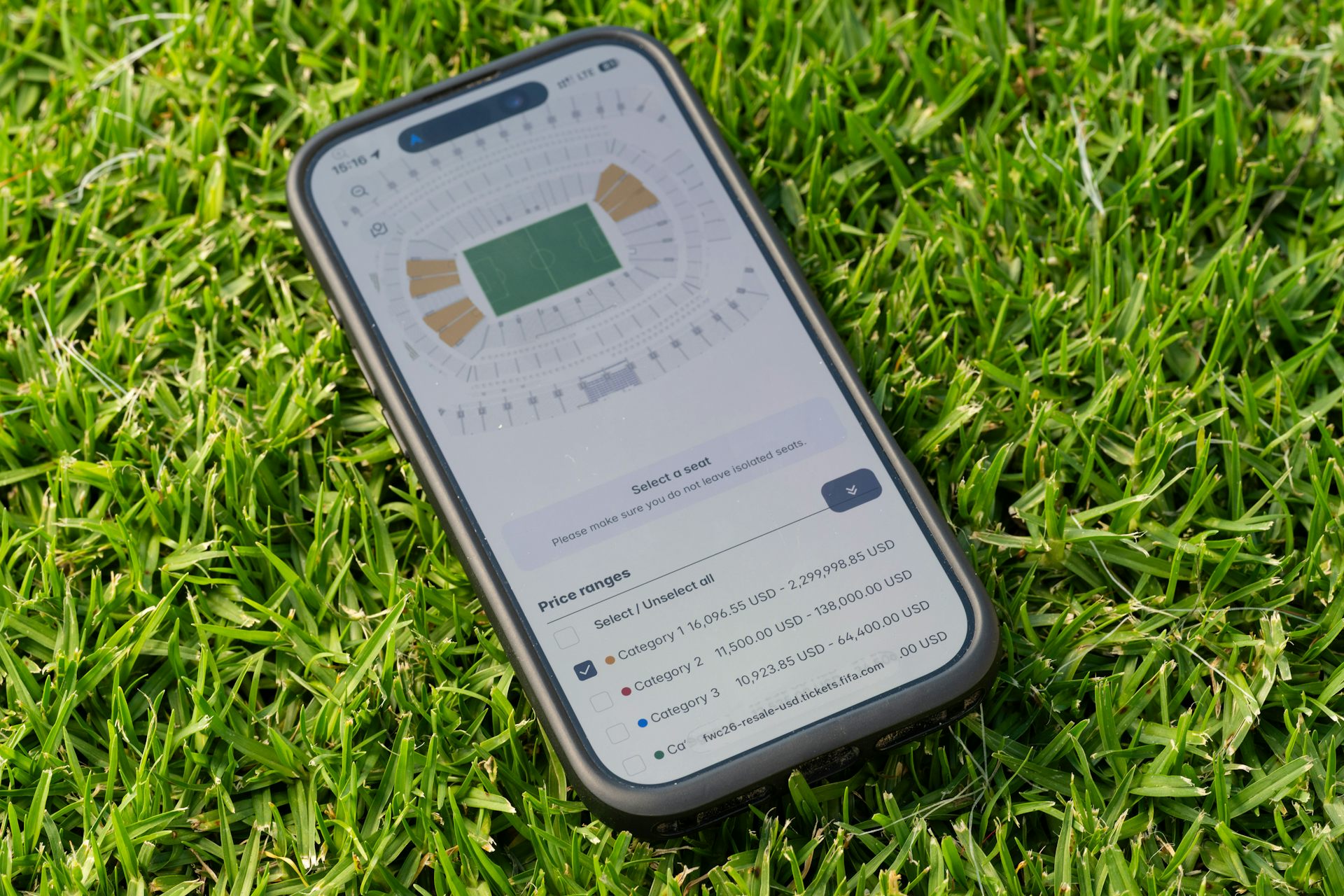
يمكن أن يساعد ارتفاع أسعار التذاكر الفيفا في جمع 15 مليار دولار خلال دورة كأس العالم هذه — فمن أين يأتي هذا المال، وإلى أين يذهب؟
Soaring ticket prices could help FIFA pull in $15B this World Cup cycle — where does the money come from, where does it go?
While FIFA’s revenues have exploded as fans pay higher-than-ever prices, the relative share of money going to support global soccer development has decreased.
في حين أن إيرادات الفيفا قد تضخمت مع دفع المشجعين أسعاراً أعلى من أي وقت مضى، فقد انخفضت الحصة النسبية للأموال المخصصة لدعم تطوير كرة القدم العالمية.
At soccer’s World Cup, the top scorer gets the “golden boot,” and the best goalkeeper is handed the “golden gloves.” This year’s tournament will also provide organizer FIFA with a golden opportunity to create billions in additional ticket revenues.
في كأس العالم لكرة القدم، يحصل أفضل هداف على “الحذاء الذهبي”، ويُمنح أفضل حارس مرمى “القفازات الذهبية”. كما سيوفر هذا العام للبطولة فرصة ذهبية للجهة المنظمة، الفيفا، لتوليد مليارات الدولارات من إيرادات التذاكر الإضافية.
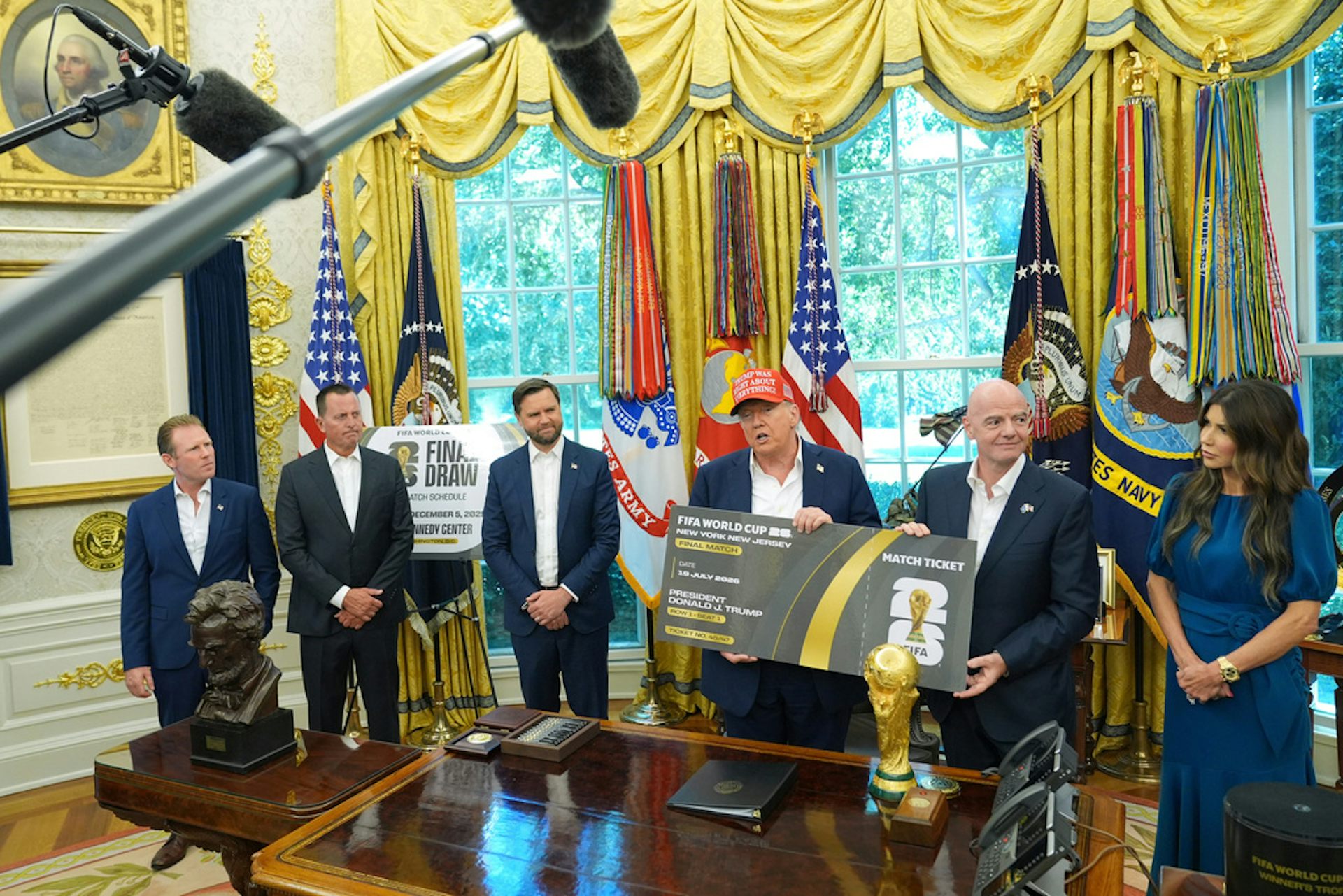
Ticket prices are so high that even President Donald Trump, a billionaire ally of FIFA President Gianni Infantino, said he wouldn’t pay.
أسعار التذاكر مرتفعة لدرجة أن الرئيس دونالد ترامب، وهو ملياردير وحليف لرئيس الفيفا جياني إنفانتينو، صرح بأنه لن يدفع.
The concern is that FIFA is pricing out many of the sport’s most devoted fans. In the 2022 Qatar-hosted World Cup, group-stage Category 1 tickets – the best seats – cost about $220, while Qatari residents could purchase tickets for $11 in some group-stage matches. Category 1 tickets to the final were about $1,600.
القلق هو أن الفيفا تمنع العديد من المعجبين المخلصين للرياضة من الوصول. ففي كأس العالم 2022 المستضافة في قطر، كلفت تذاكر الفئة 1 لمباريات المجموعات – وهي أفضل المقاعد – حوالي 220 دولاراً، بينما كان بإمكان المقيمين القطريين شراء التذاكر مقابل 11 دولاراً في بعض مباريات المجموعات. أما تذاكر الفئة 1 للنهائي فبلغت حوالي 1600 دولار.
For the 2026 World Cup, dynamic pricing, which deliberately makes pricing opaque and subject to real-time changes, is being used for the first time. It means ticket prices may vary dramatically both across games and even for a given game over time.
بالنسبة لكأس العالم 2026، يتم استخدام التسعير الديناميكي، الذي يجعل التسعير غامضاً عمداً وخاضعاً للتغييرات في الوقت الفعلي، للمرة الأولى. وهذا يعني أن أسعار التذاكر قد تختلف بشكل كبير، سواء بين المباريات أو حتى لنفس المباراة بمرور الوقت.
The initial baseline for Category 1 tickets during World Cup 2026 was about $600 when they first went on sale in the fall of 2025 but now they generally sell for over $1,000 and sometimes much higher. The price for Category 1 tickets for the opening game in Mexico City is currently over $2,500, and even Category 3 tickets, the lowest available tier, are over $1,000. For the final, Category 1 tickets initially cost over $6,000 and had exceeded $32,000 by early May.
كان الخط الأساسي الأولي لتذاكر الفئة 1 خلال كأس العالم 2026 حوالي 600 دولار عندما طُرحت للبيع لأول مرة في خريف عام 2025، لكنها تُباع الآن عموماً بأكثر من 1000 دولار، وأحياناً بمبالغ أعلى بكثير. أما سعر تذاكر الفئة 1 للمباراة الافتتاحية في مدينة مكسيكو فيتجاوز حالياً 2500 دولار، وحتى تذاكر الفئة 3، وهي أدنى فئة متاحة، تتجاوز 1000 دولار. وبالنسبة للنهائي، بلغت تذاكر الفئة 1 في البداية أكثر من 6000 دولار، وتجاوزت 32 ألف دولار بحلول أوائل مايو.
As an emeritus professor of finance and author of “Keeping Score: The Economics of Big Time Sports,” I’ve done some number crunching and predict that increased ticket receipts will help FIFA exceed $15 billion in revenue this world cup cycle – which would be a record-breaker for soccer’s governing body and significantly more than its 2022 stated goal of $11 billion.
بصفتي أستاذاً فخرياً في التمويل ومؤلف كتاب “تسجيل النقاط: اقتصاديات الرياضات الكبرى”، أجريت بعض الحسابات وأتوقع أن تساعد زيادة إيرادات التذاكر الفيفا على تجاوز 15 مليار دولار من الإيرادات في دورة كأس العالم هذه – وهو ما سيمثل رقماً قياسياً للهيئة الحاكمة لكرة القدم، وأكثر بكثير من هدفها المعلن البالغ 11 مليار دولار لعام 2022.
FIFA’s ticket pricing approach may be a logical way to capture at least some of the revenue that normally goes to ticket scalpers, but it’s also unlikely to find a sympathetic audience among potential ticket buyers. Further, what remains unclear is FIFA’s plan on how to spend the extra billions of revenue, with its stated goal to support positive social change belied by a track record of corruption and lack of transparency.
قد يكون نهج الفيفا في تسعير التذاكر طريقة منطقية للاستحواذ على جزء من الإيرادات التي تذهب عادةً إلى المحتكرين، لكن من غير المرجح أيضاً أن يجد هذا النهج جمهوراً متعاطفاً بين المشترين المحتملين. علاوة على ذلك، لا يزال غير واضح ما هي خطة الفيفا لكيفية إنفاق مليارات الدولارات الإضافية من الإيرادات، مع هدفها المعلن لدعم التغيير الاجتماعي الإيجابي، وهو ما يتناقض مع سجلها من الفساد وغياب الشفافية.
How FIFA operates
كيف تعمل الفيفا
It’s important to put ticket pricing in the context of FIFA’s broader finances and objectives.
من المهم وضع تسعير التذاكر في سياق الشؤون المالية والأهداف الأوسع للفيفا.
FIFA is a nonprofit organization, registered as a charity in Switzerland, with a mandate not only to organize competitions like the World Cup but also to grow the game and expand soccer access globally.
الفيفا هي منظمة غير ربحية، ومسجلة كجمعية خيرية في سويسرا، وتتمتع بولاية لا تقتصر على تنظيم المسابقات مثل كأس العالم فحسب، بل تشمل أيضاً تنمية اللعبة وتوسيع نطاق الوصول إلى كرة القدم عالمياً.
It operates on a four-year budget cycle with most revenues generated by the World Cup in the last year of the cycle.
تعمل المنظمة ضمن دورة ميزانية مدتها أربع سنوات، حيث يتم توليد معظم الإيرادات من كأس العالم في العام الأخير من الدورة.
Historical comparisons help frame the issue. The 1994 World Cup in the United States, widely seen as a major success, generated $700 million in net revenue – or profits – versus a $550 million budget, driven largely by stronger-than-expected ticket sales and sponsorships. Large venues and high attendance also helped advance FIFA’s development goals, including the launch of Major League Soccer.
تساعد المقارنات التاريخية في تأطير القضية. فقد ولّد كأس العالم عام 1994 في الولايات المتحدة، والذي اعتُبر نجاحاً كبيراً على نطاق واسع، إيرادات صافية بلغت 700 مليون دولار – أو أرباحاً – مقابل ميزانية قدرها 550 مليون دولار، مدفوعة إلى حد كبير بمبيعات التذاكر والرعايات التي فاقت التوقعات. كما ساعدت الملاعب الكبيرة والحضور الجماهيري المرتفع في دفع أهداف التنمية الخاصة بالفيفا، بما في ذلك إطلاق الدوري الأمريكي لكرة القدم (Major League Soccer) .
By 2022, FIFA’s finances had grown dramatically. Revenue for the cycle that included that year’s World Cup was budgeted at $6.44 billion but ended up reaching $7.57 billion — with most growth coming from broadcasting and marketing.
بحلول عام 2022، نمت الشؤون المالية للفيفا بشكل كبير. فقد خُصصت إيرادات الدورة التي تضمنت كأس العالم في ذلك العام بميزانية قدرها 6.44 مليار دولار، لكنها وصلت في النهاية إلى 7.57 مليار دولار — حيث جاء معظم النمو من البث والتسويق.
Budgeted ticket revenue appeared modest due to smaller venues in Qatar, but actual ticket revenue significantly exceeded expectations, most likely due to FIFA’s conservative revenue forecast. On the cost side, spending closely matched the budget, with $2.8 billion allocated to development programs in the 2019-2022 cycle. Despite this expense, reserves rose from $2.81 billion to $3.89 billion as a result of the 2022 tournament’s success.
بدا أن إيرادات التذاكر المقدرة متواضعة بسبب الملاعب الأصغر في قطر، لكن إيرادات التذاكر الفعلية تجاوزت التوقعات بشكل كبير، ومن المرجح أن ذلك يعود إلى التنبؤ المتحفظ للإيرادات من قبل الفيفا. أما من جانب التكاليف، فقد تطابقت النفقات بشكل وثيق مع الميزانية، حيث خُصصت 2.8 مليار دولار لبرامج التنمية في دورة 2019-2022. وعلى الرغم من هذا الإنفاق، ارتفعت الاحتياطيات من 2.81 مليار دولار إلى 3.89 مليار دولار نتيجة لنجاح بطولة عام 2022.
Looking ahead to the 2026 World Cup cycle, FIFA budgeted that revenue would increase by $4.36 billion relative to the 2019-2022 cycle, to $11 billion, driven largely by ticketing — up $2.59 billion — and broadcasting, up $890 million. Costs were expected to rise by $4.57 billion, implying a projected surplus of about $100 million, the same small increase projected in the prior cycle. By 2024, a revised FIFA budget increased the forecasted revenue for the 2023-2026 cycle up to $13 billion.
وبالنظر إلى دورة كأس العالم 2026، خصصت الفيفا أن تزداد الإيرادات بمقدار 4.36 مليار دولار مقارنة بدورة 2019-2022، لتصل إلى 11 مليار دولار، مدفوعة إلى حد كبير بتذاكر الدخول — بزيادة قدرها 2.59 مليار دولار — والبث، بزيادة قدرها 890 مليون دولار. ومن المتوقع أن ترتفع التكاليف بمقدار 4.57 مليار دولار، مما يشير إلى فائض متوقع يبلغ حوالي 100 مليون دولار، وهي الزيادة الصغيرة نفسها المتوقعة في الدورة السابقة. وبحلول عام 2024، زادت ميزانية الفيفا المنقحة الإيرادات المتوقعة لدورة 2023-2026 لتصل إلى 13 مليار دولار.
FIFA’s leverage with ticket demand
نفوذ الفيفا مع الطلب على التذاكر
FIFA’s track record suggests a pattern: conservative revenue projections, accurate cost control and consistent “surprises” in ticketing and licensing that generate higher than expected revenues and a dramatic increase in ending reserves.
يشير السجل الحافل للفيفا إلى نمط: توقعات إيرادات متحفظة، وتحكم دقيق في التكاليف، و”مفاجآت” مستمرة في مجال التذاكر والترخيص تولد إيرادات أعلى من المتوقع وزيادة كبيرة في الاحتياطيات النهائية.
My projections suggest that broadcasting and marketing this year are on track to equal their budgeted values, and historically FIFA’s actual costs closely track budget values. But ticketing remains the key revenue variable – and the central controversy. The expanded 2026 tournament means more teams, more matches, more fans and significantly higher ticket demand.
تشير توقعاتي إلى أن البث والتسويق هذا العام في مسار مساواة بقيمهما الميزانية، وتاريخياً تتتبع التكاليف الفعلية للفيفا قيم الميزانية عن كثب. لكن التذاكر تظل المتغير الإيرادي الرئيسي – والجدل المحوري. تعني بطولة عام 2026 الموسعة المزيد من الفرق، والمزيد من المباريات، والمزيد من المشجعين، وارتفاعاً كبيراً في الطلب على التذاكر.
Even with larger stadiums than any World Cup since 1994, demand has vastly exceeded supply. There were over 500 million ticket requests for the random draw, but roughly 7.1 million available seats.
حتى مع الملاعب الأكبر من أي كأس عالم منذ عام 1994، تجاوز الطلب العرض بكثير. كانت هناك أكثر من 500 مليون طلب تذاكر للقرعة العشوائية، ولكن حوالي 7.1 مليون مقعد متاح.
This imbalance gave FIFA tremendous pricing power. To try to mitigate criticism, FIFA introduced $60 “Supporter Entry Tickets” allocated through national associations. Yet these account for only a small share of tickets, fewer than 600 per match, and have done little to dampen the outrage over prices.
منح هذا الخلل الفيفا قوة تسعيرية هائلة. ومحاولة لتخفيف الانتقادات، قدمت الفيفا “تذاكر دخول المشجعين” بقيمة 60 دولاراً، مخصصة عبر الاتحادات الوطنية. ومع ذلك، لا تشكل هذه التذاكر سوى حصة صغيرة من التذاكر، وأقل من 600 تذكرة لكل مباراة، ولم تفعل شيئاً يذكر لتخفيف الغضب بشأن الأسعار.
Most tickets have been sold in phases using dynamic pricing, with substantial increases across phases and most sales occurring in the later and more expensive phases. Venue seating charts also indicate most tickets are classified as the highest priced tier. Meanwhile, FIFA will receive ticket revenue from FIFA-controlled resale.
بيعت معظم التذاكر على مراحل باستخدام التسعير الديناميكي، مع زيادات كبيرة عبر المراحل، وحدثت معظم المبيعات في المراحل المتأخرة والأكثر تكلفة. وتشير مخططات مقاعد الملاعب أيضاً إلى أن معظم التذاكر مصنفة على أنها الفئة الأعلى سعراً. وفي الوقت نفسه، ستحصل الفيفا على إيرادات التذاكر من إعادة البيع التي تسيطر عليها الفيفا.
All three factors will likely push ticket revenue well above FIFA’s budget. Based on these dynamics, I project ticketing and hospitality revenue of a minimum of $7.44 billion – more than double FIFA’s budget, but consistent with stadium capacities, pricing across phases, seat allocation by category and ongoing resale activity.
من المرجح أن تدفع العوامل الثلاثة إيرادات التذاكر إلى ما هو أبعد من ميزانية الفيفا. وبناءً على هذه الديناميكيات، أتوقع إيرادات التذاكر والضيافة بحد أدنى يبلغ 7.44 مليار دولار – أي أكثر من ضعف ميزانية الفيفا، ولكنه متسق مع سعات الملاعب، والتسعير عبر المراحل، وتخصيص المقاعد حسب الفئة، ونشاط إعادة البيع المستمر.
Ticket and hospitality revenue per match in 2022 averaged $14.5 million. FIFA’s $3.1 billion budget for 2026 implies average ticket revenue per match would be about about $30 million. But given the larger stadiums and substantially higher ticket prices, that number appears to grossly understate actual ticket revenues. A final ticketing and hospitality value of close to $9 billion would not be a surprise. My predicted total revenue for FIFA is $14 billion to $19 billion.
بلغ متوسط إيرادات التذاكر والضيافة لكل مباراة في عام 2022 مبلغ 14.5 مليون دولار. وتشير ميزانية الفيفا البالغة 3.1 مليار دولار لعام 2026 إلى أن متوسط إيرادات التذاكر لكل مباراة سيكون حوالي 30 مليون دولار. ولكن بالنظر إلى الملاعب الأكبر وأسعار التذاكر الأعلى بكثير، يبدو أن هذا الرقم يقلل بشكل كبير من تقدير إيرادات التذاكر الفعلية. ولن تكون قيمة نهائية للتذاكر والضيافة تقترب من 9 مليارات دولار مفاجأة. إجمالي الإيرادات المتوقع للفيفا هو ما بين 14 مليار دولار و 19 مليار دولار.
Following the money
متابعة الأموال
Soccer fans, whether they are ticket buyers or media viewers, generate FIFA’s revenue. In turn, FIFA’s objectives are to use those funds to put on a great World Cup and to grow soccer and make it accessible. As revenues grow, however, it is reasonable to ask why – beyond fairness and ticket accessibility questions – FIFA believes that it needs reserves of over $4 billion – over half of its total costs in the 2019-22 cycle?
يولد مشجعو كرة القدم، سواء كانوا مشترين للتذاكر أو مشاهدين إعلاميين، إيرادات الفيفا. وفي المقابل، تهدف الفيفا إلى استخدام هذه الأموال لإقامة كأس عالم عظيم وتنمية كرة القدم وجعلها في متناول الجميع. ومع ذلك، فمن المعقول التساؤل، بعيداً عن أسئلة العدالة وإمكانية الوصول إلى التذاكر، لماذا تعتقد الفيفا أنها بحاجة إلى احتياطيات تزيد عن 4 مليارات دولار – أي أكثر من نصف إجمالي تكاليفها في دورة 2019-22؟
Indeed, the numbers suggest the organization has actually decreased some core funding priorities on a relative basis – significantly.
في الواقع، تشير الأرقام إلى أن المنظمة قد قلصت بالفعل بعض أولويات التمويل الأساسية على أساس نسبي – وبشكل كبير.
In the 2023-26 cycle, the budget for competitions rose from $2.45 billion to $5.62 billion, about a 130% increase, while the budget for development increased only 44%, and its share of budgeted revenues dropped from 44% to 36%.
في دورة 2023-26، ارتفعت ميزانية المسابقات من 2.45 مليار دولار إلى 5.62 مليار دولار، بزيادة تبلغ حوالي 130%، بينما زادت ميزانية التنمية بنسبة 44% فقط، وانخفضت حصتها من الإيرادات الميزانية من 44% إلى 36%.
FIFA could argue that maximum revenue is needed to cover costs of future events and fund soccer development, but that is not the whole story told by FIFA’s 2027-2030 budget.
قد تجادل الفيفا بأن الحد الأقصى من الإيرادات مطلوب لتغطية تكاليف الأحداث المستقبلية وتمويل تنمية كرة القدم، ولكن هذه ليست القصة الكاملة التي ترويها ميزانية الفيفا للفترة 2027-2030.
Total additional costs are set at around $3 billion, with the main driver being competition and events. Crucially, for the 2019-2022 cycle, development was 44% of the costs; for 2023-2026, it dropped to 36% of the costs; and for the 2027-2030 cycle, it is budgeted to further decrease to 29% of costs. Undoubtedly, these numbers will change, but they currently do not signal that FIFA is going to use its additional ticketing revenue to support broader soccer-related or social change investments.
تم تحديد إجمالي التكاليف الإضافية بحوالي 3 مليارات دولار، ويعد تنظيم المسابقات والأحداث هو المحرك الرئيسي. والأهم من ذلك، أنه بالنسبة لدورة 2019-2022، كانت التنمية تشكل 44% من التكاليف؛ وبالنسبة لدورة 2023-2026، انخفضت إلى 36% من التكاليف؛ وبالنسبة لدورة 2027-2030، من المقرر أن تنخفض لتصل إلى 29% من التكاليف. ومن المؤكد أن هذه الأرقام ستتغير، لكنها حالياً لا تشير إلى أن الفيفا ستستخدم إيرادات التذاكر الإضافية لدعم استثمارات أوسع تتعلق بكرة القدم أو التغيير الاجتماعي.
That is perhaps not surprising, as FIFA has faced governance challenges in the past, including issues of corruption, bribery and fraud, plus accounting practices that critics say lack transparency. Reforms have attempted to mitigate those problems, and FIFA has started programs like the FIFA Foundation, whose stated purpose is to use soccer to improve people’s lives.
قد لا يكون هذا مفاجئاً، حيث واجهت الفيفا تحديات حوكمة في الماضي، بما في ذلك قضايا الفساد والرشوة والاحتيال، بالإضافة إلى ممارسات محاسبية يرى النقاد أنها تفتقر إلى الشفافية. وقد حاولت الإصلاحات التخفيف من تلك المشاكل، وبدأت الفيفا برامج مثل مؤسسة الفيفا، التي يهدف الغرض المعلن منها إلى استخدام كرة القدم لتحسين حياة الناس.
Given FIFA’s background, surplus and reserves, however, the biggest question should be whether FIFA’s financial resources are being effectively used to achieve its objectives. FIFA has described its purpose with phrases like “develop the game, touch the world and build a better future.” But to me, its budgets suggest it is focused primarily on the first.
على الرغم من خلفية الفيفا، وفائضها واحتياطياتها، فإن السؤال الأكبر يجب أن يكون ما إذا كانت الموارد المالية للفيفا تُستخدم بفعالية لتحقيق أهدافها. وقد وصفت الفيفا غرضها بعبارات مثل “تطوير اللعبة، ولمس العالم، وبناء مستقبل أفضل”. ولكن بالنسبة لي، فإن ميزانياتها تشير إلى أنها تركز بشكل أساسي على الأول.
Richard Sheehan does not work for, consult, own shares in or receive funding from any company or organization that would benefit from this article, and has disclosed no relevant affiliations beyond their academic appointment.
ريتشارد شيحان لا يعمل لدى، أو يشارك في استشارات، أو يمتلك أسهمًا في، أو يتلقى تمويلاً من أي شركة أو منظمة قد تستفيد من هذه المقالة، ولم يفصح عن أي انتماءات ذات صلة تتجاوز تعيينه الأكاديمي.
Read more
-
بينما تتسابق الشركات نحو النجوم، نحتاج إلى تعاون دولي في حوكمة الفضاء
As corporations race for the stars, we need international collaboration on space governance
-
يبدو صراع الشرق الأوسط بشكل متزايد كحرب لا يمكن لأحد الفوز بها
Middle East conflict looks increasingly like a war nobody can win