世界杯偏爱民主国家还是专制国家?我做了一些数据分析来找出答案
Does the World Cup favor democratic or autocratic natio…
Hosting the FIFA World Cup games can prove a propaganda win for authoritarian nations. But the data suggests the tournament favors democracies.
举办国际足联世界杯比赛对威权国家来说可以是一场宣传胜利。但数据显示,这项赛事更倾向于民主国家。
It is often said – by FIFA President Gianni Infantino and many others – that soccer is the “most democratic sport.” That sentiment is based in large part on the sport’s global appeal and long history of popularity across class and racial lines.
人们常说——包括国际足联主席詹尼·因凡蒂诺和许多其他人所说——足球是“最民主的运动”。这种观点很大程度上基于这项运动的全球吸引力,以及其在阶级和种族界限上长期流行的历史。
But whether that axiom applies to the quadrennial World Cup tournament is a different question.
但这个公理是否适用于四年一度的世界杯锦标赛,则是另一个问题。
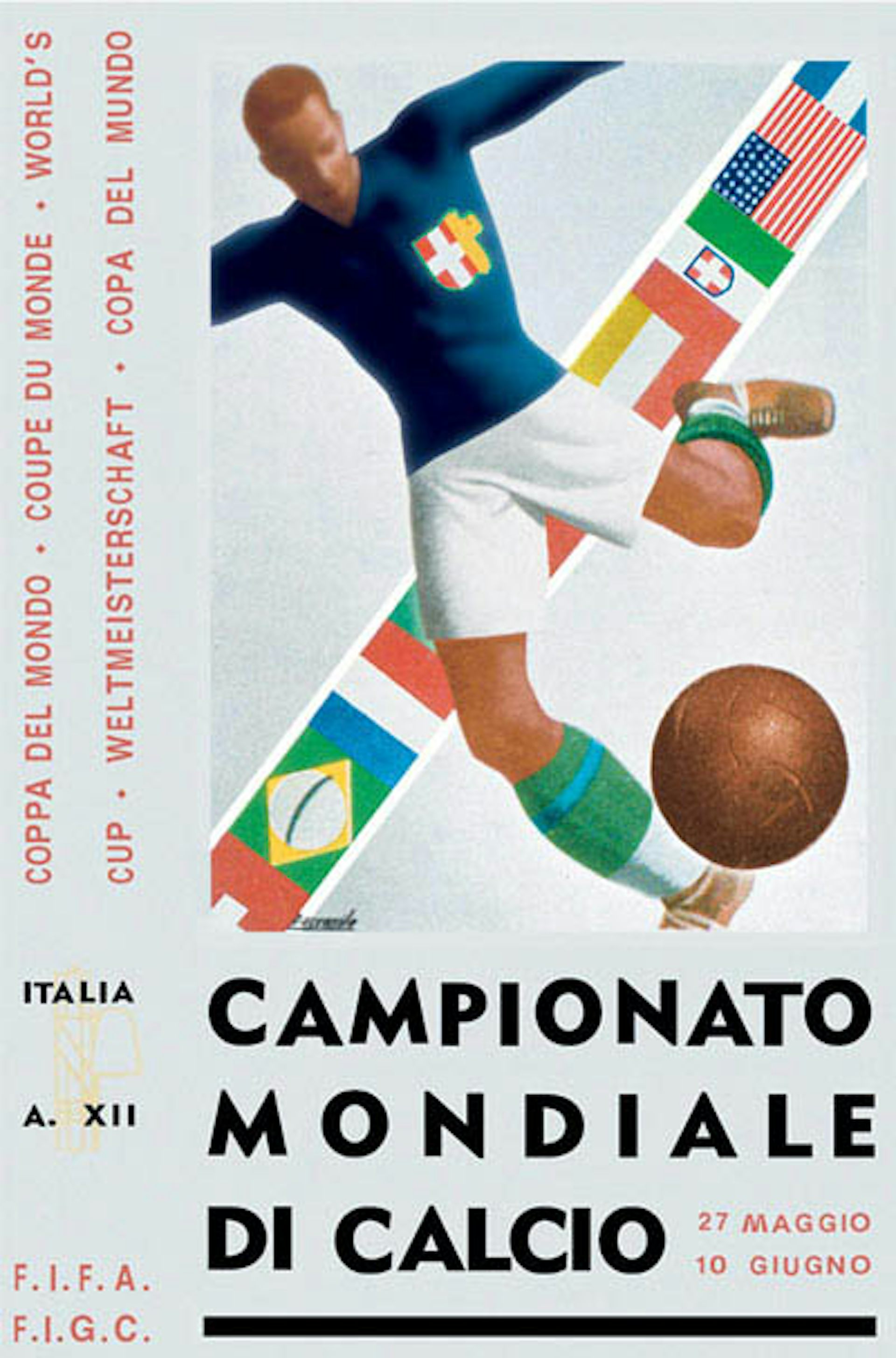
On occasions in the past, authoritarian governments have used the tournament to boost their regimes. Italian fascist leader Benito Mussolini did so when Italy hosted the 1934 World Cup, manipulating the games and handpicking officials to boost the chances for the home team, who went on to beat democratic Czechoslovakia in the final. Likewise, in 1978, Argentina’s dictatorship used both the tournament’s hosting and the national team’s victory to “sportswash” the brutal repression that had accompanied the military junta’s seizure of power.
历史上,威权政府曾利用该赛事来巩固政权。意大利法西斯领袖贝尼托·墨索里尼就是如此做的,当意大利主办1934年世界杯时,他操纵比赛并挑选官员,以提高主队获胜的几率,最终让主队击败了民主的捷克斯洛伐克队夺冠。同样地,在1978年,阿根廷的独裁政权利用了赛事的举办和国家队的胜利来“体育洗白”伴随军事军政府掌权而发生的残酷镇压。
In each of those notable cases, the team of an authoritarian country won the tournament. But as a political scientist and soccer enthusiast, I was curious to see how countries in authoritarian versus democratic countries had fared in the World Cup over time.
在所有这些著名的案例中,都是一个威权国家的队伍赢得了锦标赛。但作为一个政治学家和足球爱好者,我很好奇,从长远来看,威权国家与民主国家在世界杯上的表现有何不同。
So in the run-up to this year’s tournament, I looked back through the records of the 22 past World Cups; I also cast an eye over the expanded 48 countries represented at the 2026 tournament.
因此,在我研究本届赛事之前,我回顾了过去22届世界杯的记录;我还关注了2026年赛事所代表的扩大至48个国家。
For the World Cups between 1930 and 2018, I turned to Polity data, which looks at how power is concentrated in the political system. On a minus 10 to plus 10 scale, democracies are those with a Polity score of plus 6 and plus 10; autocracies have a minus 6 to minus 10; and anocracies – countries that are “partially free” — have a rating of minus 5 to plus 5
对于1930年至2018年的世界杯,我查阅了“政体指数”(Polity data),该数据考察了一个政治系统如何集中权力。在这个负10到正10的评分制上,民主国家的政体得分在+6到+10之间;威权国家则在-6到-10之间;而半民主国家——即“部分自由”的国家——的评分为-5到+5。
Many scholars recommend using multiple datasets when analyzing regime type. And for the World Cups from 1974 to 2026, I also used rankings by the nonprofit Freedom House, which produces an annual index of the state of civil and political rights in every country in the world. They measure countries as free, partly free and not free.
许多学者建议在使用多个数据集来分析政权类型。对于1974年至2026年的世界杯,我还使用了非营利组织自由之家(Freedom House)的排名,该机构每年都会发布一份全球各国公民和政治权利状况指数。他们将国家分为自由、部分自由和不自由三个等级。
What the data shows
数据显示的内容
In the first few World Cup tournaments, free countries did not perform particularly well.
在最初的几次世界杯锦标赛中,自由国家表现得并不理想。
From 1930-1962, there were two authoritarian champions (Italy in 1934 and 1938) , three anocratic winners (Uruguay in 1930 and 1950 and Brazil in 1962) and two democratic winners (West Germany in 1954 and a pre-dictatorship Brazil in 1958) .
从1930年到1962年,有两名威权冠军(意大利在1934年和1938年),三位半民主获胜者(乌拉圭在1930年和1950年、巴西在1962年)以及两位民主获胜者(西德在1954年和1958年的前独裁时期巴西)。
When it comes to finalists, in the first 32 years, there were six authoritarian countries represented in the final games, four anocracies and a mere four democracies.
谈到决赛选手,在最初的32年里,有六个威权国家参与了决赛,四个半民主国家,以及仅仅四个民主国家。
But since 1966 — the first World Cup meeting between two democracies, with England prevailing over West Germany — there have been only two authoritarian winners: Brazil in 1970 and Argentina in 1978 – the last autocratic country to win the tournament.
但自1966年——这是两民主国家首次世界杯交锋,英格兰击败西德——以来,威权冠军只有两个:1970年的巴西和1978年的阿根廷——这是赢得锦标赛的最后一个独裁国家。
The 10 winning countries from 1982-2018 have all been democracies. Further, all runners-up since 1962 have been democracies, too.
从1982年到2018年的10个获胜国家都是民主国家。此外,自1962年以来所有的亚军也是民主国家。
Looking at the entire 1930-2018 period, Polity data shows that 71.4% of participants in final games have been democracies, with less than 20% of finalists being autocratic nations and 9.5% being anocracies.
从整个1930年至2018年期间来看,Polity数据显示,决赛参与者中有71.4%是民主国家,其中不到20%的决赛选手是威权国家,而半民主国家占9.5%。
When using the Freedom House index, I found that free states have made up 23 of the 26 final game participants from 1974 onward, or 88% of the total, and 11 champions.
使用自由之家指数,我发现从1974年开始的26名决赛参与者中有23个是自由国家,占总数的88%,并且有11位冠军。
There’s only been one partly free winner — Brazil in 1994 — and one not free winner, Argentina in 1978.
只有一个“部分自由”的获胜者——1994年的巴西,以及一个“非自由”的获胜者,即1978年的阿根廷。
How does this compare with worldwide numbers of regime type over time? In 1930, the year of the first FIFA tournament, Polity data shows that only 21.7% of the world’s countries were democratic, with 44.6% being authoritarian and 33.7% deemed anocratic. By 1966, democracies fell to 20.8%, while authoritarian countries made up 40.8% of the world. During the 2018 World Cup, the world’s countries deemed to be democracies had risen to almost 60, using Polity data, while authoritarian states slipped to 12%. The rest are either anocratic or “transitioning.”
这与世界各地政体制类型随时间的变化相比如何?在1930年,首次国际足联锦标赛的年份,Polity数据显示,世界上只有21.7%的国家是民主国家,44.6%是威权国家,33.7%被认为是半民主国家。到1966年,民主国家的比例下降到20.8%,而威权国家占了全球的40.8%。在2018年世界杯期间,根据Polity数据,世界上被认定为民主的国家已上升至近60个,而威权国家则降至12%。其余的国家要么是半民主的,要么处于“转型期”。
Democracy – a winning formula?
民主——一种成功的模式?
But what about the 2026 World Cup participants? Of the 48 countries represented, 43.1% are “free” nations, according to Freedom House. The “not free” group comprised 26.7% of all countries. This is a near reversal of 1974, the first World Cup year for which Freedom House data is available. Back then, free nations made up 27% of countries in the world, while not free countries comprised 41.4% of world’s nations.
但是,2026年世界杯的参赛队伍如何呢?根据自由之家(Freedom House)的数据,在代表的48个国家中,有43.1%是“自由”国家。“非自由”群体占所有国家的26.7%。这与1974年(自由之家数据可用的第一个世界杯年份)的情况几乎相反。当时,自由国家占世界国家的27%,而非自由国家占了全球国家的41.4%。
And democracies are tipped for success in 2026. The top 11 FIFA-ranked countries are all “free.” For the top 19 countries, all but two — Morocco and Ecuador — are free, and those two are ranked by Freedom House as “partly free.” Of the lowest-ranked 11 countries in the tournament, more than half are unfree.
而且,民主国家被预测在2026年取得成功。排名前11位的FIFA排名国家都是“自由”的。在排名前19的国家中,除了摩洛哥和厄瓜多尔这两个国家外,其余都是自由的;而根据自由之家的数据,这两国被评为“部分自由”。在本次赛事排名靠后的11个国家中,超过一半是非自由的。
Countering the sportswashing
反制体育洗白
The data shows that democracies are overrepresented at the World Cup and also tend to do better than authoritarian nations – but does that matter? I would argue “yes.”
数据显示,民主国家在世界杯上代表性过高,并且往往表现优于威权国家——但这重要吗?我认为“是的”。
At a time when autocratic nations use sport as a propaganda tool, and FIFA seemingly turns a blind eye to the human rights records of hosting nations, the fact that democracies tend to prevail on the pitch feels like a victory for free nations.
在一个专制国家将体育用作宣传工具,而国际足联(FIFA)似乎对主办国的人权记录视而不见的时候,民主国家在球场上倾向于获胜的事实,感觉就像是自由国家的胜利。
LaGrange College undergraduates Jenna Pittman, Daniel Cody and Eli Rogers contributed to the research on which this article is based.
来自拉格兰奇学院(LaGrange College)的本科生Jenna Pittman、Daniel Cody和Eli Rogers参与了本篇文章所基于的研究。
John A. Tures does not work for, consult, own shares in or receive funding from any company or organization that would benefit from this article, and has disclosed no relevant affiliations beyond their academic appointment.
John A. Tures不为任何从本文中受益的公司或组织工作、提供咨询、拥有股份或接受资金,并且除了其学术任命之外,未披露任何相关隶属关系。