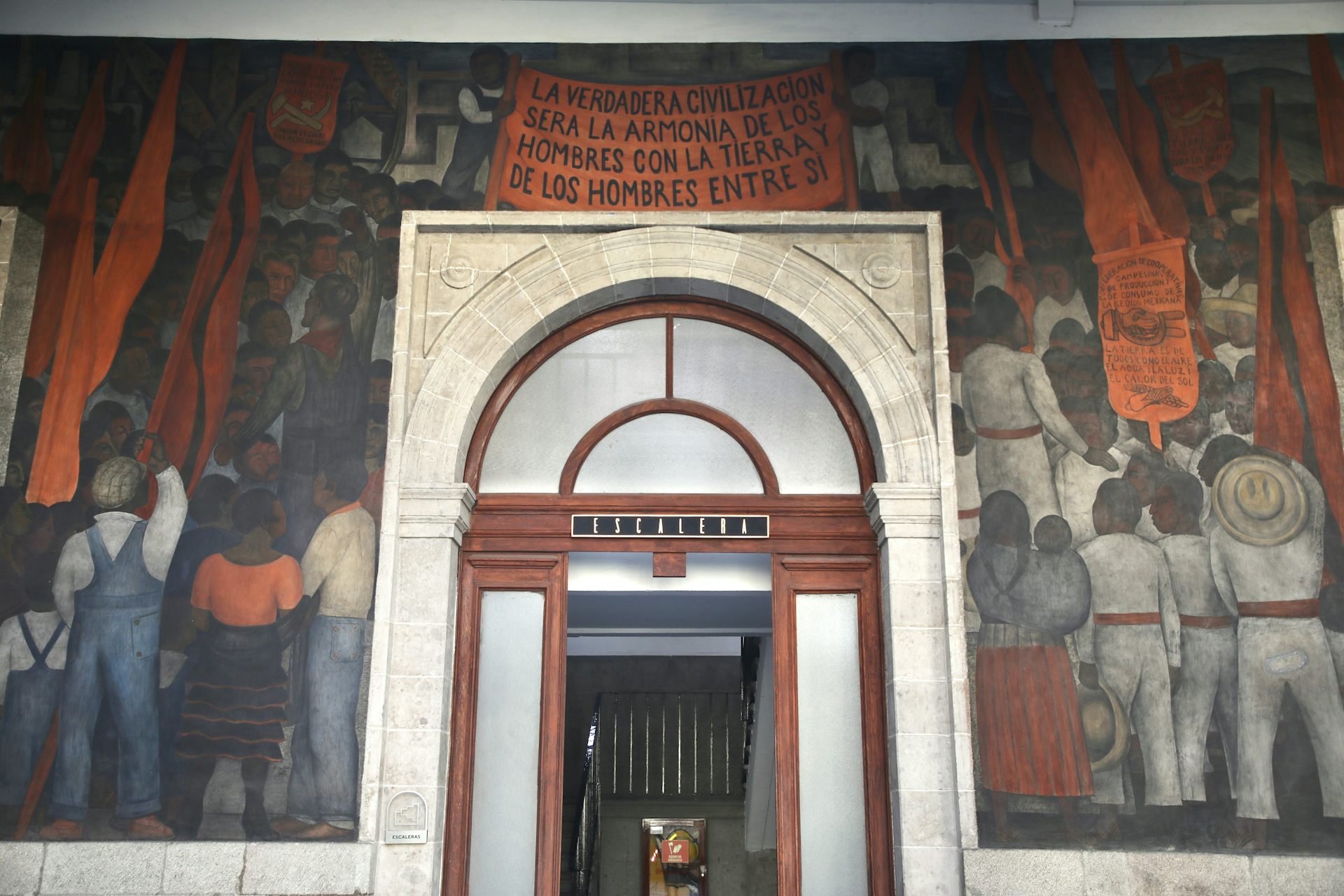
ट्रम्प की लैटिन अमेरिका में दबाव वाली नीतियां जहाज-बल कूटनीति के युग की याद दिलाती हैं – और इसने अधिनायकवाद विरोधी आंदोलन के उदय को तेज करने में मदद की।
Trump’s coercive tactics in Latin America evoke era of gunboat diplomacy – and the rise of anti-imperialism it helped spur
The interwar years in Latin America saw a remarkable flourishing of left-wing political thought aiming to challenge US dominance. That could offer lessons for today.
लैटिन अमेरिका में अंतरयुद्ध काल में अमेरिकी प्रभुत्व को चुनौती देने के उद्देश्य से वामपंथी राजनीतिक विचारों का एक उल्लेखनीय उत्कर्ष देखा गया। यह आज के लिए सबक प्रदान कर सकता है।
In Latin America, as in other parts of the world, the second Trump administration has adopted an increasingly aggressive policy.
लैटिन अमेरिका में, जैसा कि दुनिया के अन्य हिस्सों में है, ट्रम्प प्रशासन के दूसरे कार्यकाल ने एक बढ़ती आक्रामक नीति अपनाई है।
From drone strikes on purported drug traffickers to increased tariffs on imports, and from the blockade on fuel shipments and threats of invasion in Cuba to the Jan. 3 military incursion into Venezuela, the U.S.’s more coercive approach to its hemispheric neighbors evokes an earlier period of U.S. foreign policy.
कथित नशीले पदार्थों के तस्करों पर ड्रोन हमलों से लेकर आयात पर बढ़े शुल्कों तक, और क्यूबा में ईंधन शिपमेंट पर नाकेबंदी और आक्रमण की धमकियों से लेकर वेनेजुएला में जनवरी में सैन्य घुसपैठ तक, अपने गोलार्ध के पड़ोसियों के प्रति अमेरिका का अधिक जबरदस्ती वाला दृष्टिकोण अमेरिकी विदेश नीति के एक पहले दौर की याद दिलाता है।
Many commentators have found echoes of the 1989 capture of Panamanian leader Manuel Noriega in the kidnapping of Venezuelan president Nicolás Maduro. Others highlighted the longer history of U.S. interventions in Latin America stretching back through the Cold War. That includes the Nixon administration’s support for the 1973 coup against Salvador Allende in Chile or the CIA-sponsored removal of Guatemala’s elected president, Jacobo Arbenz, in 1954.
कई टिप्पणीकारों ने वेनेज़ुएला के राष्ट्रपति निकोलस मादुरो के अपहरण में पनामा के नेता मैनुअल नोरीएगा की 1989 की गिरफ्तारी की गूंज पाई है। अन्य लोगों ने शीत युद्ध से लेकर लैटिन अमेरिका में अमेरिकी हस्तक्षेपों के लंबे इतिहास को उजागर किया है। इसमें 1973 में चिली में साल्वाडोर अलेन्डे के खिलाफ तख्तापलट के लिए निक्सन प्रशासन का समर्थन या 1954 में ग्वाटेमाला के निर्वाचित राष्ट्रपति, जैकोबो अरबेंज को सीआईए द्वारा प्रायोजित हटाना शामिल है।
Yet as a historian of early 20th-century Latin America, I believe the Trump administration’s approach to Latin America more closely resembles an older pattern of U.S. policy. Between 1900 and the mid-1930s, U.S. forces intervened in one Latin American country after another. This practice was often justified by the Roosevelt Corollary, President Theodore Roosevelt’s addition to the Monroe Doctrine. In cases of “chronic wrongdoing,” Roosevelt said in 1904, the U.S would find itself compelled to exercise an “international police power” in defense of U.S. interests.
फिर भी, 20वीं सदी की शुरुआत के लैटिन अमेरिका के इतिहासकार के रूप में, मेरा मानना है कि लैटिन अमेरिका के प्रति ट्रम्प प्रशासन का दृष्टिकोण अमेरिकी नीति के एक पुराने पैटर्न से अधिक मिलता-जुलता है। 1900 और 1930 के दशक के मध्य के बीच, अमेरिकी सेना ने एक लैटिन अमेरिकी देश में एक के बाद एक हस्तक्षेप किया। इस अभ्यास को अक्सर रूजवेल्ट के अनुपूरक द्वारा उचित ठहराया गया था, जो राष्ट्रपति थियोडोर रूजवेल्ट द्वारा मॉन्रो सिद्धांत में जोड़ा गया था। 1904 में, रूजवेल्ट ने कहा था कि “दीर्घकालिक गलत व्यवहार” के मामलों में, अमेरिका को अमेरिकी हितों की रक्षा में “अंतर्राष्ट्रीय पुलिस शक्ति” का प्रयोग करने के लिए मजबूर होना पड़ेगा।
But crucially, how Latin Americans responded to the U.S. exerting its dominance in the early 20th century may hold some lessons for the present day. One of the major side effects of the U.S.’s so-called gunboat diplomacy was an upsurge of resistance and anti-imperialist thinking in the region’s political life.
लेकिन महत्वपूर्ण रूप से, 20वीं सदी की शुरुआत में अमेरिका द्वारा अपना प्रभुत्व स्थापित करने पर लैटिन अमेरिकियों ने कैसी प्रतिक्रिया दी, इसमें आज के दिन के लिए कुछ सबक हो सकते हैं। अमेरिका की तथाकथित जहाज-आधारित कूटनीति के प्रमुख दुष्प्रभावों में से एक क्षेत्र के राजनीतिक जीवन में प्रतिरोध और साम्रापट विरोधी सोच की वृद्धि थी।
The roots of anti-imperialism
प्रति-साम्राज्यवाद की जड़ें
In the 30 years after Roosevelt asserted the U.S.’s right to intervene across the hemisphere, U.S. forces occupied Cuba three times – in 1906-09, 1912 and 1917-21. They also occupied Haiti from 1915 to 1934 and the Dominican Republic from 1916 to 1924. In Nicaragua, the U.S. deployed the Marines from 1912 to 1925 and then again from 1926 to 1933, waging a counterinsurgency in which it used aerial bombardment for the first time.
रोसवेल्ट द्वारा हेमिस्फीयर में हस्तक्षेप करने के अमेरिकी अधिकार का दावा करने के 30 वर्षों के भीतर, अमेरिकी सेनाओं ने क्यूबा पर तीन बार कब्ज़ा किया – 1906-09, 1912 और 1917-21 में। उन्होंने 1915 से 1934 तक हैती और 1916 से 1924 तक डोमिनिकन गणराज्य पर भी कब्ज़ा किया। निकारागुआ में, अमेरिका ने 1912 से 1925 तक और फिर 1926 से 1933 तक मैरिनों को तैनात किया, जहाँ उन्होंने पहली बार हवाई बमबारी का उपयोग करते हुए एक प्रति-विद्रोह अभियान चलाया।
Across much of the region, then, this was a time when the U.S. was quick to resort to force, unburdened by any concerns for Latin American countries’ sovereignty.
इस क्षेत्र के अधिकांश हिस्सों में, यह वह समय था जब अमेरिका बिना लैटिन अमेरिकी देशों की संप्रभुता की किसी चिंता के बल का प्रयोग करने में तत्पर था।
Yet this era of external intervention also coincided with a period of remarkable political ferment, which I describe in my recently published book, “Radical Sovereignty.”
फिर भी, बाहरी हस्तक्षेप का यह युग एक उल्लेखनीय राजनीतिक उथल-पुथल की अवधि के साथ भी मेल खाता था, जिसका वर्णन मैं अपनी हाल ही में प्रकाशित पुस्तक, “रेडिकल संप्रभुता” (Radical Sovereignty) में करता हूँ।
In one place after another, from Buenos Aires to Mexico City and from Havana to Lima, movements sprang up that put forward sharp critiques of U.S power. Many of them grew out of student organizations in the late 1910s, while others drew on the rising strength of labor unions and newly formed leftist political parties.
एक जगह के बाद एक जगह, ब्यूनस आयर्स से मेक्सिको सिटी और हवाना से लीमा तक, आंदोलन उभरे जिन्होंने अमेरिकी शक्ति की तीखी आलोचना की। उनमें से कई 1910 के दशक के अंत में छात्र संगठनों से निकले, जबकि अन्य श्रमिक यूनियनों की बढ़ती ताकत और नवगठित वामपंथी राजनीतिक दलों पर आधारित थे।
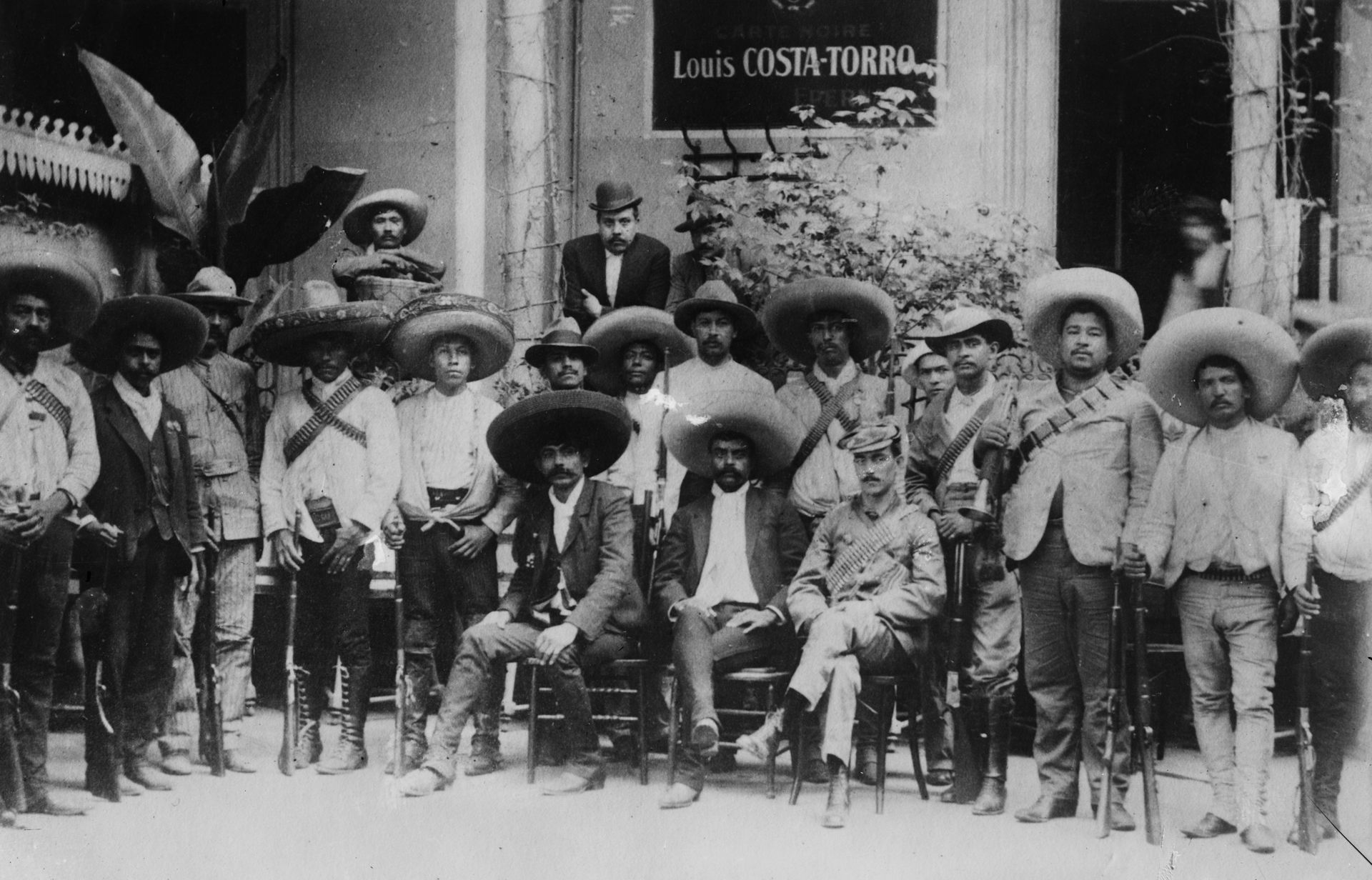
In 1923, rural workers in the Mexican state of Veracruz formed a Peasant League. From the outset, they saw local issues as closely interwoven with international ones, and they argued that there was a compelling reason for this. As the league put it, “Our internationalism is not the child of a crazed enthusiasm for empty phrases … but of the need to take preventive measures, to bolster ourselves against the enemy,” which they identified as “the imperialism of North America.”
1923 में, मेक्सिको राज्य वेराक्रूज़ के ग्रामीण श्रमिकों ने एक किसान लीग का गठन किया। शुरू से ही, उन्होंने स्थानीय मुद्दों को अंतर्राष्ट्रीय मुद्दों से गहराई से जुड़ा हुआ देखा, और उन्होंने तर्क दिया कि इसके लिए एक ठोस कारण था। जैसा कि लीग ने कहा, “हमारा अंतर्राष्ट्रीयता खाली वाक्यांशों के प्रति एक पागल उत्साह की संतान नहीं है… बल्कि निवारक उपाय करने, खुद को दुश्मन के खिलाफ मजबूत करने की आवश्यकता है,” जिसे उन्होंने “उत्तरी अमेरिका के साम्राज्यवाद” के रूप में पहचाना।
Many of Latin America’s radical movements at this time were inspired by the recent example of the Mexican Revolution. The new Mexican Constitution of 1917 had nationalized the country’s land and natural resources, putting it on a collision course with U.S. companies and landowners.
इस समय लैटिन अमेरिका के कई कट्टरपंथी आंदोलनों को मेक्सिकन क्रांति के हालिया उदाहरण से प्रेरणा मिली। 1917 का नया मेक्सिकन संविधान देश की भूमि और प्राकृतिक संसाधनों का राष्ट्रीयकरण कर चुका था, जिससे यह अमेरिकी कंपनियों और भूस्वामियों के साथ टकराव की स्थिति में आ गया था।
Others still were energized by the global repercussions of the Russian Revolution. This, of course, included several brand-new communist parties across the region. But at the time, many others in Latin America saw the Bolsheviks as part of a global anti-colonial wave.
अन्य अभी भी रूसी क्रांति के वैश्विक प्रभावों से ऊर्जावान थे। इसमें, निश्चित रूप से, पूरे क्षेत्र में कई नए कम्युनिस्ट दल शामिल थे। लेकिन उस समय, लैटिन अमेरिका में कई अन्य लोगों ने बोल्शेविकों को एक वैश्विक प्रति-औपनिवेशिक लहर का हिस्सा माना।
Mexico City as activist hub
सक्रिय केंद्र के रूप में मेक्सिको सिटी
My book explores the key role Mexico City played as a gathering point for these different political tendencies.
मेरी किताब मेक्सिको सिटी की भूमिका की पड़ताल करती है, जो इन विभिन्न राजनीतिक प्रवृत्तियों के लिए एक जमावड़ा केंद्र था।
They included groups ranging from Mexican peasant leagues to the American Popular Revolutionary Alliance, an anti-imperialist movement formed by Peruvian exiles. Many of these organizations converged under the umbrella of the Anti-Imperialist League of the Americas. Founded in Mexico City in 1925, it soon had chapters in a dozen more countries across the region.
इसमें मैक्सिकन किसान लीग से लेकर अमेरिकन पॉपुलर रिवोल्यूशनरी एलायंस तक समूह शामिल थे, जो पेरू के निर्वासितों द्वारा गठित एक साम्राज्य विरोधी आंदोलन था। इन संगठनों में से कई ‘एंटी-इंपीरियलिस्ट लीग ऑफ द अमेरिकाज़’ के छत्र के नीचे एकजुट हुए। इसकी स्थापना 1925 में मेक्सिको सिटी में हुई थी, और जल्द ही इस क्षेत्र के एक दर्जन से अधिक देशों में इसकी शाखाएँ खुल गईं।
Between them, these movements brought into focus the novel features of U.S. power. As the Cuban student leader and communist Julio Antonio Mella saw it in 1925 – at a time when his native country was highly dependent on the U.S. but formally sovereign – the U.S. was distinct. Unlike European empires, it largely refrained from direct control of territories, though it had pressed the Cubans to include in their 1901 constitution a provision allowing it to intervene in the island at will.
इन आंदोलनों ने अमेरिकी शक्ति की नई विशेषताओं पर ध्यान केंद्रित किया। क्यूबा के छात्र नेता और कम्युनिस्ट जूलियो एंटोनियो मेल्ला ने 1925 में—एक ऐसे समय में जब उनका मूल देश अमेरिका पर अत्यधिक निर्भर था लेकिन औपचारिक रूप से संप्रभु था—यह देखा कि अमेरिका अलग था। यूरोपीय साम्राज्यों के विपरीत, यह बड़े पैमाने पर क्षेत्रों पर प्रत्यक्ष नियंत्रण से बचता था, हालांकि इसने क्यूबावासियों पर दबाव डाला था कि वे अपनी 1901 की संविधान में एक प्रावधान शामिल करें जो इसे मनमाने ढंग से द्वीप में हस्तक्षेप करने की अनुमति देता था।
In Mella’s view, the U.S. was clearly an empire, one that mainly exercised its dominance through commercial or financial pressures. For him, the dollar and Wall Street were as central to U.S. power as the halls of government in Washington, D.C.
मेल्ला के विचार में, अमेरिका स्पष्ट रूप से एक साम्राज्य था, जो मुख्य रूप से वाणिज्यिक या वित्तीय दबावों के माध्यम से अपना प्रभुत्व दिखाता था। उनके लिए, डॉलर और वॉल स्ट्रीट वाशिंगटन, डी.सी. में सरकारी हॉल जितने ही अमेरिकी शक्ति के केंद्र थे।
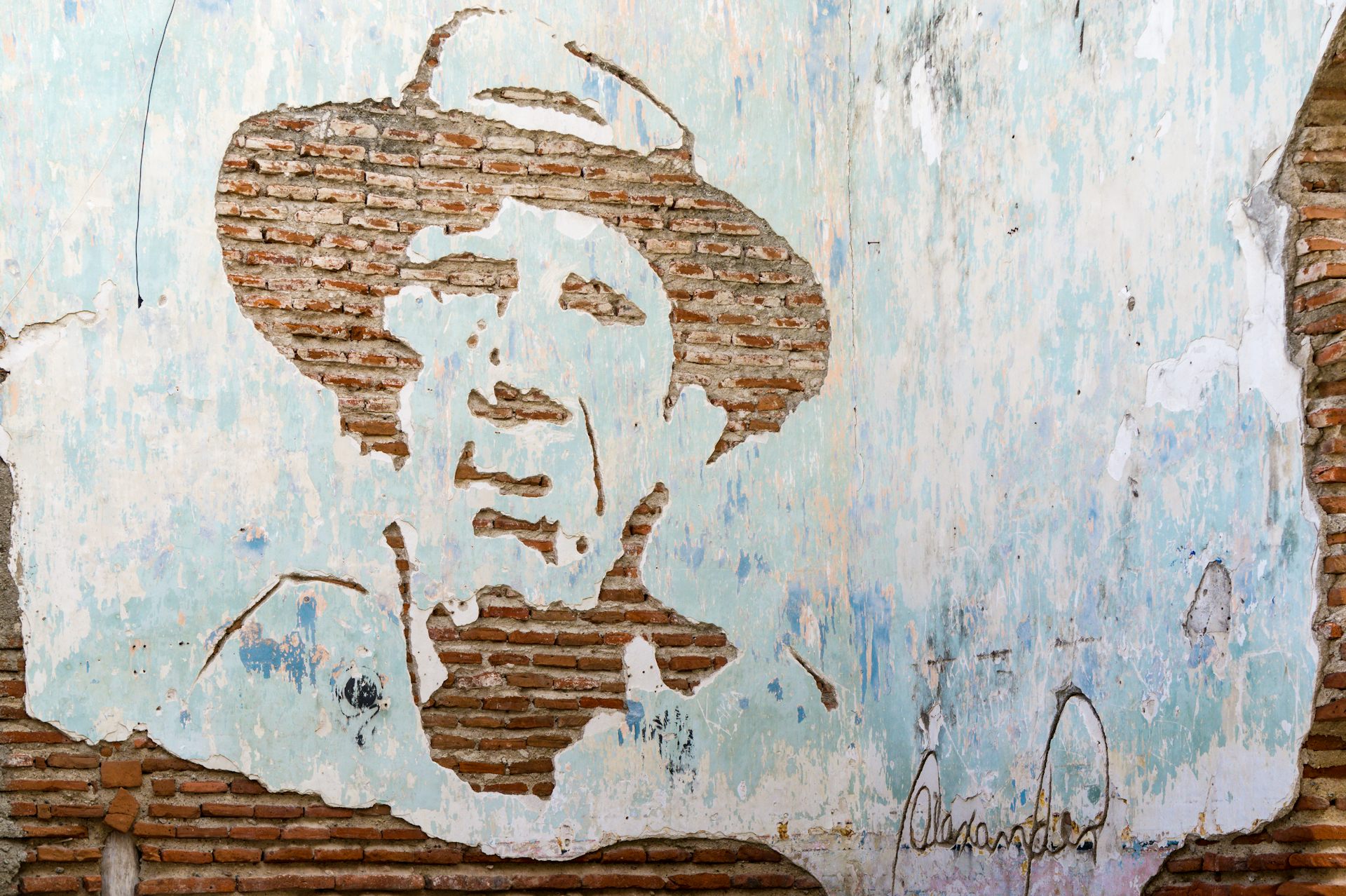
For Ricardo Paredes, an Ecuadorean doctor who founded the country’s Socialist Party in 1926, a new term was required to capture Latin American countries’ contradictory position. Formally sovereign, they were not colonies as such. Yet they were economically and politically subordinated to Washington and Wall Street – “dependent countries,” as he phrased it in 1928.
रिकार्डो पारेडेस, एक इक्वाडोरियन डॉक्टर जिन्होंने 1926 में देश की समाजवादी पार्टी की स्थापना की, को लैटिन अमेरिकी देशों की विरोधाभासी स्थिति को दर्शाने के लिए एक नए शब्द की आवश्यकता थी। औपचारिक रूप से संप्रभु होने के बावजूद, वे स्वयं उपनिवेश नहीं थे। फिर भी, वे आर्थिक और राजनीतिक रूप से वाशिंगटन और वॉल स्ट्रीट के अधीन थे—जैसा कि उन्होंने 1928 में वाक्यांश दिया, “निर्भर देश”।
For the Peruvian poet Magda Portal, a leading member of the anti-imperialist American Popular Revolutionary Alliance, U.S. dominance played out differently in different parts of Latin America.
पेरू की कवयित्री मैग्डा पोर्टल, जो साम्राज्य विरोधी अमेरिकन पॉपुलर रिवोल्यूशनरी एलायंस की एक प्रमुख सदस्य थीं, के लिए अमेरिकी प्रभुत्व लैटिन अमेरिका के विभिन्न हिस्सों में अलग तरह से प्रकट हुआ।
In a series of lectures she gave in Puerto Rico and the Dominican Republic in 1929, Portal divided the region into zones. While countries such as Argentina or Brazil were mainly sites for U.S. investment, Mexico and the Caribbean were regularly subjected to U.S. military force. Or, as Portal put it, “Here imperialism wears no disguise.”
1929 में प्यूर्टो रिको और डोमिनिकन गणराज्य में दिए गए व्याख्यानों की एक श्रृंखला में, पोर्टल ने क्षेत्र को ज़ोनों में विभाजित किया। जबकि अर्जेंटीना या ब्राजील जैसे देश मुख्य रूप से अमेरिकी निवेश के केंद्र थे, मेक्सिको और कैरिबियन नियमित रूप से अमेरिकी सैन्य बल के अधीन थे। या, जैसा कि पोर्टल ने कहा, “यहाँ साम्राज्यवाद कोई वेश नहीं पहनता।”
Portal concluded her lectures with a phrase that combined her analysis of U.S. dominance with a resonant appeal for unity: “We have a single and great enemy; let us form a single and great union.”
पोर्टल ने अपने व्याख्यानों का एक ऐसे वाक्यांश के साथ समापन किया जो अमेरिकी प्रभुत्व के अपने विश्लेषण को एकता के लिए एक गूंजने वाले आह्वान के साथ जोड़ता था: “हमारे पास एक एकल और बड़ा दुश्मन है; आइए हम एक एकल और बड़ा संघ बनाएं।”
United states of resistance?
प्रतिरोध की संयुक्त अवस्था?
Yet while there was much Latin American anti-imperialist thinkers could agree on, there were also profound divergences between them. This included questions of strategy as well as issues of principle. What role should different classes play in their movement? How radical a transformation of society were they pushing for? And what kind of state should emerge from it?
हालांकि कई ऐसे लैटिन अमेरिकी वामपंथी विचारक थे जिन पर सहमति बन सकती थी, फिर भी उनके बीच गहरे मतभेद भी थे। इसमें रणनीति के सवाल के साथ-साथ सिद्धांत के मुद्दे भी शामिल थे। उनके आंदोलन में विभिन्न वर्गों की क्या भूमिका होनी चाहिए? वे समाज का कितना कट्टरपंथी परिवर्तन चाहते थे? और इससे किस प्रकार की राज्य व्यवस्था उभरनी चाहिए?
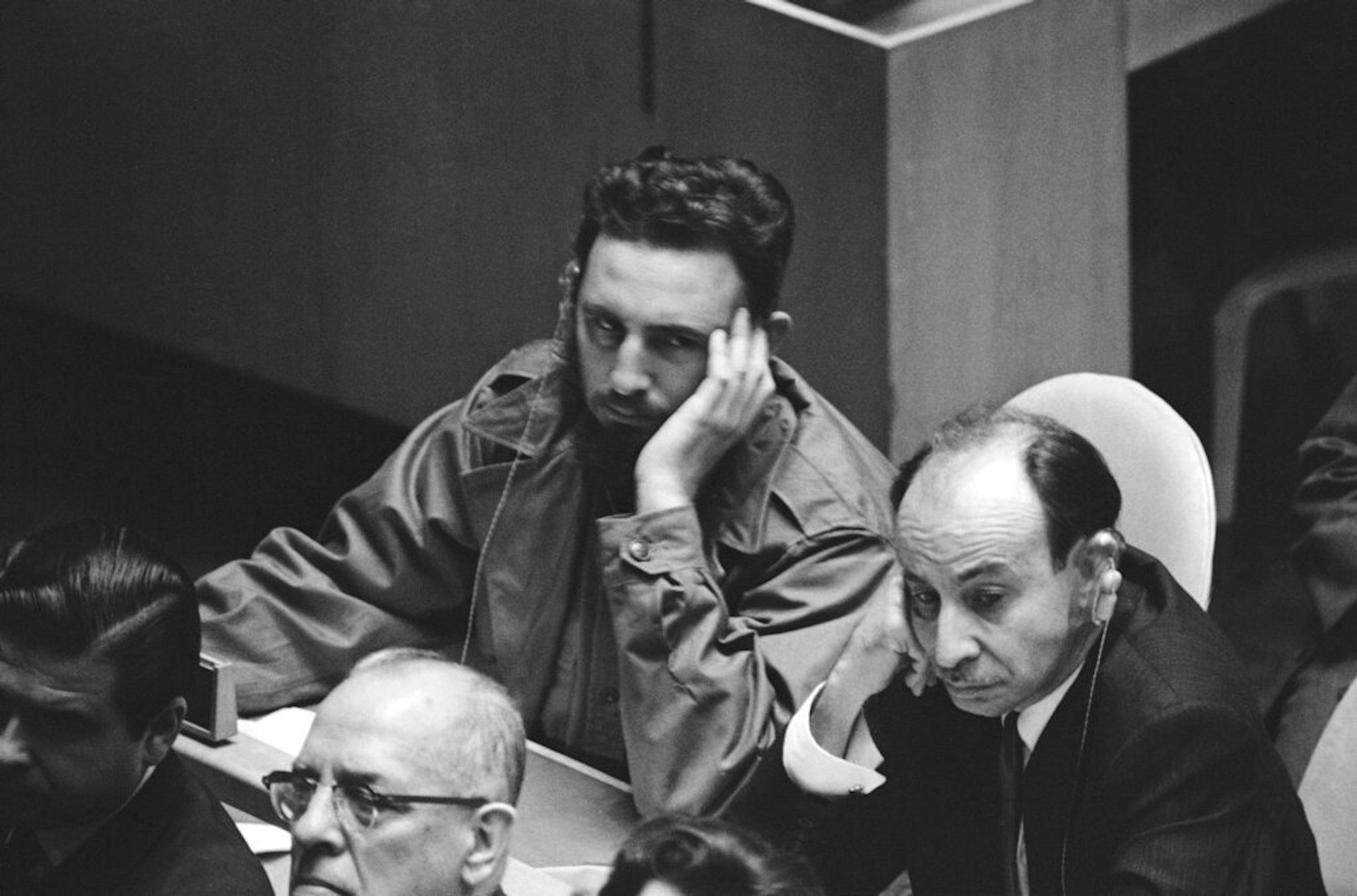
Over time, these differences turned into deep rifts that pitted revolutionaries against democratic reformists, internationalists against nationalists, and pro-Soviets against anti-communists. These disagreements played an important role in Latin American politics over the rest of the century.
समय के साथ, ये अंतर गहरे मतभेदों में बदल गए, जिन्होंने क्रांतिकारियों को लोकतांत्रिक सुधारकों, अंतर्राष्ट्रीयवादियों को राष्ट्रवादियों, और सोवियत समर्थक गुटों को वामपंथी विरोधी गुटों के खिलाफ खड़ा कर दिया। इन असहमति ने सदी के बाकी हिस्सों में लैटिन अमेरिकी राजनीति में एक महत्वपूर्ण भूमिका निभाई।
While many of these rifts became especially prominent during the Cold War, they developed out of earlier divisions over how best to counter U.S. dominance.
हालांकि इनमें से कई दरारें शीत युद्ध के दौरान विशेष रूप से प्रमुख हो गईं, लेकिन वे अमेरिकी प्रभुत्व का मुकाबला करने के सर्वोत्तम तरीके पर पहले के विभाजनों से विकसित हुई थीं।
The anti-imperialist upsurge of the 1920s and’30s was formative for a generation of Latin American radicals. Several of those who entered political life during these years went on to play key roles in major events of the 20th century. Raúl Roa, for example, who served as foreign secretary for Cuba’s revolutionary government from 1959 to 1976, was first politicized in the island’s anti-imperialist movement of the 1920s.
1920 और 30 के दशक का वामपंथी-विरोधी उभार लैटिन अमेरिकी कट्टरपंथियों की एक पीढ़ी के लिए निर्णायक था। इन वर्षों के दौरान राजनीतिक जीवन में प्रवेश करने वाले कई लोग 20वीं सदी की प्रमुख घटनाओं में महत्वपूर्ण भूमिका निभाने गए। उदाहरण के लिए, राउल रोआ, जिन्होंने 1959 से 1976 तक क्यूबा की क्रांतिकारी सरकार के विदेश सचिव के रूप में कार्य किया, को सबसे पहले 1920 के दशक के द्वीप के वामपंथी-विरोधी आंदोलन में राजनीतिक रूप से सक्रिय किया गया था।
The men and women whose political visions were formed in the interwar period carried those ideals forward into the Cold War era. In important ways, the 1920s and 1930s laid vital groundwork for later and better-known radical movements.
जिन पुरुषों और महिलाओं के राजनीतिक दृष्टिकोण अंतर-युद्ध काल में बने, उन्होंने उन आदर्शों को शीत युद्ध युग तक आगे बढ़ाया। महत्वपूर्ण मायनों में, 1920 और 1930 के दशक ने बाद के और बेहतर ज्ञात कट्टरपंथी आंदोलनों के लिए महत्वपूर्ण आधार तैयार किया।
Past is, of course, not always prologue. It is impossible to predict what the long-term consequences of current U.S. policy in Latin America will be, especially given the rightward tilt that is currently unfolding across the region.
अतीत, निश्चित रूप से, हमेशा प्रस्तावना नहीं होता। यह भविष्यवाणी करना असंभव है कि लैटिन अमेरिका में वर्तमान अमेरिकी नीति के दीर्घकालिक परिणाम क्या होंगे, खासकर इस क्षेत्र में वर्तमान में हो रहे दक्षिणपंथी झुकाव को देखते हुए।
But looking at the region’s anti-imperialist traditions does point to one possible outcome: The U.S.’s newly aggressive stance will, sooner rather than later, fuel a resurgence of anti-imperialist sentiment as the organizing principle for a new generation of activists.
लेकिन क्षेत्र की वामपंथी-विरोधी परंपराओं को देखना एक संभावित परिणाम की ओर इशारा करता है: अमेरिका का नया आक्रामक रुख, जल्द ही, एक नई पीढ़ी के कार्यकर्ताओं के लिए आयोजन सिद्धांत के रूप में वामपंथी-विरोधी भावना के पुनरुत्थान को बढ़ावा देगा।
Tony Wood does not work for, consult, own shares in or receive funding from any company or organization that would benefit from this article, and has disclosed no relevant affiliations beyond their academic appointment.
टॉनी वुड इस लेख से लाभान्वित होने वाली किसी भी कंपनी या संगठन के लिए काम नहीं करते हैं, न ही वे उनसे परामर्श करते हैं, न ही उनके शेयर रखते हैं या उन्हें फंडिंग प्राप्त होती है, और उन्होंने अपने अकादमिक पद से परे कोई प्रासंगिक जुड़ाव नहीं बताया है।
Read more
-
इज़राइल की लेबनान में विनाशकारी कार्रवाई नियमों के बिना युद्ध को सामान्य बना रही है।
Israel’s destructive actions in Lebanon are normalising war without rules
-

विज्ञान के अनुसार, 6 तरीके जिनसे आपकी स्मार्टवॉच आपसे झूठ बोल रही है
6 ways your smartwatch is lying to you, according to science