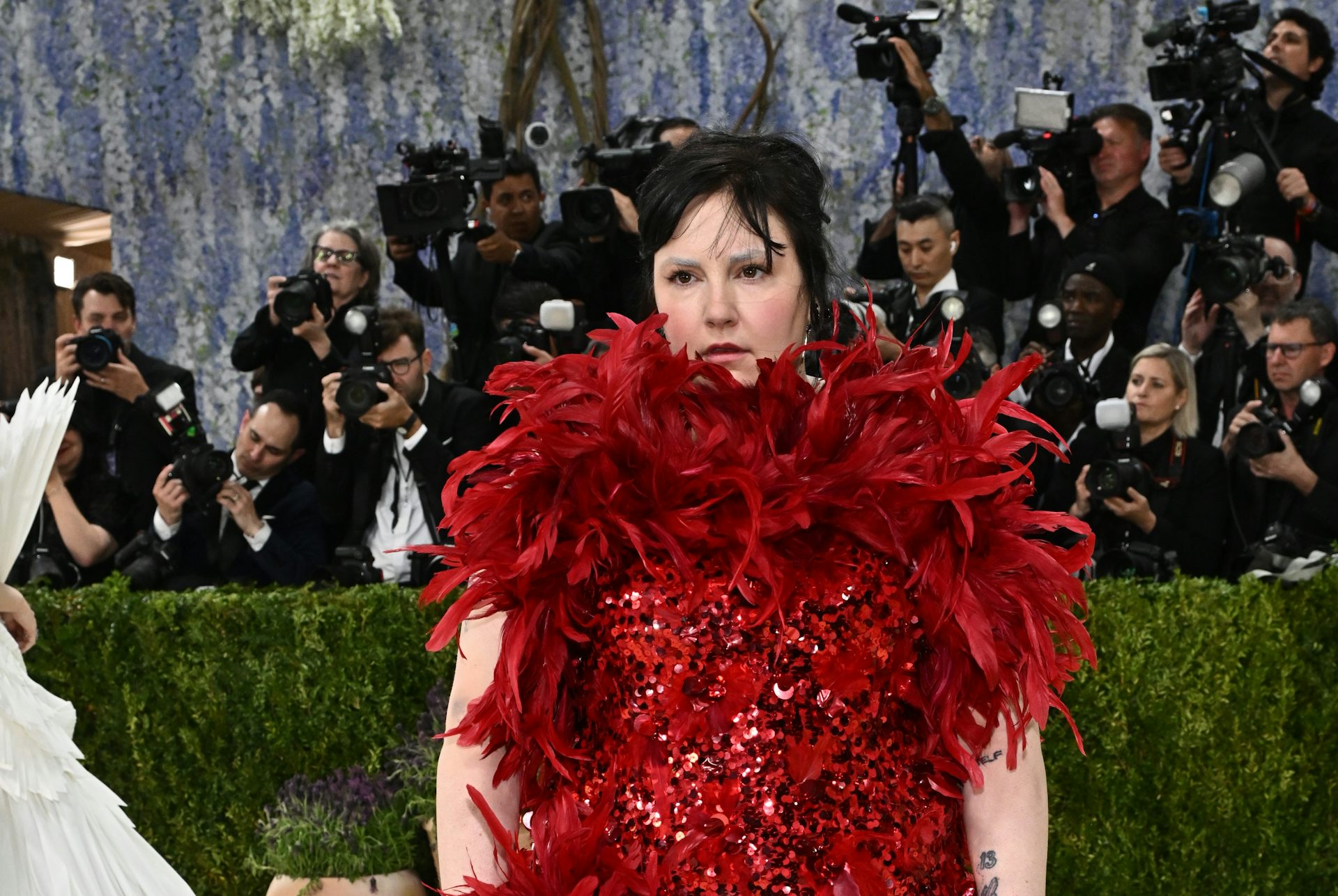
फेमसिक: लीना डुनहम हमें एक सपने जैसी नौकरी के बारे में हँसाती हैं जो क्रूर दुःस्वप्न बन गई
Famesick: Lena Dunham makes us laugh about a dream job turned brutal nightmare
Lena Dunham’s searingly funny, shockingly honest memoir reveals how Hollywood culture allows pretty much anything, except human frailty.
लीना डुनहम की तीखी हास्य से भरी, चौंकाने वाली रूप से ईमानदार आत्मकथा बताती है कि हॉलीवुड संस्कृति मानवीय कमज़ोरी को छोड़कर लगभग हर चीज़ की अनुमति कैसे देती है।
During the final season of Lena Dunham’s acclaimed comedy drama series, Girls, the character she plays, Hannah Horvath, says her ambition as a writer is to make people laugh about painful things. In real life, this is exactly what Dunham has achieved with her second memoir, Famesick which opens with a prime example.
लेना डुनहम की प्रशंसित कॉमेडी ड्रामा सीरीज़, गर्ल्स (Girls) के अंतिम सीज़न के दौरान, जिस किरदार को वह निभाती हैं, हैन्ना हॉर्वथ, कहती हैं कि एक लेखिका के रूप में उनकी महत्वाकांक्षा दर्दनाक चीज़ों पर लोगों को हँसाना है। असल ज़िंदगी में, डुनहम ने अपनी दूसरी संस्मरण पुस्तक, फेमसिक (Famesick) के साथ ठीक यही हासिल किया है, जो एक बेहतरीन उदाहरण से शुरू होती है।
“It’s very hard to remember a time – aside from brief flashes of adrenaline on a set or a date or at a fashion party where people are inadvertently dressed like kids in a school play about Greek gods – when being in my body didn’t feel like towing a wrecked car across town at midnight,” she writes.
“यह याद करना बहुत मुश्किल है – किसी सेट पर या डेट पर या फैशन पार्टी में, जहाँ लोग अनजाने में ग्रीक देवताओं पर एक स्कूल प्ले में बच्चों की तरह कपड़े पहने हों – ऐसा समय याद करना कि मेरे शरीर में होना रात के बारह बजे शहर में एक दुर्घटनाग्रस्त कार को खींचने जैसा महसूस नहीं होता था,” वह लिखती हैं।
A searingly funny, bare-hearted exploration of the cost of success, Dunham’s book charts her meteoric rise as a young screenwriter, director and actor with brutal honesty.
सफलता की कीमत की एक तीखी, दिल से की गई खोज, डुनहम की किताब एक युवा पटकथा लेखिका, निर्देशक और अभिनेत्री के रूप में उनके तेज़ी से उदय को क्रूर ईमानदारी के साथ दर्शाती है।
Review: Famesick by Lena Dunham (4th Estate)
समीक्षा: लेना डुनहम की फेमसिक (Famesick) (4th Estate)
Smart, sassy and highly entertaining, Famesick is ultimately a painfully astute analysis of the ways a dream job can morph into a perilous nightmare. Particularly for someone who is neurodivergent, barely out of college, emotionally dependent on their parents and suffering from a rare, undiagnosed chronic disease.
स्मार्ट, चुलबुली और अत्यधिक मनोरंजक, फेमसिक अंततः इस बात का एक दर्दनाक रूप से सटीक विश्लेषण है कि कैसे एक सपनों की नौकरी एक खतरनाक दुःस्वप्न में बदल सकती है। विशेष रूप से किसी ऐसे व्यक्ति के लिए जो न्यूरोडाइवर्जेंट है, कॉलेज से अभी बाहर निकला है, भावनात्मक रूप से अपने माता-पिता पर निर्भर है और एक दुर्लभ, बिना निदान वाली पुरानी बीमारी से पीड़ित है।
Throughout the first decade of her glittering career, Dunham balanced precariously between adulation and critical attacks. Her intelligent, sharply observed humour defined her public and professional image, but her personal boundaries were all too permeable. The demands of her job bled into her life with devastating consequences for her body.
अपने शानदार करियर के पहले दशक में, डुनहम प्रशंसा और आलोचनात्मक हमलों के बीच नाजुक संतुलन बनाए रखती थीं। उनके बुद्धिमान, तीखे अवलोकन वाले हास्य ने उनकी सार्वजनिक और पेशेवर छवि को परिभाषित किया, लेकिन उनकी व्यक्तिगत सीमाएँ बहुत अधिक पारगम थीं। उनकी नौकरी की माँग उनके जीवन में इस तरह समा गई कि उनके शरीर के लिए विनाशकारी परिणाम हुए।
Careering from one disastrous man to another, leaning hard on colleagues and friends, Dunham looked to others for the psychological stability she hadn’t yet developed. Her heart dangerously exposed on her sleeve, she poured the events of her life into screenplays, medicated her stress and crashed her way through stardom, unprotected by the industry that relied on her.
एक विनाशकारी पुरुष से दूसरे में करियर बनाते हुए, सहकर्मियों और दोस्तों पर बहुत अधिक निर्भर रहते हुए, डुनहम ने उस मनोवैज्ञानिक स्थिरता के लिए दूसरों पर भरोसा किया जो उन्होंने अभी तक विकसित नहीं की थी। अपना दिल खुलेआम प्रदर्शित करते हुए, उन्होंने अपने जीवन की घटनाओं को पटकथाओं में उंडेल दिया, अपने तनाव को दवा दी और उस उद्योग के माध्यम से स्टारडम की ओर कूच किया जो उन पर निर्भर था, बिना किसी सुरक्षा के।
The price of Dunham’s success was exorbitant, involving much more than long hours and hard work. Yet while parts of her story are harrowingly visceral, she refuses self-pity and keeps away from the confessional traps of trauma porn.
डुनहम की सफलता की कीमत बहुत अधिक थी, जिसमें केवल लंबे घंटे और कड़ी मेहनत से कहीं अधिक शामिल था। फिर भी, जबकि उनकी कहानी के कुछ हिस्से भयावह रूप से आंतरिक हैं, वह आत्म-दया को अस्वीकार करती हैं और ट्रॉमा पोर्न के आत्म-कشفिक जाल से दूर रहती हैं।
There is nothing gratuitous or exploitative in these pages and Dunham refrains from blaming others for her chaos. Instead, she frames her drug addiction, unhealthy relationship patterns and debilitating chronic health issues as the cost of her own ambition, with a central question in mind. Was it worth it?
इन पन्नों में कुछ भी मुफ्त या शोषणकारी नहीं है और डुनहम अपने अराजकपन के लिए दूसरों को दोष देने से बचती हैं। इसके बजाय, वह अपने नशीली दवाओं की लत, अस्वस्थ संबंध पैटर्न और दुर्बल करने वाली पुरानी स्वास्थ्य समस्याओं को अपनी महत्वाकांक्षा की कीमत के रूप में प्रस्तुत करती हैं, जिसमें एक केंद्रीय प्रश्न मन में है। क्या यह इसके लायक था?
A cursed, well-connected fairy tale
एक शापित, सुजुगाली कहानी
Dunham’s narrative begins like a modern-day fairy tale with the story of her name, chosen by her mother “because it sounded like the name of someone who could be a movie star or a lawyer with an equal measure of success”. As a legacy, this turned out to be something of a curse.
डनहम का वृत्तांत एक आधुनिक परी कथा की तरह शुरू होता है, जिसमें उनकी माँ द्वारा उनके नाम की कहानी है, जिसे “क्योंकि यह नाम किसी ऐसे व्यक्ति जैसा लगता था जो फिल्म स्टार या वकील बन सकता है, जिसमें सफलता का समान माप हो” चुना गया था। एक विरासत के रूप में, यह कुछ हद तक एक शाप साबित हुआ।
Raised within privileged and well connected New York circles, by artist parents, Dunham began experimenting with film-making while attending liberal arts college Oberlin. Her first breakthrough was in 2010, with the award-winning semi-autobiographical movie, Tiny Furniture. She was just 23.
कलाकार माता-पिता द्वारा, विशेषाधिकार प्राप्त और सुजुगाली न्यूयॉर्क के घेरों में पली-बढ़ी, डनहम ने लिबरल आर्ट्स कॉलेज ओबरलिन में पढ़ते हुए फिल्म बनाने के साथ प्रयोग करना शुरू किया। उनकी पहली सफलता 2010 में मिली, पुरस्कार विजेता अर्ध-स्व जीवनी फिल्म, ‘टिनी फ़र्नीचर’ के साथ। वह महज़ 23 साल की थीं।

Six months after her film premiere, Dunham’s career skyrocketed when HBO contracted her to write and direct the pilot episode of Girls. Aiming to reflect the messy, early twenties stage of life, “when you don’t even know enough to even know what you’re looking for”, the show, like her film, starred herself and her childhood friend Jemima Kirke, with Allison Williams and Zosia Mamet completing the quartet of titular girls.
अपनी फिल्म की प्रीमियर के छह महीने बाद, डनहम का करियर आसमान छू गया जब एचबीओ ने उन्हें ‘गर्ल्स’ के पायलट एपिसोड को लिखने और निर्देशित करने के लिए अनुबंध किया। जीवन के गंदे, शुरुआती बीस के दशक के चरण को दर्शाने का लक्ष्य रखते हुए, “जब आप यह जानने के लिए पर्याप्त नहीं जानते कि आप क्या ढूंढ रहे हैं,” शो, अपनी फिल्म की तरह, खुद और अपनी बचपन की दोस्त जेमिमा किर्क के साथ स्टारर था, जिसमें एलीसन विलियम्स और ज़ोसिया मामेट ने शीर्षक वाली लड़कियों के समूह को पूरा किया।
The series’ most intriguing character was arguably Hannah’s oddball boyfriend, Adam Sackler, played with unnerving conviction by Adam Driver in his first major role. Sackler, a misanthropic alcoholic, was based on Dunham’s real-life abusive lover in the first season. Later, the character evolved into a tender and devoted partner.
श्रृंखला का सबसे दिलचस्प चरित्र शायद हैना का अजीब बॉयफ्रेंड, एडम सैकलर था, जिसे एडम ड्राइवर ने अपने पहले बड़े रोल में बेचैन करने वाली दृढ़ता से निभाया था। सैकलर, एक मानवद्वेषी नशीलोआशकी, पहले सीज़न में डनहम के वास्तविक जीवन के दुर्व्यवहार करने वाले प्रेमी पर आधारित था। बाद में, यह चरित्र एक कोमल और समर्पित साथी में विकसित हुआ।
Off screen, Driver and Dunham’s relationship was, according to the book, also intense. The two actors skirted each other as Dunham tried to fathom her co-star’s unpredictable, occasionally explosive behaviour.
पर्दे के पीछे, किताब के अनुसार, ड्राइवर और डनहम का रिश्ता भी तीव्र था। दोनों अभिनेता एक-दूसरे से बचते थे क्योंकि डनहम अपनी सह-सितारे के अप्रत्याशित, कभी-कभी विस्फोटक व्यवहार को समझने की कोशिश कर रही थीं।
On one occasion, rehearsing a fight scene, he threw a chair at a wall when she couldn’t remember her lines. But while she recalls his verbal aggression and short temper, she also remembers spending “an inordinate amount of time wondering if Adam liked me”. Given the obvious strength of her seemingly unresolved feelings for Driver, it’s hard to know how to read her interpretation of him, though she clearly never figured him out.
एक बार, एक लड़ाई का दृश्य पूर्वाभ्यास करते समय, जब वह अपनी पंक्तियाँ याद नहीं कर पा रही थीं, तो उसने एक कुर्सी दीवार पर फेंक दी। लेकिन जहाँ वह उसके मौखिक आक्रामकता और छोटे स्वभाव को याद करती हैं, वहीं वह यह भी याद करती हैं कि “एडम मुझे पसंद करता है या नहीं, यह सोचने में बहुत समय बिताया।” ड्राइवर के लिए उनकी स्पष्ट मजबूत भावनाओं को देखते हुए, यह जानना मुश्किल है कि उसके बारे में उनकी व्याख्या को कैसे पढ़ा जाए, हालांकि वह स्पष्ट रूप से उसे कभी समझ नहीं पाईं।
With its frank, often hilarious, sometimes uncomfortable, all too relatable depictions of troubled friendship, awkward sex, career missteps and the fraught struggle for identity, Girls made a huge impact. From 2012, it ran for six seasons and five years, by which time all four main actors were turning 30. According to Dunham, the ending was planned to avoid losing “the creative clarity and specificity that gave it value”.
अपने स्पष्ट, अक्सर हास्यपूर्ण, कभी-कभी असहज, और बहुत ही संबंधित, परेशान दोस्ती, अजीब सेक्स, करियर की गलतियों और पहचान के लिए संघर्ष से भरी चित्रणों के साथ, ‘गर्ल्स’ ने एक बड़ा प्रभाव डाला। 2012 से, यह छह सीज़न और पाँच वर्षों तक चली, इस समय तक कि चारों मुख्य अभिनेता 30 साल के हो रहे थे। डनहम के अनुसार, अंत को “रचनात्मक स्पष्टता और विशिष्टता खोने से बचने के लिए” योजनाबद्ध किया गया था जो इसे मूल्य देती थी।
The show established Dunham as a sharp-sighted, uniquely talented visionary, but also attracted pernicious criticism that took her many years to process.
इस शो ने डनहम को एक तेज-नज़र, अद्वितीय प्रतिभाशाली दूरदर्शी के रूप में स्थापित किया, लेकिन इसने आलोचना को भी आकर्षित किया जिसे संसाधित करने में उन्हें कई साल लगे।
Accused of exploiting her nepo baby status, reviled for daring to expose her perfectly average physique, branded a myopic millennial, Dunham was both pummelled and pressurised for assuming the voice of her generation. “Or a voice,” as Dunham remembers her high-powered co-showrunner, Jenni Konner quipping. “Of a generation.”
अपने ‘नेपो बेबी’ स्टेटस का फायदा उठाने का आरोप लगाकर, अपने पूरी तरह से औसत शरीर को उजागर करने की हिम्मत के लिए निंदा की गई, और एक मायोपिक मिलेनियल के रूप में ब्रांडेड, डनहम को अपने पीढ़ी की आवाज़ का प्रतिनिधित्व करने के लिए पीटा और दबाव डाला गया। “या एक आवाज़,” जैसा कि डनहम ने अपने उच्च-शक्ति वाले सह-शो-रनर, जेनी कोनर को मज़ाक में याद किया। “एक पीढ़ी की।”
Body as battleground
शरीर युद्ध का मैदान
The irony of her situation was ridiculous. The whole point of Girls was to satirise the hot, flawed, contradictory tangle of young, white female adulthood experienced by Dunham and her friends. But like countless other women, Dunham was vilified for daring to give herself a platform. Worse – again, like so many other women – she experienced every mistake as an abject failure that filled her with shame.
उनकी स्थिति की विडंबना हास्यास्पद थी। ‘गर्ल्स’ का पूरा उद्देश्य डुनहम और उसकी सहेलियों द्वारा अनुभव की गई युवा, श्वेत महिला वयस्कता की गर्म, दोषपूर्ण, विरोधाभासी उलझन पर व्यंग्य करना था। लेकिन अनगिनत अन्य महिलाओं की तरह, डुनहम खुद को एक मंच देने का साहस करने के कारण बदनाम हुई। इससे भी बुरा – फिर से, कई अन्य महिलाओं की तरह – उसने हर गलती को एक घोर विफलता के रूप में अनुभव किया, जिसने उसे शर्म से भर दिया।
Dunham’s extraordinary trajectory served as both example and warning to her peers, but behind the scenes of her controversial story, her body had become a battleground.
डनहम का असाधारण पथ उसकी सहकर्मियों के लिए उदाहरण और चेतावनी दोनों के रूप में कार्य करता था, लेकिन उसकी विवादास्पद कहानी के पर्दे के पीछे, उसका शरीर एक युद्धक्षेत्र बन गया था।
Between the pilot of Girls, when a colitis attack landed her in hospital, and the final season, when she shattered her elbow, collapsed from endometriosis and suffered a massive internal haemorrhagic cyst that caused so much pain she could barely walk, Dunham had chosen to “ignore my body’s noisy signals in favour of this thing I wanted so badly”.
‘गर्ल्स’ के पायलट एपिसोड के दौरान, जब कोलाइटिस के हमले ने उन्हें अस्पताल में भर्ती कराया, और अंतिम सीज़न तक, जब उनकी कोहनी टूट गई, एंडोमेट्रियोसिस से वह ढह गईं और एक विशाल आंतरिक रक्तस्रावी सिस्ट से पीड़ित हुईं जिससे इतना दर्द हुआ कि वह मुश्किल से चल पाती थीं, डुनहम ने यह चुन लिया था कि “मैंने मेरे शरीर के शोरगुल भरे संकेतों को अनदेखा किया, बजाय उस चीज़ के जो मैं बहुत चाहती थी।”
In 2019, Dunham was diagnosed with Ehlers-Danlos syndrome, a rare genetic connective tissue disorder that explained many of her symptoms. Prior to this, her faltering health was often just another source of shame. Hospital stays and bed rest delayed production, which was expensive and upset Konner. So Dunham numbed herself with prescription pills and kept going.
2019 में, डुनहम को एहलर्स-डैनलोस सिंड्रोम का पता चला, जो एक दुर्लभ आनुवंशिक संयोजी ऊतक विकार था और यह उसके कई लक्षणों की व्याख्या करता था। इससे पहले, उसका कमज़ोर स्वास्थ्य अक्सर शर्म का एक और कारण होता था। अस्पताल में भर्ती होना और बिस्तर पर आराम करने से उत्पादन में देरी हुई, जो महंगा था और कोनर को परेशान करता था। इसलिए डुनहम ने खुद को प्रिस्क्रिप्शन गोलियों से सुन्न किया और आगे बढ़ती रही।
On the brink of her career, Dunham was in thrall to Konner. Brought in by HBO, the 38-year-old supervisor was already a television heavyweight and represented a big sister figure for the less experienced creator, who was her junior by 14 years.
अपने करियर के कगार पर, Dunham, Konner के मोह में थी। HBO द्वारा लाई गई, 38 वर्षीय सुपरवाइजर पहले से ही टेलीविजन जगत की एक बड़ी हस्ती थीं और कम अनुभवी निर्माता के लिए एक बड़ी बहन जैसी थीं, जो उनसे 14 साल छोटी थीं।
Within days of their first meeting, Konner began divulging intimate details of her life and making extremely personal remarks to Dunham, all while teaching her how to write a pilot. But once filming started, she began exercising her authority “on a more sinister note”, telling her protegee she had to gain weight and look dowdy in order to stay funny.
पहली मुलाकात के कुछ ही दिनों के भीतर, कोनर ने Dunham को अपने जीवन के अंतरंग विवरण बताना और अत्यंत व्यक्तिगत टिप्पणी करना शुरू कर दिया, जबकि उसे पायलट लिखना सिखा रही थी। लेकिन एक बार फिल्मांकन शुरू होने पर, उसने “अधिक नकारात्मक ढंग से” अपना अधिकार दिखाना शुरू कर दिया, और अपनी शिष्या से कहा कि मज़ेदार बने रहने के लिए उसे वज़न बढ़ाना होगा और भद्दा दिखना होगा।
Years later, when working with younger women herself, Dunham could see “how absurd it would seem to link myself to them in ways beyond the playful support system an on-set adult provides”. But as the ingenue, Dunham placed all her faith in Konner, and immersed herself in a lopsided relationship that grossly transgressed professional boundaries.
वर्षों बाद, जब वह स्वयं युवा महिलाओं के साथ काम कर रही थीं, डुनहम देख सकती थीं कि “खुद को उनसे ऐसे तरीकों से जोड़ना जो एक सेट पर वयस्क द्वारा दिए जाने वाले चंचल समर्थन तंत्र से परे हों, यह कितना बेतुका लगेगा।” लेकिन इंगेन्यू के रूप में, डुनहम ने अपनी सारी आस्था को कोनर पर रख दिया, और खुद को एक एकतरफा रिश्ते में डुबो दिया जिसने पेशेवर सीमाओं का घोर उल्लंघन किया।
Together with Kirke, and Dunham’s long-term partner, music mogul Jack Antonoff, Konner became one of the author’s “three Js”; effectively a triumvirate who “defined my world, and in relation to whom I defined myself”. Caught up in this circle of co-dependency, Dunham was invariably left with an overwhelming sense of inadequacy. She felt she was
किरके और डुनहम के लंबे समय के साथी, संगीत जगत के दिग्गज जैक एंटोनोफ के साथ, कोनर लेखिका के “तीन जे” में से एक बन गए; प्रभावी रूप से एक त्रिमूर्ति जो “मेरी दुनिया को परिभाषित करती थी, और जिसके संबंध में मैंने खुद को परिभाषित किया।” इस सह-निर्भरता के घेरे में फँसकर, डुनहम में हमेशा अपर्याप्तता की एक भारी भावना रह जाती थी। उन्हें लगा कि वह थीं
always in trouble with one of them for something: A dinner I arrived late for and left early. A messy breakdown I couldn’t predict or control … and the endless cycle of reassurance I required afterward. The only thing I could promise was to never miss a deadline.
हमेशा उनमें से किसी एक के साथ किसी बात को लेकर मुसीबत में: एक डिनर जिसके लिए मैं देर से पहुँची और जल्दी चली गई। एक गन्दा टूटना जिसे मैं न तो भविष्यवाणी कर सकती थी और न ही नियंत्रित कर सकती थी… और उसके बाद मुझे आवश्यक आश्वासन का अंतहीन चक्र। एकमात्र चीज़ जो मैं वादा कर सकती थी वह थी कि मैं कभी कोई समय सीमा नहीं चूकूँगी।
Dunham is more circumspect when it comes to her parents. However, it’s impossible not to speculate over her enmeshed relationships in light of her family dynamic. Supportive, but also overprotective and possessive, her mother (“the original frenemy”) and father tended to burden her with “unreasonable expectations”.
डनहम अपने माता-पिता के संबंध में अधिक विचारशील है। हालांकि, उसके पारिवारिक गतिशीलता को देखते हुए, उसके जटिल रिश्तों के बारे में अनुमान न लगाना असंभव है। सहयोगी, लेकिन साथ ही अत्यधिक सुरक्षात्मक और अधिकार जताने वाले, उसकी माँ (“मूल फ़्रैनेमी”) और पिता उसे “अतार्किक अपेक्षाओं” का बोझ देते थे।
And they appeared to have been threatened by her success, as Dunham explains, “because it forced them to admit how much of their own self-image rode on their own highly specific public identities”.
और ऐसा प्रतीत होता था कि वे उसकी सफलता से भयभीत थे, जैसा कि डुनहम समझाती हैं, “क्योंकि इसने उन्हें यह स्वीकार करने पर मजबूर किया कि उनका अपना कितना आत्म-प्रतिमा उनकी अपनी अत्यधिक विशिष्ट सार्वजनिक पहचानों पर टिकी हुई थी।”
Other telling details are scattered throughout the book, including the death of her beloved anorexic grandmother and her estranged brother, Cyrus, who couldn’t bear the attention his older sister’s fame commanded. (A media storm over a passage in Dunham’s first book had resulted in claims she had sexually abused Cyrus when they were both children, and though Dunham strenuously denied this and issued an apology, damage was done.)
अन्य महत्वपूर्ण विवरण पूरी किताब में बिखरे हुए हैं, जिनमें उनकी प्रिय एनोरेक्सिक दादी और उनके विमुख भाई, साइरस का निधन शामिल है, जो अपनी बड़ी बहन की प्रसिद्धि से मिलने वाले ध्यान को सहन नहीं कर पाए थे। (डुनहम की पहली किताब के एक अंश को लेकर मीडिया में तूफान आया था, जिसके कारण यह आरोप लगे थे कि उन्होंने बचपन में साइरस का यौन शोषण किया था, और हालांकि डुनहम ने ज़ोर देकर इसका खंडन किया और माफ़ी माँगी, नुकसान हो चुका था।)
There is enough here to know that Dunham’s comparatively untold family story has been a difficult and complicated one, with firmly embedded roots and a pretty long shadow.
यह जानने के लिए पर्याप्त है कि डुनहम का अपेक्षाकृत अनसुना पारिवारिक वृत्तांत कठिन और जटिल रहा है, जिसकी जड़ें गहरी जमी हुई हैं और जिसकी छाया काफी लंबी है।
After Girls, Dunham’s life imploded. Her physical suffering culminated in a hysterectomy. She broke up with Antonoff after five years. And her addiction to benzodiasepines, taken to suppress her anxiety, finally landed her in rehab.
‘आफ्टर गर्ल्स’ के बाद, डुनहम का जीवन बिखर गया। उनके शारीरिक कष्टों का अंत हिस्टेरेक्टॉमी में हुआ। उन्होंने एंटोनोफ से पाँच साल बाद ब्रेकअप कर लिया। और चिंता को दबाने के लिए ली जाने वाली बेंजोडाइसेपाइन्स की उनकी लत ने आखिरकार उन्हें पुनर्वास केंद्र (रिहैब) में पहुँचा दिया।
Her recovery, chronicled in the third part of the book, was slow and incremental as she learned to reappraise her work ethic, to accept her body and to learn to live with chronic illness. She also had to let go of Konner, which broke her heart, but helped her become more forgiving towards her younger, needier self.
उनकी रिकवरी, जो किताब के तीसरे भाग में दर्ज है, धीमी और क्रमिक थी क्योंकि उन्होंने अपनी कार्य नैतिकता का पुनर्मूल्यांकन करना, अपने शरीर को स्वीकार करना और पुरानी बीमारी के साथ जीना सीखना सीखा। उन्हें कोनर को भी छोड़ना पड़ा, जिसने उनका दिल तोड़ा, लेकिन उन्हें अपने युवा, अधिक ज़रूरत मंद स्व के प्रति अधिक क्षमाशील बनना भी सिखाया।
As the book moves towards its poignant conclusion, which sees Dunham married to British musician Luis Felber and settled into a more sustainable rhythm of work and life, the price she has paid for fame becomes clear.
जैसे-जैसे किताब अपने मार्मिक निष्कर्ष की ओर बढ़ती है, जिसमें डुनहम को ब्रिटिश संगीतकार लुइस फेल्बर से विवाहित और काम और जीवन की अधिक टिकाऊ लय में बसते हुए दिखाया गया है, प्रसिद्धि के लिए उन्होंने जो कीमत चुकाई है, वह स्पष्ट हो जाती है।
“Hollywood’s culture has always been permissive toward everything but human frailty,” she writes. And with this final insight, she points her reader back to the front of her book, and the long, tragic list of now-dead stars to whom her memoir is dedicated, along with “anyone else who was too Famesick to be cured”.
वह लिखती हैं, “हॉलीवुड की संस्कृति हमेशा मानवीय दुर्बलता को छोड़कर हर चीज़ के प्रति सहिष्णु रही है।” और इस अंतिम अंतर्दृष्टि के साथ, वह अपनी पाठक को अपनी किताब के सामने की ओर, और उन अब मृत सितारों की लंबी, दुखद सूची की ओर इशारा करती हैं जिन्हें उनकी संस्मरण समर्पित है, साथ ही “किसी भी अन्य व्यक्ति को जो इतना प्रसिद्धि-बीमार था कि ठीक नहीं हो सका।”
Liz Evans does not work for, consult, own shares in or receive funding from any company or organisation that would benefit from this article, and has disclosed no relevant affiliations beyond their academic appointment.
लिज़ इवांस किसी भी कंपनी या संगठन के लिए काम नहीं करती हैं, न ही सलाह देती हैं, न ही उसमें शेयर रखती हैं या उससे फंडिंग प्राप्त करती हैं जिससे इस लेख को लाभ होगा, और उन्होंने अपने अकादमिक पद से परे कोई प्रासंगिक जुड़ाव का खुलासा नहीं किया है।
Read more
-
एबोला अफ्रीका से बाहर फैल सकता है। स्वास्थ्य अधिकारी कैसे प्रतिक्रिया दे रहे हैं?
Ebola may have spread beyond Africa. How are health authorities responding?
-

अमेरिका नई अंतरिक्ष दौड़ में सबसे आगे है – लेकिन अन्य देश भी नज़दीक हैं।
The US is leading the new space race – but other countries are close behind