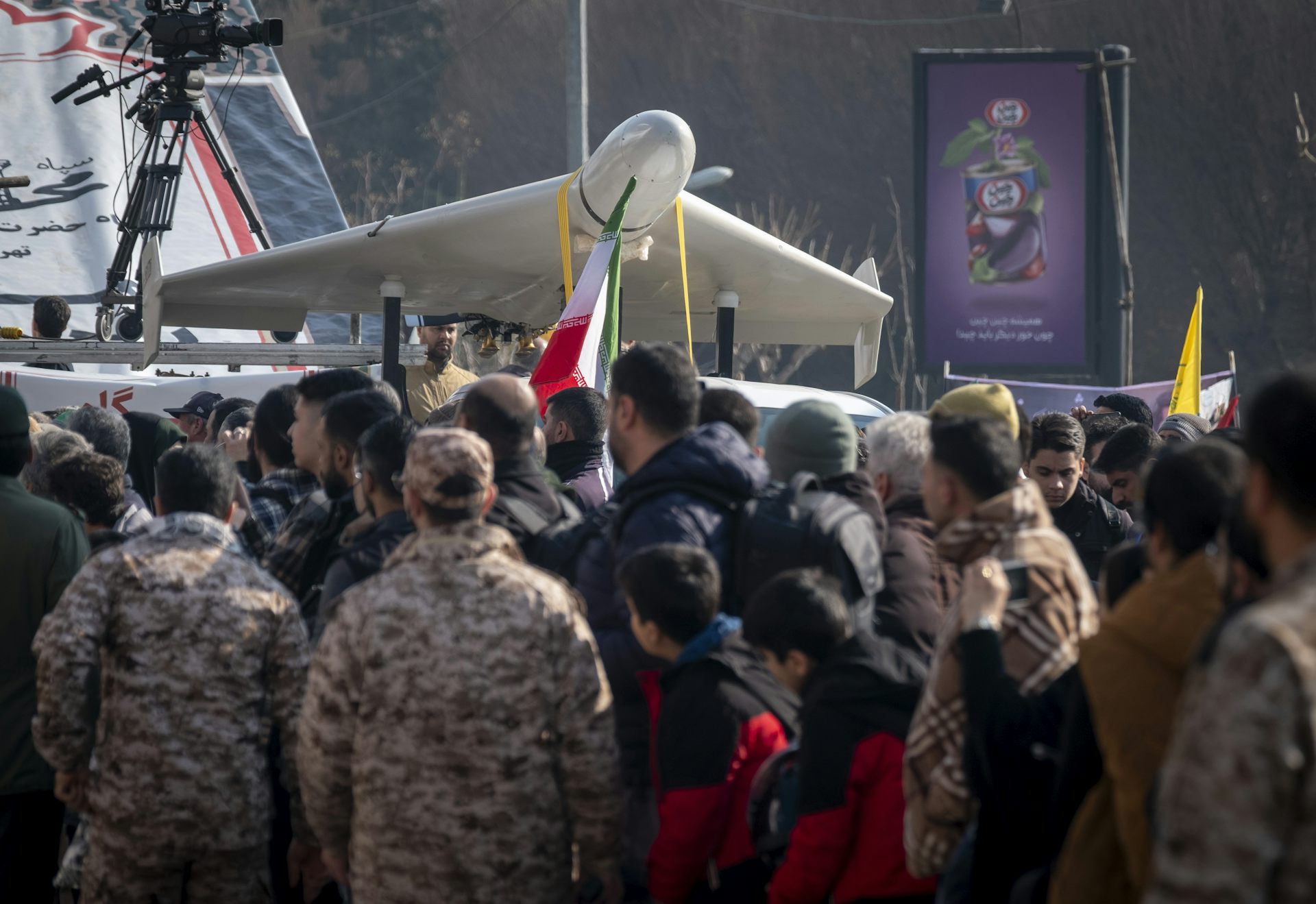
ईरान के सैन्य बल अत्याधुनिक ड्रोनों और हैकर्स को पुराने पारंपरिक हथियारों के साथ मिलाते हैं
Iran’s military forces combine state-of-the-art drones and hackers with out-of-date conventional weapons
Knowing what comes next in Operation Epic Fury is better understood by grasping the evolution of Iran’s military structure and capabilities.
ऑपरेशन एपिक फ्यूरी में आगे क्या होगा, यह जानना ईरान की सैन्य संरचना और क्षमताओं के विकास को समझकर बेहतर ढंग से समझा जा सकता है।
Six weeks of U.S. and Israeli bombardment have served to degrade Iran’s nuclear facilities and cripple parts of its military.
अमेरिकी और इज़राइली बमबारी के छह सप्ताहों ने ईरान की परमाणु सुविधाओं को क्षीण करने और उसकी सेना के हिस्सों को पंगु बनाने का काम किया है।
But the Islamic Republic’s offensive capabilities have been built up over nearly 50 years, during which Iran has been either at war or under the threat of conflict.
लेकिन इस्लामी गणराज्य की आक्रामक क्षमताएँ लगभग 50 वर्षों में विकसित हुई हैं, जिसके दौरान ईरान या तो युद्ध में रहा है या संघर्ष के खतरे में रहा है।
As an expert in military history and theory, I believe that to understand what may come next in Operation Epic Fury, it’s valuable to grasp the development of Iran’s modern military structure, capabilities and international activities.
सैन्य इतिहास और सिद्धांत के विशेषज्ञ के रूप में, मेरा मानना है कि ऑपरेशन एपिक फ्यूरी में आगे क्या आ सकता है, यह समझने के लिए ईरान की आधुनिक सैन्य संरचना, क्षमताओं और अंतर्राष्ट्रीय गतिविधियों के विकास को समझना महत्वपूर्ण है।
Iranian military technology
ईरानी सैन्य प्रौद्योगिकी
Prior to the establishment of the Islamic Republic of Iran in 1979, Iran’s military was largely supplied by Western powers, particularly the United States.
1979 में इस्लामिक रिपब्लिक ऑफ ईरान की स्थापना से पहले, ईरान की सेना काफी हद तक पश्चिमी शक्तियों, विशेष रूप से संयुक्त राज्य अमेरिका द्वारा आपूर्ति की जाती थी।
It entered the Iran-Iraq war in 1980 with a substantial amount of then-modern equipment. That included nearly 80 F-14 fighter aircraft, over 200 F-4 and F-5 aircraft and thousands of tanks.
यह 1980 में ईरान-इराक युद्ध में काफी मात्रा में उस समय के आधुनिक उपकरणों के साथ शामिल हुआ। इसमें लगभग 80 एफ-14 लड़ाकू विमान, 200 से अधिक एफ-4 और एफ-5 विमान और हजारों टैंक शामिल थे।
But Iran’s military was exhausted when the war ended in 1988. And the government had by then become a world pariah, making resupply all but impossible.
लेकिन जब 1988 में युद्ध समाप्त हुआ तो ईरान की सेना थक चुकी थी। और सरकार तब तक एक विश्व परित्यक्त (pariah) बन चुकी थी, जिससे पुन: आपूर्ति लगभग असंभव हो गई थी।
Although Iran imported some military equipment from the Soviet Union and China in 1990, its economy could not support substantial military spending.
हालांकि ईरान ने 1990 में सोवियत संघ और चीन से कुछ सैन्य उपकरण आयात किए, लेकिन उसकी अर्थव्यवस्था पर्याप्त सैन्य खर्च का समर्थन नहीं कर सकी।
Ironically, the arms embargoes that Iran faced during and after its war with Iraq made the regime self-reliant on its weapons stockpiles. And that triggered the development of a substantial domestic arms industry.
विडंबना यह है कि इराक के साथ अपने युद्ध के दौरान और बाद में ईरान को लगे हथियार प्रतिबंधों ने शासन को अपने हथियार भंडार पर आत्मनिर्भर बना दिया। और इसने एक महत्वपूर्ण घरेलू हथियार उद्योग के विकास को प्रेरित किया।
Most modern Iranian military equipment consists of reverse-engineered American and Soviet equipment, much of it obsolete. Since 1990, however, Iranian missile technology has substantially improved. That’s due to domestic production and importing expertise from other marginalized states, such as North Korea.
अधिकांश आधुनिक ईरानी सैन्य उपकरण अमेरिकी और सोवियत उपकरणों के रिवर्स-इंजीनियर्ड (reverse-engineered) होते हैं, जिनमें से अधिकांश पुराने हो चुके हैं। हालांकि, 1990 से, ईरानी मिसाइल प्रौद्योगिकी में काफी सुधार हुआ है। यह घरेलू उत्पादन और उत्तर कोरिया जैसे अन्य हाशिए पर पड़े राज्यों से विशेषज्ञता आयात करने के कारण है।
Starting in the 1990s, Iran also innovated a series of one-way attack drones, a relatively inexpensive way to attack distant targets.
1990 के दशक में शुरू होकर, ईरान ने एक तरह के वन-वे अटैक ड्रोन की एक श्रृंखला भी विकसित की, जो दूर के लक्ष्यों पर हमला करने का एक अपेक्षाकृत सस्ता तरीका है।
The modern Iranian military
आधुनिक ईरानी सेना
The Iranian military is split into the regular military, or “Artesh,” and the Islamic Revolutionary Guard Corps. The Artesh plays a domestic defense role akin to a militia, while the Revolutionary Guard serves as the more professional military force.
ईरानी सेना को नियमित सेना, या “अर्थेश” (Artesh) , और इस्लामिक रिवोल्यूशनरी गार्ड कॉर्प्स (Islamic Revolutionary Guard Corps) में विभाजित किया गया है। अर्थेश एक मिलिशिया के समान घरेलू रक्षा भूमिका निभाता है, जबकि रिवोल्यूशनरी गार्ड अधिक पेशेवर सैन्य बल के रूप में कार्य करता है।
The Revolutionary Guard projects regional power. During the 2003 U.S.-Iraq war, for instance, it provided improvised explosive devices to insurgents targeting American forces.
रिवोल्यूशनरी गार्ड क्षेत्रीय शक्ति का प्रदर्शन करता है। उदाहरण के लिए, 2003 के अमेरिकी-इराकी युद्ध के दौरान, इसने अमेरिकी बलों को निशाना बनाने वाले विद्रोही तत्वों को इम्प्रोवाइज्ड एक्सप्लोसिव डिवाइसेज (IEDs) प्रदान किए थे।
The Revolutionary Guard tends to receive the bulk of Iranian military resources, including the best personnel and equipment. Quds Force, the unconventional warfare wing of the Revolutionary Guard, has long played a role in exporting the revolutionary beliefs of the Iranian rulers. The Quds Force provides arms and guidance to proxies throughout the Middle East, primarily by fomenting insurrections against Arab Sunni governments.
रिवोल्यूशनरी गार्ड को ईरानी सैन्य संसाधनों का बड़ा हिस्सा प्राप्त होता है, जिसमें सर्वश्रेष्ठ कार्मिक और उपकरण शामिल हैं। क़ुद्स फ़ोर्स, जो रिवोल्यूशनरी गार्ड का अपरंपरागत युद्ध विंग है, लंबे समय से ईरानी शासकों के क्रांतिकारी विश्वासों को निर्यात करने में भूमिका निभा रहा है। क़ुद्स फ़ोर्स मध्य पूर्व भर में प्रॉक्सी को हथियार और मार्गदर्शन प्रदान करता है, मुख्य रूप से अरब सुन्नी सरकारों के खिलाफ विद्रोह भड़काकर।
Iran has long been the patron of Hezbollah, based in Lebanon, whose primary goal is the eradication of Israel. More recently, Iran has also engaged in substantial support of Hamas in Gaza, despite the fact that Hamas is a Sunni organization, while the rulers of Iran are members of the Shiite branch of Islam.
ईरान लंबे समय से लेबनान में स्थित हिज़्बुल्लाह का संरक्षक रहा है, जिसका प्राथमिक लक्ष्य इज़राइल का उन्मूलन है। हाल ही में, ईरान ने गाजा में हमास को भी पर्याप्त समर्थन दिया है, भले ही हमास एक सुन्नी संगठन है, जबकि ईरान के शासक इस्लाम की शिया शाखा के सदस्य हैं।
Iran has constantly sought means of exerting military influence beyond its borders, without risking external attack. It has embraced the use of cyber warfare, a method of attack with a relatively low cost for participation and a potentially outsized influence on the world stage.
ईरान ने लगातार बाहरी हमले का जोखिम उठाए बिना अपनी सीमाओं से परे सैन्य प्रभाव का प्रयोग करने के तरीके खोजे हैं। इसने साइबर युद्ध के उपयोग को अपनाया है, जो भागीदारी के लिए अपेक्षाकृत कम लागत और विश्व मंच पर संभावित रूप से बहुत अधिक प्रभाव वाला हमले का एक तरीका है।
Iranian hackers have attacked Western military and government networks, including a hack of FBI Director Kash Patel’s personal emails. Iranian-backed hackers have also launched attacks on infrastructure and cultural institutions, including U.S. wastewater treatment plants and electrical grids.
ईरानी हैकर्स ने पश्चिमी सैन्य और सरकारी नेटवर्कों पर हमला किया है, जिसमें एफबीआई निदेशक काश पटेल के व्यक्तिगत ईमेलों को हैक करना भी शामिल है। ईरानी समर्थित हैकर्स ने अमेरिकी अपशिष्ट जल उपचार संयंत्रों और विद्युत ग्रिडों सहित बुनियादी ढांचे और सांस्कृतिक संस्थानों पर भी हमले किए हैं।
Iran’s pursuit of atomic weaponry
परमाणु हथियार प्राप्त करने की ईरान की खोज
Iran’s government has relentlessly pursued nuclear weapons since at least the 1980s.
ईरान की सरकार कम से कम 1980 के दशक से परमाणु हथियार प्राप्त करने के लिए लगातार प्रयासरत है।
The Iranian government has always maintained that its nuclear program is to provide power for the developing nation, rather than weaponry. But definitive evidence of uranium enrichment far beyond the requirements of power generation have caused Western states to demand an end to the Iranian nuclear program.
ईरानी सरकार ने हमेशा बनाए रखा है कि इसका परमाणु कार्यक्रम हथियार प्रदान करना नहीं, बल्कि विकासशील राष्ट्र के लिए बिजली प्रदान करना है। लेकिन यूरेनियम संवर्धन का ऐसा निश्चित प्रमाण जो बिजली उत्पादन की आवश्यकताओं से कहीं अधिक है, ने पश्चिमी देशों को ईरानी परमाणु कार्यक्रम को समाप्त करने की मांग करने पर मजबूर किया है।
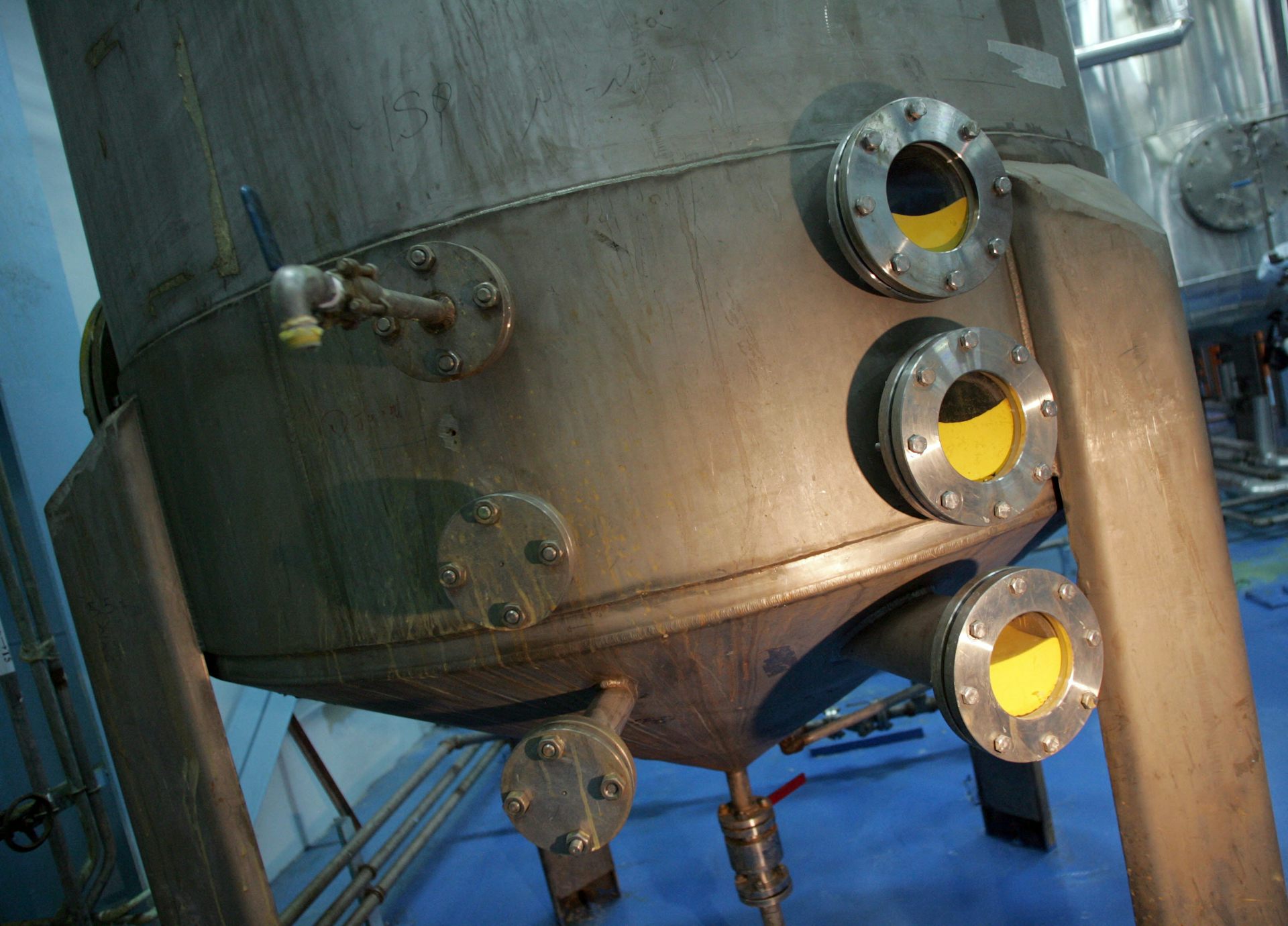
In 2010, cybersecurity researcher Sergey Ulasen discovered an incredibly complex malware program, dubbed Stuxnet, that was created to undermine the Iranian nuclear program by disrupting the function of enrichment centrifuges. No nation has ever taken responsibility for the attack, which set back Iranian uranium enrichment efforts by years.
2010 में, साइबर सुरक्षा शोधकर्ता सर्गेई उलासेन ने एक अविश्वसनीय रूप से जटिल मैलवेयर प्रोग्राम खोजा, जिसे स्टक्सनेट (Stuxnet) नाम दिया गया था, जिसे संवर्धन सेंट्रीफ्यूज के कार्य को बाधित करके ईरानी परमाणु कार्यक्रम को कमजोर करने के लिए बनाया गया था। किसी भी देश ने इस हमले की जिम्मेदारी नहीं ली है, जिससे ईरानी यूरेनियम संवर्धन प्रयासों को वर्षों का झटका लगा।
In 2015, after negotiations with the five permanent members of the U.N. Security Council and Germany, Iran agreed to halt its uranium enrichment program in exchange for relief from economic sanctions and the release of frozen Iranian assets. The negotiations resulted in the Joint Comprehensive Plan of Action, or JCPOA.
2015 में, संयुक्त राष्ट्र सुरक्षा परिषद के पांच स्थायी सदस्यों और जर्मनी के साथ बातचीत के बाद, ईरान ने आर्थिक प्रतिबंधों से राहत और जमे हुए ईरानी परिसंपत्तियों की वापसी के बदले अपने यूरेनियम संवर्धन कार्यक्रम को रोकने पर सहमति व्यक्त की। इन वार्ताओं के परिणामस्वरूप संयुक्त व्यापक कार्य योजना (Joint Comprehensive Plan of Action) , या जेसीपीओए (JCPOA) बनी।
Although the Trump administration withdrew the U.S. from the JCPOA in 2018, the agreement continued to function, and Iran seemed poised to reenter the global economy.
हालांकि ट्रम्प प्रशासन ने 2018 में अमेरिका को जेसीपीओए से वापस ले लिया, फिर भी यह समझौता कार्य करता रहा, और ईरान वैश्विक अर्थव्यवस्था में फिर से प्रवेश करने के लिए तैयार लग रहा था।
However, in 2020 the Iranians restarted their nuclear program. They also ramped up production of ballistic missiles and one-way attack drones.
हालांकि, 2020 में ईरानियों ने अपने परमाणु कार्यक्रम को फिर से शुरू कर दिया। उन्होंने बैलिस्टिक मिसाइलों और वन-वे अटैक ड्रोनों के उत्पादन को भी बढ़ा दिया।
In June 2025, the United States and Israel launched a massive aerial attack on Iranian nuclear facilities, an effort that Trump characterized as having destroyed Iran’s nuclear facilities.
जून 2025 में, संयुक्त राज्य अमेरिका और इज़राइल ने ईरानी परमाणु सुविधाओं पर एक बड़ा हवाई हमला किया, एक ऐसा प्रयास जिसे ट्रम्प ने ईरान की परमाणु सुविधाओं को नष्ट करने वाला बताया।
Iran responded by launching a wave of ballistic missiles and drones toward Israel, most of which were intercepted before entering Israeli airspace.
ईरान ने इज़राइल की ओर बैलिस्टिक मिसाइलों और ड्रोनों की एक लहर लॉन्च करके जवाब दिया, जिनमें से अधिकांश इज़राइली हवाई क्षेत्र में प्रवेश करने से पहले ही रोक दिए गए।
The missile and interceptor war
मिसाइल और इंटरसेप्टर युद्ध
Prior to Operation Epic Fury, analysts estimated that Iran possessed 3,000 ballistic missiles and tens of thousands of one-way attack drones. They also concluded that Iran had a substantial production capacity to increase its stockpiles.
ऑपरेशन एपिक फ्यूरी से पहले, विश्लेषकों ने अनुमान लगाया था कि ईरान के पास 3,000 बैलिस्टिक मिसाइलें और हजारों एकतरफा हमला करने वाले ड्रोन थे। उन्होंने यह भी निष्कर्ष निकाला कि ईरान के पास अपने भंडार बढ़ाने के लिए पर्याप्त उत्पादन क्षमता है।
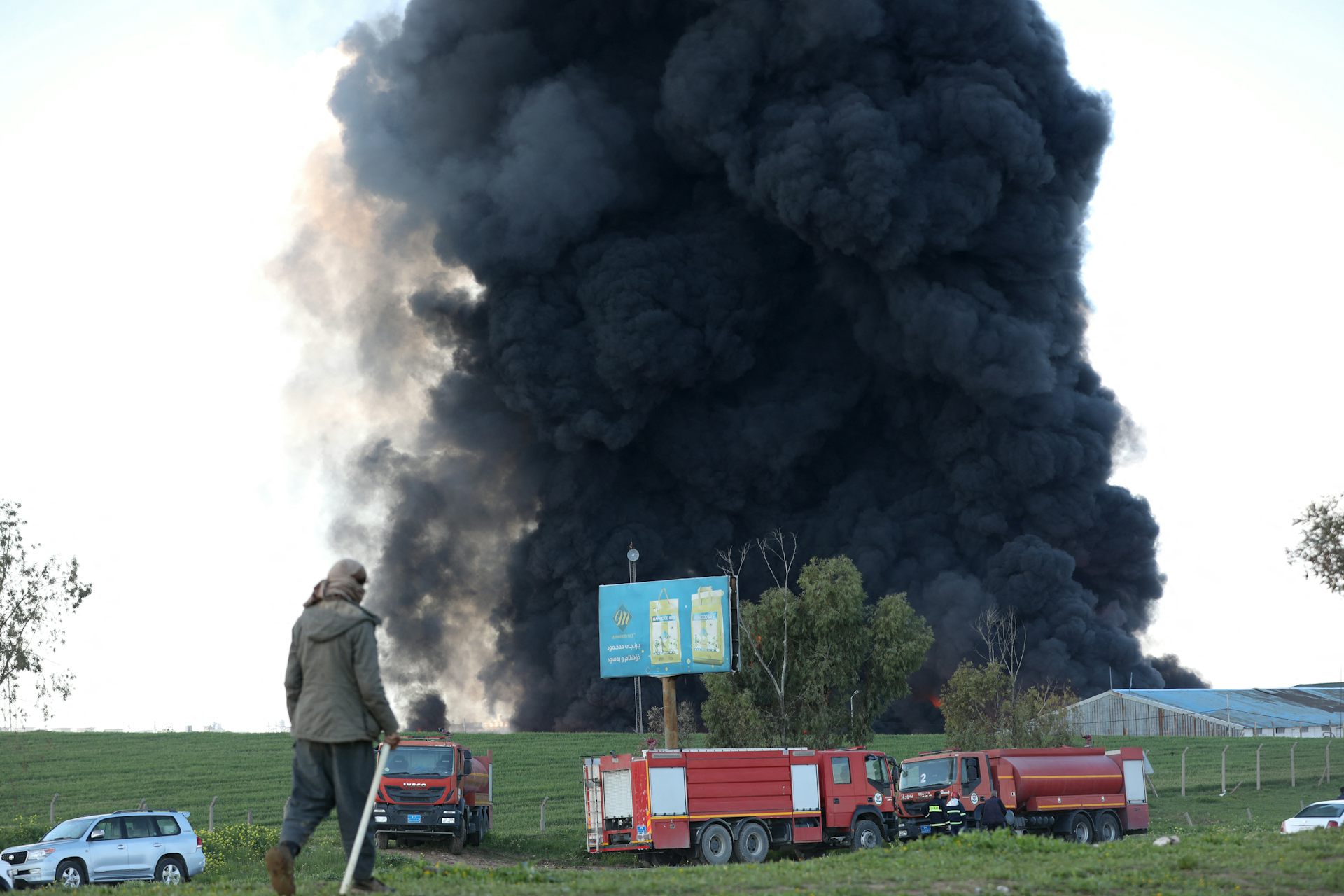
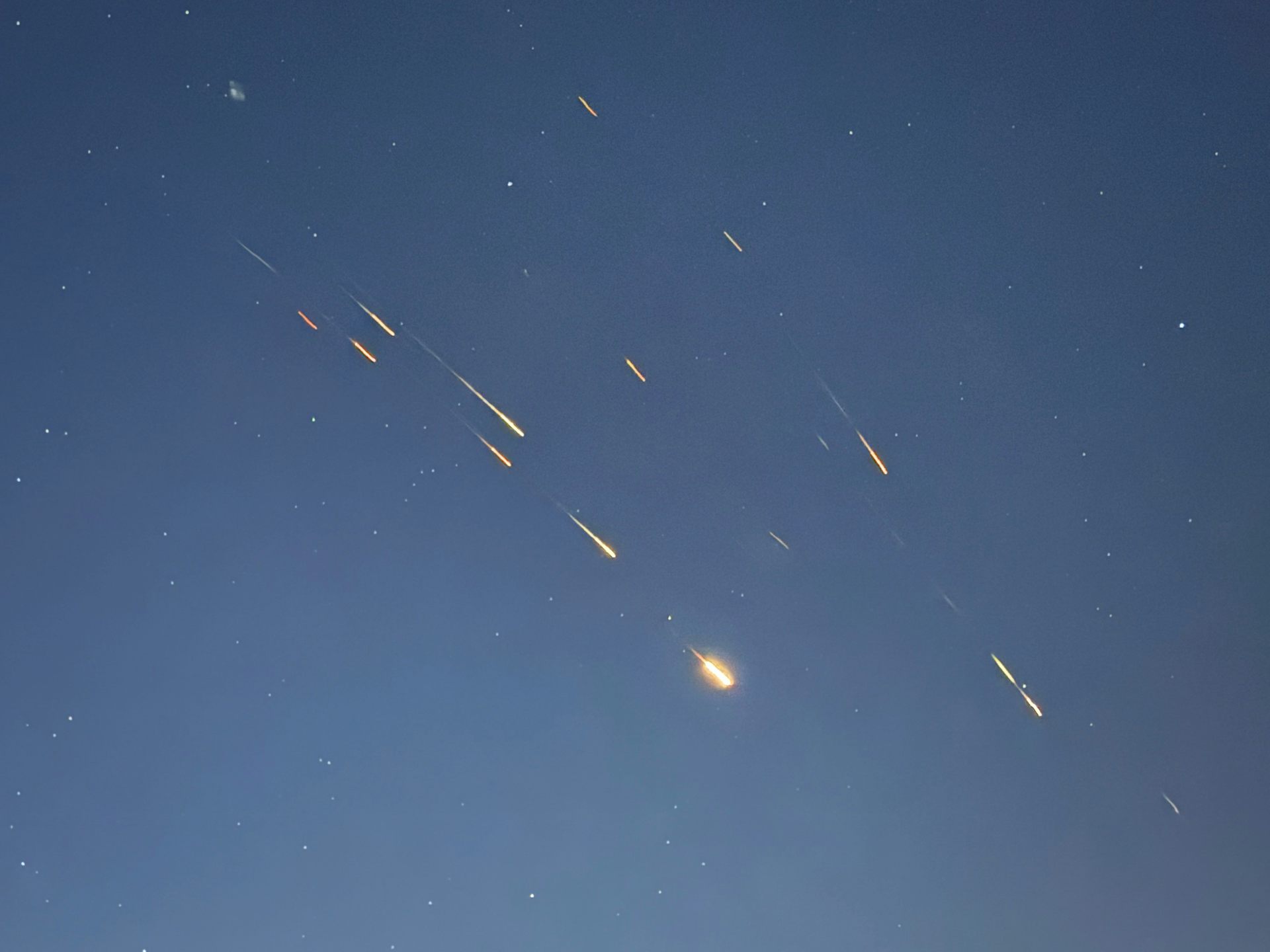
In the first six weeks of the current conflict, Iran expended at least 650 missiles in attacks on Israel and hundreds more against other targets in the region.
वर्तमान संघर्ष के पहले छह हफ्तों में, ईरान ने इज़राइल पर हमलों में कम से कम 650 मिसाइलें और क्षेत्र में अन्य लक्ष्यों के खिलाफ सैकड़ों और मिसाइलें खर्च कीं।
The U.S. has placed a heavy emphasis on attacking missile production and storage facilities. But it’s difficult to ascertain how many missiles and drones the Iranian military might still possess.
अमेरिका ने मिसाइल उत्पादन और भंडारण सुविधाओं पर हमला करने पर बहुत जोर दिया है। लेकिन यह निर्धारित करना मुश्किल है कि ईरानी सेना के पास अभी भी कितनी मिसाइलें और ड्रोन हो सकते हैं।
Iranian production and transportation has almost certainly sustained substantial losses in capacity. And U.S. and Israeli aircraft prowl the skies over Iran seeking signs of mobile launchers or attempts to transport missiles to firing locations.
ईरानी उत्पादन और परिवहन ने लगभग निश्चित रूप से क्षमता में भारी नुकसान झेला है। और अमेरिकी और इजरायली विमान ईरान के ऊपर आसमान में घूम रहे हैं, जो मोबाइल लॉन्चर के संकेतों या मिसाइलों को फायरिंग स्थानों तक ले जाने के प्रयासों की तलाश कर रहे हैं।
The rate of Iranian missile fire has substantially declined since the first days of the conflict, but it has never dropped to zero. That has led some analysts to suspect that Iran maintains a significant cache of long-range weaponry in reserve, while U.S. Secretary of Defense Pete Hegseth argues that it has lost the capacity to launch major barrages.
संघर्ष के पहले दिनों से ईरानी मिसाइल दागने की दर में काफी गिरावट आई है, लेकिन यह कभी शून्य नहीं हुई है। इससे कुछ विश्लेषकों को संदेह होने लगा है कि ईरान ने रिजर्व में लंबी दूरी के हथियारों का एक महत्वपूर्ण भंडार बनाए रखा है, जबकि अमेरिकी रक्षा सचिव पीट हेगसेट तर्क देते हैं कि उसने बड़े बैराज दागने की क्षमता खो दी है।
Paul J. Springer is a Senior Fellow of the Foreign Policy Research Institute. His comments represent his own opinion and do not reflect the official policy of the United States Government, the U.S. Department of Defense, or the U.S. Air Force.
पॉल जे. स्प्रिंगर फॉरेन पॉलिसी रिसर्च इंस्टीट्यूट के सीनियर फेलो हैं। उनकी टिप्पणियाँ उनकी अपनी राय का प्रतिनिधित्व करती हैं और संयुक्त राज्य अमेरिका सरकार, अमेरिकी रक्षा विभाग, या अमेरिकी वायु सेना की आधिकारिक नीति को नहीं दर्शाती हैं।
Read more
-

चींटी के झुंड में, रानी प्रभारी नहीं होती। तो कौन होती है?
In an ant colony, the queen isn’t in charge. So who is?
-
क्या युद्धविराम के बावजूद इज़राइल लेबनान पर हमला करना जारी रखे हुए है? विशेषज्ञ प्रश्नोत्तर
Why is Israel continuing to attack Lebanon, despite the ceasefire? Expert Q&A