El acuerdo de alto el fuego entre EE. UU. e Irán de Trump es un costoso regreso a las condiciones previas a la guerra, y resolver las cuestiones nucleares se encontrará con el ‘problema de indivisibilidad’.
Trump’s US-Iran ceasefire deal is a costly return to prewar conditions – and resolving nuclear questions will run into the ‘indivisibility problem’
Iran has emerged with its uranium enrichment knowledge intact, its stockpile buried and fresh reason to believe that only a nuclear weapon would have deterred the US-Israel attack.
Irán ha emergido con su conocimiento de enriquecimiento de uranio intacto, sus reservas enterradas y una razón fresca para creer que solo un arma nuclear habría disuadido el ataque estadounidense-israelí.
Shehbaz Sharif, the prime minister of Pakistan, which served as the key negotiator between the U.S. and Iran, announced on June 14, 2026, that the two sides had agreed on a deal to end the war. It will be officially signed on June 19 in Switzerland.
Shehbaz Sharif, primer ministro de Pakistán y negociador clave entre EE. UU. e Irán, anunció el 14 de junio de 2026 que las dos partes habían acordado un acuerdo para poner fin a la guerra. Será firmado oficialmente el 19 de junio en Suiza.
President Donald Trump announced it on Truth Social as a triumph, claiming that the Strait of Hormuz is open for everyone, the U.S. blockade has been lifted, and the oil is flowing again. What Trump did not mention was Iran’s nuclear program and what happens to its enriched uranium stockpile, one of the main reasons cited for starting the war.
El presidente Donald Trump lo anunció en Truth Social como un triunfo, afirmando que el Estrecho de Ormuz está abierto para todos, que se ha levantado el bloqueo estadounidense y que el petróleo vuelve a fluir. Lo que Trump no mencionó fue el programa nuclear de Irán ni qué pasará con su reserva de uranio enriquecido, una de las principales razones citadas para iniciar la guerra.
The nuclear issue – along with core issues such as ballistic missiles and Iran’s proxies – has been deferred for 60 days.
La cuestión nuclear —junto con problemas fundamentales como los misiles balísticos y los aliados de Irán— ha sido diferida por 60 días.
This raises two important questions: What was the war actually for? And what did the U.S. achieve?
Esto plantea dos preguntas importantes: ¿Para qué fue realmente la guerra? ¿Y qué logró EE. UU.?
As an international and nuclear security expert, I believe the answer is nothing – and in the process the U.S. lost credibility as a negotiating partner.
Como experto en seguridad internacional y nuclear, creo que la respuesta es nada, y en el proceso EE. UU. perdió credibilidad como socio negociador.
Why the nuclear question is the hardest
Por qué la cuestión nuclear es la más difícil
The “rationalist theory of war,” as developed by political scientist James Fearon in 1995, identifies three problems that drive states to war when they would prefer to reach a deal: incomplete information about each other’s resolve; the inability to credibly promise a deal or commitment; and what international relations scholars call the indivisibility problem – when the thing in dispute cannot be split or shared, because it leaves no middle ground to settle on.
La “teoría racionalista de la guerra”, desarrollada por el científico político James Fearon en 1995, identifica tres problemas que impulsan a los estados hacia la guerra cuando preferirían llegar a un acuerdo: información incompleta sobre la determinación de cada parte; la incapacidad de prometer o comprometerse con un acuerdo de manera creíble; y lo que los académicos de las relaciones internacionales llaman el problema de la indivisibilidad, es decir, cuando el objeto en disputa no puede dividirse ni compartirse, porque no deja margen para llegar a un punto medio.
The war clarified the first reason. Each side saw what the other would actually do – how much force the U.S. was willing to use and what Iran could absorb while still staying in the fight.
La guerra aclaró la primera razón. Cada parte vio lo que la otra haría realmente: cuánta fuerza estaba dispuesta a usar EE. UU. y cuánto podía absorber Irán mientras seguía luchando.
What the war could not solve was the nuclear commitment problem. And this goes far back between the U.S. and Iran.
Lo que la guerra no pudo resolver fue el problema del compromiso nuclear. Y esto se remonta mucho tiempo entre EE. UU. e Irán.
Iran adhered to the 2015 Joint Comprehensive Plan of Action, the landmark nuclear deal that restricted Tehran’s nuclear program. The International Atomic Energy Agency verified that Tehran kept uranium enrichment to 3.67% and its stockpile under 300 kilograms – a concentration used to fuel a power reactor but far too low for a weapons program.
Irán se adhirió al Plan Integral de Acción Conjunto (JCPOA) de 2015, el acuerdo nuclear histórico que restringía el programa nuclear de Teherán. El Organismo Internacional de Energía Atómica verificó que Teherán mantuvo el enriquecimiento de uranio en un 3,67% y sus reservas por debajo de los 300 kilogramos: una concentración utilizada para alimentar un reactor de energía, pero demasiado baja para un programa de armas.
But the U.S. walked away in 2018, and Trump later called it “the worst deal ever” over its sunset clauses and on its silence on Iran’s ballistic missiles.
Pero EE. UU. se retiró en 2018, y Trump más tarde lo llamó “el peor acuerdo de la historia” debido a sus cláusulas de caducidad y su silencio sobre los misiles balísticos de Irán.
Iran returned to negotiations in 2025, and the U.S. and Israel bombed Iran while those talks were still taking place. Similarly, in February 2026 the negotiations were ongoing and a deal was within reach when Israel and the U.S. struck Iran – killing Supreme Leader Ali Khamenei and lead negotiator Ali Larijani.
Irán regresó a las negociaciones en 2025, y EE. UU. e Israel bombardearon a Irán mientras esas conversaciones aún tenían lugar. De manera similar, en febrero de 2026, las negociaciones estaban en curso y un acuerdo estaba al alcance cuando Israel y EE. UU. atacaron a Irán, matando al Líder Supremo Ali Khamenei y al principal negociador Ali Larijani.
The U.S. has demonstrated a record of reneging on its deals and breaking the negotiating process. Which is why Iran now insists on guarantees and demands sanctions relief before signing a deal, and not just good faith.
EE. UU. ha demostrado un historial de incumplimiento de sus acuerdos y ruptura del proceso de negociación. Por eso Irán ahora insiste en garantías y exige la eliminación de sanciones antes de firmar un acuerdo, y no solo buena fe.
A state that previously kept its commitments and was still bombed has little reason to accept promises of relief in the future. For this reason, I believe the 60-day deferral is a window for Tehran to watch whether the U.S. and Israel will hold the ceasefire on all fronts, including Lebanon.
Un estado que previamente cumplió con sus compromisos y aun así fue bombardeado tiene poco motivo para aceptar promesas de alivio en el futuro. Por esta razón, creo que la postergación de 60 días es una ventana para que Teherán observe si EE. UU. e Israel mantendrán el alto el fuego en todos los frentes, incluido Líbano.
The third problem of indivisibility – when the thing or issue in dispute can’t be split or shared – is why the nuclear question is the hardest.
El tercer problema de indivisibilidad —cuando el objeto o cuestión en disputa no puede dividirse ni compartirse— es por lo que la cuestión nuclear es la más difícil.
Most disputes can be split. Sanctions, for example, can be lifted by degrees. Even a nuclear program can be split, which the world saw in the Joint Comprehensive Plan of Action deal, with centrifuges counted, enrichment capped and a stockpile metered.
La mayoría de las disputas pueden dividirse. Las sanciones, por ejemplo, pueden levantarse gradualmente. Incluso un programa nuclear puede dividirse, como vio el mundo con el acuerdo del Plan Integral de Acción Conjunto, con centrifugadoras contadas, enriquecimiento limitado y reservas medidas.
What cannot be split is the U.S. demand for zero uranium enrichment and Tehran calling uranium enrichment a sovereign right.
Lo que no se puede dividir es la exigencia de EE. UU. de cero enriquecimiento de uranio y Teherán al llamar al enriquecimiento de uranio un derecho soberano.
A deal, a war and a ceasefire
Un acuerdo, una guerra y un alto el fuego
The 2015 nuclear deal also limited Iran’s centrifuges – the machines that do the enriching – and placed Iran’s nuclear program under the most intrusive inspections, all in exchange for sanctions relief.
El acuerdo nuclear de 2015 también limitó los centrifugadores de Irán –las máquinas que realizan el enriquecimiento– y sometió el programa nuclear iraní a las inspecciones más intrusivas, todo a cambio de un alivio de sanciones.
The nuclear question was not part of the 2015 deal – it was the actual deal.
La cuestión nuclear no formó parte del acuerdo de 2015 – fue el verdadero acuerdo.
During the June 2025 negotiations with Iran, and again in February 2026, the U.S. position was about the nuclear program, but in the opposite direction from the Joint Comprehensive Plan of Action. It was not about limits but the total elimination of Iran’s nuclear program.
Durante las negociaciones de junio de 2025 con Irán, y nuevamente en febrero de 2026, la postura de EE. UU. se centró en el programa nuclear, pero en dirección opuesta al Plan Integral de Acción Conjunto. No se trataba de límites, sino de la eliminación total del programa nuclear de Irán.
In both rounds of talks in 2025 and 2026, Washington’s envoy, Steve Witkoff, demanded zero enrichment and the dismantling of Natanz, Fordow and Isfahan – Iran’s three most important nuclear sites. Iran called enrichment a sovereign right and refused.
En ambas rondas de conversaciones en 2025 y 2026, el enviado de Washington, Steve Witkoff, exigió cero enriquecimiento y el desmantelamiento de Natanz, Fordow e Isfahán, los tres sitios nucleares más importantes de Irán. Irán calificó el enriquecimiento como un derecho soberano y se negó.
Both rounds of negotiations ended in bombings.
Ambas rondas de negociaciones terminaron en bombardeos.
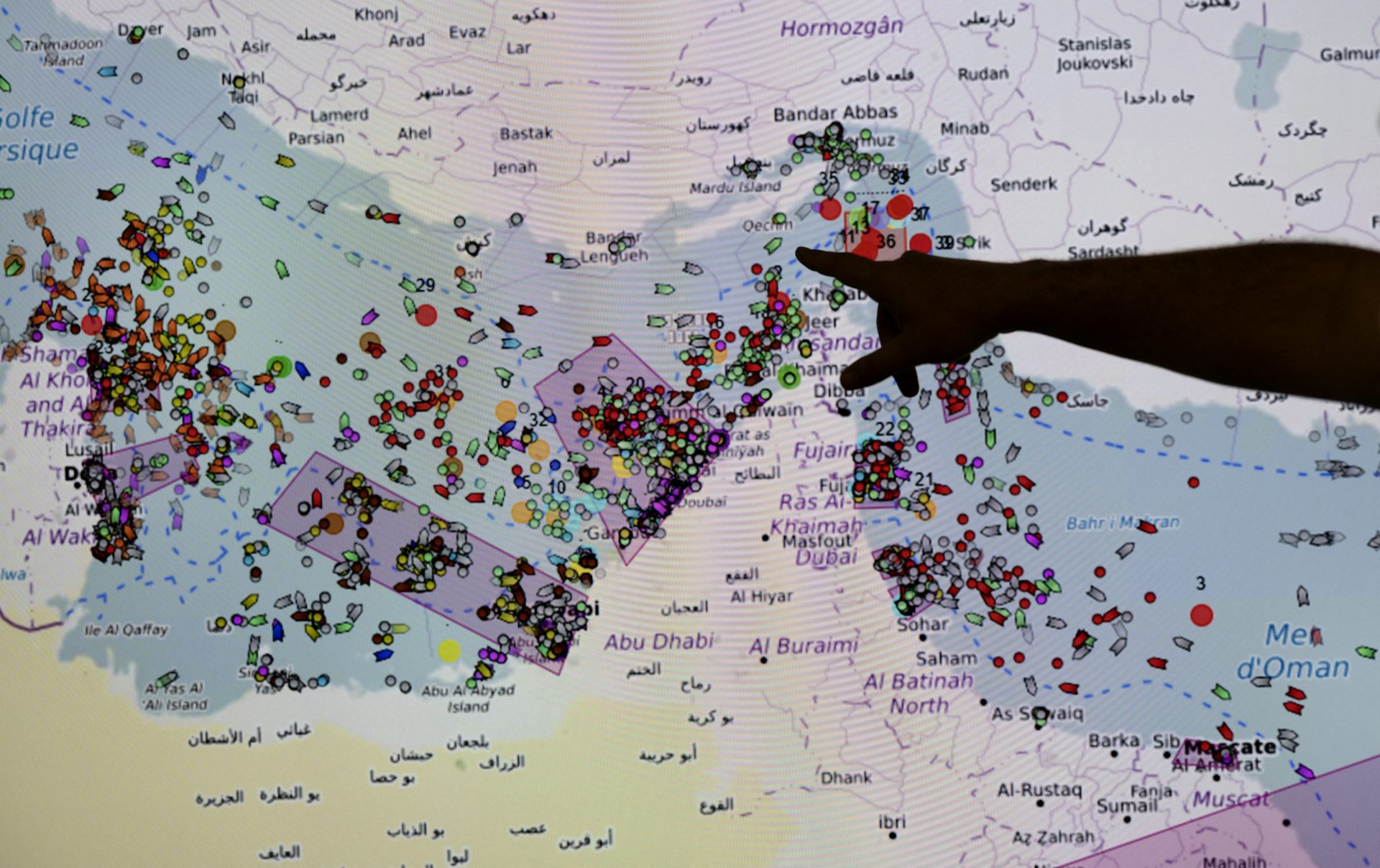
The current deal to be signed on June 19 does not put a cap on Iran’s enrichment, nor does it discuss the elimination of its nuclear program. It ends the fighting, reopens the Strait of Hormuz and consigns enrichment, the stockpile, missiles and Iran’s regional proxies to 60-day negotiations.
El acuerdo actual que se firmará el 19 de junio no pone un límite al enriquecimiento de Irán, ni discute la eliminación de su programa nuclear. Detiene los combates, reabre el Estrecho de Ormuz y somete el enriquecimiento, las reservas, los misiles y los proxies regionales de Irán a negociaciones de 60 días.
In a recent New York Times interview, Trump said he was in no rush to remove the near-bomb-grade fuel still buried under the bombed sites. He claimed Iran would suspend enrichment for 15 or 20 years and enrich only for nonmilitary purposes.
En una reciente entrevista del New York Times, Trump dijo que no tenía prisa por retirar el combustible de grado casi explosivo aún enterrado bajo los sitios bombardeados. Afirmó que Irán suspendería el enriquecimiento durante 15 o 20 años y solo lo haría para fines no militares.
In the Joint Comprehensive Plan of Action deal under President Barack Obama, the nuclear question was addressed where 97% of Iran’s stockpile was shipped out of the country and the cap was a verified fact.
En el acuerdo del Plan de Acción Integral Conjunto bajo el presidente Barack Obama, la cuestión nuclear fue abordada, donde el 97% del inventario de Irán fue enviado fuera del país y el límite fue un hecho verificado.
Because it doesn’t address any of these issues, the Trump deal is a ceasefire agreement, not a nuclear agreement.
Porque no aborda ninguno de estos problemas, el acuerdo Trump es un acuerdo de alto el fuego, no un acuerdo nuclear.
A costly return to the status quo
Un costoso regreso al statu quo
Going back to the bargaining theory, we know the war settled the information problem – it revealed what each side would endure.
Volviendo a la teoría de la negociación, sabemos que la guerra resolvió el problema de la información: reveló lo que cada lado estaba dispuesto a soportar.
The commitment problem remains. Neither side can yet make a promise the other believes, least of all an Iran whose negotiators were killed.
El problema del compromiso persiste. Ningún bando puede hacer aún una promesa que el otro crea, y mucho menos un Irán cuyos negociadores fueron asesinados.
And I believe the indivisibility problem is now worse. The question of zero enrichment versus a sovereign right cannot be split. The current 60-day deferral is not a resolution. It is the same unsolved problem with a clock attached.
Y creo que el problema de la indivisibilidad es ahora peor. La cuestión del enriquecimiento cero frente a un derecho soberano no se puede dividir. El aplazamiento actual de 60 días no es una resolución. Es el mismo problema sin resolver con un reloj adjunto.
The one thing that could change is American restraint. If Washington holds Israel from striking Iran and Lebanon, it can slowly rebuild its credibility that was destroyed by the two wars. And that is a real challenge for the Trump administration.
Lo único que podría cambiar es la contención estadounidense. Si Washington evita que Israel ataque Irán y Líbano, puede reconstruir lentamente su credibilidad, destruida por las dos guerras. Y ese es un verdadero desafío para la administración Trump.
Even as the deal was being finalized, Israel struck Beirut, the kind of action that can derail any talks.
Incluso mientras se estaba finalizando el acuerdo, Israel atacó Beirut, el tipo de acción que puede descarrilar cualquier negociación.
In my view, the 60-day window should be read not as the path to a settlement but as the interval or pause before the next one fails.
En mi opinión, la ventana de 60 días debe leerse no como el camino hacia un acuerdo, sino como el intervalo o la pausa antes de que falle el siguiente.
I argued in April that this conflict would not end in a clean settlement but in a series of contested pauses. The deal to be signed on June 19 is the first of them.
Argumenté en abril que este conflicto no terminaría con un acuerdo limpio, sino con una serie de pausas disputadas. El acuerdo que se firmará el 19 de junio es el primero.
Iran emerges with its enrichment knowledge intact, its stockpile buried and fresh reason to believe that only a nuclear weapon would have deterred the U.S.-Israel attack.
Irán emerge con su conocimiento de enriquecimiento intacto, sus reservas enterradas y una razón fresca para creer que solo un arma nuclear habría disuadido el ataque estadounidense-israelí.
But Iran also knows that it stood its ground and was able to strike U.S. bases and allies in the region. It has discovered leverage it did not previously know it held. The Strait of Hormuz has proved a better deterrent than the nuclear bomb.
Pero Irán también sabe que se mantuvo firme y pudo atacar bases estadounidenses y aliados en la región. Ha descubierto una palanca de poder que no sabía que tenía antes. El Estrecho de Ormuz ha demostrado ser un disuasivo mejor que la bomba nuclear.
The strait is open, the oil is flowing, and the question the war was fought over sits exactly where it began. Thousands of lives were lost to arrive back to square one. Nobody has won, though both sides will say they did.
El estrecho está abierto, el petróleo fluye y la cuestión por la que se libró la guerra sigue exactamente donde comenzó. Se perdieron miles de vidas para volver al punto de partida. Nadie ha ganado, aunque ambos bandos dirán que sí.
Farah N. Jan does not work for, consult, own shares in or receive funding from any company or organization that would benefit from this article, and has disclosed no relevant affiliations beyond their academic appointment.
Farah N. Jan no trabaja para, asesora, posee acciones de ni recibe financiación de ninguna empresa u organización que se beneficiaría de este artículo, y no ha revelado afiliaciones relevantes más allá de su nombramiento académico.
Read more
-
Por qué el ‘milagro’ inflacionario de Javier Milei en Argentina es más un espejismo
Why Javier Milei’s inflation ‘miracle’ in Argentina is more of a mirage
-
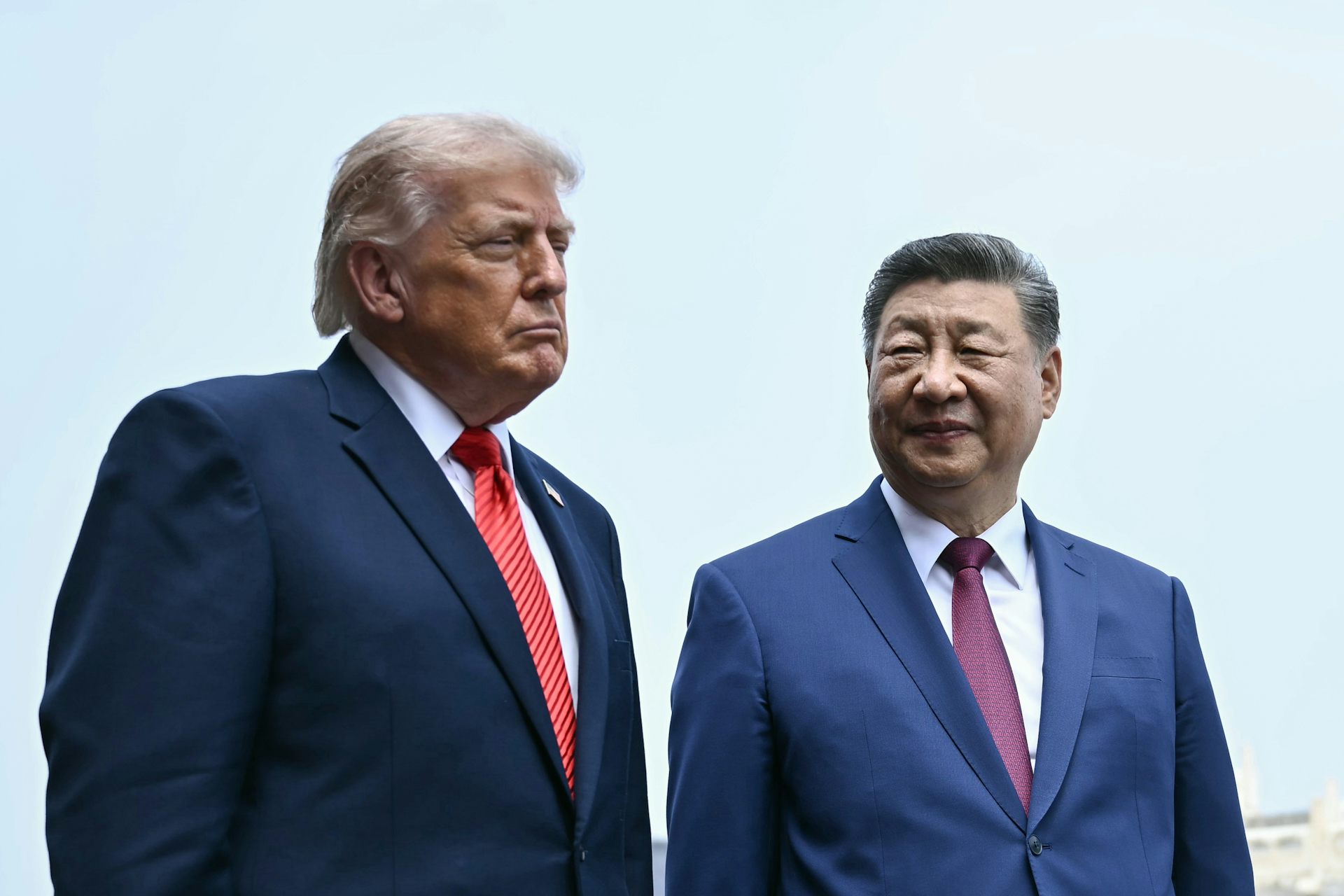
Después de una cumbre opaca, China y EE. UU. quieren volver a trabajar juntos. Eso podría no ser buenas noticias para el mundo.
After an opaque summit, China and the US want to work together again. That might not be good news for the world