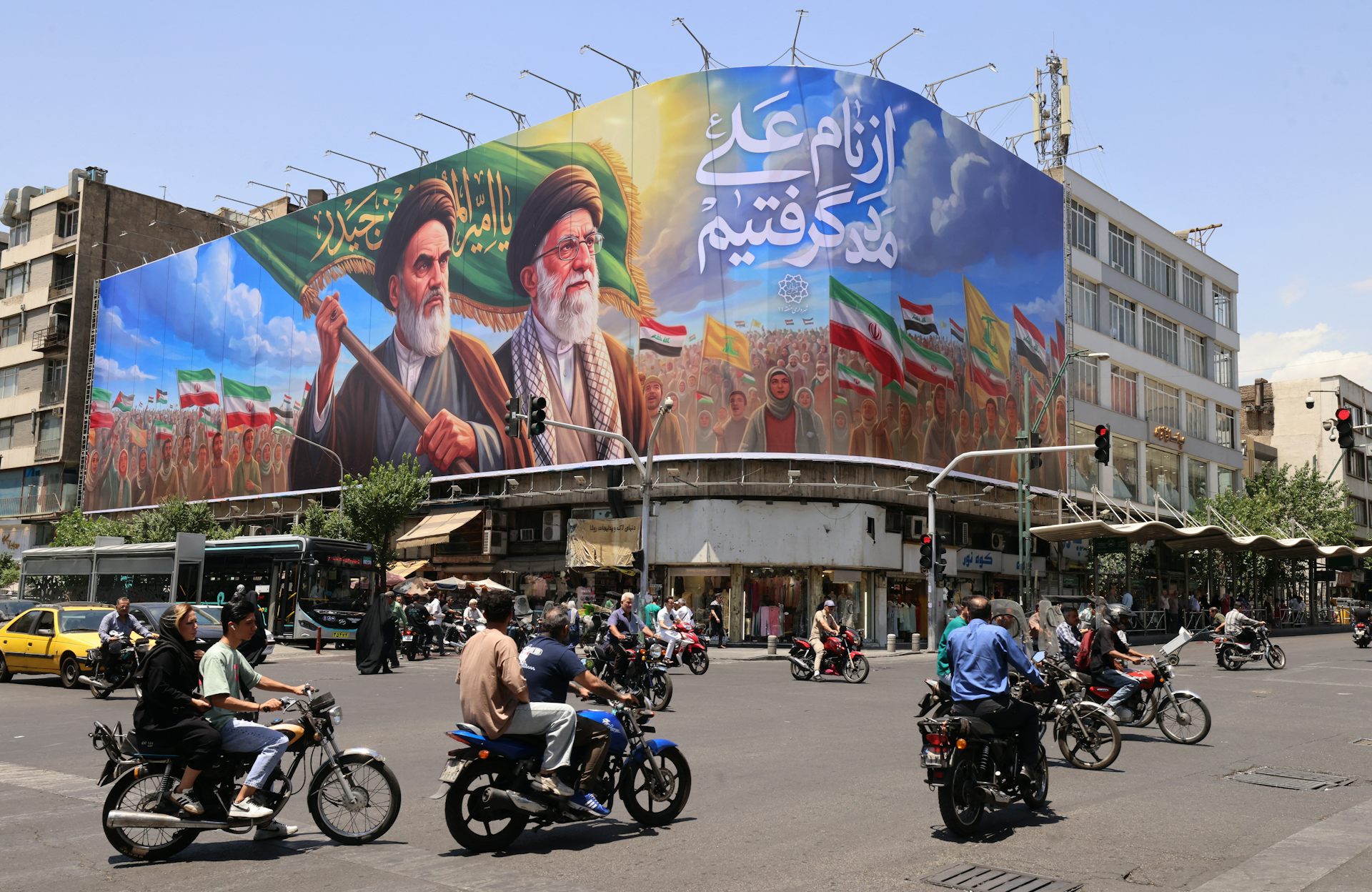
اتفاق ترامب لوقف إطلاق النار بين الولايات المتحدة وإيران هو عودة مكلفة إلى ظروف ما قبل الحرب – وحل الأسئلة النووية سيصطدم بـ “مشكلة عدم القابلية للتجزئة”.
Trump’s US-Iran ceasefire deal is a costly return to prewar conditions – and resolving nuclear questions will run into the ‘indivisibility problem’
Iran has emerged with its uranium enrichment knowledge intact, its stockpile buried and fresh reason to believe that only a nuclear weapon would have deterred the US-Israel attack.
برزت إيران بمعرفتها بتخصيب اليورانيوم سليمة، ومخزونها مدفون، وسبب جديد للاعتقاد بأن سلاحاً نووياً فقط هو ما كان سيثني الهجوم الأمريكي الإسرائيلي.
Shehbaz Sharif, the prime minister of Pakistan, which served as the key negotiator between the U.S. and Iran, announced on June 14, 2026, that the two sides had agreed on a deal to end the war. It will be officially signed on June 19 in Switzerland.
أعلن شهباز شريف، رئيس وزراء باكستان، الذي عمل كمفاوض رئيسي بين الولايات المتحدة وإيران، في 14 يونيو/حزيران 2026، أن الجانبين قد اتفقا على صفقة لإنهاء الحرب. وسيتم التوقيع عليها رسميًا في 19 يونيو/حزيران في سويسرا.
President Donald Trump announced it on Truth Social as a triumph, claiming that the Strait of Hormuz is open for everyone, the U.S. blockade has been lifted, and the oil is flowing again. What Trump did not mention was Iran’s nuclear program and what happens to its enriched uranium stockpile, one of the main reasons cited for starting the war.
أعلن الرئيس دونالد ترامب ذلك على “تروث سوشيال” باعتباره انتصاراً، مدعياً أن مضيق هرمز مفتوح للجميع، وأن الحصار الأمريكي قد رُفع، وأن النفط يتدفق من جديد. ما لم يذكره ترامب هو البرنامج النووي الإيراني وما سيحدث لمخزونه من اليورانيوم المخصب، وهو أحد الأسباب الرئيسية التي ذُكرت لبدء الحرب.
The nuclear issue – along with core issues such as ballistic missiles and Iran’s proxies – has been deferred for 60 days.
تم تأجيل الملف النووي – إلى جانب القضايا الأساسية مثل الصواريخ الباليستية ووكلاء إيران – لمدة 60 يومًا.
This raises two important questions: What was the war actually for? And what did the U.S. achieve?
يثير هذا سؤالين مهمين: ما هو الهدف الحقيقي للحرب؟ وماذا حققت الولايات المتحدة؟
As an international and nuclear security expert, I believe the answer is nothing – and in the process the U.S. lost credibility as a negotiating partner.
بصفتي خبيراً في الأمن الدولي والأمن النووي، أعتقد أن الإجابة هي لا شيء، وفي هذه العملية فقدت الولايات المتحدة مصداقيتها كشريك تفاوضي.
Why the nuclear question is the hardest
لماذا تعتبر القضية النووية الأصعب
The “rationalist theory of war,” as developed by political scientist James Fearon in 1995, identifies three problems that drive states to war when they would prefer to reach a deal: incomplete information about each other’s resolve; the inability to credibly promise a deal or commitment; and what international relations scholars call the indivisibility problem – when the thing in dispute cannot be split or shared, because it leaves no middle ground to settle on.
تحدد “النظرية العقلانية للحرب”، التي طورها عالم السياسة جيمس فيرون عام 1995، ثلاث مشكلات تدفع الدول إلى الحرب عندما تفضل التوصل إلى اتفاق: عدم اكتمال المعلومات حول عزيمة بعضها البعض؛ وعدم القدرة على الوعد باتفاق أو التزام بشكل موثوق؛ وما يسميه باحثو العلاقات الدولية بمشكلة عدم القابلية للتجزئة – عندما لا يمكن تقسيم الشيء المتنازع عليه أو تقاسمه، لأنه لا يترك أي أرضية وسطى للاتفاق عليها.
The war clarified the first reason. Each side saw what the other would actually do – how much force the U.S. was willing to use and what Iran could absorb while still staying in the fight.
لقد وضحت الحرب السبب الأول. فقد رأى كل طرف ما سيفعله الطرف الآخر بالفعل – ومقدار القوة التي كانت مستعدة الولايات المتحدة لاستخدامها وما يمكن لإيران استيعابه مع البقاء في المعركة.
What the war could not solve was the nuclear commitment problem. And this goes far back between the U.S. and Iran.
ما لم تستطع الحرب حله هو مشكلة الالتزام النووي. وهذا يعود إلى فترة طويلة بين الولايات المتحدة وإيران.
Iran adhered to the 2015 Joint Comprehensive Plan of Action, the landmark nuclear deal that restricted Tehran’s nuclear program. The International Atomic Energy Agency verified that Tehran kept uranium enrichment to 3.67% and its stockpile under 300 kilograms – a concentration used to fuel a power reactor but far too low for a weapons program.
التزمت إيران بخطة العمل الشاملة المشتركة لعام 2015، وهي الاتفاق النووي التاريخي الذي قيد البرنامج النووي في طهران. وقامت الوكالة الدولية للطاقة الذرية بالتحقق من أن طهران حافظت على تخصيب اليورانيوم عند 3.67% وأن مخزونها أقل من 300 كيلوغرام – وهي تركيز يُستخدم لتشغيل مفاعل الطاقة ولكنه أقل بكثير من المطلوب لبرنامج الأسلحة.
But the U.S. walked away in 2018, and Trump later called it “the worst deal ever” over its sunset clauses and on its silence on Iran’s ballistic missiles.
لكن الولايات المتحدة انسحبت في عام 2018، ووصف ترامب لاحقاً الأمر بأنه “أسوأ صفقة على الإطلاق” بسبب بنود انتهاء صلاحيتها وصمتها بشأن الصواريخ الباليستية الإيرانية.
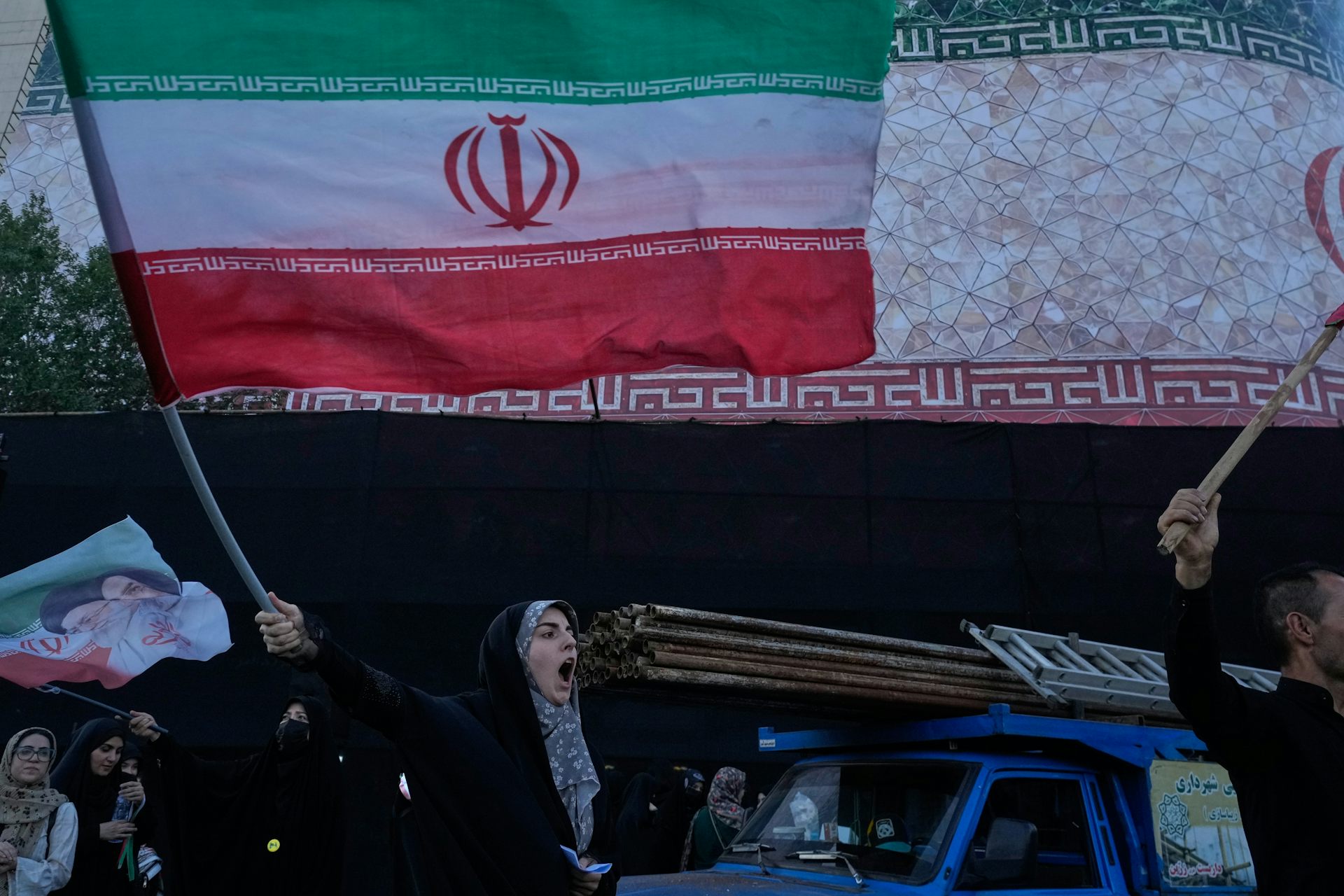
Iran returned to negotiations in 2025, and the U.S. and Israel bombed Iran while those talks were still taking place. Similarly, in February 2026 the negotiations were ongoing and a deal was within reach when Israel and the U.S. struck Iran – killing Supreme Leader Ali Khamenei and lead negotiator Ali Larijani.
عادت إيران إلى المفاوضات في عام 2025، وقامت الولايات المتحدة وإسرائيل بقصف إيران بينما كانت تلك المحادثات لا تزال جارية. وبالمثل، ففي فبراير 2026، كانت المفاوضات مستمرة وكان الاتفاق في متناول اليد عندما ضربت إسرائيل والولايات المتحدة إيران – مما أدى إلى مقتل المرشد الأعلى علي خامنئي والمفاوض الرئيسي علي لاريجاني.
The U.S. has demonstrated a record of reneging on its deals and breaking the negotiating process. Which is why Iran now insists on guarantees and demands sanctions relief before signing a deal, and not just good faith.
أظهرت الولايات المتحدة سجلاً من التراجع عن اتفاقاتها وخرق عملية التفاوض. ولهذا السبب، تصر إيران الآن على الضمانات وتطالب بتخفيف العقوبات قبل توقيع أي اتفاق، وليس مجرد حسن النية.
A state that previously kept its commitments and was still bombed has little reason to accept promises of relief in the future. For this reason, I believe the 60-day deferral is a window for Tehran to watch whether the U.S. and Israel will hold the ceasefire on all fronts, including Lebanon.
إن الدولة التي حافظت سابقاً على تعهداتها وما زالت تتعرض للقصف ليس لديها سبب يذكر لقبول وعود التخفيف في المستقبل. ولهذا السبب، أعتقد أن تأجيل الستين يوماً هو نافذة لطهران لمراقبة ما إذا كانت الولايات المتحدة وإسرائيل ستحافظان على وقف إطلاق النار على جميع الجبهات، بما في ذلك لبنان.
The third problem of indivisibility – when the thing or issue in dispute can’t be split or shared – is why the nuclear question is the hardest.
مشكلة عدم القابلية للتجزئة الثالثة – عندما لا يمكن تقسيم الشيء أو القضية المتنازع عليها أو تقاسمها – هي السبب في أن القضية النووية هي الأصعب.
Most disputes can be split. Sanctions, for example, can be lifted by degrees. Even a nuclear program can be split, which the world saw in the Joint Comprehensive Plan of Action deal, with centrifuges counted, enrichment capped and a stockpile metered.
يمكن تقسيم معظم النزاعات. فالعقوبات، على سبيل المثال، يمكن رفعها تدريجياً. وحتى البرنامج النووي يمكن تقسيمه، وهو ما رأي العالم فيه في اتفاق خطة العمل الشاملة المشتركة، حيث تم احتساب أجهزة الطرد المركزي وتحديد سقف للتخصيب وقياس المخزون.
What cannot be split is the U.S. demand for zero uranium enrichment and Tehran calling uranium enrichment a sovereign right.
ما لا يمكن تقسيمه هو مطالبة الولايات المتحدة بتخصيب اليورانيوم الصفري ووصف طهران لتخصيب اليورانيوم بأنه حق سيادي.
A deal, a war and a ceasefire
صفقة، وحرب، ووقف إطلاق نار
The 2015 nuclear deal also limited Iran’s centrifuges – the machines that do the enriching – and placed Iran’s nuclear program under the most intrusive inspections, all in exchange for sanctions relief.
كما حدّ الاتفاق النووي لعام 2015 أيضاً من أجهزة الطرد المركزي الإيرانية – وهي الآلات التي تقوم بعملية الإثراء – ووضع البرنامج النووي الإيراني تحت أكثر عمليات التفتيش تدخلاً، وكل ذلك مقابل تخفيف العقوبات.
The nuclear question was not part of the 2015 deal – it was the actual deal.
لم يكن الملف النووي جزءاً من اتفاق عام ألفين وخمسة عشر- بل كان الاتفاق بحد ذاته.
During the June 2025 negotiations with Iran, and again in February 2026, the U.S. position was about the nuclear program, but in the opposite direction from the Joint Comprehensive Plan of Action. It was not about limits but the total elimination of Iran’s nuclear program.
خلال مفاوضات يونيو ٢٠٢٥ مع إيران، ومرة أخرى في فبراير ٢٠٢٦، كان موقف الولايات المتحدة يتعلق بالبرنامج النووي، ولكنه اتجه في مسار معاكس لخطة العمل الشاملة المشتركة. لم يكن الأمر متعلقًا بوضع حدود له، بل بالإلغاء التام للبرنامج النووي الإيراني.
In both rounds of talks in 2025 and 2026, Washington’s envoy, Steve Witkoff, demanded zero enrichment and the dismantling of Natanz, Fordow and Isfahan – Iran’s three most important nuclear sites. Iran called enrichment a sovereign right and refused.
في جولتي المحادثات عامي ٢٠٢٥ و ٢٠٢٦، طالب مبعوث واشنطن، ستيف ويتكوف، بالتخلي عن التخصيب وتفكيك نطنز وفوردو وإصفهان – أهم ثلاثة مواقع نووية لإيران. وقد وصفت إيران التخصيب بحق سيادي ورفضت ذلك.
Both rounds of negotiations ended in bombings.
انتهت كلتا جولتي المفاوضات بتفجيرات.
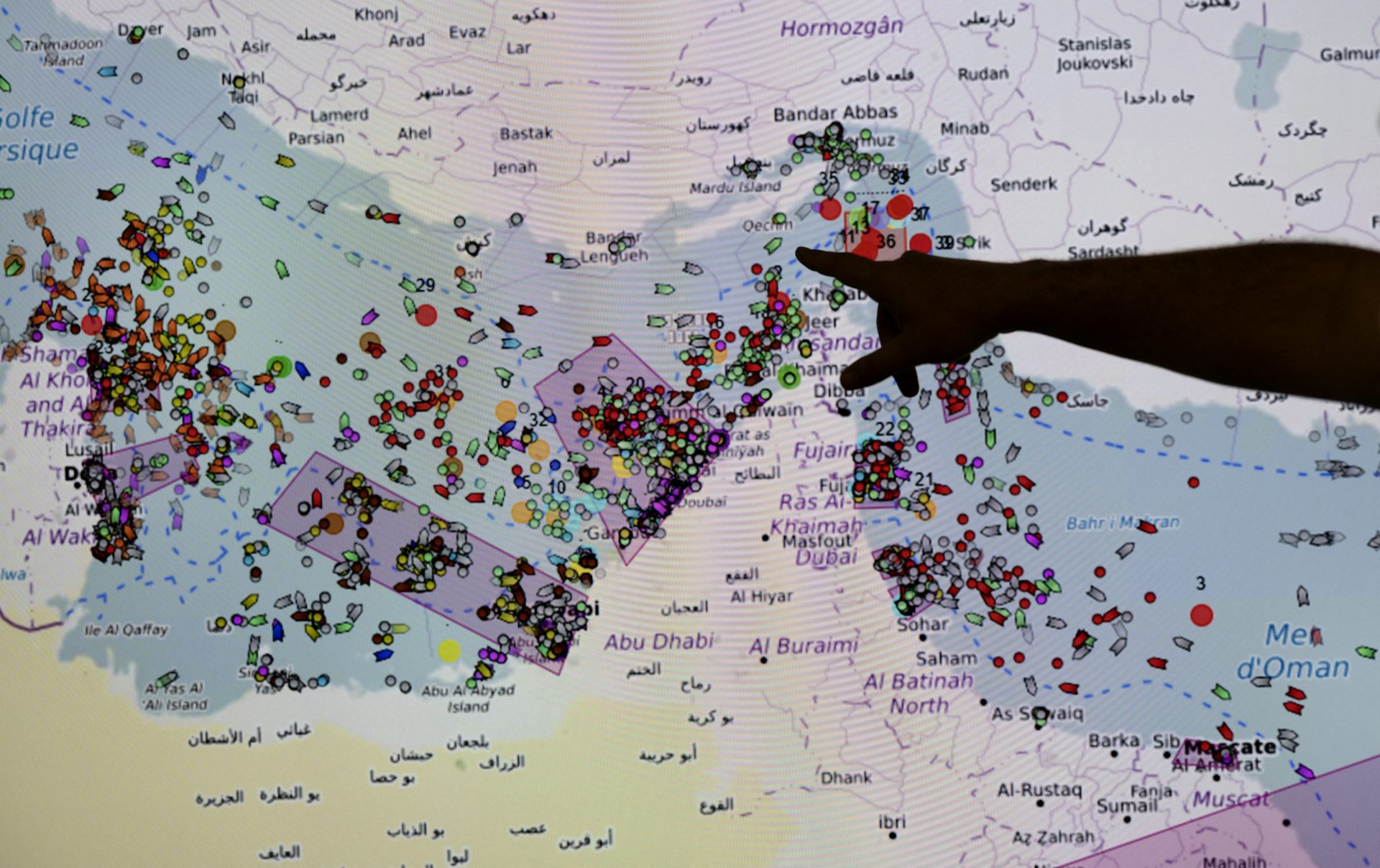
The current deal to be signed on June 19 does not put a cap on Iran’s enrichment, nor does it discuss the elimination of its nuclear program. It ends the fighting, reopens the Strait of Hormuz and consigns enrichment, the stockpile, missiles and Iran’s regional proxies to 60-day negotiations.
إن الاتفاق الحالي المقرر توقيعه في التاسع عشر من يونيو لا يفرض قيوداً على تخصيب إيران، ولا يناقش إلغاء برنامجها النووي. إنه ينهي القتال، ويعيد فتح مضيق هرمز، ويحيل التخصيب والمخزون والصواريخ والوكلاء الإقليميين لإيران إلى مفاوضات مدتها 60 يوماً.
In a recent New York Times interview, Trump said he was in no rush to remove the near-bomb-grade fuel still buried under the bombed sites. He claimed Iran would suspend enrichment for 15 or 20 years and enrich only for nonmilitary purposes.
في مقابلة حديثة مع صحيفة نيويورك تايمز، قال ترامب إنه ليس مستعجلاً لإزالة الوقود شبه المتفجر الذي لا يزال مدفوناً تحت المواقع التي تعرضت للقصف. وادّعى أن إيران ستوقف تخصيبها لمدة 15 أو 20 عاماً ولن تقتصر عملية التخصيب إلا على الأغراض غير العسكرية.
In the Joint Comprehensive Plan of Action deal under President Barack Obama, the nuclear question was addressed where 97% of Iran’s stockpile was shipped out of the country and the cap was a verified fact.
في صفقة خطة العمل الشاملة المشتركة للاتفاق، التي تمت في عهد الرئيس باراك أوباما، تم تناول القضية النووية حيث غادر ٩٧٪ من مخزون إيران البلاد، وكان هذا التحديد حقيقة مؤكدة.
Because it doesn’t address any of these issues, the Trump deal is a ceasefire agreement, not a nuclear agreement.
لأنه لا يتناول أيًا من هذه القضايا، فإن صفقة ترامب هي اتفاق وقف إطلاق نار، وليست اتفاقاً نووياً.
A costly return to the status quo
عودة مكلفة إلى الوضع الراهن
Going back to the bargaining theory, we know the war settled the information problem – it revealed what each side would endure.
بالرجوع إلى نظرية المساومة، نعلم أن الحرب حسمت مشكلة المعلومات – فقد كشفت ما الذي يمكن لكل طرف تحمّله.
The commitment problem remains. Neither side can yet make a promise the other believes, least of all an Iran whose negotiators were killed.
أما مشكلة الالتزام فلا تزال قائمة. لا يستطيع أي من الطرفين بعد تقديم وعد يصدقه الآخر، وخاصةً إيران التي قُتل مفاوطوها.
And I believe the indivisibility problem is now worse. The question of zero enrichment versus a sovereign right cannot be split. The current 60-day deferral is not a resolution. It is the same unsolved problem with a clock attached.
وأعتقد أن مشكلة عدم القابلية للتجزئة أصبحت الآن أسوأ. فمسألة تخصيب الصفري مقابل الحق السيادي لا يمكن تقسيمها. إن التأجيل الحالي لمدة 60 يومًا ليس حلاً. إنه نفس المشكلة غير المحلولة ومرفق بها ساعة عد تنازلي.
The one thing that could change is American restraint. If Washington holds Israel from striking Iran and Lebanon, it can slowly rebuild its credibility that was destroyed by the two wars. And that is a real challenge for the Trump administration.
الشيء الوحيد الذي يمكن أن يتغير هو ضبط النفس الأمريكي. إذا منعت واشنطن إسرائيل من ضرب إيران ولبنان، فيمكنها إعادة بناء مصداقيتها ببطء التي دمرتها الحربان. وهذا يمثل تحديًا حقيقيًا لإدارة ترامب.
Even as the deal was being finalized, Israel struck Beirut, the kind of action that can derail any talks.
حتى أثناء وضع اللمسات الأخيرة على الاتفاق، ضربت إسرائيل بيروت، وهو نوع من الإجراء يمكن أن يعرقل أي محادثات.
In my view, the 60-day window should be read not as the path to a settlement but as the interval or pause before the next one fails.
في رأيي، يجب قراءة فترة الستين يومًا ليس كطريق إلى التسوية بل كفترة أو وقفة قبل فشل المحاولة التالية.
I argued in April that this conflict would not end in a clean settlement but in a series of contested pauses. The deal to be signed on June 19 is the first of them.
لقد جادلت في أبريل بأن هذا الصراع لن ينتهي بتسوية نظيفة بل بسلسلة من الوقفات المتنازع عليها. والاتفاق الذي سيوقع في 19 يونيو هو الأول منها.
Iran emerges with its enrichment knowledge intact, its stockpile buried and fresh reason to believe that only a nuclear weapon would have deterred the U.S.-Israel attack.
تخرج إيران بمعرفتها بالتخصيب سليمة، ومخزونها مدفون، وسبب جديد وجديد للاعتقاد بأن السلاح النووي فقط هو ما كان سيردّ الهجوم الأمريكي-الإسرائيلي.
But Iran also knows that it stood its ground and was able to strike U.S. bases and allies in the region. It has discovered leverage it did not previously know it held. The Strait of Hormuz has proved a better deterrent than the nuclear bomb.
لكن إيران تعلم أيضًا أنها صمدت وتمكنت من ضرب قواعد وحلفاء الولايات المتحدة في المنطقة. لقد اكتشفت نفوذًا لم تكن تعرف أنه تمتلكه سابقاً. وقد أثبت مضيق هرمز أنه رادع أفضل من القنبلة النووية.
The strait is open, the oil is flowing, and the question the war was fought over sits exactly where it began. Thousands of lives were lost to arrive back to square one. Nobody has won, though both sides will say they did.
المضيق مفتوح، والنفط يتدفق، والسؤال الذي دارت حوله الحرب يجلس تماماً حيث بدأ. فُقدت آلاف الأرواح للعودة إلى نقطة الصفر. لم يفز أحد، على الرغم من أن كلا الطرفين سيقولان إنهما فازا.
Farah N. Jan does not work for, consult, own shares in or receive funding from any company or organization that would benefit from this article, and has disclosed no relevant affiliations beyond their academic appointment.
فرح ن. جن لا تعمل لدى أو تستشير أو تمتلك أسهمًا في أي شركة أو منظمة ولا تتلقى منها تمويلاً يمكن أن يستفيد من هذا المقال، ولم تكشف عن أي انتماءات ذات صلة بخلاف تعيينها الأكاديمي.
Read more
-
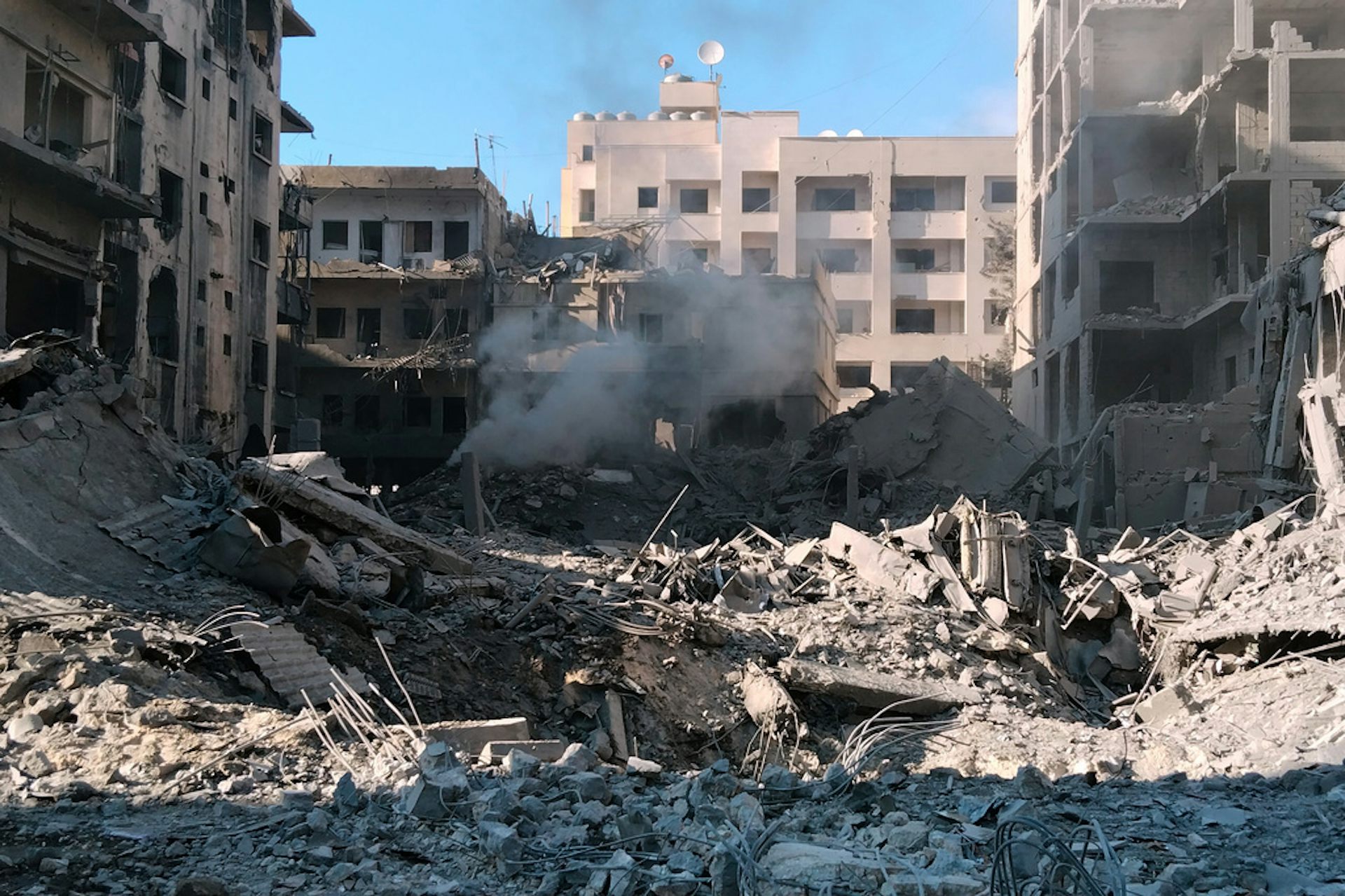
في ظل حرب إيران، تخاطر حملة إسرائيل المتجددة في لبنان بتكرار الدروس – والاحتلالات – الفاشلة للماضي.
In Iran war’s shadow, Israel’s renewed Lebanon campaign risks repeating failed lessons – and occupations – of the past
-

بعد 40 عاماً من الكارثة، لماذا عادت الثعالب والدببة والبيسون مجدداً حول تشيرنوبل؟
40 years on from the disaster, why there are foxes, bears and bison again around Chernobyl