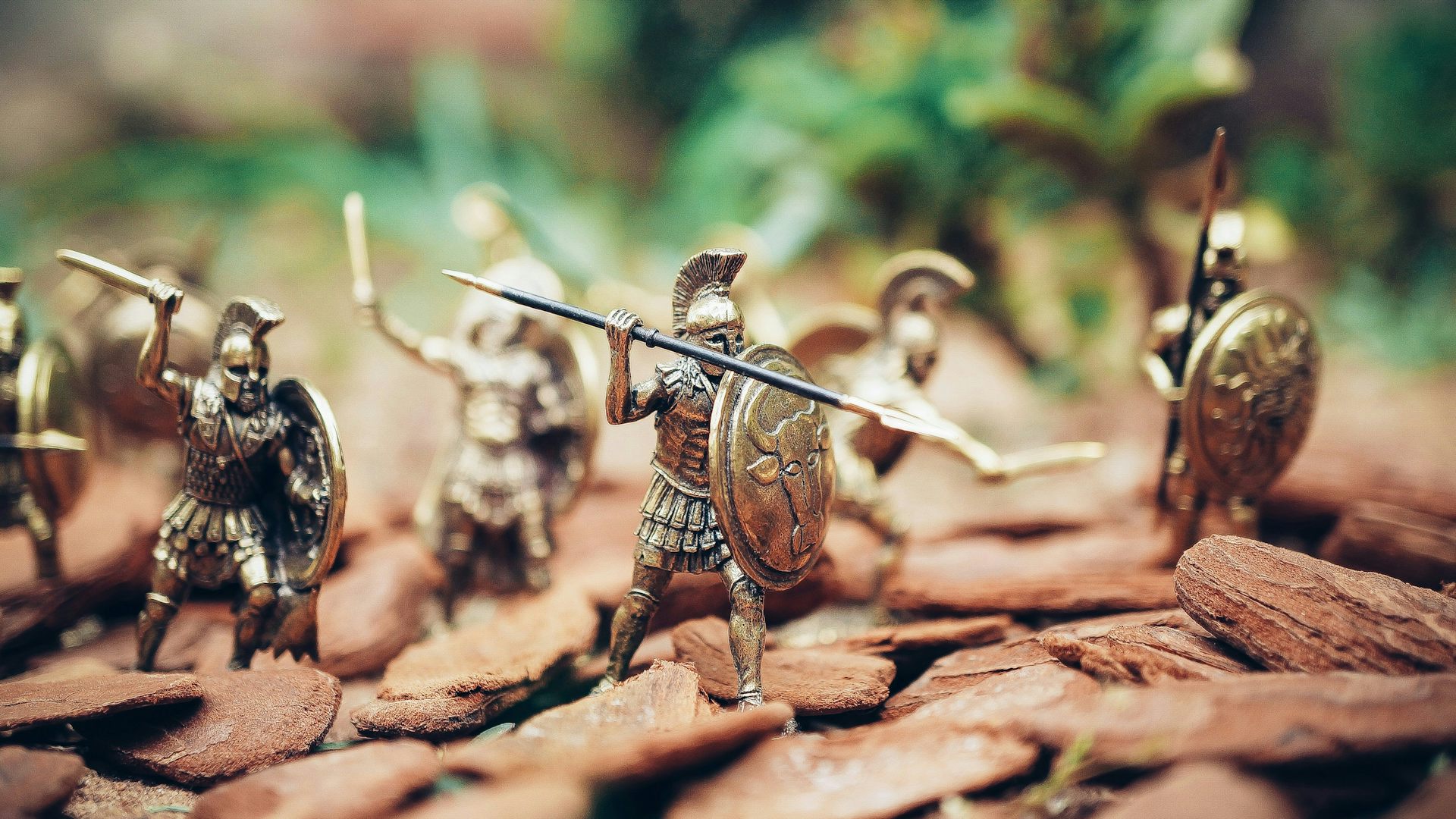
وحدة قتالية نخبوية من العشاق المثليين – الفرقة المقدسة الأثيبية في اليونان القديمة
An elite fighting unit of gay lovers – the Theban Sacred Band in ancient Greece
The Theban Sacred Band – made up of ‘lovers and their loves’ came to be known for their strength, discipline, and ferocity.
اشتهرت الفرقة المقدسة الأثيبية – المكونة من “العشاق وعشاقهم” – بقوتها وانضباطها وضراوتها.
In 1880, in the village of Chaironeia in central Greece, Greek archaeologists made a remarkable find: a largely undisturbed mass grave of 254 ancient soldiers, some of whom are buried arm in arm.
في عام 1880، في قرية خايرونييا بوسط اليونان، اكتشف علماء الآثار اليونانيون شيئًا لافتًا: مقبرة جماعية كبيرة لم يمسسها أحد تقريباً تضم 254 جندياً قديماً، بعضهم مدفونين بأذرع متلاصقة.
The men in this grave were clearly a special group, and it has generally been assumed that they were the dead of the Theban Sacred Band (hieros lochos) – an elite fighting unit made up of 150 pairs of male lovers, fighting side by side.
كان الرجال في هذه المقبرة مجموعة خاصة بوضوح، وافترض عموماً أنهم كانوا من ضباط الفرقة المقدسة في طيبة (hieros lochos) – وهي وحدة قتالية نخبوية تتألف من 150 زوجاً من العشاق الذكور، يقاتلون جنباً إلى جنب.
The Sacred Band had been set up in about 378 BCE, after the people of Thebes (in central Greece, north of Athens) had freed themselves from a brief period of rule by the regional superpower of that era, the Spartans.
تم تأسيس هذه الفرقة المقدسة حوالي عام 378 قبل الميلاد، بعد أن حرر أهل طيبة (في وسط اليونان، شمال أثينا) أنفسهم من فترة قصيرة من الحكم الذي مارسته القوة الإقليمية العظمى في تلك الحقبة، وهم سبارتا.
This elite unit was a professional force of 300 heavily armed infantrymen who fought in Thebes’ wars, in central Greece, north into Thessaly, and south into the Peloponnese, used either as shock troops or as a bulwark of defence.
كانت هذه الوحدة النخبوية قوة محترفة تضم 300 جندي مشاة مسلحين بالكامل قاتلوا في حروب طيبة، في وسط اليونان، شمالاً حتى ثيساليا، وجنوباً حتى البيلوبونيز، واستُخدموا إما كقوات صدم أو كحصن دفاعي.
An army ‘composed of lovers and their beloveds’
جيش “يتألف من العشاق ومحبوبيهم”
As always in Greek history, the evidence is problematic.
كما هو الحال دائماً في التاريخ اليوناني، الأدلة إشكالية.
Much of it comes from Greek-Roman philosopher Plutarch, writing 500 years later but using earlier sources now lost to us.
جزء كبير منها يأتي من الفيلسوف اليوناني الروماني بلوتارخ، الذي كتب بعد 500 عام ولكنه اعتمد على مصادر سابقة فُقدت إلينا الآن.
And even Plutarch is cautious. In his text Life of Pelopidas 18.1–2, he relies on vague language, writing:
وحتى بلوتارخ حذر. في نصه “حياة بيلوبيداس” (Life of Pelopidas) 18.1–2، يعتمد على لغة غامضة، حيث يكتب:
Some say that this band was composed of lovers and beloved […] since the lovers are ashamed to play the coward before their beloved, and the beloved before their lovers, and both stand firm in danger to protect each other.
يقول البعض إن هذه الفرقة كانت تتألف من العشاق ومحبوبيهم […] لأن العشاق يخجلون أن يتصرفوا كجبناء أمام أحبائهم، والمحبوبون كذلك أمام عشاقهم، ويقف الاثنان ثابتين في الخطر لحماية بعضهما البعض.
The philosopher Plato, writing many hundreds of years earlier – possibly a little before the Sacred Band was formed in about 378 BCE – wrote in his famous Symposium 178e–179a of how good a military force composed of lovers would be. They would, one of the speakers in the dialogue claims, fight for each other and to avoid disgrace in each other’s eyes:
الفيلسوف أفلاطون، الذي كتب قبل مئات السنين – ربما قليلاً قبل تشكيل الفرقة المقدسة حوالي 378 قبل الميلاد – كتب في حوار “الاحتفال” (Symposium) الشهير له 178e–179a عن مدى قوة القوة العسكرية التي تتألف من عشاق. يزعم أحد المتحدثين في الحوار أنهم سيقاتلون بعضهم البعض وتجنب العار في أعين بعضهم:
Therefore, if it could be arranged that a city or an army be composed of lovers and their beloveds, what better way might they organise their affairs than by abstaining from all shameful actions and prizing honour in one another’s eyes? And if such people were to fight alongside one another, even a few of them might, to coin a phrase, conquer the whole human race. For a man in love who was breaking rank or throwing away his weapons, would of course much rather be seen by anyone else at all than by his beloved. Instead of that he would choose to die many times. As for abandoning his favourite or not assisting him in the hour of danger, well there is none so base that Eros could not inspire him towards excellence, to be equal by nature to the very best.
لذلك، إذا أمكن ترتيب مدينة أو جيش يتكون من العشاق ومحبوبيهم، فما هي الطريقة الأفضل لتنظيم شؤونهم من الامتناع عن جميع الأعمال المخزية وتقدير الشرف في عيون بعضهم البعض؟ وإذا قاتل مثل هؤلاء الناس جنباً إلى جنب، فقد يتمكن حتى عدد قليل منهم، بعبارة اصطلاحية، من غزو الجنس البشري بأكمله. فبالنسبة للرجل العاشق الذي يكسر الصف أو يتخلى عن أسلحته، فسيفضل بالطبع أن يُرى من أي شخص آخر على الإطلاق بدلاً من محبوبِه. وبدلاً من ذلك سيختار الموت مرات عديدة. أما بالنسبة للتخلي عن مُفضَّلِه أو عدم مساعدته في ساعة الخطر، فلا يوجد أحد بهذه الدناءة التي لا يمكن للإيروس أن يلهمها نحو التميز، لتكون مساوية بطبيعتها لأفضل ما يكون.
The distinction made in these passages between “lovers” (erastai or agapontes) and “beloved” (eromenoi or paidika) reflects the fact that in ancient Greece sexual relationships were rarely between people of the same age.
التفريق الذي أُجري في هذه المقاطع بين “العشاق” (erastai أو agapontes) و”المحبوبين” (eromenoi أو paidika) يعكس حقيقة أن العلاقات الجنسية في اليونان القديمة نادراً ما كانت بين أشخاص من نفس العمر.
In Athens, first marriages were usually between a man in his late 20s and a girl of about 14.
في أثينا، كانت الزيجات الأولى عادةً تكون بين رجل في أواخر العشرينات وفتاة تبلغ حوالي 14 عاماً.
Similarly, homoerotic relationships, which were very common, were typically between an older man and an adolescent youth, anywhere from maybe around 12 (based on vase paintings) to whenever the adolescent started to grow a beard.
وبالمثل، كانت العلاقات المثلية (homoerotic) ، التي كانت شائعة جداً، تحدث عادةً بين رجل أكبر سناً وشاب مراهق، تتراوح أعمارهم من ربما حول 12 سنة (بناءً على رسومات الأواني الفخارية) إلى الوقت الذي يبدأ فيه المراهق في إطلاق اللحية.
Erastai (lovers) were not exclusively homosexual: they would normally also marry and have children (as, one day, would their eromenoi, or beloved) .
لم يكن العشاق (erastai) مثلي الجنس حصرياً: كانوا يتزوجون ويُنجبون الأطفال عادةً أيضاً (كما سيكون محبوهم، أو محبوبيهم، يوماً ما) .
These were sexual relationships but this hasn’t always been openly acknowledged by historians. 19th-century Classicists mostly sought to shield the Greeks from the imputation that they had engaged in gay sex. Today, the worry is more about under-age sex.
كانت هذه علاقات جنسية ولكن لم يعترف المؤرخون بذلك دائماً بشكل علني. ففي الغالب، سعى الكلاسيكيون في القرن التاسع عشر إلى حماية اليونانيين من اتهام ممارسة الجنس المثلي. أما اليوم، فإن القلق يتعلق أكثر بالجنس تحت السن القانوني.
The erastes – eromenos relationship had an aspect of mentoring but, within social demands of the time for a certain modesty, it was also clearly sexual.
كان لعلاقة الإراستيس – إيرومينوس جانب التوجيه والإرشاد، ولكن ضمن المطالب الاجتماعية في ذلك الوقت لبعض الحشمة، كانت جنسية بوضوح أيضاً.
Fighting together, sleeping together
القتال معًا، النوم معًا
The problem with the Theban Sacred Band is that the eromenoi would need to be old enough to face the enormous physical challenges of battle, normally reserved for men over about 20. That implies different social mores in Thebes from those at Athens.
تكمن مشكلة الفرقة المقدسة طيبة في أن الإرومينويين كانوا بحاجة إلى أن يكونوا كباراً بما يكفي لمواجهة التحديات البدنية الهائلة للمعركة، وهي تحديات عادة ما تكون مقتصرة على الرجال الذين تجاوزوا العشرين تقريباً. وهذا يشير إلى أعراف اجتماعية مختلفة في طيبة عن تلك الموجودة في أثينا.
In Athens, there were lifelong gay couples, including two of the characters in Plato’s Symposium, but they could often be the target of mockery. Athenians especially thought there was something shameful in an adult man being the “passive partner” in gay sex.
في أثينا، كان هناك أزواج مثليون طوال العمر، بمن فيهم شخصيتان من حوار أفلاطون “السمبوزيوم”، لكنهم كانوا غالبًا ما يكونون هدفاً للسخرية. اعتقد الأثينيون بشكل خاص أن هناك شيئاً مخجلاً في أن يكون الرجل البالغ هو “الشريك السلبي” في الجنس المثلي.
But possibly attitudes were different at Thebes, where gay couples seem to have pledged their love to each other at the tomb of Iolaos, the eromenos, or beloved, of Herakles (sometimes known by his Roman name Hercules) .
لكن ربما كانت المواقف مختلفة في طيبة، حيث يبدو أن الأزواج المثليين قد تعهدوا بحبهم لبعضهم البعض عند قبر إيولاس، الإرومينوس أو المحبوب لهيراكليس (المعروف أحيانًا باسم هرقل الروماني) .
The couples who made up the Sacred Band may have come together when the younger one was an adolescent and simply continued into adulthood. Were they still sexual partners?
ربما اجتمع الأزواج الذين شكلوا الفرقة المقدسة عندما كان الأصغر مراهقاً، واستمر الأمر ببساطة حتى البلوغ. هل ما زالوا شركاء جنسيين؟
Well, a passage in Greek writer Xenophon’s own text (also called Symposium, possibly written in answer to Plato’s work of the same name) explicitly and critically refers to soldiers who fought together and were also sleeping with each other.
يشير مقتطف في نص زينوفون اليوناني نفسه (الذي يُسمى أيضاً “السمبوزيوم”، وربما كُتب رداً على عمل أفلاطون الذي يحمل الاسم ذاته) بشكل صريح ونقدي إلى جنود قاتلوا معاً وكانوا ينامون مع بعضهم البعض أيضاً.
So, probably yes.
إذاً، ربما نعم.
Lovers who died together
العشاق الذين ماتوا معاً
Although some ancient historians remain sceptical, since the 19th century the story itself – whether true or not – has been inspirational to many.
على الرغم من أن بعض المؤرخين القدامى لا يزالون متشككين، إلا أن القصة نفسها – سواء كانت حقيقية أم لا – كانت مصدر إلهام للكثيرين منذ القرن التاسع عشر.
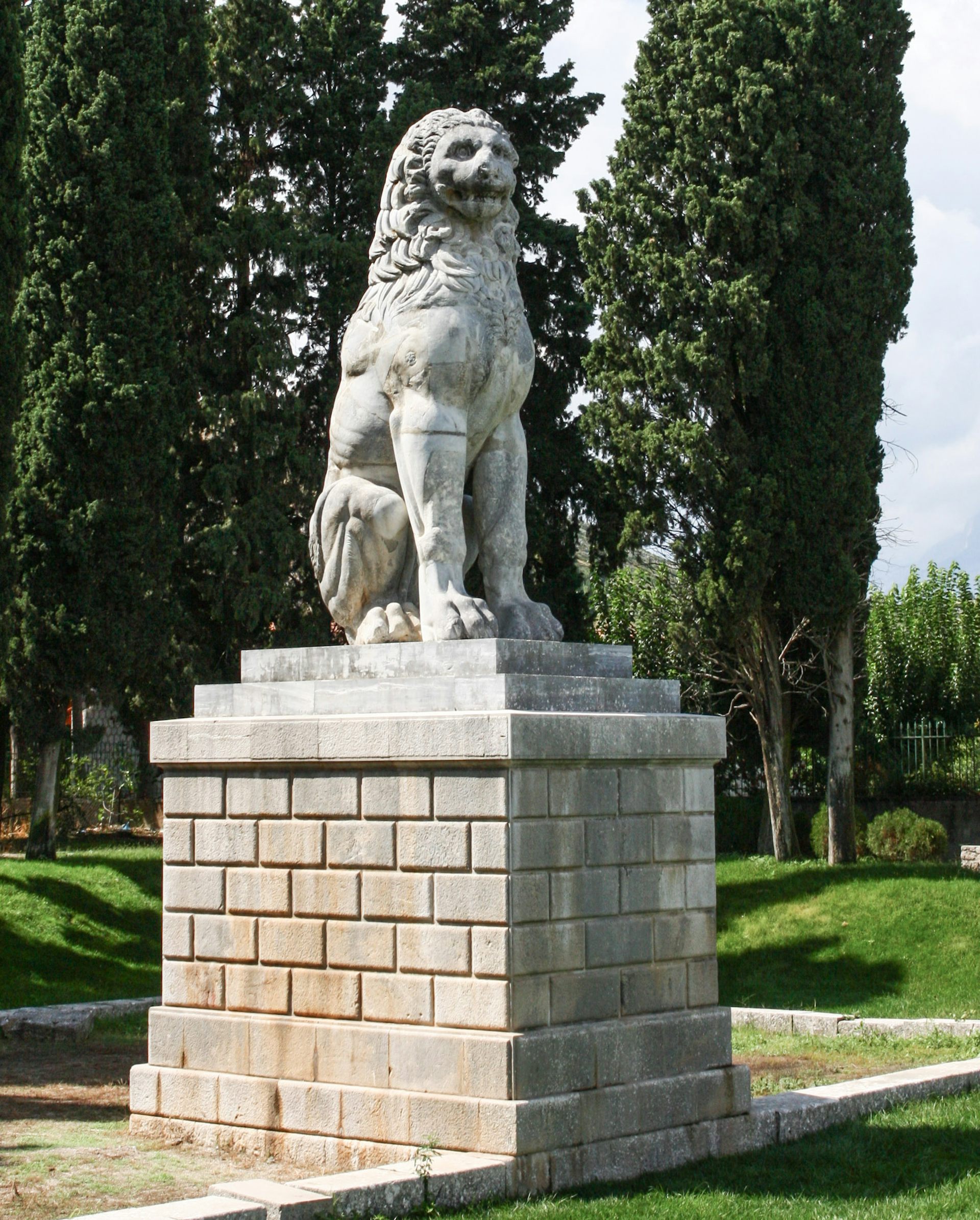
The Theban Sacred Band came to be known for their strength, discipline, and ferocity.
اشتهرت فرقة طيبة المقدسة بقوتها وانضباطها ووحشيتها.
Among their most famous successes was the important role they played in defeating the once powerful Spartans at the Battle of Leuctra in 371 BCE, which ended Spartan supremacy.
من بين نجاحاتها الأكثر شهرة هو الدور المهم الذي لعبته في هزيمة أهل إسبرطة، الذين كانوا يوماً ما أقوياء، في معركة ليوكترا عام 371 قبل الميلاد، والتي أنهت هيمنة الإسبرطيين.
The men of the Sacred Band of Thebes died in the Battle of Chaironeia in 338 BCE, when Philip of Macedon and his son Alexander (later known to the world as Alexander the Great) defeated Greek forces led by the cities of Thebes and Athens.
مات رجال الفرقة المقدسة في طيبة في معركة خايرونيا عام 338 قبل الميلاد، عندما هزم فيليب المقدوني وابنه الإسكندر (الذي عُرف لاحقاً للعالم باسم الإسكندر الأكبر) القوات اليونانية التي قادتها مدينتا طيبة وأثينا.
Maybe these soldiers, discovered arm in arm in a mass grave in central Greece more than 2,000 years later, really were lovers who died together in the Band’s final defeat.
ربما كان هؤلاء الجنود، الذين اكتُشفوا يداً بيد في مقبرة جماعية في وسط اليونان قبل أكثر من 2000 عام، هم بالفعل عشاق ماتوا معاً في الهزيمة الأخيرة للفرقة.
Today, the site is marked with a statue of a lion – symbolic of this elite fighting unit’s pride and strength.
اليوم، يُشار إلى الموقع بتمثال أسد – وهو رمز لفخر وقوة هذه الوحدة القتالية النخبوية.
Peter Londey does not work for, consult, own shares in or receive funding from any company or organisation that would benefit from this article, and has disclosed no relevant affiliations beyond their academic appointment.
بيتر لوندي لا يعمل لصالح أو يستشير أو يمتلك حصصاً مالية في أي شركة أو منظمة، ولا يتلقى تمويلاً منها يمكن أن يستفيد من هذا المقال، ولم يفصح عن أي انتماءات ذات صلة تتجاوز منصبه الأكاديمي.
Read more
-

يُظهر مضيق هرمز كيف أن كل شيء أصبح يتعلق بالنفوذ
The Strait of Hormuz shows how everything is now about leverage
-
إن هوس وادي السيليكون بالذكاء الاصطناعي و”تعظيم الرموز” يواجه مشكلة كبيرة – وقد تنبأ بها الفلاسفة.
Silicon Valley’s AI ‘tokenmaxxing’ obsession has a big problem – and philosophers saw it coming