古希腊的精英同性恋战士部队——提斯底神圣军团
An elite fighting unit of gay lovers – the Theban Sacre…
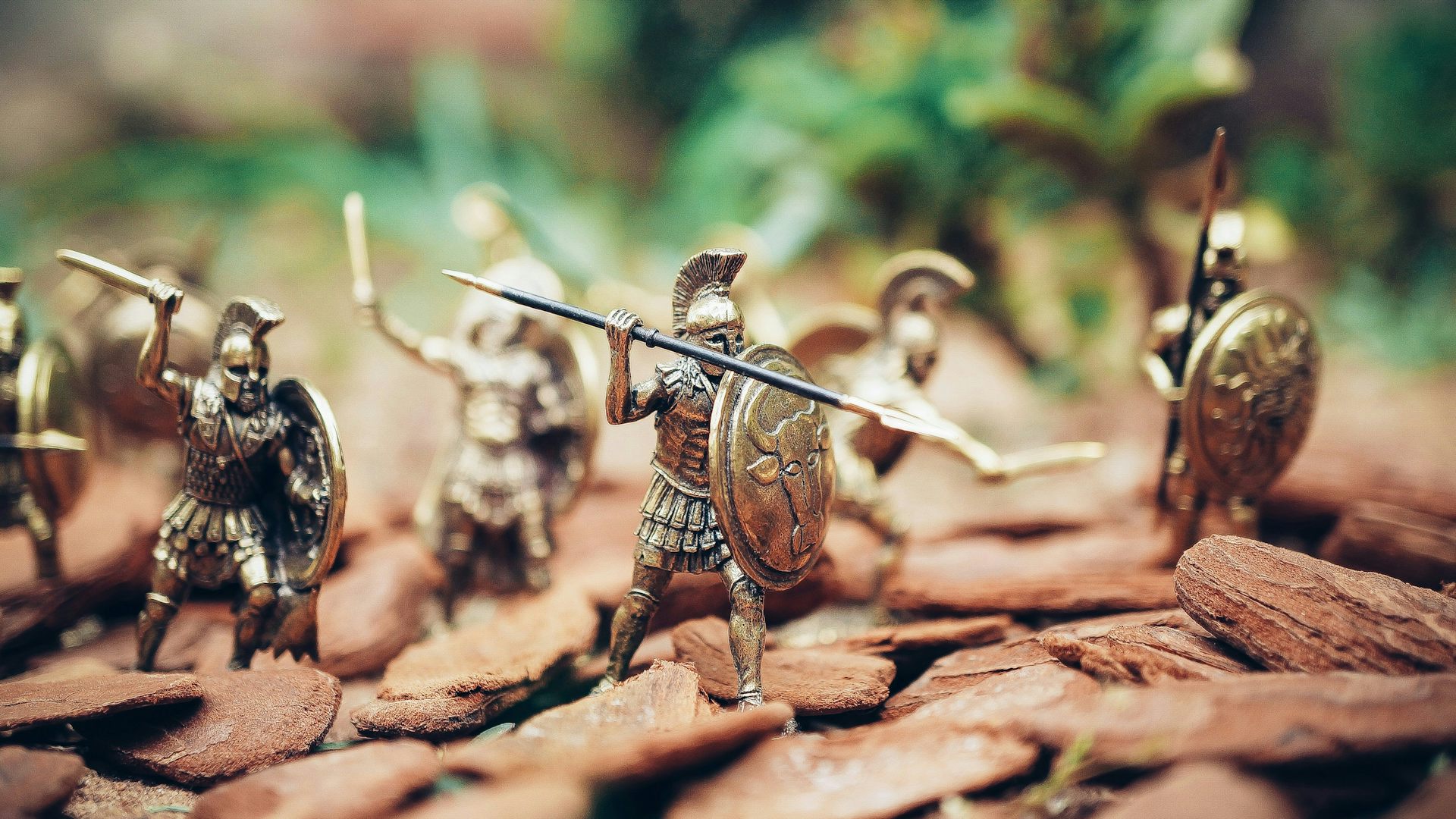
The Theban Sacred Band – made up of ‘lovers and their loves’ came to be known for their strength, discipline, and ferocity.
提斯底神圣军团——由“爱人及其所爱之人”组成,以其力量、纪律和凶猛著称。
In 1880, in the village of Chaironeia in central Greece, Greek archaeologists made a remarkable find: a largely undisturbed mass grave of 254 ancient soldiers, some of whom are buried arm in arm.
1880年,在希腊中部的查里奥尼亚村,希腊考古学家进行了一项非凡的发现:一个基本未受干扰的、包含254名古代士兵的集体墓地,其中一些人是并肩而卧的。
The men in this grave were clearly a special group, and it has generally been assumed that they were the dead of the Theban Sacred Band (hieros lochos) – an elite fighting unit made up of 150 pairs of male lovers, fighting side by side.
这座墓中的男子显然是一个特殊群体,普遍认为他们是提拜圣军团(hieros lochos)的死者——这是一个由150对男性恋人组成的精英战斗单位,他们并肩作战。
The Sacred Band had been set up in about 378 BCE, after the people of Thebes (in central Greece, north of Athens) had freed themselves from a brief period of rule by the regional superpower of that era, the Spartans.
圣军团大约在公元前378年组建,当时提拜人(位于希腊中部,雅典以北)摆脱了该时代区域超级大国——斯巴达人的短暂统治。
This elite unit was a professional force of 300 heavily armed infantrymen who fought in Thebes’ wars, in central Greece, north into Thessaly, and south into the Peloponnese, used either as shock troops or as a bulwark of defence.
这个精英单位是一个由300名重装步兵组成的职业部队,他们参与了提拜的战争,作战范围涵盖希腊中部、向北进入色萨利以及向南进入伯罗奔尼撒半岛,可作为突击部队或防御屏障使用。
An army ‘composed of lovers and their beloveds’
一支“由爱人与心爱之人组成的军队”
As always in Greek history, the evidence is problematic.
一如古希腊历史的常态,证据本身就是有问题的。
Much of it comes from Greek-Roman philosopher Plutarch, writing 500 years later but using earlier sources now lost to us.
大部分资料来自希腊-罗马哲学家普鲁塔克(Plutarch),他撰写于五百年前,但所依据的是现已失传的更早资料。
And even Plutarch is cautious. In his text Life of Pelopidas 18.1–2, he relies on vague language, writing:
就连普鲁塔克本人也是谨慎的。在他的著作《佩洛皮达斯生平》18.1–2节中,他依赖模糊的措辞,写道:
Some say that this band was composed of lovers and beloved […] since the lovers are ashamed to play the coward before their beloved, and the beloved before their lovers, and both stand firm in danger to protect each other.
有人说,这个队伍是由爱人与心爱之人组成的……因为爱人不愿在心爱之人的面前表现出怯懦,而心爱之人也不愿在爱人面前表现出怯懦,双方都会为了保护对方而在危险中坚守阵地。
The philosopher Plato, writing many hundreds of years earlier – possibly a little before the Sacred Band was formed in about 378 BCE – wrote in his famous Symposium 178e–179a of how good a military force composed of lovers would be. They would, one of the speakers in the dialogue claims, fight for each other and to avoid disgrace in each other’s eyes:
哲学家柏拉图(Plato)写于更早的几百年——可能是在“圣乐队”大约形成前的公元前378年左右——在他的著名著作《沉醉》(Symposium)178e–179a节中,论述了由爱人组成的军事力量是多么优秀。对话中的一位发言者声称,他们会为了彼此而战,并避免在对方眼中蒙羞:
Therefore, if it could be arranged that a city or an army be composed of lovers and their beloveds, what better way might they organise their affairs than by abstaining from all shameful actions and prizing honour in one another’s eyes? And if such people were to fight alongside one another, even a few of them might, to coin a phrase, conquer the whole human race. For a man in love who was breaking rank or throwing away his weapons, would of course much rather be seen by anyone else at all than by his beloved. Instead of that he would choose to die many times. As for abandoning his favourite or not assisting him in the hour of danger, well there is none so base that Eros could not inspire him towards excellence, to be equal by nature to the very best.
因此,如果能安排一个城市或一支军队是由爱人与心爱之人组成的,他们组织事务的最佳方式难道不是戒除所有可耻的行为,并在彼此的眼中珍视荣誉吗?如果这样的人们并肩作战,即使只有少数人,也可能——用一句话来说——征服整个人类。对于一个正在脱离阵列或扔掉武器的爱人来说,他当然宁愿被任何其他人看到,而不是被他的心爱之人看到。相反,他会选择多次死去。至于抛弃心上人或在危险时刻不帮助他,嗯,没有哪个底贱到让厄洛斯(Eros)无法激发其卓越性,使其天生等同于最优秀的存在。
The distinction made in these passages between “lovers” (erastai or agapontes) and “beloved” (eromenoi or paidika) reflects the fact that in ancient Greece sexual relationships were rarely between people of the same age.
这些段落中对“爱人”(erastai 或 agapontes)和“心爱之人”(eromenoi 或 paidika)之间的区分反映了一个事实:在古希腊,性关系很少发生在同龄人之间。
In Athens, first marriages were usually between a man in his late 20s and a girl of about 14.
在雅典,初婚通常是二十多岁的男性与一位大约十四岁的女孩。
Similarly, homoerotic relationships, which were very common, were typically between an older man and an adolescent youth, anywhere from maybe around 12 (based on vase paintings) to whenever the adolescent started to grow a beard.
类似地,非常普遍的同性恋情关系,通常发生在年长的男性和青少年之间,年龄范围从可能只有12岁(根据陶器绘画判断)到青少年开始留胡须为止。
Erastai (lovers) were not exclusively homosexual: they would normally also marry and have children (as, one day, would their eromenoi, or beloved) .
爱人(erastai)并非排他性的同性恋者:他们通常也会结婚生子(正如他们的心爱之人 eromenoi 最终会做的那样)。
These were sexual relationships but this hasn’t always been openly acknowledged by historians. 19th-century Classicists mostly sought to shield the Greeks from the imputation that they had engaged in gay sex. Today, the worry is more about under-age sex.
这些是性关系,但历史学家并没有一直公开承认这一点。19世纪的古典学派学者大多试图保护古希腊人免受从事同性行为的指控。如今,人们更担心的是未成年人的性行为问题。
The erastes – eromenos relationship had an aspect of mentoring but, within social demands of the time for a certain modesty, it was also clearly sexual.
“爱人-心爱之人”(erastes – eromenos)关系带有指导和教导的性质,但在当时社会对某种端庄的要求下,它也明显具有性意味。
Fighting together, sleeping together
共同战斗,共度春宵
The problem with the Theban Sacred Band is that the eromenoi would need to be old enough to face the enormous physical challenges of battle, normally reserved for men over about 20. That implies different social mores in Thebes from those at Athens.
提拜神圣军团的问题在于,埃罗梅诺伊需要足够年长才能应对战斗带来的巨大体力挑战,而这些挑战通常只留给二十岁以上的男性。这暗示了提拜与雅典在社会习俗上存在差异。
In Athens, there were lifelong gay couples, including two of the characters in Plato’s Symposium, but they could often be the target of mockery. Athenians especially thought there was something shameful in an adult man being the “passive partner” in gay sex.
在雅典,有终生的同性伴侣,其中包括柏拉图《会饮篇》中的两位角色,但他们经常成为嘲笑的对象。雅典人尤其认为成年男性在同性性行为中充当“被动方”是件可耻的事情。
But possibly attitudes were different at Thebes, where gay couples seem to have pledged their love to each other at the tomb of Iolaos, the eromenos, or beloved, of Herakles (sometimes known by his Roman name Hercules) .
但也许在忒拜,态度有所不同;在那里,同性伴侣似乎曾在赫拉克勒斯(有时被称为罗马神话中的赫拉克利斯)的爱人伊奥拉俄斯的墓地许下彼此的爱誓。
The couples who made up the Sacred Band may have come together when the younger one was an adolescent and simply continued into adulthood. Were they still sexual partners?
构成圣乐队的伴侣们可能是在年幼一方处于青春期时结合,并一直持续到成年。他们是否仍然是性伴侣?
Well, a passage in Greek writer Xenophon’s own text (also called Symposium, possibly written in answer to Plato’s work of the same name) explicitly and critically refers to soldiers who fought together and were also sleeping with each other.
嗯,希罗多斯(Xenophon)著作中的一段文字(该书也称为《宴会》,可能是对柏拉图同名作品的回应),明确且批判性地指涉了那些一起作战并互相发生关系(或“过夜”)的士兵。
So, probably yes.
所以,大概是吧。
Lovers who died together
一起逝去的恋人
Although some ancient historians remain sceptical, since the 19th century the story itself – whether true or not – has been inspirational to many.
尽管一些古代历史学家仍然持怀疑态度,但自19世纪以来,这个故事本身——无论真假——都激励了许多人。
The Theban Sacred Band came to be known for their strength, discipline, and ferocity.
提比底圣军团以其力量、纪律和凶猛而闻名。
Among their most famous successes was the important role they played in defeating the once powerful Spartans at the Battle of Leuctra in 371 BCE, which ended Spartan supremacy.
他们最著名的功绩之一是在公元前371年的莱乌克特拉战役中,发挥了关键作用,击败了曾经强大的斯巴达人,结束了斯巴达人的霸主地位。
The men of the Sacred Band of Thebes died in the Battle of Chaironeia in 338 BCE, when Philip of Macedon and his son Alexander (later known to the world as Alexander the Great) defeated Greek forces led by the cities of Thebes and Athens.
提比斯圣军团的士兵们在公元前338年的查里奥尼亚战役中阵亡,当时马其顿的腓力及其儿子亚历山大(后世人称亚历山大大帝)击败了由提比斯和雅典等城市领导的希腊军队。
Maybe these soldiers, discovered arm in arm in a mass grave in central Greece more than 2,000 years later, really were lovers who died together in the Band’s final defeat.
也许这些士兵,是在中央希腊的一个集体墓地里发现了手挽着手的遗骸,距今超过2000年,他们真的就是圣军团在最后战败时一同逝去的恋人。
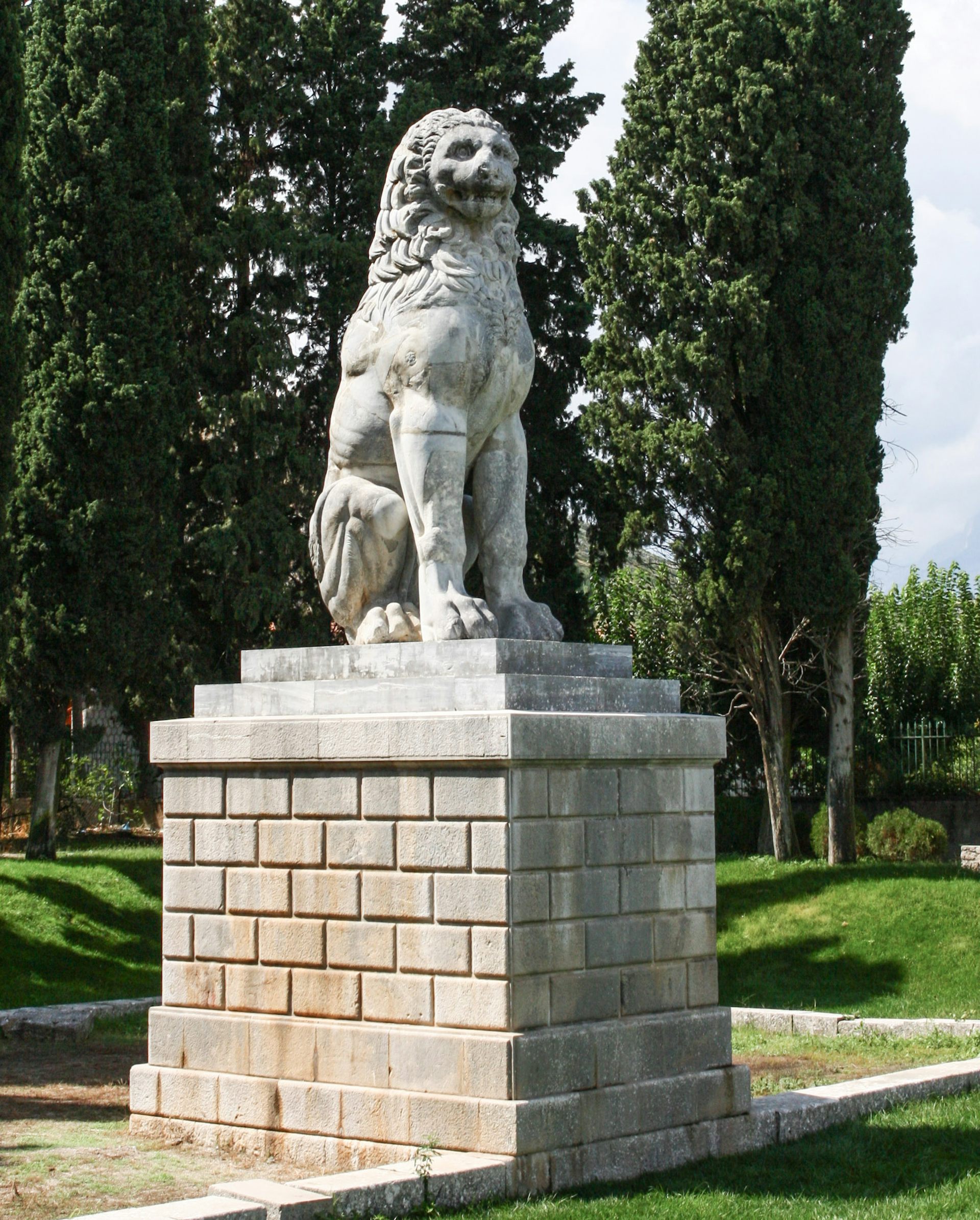
Today, the site is marked with a statue of a lion – symbolic of this elite fighting unit’s pride and strength.
今天,该地点设有一座狮子雕像——象征着这个精英战斗单位的骄傲和力量。
Peter Londey does not work for, consult, own shares in or receive funding from any company or organisation that would benefit from this article, and has disclosed no relevant affiliations beyond their academic appointment.
Peter Londey不为任何受益于本文的公司或组织工作、提供咨询、拥有股份或接受资金,并且除了其学术任职外,未披露任何相关隶属关系。