كيف جعلت الحرب في إيران الدول الأوروبية أقرب لبعضها – بدون ترامب
How the war in Iran has brought European countries closer together – without Trump
European leaders have refused to join the US’s war in Iran. But they are working together to find a way out of it.
رفض القادة الأوروبيون الانضمام إلى حرب الولايات المتحدة في إيران. لكنهم يعملون معًا لإيجاد مخرج منها.
The United States under President Donald Trump and the European Union have a complicated relationship. On one hand, European countries and the US have built some of the strongest alliances since the end of the second world war. On the other, since the start of Trump’s second term in 2025, they have openly clashed on significant issues: tariffs, NATO contributions, Palestinian statehood, Israel’s interventionism, Ukraine support levels and Greenland’s sovereignty.
تتمتع الولايات المتحدة، في عهد الرئيس دونالد ترامب، والاتحاد الأوروبي بعلاقة معقدة. فمن ناحية، بنت الدول الأوروبية والولايات المتحدة بعضاً من أقوى التحالفات منذ نهاية الحرب العالمية الثانية. ومن ناحية أخرى، فمنذ بدء ولاية ترامب الثانية في عام 2025، تشابكت بشكل علني حول قضايا جوهرية: التعريفات الجمركية، ومساهمات الناتو، والدولة الفلسطينية، وتدخل إسرائيل، ومستويات دعم أوكرانيا، وسيادة غرينلاند.
Trump’s sudden war on Iran is the latest of these clashes, but it is distinctive because it is shaking the world’s economy. The US war on Iran, alongside Israel’s war on Lebanon, is accelerating a notable reshaping of European alliances and strategic thinking about the union’s future.
تُعد حرب ترامب المفاجئة على إيران آخر هذه المواجهات، لكنها متميزة لأنها تهز اقتصاد العالم. إن الحرب الأمريكية على إيران، إلى جانب الحرب الإسرائيلية على لبنان، تُسرّع من إعادة تشكيل ملحوظة للتحالفات الأوروبية والتفكير الاستراتيجي بشأن مستقبل الاتحاد.
The EU has more than 450 million inhabitants, and its GDP is nearly on par with that of the US or China. Despite its polymorphic nature, and in fact perhaps because of it, it is a world player that can exercise considerable sway over international affairs.
يضم الاتحاد الأوروبي أكثر من 450 مليون نسمة، ويقترب ناتجه المحلي الإجمالي من مثيل الولايات المتحدة أو الصين. وعلى الرغم من طبيعته المتعددة الأشكال، بل وربما بسببها، فإنه لاعب عالمي يمكنه ممارسة نفوذ كبير على الشؤون الدولية.
European leaders are now attempting to drive a lasting ceasefire, and perhaps even peace, between the US and Iran, with the aim of reopening the strait of Hormuz as soon as possible.
يحاول القادة الأوروبيون الآن دفع وقف إطلاق نار دائم، وربما السلام، بين الولايات المتحدة وإيران، بهدف إعادة فتح مضيق هرمز في أقرب وقت ممكن.
A non-UN/NATO sanctioned conflict
صراع غير خاضع لقرار الأمم المتحدة/الناتو
EU countries believe in the rules-based order and international institutions. This is not only because of their democratic constitution and values, but also because they offer them better protection than “might makes right”.
تؤمن دول الاتحاد الأوروبي بالنظام القائم على القواعد والمؤسسات الدولية. ولا يقتصر هذا على دساتيرها وقيمها الديمقراطية فحسب، بل يرجع أيضاً إلى أنها توفر لها حماية أفضل من مبدأ “القوة تصنع الحق.”
Trump’s unilateral war on Iran sits well beyond international conventions. It was neither sanctioned by a UN mandate or resolution, nor approved by NATO. As a result, European leaders have refused to contribute.
الحرب الأحادية التي شنها ترامب على إيران تتجاوز بكثير الاتفاقيات الدولية. لم يتم تفويضها بموجب تفويض أو قرار من الأمم المتحدة، ولم توافق عليها الناتو. ونتيجة لذلك، رفض القادة الأوروبيون المساهمة.
Spain and Italy have outwardly refused to allow US weapon-carrying planes bound for the Iran conflict to use their bases. Meanwhile, France is taking a more case-by-case approach in authorising or declining use of its airspace as part of operations linked to the conflict.
رفضت إسبانيا وإيطاليا علناً السماح للطائرات الأمريكية المحملة بالأسلحة والمتجهة إلى صراع إيران باستخدام قواعدها. وفي الوقت نفسه، تتبع فرنسا نهجاً أكثر حالة بحالة في الترخيص أو رفض استخدام مجالها الجوي كجزء من العمليات المرتبطة بالصراع.
Spain, Italy, Germany, France and the United Kingdom have also refused to send direct military support to contribute to Trump’s war. However, France and the UK are willing to deploy within a peace or maritime security framework once the war is over.
كما رفضت إسبانيا وإيطاليا وألمانيا وفرنسا والمملكة المتحدة تقديم دعم عسكري مباشر للمساهمة في حرب ترامب. ومع ذلك، فإن فرنسا والمملكة المتحدة مستعدتان لنشر قوات ضمن إطار أمن سلمي أو أمن بحري بمجرد انتهاء الحرب.
Europe united, at last?
هل توحدت أوروبا أخيرًا؟
Trump’s war on Iran has accelerated a much deeper, more significant process: the coordination of European leaders on central issues such as European strategic independence in defence, diplomacy and energy.
لقد سرّع صراع ترامب مع إيران عملية أعمق وأكثر أهمية: وهي تنسيق القادة الأوروبيين بشأن القضايا المحورية مثل الاستقلال الاستراتيجي الأوروبي في الدفاع والدبلوماسية والطاقة.
Since Trump’s return to the Oval Office, there has been a subtle but important diversification of the EU’s diplomatic and military agreements with regional partners. Six such agreements have been signed by the EU, followed by a dozen more bilateral agreements of its member states with other countries.
منذ عودة ترامب إلى المكتب البيضاوي، كان هناك تنويع خفي ولكنه مهم للاتفاقيات الدبلوماسية والعسكرية للاتحاد الأوروبي مع الشركاء الإقليميين. وقد وقع الاتحاد الأوروبي ستة اتفاقيات من هذا النوع، تبعتها عشرات الاتفاقيات الثنائية بين الدول الأعضاء الأخرى.
This greater European coordination is being validated and reinforced by the war in Iran. The global disruption in the production and circulation of petro-based products generated by the near total closure of the Straight of Hormuz is prompting urgent European responses.
يتم إثبات وتعزيز هذا التنسيق الأوروبي الأكبر بسبب الحرب في إيران. إن الاضطراب العالمي في إنتاج وتداول المنتجات النفطية الناجم عن الإغلاق شبه التام لمضيق هرمز يدفع إلى استجابات أوروبية عاجلة.
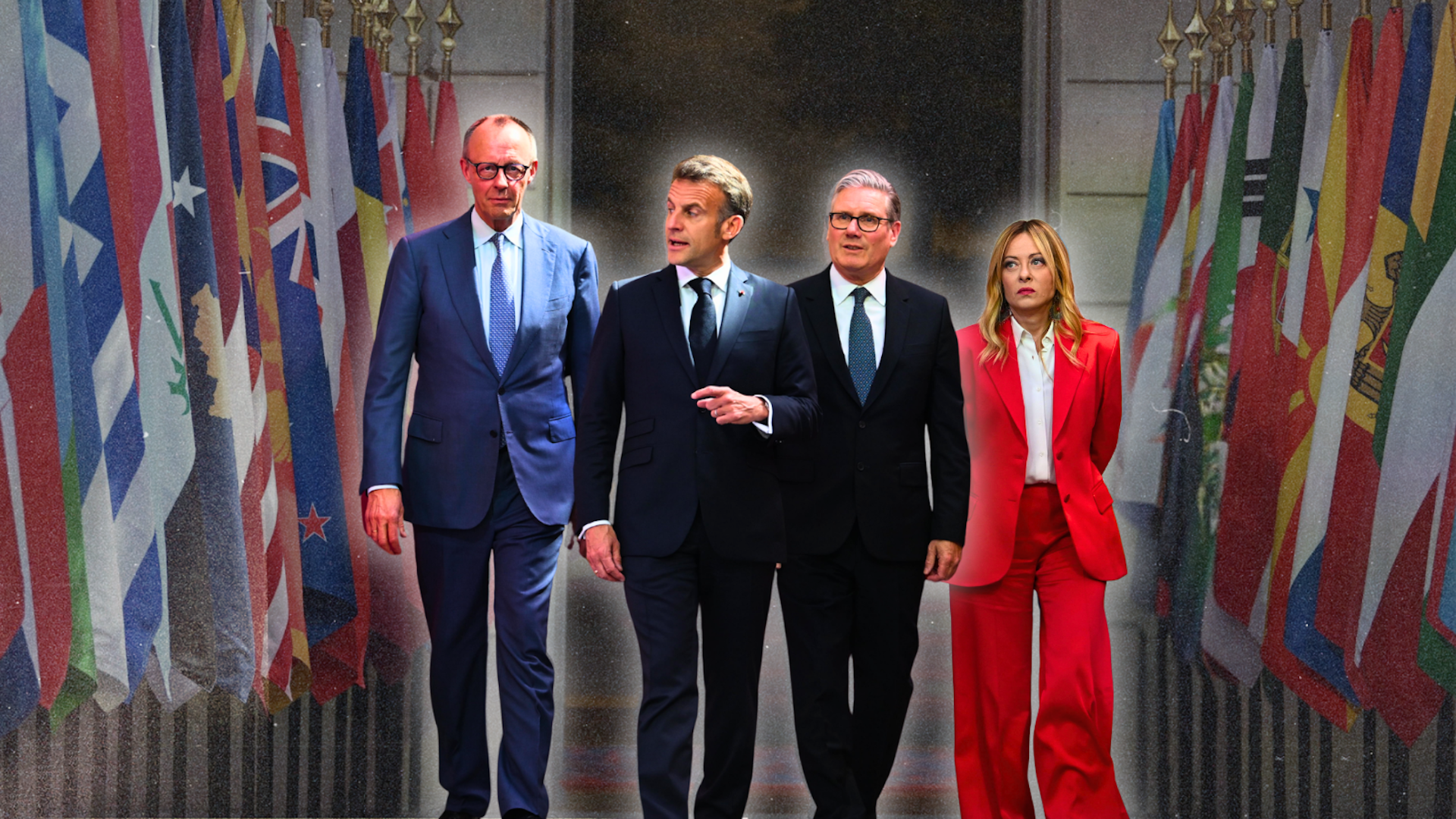
On April 17, in Paris, UK and French leaders Keir Starmer and Emmanuel Macron, flanked by their German and Italian counterparts Friedrich Merz and Giorgia Meloni, co-presided over a conference on navigation in the Strait of Hormuz. They were joined by 49 other countries, with more than half of the EU’s member states present alongside representatives of EU institutions and international organisations.
في 17 أبريل، في باريس، ترأس قادة المملكة المتحدة وفرنسا، كير ستارمر وإيمانويل ماكرون، ومعهما نظراؤهما الألمان والإيطاليان فريدريش ميرز وجورجييا ميلوني، مؤتمراً حول الملاحة في مضيق هرمز. وانضم إليهم 49 دولة أخرى، بحضور أكثر من نصف الدول الأعضاء في الاتحاد الأوروبي إلى جانب ممثلي مؤسسات الاتحاد الأوروبي والمنظمات الدولية.
The meeting proposed the “full, immediate, and unconditional reopening of the Strait of Hormuz”. The leaders agreed to start planning, from London next week, a neutral mission to guarantee safety and free passage in the strait.
اقترح الاجتماع “الفتح الكامل والفوري وغير المشروط لمضيق هرمز.” واتفق القادة على بدء التخطيط، من لندن الأسبوع المقبل، لبعثة محايدة لضمان السلامة والمرور الحر في المضيق.
The war in Iran and Trump’s criticisms of the pope have ruptured Trump’s relationship with Meloni, whose electoral base has grown worried about the US president’s unpredictability.
لقد أدت الحرب في إيران وانتقادات ترامب للبابا إلى تمزق علاقة ترامب بميلوني، التي أصبح قاعدتها الانتخابية قلقة بشأن عدم قدرة الرئيس الأمريكي على التنبؤ بسلوكه.
A shifting tide
مدٌّ متغير
For a time, Trump and the MAGA movement had worked hard, and somewhat successfully, to drive a wedge between European leaders. They supported the far right in Germany, Viktor Orbán in Hungary, and Meloni in Italy.
لفترة من الوقت، عمل ترامب وحركة “ماغا” بجد، ونجحوا إلى حد ما، في زرع الانقسام بين القادة الأوروبيين. فقد دعموا اليمين المتطرف في ألمانيا، وفيكتور أوربان في المجر، وميلوني في إيطاليا.
But, just three days before Meloni arrived in Paris, Orbán faced an enormous electoral defeat. During the 16 years of his iron-fist rule in Hungary, the pro-Russian Orbán had been a critic of Europe, creating considerable headaches for the EU by blocking a range of initiatives and providing sensitive information to his friend Vladimir Putin. His replacement by a more moderate leader, Péter Magyar, has sparked significant hope in European chancelleries for greater unity.
ولكن، قبل ثلاثة أيام فقط من وصول ميلوني إلى باريس، واجه أوربان هزيمة انتخابية هائلة. فخلال الستة عشر عامًا من حكمه الحديدي في المجر، كان أوربان، المؤيد لروسيا، ناقدًا لأوروبا، مما خلق صداعًا كبيرًا للاتحاد الأوروبي من خلال عرقلة مجموعة من المبادرات وتزويد صديقه فلاديمير بوتين بمعلومات حساسة. وقد أثار استبداله بقائد أكثر اعتدالًا، بيتر ماغيار، آمالًا كبيرة في دوائر السياسة الأوروبية لتحقيق وحدة أكبر.
The internal divisions that Trump relied on to deal with Europe are eroding.
إن الانقسامات الداخلية التي اعتمد عليها ترامب للتعامل مع أوروبا تتآكل.
Furthermore, his threats to acquire Greenland only months ago were met by immediate European reactions such as putting a commercial agreement with the US on ice, launching operation “Arctic Endurance”, and affirming Danish and European sovereignty. The EU has once again shown its ability to resist Washington’s pressures and affirm its strategic autonomy.
علاوة على ذلك، فقد قوبلت تهديداته بالاستيلاء على جرينلاند قبل أشهر فقط بردود فعل أوروبية فورية، مثل تجميد اتفاق تجاري مع الولايات المتحدة، وإطلاق عملية “الصمود القطبي”، وتأكيد السيادة الدنماركية والأوروبية. وقد أظهر الاتحاد الأوروبي مرة أخرى قدرته على مقاومة ضغوط واشنطن وتأكيد استقلاله الاستراتيجي.
Where now for Europe?
إلى أين أوروبا الآن؟
These episodes in national and international affairs have prepared the ground for a more united approach to the current crisis. European leaders, so often hampered by divisions exacerbated by Russia and the US, are now in a unique position to weigh in on the current Iran crisis and the shock it is delivering to the global economy.
لقد أعدت هذه الأحداث في الشؤون الوطنية والدولية الأرضية لنهج أكثر اتحاداً للأزمة الحالية. ويقف القادة الأوروبيون، الذين غالباً ما تعيقهم الانقسامات التي فاقمتها روسيا والولايات المتحدة، الآن في موقع فريد لإبداء الرأي بشأن أزمة إيران الحالية والصدمة التي تسببها للاقتصاد العالمي.
This is because the concerns that unite them – energy security, potential inflation and unemployment – overrule any ideological affinity towards Moscow or Washington.
ويعود ذلك إلى أن المخاوف التي توحدهم – أمن الطاقة، والتضخم المحتمل، والبطالة – تتجاوز أي تقارب أيديولوجي نحو موسكو أو واشنطن.
Besides greater diplomatic integration of European member states, the current crisis is also a catalyst for the European Commission to accelerate its efforts to limit consumption of fossil fuel, safeguard supply networks and accelerate the electrification of Europe’s economies through nuclear and renewables.
بالإضافة إلى التكامل الدبلوماسي الأكبر للدول الأعضاء الأوروبية، تعد الأزمة الحالية أيضاً حافزاً للمفوضية الأوروبية لتسريع جهودها للحد من استهلاك الوقود الأحفوري، وحماية شبكات الإمداد، وتسريع كهربة اقتصادات أوروبا من خلال الطاقة النووية والمتجددة.
Paradoxically, the Iran and Hormuz crises have – as Russia’s invasion of Ukraine did in 2022 – driven further European integration. This renewed faith in a European voice is happening both between member states and between European institutions such as the European Parliament, the European Commission and the Foreign Affairs Council.
من المفارقات أن أزمات إيران وهرمز قد دفعت – كما فعل غزو روسيا لأوكرانيا في عام 2022 – نحو مزيد من التكامل الأوروبي. ويحدث هذا الإيمان المتجدد بالصوت الأوروبي بين الدول الأعضاء وبين المؤسسات الأوروبية مثل البرلمان الأوروبي والمفوضية الأوروبية ومجلس الشؤون الخارجية.
This rapprochement between European leaders is starting to yield outcomes beyond the Iranian crisis. Visiting Polish Prime Minister Donald Tusk on April 20, Macron declared he was “reasonably optimistic” for a “new era in Europe”, starting with more support for Ukraine, previously vetoed by the departed Orban.
بدأ هذا التقارب بين القادة الأوروبيين في إعطاء نتائج تتجاوز الأزمة الإيرانية. وفي زيارته لرئيس الوزراء البولندي دونالد تاسك في 20 أبريل، أعلن ماكرون أنه “متفائل إلى حد معقول” لـ “عصر جديد في أوروبا”، يبدأ بمزيد من الدعم لأوكرانيا، الذي كان قد عارضه أوربان المغادر.
The significant disruptions created by Trump’s attack on Iran may well have the side effect of a more autonomous and sovereign Europe. Despite the tensions between the US and European states, all have an interest in a peaceful Iran – and Ukraine.
قد يكون للاضطرابات الكبيرة التي أحدثها هجوم ترامب على إيران تأثير جانبي يتمثل في أوروبا الأكثر استقلالية وسيادة. وعلى الرغم من التوترات بين الولايات المتحدة والدول الأوروبية، إلا أن جميعها مهتمة بإيران وأوكرانيا السلميتين.
For some in Europe, the war in Iran may be resolved amicably if further collaboration is achieved through US support in Ukraine.
بالنسبة للبعض في أوروبا، قد يتم حل الحرب في إيران ودياً إذا تم تحقيق المزيد من التعاون من خلال الدعم الأمريكي لأوكرانيا.
Romain Fathi does not work for, consult, own shares in or receive funding from any company or organisation that would benefit from this article, and has disclosed no relevant affiliations beyond their academic appointment.
لا يعمل رومان فاتي لدى، أو يستشير، أو يمتلك حصصاً في، أو يتلقى تمويلاً من أي شركة أو منظمة يمكن أن تستفيد من هذه المقالة، ولم يفصح عن أي انتماءات ذات صلة تتجاوز منصبه الأكاديمي.
Read more
-
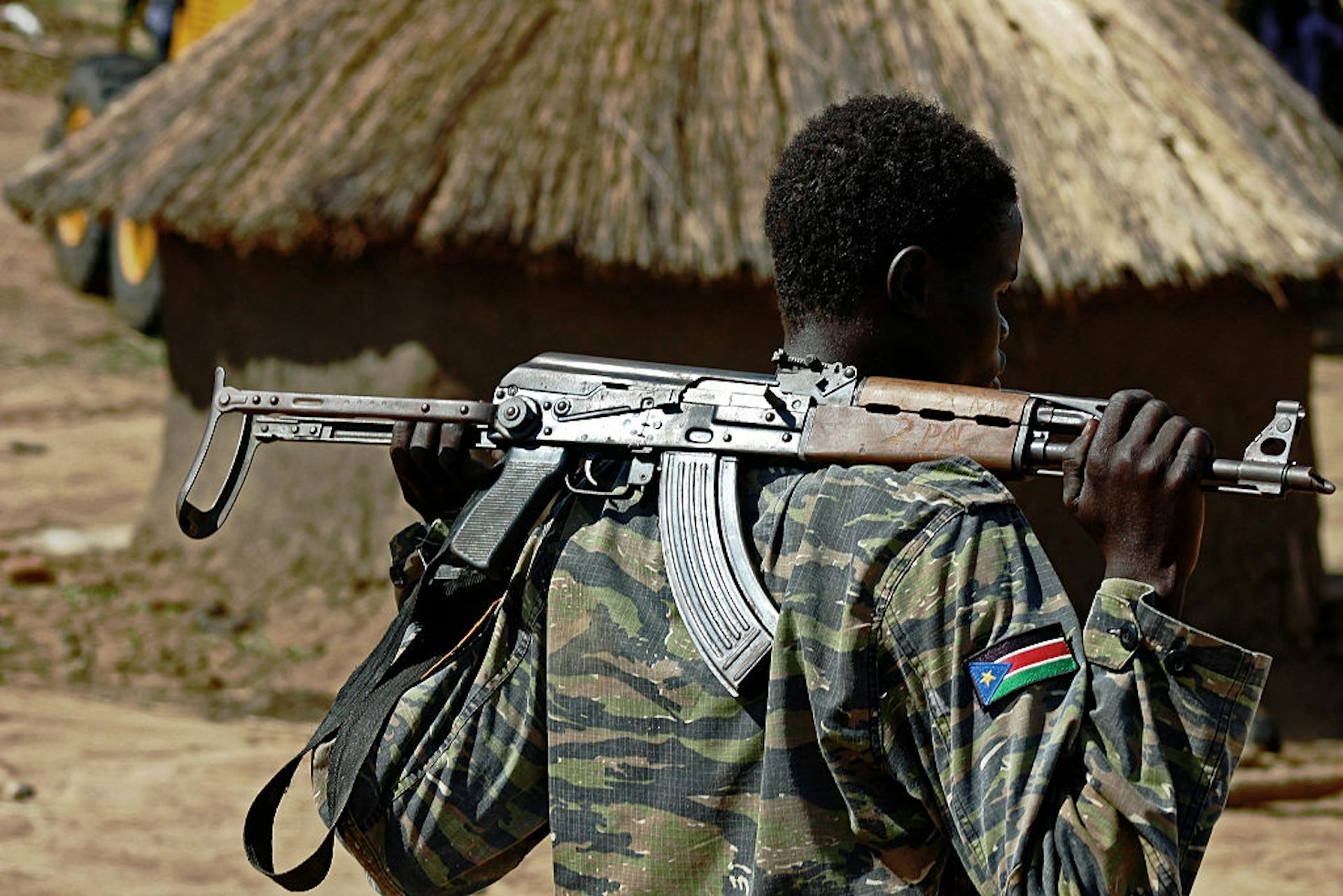
هل تغذي تخفيضات المساعدات الصراع العنيف في أفريقيا؟ كيف يمكن تعزيز السلام
Do aid cuts fuel violent conflict in Africa? How to promote peace
-
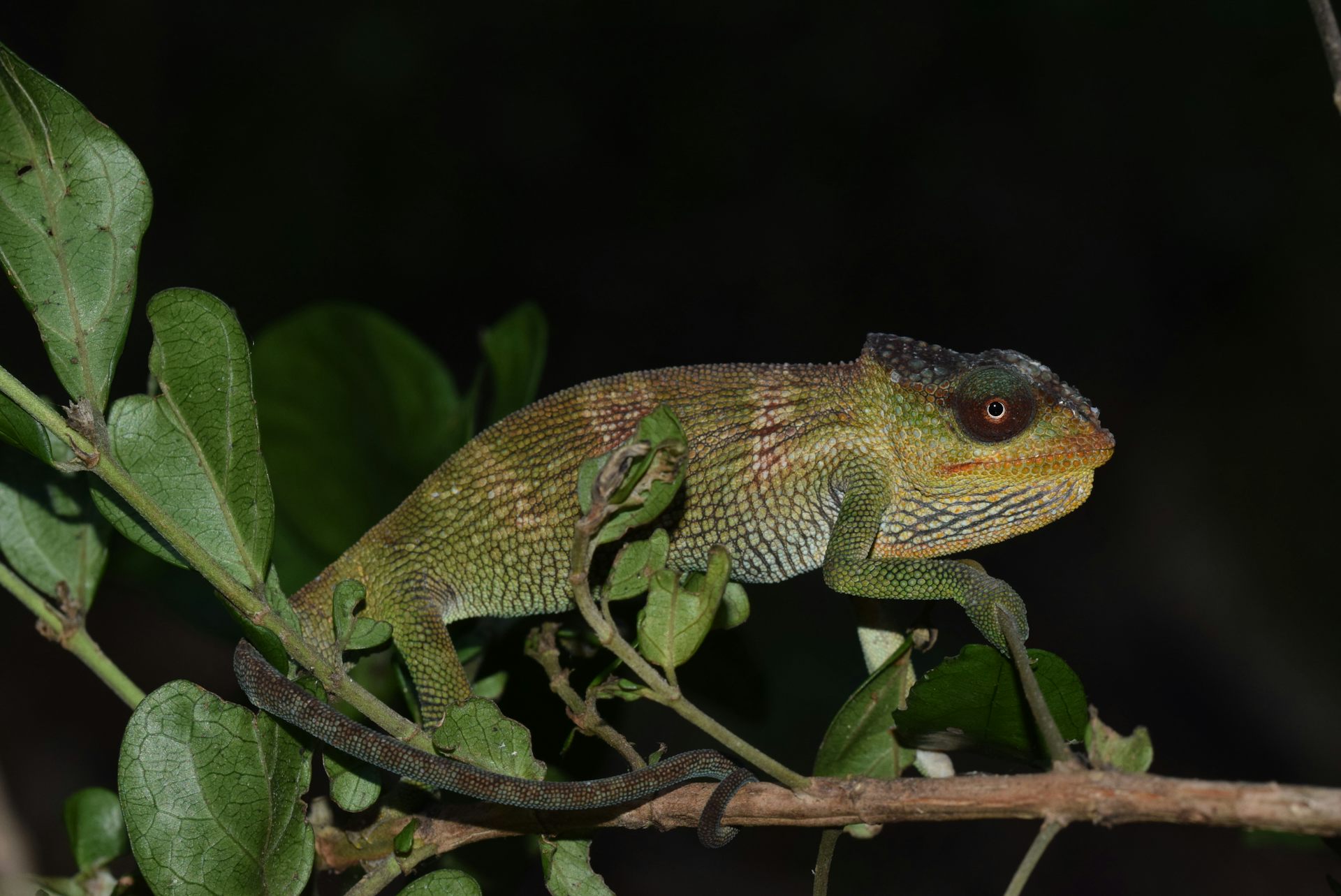
اكتشفت بعثات استكشافية في “جزيرة السماء” بموزمبيق أربعة أنواع جديدة من الحرباء – وهي أنواع مهددة بالفعل بفقدان الغابات.
Mozambique ‘sky island’ expeditions found 4 new species of chameleon – already at risk from forest loss