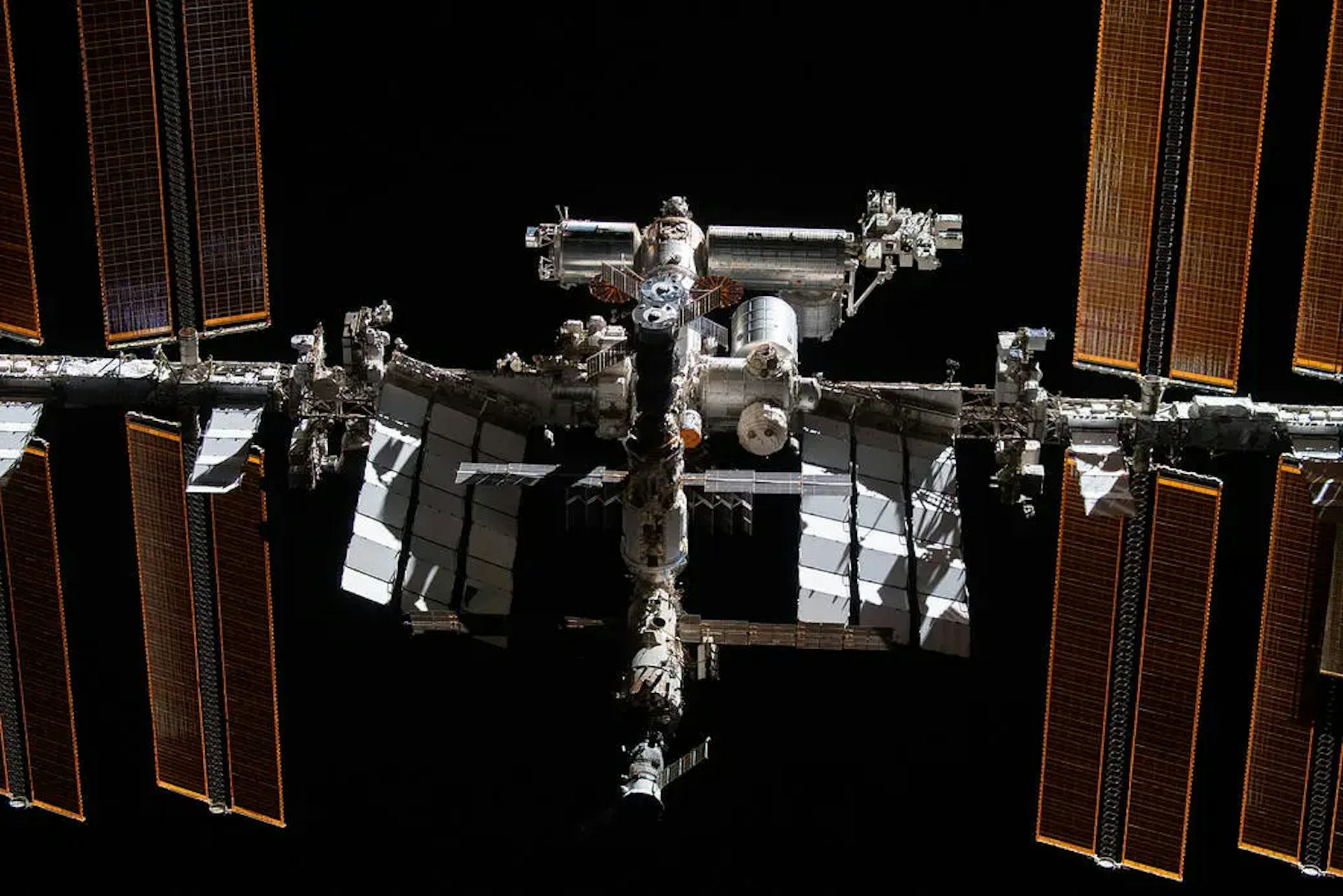
تسبب تشققات في محطة الفضاء الدولية بتسربات هوائية – إلى متى يمكن أن يظل صالحاً للسكن؟
Cracks in the International Space Station are causing air leaks – how much longer can it remain habitable?
A worsening leak on June 5 forced five crew members to prepare for an emergency evacuation.
أجبر تسرب متفاقم حدث في الخامس من يونيو خمسة أفراد طاقم على الاستعداد لإخلاء طارئ.
On June 5, 2026, Nasa ordered five astronauts aboard the International Space Station (ISS) to shelter in a docked spacecraft and prepare to abandon ship. The reason was a longstanding, but worsening, air leak in the Russian part of the station.
في 5 يونيو 2026، أمرت وكالة ناسا خمسة رواد فضاء على متن محطة الفضاء الدولية (ISS) بالتحصن في مركبة فضائية راسية والاستعداد لإخلاء السفينة. كان السبب هو تسرب هواء قديم ومستمر ولكنه يتفاقم في الجزء الروسي من المحطة.
An hour and a half later, the alert was lifted, allowing the crew to resume their work. But the episode reminds us that humanity’s most expensive science experiment – and a remarkable symbol of international cooperation – is showing its age.
بعد ساعة ونصف، رُفعت حالة التأهب، مما سمح للطاقم باستئناف عملهم. لكن هذه الحادثة تذكرنا بأن أغلى تجربة علمية للبشرية – والرمز المذهل للتعاون الدولي – يظهر عليه التقدم في العمر.
The ISS was born from a thaw in relations between Washington and Moscow immediately following the cold war. In the early 1990s, the countries decided to merge separate space station projects that each was working on.
وُلدت محطة الفضاء الدولية نتيجة لفك الارتباط بين واشنطن وموسكو مباشرة بعد الحرب الباردة. ففي أوائل التسعينيات، قررت الدولتان دمج مشاريع منفصلة لمحطات فضائية كان كل منهما يعمل عليها.
The air leak, in an older section of the ISS known as the Zvezda PrK transfer tunnel, is a dose of engineering reality. It is caused by fine cracks in the structure of the tunnel, which provides access to a spacecraft docking port. There is no permanent fix and the cracks have already been patched and repatched using a sealant.
يعد تسرب الهواء، في قسم أقدم من محطة الفضاء الدولية يُعرف باسم نفق النقل زفيزدا (Zvezda PrK) ، بمثابة جرعة من الواقع الهندسي. وهو ناجم عن شقوق دقيقة في هيكل النفق، الذي يوفر الوصول إلى منفذ رسو مركبة فضائية. لا يوجد حل دائم، وقد تم بالفعل ترقيع هذه الشقوق وإعادة ترقيعها باستخدام مادة مانعة للتسرب.
Nasa and Russia’s space agency Roscosmos dispute the seriousness of the problem. Roscosmos says the slow leak poses no danger, while the US space agency views it as an elevated safety risk. Not only is the structure under strain, but also the fabric of the agreement that keeps the ISS running.
تختلف وكالة ناسا ووكالة الفضاء الروسية “روسكوزموس” حول خطورة المشكلة. تقول روسكوزموس إن التسرب البطيء لا يشكل أي خطر، بينما ترى وكالة الفضاء الأمريكية أنه يمثل ارتفاعاً في المخاطر المتعلقة بالسلامة. فالهيكل ليس تحت الضغط فحسب، بل كذلك نسيج الاتفاقية التي تبقي المحطة الدولية قيد التشغيل.
In 2024, the ISS advisory committee’s chair Bob Cabana said: “Nasa has expressed concerns about the structural integrity of the PrK and the possibility of a catastrophic failure.”
في عام 2024، قال بوب كابانا، رئيس لجنة استشارات محطة الفضاء الدولية: “أعربت ناسا عن قلقها بشأن السلامة الهيكلية لنفق PrK وإمكانية حدوث فشل كارثي.”
In early June 2026, new cracks appeared and leak rates rose. This prompted Roscosmos to propose a fix. According to a report in the technology magazine Ars Technica, the Russians wanted to carry out repairs to the hull using a drill.
في أوائل يونيو 2026، ظهرت شقوق جديدة وارتفع معدل التسرب. وقد دفع هذا روسكوزموس لاقتراح إصلاح. وفقاً لتقرير في مجلة التكنولوجيا “آرس تيكنيكا”، أراد الروس إجراء إصلاحات على الهيكل باستخدام مثقاب.
Nasa balked at the plan and Roscosmos subsequently dropped it, only to come up with a new one. Under this second proposal, Russian cosmonauts would use a saw to remove a load-bearing bracket in the tunnel.
ترددت ناسا أمام الخطة، وسحبتها روسكوزموس لاحقاً، لتطرح خطة جديدة. وبموجب هذا الاقتراح الثاني، سيستخدم رائدو الفضاء الروس منشاراً لإزالة دعامة حامل للوزن في النفق.
When Nasa heard this, agency officials ordered the five astronauts to shelter in SpaceX’s Crew Dragon capsule, ready to detach from the space station should an accident occur.
عندما سمعت ناسا بذلك، أمر مسؤولو الوكالة بتحصين رواد الفضاء الخمسة في كبسولة “كرو دراجون” التابعة لـ “سبيس إكس”، لتكون جاهزة للانفصال عن محطة الفضاء في حال وقوع حادث.
Roscosmos ditched the second plan too, prompting Nasa to call the astronauts back onboard. Since the incident, Roscosmos has told Nasa that it will close off the PrK tunnel from the rest of the station, in a bid to draw a line under the problem.
تخلت روسكوزموس أيضاً عن الخطة الثانية، مما دفع ناسا إلى استدعاء رواد الفضاء مرة أخرى على متن المحطة. ومنذ الحادثة، أخبرت روسكوزموس ناسا بأنها ستغلق نفق PrK عن بقية المحطة، في محاولة لوضع حد للمشكلة.
A commercial future
مستقبل تجاري
The ISS was never meant to be immortal. The plan was always to let a competitive commercial market take over with privately built space stations. Nasa would then send its astronauts to these new orbiting outposts, which would also be frequented by private space travellers.
لم يكن من المفترض أن يكون محطة الفضاء الدولية خالدة أبدًا. كانت الخطة دائمًا هي ترك سوق تجاري تنافسي يتولى الأمر بمحطات فضائية مبنية من القطاع الخاص. ومن ثم سترسل ناسا رواد فضاءها إلى هذه المواقع المدارية الجديدة، والتي ستكون أيضًا مألوفة للمسافرين الفضائيين الخاصين.
The current frontrunner to reach low Earth orbit is Vast’s Haven-1. This has roughly an eighth of the ISS’s living space and is built for short stays of up to a month. It also relies heavily on a docked SpaceX capsule for air and power. Haven-1 is a testbed, not a like-for-like replacement, and despite optimistic assessments of launching in 2026, it is now unlikely to fly before 2027.
المرشح الحالي للوصول إلى المدار الأرضي المنخفض هو “هيفن-1” التابعة لشركة “فاست.” تحتوي هذه الوحدة على ما يعادل ثُمن مساحة المعيشة في محطة الفضاء الدولية (ISS) ، وهي مصممة للإقامات القصيرة التي تصل إلى شهر. كما أنها تعتمد بشكل كبير على كبسولة سبيس إكس الراسية لتوفير الهواء والطاقة. إن “هيفن-1” هي منصة اختبار، وليست بديلاً مكافئاً بالكامل، وعلى الرغم من التقييمات المتفائلة لإطلاقها في عام 2026، فمن غير المحتمل الآن أن تحلق قبل عام 2027.
The stations that could fully replace the ISS are further away. Vast’s modular Haven-2 is aiming for a first module in 2028 and is targeted for completion in 2032, the very year the ISS is now due to leave service. This leaves no margin for the delays these programmes routinely suffer.
إن المحطات التي يمكن أن تحل محل محطة الفضاء الدولية (ISS) بالكامل تقع على مسافة أبعد. ويهدف مشروع “هافن-2” المعياري التابع لـ فاست إلى إطلاق الوحدة الأولى في عام 2028، ومن المقرر الانتهاء منه في عام 2032، وهو العام الذي من المقرر أن تغادر فيه محطة الفضاء الدولية الخدمة حاليًا. وهذا لا يترك أي هامش للتأخيرات التي تعاني منها هذه البرامج بشكل روتيني.
Two other companies, Axiom and Starlab Space, also plan large orbiting outposts. However, these are still in development, and Axiom recently encountered financial trouble.
تخطط شركتان أخريان، هما أكسيوم وستارلاب سبيس، أيضاً لإنشاء قواعد مدارية كبيرة. ومع ذلك، لا تزال هذه المشاريع قيد التطوير، وقد واجهت أكسيوم مؤخراً مشاكل مالية.
The problem is that the companies, and those who finance them, are not ready to take the step up. The extent to which ISS replacements will be market-led has been consistently overstated. Government space agencies are going to be the main tenant and the paymaster, which makes this a commercial sector that the US is paying to bring into being.
تكمن المشكلة في أن الشركات، والممولين لها، غير مستعدين لاتخاذ الخطوة الكبرى. لقد تم المبالغة باستمرار في مدى اعتماد استبدال أقمار ISS على آليات السوق. وستكون وكالات الفضاء الحكومية هي المستأجر الرئيسي والدافع للمقابل، مما يجعل هذا قطاعاً تجارياً تدفع له الولايات المتحدة لكي يتحقق الوجود فيه.
Faced with less-than-ideal private sector engagement and delays, US lawmakers have extended the life of the ISS. Nasa had been due to operate the ISS until 2030. Recent legislation, which is awaiting approval, would delay ISS decommissioning until 2032.
في مواجهة مشاركة أقل من المثالية للقطاع الخاص وتأخيرات، قام المشرعون الأمريكيون بتمديد عمر محطة الفضاء الدولية (ISS) . كان من المقرر أن تقوم وكالة ناسا بتشغيل محطة الفضاء الدولية حتى عام 2030. من شأن التشريع الحديث، الذي ينتظر الموافقة، أن يؤجل إيقاف تشغيل المحطة حتى عام 2032.
This is, in part, a response to Nasa’s own stalled procurement of commercial replacements for the ISS. The recent legislation recognises this, tying any retirement of the ISS to replacements being ready and warning against a scenario where China is the only country with a continued human presence in low Earth orbit.
يمثل هذا، جزئياً، استجابة لتعثر مشتريات وكالة ناسا الخاصة بالبدائل التجارية لمحطة الفضاء الدولية (ISS) . ويقر التشريع الأخير بهذا الأمر، حيث يربط أي سحب للمحطة بوجود بدائل جاهزة، ويحذر من سيناريو تكون فيه الصين هي الدولة الوحيدة ذات الوجود البشري المستمر في المدار الأرضي المنخفض.
How the ISS ends
كيف سينتهي محطة الفضاء الدولية
And there is a messy legal landscape hanging over the ISS as it approaches the end of its life. In order to decommission the outpost, Nasa will push the 420-tonne space station into Earth’s atmosphere using an adapted SpaceX Dragon vehicle – at a cost of roughly US$840 million (£638 million) .
وهناك مشهد قانوني معقد يحيط بالمحطة الدولية للفضاء (ISS) وهي تقترب من نهاية عمرها الافتراضي. ولإخراج المحطة من الخدمة، ستقوم وكالة ناسا بدفع محطة الفضاء التي تزن 420 طنًا إلى الغلاف الجوي للأرض باستخدام مركبة “دراغون” التابعة لشركة سبيس إكس (SpaceX) والمعدلة – بتكلفة تقدر بحوالي 840 مليون دولار أمريكي (638 مليون جنيه إسترليني) .
This controlled re-entry will take place over Point Nemo, the remotest part of the Pacific Ocean. This greatly reduces the risk of debris landing on populated areas.
سيحدث هذا العودة المتحكم بها فوق نقطة نيمو (Point Nemo) ، وهي أبعد منطقة في المحيط الهادئ. وهذا يقلل بشكل كبير من خطر سقوط الحطام على المناطق المأهولة بالسكان.
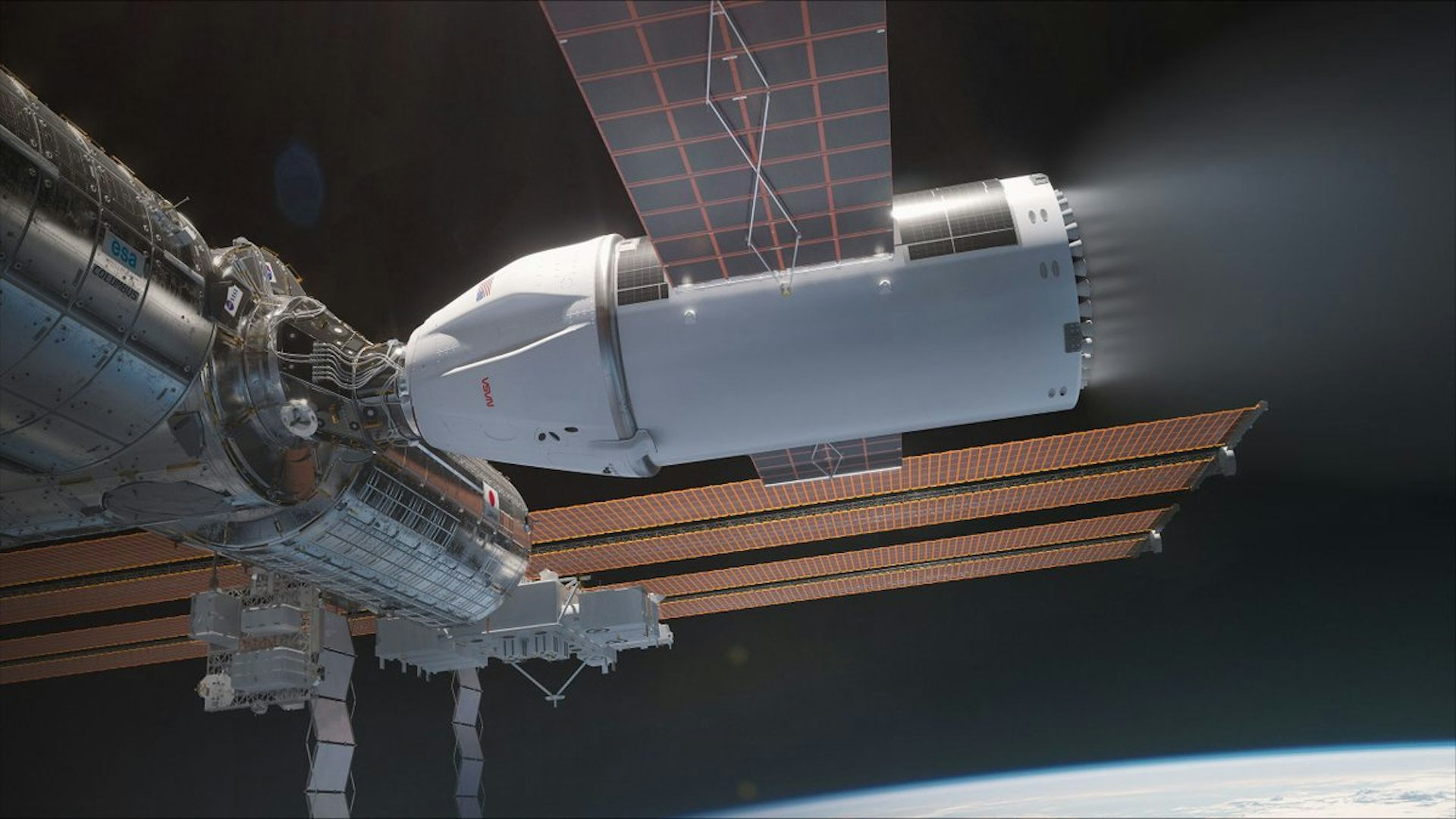
Yet the space station will be the biggest orbiting object ever sent through the atmosphere and pieces as large as a small family car could survive the descent. If something were to go wrong, who would be liable?
ومع ذلك، ستكون محطة الفضاء أكبر جسم مداري على الإطلاق يتم إرساله عبر الغلاف الجوي، ومن الممكن أن تنجو قطع بحجم سيارة عائلية صغيرة من هذا الهبوط. إذا حدث خطأ ما، فمن سيكون المسؤول؟
Under the United Nations Liability Convention, a treaty from 1972, the nation that launches a space object is liable for any damage it causes. But the ISS was built from modules launched by more than one country, principally the US and Russia.
بموجب اتفاقية المسؤولية للأمم المتحدة (United Nations Liability Convention) ، وهي معاهدة تعود لعام 1972، فإن الدولة التي تطلق جسمًا فضائيًا تكون مسؤولة عن أي ضرر يسببه. لكن المحطة الدولية للفضاء بُنيت من وحدات أطلقتها أكثر من دولة، وعلى رأسها الولايات المتحدة وروسيا.
Where two or more states launch together, they are jointly and severally liable, the latter term meaning that any one of them can be pursued for the whole of the damage. The ISS partners comprise the US, Russia, Japan, Canada and participating member states of the European Space Agency.
عندما تطلق دولتان أو أكثر معاً، فإنهن مسؤولات بالتضامن والتكافل (jointly and severally liable) ، ويشير المصطلح الأخير إلى أنه يمكن ملاحقة أي واحدة منهن بالكامل عن كامل الضرر. ويتألف شركاء المحطة الدولية للفضاء من الولايات المتحدة وروسيا واليابان وكندا والدول الأعضاء المشاركة في وكالة الفضاء الأوروبية.
If a piece of the station were to land where it shouldn’t, causing damage, the liability is absolute – no fault need be proved. If the de-orbiting process were to damage a satellite in orbit, liability is dependent on fault. Proving fault in a scenario as complex as ISS decommissioning could be extremely difficult.
إذا سقط جزء من المحطة حيث لا ينبغي أن يسقط، مسببًا ضررًا، فإن المسؤولية مطلقة – ولا حاجة لإثبات أي خطأ. أما إذا تسبب عملية التنزيل في إتلاف قمر صناعي في المدار، فتكون المسؤولية معتمدة على الخطأ. وقد يكون إثبات الخطأ في سيناريو معقد مثل تفكيك المحطة الدولية للفضاء أمرًا بالغ الصعوبة.
The ISS air leak is a reminder that space stations will require continual maintenance. Private companies will not be able to get away with a “sell and forget” mindset when they launch their outposts.
يُعد تسرب الهواء من المحطة الدولية للفضاء تذكيراً بأن محطات الفضاء ستتطلب صيانة مستمرة. ولن تتمكن الشركات الخاصة من التغاضي عن عقلية “البيع والنسيان” عند إطلاق قواعدها.
With no obvious paying customers beyond space agencies lining up, investors are understandably reluctant to rush into expensive commitments. Extending the life of the ISS provides a temporary patch, but it does not remove the fundamental problem of who pays to replace it.
مع عدم وجود عملاء دافعين واضحين بخلاف وكالات الفضاء المرتبة، يتردد المستثمرون بشكل مفهوم في الالتزام بتعهدات باهظة الثمن. إن تمديد عمر المحطة الدولية للفضاء يوفر رقعة مؤقتة، لكنه لا يزيل المشكلة الأساسية المتمثلة في من سيدفع لاستبدالها.
Christopher Newman is Professor of Space Law and Policy at Northumbria University. He is academic adviser to 3S Northumbria, a space situational awareness company, which had no role in this article. He has previously received funding from the UK Space Agency and Innovate UK, but currently receives no relevant external funding. He is on the board of advisors for the Open Lunar Foundation, and a full member of the International Institute of Space Law.
كريستوفر نيومان هو أستاذ قانون وسياسات الفضاء بجامعة نورثمبريا. وهو مستشار أكاديمي لشركة “3S Northumbria”، وهي شركة متخصصة في الوعي الظرفي للفضاء، ولم يكن لها أي دور في هذه المقالة. وقد تلقى سابقاً تمويلاً من وكالة الفضاء البريطانية و”Innovate UK”، لكنه حالياً لا يتلقى أي تمويل خارجي ذي صلة. وهو عضو في مجلس مستشاري المؤسسة القمرية المفتوحة (Open Lunar Foundation) ، وعضو كامل في المعهد الدولي لقانون الفضاء.
Read more
-
الذكاء الاصطناعي في كأس العالم: تكتيكات أذكى، لاعبون أكثر صحة، وحشود أكثر أماناً – ولكن مخاطر جديدة
AI at the World Cup: smarter tactics, healthy players, safer crowds – but new risks