国际空间站的裂缝导致了空气泄漏——它还能维持宜居多久?
Cracks in the International Space Station are causing a…
A worsening leak on June 5 forced five crew members to prepare for an emergency evacuation.
6月5日一次恶化的泄漏迫使五名宇航员准备进行紧急撤离。
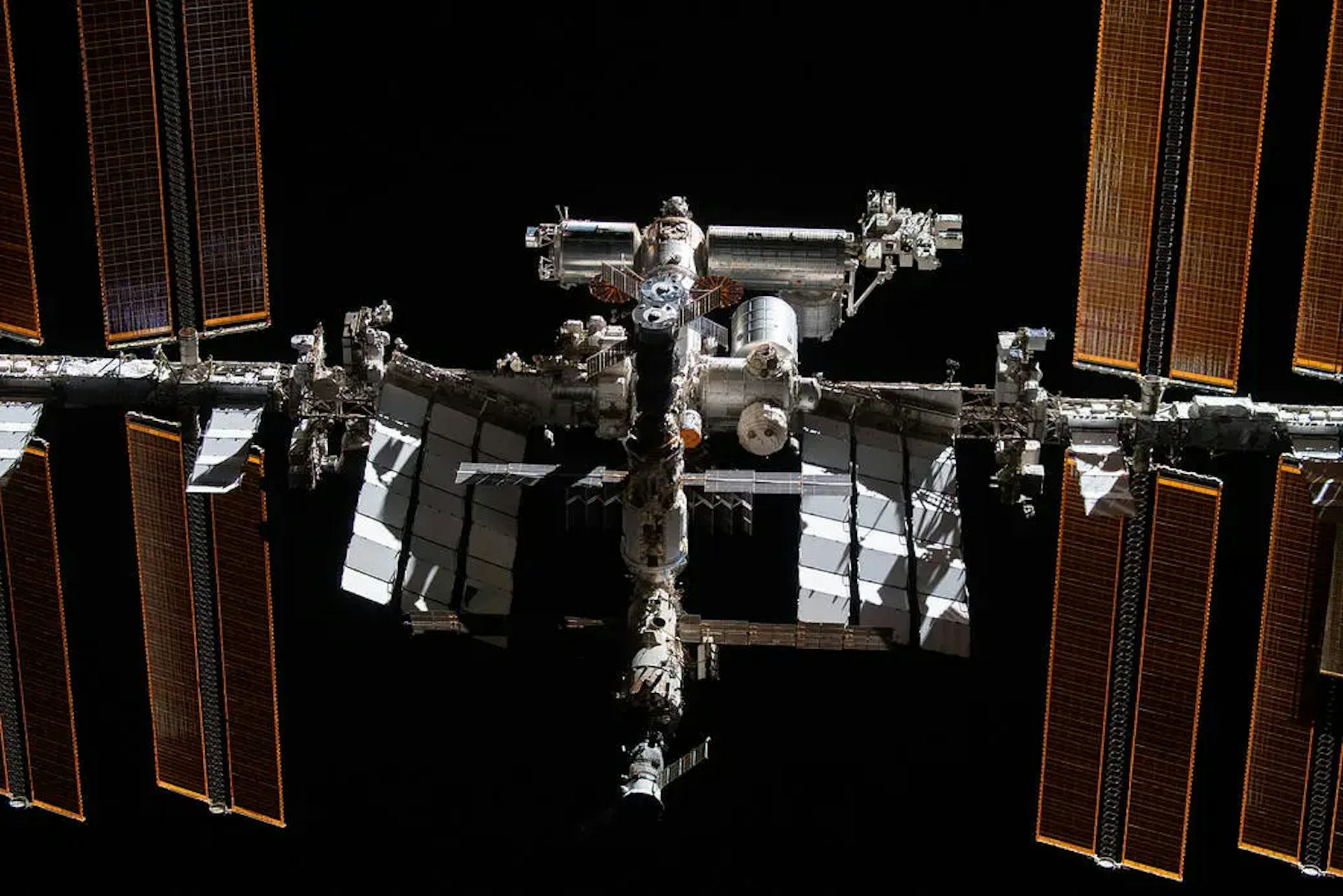
On June 5, 2026, Nasa ordered five astronauts aboard the International Space Station (ISS) to shelter in a docked spacecraft and prepare to abandon ship. The reason was a longstanding, but worsening, air leak in the Russian part of the station.
2026年6月5日,美国国家航空航天局(Nasa)命令国际空间站(ISS)上的五名宇航员进入对接的飞船避难,并准备“抛弃飞船”。原因是空间站俄罗斯部分出现了一个长期存在但正在恶化的漏气问题。
An hour and a half later, the alert was lifted, allowing the crew to resume their work. But the episode reminds us that humanity’s most expensive science experiment – and a remarkable symbol of international cooperation – is showing its age.
一个半小时后,警报解除,允许乘组恢复工作。但这起事件提醒我们,人类最昂贵的科学实验——也是国际合作的显著象征——正在显露出年限。
The ISS was born from a thaw in relations between Washington and Moscow immediately following the cold war. In the early 1990s, the countries decided to merge separate space station projects that each was working on.
国际空间站诞生于冷战结束后华盛顿和莫斯科关系缓和之际。在20世纪90年代初,两国决定合并各自正在进行的独立空间站项目。
The air leak, in an older section of the ISS known as the Zvezda PrK transfer tunnel, is a dose of engineering reality. It is caused by fine cracks in the structure of the tunnel, which provides access to a spacecraft docking port. There is no permanent fix and the cracks have already been patched and repatched using a sealant.
这个漏气问题发生在ISS的一个老旧区域,被称为“Zvezda PrK传输隧道”,它是一个工程现实的体现。这是由于隧道结构上的细微裂缝造成的,该隧道通往一个飞船对接端口。目前没有永久性的修复方案,这些裂缝已经使用密封剂进行了修补和二次修补。
Nasa and Russia’s space agency Roscosmos dispute the seriousness of the problem. Roscosmos says the slow leak poses no danger, while the US space agency views it as an elevated safety risk. Not only is the structure under strain, but also the fabric of the agreement that keeps the ISS running.
美国国家航空航天局和俄罗斯空间局(Roscosmos)对问题的严重性存在争议。俄方说缓慢的泄漏不构成危险,而美方则认为这是一种升高的安全风险。不仅结构承受着压力,维持ISS运行的协议本身也面临挑战。
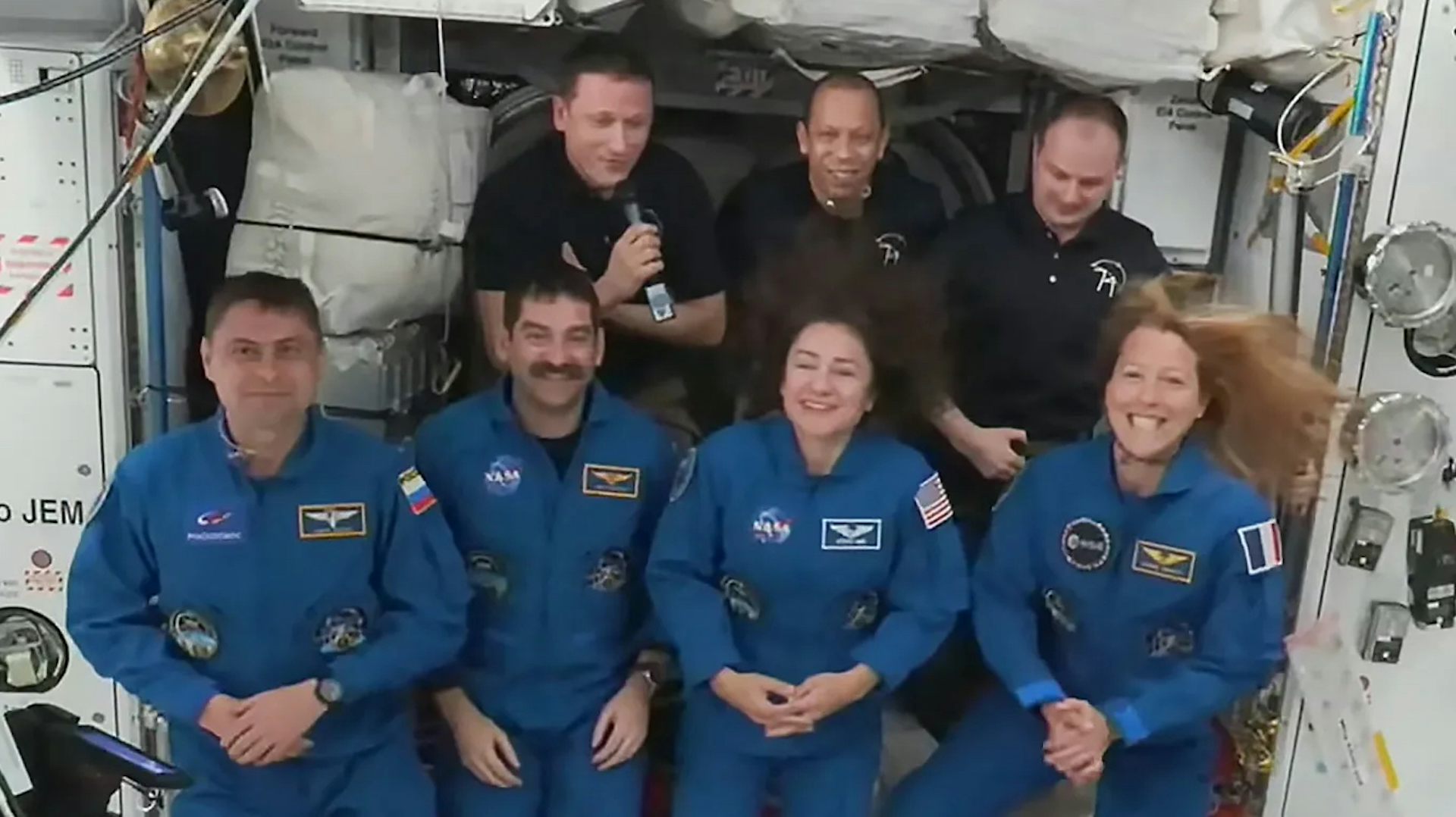
In 2024, the ISS advisory committee’s chair Bob Cabana said: “Nasa has expressed concerns about the structural integrity of the PrK and the possibility of a catastrophic failure.”
2024年,ISS顾问委员会主席鲍勃·卡巴纳说:“Nasa对PrK的结构完整性以及发生灾难性故障的可能性表示担忧。”
In early June 2026, new cracks appeared and leak rates rose. This prompted Roscosmos to propose a fix. According to a report in the technology magazine Ars Technica, the Russians wanted to carry out repairs to the hull using a drill.
在2026年6月初,新的裂缝出现,泄漏率上升。这促使俄罗斯空间局提出了一个修复方案。根据科技杂志《Ars Technica》的一篇报道,俄方打算使用钻头对船体进行维修。
Nasa balked at the plan and Roscosmos subsequently dropped it, only to come up with a new one. Under this second proposal, Russian cosmonauts would use a saw to remove a load-bearing bracket in the tunnel.
Nasa对此计划感到犹豫,随后俄罗斯空间局放弃了该方案,转而提出了一个新的方案。根据这一第二提案,俄罗斯航天员将使用锯子移除隧道中的一个承重支架。
When Nasa heard this, agency officials ordered the five astronauts to shelter in SpaceX’s Crew Dragon capsule, ready to detach from the space station should an accident occur.
当Nasa得知此事后,机构官员命令这五名宇航员进入SpaceX的“载人龙”飞船避难,随时准备在发生事故时与空间站分离。
Roscosmos ditched the second plan too, prompting Nasa to call the astronauts back onboard. Since the incident, Roscosmos has told Nasa that it will close off the PrK tunnel from the rest of the station, in a bid to draw a line under the problem.
俄罗斯空间局也放弃了第二个方案,促使Nasa召回了宇航员返回舱内。自此事件以来,俄方告诉Nasa,它将把PrK隧道与空间站的其余部分隔离开来,以彻底解决这个问题。
A commercial future
商业前景
The ISS was never meant to be immortal. The plan was always to let a competitive commercial market take over with privately built space stations. Nasa would then send its astronauts to these new orbiting outposts, which would also be frequented by private space travellers.
国际空间站从未打算永恒存在。原计划一直都是让竞争性的商业市场通过私人建造的空间站来接管。届时,NASA会将其宇航员送往这些新的轨道前哨站,而这些地方也会成为私人太空旅行者的热门目的地。
The current frontrunner to reach low Earth orbit is Vast’s Haven-1. This has roughly an eighth of the ISS’s living space and is built for short stays of up to a month. It also relies heavily on a docked SpaceX capsule for air and power. Haven-1 is a testbed, not a like-for-like replacement, and despite optimistic assessments of launching in 2026, it is now unlikely to fly before 2027.
目前,最有可能达到低地球轨道的载人空间站是Vast的Haven-1。它拥有大约相当于国际空间站(ISS)十分之一的生活空间,专为最多一个月短期停留设计。此外,它还严重依赖对接的SpaceX飞船提供空气和电力。Haven-1是一个试验平台,而非完全替代品,尽管有人乐观估计其将于2026年发射,但现在看来它不太可能在2027年之前投入使用。
The stations that could fully replace the ISS are further away. Vast’s modular Haven-2 is aiming for a first module in 2028 and is targeted for completion in 2032, the very year the ISS is now due to leave service. This leaves no margin for the delays these programmes routinely suffer.
能够完全取代国际空间站(ISS)的空间站还有更远的。Vast公司的模块化Haven-2计划于2028年部署第一个模块,并目标在2032年完成建设,而这正是ISS目前预计退役的年份。这意味着这些项目没有应对其惯常延误的余地。
Two other companies, Axiom and Starlab Space, also plan large orbiting outposts. However, these are still in development, and Axiom recently encountered financial trouble.
另外两家公司,Axiom 和 Starlab Space,也计划建造大型轨道前哨站。然而,这些项目仍处于开发阶段,而且 Axiom 最近遇到了财务困难。
The problem is that the companies, and those who finance them, are not ready to take the step up. The extent to which ISS replacements will be market-led has been consistently overstated. Government space agencies are going to be the main tenant and the paymaster, which makes this a commercial sector that the US is paying to bring into being.
问题在于,公司和为其提供资金的人尚未准备好迈出这一步。关于ISS替代品将由市场主导的程度一直被持续夸大。政府航天机构将是主要的租户和支付方,这使得这是一个美国正在付费建立的商业领域。
Faced with less-than-ideal private sector engagement and delays, US lawmakers have extended the life of the ISS. Nasa had been due to operate the ISS until 2030. Recent legislation, which is awaiting approval, would delay ISS decommissioning until 2032.
由于私营部门参与不尽理想和延误,美国立法者已延长了国际空间站(ISS)的服役年限。 NASA原计划运营ISS直到2030年。一项正在等待批准的新法案,将把ISS的退役时间推迟到2032年。
This is, in part, a response to Nasa’s own stalled procurement of commercial replacements for the ISS. The recent legislation recognises this, tying any retirement of the ISS to replacements being ready and warning against a scenario where China is the only country with a continued human presence in low Earth orbit.
这部分内容,部分是回应美国国家航空航天局(NASA)自身在采购国际空间站(ISS)商业替代品方面所遇到的停滞。最近的立法承认了这一点,将任何退役与替代品的准备就绪挂钩,并警告避免出现中国成为低地球轨道上唯一持续有人存在的国家的局面。
How the ISS ends
国际空间站的终结
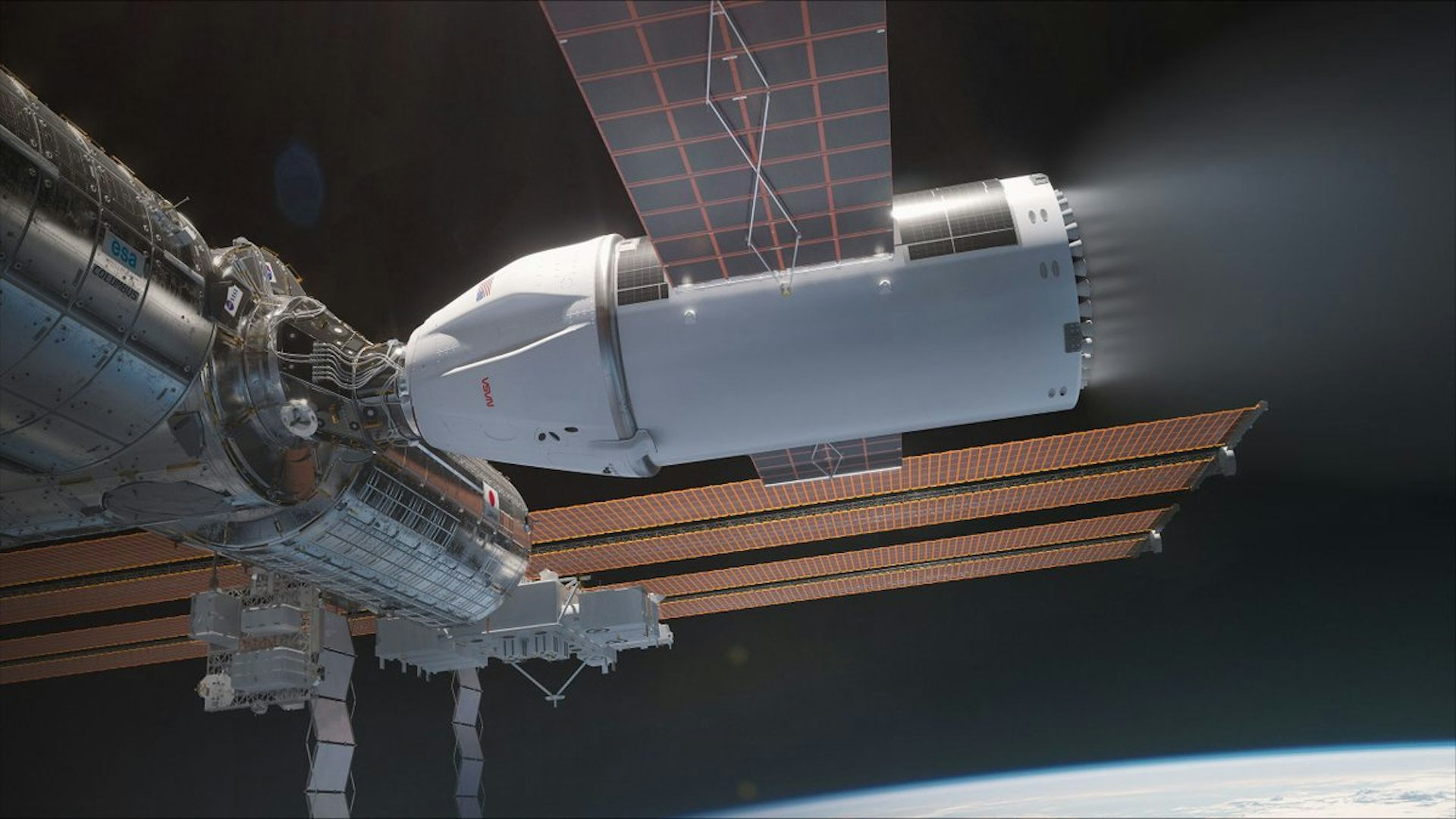
And there is a messy legal landscape hanging over the ISS as it approaches the end of its life. In order to decommission the outpost, Nasa will push the 420-tonne space station into Earth’s atmosphere using an adapted SpaceX Dragon vehicle – at a cost of roughly US$840 million (£638 million) .
随着国际空间站(ISS)生命周期的临近,围绕它存在着一片复杂的法律环境。为了退役这个前哨基地,美国国家航空航天局(Nasa)将使用经过改装的SpaceX龙飞船,将这座重达420吨的空间站推入地球大气层——成本约为8.4亿美元(6.38亿英镑)。
This controlled re-entry will take place over Point Nemo, the remotest part of the Pacific Ocean. This greatly reduces the risk of debris landing on populated areas.
这次受控再入将在“尼莫点”(Point Nemo)上空进行,这是太平洋最偏远的地方。这大大降低了碎片降落在人口密集区的风险。
Yet the space station will be the biggest orbiting object ever sent through the atmosphere and pieces as large as a small family car could survive the descent. If something were to go wrong, who would be liable?
然而,这座空间站将是迄今为止送入大气层最大的轨道物体,甚至像一辆小型家庭汽车一样大的碎片也可能幸存下来。如果出了什么差错,谁来承担责任?
Under the United Nations Liability Convention, a treaty from 1972, the nation that launches a space object is liable for any damage it causes. But the ISS was built from modules launched by more than one country, principally the US and Russia.
根据1972年的《联合国损害责任公约》,发射空间物体的主权国家对其造成的任何损害负责。但国际空间站是由多个国家发射的模块组成的,主要包括美国和俄罗斯。
Where two or more states launch together, they are jointly and severally liable, the latter term meaning that any one of them can be pursued for the whole of the damage. The ISS partners comprise the US, Russia, Japan, Canada and participating member states of the European Space Agency.
当两个或多个国家共同发射时,它们需要承担连带责任(jointly and severally liable),后者意味着任何一方都可以被追究全部损害赔偿责任。国际空间站的合作伙伴包括美国、俄罗斯、日本、加拿大以及欧洲空间局参与成员国。
If a piece of the station were to land where it shouldn’t, causing damage, the liability is absolute – no fault need be proved. If the de-orbiting process were to damage a satellite in orbit, liability is dependent on fault. Proving fault in a scenario as complex as ISS decommissioning could be extremely difficult.
如果空间站的一部分掉落到了不该出现的地方,造成了损害,那么责任是绝对的——无需证明过错。如果退轨过程损坏了轨道上的卫星,则责任取决于是否有过错。在国际空间站退役这样复杂的场景中,证明过失可能极其困难。
The ISS air leak is a reminder that space stations will require continual maintenance. Private companies will not be able to get away with a “sell and forget” mindset when they launch their outposts.
国际空间站的气密泄漏提醒我们,空间站需要持续维护。当私人公司发射其前哨基地时,不能抱有“出售即遗忘”的心态。
With no obvious paying customers beyond space agencies lining up, investors are understandably reluctant to rush into expensive commitments. Extending the life of the ISS provides a temporary patch, but it does not remove the fundamental problem of who pays to replace it.
除了排队等待的航天机构外,没有明显的付费客户,投资者自然不愿贸然做出昂贵的承诺。延长国际空间站的寿命提供了一个临时的补救措施,但它并没有消除谁来支付其替代成本这一根本问题。
Christopher Newman is Professor of Space Law and Policy at Northumbria University. He is academic adviser to 3S Northumbria, a space situational awareness company, which had no role in this article. He has previously received funding from the UK Space Agency and Innovate UK, but currently receives no relevant external funding. He is on the board of advisors for the Open Lunar Foundation, and a full member of the International Institute of Space Law.
克里斯托弗·纽曼(Christopher Newman)是诺森布里亚大学的空间法与政策教授。他是3S Northumbria公司的学术顾问,该公司与本文无关。他此前曾获得英国航天局和创新英国的资助,但目前没有相关的外部资金支持。他是开放月球基金会的顾问委员会成员,也是国际空间法学会的全职会员。