الذكاء الاصطناعي في كأس العالم: تكتيكات أذكى، لاعبون أكثر صحة، وحشود أكثر أماناً – ولكن مخاطر جديدة
AI at the World Cup: smarter tactics, healthy players, safer crowds – but new risks
This year’s World Cup will be the biggest ever – it also promises to be the most technologically advanced.
ستكون نسخة كأس العالم هذا العام الأكبر على الإطلاق – كما أنها تعد بأن تكون الأكثر تقدماً من الناحية التكنولوجية.
With 48 teams and 104 games across 16 host cities and three countries (the United States, Canada and Mexico) , this year’s FIFA World Cup is projected to be the biggest sporting event ever in terms of attendance, revenue and global viewership.
مع 48 فريقاً و 104 مباريات عبر 16 مدينة مضيفة وثلاث دول (الولايات المتحدة وكندا والمكسيك) ، من المتوقع أن تكون كأس العالم لكرة القدم لعام هذا العام أكبر حدث رياضي على الإطلاق من حيث الحضور والإيرادات والمشاهدة العالمية.
It also promises to be the most technologically advanced, and artificial intelligence (AI) in particular will touch almost all aspects of the tournament.
كما يعد بأن يكون الأكثر تطوراً من الناحية التكنولوجية، والذكاء الاصطناعي (AI) على وجه الخصوص سيلامس جميع جوانب البطولة تقريباً.
This reflects a growing use of AI in soccer and across elite sport, with tools being applied not only to optimise athlete performance but also enhance match officiating, event security and fan experience.
يعكس هذا الاستخدام المتزايد للذكاء الاصطناعي في كرة القدم وعبر الرياضات النخبوية، حيث يتم تطبيق الأدوات ليس فقط لتحسين أداء الرياضيين ولكن أيضاً لتعزيز التحكيم في المباريات وأمن الفعاليات وتجربة المشجعين.
Let’s look at how AI will be used in the World Cup, who may benefit and what risks could emerge.
دعونا نلقي نظرة على كيف سيتم استخدام الذكاء الاصطناعي في كأس العالم، ومن يمكن أن يستفيد، وما هي المخاطر التي قد تظهر.
How it will be used on the pitch
كيف سيتم استخدامه في الملعب
In our review of AI use in soccer we found various ways it can assist on the pitch:
في مراجعتنا لاستخدام الذكاء الاصطناعي في كرة القدم، وجدنا طرقًا مختلفة يمكن أن يساعد بها في الملعب:
tools to support player, team and match evaluation
أدوات لدعم تقييم اللاعب والفريق والمباراة
forecasting of match outcomes and in-game events (such as expected goals and assists, corners, passes, opposition tactics)
التنبؤ بنتائج المباريات والأحداث داخل اللعب (مثل الأهداف المتوقعة والتمريرات الحاسمة، والرُكنيات، والتمريرات، وتكتيكات الخصم)
monitoring athlete workload
مراقبة عبء عمل الرياضي
injury prediction and detection
التنبؤ بالإصابات واكتشافها
talent scouting.
استكشاف المواهب.
At the World Cup, coaches will use AI alongside more conventional data to inform how they approach each game, including what opposition strengths they need to negate and what weaknesses they can exploit.
في كأس العالم، سيستخدم المدربون الذكاء الاصطناعي إلى جانب البيانات التقليدية لتحديد كيفية تعاملهم مع كل مباراة، بما في ذلك نقاط قوة الخصم التي يحتاجون إلى إبطالها ونقاط الضعف التي يمكنهم استغلالها.
Similarly, high performance staff will use AI to monitor player health and wellbeing, and forecast potential injuries.
وبالمثل، سيستخدم طاقم الأداء العالي الذكاء الاصطناعي لمراقبة صحة اللاعب ورفاهيته، والتنبؤ بالإصابات المحتملة.
The dreaded penalty shoot-out is one area where AI will have a direct influence. Teams will use AI to synthesise historical data to provide insights on goalkeepers and penalty takers’ likely strategies.
ركلات الترجيح المرعبة هي مجال واحد سيكون فيه للذكاء الاصطناعي تأثير مباشر. ستستخدم الفرق الذكاء الاصطناعي لتوليف البيانات التاريخية لتقديم رؤى حول الاستراتيجيات المحتملة لحراس المرمى وركلات الجزاء.
A key benefit is the speed at which these analyses can be undertaken. What used to take days of old-fashioned human legwork can now be done in hours, even for entire squads.
إحدى المزايا الرئيسية هي السرعة التي يمكن بها إجراء هذه التحليلات. فما كان يستغرق أيامًا من العمل البشري التقليدي يمكن الآن إنجازه في ساعات، حتى بالنسبة لفرق كاملة.
Should a game go to a shootout, AI could very likely influence the winning kick or save.
إذا وصلت المباراة إلى ركلات الترجيح، فمن المحتمل جدًا أن يؤثر الذكاء الاصطناعي على الركلة الفائزة أو التصدي.
What about referees?
ماذا عن الحكام؟
Match officials will also be supported by AI.
سيتم دعم مسؤولي المباريات بالذكاء الاصطناعي أيضًا.
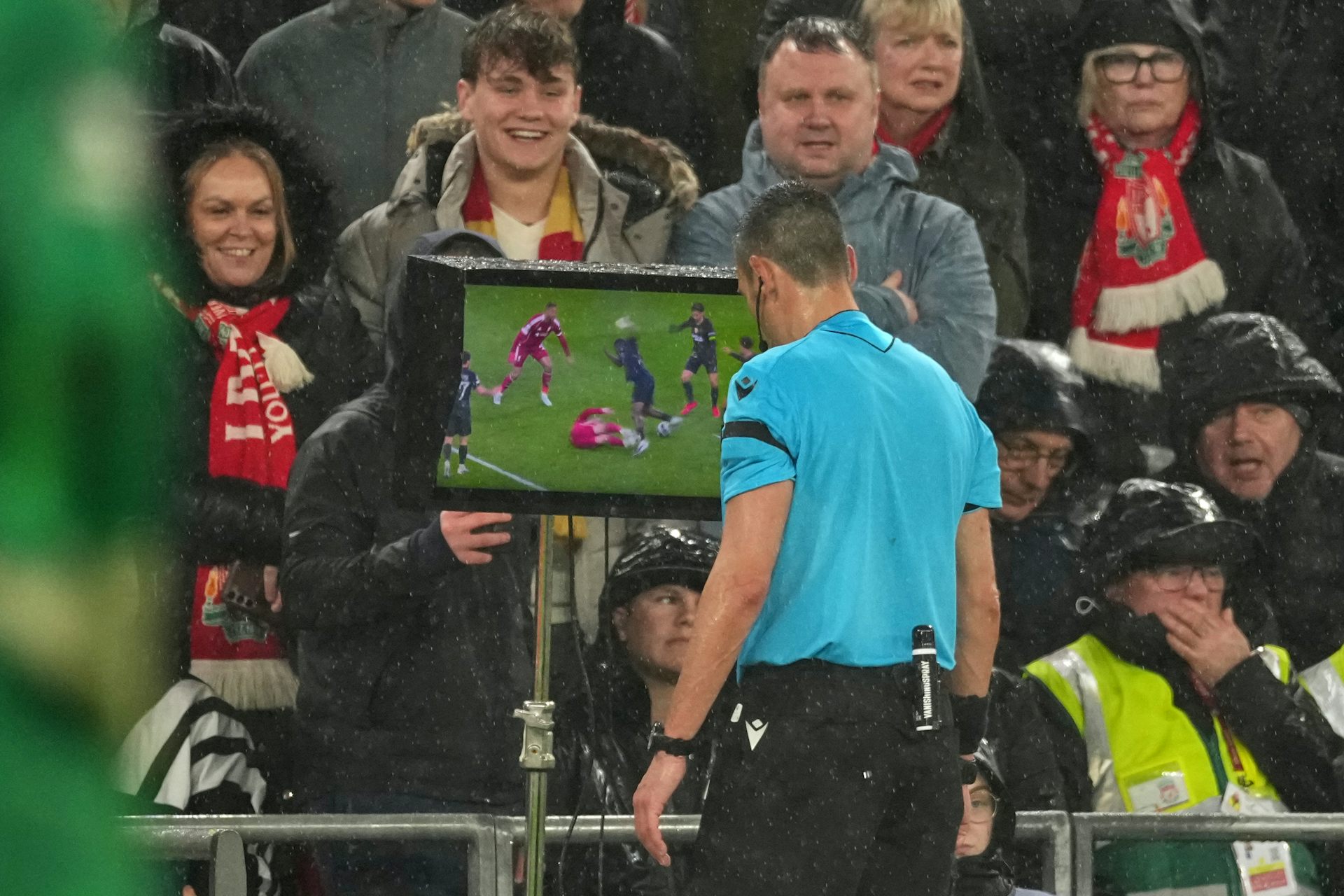
While semi-automated offside technology was introduced in the 2022 World Cup, it will be enhanced through the addition of AI-enabled 3D avatars of every player. The aim is to improve referees’ decision accuracy through the use of more precise body dimensions of the players involved.
في حين تم تقديم تقنية التسلل شبه الآلية في كأس العالم 2022، فسيتم تعزيزها بإضافة صور رمزية ثلاثية الأبعاد (أفاتار) لكل لاعب ومزودة بالذكاء الاصطناعي. ويهدف ذلك إلى تحسين دقة قرارات الحكام من خلال استخدام أبعاد الجسم الأكثر دقة للاعبين المعنيين.
The avatars will also be used to provide more engaging content when Video Assistant Referee (VAR) decisions are shown to fans. Rather than seeing only generic figures, fans will now see realistic avatars incorporating players’ faces, kit and even their hairstyle.
سيتم استخدام الصور الرمزية أيضًا لتقديم محتوى أكثر جاذبية عند عرض قرارات حكم الفيديو المساعد (VAR) للجماهير. فبدلاً من رؤية مجرد أشكال عامة، سيرى المشجعون الآن صورًا رمزية واقعية تدمج وجوه اللاعبين، وزيهم، وحتى تسريحة شعرهم.
Another use in match officiating will be referee view technology, which uses body cameras to capture in-game footage from the referee perspective. AI will be used to stabilise images, with the emphasis on enhancing the fans’ immersive experience.
سيُستخدم استخدام آخر في التحكيم هو تقنية رؤية الحكم، التي تستخدم كاميرات الجسم لالتقاط لقطات داخل المباراة من منظور الحكم. وسيُستخدم الذكاء الاصطناعي لتثبيت الصور، مع التركيز على تعزيز تجربة الانغماس للجماهير.
What about off the field?
وماذا عن ما خارج الملعب؟
Crowd management and logistics are other areas where AI will be deployed.
تُعد إدارة الحشود واللوجستيات مجالات أخرى سيتم فيها نشر الذكاء الاصطناعي.
FIFA has built an “Intelligence Command Centre” – which will connect data across matches, venues and broadcasters – as well as digital twin models of stadiums to monitor and forecast crowd behaviour.
أنشأت الفيفا “مركز قيادة للمعلومات” – سيربط هذا المركز البيانات عبر المباريات والملاعب ومُبَثّي البث – بالإضافة إلى النماذج الرقمية التوأم للملاعب لمراقبة وتوقع سلوك الحشود.
This will aim to ensure crowd-related issues such as bottlenecks are controlled.
ويهدف هذا إلى ضمان السيطرة على المشكلات المتعلقة بالحشود، مثل الاختناقات.
Are there any risks?
هل هناك أي مخاطر؟
While there are many benefits, a broad spectrum of risks will need to be managed.
على الرغم من وجود العديد من الفوائد، فسيحتاج طيف واسع من المخاطر إلى الإدارة.
Key concerns with AI tools are substandard outputs, and loss of skills and meaningful work for humans. To combat this, teams should ensure AI is only used to support human decision making, not replace it.
تشمل المخاوف الرئيسية المتعلقة بأدوات الذكاء الاصطناعي المخرجات دون المستوى، وفقدان المهارات والعمل الهادف للبشر. لمكافحة ذلك، يجب على الفرق التأكد من استخدام الذكاء الاصطناعي لدعم اتخاذ القرار البشري فقط، وليس ليحل محله.
Data privacy and security will be key concerns, with the possibility of confidential or sensitive information being leaked or accessed by unauthorised or malicious actors. The use of AI in areas such as security and crowd management could also provide the opportunity for highly disruptive cyber attacks.
ستكون خصوصية البيانات وأمنها من الشواغل الرئيسية، مع احتمال تسرب أو وصول معلومات سرية أو حساسة من قبل جهات غير مصرح بها أو خبيثة. كما أن استخدام الذكاء الاصطناعي في مجالات مثل الأمن وإدارة الحشود يمكن أن يوفر فرصة لهجمات سيبرانية شديدة التعطيل.
Equality could be an issue: teams with more financial power may have an advantage through more sophisticated tools.
قد تكون المساواة قضية: فقد تتمتع الفرق ذات القوة المالية الأكبر بميزة من خلال أدوات أكثر تطوراً.
In an attempt to level the playing field, FIFA has introduced Football AI Pro, an AI tool available to all teams. This soccer-specific large language model supports both pre- and post-match analysis and provides access to more than 2,000 metrics.
في محاولة لتسوية ساحة المنافسة، قدمت FIFA أداة “Football AI Pro”، وهي أداة ذكاء اصطناعي متاحة لجميع الفرق. يدعم نموذج اللغة الكبير الخاص بكرة القدم هذا كلًا من تحليل ما قبل المباراة وما بعدها ويوفر الوصول إلى أكثر من 2000 مقياس.
The aim is to ensure all nations have access to at least some level of AI support. It remains to be seen which nations actually use it.
الهدف هو ضمان حصول جميع الدول على مستوى معين على الأقل من دعم الذكاء الاصطناعي. لا يزال من غير الواضح أي الدول ستستخدمه فعليًا.
Another potential adverse outcome is tactical homogenisation, where games become predictable because every team follows the same AI-generated game plan.
نتيجة سلبية محتملة أخرى هي التجانس التكتيكي، حيث تصبح المباريات متوقعة لأن كل فريق يتبع خطة لعب واحدة مولدة بالذكاء الاصطناعي.
Sadly, AI will likely be deployed for nefarious purposes, for example as part of ticketing scams through AI-generated images, deepfakes, websites and phishing emails. Fans should take care at all times.
للأسف، من المرجح أن يتم نشر الذكاء الاصطناعي لأغراض خبيثة، على سبيل المثال كجزء من عمليات احتيال التذاكر عبر صور مولدة بالذكاء الاصطناعي، والتزييف العميق، والمواقع الإلكترونية، ورسائل التصيد الاحتيالي. يجب على المشجعين توخي الحذر في جميع الأوقات.
AI will be everywhere
سيكون الذكاء الاصطناعي في كل مكان
AI is fast becoming a key component of high performance sport. It will be leveraged throughout the tournament to support preparation, performance and recovery.
أصبح الذكاء الاصطناعي بسرعة مكوناً رئيسياً في الرياضة عالية الأداء. وسيتم الاستفادة منه طوال البطولة لدعم الإعداد والأداء والتعافي.
While it could increase the gap between larger and smaller nations, it might also give smaller nations a new edge.
وفي حين أنه قد يزيد الفجوة بين الدول الكبرى والصغرى، فقد يمنح الدول الأصغر أيضاً ميزة جديدة.
So could 2026 be the year in which AI genuinely contributes to a World Cup win? We won’t see an AI agent scoring a goal, or a robot coach calling the shots (at least not yet) but there is no doubt the winner of the tournament will have relied on AI along the way.
فهل يمكن أن يكون عام 2026 هو العام الذي يساهم فيه الذكاء الاصطناعي بشكل حقيقي في الفوز بكأس العالم؟ لن نرى وكيل ذكاء اصطناعي يسجل هدفاً، أو مدرباً آلياً يتخذ القرارات (على الأقل ليس بعد) ، ولكن لا شك أن الفائز بالبطولة سيعتمد على الذكاء الاصطناعي في مراحل الطريق.
In terms of who that will be – well, we could always ask AI.
أما فيما يتعلق بمن سيكون ذلك – حسناً، يمكننا دائماً أن نسأل الذكاء الاصطناعي.
Paul Salmon receives funding from the Australian Research Council
يتلقى بول سالمون تمويلاً من المجلس الأسترالي للبحوث
Isaiah Jesse Elstak receives Commonwealth funding through an Australian government research training program scholarship.
يتلقى إيشايا جيسي إلستاك تمويلاً من الكومنولث من خلال منحة برنامج تدريب بحثي حكومي أسترالي.
Scott McLean does not work for, consult, own shares in or receive funding from any company or organisation that would benefit from this article, and has disclosed no relevant affiliations beyond their academic appointment.
لا يعمل سكوت ماكلين لدى، أو يستشير، أو يمتلك حصصاً في، أو يتلقى تمويلاً من أي شركة أو منظمة تستفيد من هذه المقالة، ولم يفصح عن أي انتماءات ذات صلة بخلاف تعيينه الأكاديمي.
Read more
-
الشعاب المرجانية متصلة سراً عبر المحيطات الشاسعة – وهذا أمر حيوي لبقائها.
Coral reefs are secretly connected across vast oceans – and that’s crucial for their survival
-
لماذا وجهت الولايات المتحدة اتهامات جنائية لرئيس كوبا السابق راؤول كاسترو؟
Why has the US indicted former Cuban President Raúl Castro?