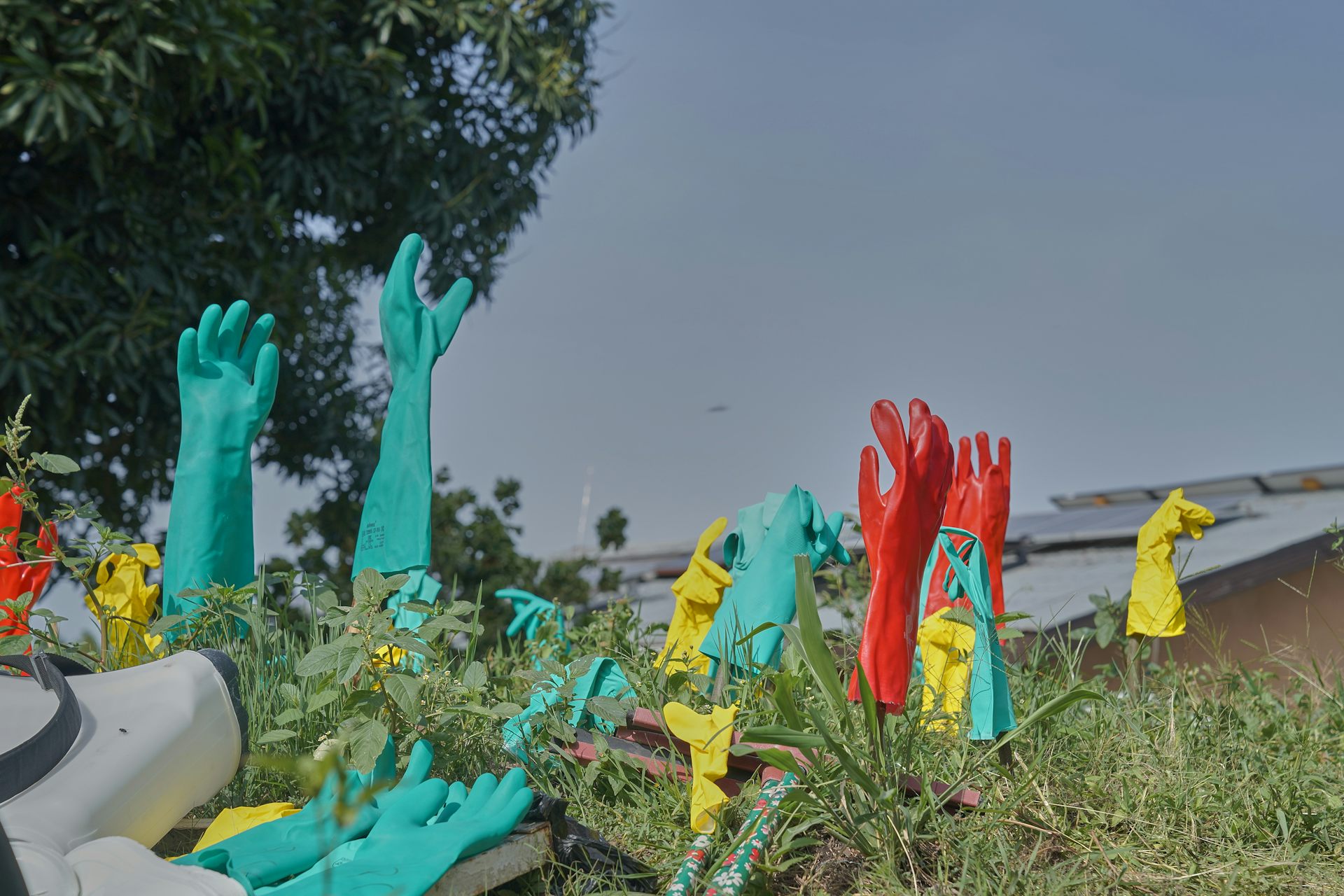
إيبولا، وفيروس الهانتا، والخناق: كيف يغذي انعدام الثقة في الرعاية الصحية تفشّي أوبئة متعددة حول العالم
Ebola, hantavirus, diphtheria: how distrust in health care is fuelling multiple outbreaks across the globe
Distrust in health care during infectious disease outbreaks can have devastating consequences. Here’s what we can do about it.
يمكن أن يؤدي انعدام الثقة في الرعاية الصحية أثناء تفشي الأمراض المعدية إلى عواقب وخيمة. وإليكم ما يمكننا فعله حيال ذلك.
The first half of 2026 has been marked by three different disease outbreaks: Ebola, hantavirus and, in Australia, diphtheria. Each has exposed vulnerabilities in how we detect, communicate and respond to infectious disease outbreaks.
شهد النصف الأول من عام 2026 تفشي ثلاث أمراض مختلفة: الإيبولا، والفيروسات المنوية (هانتاترافايروس) ، والدفتيريا في أستراليا. وقد كشف كل منها عن نقاط ضعف في كيفية اكتشافنا للأوبئة المعدية والتواصل بشأنها والاستجابة لها.
Each of these outbreaks has its unique challenges. But a common thread has been distrust in health care or a lack of information where misinformation has filled the vacuum.
لكل من هذه الأوبئة تحديات فريدة. ولكن الخيط المشترك هو انعدام الثقة في الرعاية الصحية أو نقص المعلومات، حيث ملأت المعلومات المضللة هذا الفراغ.
We’ve seen this play out in different ways across the globe, with devastating results.
لقد رأينا هذا يتكشف بطرق مختلفة حول العالم، بنتائج وخيمة.
So how do we address this distrust so we can better respond to future outbreaks?
إذًا، كيف يمكننا معالجة هذا انعدام الثقة حتى نتمكن من الاستجابة بشكل أفضل للأوبئة المستقبلية؟
Ebola
إيبولا
Distrust, rumours and misinformation have repeatedly emerged as major barriers to controlling Ebola. This includes in the current outbreak in the Democratic Republic of the Congo (DRC) .
لقد برز انعدام الثقة والشائعات والمعلومات المضللة مراراً وتكراراً كعقبات رئيسية للسيطرة على إيبولا. ويشمل ذلك التفشي الحالي في جمهورية الكونغو الديمقراطية (DRC) .
For example, past surveys of community members have identified misunderstandings about Ebola (including believing it’s not real) , about how people are diagnosed, and revealed low levels of trust in health care.
على سبيل المثال، حددت مسوحات سابقة لأفراد المجتمع سوء فهم حول إيبولا (بما في ذلك الاعتقاد بأنها غير حقيقية) ، وحول كيفية تشخيص الناس، وكشفت عن مستويات منخفضة من الثقة في الرعاية الصحية.
These issues have hampered how cases of Ebola are identified, discouraged people to seek timely health care or to hide cases, and have undermined public health interventions.
وقد أعاقت هذه القضايا كيفية تحديد حالات إيبولا، وثنت الناس عن طلب الرعاية الصحية في الوقت المناسب أو عن الإبلاغ عن الحالات، وقوضت التدخلات الصحية العامة.
For example, in late May, we heard how some DRC residents set fire to a tent set up by the humanitarian group Médecins Sans Frontières for suspected and confirmed Ebola cases. This led to 18 people suspected of having Ebola leaving the facility.
على سبيل المثال، في أواخر مايو، علمنا كيف أشعل بعض سكان جمهورية الكونغو الديمقراطية النار في خيمة أنشأتها مجموعة “أطباء بلا حدود” للحالات المشتبه بها والمؤكدة للإصابة بإيبولا. وأدى ذلك إلى مغادرة 18 شخصاً يشتبه في إصابتهم بإيبولا للمرفق.
The trigger for this and similar examples was the announcement of a ban on large funeral wakes and gatherings. Authorities, rather than families, would now also start to manage the burials of suspected victims due to the infection risk associated with infected bodies, body fluids, contaminated clothing, and other personal items.
كان المحفز لهذا ومثل هذه الأمثلة هو الإعلان عن حظر التجمعات والجنازات الكبيرة. وبدأت السلطات، بدلاً من العائلات، بتولي إدارة دفن الضحايا المشتبه بهم بسبب خطر العدوى المرتبط بالأجساد المصابة وسوائل الجسم والملابس الملوثة والمقتنيات الشخصية الأخرى.
In 2014 the World Health Organization developed a safe and dignified burial protocol for local health authorities, in response to past clusters. This stressed the handling of human remains should be kept to a minimum and that cultural and religious concerns must be considered. It also stressed no burial should begin until the family agreed.
في عام 2014، طورت منظمة الصحة العالمية بروتوكول دفن آمن وكرائم للسلطات الصحية المحلية، وذلك استجابة لتجمعات سابقة. وأكد هذا البروتوكول أن التعامل مع بقايا الإنسان يجب أن يقتصر على الحد الأدنى، وأن يجب أخذ المخاوف الثقافية والدينية في الاعتبار. كما أكد أنه لا ينبغي بدء أي دفن قبل موافقة العائلة.
For families to accept the safe burial practice, they must both trust the health-care providers implementing the protocols and the institutions directing the response.
لكي تقبل العائلات ممارسة الدفن الآمن، يجب عليها أن تثق في كل من مقدمي الرعاية الصحية الذين يطبقون البروتوكولات والمؤسسات التي توجه الاستجابة.
This was clearly not the case where the unrest occurred at the Ebola treatment centre, and at another centre where family members tried to retrieve the body of a man suspected of dying of Ebola.
لم تكن هذه هي الحال بوضوح حيث اندلعت الاضطرابات في مركز علاج إيبولا، وفي مركز آخر حاول فيه أفراد العائلة استعادة جثمان رجل يُشتبه في وفاته بسبب إيبولا.
Hantavirus
هنتافايروس
Misinformation often thrives and spreads where trust is weak and communication is absent. For instance, when transparent public health messaging is delayed, rumours and speculation can quickly fill information vacuums. We’ve seen an example play out with the recent cruise ship hantavirus outbreak.
غالباً ما يزدهر ويانتشر التضليل حيث يكون الثقة ضعيفة وغياب التواصل. على سبيل المثال، عندما يتأخر إرسال رسائل صحية عامة شفافة، يمكن للشائعات والتكهنات أن تملأ فراغات المعلومات بسرعة. لقد رأينا مثالاً يحدث مع تفشي فيروس الهنتافايروس الأخير على متن سفينة سياحية.
Several public health experts based in the United States have argued the US Centers for Disease Control (CDC) was less visible, slower to communicate publicly and less internationally prominent than in previous outbreaks.
جادل العديد من خبراء الصحة العامة ومقرهم الولايات المتحدة بأن مراكز السيطرة على الأمراض (CDC) الأمريكية كانت أقل وضوحاً، وأبطأ في التواصل العام، وأقل بروزاً دولياً مما كانت عليه في تفشيات سابقة.
At the start of the outbreak top CDC officials didn’t appear on TV shows or give interviews about the risk to the US public. In the past, the agency would often take the lead in coordinating responses to such events.
في بداية التفشي، لم يظهر كبار مسؤولي مركز السيطرة على الأمراض على برامج تلفزيونية أو يقدموا مقابلات حول المخاطر التي تهدد الجمهور الأمريكي. في الماضي، كانت الوكالة غالباً ما تتولى زمام التنسيق للاستجابة لمثل هذه الأحداث.
Instead, others have filled the vacuum, including influencers and others spreading misinformation via social media about the virus’ pandemic potential, unproven treatments, and false links to vaccination.
بدلاً من ذلك، ملأ آخرون هذا الفراغ، بمن فيهم المؤثرون وغيرهم الذين نشروا معلومات مضللة عبر وسائل التواصل الاجتماعي حول احتمالية تفشي الوباء للفيروس، والعلاجات غير المثبتة، والروابط الكاذبة للتطعيم.
Diphtheria
الخناق
The recent diphtheria outbreak in Australia is another example of how information vacuums can undermine an outbreak response.
يُعد تفشي الخناق الأخير في أستراليا مثالاً آخر على كيف يمكن للفراغات المعلوماتية أن تقوض الاستجابة لتفشي المرض.
Warlpiri man Eugene Penhall told Guardian Australia locals were frustrated with the lack of information about diphtheria – including what caused it and how to prevent it. In particular, they wanted information that applied to daily life in a community where housing is overcrowded and living standards are poor.
قال يوجين بينهول، من شعب وورلبيري، لصحيفة غارديان أستراليا إن السكان المحليين كانوا محبطين بسبب نقص المعلومات حول الخناق – بما في ذلك ما يسببه وكيفية الوقاية منه. وعلى وجه الخصوص، أرادوا معلومات تنطبق على الحياة اليومية في مجتمع تعاني فيه المساكن من الاكتظاظ وتدني مستويات المعيشة.
Here, the challenges are complex, including inequitable access to health care in remote communities, and dealing with a disease many health workers and communities had not encountered for decades.
هنا، التحديات معقدة، وتشمل عدم المساواة في الحصول على الرعاية الصحية في المجتمعات النائية، والتعامل مع مرض لم يصادفه العديد من العاملين الصحيين والمجتمعات لعقود.
But unlike an outbreak of hantavirus, diphtheria can be prevented by vaccination. So, if vaccination is to succeed, health authorities need to better target communication about the vaccine and explore ways to enhance local delivery to build and maintain trust.
ولكن على عكس تفشي فيروس الهانتا، يمكن الوقاية من الخناق عن طريق التطعيم. لذا، لكي ينجح التطعيم، تحتاج السلطات الصحية إلى استهداف التواصل حول اللقاح بشكل أفضل واستكشاف طرق لتعزيز التوصيل المحلي لبناء الثقة والحفاظ عليها.
What can we do to restore trust?
ما الذي يمكننا فعله لاستعادة الثقة؟
Transparency in a complex outbreak response should acknowledge what is known. That is, it should provide clear explanations for the reasons behind certain decisions. It should also acknowledge what is unknown. That means recognising policy drawbacks or scientific uncertainties.
يجب أن تتضمن الشفافية في الاستجابة المعقدة لتفشي المرض الاعتراف بما هو معروف. أي أنها يجب أن تقدم تفسيرات واضحة للأسباب الكامنة وراء قرارات معينة. ويجب أن تعترف أيضاً بما هو غير معروف. وهذا يعني الإقرار بالقصور في السياسات أو الشكوك العلمية.
When we learn more about a disease, public health messages can change and this should be communicated transparently and honestly. It’s not a back-flip. Science evolves and so should public health advice.
عندما نتعلم المزيد عن مرض ما، يمكن أن تتغير رسائل الصحة العامة ويجب توصيل ذلك بشفافية وصدق. هذا ليس تراجعاً مفاجئاً. العلم يتطور، ويجب أن تتطور كذلك نصائح الصحة العامة.
From the lessons learnt during past events, such as the COVID pandemic, frequent press conferences, social media updates and direct engagement with the public helps build trust. Different messengers and tailored formats are required for different target audiences.
من الدروس المستفادة خلال الأحداث الماضية، مثل جائحة كوفيد-19، تساعد المؤتمرات الصحفية المتكررة وتحديثات وسائل التواصل الاجتماعي والتفاعل المباشر مع الجمهور على بناء الثقة. تتطلب الجماهير المستهدفة المختلفة رسائل ومصاغات مخصصة مختلفة.
Upskilling local health staff, working with community-based or civil society organisations, outreach workers, and local leaders can also support successful communication. These groups are likely to be met with less scepticism than “outsiders” such as international public health agencies.
يمكن أيضاً أن يدعم رفع مستوى مهارات العاملين الصحيين المحليين، والعمل مع المنظمات المجتمعية أو منظمات المجتمع المدني، والعاملين في التوعية، والقادة المحليين التواصل الناجح. ومن المرجح أن تقابل هذه المجموعات بقدر أقل من الشكوك مقارنة بـ “الخارجيين” مثل وكالات الصحة العامة الدولية.
We also need community-driven action, as we’ve seen with the Social Mobilisation Action Consortium in Sierra Leone. This engaged communities to take ownership over preventing Ebola. It resulted in behaviour change around safe burials, early treatment, and social acceptance of Ebola survivors. There were thousands of community mobilisers and trained religious leaders, partnering with more than 30 radio stations. There have not been any Ebola cases in the country since its 2014 outbreak.
نحتاج أيضاً إلى عمل مدفوع من المجتمع، كما رأينا مع اتحاد العمل للتعبئة الاجتماعية في سيراليون. وقد أشرك هذا الاتحاد المجتمعات لتتولى مسؤولية منع الإيبولا. وأدى ذلك إلى تغيير السلوك فيما يتعلق بالدفن الآمن والعلاج المبكر والقبول الاجتماعي للناجين من الإيبولا. وكان هناك آلاف من المُنَشِّطين المجتمعيين والقادة الدينيين المدربين، الذين تعاونوا مع أكثر من 30 محطة إذاعية. ولم تسجل البلاد أي حالات إيبولا منذ تفشيها في عام 2014.
But trust can be difficult to establish during a crisis, when emotional and financial stresses are high.
لكن بناء الثقة يمكن أن يكون صعباً أثناء الأزمات، عندما تكون الضغوط العاطفية والمالية مرتفعة.
So we also need to proactively build rapport and shared understanding between health-care workers, stakeholders, community organisations and the community before an outbreak.
لذلك، نحتاج أيضاً إلى بناء العلاقة والتفاهم المشترك بشكل استباقي بين العاملين في مجال الرعاية الصحية وأصحاب المصلحة والمنظمات المجتمعية والمجتمع قبل وقوع أي تفشي.
That way we can identify and address concerns and allow better design, uptake of, and trust in measures to control the next outbreak.
بهذه الطريقة يمكننا تحديد ومعالجة المخاوف والسماح بتصميم أفضل وتطبيق وثقة أكبر في التدابير اللازمة للسيطرة على التفشي التالي.
Holly Seale has received funding from the National Health and Medical Research Council (NHMRC) to conduct research on pandemic preparedness.
حصلت هولي سيل على تمويل من المجلس الوطني للبحوث الصحية والطبية (NHMRC) لإجراء أبحاث حول التأهب للأوبئة.
Bianca Middleton is a member of the Vaccination Special Interest Group of the Australasian Society for Infectious Diseases.
بيانكا ميدلتون هي عضو في مجموعة الاهتمام الخاصة باللقاحات التابعة للجمعية الأسترالاسياوية لأمراض العدوى.
Md Saiful Islam does not work for, consult, own shares in or receive funding from any company or organisation that would benefit from this article, and has disclosed no relevant affiliations beyond their academic appointment.
لا يعمل محمد سيف الإسلام أو يشارك في استشارات، ولا يمتلك حصصاً أو يتلقى تمويلاً من أي شركة أو منظمة تستفيد من هذه المقالة، ولم يفصح عن أي انتماءات ذات صلة تتجاوز منصبه الأكاديمي.
Read more
-
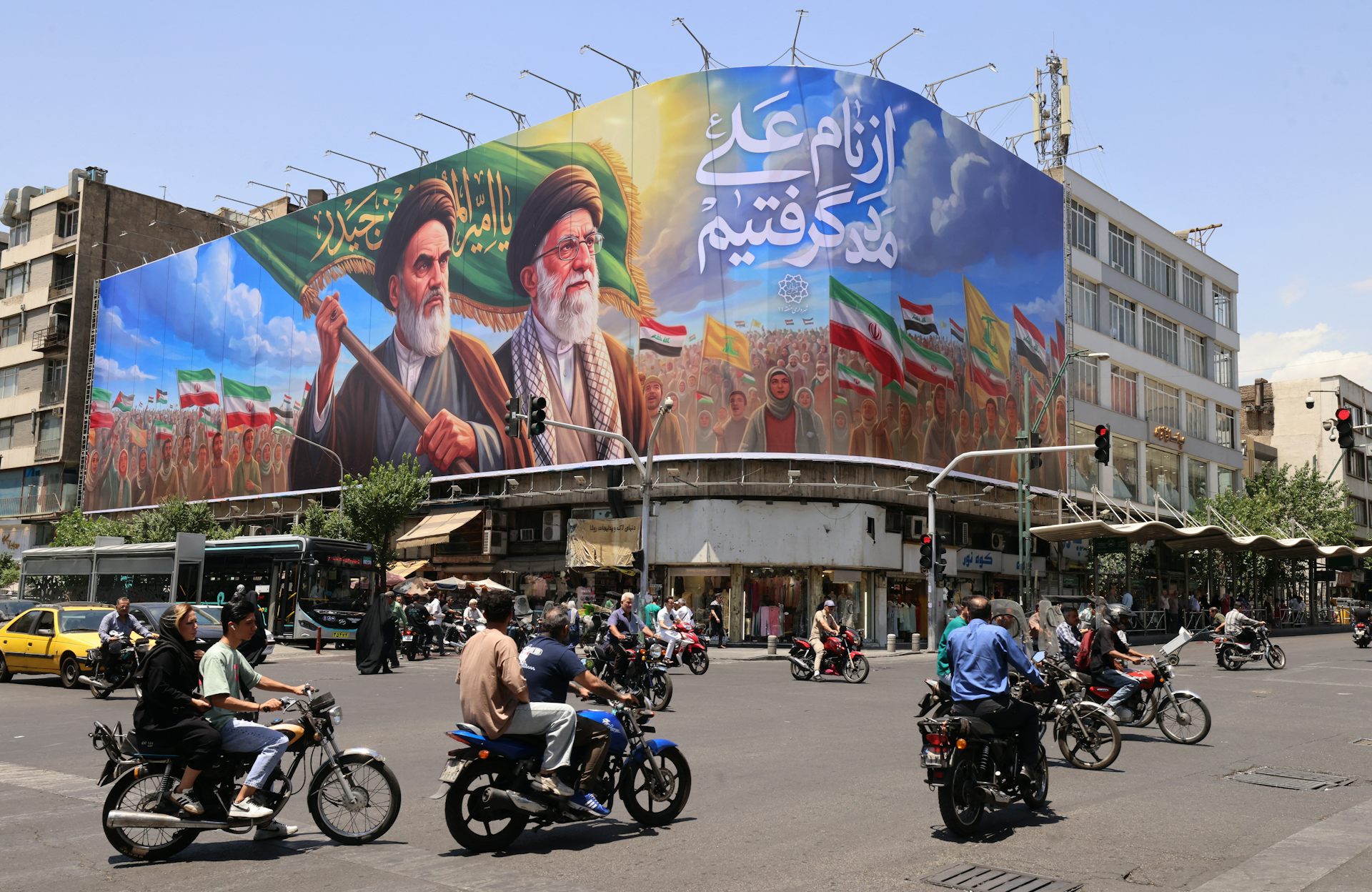
اتفاق ترامب لوقف إطلاق النار بين الولايات المتحدة وإيران هو عودة مكلفة إلى ظروف ما قبل الحرب – وحل الأسئلة النووية سيصطدم بـ “مشكلة عدم القابلية للتجزئة”.
Trump’s US-Iran ceasefire deal is a costly return to prewar conditions – and resolving nuclear questions will run into the ‘indivisibility problem’
-
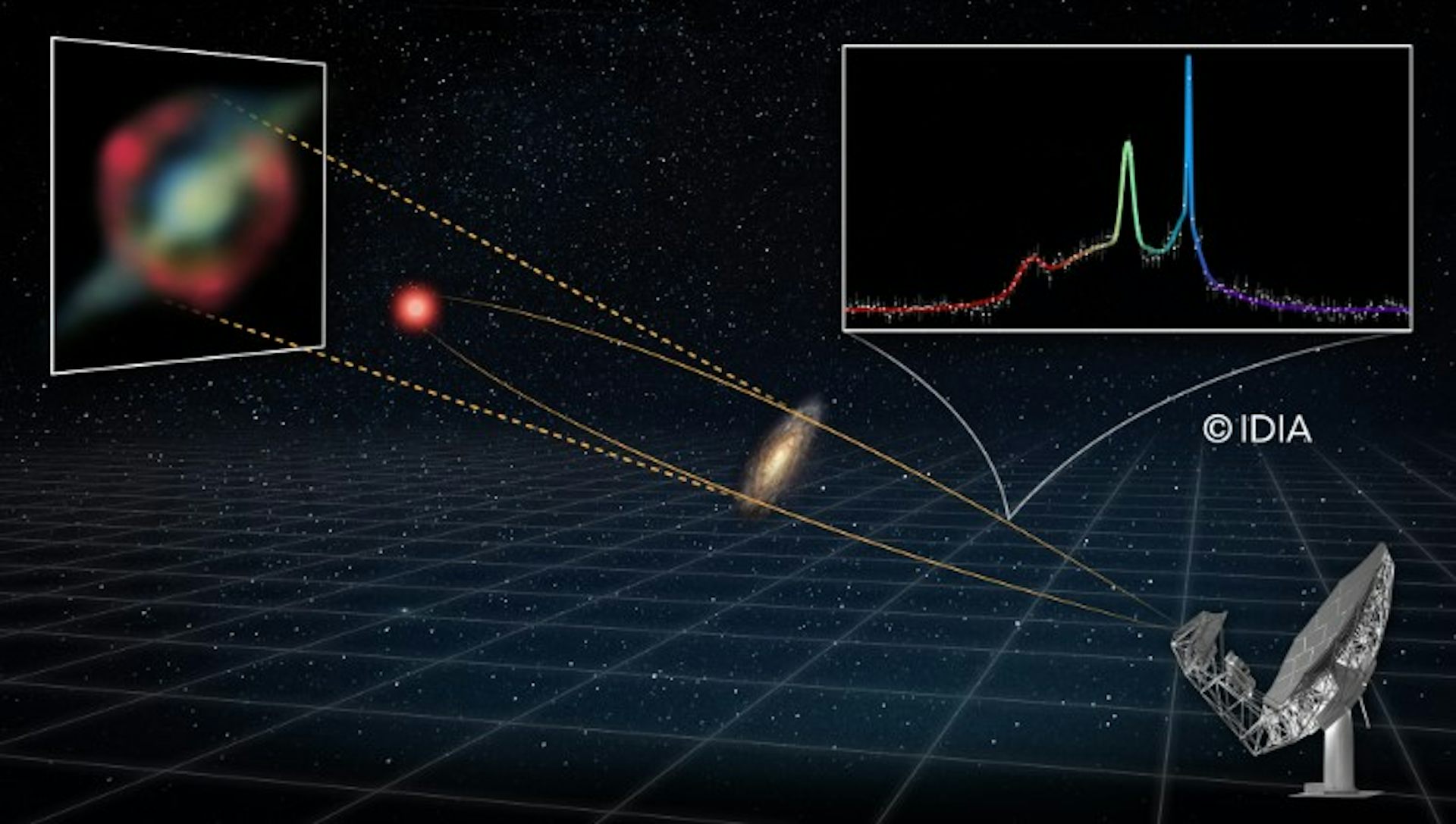
اكتشاف تلسكوب جنوب أفريقي لإشارة قياسية من الكون المبكر
South African telescope detects record-breaking signal from the early universe