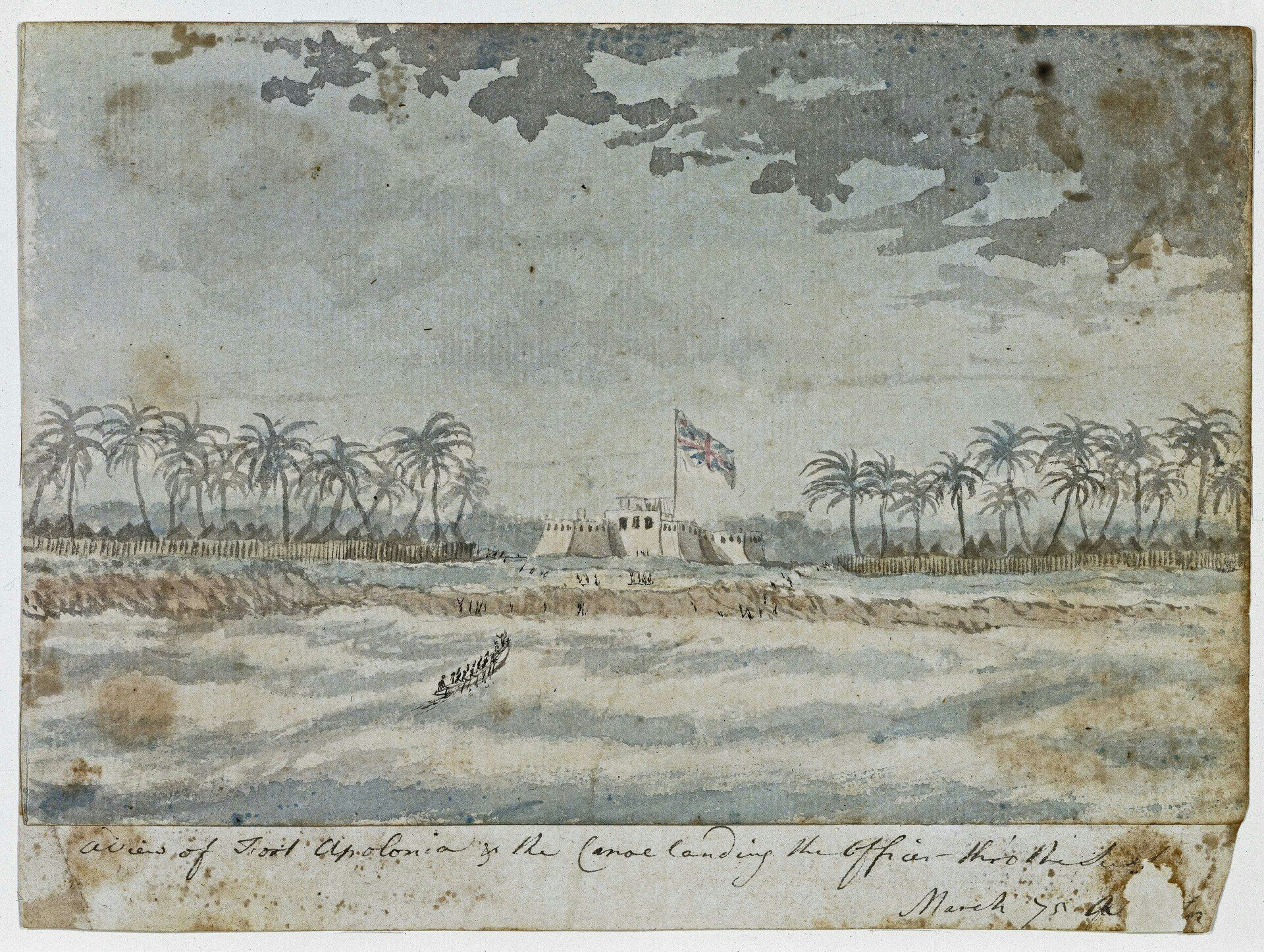
أبولونيا: قصة مملكة أفريقية قاومت تجارة الرقيق الأطلسية
Appolonia: the story of an African kingdom that resisted the Atlantic slave trade
Why did Appolonia trade so few enslaved people? Short answer: unique economy and sacred beliefs.
لماذا أجرت أبولونيا تجارة عدد قليل جداً من الرقيق؟ الإجابة المختصرة: اقتصاد فريد ومعتقدات مقدسة.
The transatlantic slave trade was a multilayered, highly commercialised global enterprise that lasted from the early 1500s to the mid 1800s.
كانت تجارة الرقيق عبر الأطلسي مشروعاً عالمياً متعدد الطبقات وتجارياً للغاية، استمر من أوائل القرن السادس عشر حتى منتصف القرن التاسع عشر.
The events over this period are far too complex to fit into a straightforward perpetrator-victim narrative. While the trade catastrophically dehumanised and commodified over 12.5 million Africans, it was not just an external conquest.
إن الأحداث التي وقعت خلال هذه الفترة معقدة جداً بحيث لا يمكن اختزالها في سرد بسيط للمعتدي والضحية. فبينما جرّدت التجارة بشكل كارثي أكثر من 12.5 مليون أفريقي من إنسانيته وحوّلته إلى سلعة، لم يكن الأمر مجرد غزو خارجي.
Europeans lacked the geographical knowledge, immunity to endemic tropical diseases, and the military power to venture into the African interior. So they became dependent on African states and merchant elites for the supply of captives.
لم يمتلك الأوروبيون المعرفة الجغرافية أو الحصانة ضد الأمراض الاستوائية المتوطنة، ولا القوة العسكرية للتغلغل في عمق أفريقيا. لذلك أصبحوا يعتمدون على الدول الأفريقية والنخب التجارية لتوفير الأسرى.
By controlling coastal ports, regulating market access, and managing the interior trade routes that brought captives to the coast, these African brokers enabled and shaped the European trade in human beings.
من خلال السيطرة على الموانئ الساحلية وتنظيم الوصول إلى الأسواق وإدارة طرق التجارة الداخلية التي كانت تجلب الأسرى إلى الساحل، مكّن هؤلاء الوسطاء الأفارقة وشكّلوا بذلك التجارة الأوروبية في البشر.
Yet, this internal participation was rarely uniform. While certain powerful African societies and groups largely procured captives from weaker communities through warfare or raids, a few centralised African states chose neither to fully participate in nor completely abstain from the slave trade.
ومع ذلك، فإن هذا المشاركة الداخلية لم تكن موحدة أبداً. فبينما حصلت بعض المجتمعات والمجموعات الأفريقية القوية على الأسرى بشكل كبير من المجتمعات الأضعف عبر الحروب أو الغارات، اختارت عدد قليل من الدول الأفريقية المركزية عدم المشاركة بالكامل في تجارة الرقيق ولا التنصل منها تماماً.
One such society was the Kingdom of Appolonia (today known as the Nzema State) in the southwestern Gold Coast (present-day Ghana) . Throughout the four centuries of Atlantic slavery, Appolonia traded only 352 captives while other Gold Coast towns like Elmina and Cape Coast each shipped hundreds of thousands of enslaved people.
وكانت إحدى هذه المجتمعات هي مملكة أبولونيا (المعروفة اليوم باسم ولاية نزيما) في جنوب غرب الساحل الذهبي (غانا حالياً) . وعلى مدى أربعة قرون من العبودية الأطلسية، لم تتاجر أبولونيا إلا بـ 352 أسيرًا، بينما شحنت مدن ساحلية أخرى مثل إلمينا وكاب كوست مئات الآلاف من المستعبدين كل منها.
As a historian of west Africa, particularly Ghana, specialising in environmental and water history as well as the slave trade, I have spent nearly a decade researching Appolonia’s role in the Atlantic slave trade. My recent study reveals that Appolonia was the only port region on the Gold Coast where the Atlantic slave trade did not thrive, although indigenous African slavery was practised in the kingdom. Appolonia stands out as a statistical and geographical outlier within the slave trade economy.
بصفتي مؤرخاً لغرب أفريقيا، وتحديداً غانا، ومتخصصاً في تاريخ البيئة والمياه وكذلك تجارة الرقيق، فقد قضيت ما يقرب من عقد من البحث حول دور أبولونيا في تجارة الرقيق الأطلسية. تكشف دراستي الأخيرة أن أبولونيا كانت المنطقة المينائية الوحيدة على الساحل الذهبي التي لم يزدهر فيها تجارة الرقيق الأطلسية، على الرغم من ممارسة العبودية الأفريقية الأصلية في المملكة. وتبرز أبولونيا كشذوذ إحصائي وجغرافي ضمن اقتصاد تجارة الرقيق.
Appolonia’s story raises several critical questions. Why did the kingdom trade so few enslaved people? Why is it important to study regions of Africa where the slave trade was less dominant? And what do outliers like Appolonia teach us about historical and reparative justice?
تثير قصة أبولونيا عدة أسئلة جوهرية. لماذا تاّردت المملكة بهذا العدد القليل من الأسرى؟ ولماذا من المهم دراسة مناطق أفريقيا التي كانت فيها تجارة الرقيق أقل هيمنة؟ وما الذي تعلمنا إياه الحالات الشاذة مثل أبولونيا حول العدالة التاريخية والتعويضية؟
Appolonia in historical context
أبولونيا في سياق تاريخي
Appolonia is an Akan society in southwestern Ghana, located at the border with Côte d’Ivoire. The Portuguese named this region after Saint Appolonia, an Egyptian Christian virgin, because they discovered the area on her festival day.
تُعد أبولونيا مجتمعاً أكانيّاً يقع في جنوب غرب غانا، على الحدود مع ساحل العاج. وقد سمى البرتغاليون هذه المنطقة باسم القديسة أبولونيا، وهي عذراء مسيحية مصرية، لأنه اكتشفوا المنطقة في يوم عيدها.
The region was made up of small villages that came together to establish the Appolonian Kingdom in the late 1600s. It was here that Ghana’s first president, Kwame Nkrumah, was born in 1909.
تكونت المنطقة من قرى صغيرة اجتمعت لتؤسس مملكة أبولونيا في أواخر القرن السابع عشر. ومن هنا وُلد أول رئيس لغانا، كوامي نكروما، عام 1909.
The founding of the Appolonian Kingdom coincided with other grand historical developments on the Gold Coast. These include the rise of the Asante Kingdom to superpower status and the transformation of the region into a centre for the Atlantic slave trade.
تزامن تأسيس مملكة أبولونيا مع تطورات تاريخية عظيمة أخرى على الساحل الذهبي. وتشمل هذه التطورات صعود مملكة آشانتي إلى مستوى القوة العظمى وتحول المنطقة إلى مركز لتجارة الرقيق الأطلسية.
These events drew Appolonia into the larger Atlantic economy. However, Appolonia was probably the only Gold Coast society that effectively said “no” to the Atlantic slave trade.
جذبت هذه الأحداث أبولونيا إلى الاقتصاد الأطلسي الأكبر. ومع ذلك، فمن المحتمل أن تكون أبولونيا هي المجتمع الوحيد في الساحل الذهبي الذي قال بفعالية “لا” للتجارة بالعبيد عبر الأطلسي.
Saying “no” did not mean a complete abstinence. The 352 enslaved individuals that Appolonia shipped account for 0.0028% of the Africans transported across the Atlantic Ocean. My intention is not to reduce these precious lives to mere statistics. Rather, I aim to show that, in percentage terms, Appolonia’s involvement in the trade was minimal.
لم يكن القول بـ “لا” يعني الامتناع التام. وتشكل الأفراد المستعبدون البالغ عددهم 352 شخصاً الذين شحنتهم أبولونيا نسبة 0.0028% من الأفارقة المنقولين عبر المحيط الأطلسي. إن قصدي ليس اختزال هذه الأرواح الثمينة إلى مجرد إحصائيات. بل أسعى لإظهار أن مشاركة أبولونيا في التجارة كانت ضئيلة، من حيث النسب المئوية.
To illustrate this point, let’s examine some comparative data.
لتوضيح هذه النقطة، دعونا نفحص بعض البيانات المقارنة.
The table displays slave exports from various regions of the Gold Coast. This information was obtained from the SlaveVoyages database, compiled over decades by various researchers in an international collaborative effort. It offers statistics on enslaved individuals shipped from Africa and those who survived the journey.
يعرض الجدول صادرات العبيد من مناطق مختلفة على الساحل الذهبي. وقد تم الحصول على هذه المعلومات من قاعدة بيانات رحلات الرقيق (SlaveVoyages) ، التي قام بتجميعها باحثون مختلفون على مدى عقود في جهد تعاوني دولي. وهي تقدم إحصائيات عن الأفراد المستعبدين الذين شُحنوا من أفريقيا وأولئك الذين نجوا من الرحلة.
For instance, in the 18th-century Gold Coast, port towns like Anomabo recorded 168,348 slave exports, Cape Coast 100,434 and Elmina 85,636 – compared with Appolonia’s 352.
على سبيل المثال، في الساحل الذهبي في القرن الثامن عشر، سجلت المدن المينائية مثل أنومابو 168,348 تصدير عبيد، وكيب كوست 100,434، وإلمينا 85,636 – مقارنة بـ 352 من أبولونيا.
Consider the figures alongside the historical population densities of these areas.
ضعوا في اعتباركم الأرقام جنباً إلى جنب مع الكثافات السكانية التاريخية لهذه المناطق.
During the 1700s, Anomabu had approximately 8,750 inhabitants; yet a staggering 168,348 captives were shipped from there. This indicates significant slave trading. Similarly, Cape Coast and Elmina had projected populations of around 5,000 and 25,000 residents, yet recorded high slave exports.
خلال القرن الثامن عشر، كان عدد سكان أنومابو حوالي 8,750 نسمة؛ ومع ذلك، تم شحن 168,348 أسيرًا مذهلاً من هناك. وهذا يشير إلى تجارة عبيد كبيرة. وبالمثل، كان لكيب كوست وإلمينا تعداد سكاني متوقع يبلغ حوالي 5,000 و 25,000 مقيم على التوالي، لكنها سجلت صادرات عالية للعبيد.
Appolonia, on the other hand, had an estimated population of 15,600-19,600 inhabitants but traded only 352.
أما أبولونيا، فكان لديها عدد سكان تقديري يتراوح بين 15,600 و 19,600 نسمة، ولكنها لم تتجاوز تجارة 352 شخصاً فقط.
What this means
ماذا يعني هذا
Why did Appolonia trade so few enslaved people? Using demographic database analysis, European archival records, and oral histories, my research suggests two main reasons.
لماذا قامت أبولونيا بتجارة عدد قليل جدًا من العبيد؟ باستخدام تحليل قواعد البيانات الديموغرافية، والسجلات الأرشيفية الأوروبية، والتاريخ الشفوي، يشير بحثي إلى سببين رئيسيين.
First, Appolonia was not a slaving society. Its economy depended rather on the gold and ivory trade.
أولاً، لم تكن أبولونيا مجتمعًا للعبودية. بل اعتمد اقتصادها على تجارة الذهب والعاج.
Second, the kingdom implemented policies, such as the amonle covenant, that prevented the sale of Appolonian subjects. Amonle was a sacred ritual involving human sacrifice of Appolonian royals and the mixing of their blood with a special herbal concoction. It was then drunk by both Appolonian rulers and migrants who settled in the kingdom.
ثانيًا، نفّذت المملكة سياسات، مثل عهد أمونلي، التي منعت بيع الرعايا الأبولونيين. كان أمونلي طقسًا مقدسًا يتضمن التضحية البشرية بأفراد العائلة المالكة الأبولونية وخلط دمائهم مع خلطة عشبية خاصة. وكان يُشرب بعد ذلك من قبل كل من الحكام الأبولونيين والمهاجرين الذين استقروا في المملكة.
This powerful ritual served as the binding oath against selling Appolonian locals and refugees, cursing anyone who broke the oath. This policy undermined any internal system for producing enslaved people within the kingdom for sale.
عمل هذا الطقس القوي كقسم ملزم ضد بيع سكان أبولون المحليين واللاجئين، ويلعن كل من يكسر هذا القسم. قوّضت هذه السياسة أي نظام داخلي لإنتاج العبيد داخل المملكة بغرض البيع.
The question of reparations
مسألة التعويضات
Appolonia’s story further complicates our understanding and approach to seeking historical justice and reparations for the slave trade. It is one thing for a known victim to demand justice and reparations from an identifiable perpetrator, whether through symbolic acts like an apology, or through monetary compensation.
تزيد قصة أبولونيا من تعقيد فهمنا ومنهجيتنا في السعي لتحقيق العدالة التاريخية والتعويضات عن تجارة الرقيق. أن يطالب ضحية معروف بالعدالة والتعويضات من مرتكب محدد، سواء من خلال أعمال رمزية مثل الاعتذار، أو التعويض المالي، هو أمر.
It’s a different matter when the identities of both the victim and the perpetrator are unknown – or when the perpetrator and the victim are one and the same. Who dispenses reparations to whom?
أما الأمر مختلف عندما تكون هويات كل من الضحية والجاني مجهولة – أو عندما يكون الجاني والضحية شخصاً واحداً. من الذي يقدم التعويضات ولمن؟
In the case of Appolonia, we do not know the identities of the 352 victims exported, nor have scholars, including myself, been able to trace these captives to a specific African homeland.
في حالة أبولونيا، لا نعرف هويات الـ 352 ضحية التي تم تصديرها، كما أن الباحثين، بمن فيهم أنا، لم يتمكنوا من تتبع هؤلاء الأسرى إلى موطن أفريقي محدد.
We have not found historical records indicating that the people of Appolonia captured or purchased these individuals for resale. Given this context, should Appolonia be expected to offer reparations? If yes, to whom?
لم نجد سجلات تاريخية تشير إلى أن أهل أبولونيا قد أسروا أو اشتروا هؤلاء الأفراد لإعادة بيعهم. بالنظر إلى هذا السياق، فهل يُتوقع من أبولونيا تقديم تعويضات؟ وإذا كان الأمر كذلك، فإلى مَن؟
Conversely, is it ethically justifiable for Appolonia to seek reparative justice from the unknown Europeans who purchased the 352 captives?
على العكس، هل من المبرر أخلاقياً أن تسعى أبولونيا للحصول على عدالة تعويضية من الأوروبيين المجهولين الذين اشتروا الـ 352 أسيرًا؟
Appolonia’s story complicates the call for reparative justice. However, it does not contradict the landmark March 2026 United Nations resolution officially declaring the transatlantic slave trade as the “gravest crime against humanity”. For the slave trade is indeed the most violent and catastrophic of the many atrocities committed against Africans and African descended people.
تُعقّد قصة أبولونيا الدعوة إلى العدالة التعويضية. ومع ذلك، فإنها لا تناقض قرار الأمم المتحدة التاريخي الصادر في مارس 2026 والذي أعلن رسمياً أن تجارة الرقيق عبر الأطلسي هي “أفظع جريمة ضد الإنسانية.” فبالفعل، إن تجارة الرقيق هي الأكثر عنفاً وكارثية بين الفظائع العديدة التي ارتكبت ضد الأفارقة والأشخاص المنحدرين من أفريقيا.
Nana Kesse receives funding from the National Endowment for the Humanities, Fulbright-Hays program, Charlotte W. Newcombe Foundation, and the Otumfuo Education Fund.
تتلقى نانا كيسي التمويل من المؤسسة الوطنية للإنسانيات (National Endowment for the Humanities) ، وبرنامج فولبرايت-هايز (Fulbright-Hays program) ، ومؤسسة شارلوت و. نيومكومب (Charlotte W. Newcombe Foundation) ، وصندوق أوتومفو التعليمي (Otumfuo Education Fund) .
Read more
-
إدارة ترامب تدّعي “انتصاراً” على إيران – إليكم تقرير الأداء
Trump administration claiming a ‘win’ against Iran – here’s a report card