من أضلاع البقر إلى “نزهة سماوية”: رمزية قمة شي-ترامب تؤكد القوة الأمريكية والتقاليد الصينية
From beef ribs to a ‘heavenly’ walk: Xi-Trump summit symbolism underscored American power and Chinese tradition
A cultural historian of modern China explains the meaning behind some of the venue choices during President Donald Trump’s visit to Beijing.
يشرح مؤرخ ثقافي للصين الحديثة المعنى الكامن وراء بعض خيارات الأماكن خلال زيارة الرئيس دونالد ترامب إلى بكين.
Diplomacy often masquerades as theater. And nearly nine years after his first state visit to China, Donald Trump returned to Beijing with an extended cast of characters.
غالبًا ما تتنكر الدبلوماسية في هيئة مسرح. وبعد ما يقرب من تسع سنوات من زيارته الرسمية الأولى إلى الصين، عاد دونالد ترامب إلى بكين بتشكيلة واسعة من الشخصيات.
Alongside the U.S. president on his May 2026 visit was a senior delegation of politicians including his secretary of defense, and a phalanx of business leaders and technology executives. It was a traveling display of American political and corporate power.
إلى جانب الرئيس الأمريكي في زيارته في مايو 2026، كان هناك وفد رفيع المستوى من السياسيين، بمن فيهم وزير الدفاع، وجماعة متراصة من قادة الأعمال وتنفيذيي التكنولوجيا. كان هذا عرضًا متنقلاً للقوة السياسية والشركاتية الأمريكية.
Not that the hosting Chinese were short of symbolic gestures themselves. Trump’s first China visit in 2017 had already shown how far Beijing was willing to go to turn diplomacy into theater. On that occasion, Chinese President Xi Jinping and his wife Peng Liyuan personally accompanied Donald and Melania Trump through the Forbidden City, Beijing’s former imperial palace, drinking tea inside the palace walls and taking in a Peking opera at the Belvedere of Pleasant Sounds, a Qing imperial theater built for court entertainment.
ليس أن الصينيين المضيفين كانوا يفتقرون إلى الإيماءات الرمزية بأنفسهم. فقد أظهرت زيارة ترامب الأولى للصين في عام 2017 بالفعل إلى أي مدى كانت بكين مستعدة للذهاب لتحويل الدبلوماسية إلى مسرح. في تلك المناسبة، رافق الرئيس الصيني شي جين بينغ وزوجته بنغ ليوان شخصيًا دونالد وميلانيا ترامب عبر المدينة المحرمة، القصر الإمبراطوري السابق في بكين، وشربا الشاي داخل أسوار القصر ومشاهدة أوبرا بكين في “بلفيدير الأصوات المبهجة”، وهو مسرح إمبراطوري من عهد تشينغ بُني للترفيه في البلاط.
So what was being conveyed this time around? As a cultural historian of modern China, I took a peek beyond the official statements and trade headlines of the Xi-Trump summit and into the images, gestures and cultural symbolism on display.
فما الذي كان يُنقل هذه المرة؟ وبصفتي مؤرخًا ثقافيًا للصين الحديثة، ألقيت نظرة أعمق من البيانات الرسمية وعناوين التجارة المتعلقة بقمة شي-ترامب، وتوغلت في الصور والإيماءات والرمزية الثقافية المعروضة.
The weight of heaven
وزن السماء
The formal choreography began at Beijing’s Great Hall of the People, where the two leaders exchanged views on the Iran conflict, the war in Ukraine and the Korean Peninsula, among other items.
بدأت المراسم الرسمية في القاعة الكبرى بالشعب في بكين، حيث تبادل الزعيمان وجهات النظر حول النزاع الإيراني، والحرب في أوكرانيا وشبه الجزيرة الكورية، وغيرها من القضايا.
But the more interesting story of the visit, to me, was told outside the meeting room.
لكن القصة الأكثر إثارة للاهتمام للزيارة، بالنسبة لي، رُويت خارج غرفة الاجتماعات.
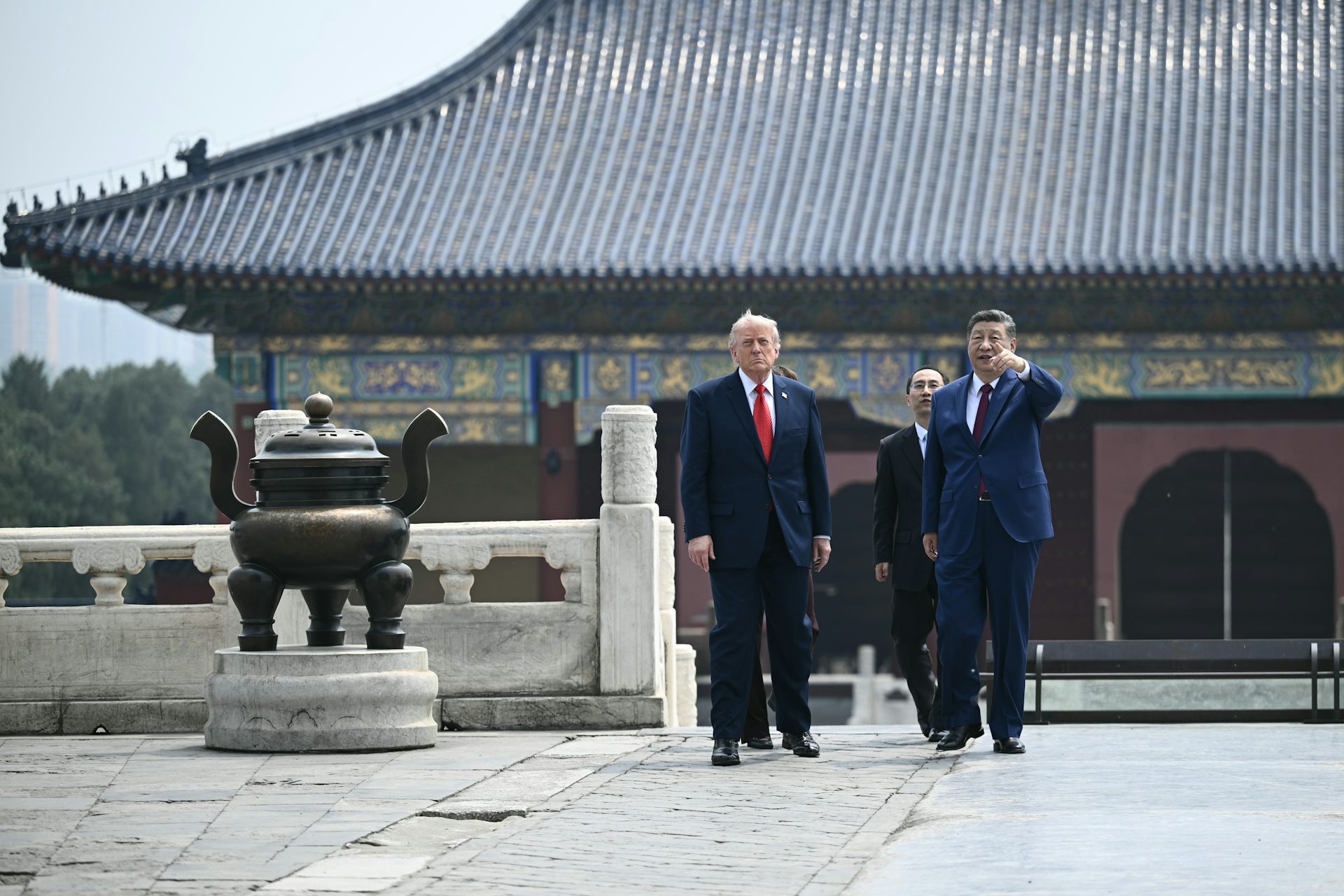
After their two-hour bilateral meeting, Trump and Xi paid a cultural visit to the Temple of Heaven in Southern Beijing. Built in the early 15th century, the temple is China’s most complete surviving imperial religious complex. For nearly five centuries, emperors of the Ming and Qing dynasties came here to worship Heaven and pray for good harvests.
بعد اجتماعهما الثنائي الذي استمر ساعتين، قام ترامب وشي بزيارة ثقافية لمعبد السماء في جنوب بكين. بُني المعبد في أوائل القرن الخامس عشر، وهو المجمع الديني الإمبراطوري الباقي الأكمل في الصين. لقرابة خمسة قرون، جاء أباطرة سلالتي مينغ وتشينغ إلى هنا لعبادة السماء والدعاء بمحاصيل وفيرة.
Its most recognizable structure, the Hall of Prayer for Good Harvests, rises in three tiers of blue-glazed tiles above a marble platform, its circular form and crimson columns translating cosmology into architecture. UNESCO inscribed the site as a World Heritage Site in 1998, recognizing it as “a masterpiece of architecture and landscape design.”
أبرز هيكل فيه، قاعة الدعاء بمحاصيل وفيرة، يرتفع على ثلاث طبقات من البلاط المزجج باللون الأزرق فوق منصة رخامية، ويترجم شكله الدائري وأعمدته القرمزية علم الكونيات إلى عمارة. أدرجت اليونسكو الموقع كموقع للتراث العالمي عام 1998، معترفة به بأنه “تحفة فنية في العمارة وتصميم المناظر الطبيعية.”
When Trump and Xi posed for photographs, they were standing in a place long associated with cosmic order and the welfare of the people. To bring a foreign leader there is to invite a particular reading of the relationship: not simply as a bargain between states, but as a relationship that Beijing hopes to associate with order, abundance and peace.
عندما وقف ترامب وشي لالتقاط الصور، كانا في مكان ارتبط طويلاً بالنظام الكوني ورفاهية الشعب. إن اصطحاب زعيم أجنبي إلى هناك هو دعوة لتفسير معين للعلاقة: ليس مجرد صفقة بين الدول، بل علاقة تأمل بكين أن ربطها بالنظام والوفرة والسلام.
There was also a more practical layer to this symbolism. The Temple of Heaven links political authority to agricultural abundance. Emperors came here to pray not for abstract harmony but for grain. That made it a pointed setting for a visit in which American agricultural exports — soybeans, grains and beef among them — were expected to matter.
كان هناك أيضاً مستوى عملي أكثر لهذا الرمزية. يربط معبد السماء السلطة السياسية بالوفرة الزراعية. كان الأباطرة يأتون إلى هنا ليس للدعاء عن الانسجام المجرد، بل عن الحبوب. وهذا جعله موقعاً مهماً لزيارة يُتوقع فيها أن تكون الصادرات الزراعية الأمريكية — مثل فول الصويا والحبوب واللحوم البقرية — ذات أهمية.
For Trump, any Chinese commitment to buy more U.S. farm goods would have clear domestic political value. For Xi, the setting allowed a hard bargaining issue — farm purchases — to be translated into an older symbolic language of harvest that spoke to both domestic and international audiences.
بالنسبة لترامب، أي التزام صيني بشراء المزيد من السلع الزراعية الأمريكية سيكون له قيمة سياسية داخلية واضحة. وبالنسبة لشي، سمح له الموقع بتحويل قضية تفاوضية صعبة — مشتريات المزارع — إلى لغة رمزية أقدم للحصاد تخاطب الجماهير المحلية والدولية على حد سواء.
Before Trump, Kissinger
قبل ترامب، كيسنجر
Trump was not the first American statesman to be brought to the Temple of Heaven.
لم يكن ترامب أول رجل دولة أمريكي يُقتاد إلى معبد السماء.
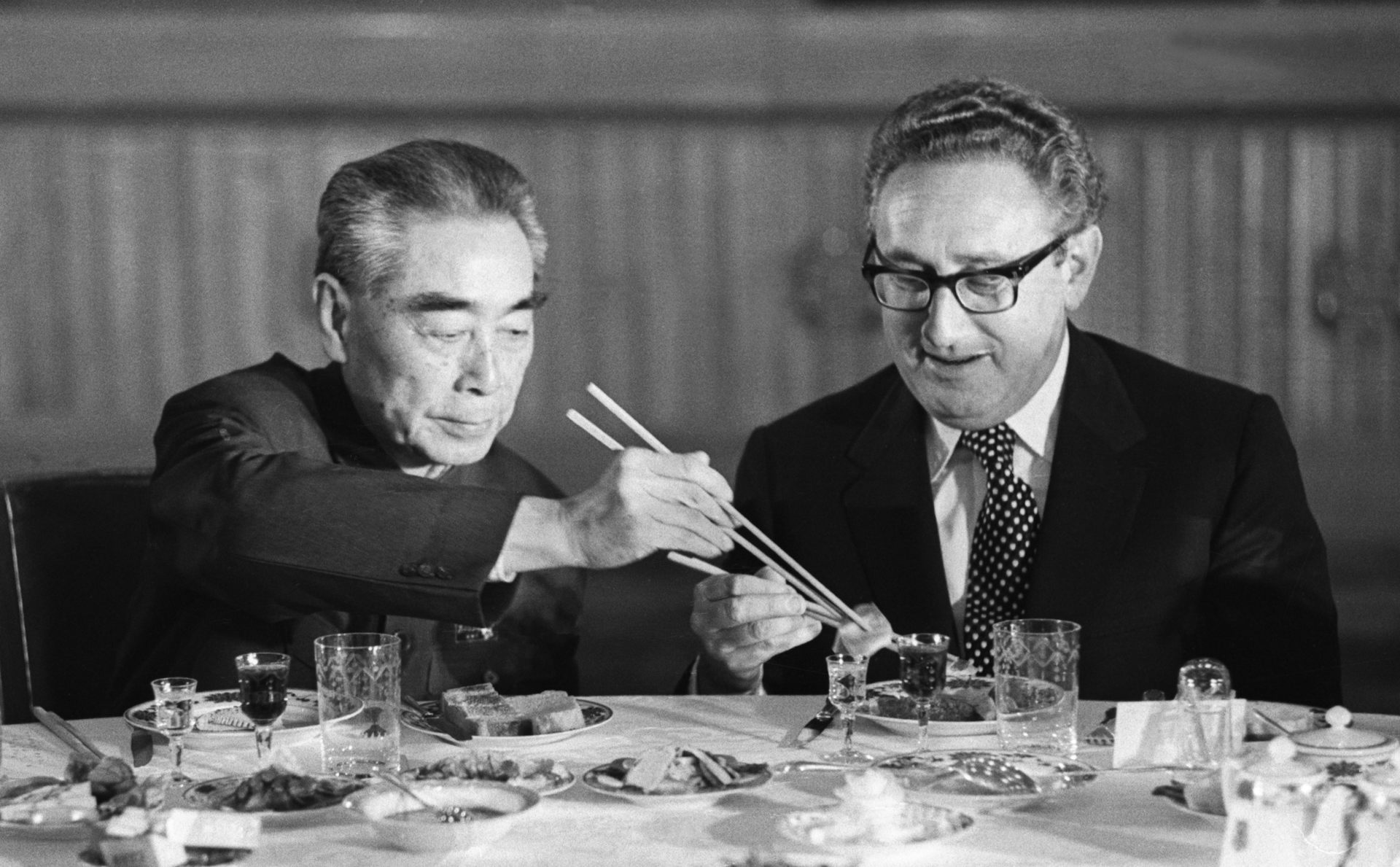
In July 1971, Henry Kissinger, then national security adviser to President Richard Nixon, arrived in Beijing on his famous secret mission — the back-channel visit that helped re-open the door between two countries that had little direct contact for more than two decades. Between tense negotiations with Chinese premier Zhou Enlai, Kissinger made time to visit the temple.
في يوليو عام 1971، وصل هنري كيسنجر، الذي كان آنذاك مستشار الأمن القومي للرئيس ريتشارد نيكسون، إلى بكين في مهمته السرية الشهيرة — الزيارة الجانبية التي ساعدت على إعادة فتح الباب بين دولتين لم يكن بينهما اتصال مباشر لأكثر من عقدين من الزمن. وبين المفاوضات المتوترة مع رئيس الوزراء الصيني تشو إنلاي، خصص كيسنجر وقتاً لزيارة المعبد.
There, standing amid the old cypress groves, he was said to have been deeply moved by the timeless atmosphere of the hall and its surroundings.
هناك، وسط غابات السرو القديمة، قيل إنه تأثر بعمق بالجو الخالد للقاعة ومحيطها.
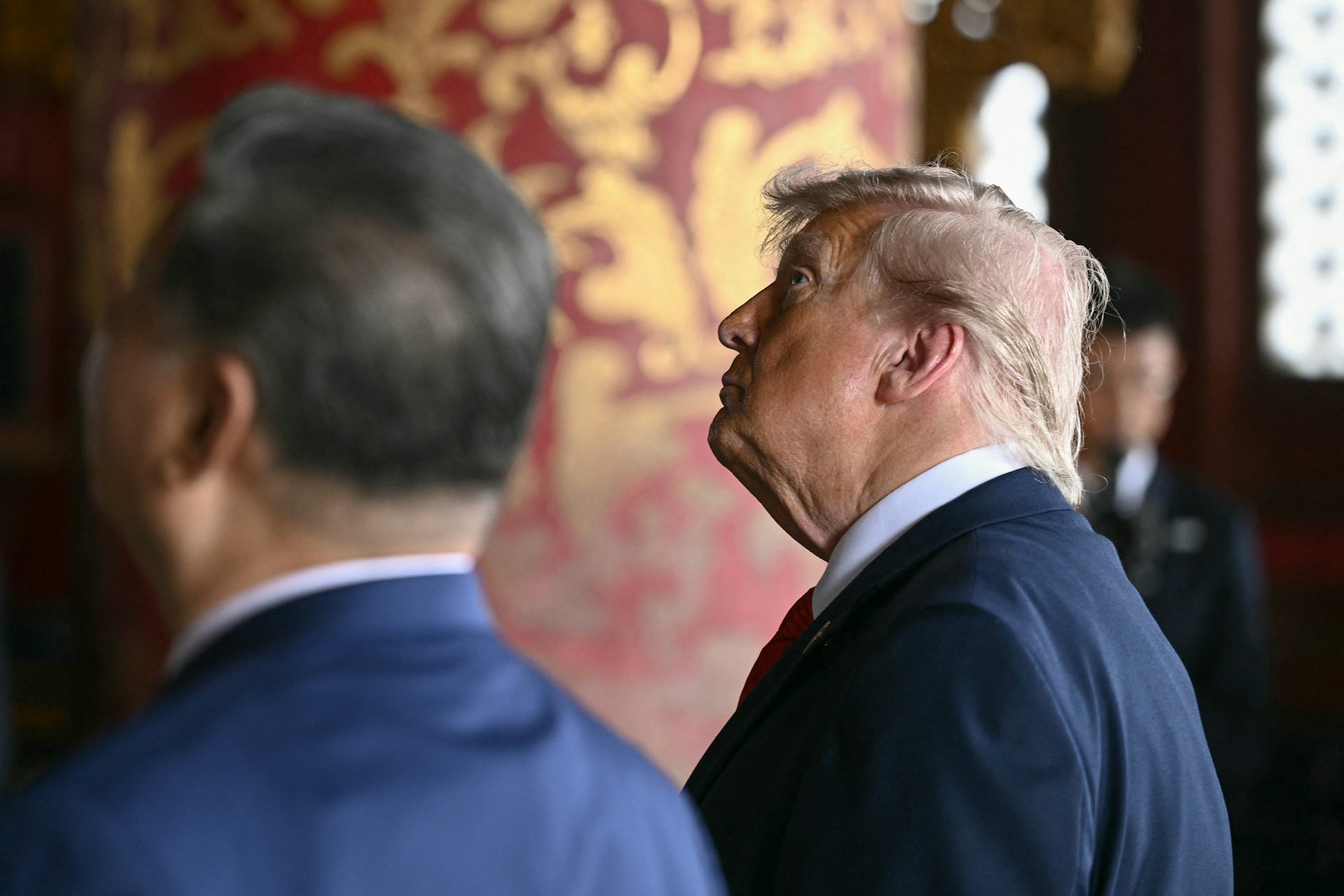
The motif of old trees and deep time returned on May 15, when Xi gave Trump a rare walk through Zhongnanhai, the walled compound that now houses the core of China’s party-state leadership. Reuters reported that a hot mic captured Xi drawing Trump’s attention to the age of the trees around them — some centuries old, some said to be more than a thousand years old. When Trump asked whether Xi had taken other presidents on similar walks, Xi replied that he had only rarely.
عادت حكاية الأشجار القديمة والزمن العميق في 15 مايو، عندما أتاح شي لترامب جولة نادرة في تشونغنانهاي، المجمع المحصن الذي يضم الآن قلب قيادة الحزب والدولة الصينية. وأفادت وكالة رويترز أن ميكروفوناً ساخناً التقط شي وهو يلفت انتباه ترامب إلى عمر الأشجار من حولهما — بعضها يعود لقرون، ويقال إن بعضها يزيد عمره عن ألف عام. وعندما سأل ترامب عما إذا كان شي قد أخذ رؤساء آخرين في جولات مماثلة، أجاب شي بأنه فعل ذلك نادراً.
Together, the Kissinger anecdote and the Zhongnanhai walk reveal a recurring logic in Chinese-American diplomacy: America’s fast-moving economy is invited to look at China’s sense of tradition. Xi has used this tactic with other leaders, too. When French President Emmanuel Macron visited China in 2023, he attended a guqin performance invoking the classical idea of the zhiyin — the rare listener who truly understands one’s music.
تكشف حكاية كيسنجر والجولة في تشونغنانهاي معاً عن منطق متكرر في الدبلوماسية الصينية الأمريكية: يتم دعوة اقتصاد أمريكا سريع الحركة للنظر إلى حس التقاليد الصيني. وقد استخدم شي هذه التكتيكات مع قادة آخرين أيضاً. فعندما زار الرئيس الفرنسي إيمانويل ماكرون الصين في عام 2023، حضر عرضاً لموسيقى الغو تشين يستحضر الفكرة الكلاسيكية لـ “تشي يين” — المستمع النادر الذي يفهم موسيقاه حقاً.
Basketball and roast duck
كرة السلة وديك مشوي
Trump’s visit was not staged only through imperial grandeur, however. It also moved into a more familiar register: food, sports and popular culture.
ومع ذلك، لم تقتصر زيارة ترامب على الاستعراض الإمبراطوري فحسب. بل امتدت أيضاً إلى سجل أكثر ألفة: الطعام والرياضة والثقافة الشعبية.
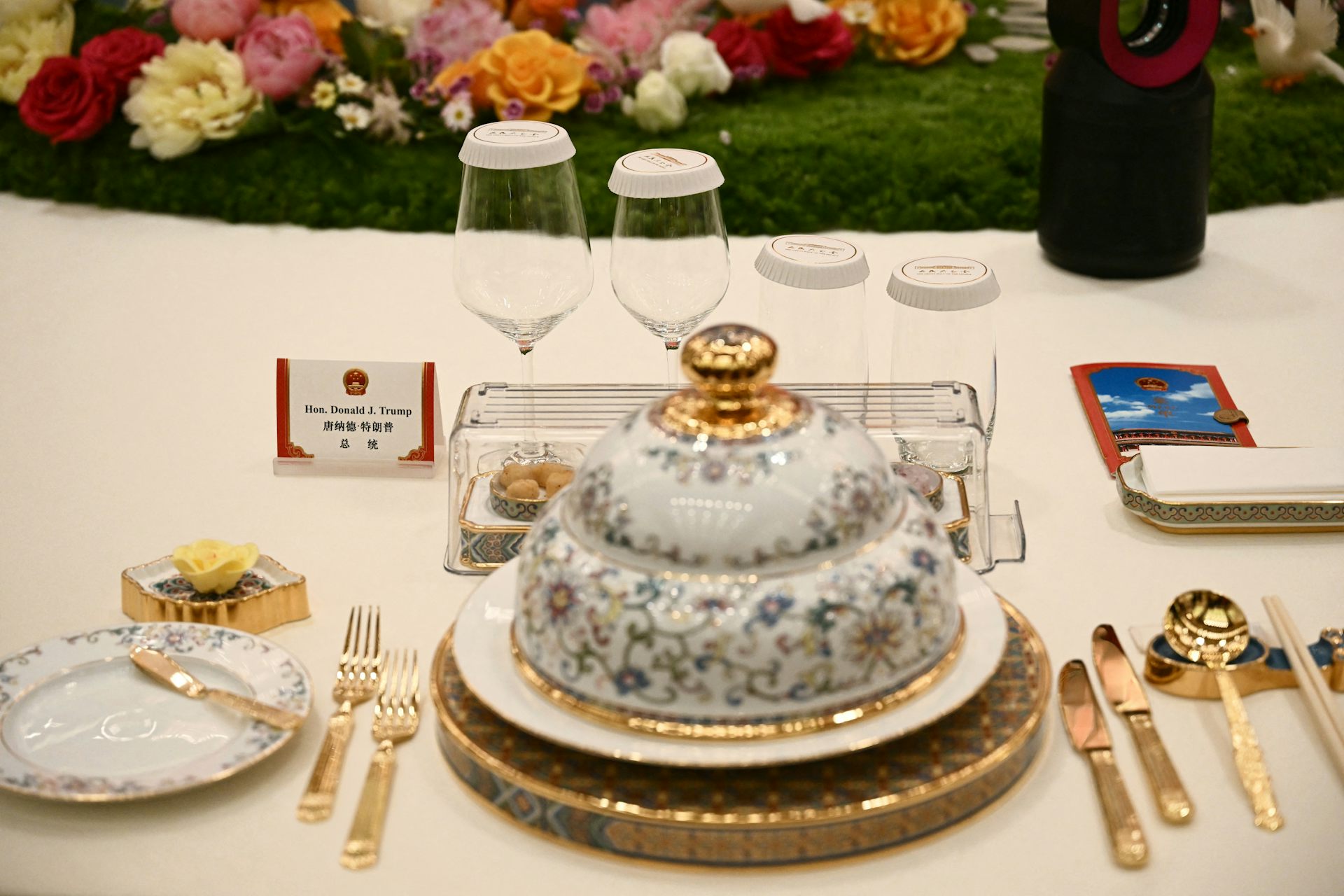
The state dinner on May 14 was another study in careful hospitality. Chefs designed the menu to honor both Chinese culinary prestige and Americans’ — and Trump’s — known preferences: Peking roast duck, crispy beef ribs, pan-fried pork bun, tiramisu and fruit and ice cream.
كان عشاء الدولة في الرابع عشر من مايو دراسة أخرى للكرم المضبوط. صمم الطهاة القائمة لتكريم الهيبة الطهوية الصينية وتفضيلات الأمريكيين — وترامب — المعروفة: بطة بكين المشوية، وأضلاع البقر المقرمشة، وخبز لحم الخنزير المقلي، وتيراميسو، والفواكه والآيس كريم.
Trump thanked Xi for a “magnificent welcome like none other,” then replied in a language more recognizably his own. He spoke not only of power politics but of people-to-people ties: Chinese workers who helped build America’s railroads, Chinese enthusiasm for basketball and blue jeans and the sheer presence of Chinese restaurants across the U.S.
شكر ترامب شي على “ترحيب عظيم لا مثيل له”، ثم رد بلغة تبدو أكثر لغته الخاصة. لم يتحدث فقط عن سياسات القوة، بل عن الروابط بين الشعوب: العمال الصينيين الذين ساعدوا في بناء سكك الحديد الأمريكية، والحماس الصيني لكرة السلة والجينز الأزرق، والوجود الهائل للمطاعم الصينية في جميع أنحاء الولايات المتحدة.
The examples were characteristically Trumpian — simple, vivid and easy to grasp. But they pointed to something important. U.S.–China relations have never been made only by presidents, diplomats and official communiques. They have also been shaped by athletes, musicians, restaurant owners, students and tourists.
كانت الأمثلة نموذجية لترامب — بسيطة، وحيوية، وسهلة الاستيعاب. لكنها أشارت إلى شيء مهم. لم تُصنع العلاقات الأمريكية الصينية قط فقط من قبل الرؤساء والدبلوماسيين والمراسلات الرسمية. بل شكلها أيضاً الرياضيون والموسيقيون وأصحاب المطاعم والطلاب والسياح.
The basketball reference was especially resonant. Sports have long offered a softer language for U.S.–China relations. In April 2026, just weeks before Trump’s visit, China and the U.S. marked the 55th anniversary of ping-pong diplomacy — the famous 1971 exchange in which a “little ball” helped move the “big ball” of world politics.
كان الإشارة إلى كرة السلة ذات صدى خاص. لطالما قدمت الرياضة لغة أكثر ليونة للعلاقات الأمريكية الصينية. ففي أبريل 2026، قبل أسابيع فقط من زيارة ترامب، احتفلت الصين والولايات المتحدة بالذكرى الخامسة والخمسين لدبلوماسية كرة الطاولة — التبادل الشهير عام 1971 الذي ساعدت فيه “الكرة الصغيرة” في تحريك “الكرة الكبيرة” للسياسة العالمية.
Basketball now plays a similar role. For many Chinese fans, the NBA is a deeply familiar world of players, teams and memories that represents the spirit of America: Michael Jordan, Kobe Bryant, LeBron James and Yao Ming. That reservoir of affection has survived even periods of political tension. Trump, in invoking it, was drawing on something real.
تلعب كرة السلة الآن دوراً مشابهاً. بالنسبة للعديد من المشجعين الصينيين، فإن الدوري الأمريكي للمحترفين (NBA) هو عالم مألوف بعمق من اللاعبين والفرق والذكريات الذي يمثل روح أمريكا: مايكل جوردان، وكوبي براينت، وليبرون جيمس، وياو مينغ. لقد نجا هذا الخزان من المودة حتى فترات التوتر السياسي. عندما استدعى ترامب هذا الأمر، كان يستمد من شيء حقيقي.
A second act in the US?
فصل ثانٍ في الولايات المتحدة؟
The main lesson of all this symbolism is that, in U.S.–China relations, atmosphere has never been secondary.
الدرس الرئيسي وراء كل هذا الرمزية هو أن الأجواء، في العلاقات بين الولايات المتحدة والصين، لم تكن يوماً ثانوية.
Diplomatic theater cannot settle disputes over technology or Taiwan, or determine the future of the global order. But it can shape the mood in which rivalries are managed, and the stories that leaders tell their public about what the relationship means.
لا يمكن للمسرح الدبلوماسي أن يحل النزاعات المتعلقة بالتكنولوجيا أو تايوان، أو أن يحدد مستقبل النظام العالمي. ولكنه يمكن أن يشكل المزاج الذي تُدار فيه التنافسات، والقصص التي يرويها القادة لجمهورهم حول ما تعنيه هذه العلاقة.
And on that front, the summit worked on several levels. To the Chinese audience, it presented their leaders as confident and capable of managing a tense relationship with the U.S. on China’s own cultural terms.
وعلى هذا الصعيد، عملت القمة على عدة مستويات. فقد قدمت لجمهورها الصيني قادتها على أنهم واثقون وقادرون على إدارة علاقة متوترة مع الولايات المتحدة وفقاً لشروطها الثقافية الصينية الخاصة.
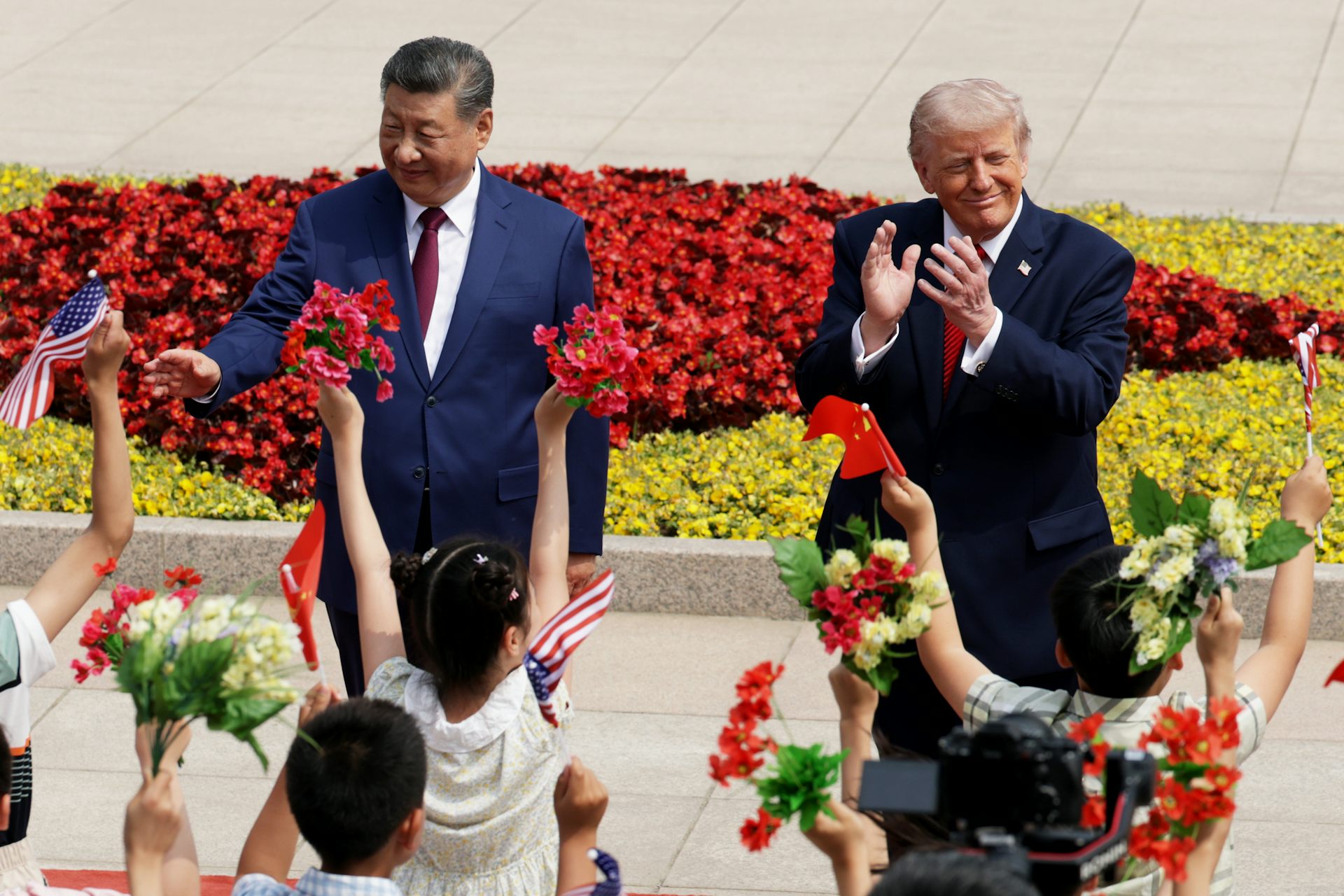
For Trump and the American delegation, it offered a lesson in Chinese traditions and culture that promotes deeper understanding across political divides. And for both societies, the references for food, sports and popular culture created a more neutral ground on which connection could still be imagined.
بالنسبة لترامب والوفد الأمريكي، قدمت درساً في التقاليد والثقافة الصينية يعزز فهماً أعمق عبر الانقسامات السياسية. وبالنسبة للمجتمعين معاً، خلقت الإشارات المتعلقة بالطعام والرياضة والثقافة الشعبية أرضية أكثر حيادية يمكن من خلالها الاستمرار في تصور التواصل.
From the 1970s opening to Trump’s 2017 visit to the Forbidden City, and from the Temple of Heaven photo-op to the walk among old trees at Zhongnanhai in 2026, cultural staging remains central to how China presents itself to America — and how America is invited to imagine China. It was announced on May 15 that Xi will pay a state visit to the U.S. in September at the invitation of Trump. If that happens, the theater of diplomacy will move to American soil, and the question will be how Washington chooses to stage China in return.
من الافتتاح في السبعينيات إلى زيارة ترامب للمدينة المحرمة عام 2017، ومن جلسة التصوير في معبد السماء إلى التجول بين الأشجار القديمة في تشونغنانهاي عام 2026، يظل التجهيز الثقافي محورياً في كيفية تقديم الصين نفسها لأمريكا — وكيف يُدعى أمريكا لتخيل الصين. وأُعلن في 15 مايو أن شي سيقوم بزيارة دولة للولايات المتحدة في سبتمبر بدعوة من ترامب. إذا حدث ذلك، فسيتحول مسرح الدبلوماسية إلى الأراضي الأمريكية، وسيصبح السؤال هو كيف تختار واشنطن أن “تُجهّز” الصين في المقابل.
Xianda Huang does not work for, consult, own shares in or receive funding from any company or organization that would benefit from this article, and has disclosed no relevant affiliations beyond their academic appointment.
شياندا هوانغ لا تعمل لدى، أو تستشير، أو تمتلك حصصاً في، أو تتلقى تمويلاً من أي شركة أو منظمة تستفيد من هذه المقالة، ولم تكشف عن أي انتماءات ذات صلة تتجاوز منصبها الأكاديمي.
Read more
-
ماذا يعني خسارة فيكتور أوربان الانتخابية بالنسبة لـ بوتين وترامب وصعود الشعبوية اليمينية
What Viktor Orbán’s election loss means for Putin, Trump and the rise of right-wing populism
-
تجمع القوات العسكرية الإيرانية بين الطائرات بدون طيار المتطورة والمخترقين وأسلحة تقليدية قديمة
Iran’s military forces combine state-of-the-art drones and hackers with out-of-date conventional weapons