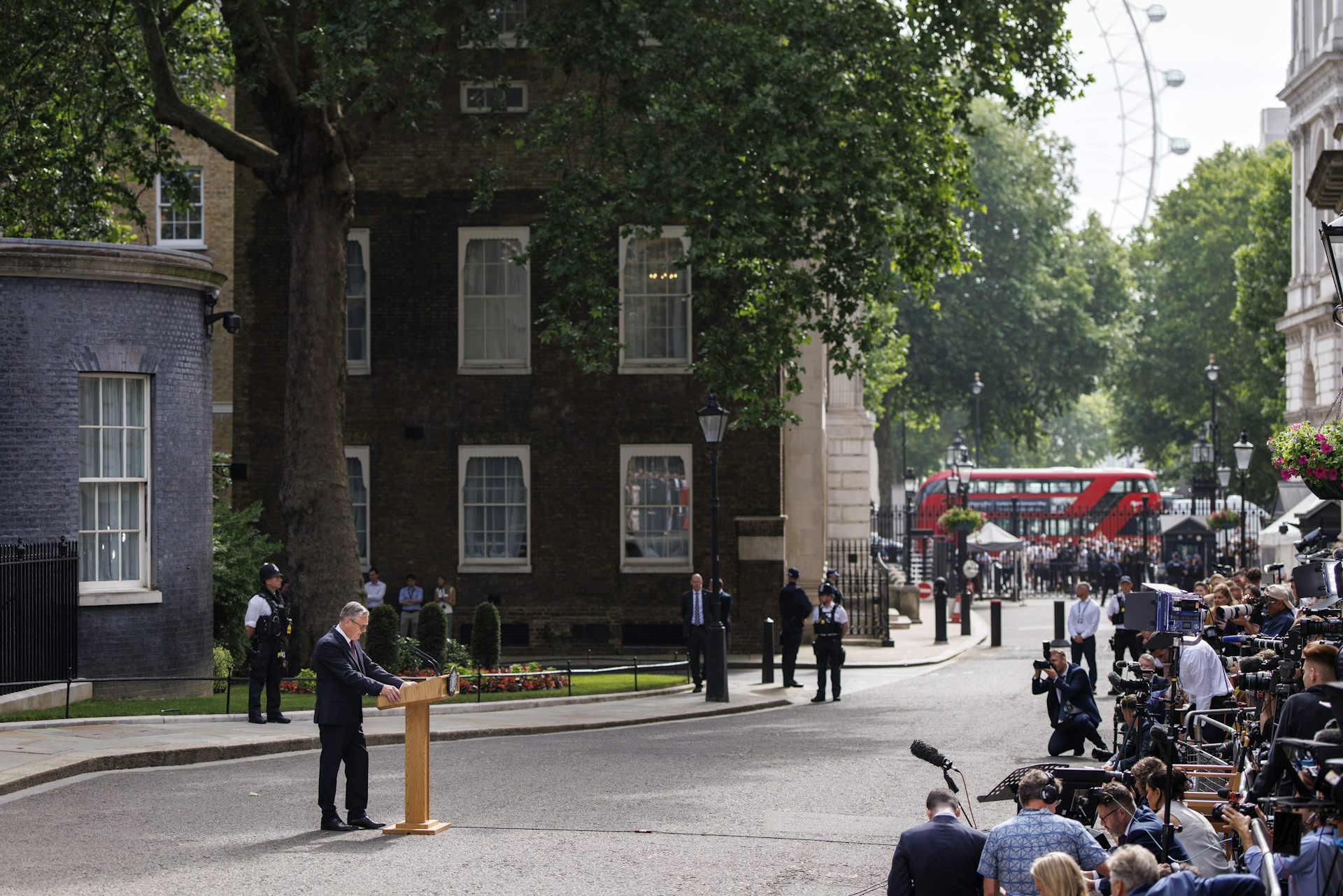
لماذا تقوم المملكة المتحدة بتغيير رئيس وزرائها كل بضع سنوات؟
Why is the UK now changing prime minister every few years?
The UK system used to be held up as a model of stable government.
كان يُنظر إلى نظام المملكة المتحدة على أنه نموذج للحكومة المستقرة.
This is not the UK’s first leadership transition in government, and it is unlikely to be the last. These events have, however, been rare until recently. In the 80 years since the end of the second world war, there have only been 18 prime ministers. The nineteenth, likely to be Andy Burnham, will become the seventh premier since 2010. So that makes 12 prime ministers over 65 years – and then seven in the last 16 years.
هذا ليس أول انتقال للقيادة في الحكومة البريطانية، ومن غير المحتمل أن يكون الأخير. ومع ذلك، كانت هذه الأحداث نادرة حتى وقت قريب. فخلال الثمانين عاماً منذ نهاية الحرب العالمية الثانية، لم يكن هناك سوى ثمانية عشر رئيس وزراء. أما الرئيس التاسع عشر، الذي يُرجح أن يكون آندي برنهام، فسيكون السابع لرئاسة الوزراء منذ عام 2010. وهذا يعني اثني عشر رئيساً للوزراء على مدى 65 عاماً – وسبعة منهم في الـ 16 عاماً الماضية.
This is a problem, one that is compounded by the reasons for the departure. Six of the 12 PMs until 2010 simply lost an election – Attlee, Home, Heath, Callaghan, Major and Brown. A further three resigned through ill health – Churchill, Macmillan and Wilson. And two resigned because of scandals – Suez and “partygate”.
وهذه مشكلة، تتفاقم بسبب أسباب المغادرة. فقد خسر ستة من رؤساء الوزراء الاثني عشر حتى عام 2010 الانتخابات ببساطة – أتلي وهوم وهيث وكالاهان وماجور وبراون. واستقال ثلاثة آخرون بسبب المرض – تشيرشل وماكميلن وويلسون. واستقال اثنان بسبب فضائح – قناة السويس و”حفلة الحزب.”
As such, of the 12 prime ministers from 1945 until 2010, only Margaret Thatcher was dismissed by her party for overtly political reasons. Her backbenchers and her cabinet no longer believed she was an election winner, and she was unceremoniously dumped in 1990. She described it as “treachery with a smile on its face”.
وبالتالي، من أصل الـ 12 رئيساً للوزراء من عام 1945 حتى عام 2010، كانت مارغريت تاتشر وحدها من طردتها حزبها لأسباب سياسية علنية. لم يعد نوابها ولا أعضاء مجلس وزرائها يعتقدون أنها ستفوز في الانتخابات، وتم التخلص منها بشكل مهين في عام 1990. وقد وصفت الأمر بأنه “خيانة بابتسامة على الوجه.”
The period since 2010 has been very different. The UK system that was famed for having the stability of government at its core suddenly started shedding prime ministers like winter coats in the height of summer. Only one – David Cameron – left voluntarily after defeat in the Brexit referendum. Sunak lost an election, while the rest were dispatched either because of scandal (Johnson and “partygate”) or party politics (May, Truss and now Starmer) .
وكانت الفترة منذ عام 2010 مختلفة جداً. فالنظام البريطاني الذي اشتهر باستقرار الحكومة في جوهره بدأ فجأة يتخلص من رؤساء الوزراء كمعاطف الشتاء في ذروة الصيف. ولم يغادر سوى واحد – ديفيد كاميرون – طوعاً بعد الهزيمة في استفتاء خروج بريطانيا (بريكست) . وخسر سوناك انتخابات، بينما تم إبعاد البقية إما بسبب فضيحة (جونسون و”حفلة الحزب”) أو بسبب سياسات الحزب (مي وتروس والآن ستارمر) .
Starmer is the first Labour prime minister to be cut down midstream – not even halfway through the parliamentary term. Watching events unfold in Westminster, the overwhelming emotion for someone not schooled in the machinations of the UK government would be bewilderment. Starmer was elected less than two years ago with a historic majority and is well regarded on the international stage. He is not departing on the back of a scandal, rather his power has simply evaporated.
ويُعد ستارمر أول رئيس وزراء من حزب العمال يُسقط في منتصف الطريق – ولم يبلغ حتى نصف مدة الفصل البرلماني. ومراقبة الأحداث التي تتكشف في وستمنستر، فإن الشعور الغالب على شخص غير مطلع على مكائد الحكومة البريطانية سيكون هو الارتباك. وقد انتُخب ستارمر قبل أقل من عامين بأغلبية تاريخية ويحظى بتقدير كبير على الساحة الدولية. وهو لا يغادر بسبب فضيحة، بل لأن سلطته قد تبخرت ببساطة.
Starmer’s defenestration is probably closest to those of Margaret Thatcher or Tony Blair – with one crucial difference. The revolt against Thatcher seemed to be generated from below. Tories were increasingly worried about their own survival and the government’s policy direction – particularly on the much-hated poll tax.
ومن المرجح أن تكون إطاحة ستارمر الأقرب إلى تلك التي تعرضت لها مارغريت تاتشر أو توني بلير – مع اختلاف حاسم واحد. فقد بدا التمرد ضد تاتشر وكأنه نشأ من القاعدة. وكان المحافظون قلقين بشكل متزايد بشأن بقائهم الخاص والتوجه السياسي للحكومة – خاصة فيما يتعلق بضريبة الاستطلاع التي كرهها الكثيرون.
Blair’s dénouement was different in the sense that it came from the top and was the culmination of Gordon Brown’s decade-long campaign to secure the premiership. Blair announced the date of his departure following an orchestrated “curry house plot”, when some in Labour’s junior ranks reportedly planned a coup in a Wolverhampton restaurant, which was obviously inspired from above.
وكانت نهاية بلير مختلفة بمعنى أنها جاءت من القمة وكانت تتويجاً لحملة جورج براون التي استمرت عقداً كاملاً لتأمين رئاسة الوزراء. وأعلن بلير تاريخ مغادرته بعد “مؤامرة بيت الكاري” المُنظمة، عندما خطط بعض أعضاء حزب العمال الأدنى رتبة لإجراء انقلاب في مطعم بول وورفرهامبتون، وهو ما كان مستوحى بوضوح من الأعلى.
When the Burnham threat became real
عندما أصبح تهديد بورنهام حقيقيًا
The defenestration of Starmer seems to sit between those of Thatcher and Blair. It was complicated by the fact that its main protagonist, Andy Burnham, was a significant Labour figure – the mayor of Greater Manchester – but not an MP or from the party elite.
يبدو أن سقوط ستارمر يقع بين سقوط ثاتشر وسقوط بلير. وقد تعقد الأمر بسبب حقيقة أن شخصيته الرئيسية، آندي بورنهام، كان شخصية بارزة في حزب العمال – عمدة مانشستر الكبرى – ولكنه لم يكن عضواً في البرلمان أو من النخبة الحزبية.
Until Burnham became the MP for Makerfield, he was only a limited threat. But he managed to tap into some of the key concerns of the parliamentary Labour party (PLP) before he even got to parliament. These broad concerns were dressed up in a range of ways but essentially boiled down to the same fears that the Tory MPs had in 1990. Fear of failure – that is, a failure to get re-elected. There was also a loss of both trust and competence.
حتى أصبح بورنهام عضواً في البرلمان عن مقاطعة ميكرفيلد، لم يكن سوى تهديد محدود. لكنه نجح في استغلال بعض المخاوف الرئيسية لحزب العمال البرلماني (PLP) قبل أن يصل إلى البرلمان حتى. وقد تم تزيين هذه المخاوف الواسعة بطرق مختلفة، ولكنها في جوهرها اختزلت إلى نفس المخاوف التي كانت لدى أعضاء حزب المحافظين في عام 1990. الخوف من الفشل – أي الفشل في إعادة الانتخاب. وكان هناك أيضاً فقدان للثقة والكفاءة على حد سواء.
The PLP now felt that there had been a string of policy missteps rather than failures, as well as the incompetence and lack of vision that had consolidated the loss of trust and confidence. Crucially, there had also been a run of very poor opinion polls culminating in the disastrous local election results in May. Given all of this – and the enormous success of Makerfield – Starmer’s time was up and Burnham’s time had come.
شعر حزب العمال الآن بأن ما حدث كان سلسلة من الأخطاء السياسية بدلاً من الفشل، بالإضافة إلى عدم الكفاءة وغياب الرؤية التي رسّخت فقدان الثقة والثقة. والأهم من ذلك، أنه كانت هناك أيضاً موجة من استطلاعات الرأي الضعيفة للغاية بلغت ذروتها في نتائج الانتخابات المحلية الكارثية في مايو. بالنظر إلى كل هذا – والنجاح الهائل لـ “ميكر فيلد” (Makerfield) – فقد حان وقت ستارمر وحان وقت بورنهام.
It remains to be seen whether the change of leader will mark a shift in policy direction or whether it will be more about tone than substance. Policy on its own might not change much, but the language accompanying it may well do. It may be that Burnham is able to connect with the hearts of his backbenchers, and so win their backing for the unpopular choices that are inevitably coming, in a way that Starmer frequently has not.
لا يزال من غير الواضح ما إذا كان تغيير الزعيم سيشكل تحولاً في التوجه السياسي أم أنه سيكون مجرد مسألة نبرة أكثر منها جوهر. قد لا يتغير السياسة بحد ذاتها كثيراً، ولكن اللغة المصاحبة لها قد تفعل ذلك. ربما يتمكن بورنهام من التواصل مع قلوب أعضاء حزبه في الصفوف الخلفية، وبالتالي كسب دعمهم للخيارات غير الشعبية التي قادمة حتماً، بطريقة لم ينجح فيها ستارمر كثيراً.
Burnham will need to decide quickly how to deal with a PLP that will initially be enthusiastic about the leadership transition because they think it spells hope, success and longevity for them as well as for the country. The same PLP might be less united about the hard decisions. He faces a PLP that has already tasted victory by enforcing U-turns on policies such as the winter fuel allowance and a reversal on benefit cuts. As a former whip I know that backbenchers who have tasted blood against their own government are difficult to control.
سيتعين على بيرنهام أن يقرر بسرعة كيفية التعامل مع حزب العمال (PLP) الذي سيكون في البداية متحمساً للانتقال القيادي لأنه يعتقد أن ذلك ينبئ بالأمل والنجاح وطول الأمد بالنسبة لهم وبالبلاد. وقد يكون نفس الحزب أقل وحدة فيما يتعلق بالقرارات الصعبة. يواجه بيرنهام حزباً عمالياً ذاق بالفعل طعم النصر من خلال فرض تغييرات جذرية على سياسات مثل بدل وقود الشتاء والتراجع عن تخفيضات المزايا. وبصفتي عضواً سابقاً في فريق الانضباط (whip) ، فأنا أعلم أن الأعضاء غير المنتمين إلى القيادة الذين ذاقوا دماء ضد حكومتهم الخاصة يصعب السيطرة عليهم.
The patience of today’s backbenchers is thin and limited. Crucially, the one virtue in really short supply on the backbenches is gratitude – especially to the leader. Former Conservative minister Chris Patten’s passing comment on Thatcher’s demise could apply equally to Starmer’s. Patten said: “I think we all know that quite a lot of crocodiles keep a handkerchief handy.” Maybe the crocodiles are the ones cheering Burnham today while getting ready for tomorrow. Perhaps it was ever thus.
إن صبر المعارضين في مقاعد البدلاء اليوم واهٍ ومحدود. والأهم من ذلك، أن الفضيلة الوحيدة التي تعاني نقصاً حاداً في أروقة المقاعد الخلفية هي الامتنان – وخاصة تجاه الزعيم. قد ينطبق التعليق العابر للمستشار المحافظ السابق كريس باتن حول زوال ثاتشر بالتساوي على حالة ستارمر. فقد قال باتن: “أعتقد أننا جميعاً نعلم أن الكثير من التماسيح يحتفظ بمنديل في متناول يده”. ربما تكون هذه التماسيح هي التي تهتف لبرنهام اليوم بينما تستعد ليوم الغد. وربما لم يكن الأمر كذلك قط.
Tony McNulty is a membert of the Labour Party
توني ماكنولتي هو عضو في الحزب العمالي
Read more
-
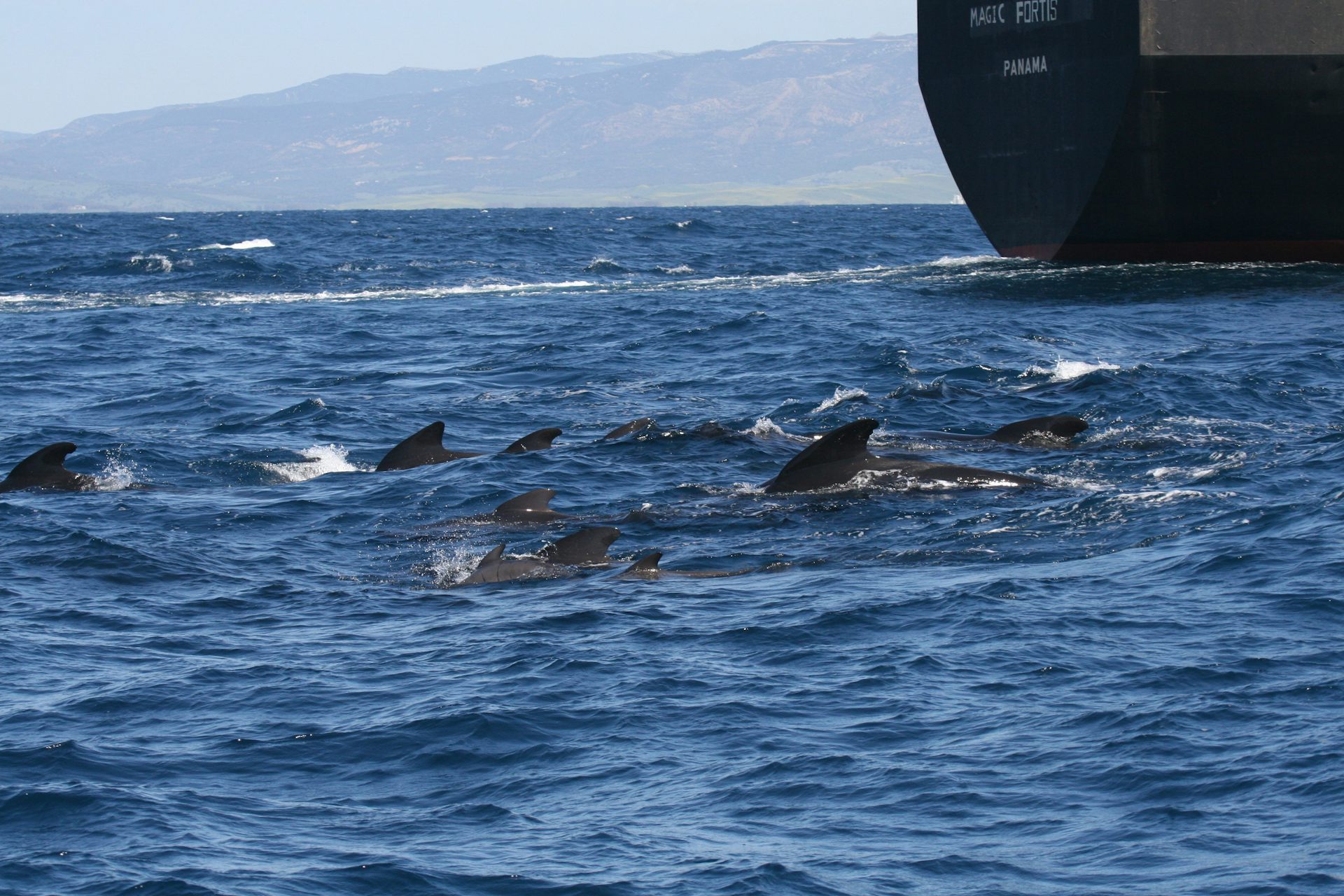
صوتك خافت! لا أستطيع سماعك: الحيتان القائدة تصرخ لتسمع نفسها فوق ضوضاء السفن.
Squeak up! I can’t hear you: pilot whales are shouting to hear themselves over ship noise
-

الرموز المزيفة لـ QR تؤدي إلى عمليات احتيال سهلة – كن حذراً مما تمسحه في الخارج
Fake QR codes make for easy scams – be careful what you scan out there