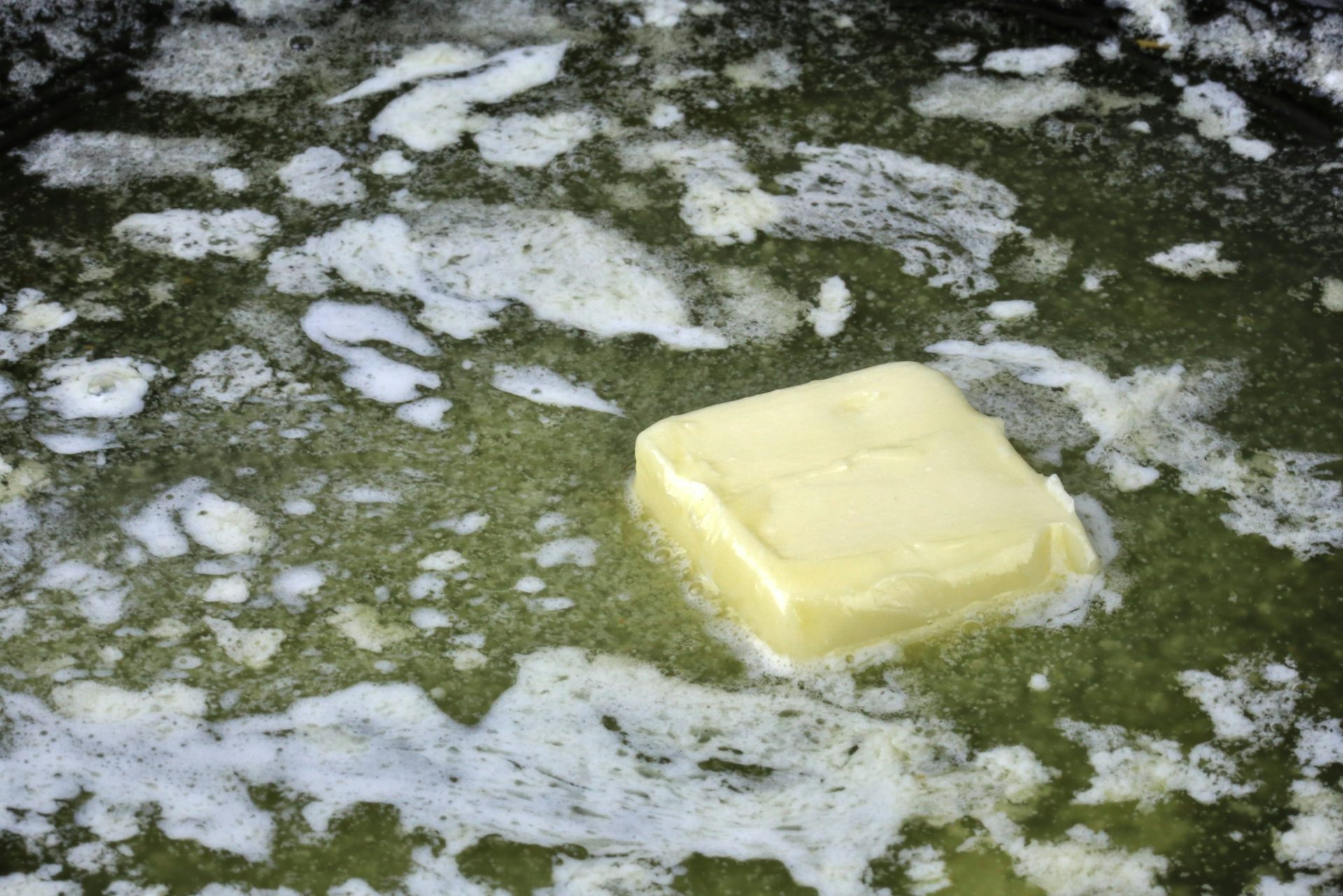
زبدة أم مارجرين؟ عالم أغذية يصف انحرافاتها الكيميائية الدقيقة وكيف يمكن أن تؤثر على مخبوزاتك
Butter or margarine? A food scientist describes their subtle chemical deviations and how they can affect your baked goods
Butter and margarine are both made up of long fatty acid chains, but some slight chemical differences mean differences in how they melt.
تتكون كل من الزبدة والمارجرين من سلاسل حمض دهني طويلة، لكن بعض الاختلافات الكيميائية الطفيفة تعني اختلافاً في طريقة ذوبانها.
My mother loves butter. It is the primary fat I ate growing up. She smeared it on any kind of bread, potatoes, nut rolls or coffeecake. She baked with it exclusively.
أمي تحب الزبدة. كانت هي الدهن الأساسي الذي تناولته وأنا أنشأ. كانت تدهنها على أي نوع من الخبز، أو البطاطا، أو لفائف المكسرات، أو كعكة القهوة. وكانت تخبز بها حصرياً.
When I was studying nutrition in college, I had a teaching assistant who recommended margarine over butter. I was shocked – and wondered about the difference between the two. It was one of the things that sparked my interest in food science. Today, I am a food scientist and study how foods such as butter and margarine can have subtle chemical differences, with a big impact on how they act in food.
عندما كنت أدرس التغذية في الكلية، كان لدي مساعد تدريس نصحني باستخدام السمن النباتي بدلاً من الزبدة. لقد صُدمت – وتساءلت عن الفرق بين الاثنين. كان هذا أحد الأشياء التي أشعلت اهتمامي بعلوم الغذاء. اليوم، أنا عالم أغذية وأدرس كيف يمكن للأطعمة مثل الزبدة والسمن النباتي أن يكون لها اختلافات كيميائية دقيقة، مع تأثير كبير على كيفية تصرفها في الطعام.
Chemical structures
التراكيب الكيميائية
Butter and margarine are emulsions, which are mixtures of tiny water droplets spread throughout a continuous fat matrix. This matrix is made mostly of triglycerides, the primary form of fat in our diet.
الزبدة والسمن النباتي هما مستحلبات، وهي خلطات من قطرات ماء صغيرة منتشرة في مصفوفة دهنية متصلة. تتكون هذه المصفوفة بشكل أساسي من الدهون الثلاثية (triglycerides) ، وهي الشكل الأساسي للدهون في نظامنا الغذائي.
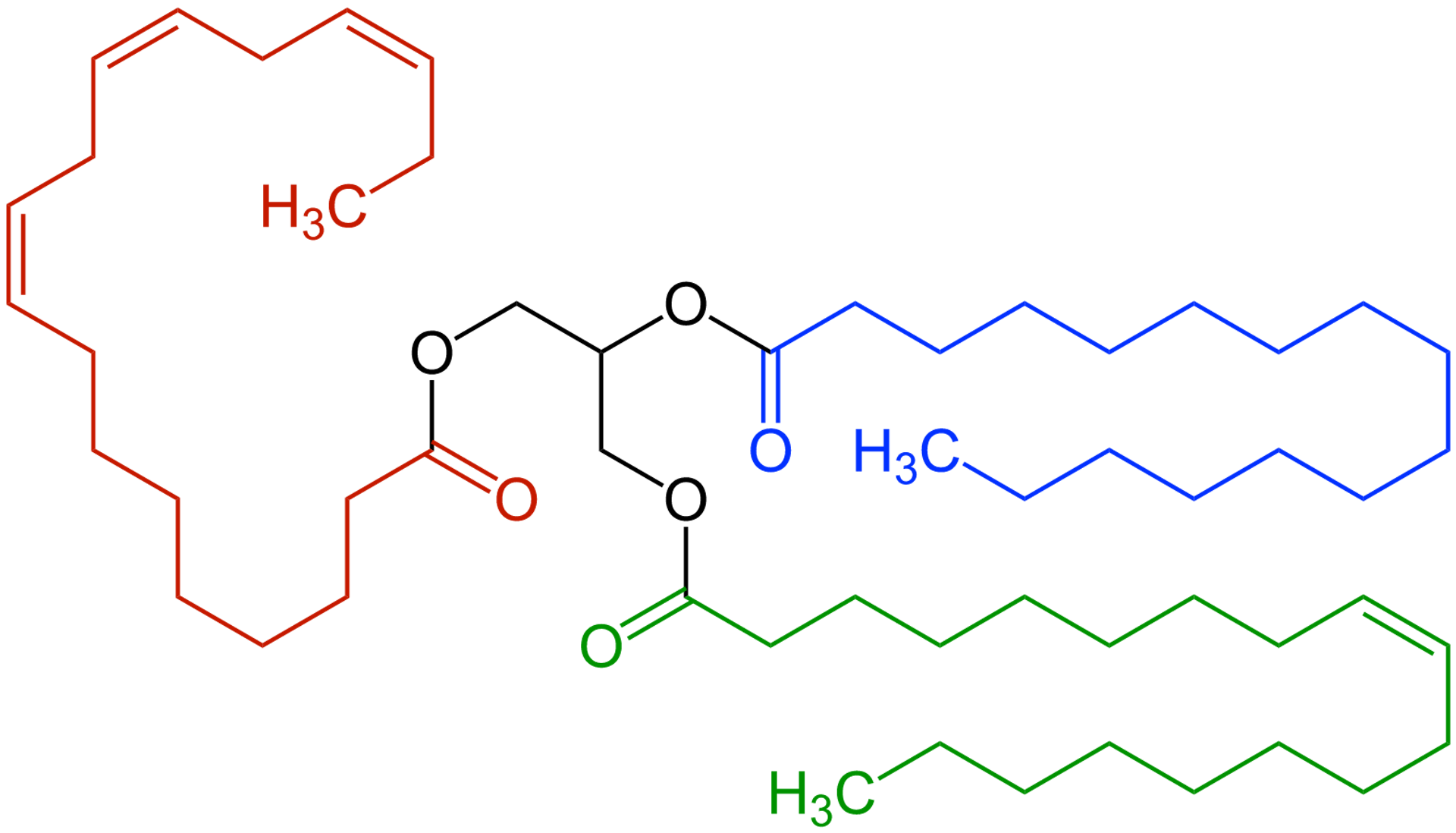
Fatty acids are long chains of carbon surrounded by hydrogen atoms. In a triglyceride, there are three fatty acids, each one connected to the same three-carbon glycerol molecule, which acts as the backbone of the molecule. While the backbone is always the same, the number of carbons in the fatty acids can vary. In cream, triglycerides are packaged into globules or crystals.
الأحماض الدهنية هي سلاسل طويلة من الكربون محاطة بذرات الهيدروجين. في الدهون الثلاثية، توجد ثلاثة أحماض دهنية، يتصل كل منها بجزيء الجليسرول (glycerol) المكون من ثلاث ذرات كربون، والذي يعمل بمثابة العمود الفقري للجزيء. وبينما يظل العمود الفقري ثابتًا دائمًا، يمكن أن يختلف عدد ذرات الكربون في الأحماض الدهنية. وفي القشدة، يتم تغليف الدهون الثلاثية على شكل حبيبات أو بلورات.

Both butter and margarine have a combination of saturated and unsaturated fatty acids. However, butter’s are mainly saturated, which makes them fit together and stack compactly to form a nice straight chain, because they have no double bonds between the carbons.
كل من الزبدة والسمن النباتي يحتويان على مزيج من الأحماض الدهنية المشبعة وغير المشبعة. ومع ذلك، فإن أحماض الزبدة الدهنية مشبعة بشكل رئيسي، مما يجعلها تتراص وتتكدس بإحكام لتشكل سلسلة مستقيمة وجميلة، لأنها لا تحتوي على روابط مزدوجة بين ذرات الكربون.
Margarine’s fatty acids are mainly unsaturated, from blended plant oils. The unsaturated fats give them an irregular shape on a molecular level. The double bonds between carbons kink the molecule so they cannot be as neatly arranged. This difference affects how they melt.
أحماض السمن النباتي الدهنية غير المشبعة في الغالب، وهي من زيوت نباتية مخلوطة. تمنحها الدهون غير المشبعة شكلاً غير منتظم على المستوى الجزيئي. تتسبب الروابط المزدوجة بين ذرات الكربون في انثناء الجزيء بحيث لا يمكن ترتيبه بأناقة. يؤثر هذا الاختلاف على كيفية ذوبانها.
There are many forms of fat crystals in butter, and they have different melting points. These crystals make butter very firm at cold temperatures and allow it to soften gradually at room or body temperature. They also trap air easily when creamed together with crystalline sugar, which adds lightness and porosity to baked goods.
توجد العديد من أشكال بلورات الدهون في الزبدة، ولديها نقاط انصهار مختلفة. تجعل هذه البلورات الزبدة صلبة جدًا في درجات الحرارة الباردة وتسمح لها بالتليين تدريجيًا في درجة حرارة الغرفة أو الجسم. كما أنها تحبس الهواء بسهولة عند خفقها مع السكر البلوري، مما يضيف الخفة والمسامية للمخبوزات.
Both butter and margarine are at minimum 80% fat, though some butters are closer to 85% fat. Their water content hovers around 16%, and butter is made up of 1-4% vitamins, minerals, lactose and protein.
تحتوي كل من الزبدة والسمن النباتي على نسبة دهون لا تقل عن 80%، على الرغم من أن بعض أنواع الزبدة أقرب إلى 85% من الدهون. ويبلغ محتواها المائي حوالي 16٪، وتتكون الزبدة من فيتامينات ومعادن اللاكتوز والبروتين بنسبة تتراوح بين 1-4%.
Butter has an official standard of identity set forth by the U.S. government, which means manufacturers must meet specific guidelines for their product to be considered butter. This food standard is one of the oldest in the U.S.
تحظى الزبدة بمعيار هوية رسمي وضعته حكومة الولايات المتحدة، مما يعني أن المصنعين يجب عليهم الالتزام بإرشادات محددة لمنتجهم ليُعتبر زبدة. ويعد هذا المعيار الغذائي أحد أقدم المعايير في الولايات المتحدة.
Making butter
صنع الزبدة
When you shake or churn cream, fat globules rupture. The fat leaks out and forms semi-solid grains of butter. With more shaking or churning, these grains grow and separate from the watery, naturally low-fat buttermilk.
عندما تهز أو تخفق الكريمة، تنفجر حبيبات الدهون. يتسرب الدهن ويشكل حبوبًا شبه صلبة من الزبدة. ومع المزيد من الهز أو الخفق، تنمو هذه الحبوب وتنفصل عن اللبن الرائب المائي ومنخفض الدسم بشكل طبيعي.
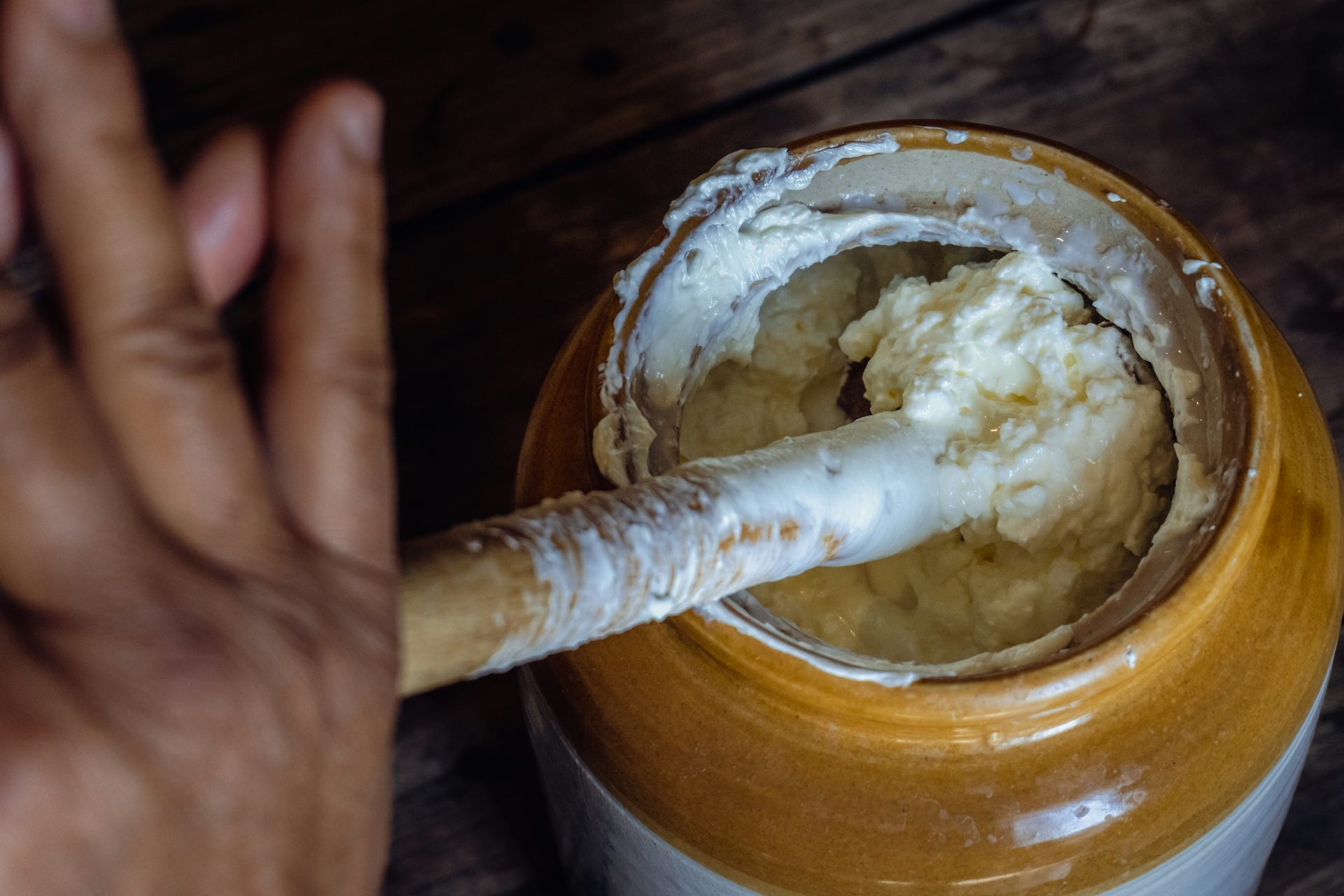
You then collect, knead and press the mass and, voila, you have butter. Some butter is cultured by adding lactic acid bacteria. These bacteria ferment milk sugar, or lactose, into flavor compounds and organic acids, which give the butter a mild tang and complex flavor.
بعد ذلك، تقوم بتجميع الكتلة وعجنها وضغطها، وها قد حصلت على الزبدة. يتم تخمير بعض أنواع الزبدة بإضافة بكتيريا حمض اللاكتيك. تعمل هذه البكتيريا على تخمير سكر الحليب، أو اللاكتوز، إلى مركبات نكهة وأحماض عضوية، مما يمنح الزبدة طعماً خفيفاً ونكهة معقدة.
Sweet butter is easy to make at home if you add cold, heavy cream with a fat content of at least 36% to a standing mixer with a whisk attachment. Turn it on and walk away for a bit, and when you hear the sloshing sound of watery buttermilk, you know you have butter ready for pressing.
من السهل صنع زبدة حلوة في المنزل إذا أضفت كريمة باردة وثقيلة تحتوي على نسبة دهون لا تقل عن 36% إلى خلاط قائم مزود بملحق مضرب سلكي. قم بتشغيله وغادر المكان لفترة، وعندما تسمع صوت خرير اللبن الرائب المائي، فأنت تعلم أن الزبدة جاهزة للضغط.
Making margarine
صنع المارجرين
Sticks of margarine start as liquid, plant-based oils and are made into a solid. Producers chemically rearrange fatty acids on the glycerol molecule in a modification process called interesterification, which makes the oil solid and the fats more uniformly distributed.
تبدأ عصي المارجرين كزيوت سائلة نباتية ويتم تحويلها إلى مادة صلبة. يقوم المنتجون بإعادة ترتيب الأحماض الدهنية كيميائياً على جزيء الجليسرول في عملية تعديل تسمى “إعادة الأسترة البينية” (Interesterification) ، مما يجعل الزيت صلباً والدهون موزعة بشكل أكثر تجانساً.
This process rearranges the triglycerides in margarine without adding saturated fats or creating trans fats. Trans fats have been banned in many countries because of their association with cardiovascular disease and higher cholesterol.
تُعيد هذه العملية ترتيب الدهون الثلاثية الموجودة في المارجرين دون إضافة دهون مشبعة أو تكوين دهون متحولة. لقد حُرِمَت الدهون المتحولة من التداول في العديد من البلدان بسبب ارتباطها بأمراض القلب والأوعية الدموية وارتفاع الكوليسترول.
Interesterification allows margarine to stay solid longer when baking, with a more precise melting point.
تسمح عملية إعادة الأسترة البينية للمارجرين بالبقاء صلباً لفترة أطول عند الخبز، مع نقطة انصهار أكثر دقة.
Spreads or squeeze-style margarines do not go through this process and instead rely on higher ratios of water and air to solid oils, which keep them soft and spreadable. These spreadable types are lower in fat, so they don’t work well for baking. The higher water content alters the texture, and most baking recipes are formulated assuming a higher percentage of fat.
لا تمر أنواع المارجرين السائلة أو التي تُعصر بهذه العملية، بل تعتمد بدلاً من ذلك على نسب أعلى من الماء والهواء إلى الزيوت الصلبة، مما يحافظ عليها طرية وقابلة للدهن. هذه الأنواع القابلة للدهن تكون أقل دهوناً، ولذلك لا تصلح جيداً للخبز. يؤدي المحتوى المائي الأعلى إلى تغيير القوام، ويتم صياغة معظم وصفات الخبز بافتراض نسبة أعلى من الدهون.
Processors are not required to state on the label whether margarine has gone through interesterification.
ليس على المصنعين الإفصاح في الملصق عما إذا كان المارجرين قد مر بعملية إعادة الأسترة البينية أم لا.
Flavor and color
النكهة واللون
Butter gets its golden color from beta-carotene, an orange pigment present in grass. Cows eat the grass but do not metabolize beta-carotene efficiently, so it is expressed in their milk. Margarine is naturally colorless, but producers add synthetic beta-carotene to it to mimic the color of butter.
يحصل الزبد على لونه الذهبي من البيتا كاروتين، وهي صبغة برتقالية موجودة في العشب. تأكل الأبقار هذا العشب ولكنها لا تستقلب البيتا كاروتين بكفاءة، ولذلك يظهر في حليبها. أما السمن النباتي (المارجارين) فهو عديم اللون بشكل طبيعي، لكن المنتجين يضيفون إليه بيتا كاروتين اصطناعياً لمحاكاة لون الزبد.
Margarine producers also add flavors such as diacetyl, a distinctive butter-flavor molecule, and blends of whey components and preservatives to replicate the flavor of butter. They may add emulsifiers such as lecithin or monoglycerides to keep the water and fat from separating. The exact ratios of ingredients vary between producers.
ويضيف منتجو المارجارين أيضاً نكهات مثل ثنائي الأسيتيل، وهو جزيء بنكهة زبدة مميزة، ومخاليط من مكونات مصل اللبن والمواد الحافظة لمحاكاة نكهة الزبد. وقد يضيفون مستحلبات مثل الليسيثين أو أحادي الغليسيريد لمنع انفصال الماء والدهن. وتختلف النسب الدقيقة للمكونات بين المنتجين.
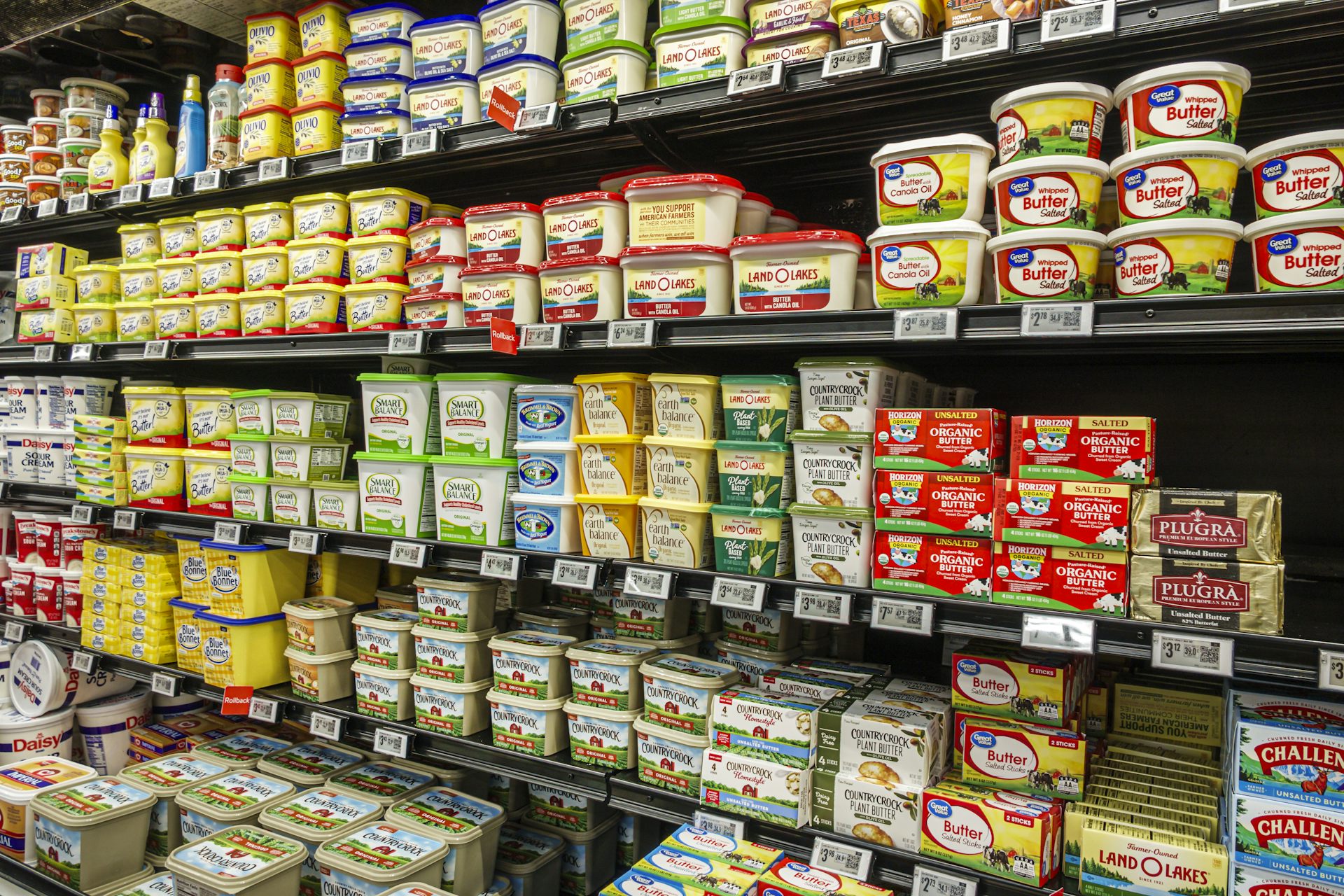
Chemical differences can translate into subtle health differences. While both are mainly made of triglycerides, the fats in butter are naturally occurring, while fats in margarine are industrially modified. This difference makes margarine an ultraprocessed food, but it also means it has fewer saturated fats. While you might have health reasons for choosing one over another, take note that the chemistry behind how these fats are made also can influence how they behave in the kitchen.
يمكن أن تؤدي الاختلافات الكيميائية إلى فروقات صحية دقيقة. فبينما يتكون كلاهما بشكل أساسي من الدهون الثلاثية، فإن الدهون الموجودة في الزبد هي دهون طبيعية التكوين، بينما الدهون في المارجارين معدلة صناعياً. هذا الاختلاف يجعل المارجارين غذاءً فائق المعالجة، ولكنه يعني أيضاً أنه يحتوي على دهون مشبعة أقل. وبينما قد تكون لديك أسباب صحية لاختيار أحدهما على الآخر، يرجى ملاحظة أن الكيمياء وراء كيفية صنع هذه الدهون يمكن أن تؤثر أيضاً على سلوكها في المطبخ.
Baking differences
اختلافات الخبز
When you heat butter, the proteins and lactose in it combine, creating that signature brown color and a delicious nutty, toasty, caramelized flavor. Because margarine doesn’t contain lactose, it won’t brown as well as butter, nor will it impart the same level of aromatics.
عند تسخين الزبدة، تتفاعل البروتينات واللاكتوز الموجودان فيها معًا، مما يخلق ذلك اللون البني المميز والنكهة اللذيذة والمكسراتية المحمصة المكرملة. نظرًا لأن السمن النباتي لا يحتوي على اللاكتوز، فإنه لن يتحول إلى اللون البني بنفس جودة الزبدة، ولن يضفي نفس مستوى العطور.
When baked in a very hot oven, butter contains enough water to form steam, which separates doughs into layers of flaky pastry. Water content varies in margarine, and while it forms some steam, it will not perform as well as butter.
عند خبزها في فرن شديد الحرارة، تحتوي الزبدة على ما يكفي من الماء لتكوين بخار، مما يفصل العجائن إلى طبقات من المعجنات الهشة. يختلف محتوى الماء في السمن النباتي، وعلى الرغم من أنه يشكل بعض البخار، إلا أنه لن يؤدي بنفس كفاءة الزبدة.
However, margarine has some advantages over butter. It’s very consistent and melts in controlled way. It also has a longer shelf life. Yes, you can use them interchangeably, but knowing functional differences between the two can help you determine when to use which.
ومع ذلك، فإن للسمن النباتي بعض المزايا على الزبدة. فهو متسق للغاية ويذوب بطريقة مضبوطة. كما أن له فترة صلاحية أطول. نعم، يمكنك استخدامهما بالتبادل، ولكن معرفة الاختلافات الوظيفية بين الاثنين يمكن أن تساعدك في تحديد أي منهما يجب استخدامه ومتى.
Rosemary Trout does not work for, consult, own shares in or receive funding from any company or organization that would benefit from this article, and has disclosed no relevant affiliations beyond their academic appointment.
لا تعمل “روزماري تروت” (Rosemary Trout) أو تستشير أو تمتلك حصصًا في أو تتلقى تمويلاً من أي شركة أو منظمة ستستفيد من هذه المقالة، ولم تكشف عن أي انتماءات ذات صلة بخلاف تعيينها الأكاديمي.
Read more
-
لماذا أوقفت الحكومة الأمريكية أحدث نموذج للذكاء الاصطناعي “كلود” التابع لشركة أنثروبيك؟
Why the US government shut down Anthropic’s latest Claude AI model
-

هل تشعر باليأس من حالة العالم؟ اليونانيون والرومان القدماء عرفوا هذا الشعور
Despairing at the state of the world? The ancient Greeks and Romans knew the feeling