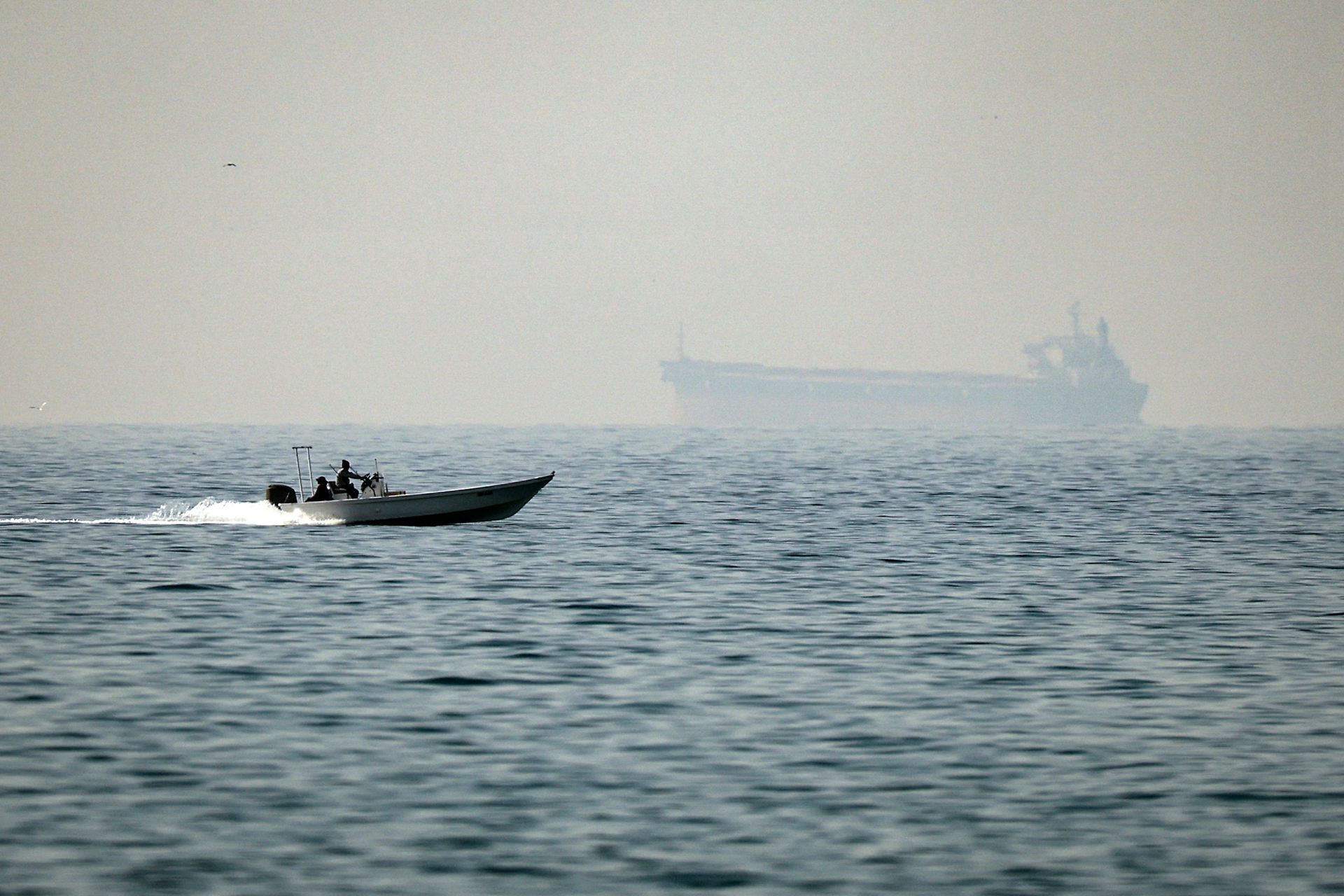
تريد إيران دفع رسوم النفط باليوان الصيني – فهل تضعف قوة البترودولار الأمريكي؟
Iran wants oil tariffs paid in Chinese yuan – is the power of the US petrodollar in decline?
Iranian tariffs in the Strait of Hormuz may change how oil is traded and priced, with implications for currencies, alliances and global economic power.
قد تغير الرسوم الإيرانية في مضيق هرمز طريقة تداول وتسعير النفط، مع تداعيات على العملات والتحالفات والقوة الاقتصادية العالمية.
After weeks of blockades by Iran and the United States in the Strait of Hormuz, it’s clear the narrow waterway is now pivotal to the outcome of the conflict.
بعد أسابيع من الحصار من قبل إيران والولايات المتحدة في مضيق هرمز، من الواضح أن هذا الممر المائي الضيق أصبح الآن محورياً لمآل الصراع.
The US has begun to escort ships through the narrow passage, but behind the military manoeuvring lies a deeper development: energy security in the Persian Gulf is in a state of profound flux.
بدأت الولايات المتحدة بمرافقة السفن عبر المضيق الضيق، ولكن وراء المناورات العسكرية يكمن تطور أعمق: فأن أمن الطاقة في الخليج العربي يمر بحالة تقلب عميق.
As well as the desire by both Iran and the US to control the global flow of oil, gas, helium and fertilisers from the region, the United Arab Emirates (a key US ally) has withdrawn from OPEC in what’s been called a major blow to the oil cartel.
بالإضافة إلى رغبة كل من إيران والولايات المتحدة في السيطرة على التدفق العالمي للنفط والغاز والهيليوم والأسمدة من المنطقة، انسحبت دولة الإمارات العربية المتحدة (حليف رئيسي للولايات المتحدة) من منظمة أوبك فيما وُصف بأنه ضربة كبيرة للتحالف النفطي.
On top of this, Iran has announced plans to introduce tariffs in the Strait of Hormuz as a form of reparations for the damage caused by the war.
وفوق كل ذلك، أعلنت إيران عن خطط لفرض رسوم في مضيق هرمز كشكل من أشكال التعويض عن الأضرار التي سببتها الحرب.
If imposed, these tariffs are estimated to be worth between US$40 billion and $50 billion a year to Iran, and would potentially allow it to mitigate the impact of US economic sanctions.
إذا فُرضت، تُقدر هذه الرسوم بأنها تبلغ ما بين 40 مليار دولار و 50 مليار دولار سنوياً لإيران، ومن شأنها أن تسمح لها المحتمل بتخفيف تأثير العقوبات الاقتصادية الأمريكية.
Crucially, tariffs would be a way to cultivate stronger relations with China because they would be denominated in Chinese yuan, not US dollars. This has the potential to significantly alter regional and global power balances.
الأهم من ذلك، أن الرسوم ستكون وسيلة لتعزيز العلاقات مع الصين لأنها ستُسعّر باليوان الصيني، وليس بالدولار الأمريكي. وهذا يحمل القدرة على تغيير توازنات القوى الإقليمية والعالمية بشكل كبير.
In fact, such payments have reportedly already been made by vessels going to China, India and Japan, with the Iranian parliament working to formalise the process. (Iran has also begun accepting payments in cryptocurrency.)
في الواقع، أفادت التقارير بأنه تم بالفعل إجراء مثل هذه المدفوعات من قبل سفن متجهة إلى الصين والهند واليابان، حيث يعمل البرلمان الإيراني على إضفاء الطابع الرسمي على العملية. (كما بدأت إيران بقبول المدفوعات بالعملات المشفرة) .
50 years of dominance
هيمنة لمدة 50 عاماً
If Iran can continue to charge these tariffs it could tilt regional influence away from the US towards China and Asia by eroding the historical dominance of the petrodollar.
إذا استمرت إيران في فرض هذه التعريفات الجمركية، فقد تحول النفوذ الإقليمي بعيداً عن الولايات المتحدة باتجاه الصين وآسيا، وذلك عبر تآكل الهيمنة التاريخية لـ “البترودولار.”
Essentially, the petrodollar system has seen the pricing and trading of oil in US dollars. The term dates from the 1970s when the US asked Saudi Arabia to exclusively price its oil in US dollars in return for military aid.
في الأساس، شهد نظام البترودولار تسعير وتداول النفط بالدولار الأمريكي. يعود هذا المصطلح إلى حقبة السبعينيات عندما طلبت الولايات المتحدة من المملكة العربية السعودية تسعير نفطها حصرياً بالدولار الأمريكي مقابل المساعدة العسكرية.
This spread across OPEC (the Organization of the Petroleum Exporting Countries) , becoming the benchmark of the global oil trade, bolstering the US dollar as the global reserve currency and underwriting US power.
وانتشر هذا النظام ليشمل منظمة أوبك (منظمة الدول المصدرة للنفط) ، ليصبح المعيار لتجارة النفط العالمية، مما عزز مكانة الدولار الأمريكي كعملة احتياط عالمية وراء القوة الأمريكية.
Oil-producing nations amassed huge petrodollar surpluses – too much to invest only in their own economies – which were funnelled or “recycled” back into US securities and stocks, and other countries’ sovereign wealth funds.
جمعت الدول المنتجة للنفط فائضاً ضخماً من البترودولار – أكثر من أن تستثمره في اقتصاداتها الخاصة فقط – والذي تم توجيهه أو “إعادة تدويره” إلى الأوراق المالية والأسهم الأمريكية، وصناديق الثروة السيادية للدول الأخرى.
They have become the primary source of revenue for OPEC members, as well as non-member oil exporters Qatar and Norway. This ties these countries to Washington and gives the US significant financial leverage in global affairs. The flow of petrodollars helps finance US deficits and reduce US borrowing costs.
لقد أصبح هذا الفائض المصدر الأساسي للإيرادات لأعضاء أوبك، وكذلك لمصدري النفط غير الأعضاء مثل قطر والنرويج. وهذا يربط هذه الدول بواشنطن ويمنح الولايات المتحدة نفوذاً مالياً كبيراً في الشؤون العالمية. ويساعد تدفق البترودولار في تمويل العجز الأمريكي وتقليل تكاليف الاقتراض الأمريكية.
A new paradigm?
نموذج جديد؟
If major regional players such as the UAE, Bahrain, Qatar, Kuwait and Saudi Arabia pay Iranian tariffs in “petroyuans”, economist Antonio Bhardwaj has said, it would mark:
إذا دفعت دول إقليمية كبرى مثل الإمارات والبحرين وقطر والكويت والمملكة العربية السعودية الرسوم الإيرانية بـ “البيترويوان”، فقد أشار الخبير الاقتصادي أنطونيو بهاردواج إلى أن ذلك سيشكل:
the systematic erosion of the petrodollar system and the emergence of the petroyuan as a credible, institutionally embedded alternative framework for settling global energy transactions.
التآكل المنهجي لنظام البترودولار وظهور البيترويوان كإطار بديل موثوق ومتجذر مؤسسيًا لتسوية المعاملات العالمية للطاقة.
It’s a sizeable “if”, but the introduction of tariffs would also pose a dilemma for countries that supported Iran in the conflict (implicitly or explicitly) and those that didn’t.
إنه “إذا” كبير، لكن فرض الرسوم الجمركية سيشكل أيضًا معضلة للدول التي دعمت إيران في الصراع (سواء ضمنيًا أو بشكل صريح) وتلك التي لم تدعمها.
As internatinoal relations analyst Pakizah Parveen has written, we would see the emergence of:
وكما كتبت محللة العلاقات الدولية باكيزا برفين، سنشهد ظهور:
a bifurcated global oil market: barrels from compliant parties would move through Hormuz in yuan. In contrast, non-compliant parties would incur significantly higher costs in dollar-denominated barrels.
سوق نفط عالمي منقسم: ستمر براميل النفط من الأطراف الممتثلة عبر هرمز باليوان. وعلى النقيض من ذلك، ستتكبد الأطراف غير الممتثلة تكاليف أعلى بكثير بالبراميل المقومة بالدولار.
Such a choice would affect major US allies such as Pakistan, South Korea, Japan and the Philippines, all of which have faced severe economic pressures as a result of the upheavals in the Gulf and Middle East.
مثل هذا الخيار سيؤثر على الحلفاء الرئيسيين للولايات المتحدة مثل باكستان وكوريا الجنوبية واليابان والفلبين، وجميعها واجهت ضغوطًا اقتصادية شديدة نتيجة الاضطرابات في الخليج والشرق الأوسط.
Paying tariffs in petroyuan would draw them towards China and play into Beijing’s narrative of being a reliable and more stable economic force. It also mirrors Russia’s request for payment in yuan for its oil since 2025.
إن دفع الرسوم بالبيترويوان سيجذبهم نحو الصين ويخدم سرد بكين بكونها قوة اقتصادية موثوقة وأكثر استقرارًا. كما أنه يعكس طلب روسيا للدفع باليوان مقابل نفطها منذ عام 2025.
Decline of the petrodollar
تراجع البترودولار
It would be premature to argue Iranian tariffs will lead to a general “de-dollarisation” of the world economy. But they may be a step towards a devaluing of the US dollar.
سيكون من السابق لأوانه القول بأن التعريفات الإيرانية ستؤدي إلى “فك دولرة” عام للاقتصاد العالمي. لكنها قد تكون خطوة نحو تخفيض قيمة الدولار الأمريكي.
By extension, any move by other countries away from the US dollar is a move away from dependence on the US financially and politically. It would also aid China’s push to internationalise the yuan.
وبالمعنى الأوسع، فإن أي تحرك من دول أخرى بعيداً عن الدولار الأمريكي هو تحرك بعيداً عن التبعية للولايات المتحدة مالياً وسياسياً. كما أنه سيدعم دفع الصين لتدويل اليوان.
For the first time since 1996, global central banks hold more gold in their reserves than US debt securities. The BRICS group of countries may move further away from US influence, with China, India and Brazil having all reduced their US holdings in 2025.
ولأول مرة منذ عام 1996، تحتفظ البنوك المركزية العالمية بكمية من الذهب في احتياطياتها تفوق الأوراق المالية الأمريكية. وقد تتحرك مجموعة دول بريكس (BRICS) بعيداً عن النفوذ الأمريكي، حيث قللت كل من الصين والهند والبرازيل من حيازاتها الأمريكية في عام 2025.
Overall, Iranian tariffs denominated in yuan would be another sign of an emerging multipolar world in which US preeminence is no longer a given. It would mean more strategic flexibility for all countries, great and small, but also more uncertainty.
بشكل عام، ستكون التعريفات الإيرانية المقومة باليوان علامة أخرى على عالم متعدد الأقطاب ناشئ، لم تعد فيه الريادة الأمريكية أمراً مسلماً به. وهذا يعني المزيد من المرونة الاستراتيجية لجميع الدول، الكبرى والصغرى، ولكنه يعني أيضاً المزيد من عدم اليقين.
Chris Ogden is affiliated with the Foreign Policy Centre in London.
كريس أوغدن مرتبط بمركز السياسة الخارجية في لندن.
Read more
-
يقول العلماء إن الجفاف قد يزيد من تفاقم مقاومة المضادات الحيوية
Drought could be making antibiotic resistance worse, scientists say
-
اقتراح ألمانيا لتخفيف التوترات التجارية مع الصين لم يلقَ ترحيباً في بكين
Germany’s proposal to ease trade tensions with China has not gone down well in Beijing