اقتراح ألمانيا لتخفيف التوترات التجارية مع الصين لم يلقَ ترحيباً في بكين
Germany’s proposal to ease trade tensions with China has not gone down well in Beijing
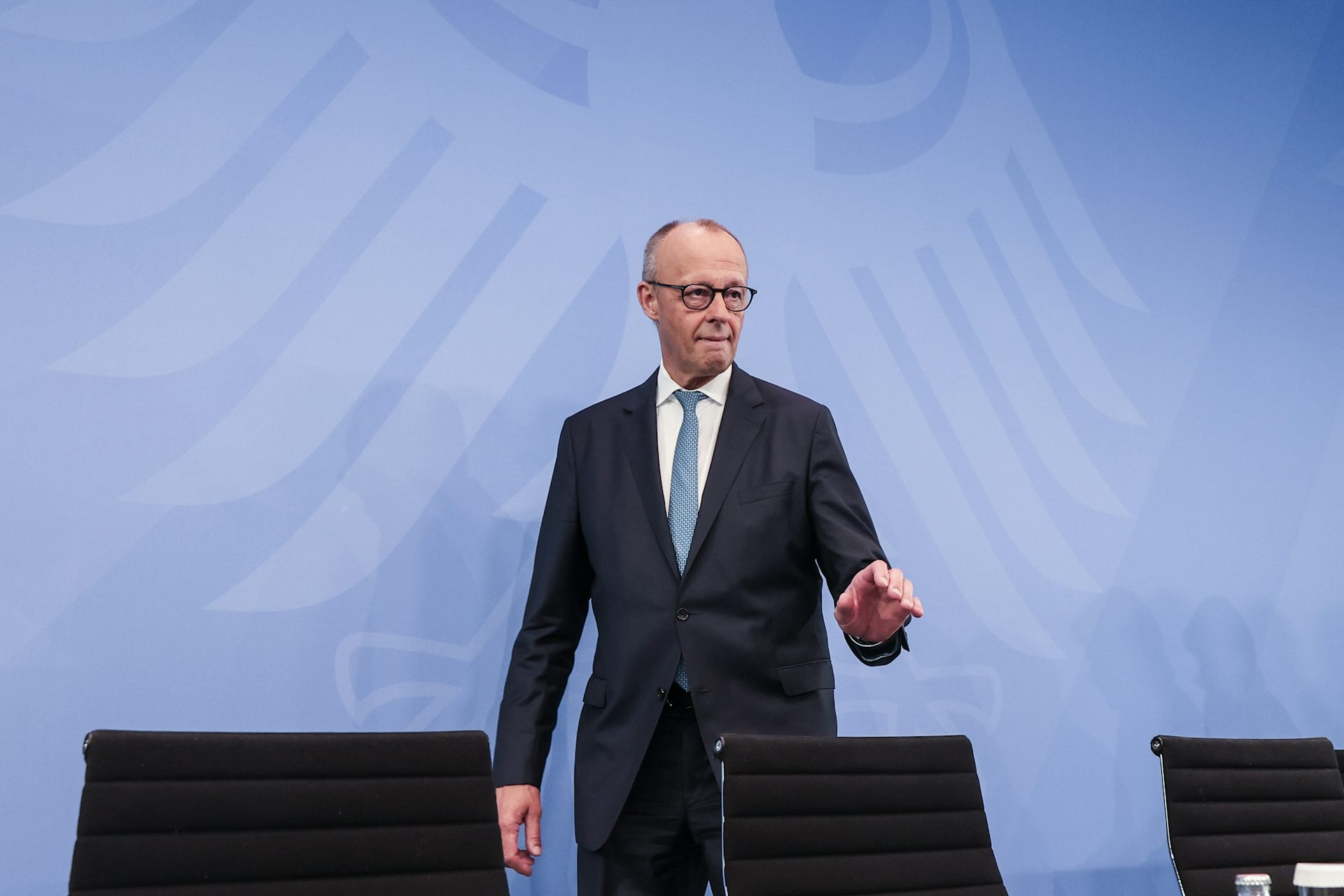
The German chancellor, Friedrich Merz, has called for a new Plaza accord to address what he sees as China’s unfair trade practices.
دعا المستشار الألماني، فريدريش ميرتس، إلى اتفاقية بلازا جديدة لمعالجة ما يعتبره ممارسات تجارية غير عادلة من الصين.
Trade tensions between the EU and China are deepening. On June 16, the EU’s trade chief, Maroš Šefčovič, said the bloc’s unbalanced trade relationship with China “had reached a point that requires a reset”. The German chancellor, Friedrich Merz, then criticised Beijing days later for what he claimed were its unfair trade practices.
تتفاقم التوترات التجارية بين الاتحاد الأوروبي والصين. وفي السادس عشر من يونيو، قال كبير مسؤولي التجارة في الاتحاد الأوروبي، ماروش شيفتشوفيتش، إن العلاقة التجارية غير المتوازنة للكتلة مع الصين “قد وصلت إلى نقطة تتطلب إعادة ضبط.” ومن ثم انتقد المستشار الألماني، فريدريش ميرتس، بكين بعد أيام بسبب ما ادعاه من ممارسات تجارية غير عادلة.
In comments made in Brussels after a European Council meeting, Merz accused China of “flooding markets” through the use of “high subsidies”. He also said China’s currency was undervalued by 30%, making its goods artificially cheaper in global markets. Merz pointed to the Plaza accord as an example of how this issue could be addressed.
في تعليقات أدلى بها في بروكسل بعد اجتماع للمجلس الأوروبي، اتهم ميرتس الصين بـ “إغراق الأسواق” باستخدام “دعم مرتفع.” وقال أيضاً إن عملة الصين مقومة بأقل من قيمتها بنسبة 30%، مما يجعل سلعها أرخص بشكل مصطنع في الأسواق العالمية. وأشار ميرتس إلى اتفاق بلازا كمثال لكيفية معالجة هذه القضية.
Signed in 1985 between the US, Japan, Britain, Germany and France, the Plaza accord was an agreement which saw Japan agree to appreciate the value of its currency, the yen, against the US dollar. The five signatory nations also collectively agreed to intervene in currency markets to weaken the US dollar, which had appreciated massively in the early 1980s, reducing the global competitiveness of US goods.
وُقّع اتفاق بلازا عام 1985 بين الولايات المتحدة واليابان وبريطانيا وألمانيا وفرنسا، وكانت اتفاقية تضمنت موافقة اليابان على رفع قيمة عملتها، الين، مقابل الدولار الأمريكي. واتفقت الدول الخمس الموقعة أيضاً بشكل جماعي على التدخل في أسواق العملات لإضعاف الدولار الأمريكي، الذي كان قد ارتفع بشكل كبير في أوائل الثمانينات، مما قلل من القدرة التنافسية للسلع الأمريكية عالمياً.
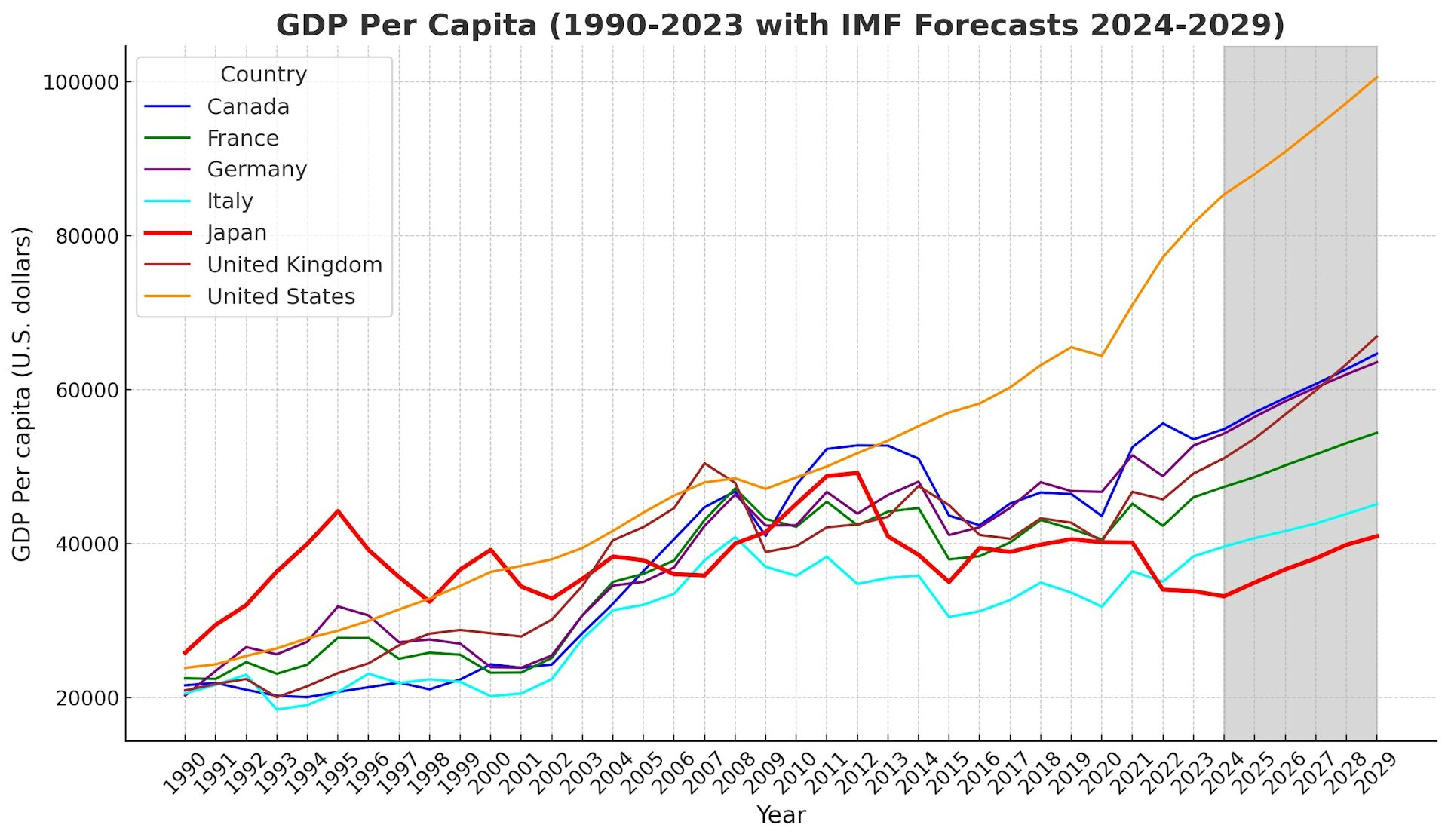
The yen’s value quickly increased following the Plaza accord, appreciating by around 46% against the US dollar by 1986. In doing so, the imposition of protectionist measures against Japan was avoided. However, the yen’s appreciation had some severe consequences for Japan, which is something Chinese policymakers are seemingly very aware of.
ارتفعت قيمة الين بسرعة بعد اتفاق بلازا، حيث زادت بنحو 46% مقابل الدولار الأمريكي بحلول عام 1986. وبهذا، تم تجنب فرض إجراءات حمائية ضد اليابان. ومع ذلك، كان لارتفاع قيمة الين بعض العواقب الوخيمة على اليابان، وهو أمر يبدو أن صانعي السياسات الصينيين يدركونه جيداً.
For example, the yen’s appreciation was widely seen as being a major contributor to the Japanese asset price bubble in the late 1980s. The implosion of this bubble led to Japan’s so-called “lost decades” of economic stagnation, which has characterised the Japanese economy since then.
على سبيل المثال، اعتُبر ارتفاع قيمة الين مساهماً رئيسياً في فقاعة أسعار الأصول اليابانية في أواخر الثمانينات. وأدى انفجار هذه الفقاعة إلى ما يُعرف بـ “العقود المفقودة” من الركود الاقتصادي في اليابان، وهو ما ميز الاقتصاد الياباني منذ ذلك الحين.
For Chinese policymakers, the current trade tensions between Beijing and the west are reminiscent of the contentious relationship between the US and Japan decades ago. Many of the complaints made about China’s growth model and economic practices are similar to the gripes about Japan at that time.
بالنسبة لصانعي السياسات الصينيين، فإن التوترات التجارية الحالية بين بكين والغرب تذكرهم بالعلاقة الخلافية بين الولايات المتحدة واليابان قبل عقود. وكثير من الشكاوى الموجهة ضد نموذج النمو والممارسات الاقتصادية الصينية تشبه الشكاوى التي وُجّهت إلى اليابان في ذلك الوقت.
Those complaints primarily concerned Japan’s significant trade deficit with the US, as well as its alleged unfair trade practices that disadvantaged American manufacturers. Among other things, the US claimed that Japanese semiconductor and electronics manufacturers were flooding the US market with products priced below the cost of production.
وكانت تلك الشكاوى تتعلق بشكل أساسي بالعجز التجاري الكبير لليابان مع الولايات المتحدة، بالإضافة إلى ممارساتها التجارية المزعومة غير العادلة التي أضرت بالشركات الأمريكية المصنعة. ومن بين أمور أخرى، ادعت الولايات المتحدة أن مصنعي أشباه الموصلات والإلكترونيات اليابانيين كانوا يغرقون السوق الأمريكية بمنتجات أسعارها أقل من تكلفة الإنتاج.
Consequently, China views the Plaza accord not as a mutually beneficial agreement. It instead sees the accord as a US-led attempt to cripple Japan’s economy that spelled the beginning of the end for the competitiveness of Japanese manufacturing. This is a stance that has regularly been conveyed by Chinese state media.
ونتيجة لذلك، لا ترى الصين اتفاق بلازا باتفاقاً مفيداً للطرفين. بل تراه محاولة بقيادة الولايات المتحدة لشلّ اقتصاد اليابان، وهو ما نذر بداية النهاية لقدرة التصنيع اليابانية التنافسية. وهذا هو الموقف الذي نقلته بانتظام وسائل الإعلام الحكومية الصينية.
In 2018, China’s state-run Xinhua news agency described the Plaza accord as the cause of Japan’s economic woes. This line was also present in a recent editorial in the Global Times, a tabloid under the direction of the Chinese Communist party’s flagship newspaper, the People’s Daily. The editorial argued the accord was a historical example of western economic coercion and political pressure, rather than a model for international cooperation.
في عام 2018، وصفت وكالة “شينخوا” الإخبارية الحكومية الصينية اتفاق بلازا بأنه سبب المتاعب الاقتصادية لليابان. وكان هذا الخطاب موجوداً أيضاً في مقال افتتاحي حديث في صحيفة “غلوبال تايمز”، وهي مجلة تابعة للصحيفة الرئيسية للحزب الشيوعي الصيني، “الأخبار الشعبية.” وجادل المقال الافتتاحي بأن الاتفاق كان مثالاً تاريخياً للإكراه الاقتصادي الغربي والضغط السياسي، وليس نموذجاً للتعاون الدولي.
Coming to blows
الاشتباك بالقتال
Merz’s message may not have been intended as a suggestion that the EU should seek to curtail the Chinese economy. But, given the wariness among Chinese policymakers of the negative effect of the Plaza accord on Japan, it is likely to be interpreted as such by Beijing.
قد لا تكون رسالة ميرتس مقصودة كاقتراح بأن يسعى الاتحاد الأوروبي إلى تقليص الاقتصاد الصيني. ولكن، نظراً للحذر الذي يساور صانعي السياسات الصينيين من التأثير السلبي لاتفاق بلازا على اليابان، فمن المرجح أن تفسرها بكين على هذا النحو.
In recent years, China has reacted forcefully to what it perceives as external attempts to limit its economic competitiveness. It has taken proactive measures against the US in response to the imposition of tariffs and other restrictions on Chinese goods and Donald Trump’s proposed Mar-a-Lago accord, through which he hopes to lower the value of the US dollar to boost American exports.
في السنوات الأخيرة، ردت الصين بقوة على ما تعتبره محاولات خارجية للحد من قدرتها التنافسية الاقتصادية. وقد اتخذت تدابير استباقية ضد الولايات المتحدة ردًا على فرض الرسوم الجمركية والقيود الأخرى على السلع الصينية، وكذلك اتفاق مارا لاغو المقترح من دونالد ترامب، الذي يأمل من خلاله خفض قيمة الدولار الأمريكي لتعزيز الصادرات الأمريكية.
On June 22, for example, China added an additional ten US firms to its rare-earths export control list in response to US restrictions on Chinese firms such as electric vehicle manufacturer BYD. The Chinese commerce ministry said the measures were a response to the “US government’s malicious practice”, adding they were taken to safeguard national security and interests.
على سبيل المثال، في الثاني والعشرين من يونيو، أضافت الصين عشر شركات أمريكية إضافية إلى قائمة مراقبة صادرات العناصر الأرضية النادرة الخاصة بها، وذلك ردًا على القيود الأمريكية المفروضة على الشركات الصينية مثل الشركة المصنعة للسيارات الكهربائية “بي واي دي.” وقالت وزارة التجارة الصينية إن هذه الإجراءات كانت ردًا على “الممارسات الخبيثة للحكومة الأمريكية”، مضيفةً أنها اتُخذت لحماية الأمن والمصالح الوطنية.
Merz’s comments leave Europe open to similar measures. These measures perhaps most notably include tighter restriction on European access to Chinese rare earths, which are key components in many modern military technologies. Such a move would hamper the EU’s push to rearm itself in the face of Russian aggression.
تترك تعليقات ميرز أوروبا عرضة لإجراءات مماثلة. وتشمل هذه الإجراءات، وبشكل ملحوظ، فرض قيود أكثر صرامة على وصول أوروبا إلى العناصر الأرضية النادرة الصينية، التي تُعد مكونات أساسية في العديد من التقنيات العسكرية الحديثة. ومن شأن مثل هذه الخطوة أن تعرقل سعي الاتحاد الأوروبي لإعادة تسليحه في مواجهة العدوان الروسي.
However, unlike Washington, Brussels has been hesitant to start an open trade conflict with Beijing. As a result, China’s most likely response to trade tensions with Europe will be to follow its established pattern of dealing with individual states bilaterally rather than the EU as a whole. Beijing has used this approach to overcome previous efforts by the EU to forge a unified line regarding China.
ومع ذلك، وعلى عكس واشنطن، ترددت بروكسل في بدء نزاع تجاري مفتوح مع بكين. ونتيجة لذلك، من المرجح أن يكون رد فعل الصين على التوترات التجارية مع أوروبا هو اتباع نمطها الراسخ في التعامل مع الدول الفردية بشكل ثنائي بدلاً من الاتحاد الأوروبي ككل. وقد استخدمت بكين هذا النهج للتغلب على الجهود السابقة للاتحاد الأوروبي لتشكيل خط موحد فيما يتعلق بالصين.
What is clear is that the relationship between the EU and China is entering a contentious stage. Their differences are set to intensify as China seeks to maintain its global dominance in manufacturing and make strides in key technologies that were once the preserve of advanced European economies.
من الواضح أن العلاقة بين الاتحاد الأوروبي والصين تدخل مرحلة خلافية. ومن المقرر أن تشتد اختلافاتهم بينما تسعى الصين للحفاظ على هيمنتها العالمية في مجال التصنيع وتحقيق تقدم كبير في التقنيات الرئيسية التي كانت يوماً حكراً على الاقتصادات الأوروبية المتقدمة.
Tom Harper does not work for, consult, own shares in or receive funding from any company or organisation that would benefit from this article, and has disclosed no relevant affiliations beyond their academic appointment.
توم هاربر لا يعمل لدى، ولا يقدم استشارات لـ، ولا يمتلك أسهم في، أو يتلقى تمويلاً من أي شركة أو مؤسسة قد تستفيد من هذه المقالة، ولم يفصح عن أية انتماءات ذات صلة تتجاوز منصبه الأكاديمي.
Read more
-

لماذا تتخلص الأسر الأوروبية من هذا الكم الهائل من الطعام – وكيفية الحد من جبل النفايات
Why European households throw away so much food – and how to curb the waste mountain
-
هل بكين “غرفة المعيشة” للعالم؟ تستمتع الصين بالمسرح العالمي، ولكن هناك حدود لنفوذها.
Is Beijing the world’s ‘living room’? China is enjoying the global stage, but there are limits to its influence