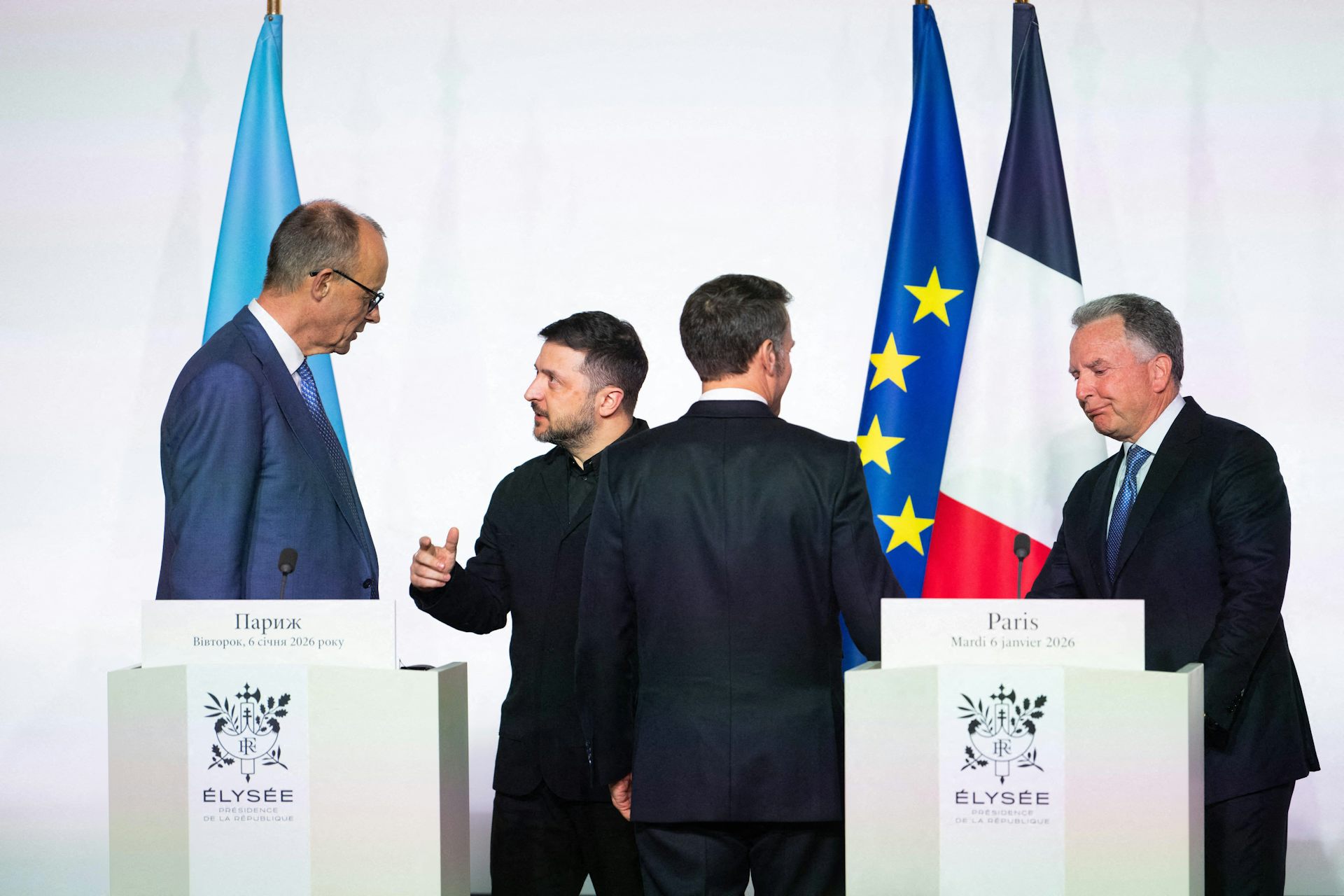
إذا أرادت أوروبا أن “تتصرف بمفردها” في مجال الأمن، يجب على الدول أن تتعلم الغناء من نفس النوتة الموسيقية.
If Europe wants to ‘go it alone’ on security, countries need to learn to sing from the same songsheet
Splits are appearing in Europe’s approach to Russia’s aggression just when it needs to present a united front.
تظهر انقسامات في مقاربة أوروبا للعدوان الروسي، وذلك في الوقت الذي تحتاج فيه إلى تقديم جبهة موحدة.
The G7 summit at Evian from June 15 to 17 is most revealing not for what was agreed, but for what was exposed about the state of play among Europeans, and their relationship with the US. For all the choreography and displays of unity, the summit was, in large part, theatre. It was an attempt to paper over what is becoming increasingly obvious: many of the most critical international issues are now decided without the EU. Brussels is now, at best, an informed bystander.
إن قمة مجموعة السبع في إفيان، التي عُقدت في الفترة من 15 إلى 17 يونيو، تكشف الكثير ليس فيما تم الاتفاق عليه، بل فيما انكشف عن حالة اللعب بين الأوروبيين وعلاقتهم بالولايات المتحدة. فبالرغم من كل التنسيق واستعراضات الوحدة، كانت القمة، إلى حد كبير، مجرد مسرحية. لقد كانت محاولة لتغطية ما أصبح واضحاً بشكل متزايد: أن العديد من القضايا الدولية الحيوية تُتخذ القرارات بشأنها الآن دون الاتحاد الأوروبي. وأصبح بروكسل في أحسن الأحوال مجرد متفرج مطلع.
This was obvious when the US president, Donald Trump, signed a physical copy of his deal with Iran at a post-G7 dinner at the Palace of Versailles hosted by Emmanuel Macron. It was a diplomatic coup for France, rather than a plan hatched by the EU.
كان هذا واضحاً عندما وقع الرئيس الأمريكي، دونالد ترامب، نسخة مادية لاتفاقه مع إيران خلال عشاء ما بعد قمة مجموعة السبع في قصر فرساي الذي استضافه إيمانويل ماكرون. لقد كانت ضربة دبلوماسية لفرنسا، وليست خطة دُبّرت من قبل الاتحاد الأوروبي.
The G7 produced nine joint declarations and seemingly reaffirmed more than just the bare minimum of western unity that has been possible of late. The leaders’ statement on geopolitical issues included strong language on Ukraine. The G7 promised “to increase the delivery of air defence capacities, additional systems and interceptors, and long-range capabilities” and “to increase the pressure on the Russian war economy”.
أنتجت مجموعة السبع تسع بيانات مشتركة وأكدت ظاهرياً أكثر من مجرد الحد الأدنى من الوحدة الغربية التي أمكن تحقيقها مؤخراً. وتضمنت تصريحات القادة حول القضايا الجيوسياسية لغة قوية بشأن أوكرانيا. ووعدت مجموعة السبع “بزيادة تسليم قدرات الدفاع الجوي، والأنظمة الإضافية، والمصائد، والقدرات بعيدة المدى” و”بزيادة الضغط على الاقتصاد الحربي الروسي.”
Yet, it fell short on concrete provisions and timelines. And it notably lacked the commitment to the “robust and legally binding security guarantees” and “the deployment of the Multinational Force – Ukraine” that France, Germany and the UK (the “E3”) had emphasised in their joint declaration with Ukraine’s president, Volodymyr Zelensky on June 7.
ومع ذلك، فقد قصّرت في تقديم بنود وجداول زمنية ملموسة. والأهم من ذلك أنها افتقرت بشكل ملحوظ إلى الالتزام بـ “ضمانات أمنية قوية وملزمة قانوناً” و”نشر القوة متعددة الجنسيات – أوكرانيا”، وهي النقاط التي شددت عليها فرنسا وألمانيا والمملكة المتحدة (المعروفة باسم “E3”) في بيانها المشترك مع الرئيس الأوكراني، فولوديمير زيلينسكي، في 7 يونيو.
The E3 and Ukraine mini-summit showed European diplomatic coordination at its most effective. Évian, by contrast, showed how little of that coordination carries into the decisions that ultimately matter.
أظهرت القمة المصغرة بين مجموعة E3 وأوكرانيا التنسيق الدبلوماسي الأوروبي في أكثر حالاته فعالية. أما إفيان، فكشفت عن مدى ضآلة هذا التنسيق عندما يتعلق الأمر بالقرارات التي تهم في نهاية المطاف.
Europe’s struggle for relevance is also obvious in relation to Ukraine. The last meaningful – if hardly constructive – negotiations occurred in the so-called “Geneva track” in February. Mediated by Trump’s Witkoff-Kushner team (which was also involved in talks with Iran) , this brought Russia and Ukraine together for talks.
إن صراع أوروبا من أجل إعادة اكتساب أهميتها واضح أيضاً فيما يتعلق بأوكرانيا. ووقع آخر المفاوضات الهادفة – وإن لم تكن بناءة إلى حد كبير – في ما يسمى بـ “مسار جنيف” في فبراير. وبوساطة فريق ويتكوف-كوشنر التابع لترامب (الذي شارك أيضاً في محادثات مع إيران) ، جمع هذا المحادثات بين روسيا وأوكرانيا.
But while Washington reported “meaningful progress”, Zelensky commented that “sensitive political matters … have not yet been sufficiently addressed” and called for European to be involved in the next round of talks. This has not happened.
ولكن بينما أبلغت واشنطن عن “تقدم ملموس”، علّق زيلينسكي بأن “المسائل السياسية الحساسة… لم تُعالج بشكل كافٍ بعد” ودعا إلى إشراك أوروبا في الجولة القادمة من المحادثات. وهذا لم يحدث.
Meanwhile, Europe’s own efforts also failed. Putin immediately rejected the call from E3 and Ukraine for direct talks. This was reinforced in a June 19 essay penned by Russia’s foreign minister, Sergey Lavrov, accusing Europe of complicity in the 2014 political crisis in Ukraine which ousted the pro-Russian president, Viktor Yanukovych, and precipitated the conflict. He added they had sabotaged any attempts at peace.
في غضون ذلك، فشلت جهود أوروبا الخاصة أيضاً. فرفض بوتين على الفور دعوة مجموعة E3 وأوكرانيا لعقد محادثات مباشرة. وقد تعزز هذا الأمر في مقال نثري كتبه وزير الخارجية الروسي، سيرجي لافروف، في 19 يونيو، واتهم فيه أوروبا بالتواطؤ في الأزمة السياسية عام 2014 في أوكرانيا التي أطاحت بالرئيس الموالي لروسيا، فكتور يانوكوفيتش، وأدت إلى اندلاع الصراع. وأضاف أنهم قاموا بتخريب أي محاولات للسلام.
But the EU was already at loggerheads with itself. Earlier that day, EU leaders gathering for a summit in Brussels discovered that António Costa, the European Council president, had instructed his office to reach out to the Kremlin — without consulting member states — to lay the groundwork for potential peace negotiations with Russia over Ukraine. Their reaction ranged from surprise to outrage. Germany’s chancellor, Friedrich Merz, and Macron both publicly pushed back against Costa. Macron stated that “he [Costa] cannot represent [EU states] when security guarantees are at stake”.
لكن الاتحاد الأوروبي كان بالفعل في خلاف مع نفسه. ففي وقت سابق من ذلك اليوم، اكتشف قادة الاتحاد الأوروبي الذين اجتمعوا لقمة في بروكسل أن أنطونيو كوستا، رئيس المجلس الأوروبي، قد أصدر تعليماته لمكتبه بالتواصل مع الكرملين – دون استشارة الدول الأعضاء – لوضع الأساس لمفاوضات سلام محتملة مع روسيا بشأن أوكرانيا. وتراوحت ردود أفعالهم بين المفاجأة والغضب. وقد عارض كل من المستشار الألماني، فريدريش ميرتس، وماكرون علناً موقف كوستا. وصرح ماكرون بأن “لا يمكنه [كوستا] أن يمثل [دول الاتحاد الأوروبي] عندما تكون ضمانات الأمن على المحك.”
The episode was damaging for reasons that go well beyond procedural embarrassment. The spectacle of European leaders publicly repudiating their own council president will have given Moscow the satisfaction of knowing that Europe still cannot speak with a single voice.
لقد كانت هذه الحادثة ضارة لأسباب تتجاوز بكثير مجرد الإحراج الإجرائي. فمشهد القادة الأوروبيين وهم ينكرون علناً رئيس مجلسهم سيعطي موسكو الرضا بمعرفة أن أوروبا لا تزال غير قادرة على التحدث بصوت واحد.
The European Commission president, Ursula von der Leyen, tried to bring the message under control. At her press conference after the EU leaders’ summit, she noted that “sooner or later Russia will need to come to the negotiating table, and when that comes we need a united European message to President Putin”. That ambition, however, contrasts sharply with the reality of the earlier Costa episode.
وحاولت رئيسة المفوضية الأوروبية، أورسولا فون دير لاين، السيطرة على الرسالة. وفي مؤتمرها الصحفي بعد قمة قادة الاتحاد الأوروبي، أشارت إلى أنه “سواء مبكراً أو متأخراً ستحتاج روسيا إلى المجيء إلى طاولة المفاوضات، وعندما يحدث ذلك فنحن بحاجة إلى رسالة أوروبية موحدة للرئيس بوتين.” ومع ذلك، فإن هذا الطموح يتناقض بشكل حاد مع واقع حادثة كوستا السابقة.
A unified approach
منهج موحد
Diplomatic embarrassment is not the only issue when it comes to how quickly Europe will be able to close the persistent gap between ambition and reality.
الإحراج الدبلوماسي ليس القضية الوحيدة عندما يتعلق الأمر بمدى سرعة قدرة أوروبا على سد الفجوة المستمرة بين الطموح والواقع.
On June 8, the German government formalised its withdrawal from the Future Combat Air System (FCAS) , the €100 billion (£86 billion) joint fighter jet project launched in 2017 as the flagship expression of Franco-German defence ambition. FCAS also included engines, sensors and a digital intelligence network known as “combat cloud”.
في الثامن من يونيو، أعلنت الحكومة الألمانية رسميًا انسحابها من نظام القتال الجوي المستقبلي (FCAS) ، وهو مشروع طائرات مقاتلة مشترك بقيمة 100 مليار يورو (86 مليار جنيه إسترليني) ، أُطلق في عام 2017 باعتباره التعبير الرائد عن الطموح الدفاعي الفرنسي الألماني. كما شمل نظام FCAS محركات وأجهزة استشعار وشبكة معلومات رقمية تُعرف باسم “السحابة القتالية.”
One point of contention was reportedly the leadership role played by French aerospace giant Dassault. Germany wanted more of a leadership role and the partners are reported to have had divergent visions of the end product.
أفادت التقارير أن إحدى نقاط الخلاف كانت تتعلق بالدور القيادي الذي لعبه عملاق الطيران الفرنسي داسو. فقد رغبت ألمانيا في تولي دور قيادي أكبر، ويُقال إن الشركاء كان لديهم رؤى متباينة للمنتج النهائي.
Germany’s aspiration to “lead or substantially shape” future European air combat systems may seem rational given the country’s financial muscle and engineering prowess. With more than €750 billion committed to rebuilding its armed forces by 2030, Germany’s instinct that this investment should produce proportionate industrial and strategic leadership is understandable. But when applied to European defence cooperation, it is counterproductive.
قد يبدو طموح ألمانيا لـ “قيادة أو تشكيل جوهري” لأنظمة القتال الجوي الأوروبية المستقبلية منطقيًا بالنظر إلى قوتها المالية وبراعتها الهندسية. ومع تخصيص أكثر من 750 مليار يورو لإعادة بناء قواتها المسلحة بحلول عام 2030، فإن غريزة ألمانيا بأن هذا الاستثمار يجب أن ينتج قيادة صناعية واستراتيجية متناسبة أمر مفهوم. ولكن عند تطبيقه على التعاون الدفاعي الأوروبي، فإنه يكون مُعيقًا للتقدم.
While European states, including Germany, have repeatedly stressed the need for collective action on defence, there is a repeated fallback on national initiatives. It’s hard to escape the conclusion that Europe continues to struggle to effectively coordinate efforts.
بينما شددت الدول الأوروبية، بما في ذلك ألمانيا، مراراً وتكراراً على ضرورة العمل الجماعي في مجال الدفاع، نلاحظ تراجعاً متكرراً نحو المبادرات الوطنية. ومن الصعب تفادي الاستنتاج بأن أوروبا لا تزال تكافح لتنسيق جهودها بفعالية.
In a development that neatly illustrates this point, on June 20 the UK unveiled three prototype long-range strike missiles built without any US-manufactured components. The product of an 18-month programme known as Project Brakestop, the explicit purpose of developing this capability is to remove Washington’s ability to veto their deployment in Ukraine.
في تطور يوضح هذه النقطة بشكل لافت، كشفت المملكة المتحدة في 20 يونيو عن ثلاثة صواريخ نموذجية للضربات بعيدة المدى لم تُبنَ بأي مكونات مصنعة أمريكيًا. هذا المنتج هو نتاج برنامج استمر ثمانية عشر شهرًا يُعرف باسم “مشروع بريكستوب” (Project Brakestop) ، والهدف المعلن من تطوير هذه القدرة هو إزالة قدرة واشنطن على النقض بشأن نشرها في أوكرانيا.
On the positive side, the UK’s ability to pull this off is commendable. It encapsulates the transformation in European thinking about the transatlantic relationship under Trump – and the capability to follow through on this.
من الجانب الإيجابي، إن قدرة المملكة المتحدة على تحقيق ذلك جديرة بالثناء. إنه يجسد التحول في التفكير الأوروبي بشأن العلاقة عبر الأطلسي في عهد ترامب – والقدرة على المضي قدمًا في هذا الأمر.
But as an act of strengthening European strategic sovereignty, it falls short. It is British rather than European.
ولكن باعتباره إجراءً لتعزيز السيادة الاستراتيجية الأوروبية، فإنه قاصر. إنه بريطاني بدلاً من أن يكون أوروبيًا.
Europe’s ambition to rise to the simultaneous challenges of Trump’s transactionalism and Putin’s adventurism has been stated loudly and clearly on more than one occasion over the past 18 months or so. This ambition is most commonly expressed in the quest for strategic autonomy or “going it alone”. But it is not matched with an ability to act coherently.
لقد تم التعبير عن طموح أوروبا لمواجهة التحديات المتزامنة للصفقية الترامبية والمغامراتية البوتينية بصوت عالٍ ووضوح في مناسبات أكثر من مرة خلال الثمانية عشر شهرًا الماضية تقريباً. ويُعبّر عن هذا الطموح عادةً في السعي نحو الاستقلال الاستراتيجي أو “الاعتماد على الذات”، لكنه لا يترافق مع قدرة فعلية على التصرف بتماسك.
Richard Whitman has received funding from the Economic and Research Council of the UK as a Senior Fellow of the UK in a Changing Europe initiative. He is a past recipient of grant funding from the British Academy of the UK, EU Erasmus+ and Jean Monnet Programme. He is a Senior Associate Fellow at the Royal United Services Institute (RUSI) , and an Academic Fellow of the European Policy Centre in Brussels. He is a past Associate Fellow and Head of the Europe Programme of the Royal Institute of International Affairs (Chatham House) .
حصل ريتشارد ويتمن على تمويل من المجلس الاقتصادي والبحثي للمملكة المتحدة بصفته زميلًا أولاً في مبادرة المملكة المتحدة في أوروبا المتغيرة. وهو متلقٍ سابق لتمويل منح من الأكاديمية البريطانية في المملكة المتحدة، وبرنامج إيراسموس+ للاتحاد الأوروبي، وبرنامج جان مونيه. وهو زميل مشارك أول في المعهد الملكي للخدمات المتحدة (RUSI) ، وزميل أكاديمي في المركز الأوروبي للسياسات في بروكسل. كما أنه كان زميلاً مشاركاً ورئيساً لبرنامج أوروبا في المعهد الملكي للشؤون الدولية (بيت الشام) .
Stefan Wolff is a past recipient of grant funding from the Natural Environment Research Council of the UK, the United States Institute of Peace, the Economic and Social Research Council of the UK, the British Academy, the NATO Science for Peace Programme, the EU Framework Programmes 6 and 7 and Horizon 2020, as well as the EU’s Jean Monnet Programme. He is a Trustee and Honorary Treasurer of the Political Studies Association of the UK and a Senior Research Fellow at the Foreign Policy Centre in London.
ستيفان وولف هو متلقٍ سابق لتمويل المنح من مجلس أبحاث البيئة الطبيعية في المملكة المتحدة، ومعهد السلام بالولايات المتحدة، والمجلس الاقتصادي والاجتماعي للأبحاث في المملكة المتحدة، والأكاديمية البريطانية، وبرنامج الناتو للعلوم من أجل السلام، وبرامج الاتحاد الأوروبي الإطارية ٦ و ٧ وأفق ٢٠٢٠، بالإضافة إلى برنامج جان موننيه التابع للاتحاد الأوروبي. وهو أمين وصندوق شرفي لدى الجمعية البريطانية للدراسات السياسية في المملكة المتحدة وباحث أول في مركز السياسة الخارجية بلندن.
Read more
-
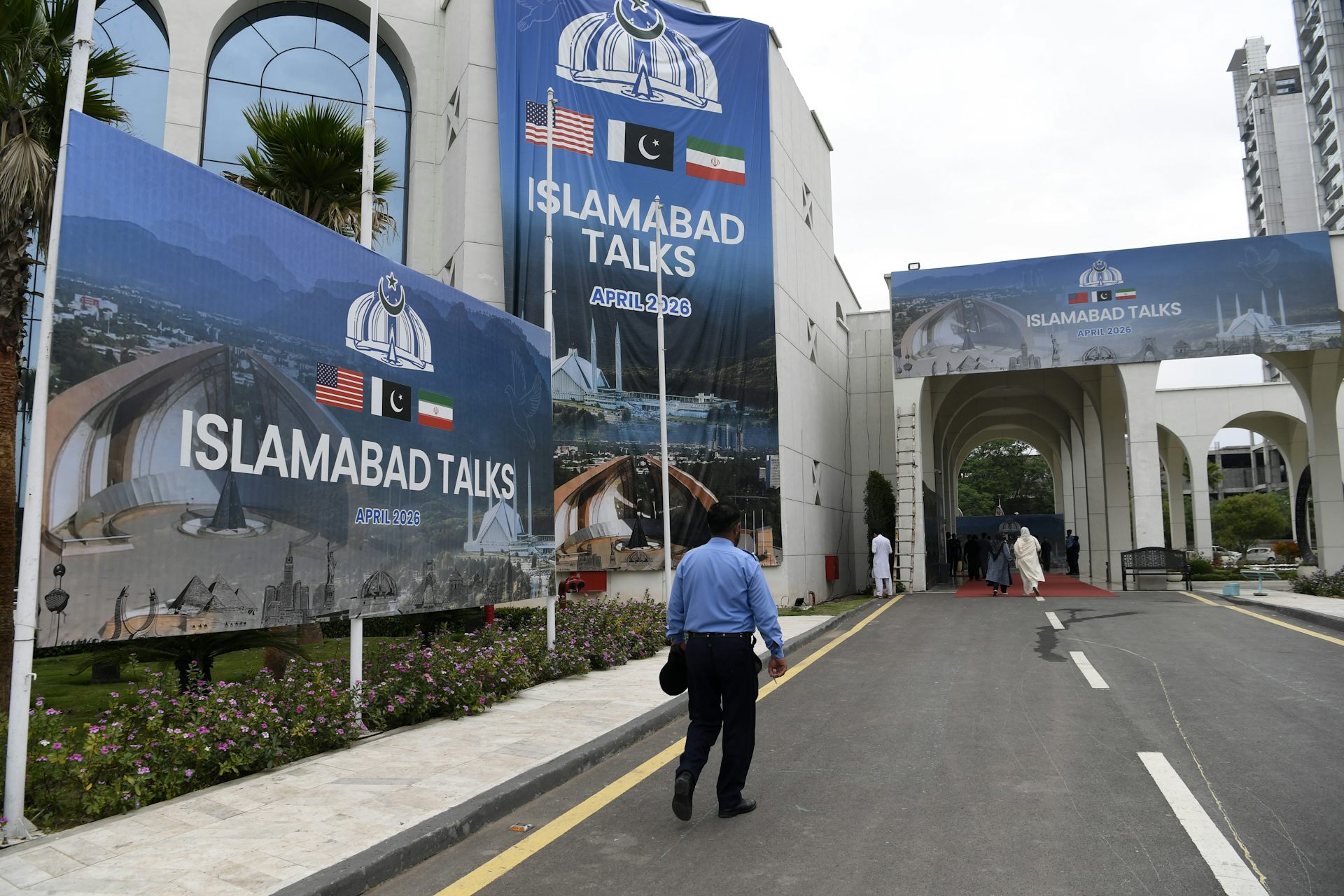
كيف أصبح باكستان الوسيط الرئيسي بين الولايات المتحدة وإيران
How Pakistan became the primary mediator between the US and Iran
-
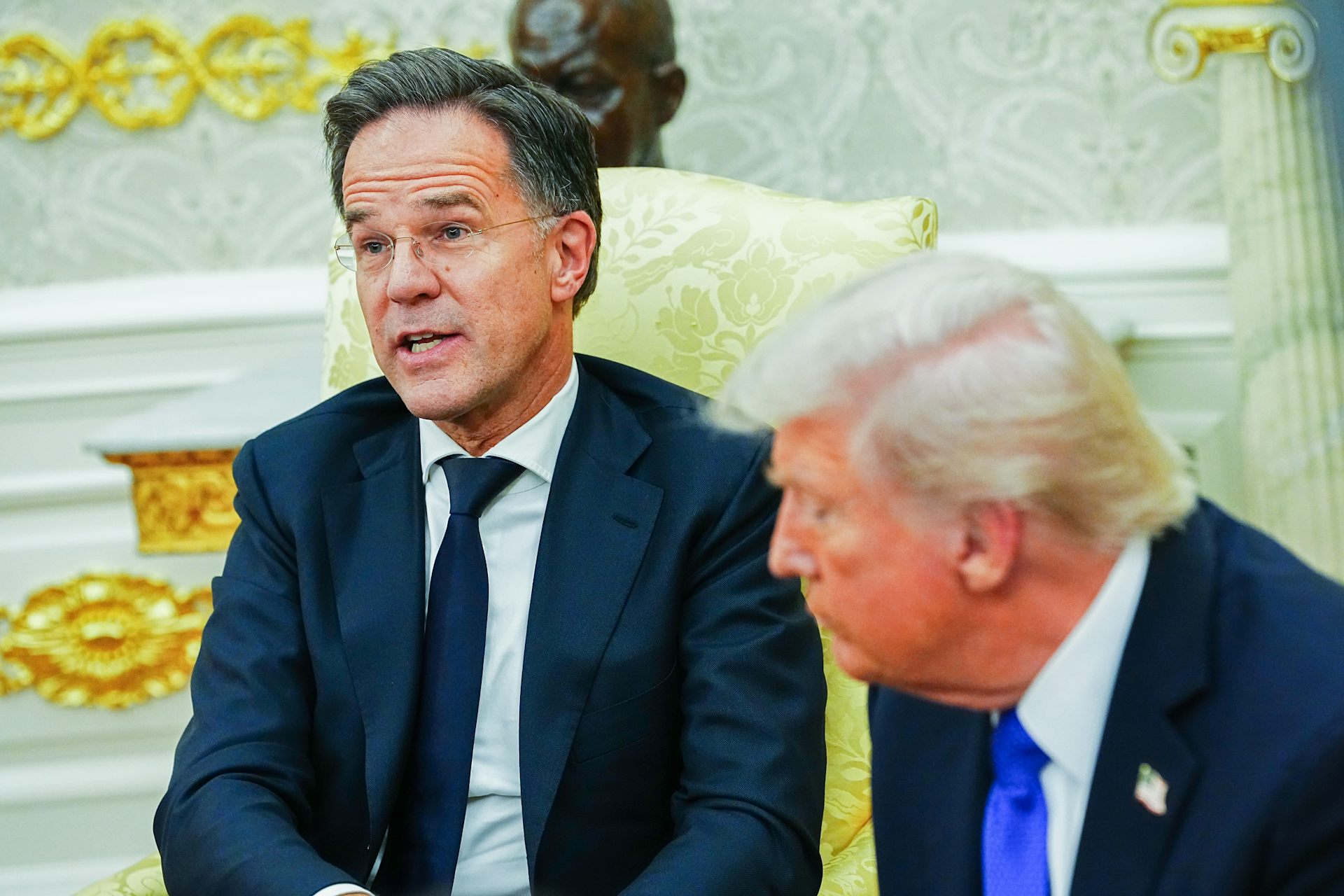
ثلاثة أسباب لعدم سحب دونالد ترامب الولايات المتحدة من الناتو
Three reasons Donald Trump won’t pull the US out of Nato