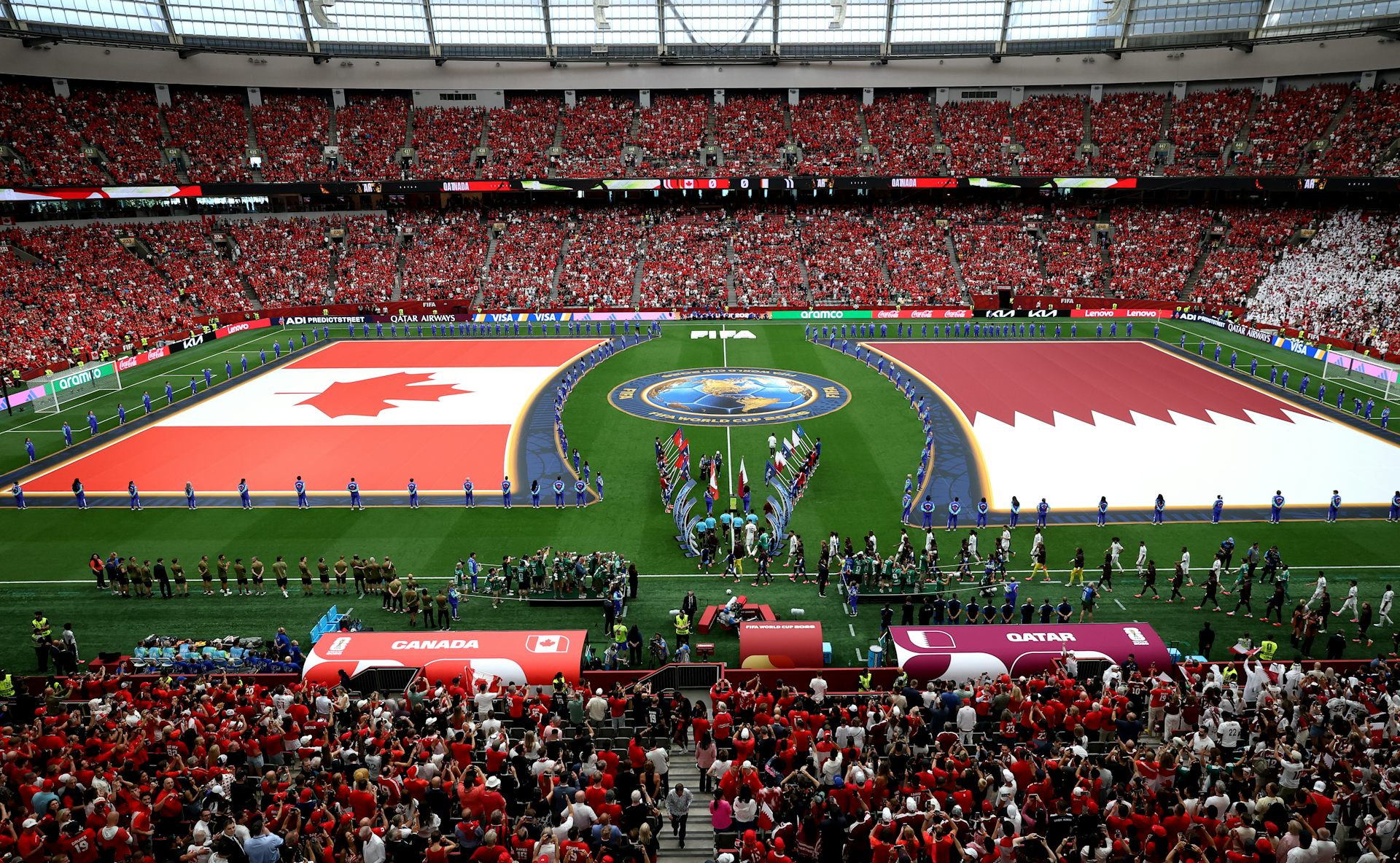
هل تفضل كأس العالم الدول الديمقراطية أم الاستبدادية؟ أجريت بعض الحسابات لمعرفة ذلك
Does the World Cup favor democratic or autocratic nations? I did some number crunching to find out
Hosting the FIFA World Cup games can prove a propaganda win for authoritarian nations. But the data suggests the tournament favors democracies.
قد يثبت استضافة مباريات كأس العالم انتصاراً دعائياً للدول السلطوية. لكن البيانات تشير إلى أن البطولة تفضل الديمقراطيات.
It is often said – by FIFA President Gianni Infantino and many others – that soccer is the “most democratic sport.” That sentiment is based in large part on the sport’s global appeal and long history of popularity across class and racial lines.
يُقال غالبًا – من قبل رئيس الفيفا جياني إنفانتينو والعديد من الآخرين – أن كرة القدم هي “الرياضة الأكثر ديمقراطية”. ويستند هذا الشعور إلى حد كبير على الجاذبية العالمية للرياضة وتاريخها الطويل من الشعبية عبر الطبقات والأعراق.
But whether that axiom applies to the quadrennial World Cup tournament is a different question.
لكن ما إذا كان هذا المبدأ ينطبق على بطولة كأس العالم التي تقام كل أربع سنوات هو سؤال مختلف.
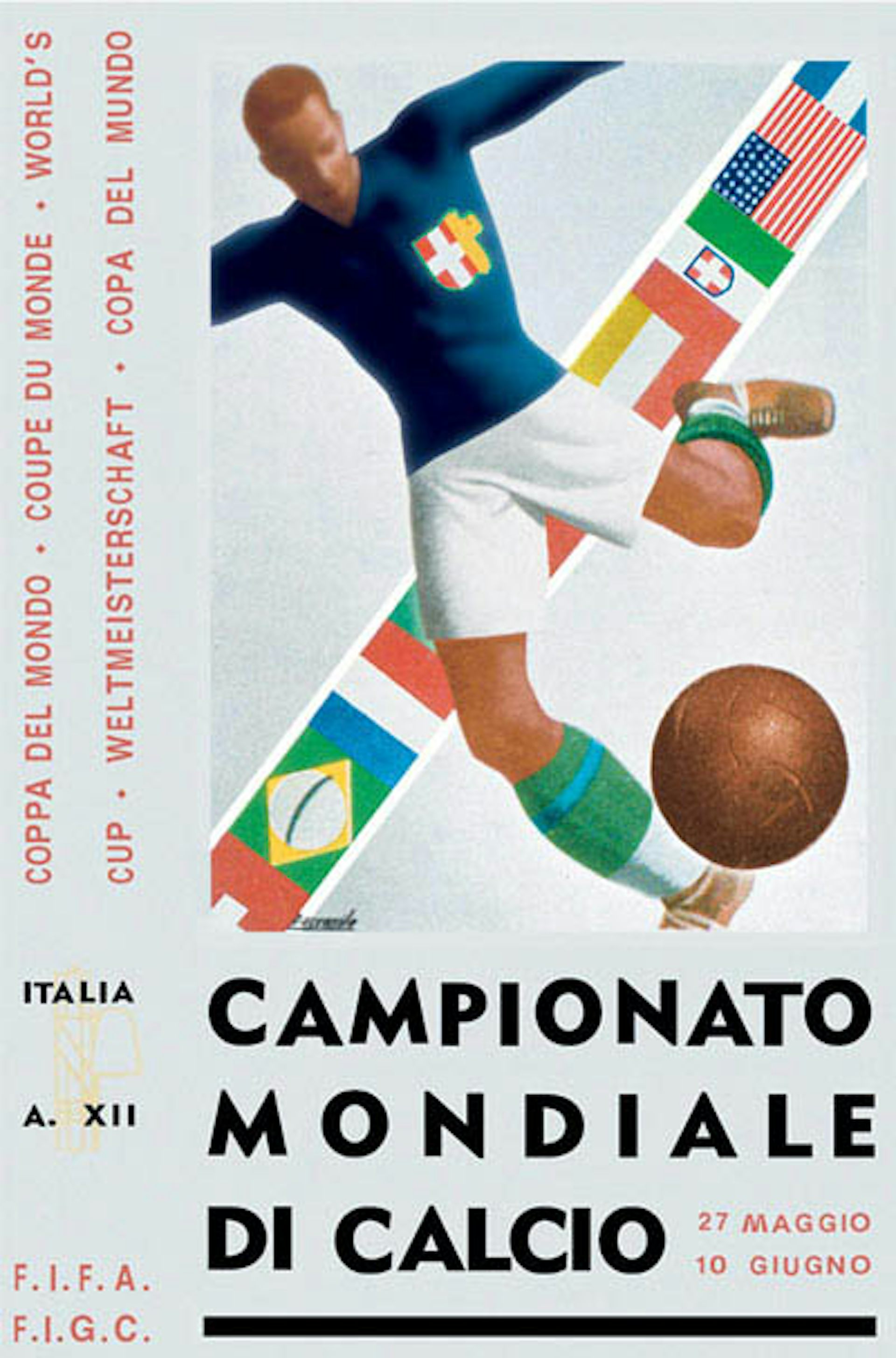
On occasions in the past, authoritarian governments have used the tournament to boost their regimes. Italian fascist leader Benito Mussolini did so when Italy hosted the 1934 World Cup, manipulating the games and handpicking officials to boost the chances for the home team, who went on to beat democratic Czechoslovakia in the final. Likewise, in 1978, Argentina’s dictatorship used both the tournament’s hosting and the national team’s victory to “sportswash” the brutal repression that had accompanied the military junta’s seizure of power.
في مناسبات سابقة، استخدمت الحكومات الاستبدادية البطولة لتعزيز أنظمتها. فقد فعل ذلك الزعيم الفاشي الإيطالي بينيتو موسوليني عندما استضافت إيطاليا كأس العالم عام 1934، حيث تلاعب بالمباريات واختار المسؤولين بعناية لزيادة فرص الفريق المضيف، الذي فاز لاحقًا على تشيكوسلوكا الديمقراطية في النهائي. وبالمثل، في عام 1978، استخدمت ديكتاتورية الأرجنتين كل من استضافة البطولة وانتصار المنتخب الوطني “لغسل” القمع الوحشي الذي رافق استيلاء المجلس العسكري على السلطة.
In each of those notable cases, the team of an authoritarian country won the tournament. But as a political scientist and soccer enthusiast, I was curious to see how countries in authoritarian versus democratic countries had fared in the World Cup over time.
في كل حالة بارزة من هذه الحالات، فاز فريق من دولة استبدادية بالبطولة. ولكن بصفتي عالم سياسة ومتحمسًا لكرة القدم، كنت فضوليًا لمعرفة كيف تصرفت البلدان الاستبدادية مقابل الديمقراطية في كأس العالم بمرور الوقت.
So in the run-up to this year’s tournament, I looked back through the records of the 22 past World Cups; I also cast an eye over the expanded 48 countries represented at the 2026 tournament.
لذا، قبيل بطولة هذا العام، نظرت إلى سجلات بطولات كأس العالم الـ 22 الماضية؛ كما ألقيت نظرة على الدول الـ 48 الموسعة الممثلة في بطولة عام 2026.
For the World Cups between 1930 and 2018, I turned to Polity data, which looks at how power is concentrated in the political system. On a minus 10 to plus 10 scale, democracies are those with a Polity score of plus 6 and plus 10; autocracies have a minus 6 to minus 10; and anocracies – countries that are “partially free” — have a rating of minus 5 to plus 5
بالنسبة لكأس العالم بين عامي 1930 و 2018، لجأت إلى بيانات “بوليتي” (Polity) ، التي تبحث في كيفية تركّز السلطة في النظام السياسي. على مقياس يتراوح من ناقص 10 إلى زائد 10، تعتبر الديمقراطيات هي تلك التي لديها درجة بوليتي بين زائد 6 وزائد 10؛ بينما تمتلك الأنظمة الاستبدادية درجة بين ناقص 6 وناقص 10؛ أما أنظمة “الأنوقراطية” – وهي دول “حرة جزئيًا” – فتقع تصنيفاتها بين ناقص 5 وزائد 5.
Many scholars recommend using multiple datasets when analyzing regime type. And for the World Cups from 1974 to 2026, I also used rankings by the nonprofit Freedom House, which produces an annual index of the state of civil and political rights in every country in the world. They measure countries as free, partly free and not free.
يوصي العديد من الباحثين باستخدام مجموعات بيانات متعددة عند تحليل نوع النظام الحاكم. وبالنسبة لكأس العالم من عام 1974 إلى عام 2026، استخدمت أيضًا التصنيفات الصادرة عن منظمة “فريدم هاوس” غير الربحية، التي تنتج مؤشرًا سنويًا لحالة الحقوق المدنية والسياسية في كل دولة حول العالم. وتقيس هذه المنظمة الدول بأنها حرة أو شبه حرة أو غير حرة.
What the data shows
ما تُظهره البيانات
In the first few World Cup tournaments, free countries did not perform particularly well.
في بطولات كأس العالم القليلة الأولى، لم تحقق الدول الحرة أداءً جيداً بشكل خاص.
From 1930-1962, there were two authoritarian champions (Italy in 1934 and 1938) , three anocratic winners (Uruguay in 1930 and 1950 and Brazil in 1962) and two democratic winners (West Germany in 1954 and a pre-dictatorship Brazil in 1958) .
من عام 1930 إلى عام 1962، كان هناك بطلان استبداديان (إيطاليا في عامي 1934 و 1938) ، وثلاثة فائزين شبه ديمقراطيين (أوروغواي في عامي 1930 و 1950 وبرازيل في عام 1962) ، وفائزان ديمقراطيان (ألمانيا الغربية في عام 1954 وبرازيل قبل الديكتاتورية في عام 1958) .
When it comes to finalists, in the first 32 years, there were six authoritarian countries represented in the final games, four anocracies and a mere four democracies.
عندما يتعلق الأمر بالوصول إلى المباراة النهائية، ففي الـ 32 عاماً الأولى، مثلت ست دول استبدادية في المباريات النهائية، وأربع شبه ديمقراطيات، وأربع ديمقراطيات فقط.
But since 1966 — the first World Cup meeting between two democracies, with England prevailing over West Germany — there have been only two authoritarian winners: Brazil in 1970 and Argentina in 1978 – the last autocratic country to win the tournament.
ولكن منذ عام 1966- أول لقاء لكأس العالم بين دولتين ديمقراطيتين، بفوز إنجلترا على ألمانيا الغربية- لم يكن هناك سوى بطلين استبداديين: البرازيل في عام 1970 والأرجنتين في عام 1978- وهي آخر دولة استبدادية تفوز بالبطولة.
The 10 winning countries from 1982-2018 have all been democracies. Further, all runners-up since 1962 have been democracies, too.
كانت الدول العشر الفائزة من عام 1982 إلى عام 2018 كلها ديمقراطيات. علاوة على ذلك، كانت جميع الوصيفات منذ عام 1962 ديمقراطيات أيضاً.
Looking at the entire 1930-2018 period, Polity data shows that 71.4% of participants in final games have been democracies, with less than 20% of finalists being autocratic nations and 9.5% being anocracies.
بالنظر إلى الفترة الكاملة من 1930 إلى 2018، تُظهر بيانات “بوليتي” أن 71.4% من المشاركين في المباريات النهائية كانوا ديمقراطيات، وأقل من 20% من المتأهلين النهائيين دول استبدادية و 9.5% شبه ديمقراطيات.
When using the Freedom House index, I found that free states have made up 23 of the 26 final game participants from 1974 onward, or 88% of the total, and 11 champions.
عند استخدام مؤشر “منظمة الحرية”، وجدت أن الدول الحرة شكلت 23 من أصل 26 مشاركاً في المباريات النهائية منذ عام 1974، أو ما نسبته 88% من الإجمالي، و 11 بطلاً.
There’s only been one partly free winner — Brazil in 1994 — and one not free winner, Argentina in 1978.
لم يكن هناك سوى فائز واحد شبه حر- البرازيل في عام 1994- وفائز واحد غير حر، وهو الأرجنتين في عام 1978.
How does this compare with worldwide numbers of regime type over time? In 1930, the year of the first FIFA tournament, Polity data shows that only 21.7% of the world’s countries were democratic, with 44.6% being authoritarian and 33.7% deemed anocratic. By 1966, democracies fell to 20.8%, while authoritarian countries made up 40.8% of the world. During the 2018 World Cup, the world’s countries deemed to be democracies had risen to almost 60, using Polity data, while authoritarian states slipped to 12%. The rest are either anocratic or “transitioning.”
كيف يقارن هذا بالأعداد العالمية لأنواع الأنظمة عبر الزمن؟ في عام 1930، عام أول بطولة لكأس العالم لكرة القدم، تُظهر بيانات “بوليتي” أن 21.7% فقط من دول العالم كانت ديمقراطية، بينما شكلت نسبة 44.6% استبدادية و 33.7% شبه ديمقراطية. وبحلول عام 1966، انخفضت الديمقراطيات إلى 20.8%، في حين شكلت الدول الاستبدادية 40.8% من العالم. وخلال كأس العالم 2018، ارتفع عدد دول العالم التي اعتُبرت ديمقراطيات إلى ما يقرب من 60 دولة، وفقاً لبيانات “بوليتي”، بينما انخفضت الدول الاستبدادية إلى 12%. أما البقية فهي إما شبه ديمقراطية أو “في مرحلة انتقالية.”
Democracy – a winning formula?
الديمقراطية – صيغة رابحة؟
But what about the 2026 World Cup participants? Of the 48 countries represented, 43.1% are “free” nations, according to Freedom House. The “not free” group comprised 26.7% of all countries. This is a near reversal of 1974, the first World Cup year for which Freedom House data is available. Back then, free nations made up 27% of countries in the world, while not free countries comprised 41.4% of world’s nations.
ولكن ماذا عن المشاركين في كأس العالم 2026؟ من أصل 48 دولة ممثلة، فإن نسبة “الدول الحرة” تبلغ 43.1%، وفقاً لمنظمة فريدوم هاوس. أما مجموعة “غير الحرة”، فقد شكلت 26.7% من جميع الدول. يمثل هذا انعكاساً شبه كامل لما كان عليه الحال في عام 1974، وهو أول عام لكأس العالم تتوفر فيه بيانات منظمة فريدوم هاوس. ففي ذلك الوقت، كانت الدول الحرة تشكل 27% من دول العالم، بينما شكلت الدول غير الحرة نسبة 41.4% من دول العالم.
And democracies are tipped for success in 2026. The top 11 FIFA-ranked countries are all “free.” For the top 19 countries, all but two — Morocco and Ecuador — are free, and those two are ranked by Freedom House as “partly free.” Of the lowest-ranked 11 countries in the tournament, more than half are unfree.
ومن المتوقع أن تحقق الديمقراطيات النجاح في عام 2026. فالـ 11 دولة الأعلى تصنيفاً لدى الفيفا هي جميعها “حرة”. وبالنسبة لأفضل 19 دولة، فجميعها حرة باستثناء دولتين- المغرب والإكوادور- وهاتان الدولتان مصنفتان من قبل فريدوم هاوس على أنهما “شبه حرتين”. ومن بين الـ 11 دولة الأقل تصنيفاً في البطولة، أكثر من نصفها غير حر.
Countering the sportswashing
مواجهة غسل السمعة بالرياضة
The data shows that democracies are overrepresented at the World Cup and also tend to do better than authoritarian nations – but does that matter? I would argue “yes.”
تُظهر البيانات أن الديمقراطيات ممثلة بأكثر من اللازم في كأس العالم، وتميل أيضًا إلى الأداء بشكل أفضل من الدول الاستبدادية – ولكن هل يهم ذلك؟ أود أن أجادل بأن “نعم.”
At a time when autocratic nations use sport as a propaganda tool, and FIFA seemingly turns a blind eye to the human rights records of hosting nations, the fact that democracies tend to prevail on the pitch feels like a victory for free nations.
في وقت تستخدم فيه الدول الأوتوقراطية الرياضة كأداة للدعاية، ويبدو أن الفيفا يتغاضى عن سجل حقوق الإنسان للدول المضيفة، فإن حقيقة ميل الديمقراطيات إلى التفوق في الملعب تبدو وكأنها انتصار للدول الحرة.
LaGrange College undergraduates Jenna Pittman, Daniel Cody and Eli Rogers contributed to the research on which this article is based.
ساهم طلاب الكلية لاغرانج، جينا بيتمان ودانيال كودي وإيلي روجرز، في البحث الذي يستند إليه هذا المقال.
John A. Tures does not work for, consult, own shares in or receive funding from any company or organization that would benefit from this article, and has disclosed no relevant affiliations beyond their academic appointment.
لا يعمل جون أ. تيورز لدى أي شركة أو منظمة، ولا يشارك فيها استشارات أو يمتلك أسهمًا فيها أو يتلقى تمويلاً منها يمكن أن يستفيد من هذا المقال، ولم يفصح عن أي انتماءات ذات صلة تتجاوز منصبه الأكاديمي.
Read more
-

يتتبع فيلم وثائقي جديد مسيرة كايلي مينوغ، من النقاد الأوائل القساة إلى النجومية البوب.
New documentary traces Kylie Minogue’s career, from harsh early critics to pop stardom
-
خطر اتفاق وقف إطلاق النار بين الولايات المتحدة وإيران هو ما يغفله
The danger of US-Iran ceasefire agreement is what it leaves out