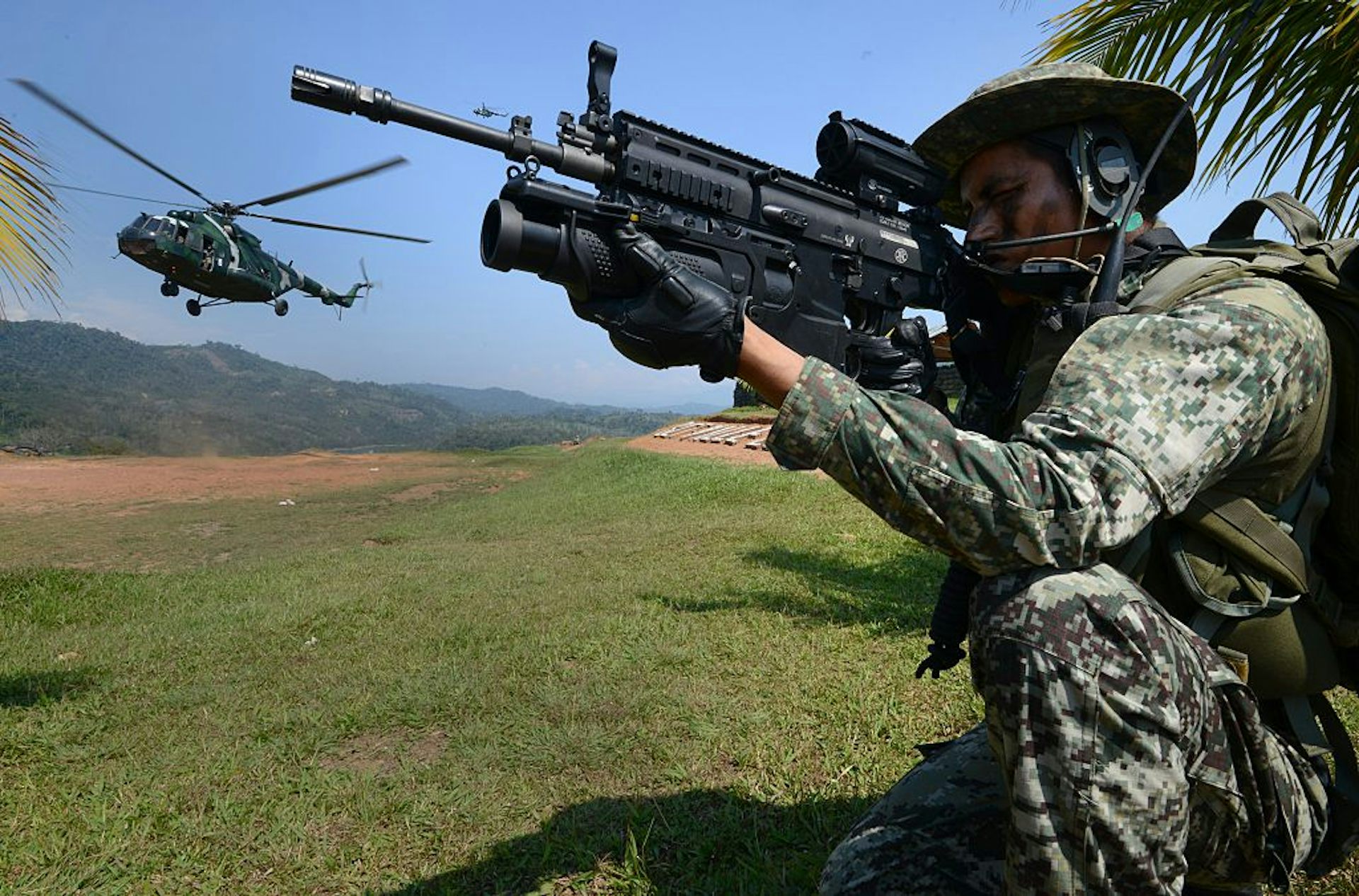
حرب ترامب المزعومة “ضد الإرهاب المخدرات” في أمريكا اللاتينية تذكر بريغان – فكما كان الحال آنذاك، الأمر يتعلق بمحاربة اليساريين أكثر من محاربة مهربي المخدرات.
Trump’s ‘narco-terrorism’ war in Latin America evokes Reagan – then as now, it’s more about fighting leftists than drug runners
The nebulous nature of narco-terrorism has allowed presidents from Reagan to Trump to deploy the term when it serves broader political goals in Latin America.
سمحت الطبيعة الغامضة للإرهاب المخدرات للرؤساء، من ريغان إلى ترامب، بتداول هذا المصطلح عندما يخدم أهدافاً سياسية أوسع في أمريكا اللاتينية.
More than any other U.S. president in decades, Donald Trump has aggressively pursued military interventions in Latin America.
بالنسبة لأي رئيس أمريكي آخر على مدى عقود، سار دونالد ترامب في مساعٍ عدوانية للتدخل العسكري في أمريكا اللاتينية.
On Jan. 3, 2026, U.S. special forces captured Venezuelan President Nicolás Maduro on charges of narco-terrorism. In the months before the operation, U.S. Southern Command began targeting small, fast-moving boats in the Caribbean and eastern Pacific. The death toll from the continuing war on these alleged narco-terrorists has risen to over 200 people.
في 3 يناير 2026، استولت القوات الخاصة الأمريكية على الرئيس الفنزويلي نيكولاس مادورو بتهمة الإرهاب بفعل المخدرات. وفي الأشهر التي سبقت العملية، بدأت القيادة الجنوبية الأمريكية باستهداف الزوارق الصغيرة والسريعة في منطقة الكاريبي والمحيط الهادئ الشرقي. وارتفع عدد الوفيات من الحرب المستمرة ضد هؤلاء المشتبه بهم بـ “الإرهاب بفعل المخدرات” إلى أكثر من 200 شخص.
At the heart of these events is the Trump administration’s stated goal of combating drug trafficking organizations. The White House and State Department have designated a plethora of guerrilla groups, drug cartels, gangs and criminal enterprises as “foreign terrorist organizations.”
في قلب هذه الأحداث هو الهدف المعلن لإدارة ترامب المتمثل في مكافحة منظمات تهريب المخدرات. وقد صنفت البيت الأبيض ووزارة الخارجية مجموعة كبيرة من الجماعات شبه العسكرية، وعصابات المخدرات، والمجموعات الإجرامية، والمؤسسات الإجرامية على أنها “منظمات إرهابية أجنبية.”
Washington has also expanded security ties with Ecuador and El Salvador, which are led by right-wing Trump allies. At the same time, the administration has pressured left-wing governments in Colombia, Guatemala, Brazil and Mexico to join the U.S. war on drugs or else risk Trump’s wrath.
كما وسعت واشنطن علاقاتها الأمنية مع الإكوادور والسلفادور، وهما دول تقودهما تحالفات يمينية تابعة لترامب. وفي الوقت نفسه، ضغطت الإدارة على الحكومات اليسارية في كولومبيا وغواتيمالا والبرازيل والمكسيك للانضمام إلى الحرب الأمريكية ضد المخدرات وإلا فإنها تخاطر بغضب ترامب.
When it comes to opening legal avenues for the application of armed force, the narco-terrorism label is useful. Indeed, it is how the Trump administration justified Operation Absolute Resolve to capture and indict Maduro. Yet Trump’s decision to pardon a right-wing ally – former Honduran President Juan Orlando Hernández – who was convicted and sentenced to 45 years in prison for drug trafficking and related weapons offenses, appeared to some observers to be “at odds with Trump’s war on drugs.”
عندما يتعلق الأمر بفتح السبل القانونية لتطبيق القوة المسلحة، فإن تصنيف “الإرهاب بفعل المخدرات” مفيد. وبالفعل، بهذه الطريقة بررت إدارة ترامب عملية “الحسم المطلق” (Operation Absolute Resolve) لاعتقال مادورو وإدانته. ومع ذلك، بدا قرار ترامب العفو عن حليف يميني – الرئيس الهندي السابق خوان أورلاندو هيرنانديز – الذي أدين وحُكم عليه بالسجن 45 عامًا بتهمة تهريب المخدرات والجرائم المتعلقة بالأسلحة، وكأنه “يتعارض مع حرب ترامب على المخدرات.”
The history of that war on drugs, however, especially during the presidency of Ronald Reagan, shows that the narco-terrorism label has always been politicized. My research on Reagan and the drug war suggests that the nebulousness of the concept aided U.S. policymakers in achieving fundamentally anti-communist and anti-leftist political objectives.
ومع ذلك، فإن تاريخ تلك الحرب على المخدرات، خاصة خلال رئاسة رونالد ريغان، يظهر أن تصنيف الإرهاب بفعل المخدرات كان دائمًا سياسيًا. ويشير بحثي حول ريغان والحرب على المخدرات إلى أن غموض المفهوم ساعد صانعي السياسات الأمريكية في تحقيق أهداف سياسية مناهضة للشيوعية ومناهضة لليسار بشكل أساسي.
Shining Path and the roots of narco-terrorism
المسار المضيء وجذور الإرهاب المخدرات
Peruvian President Fernando Belaúnde Terry first coined the term narco-terrorism in 1982 to describe the infiltration of Sendero Luminoso – or Shining Path – guerrillas into the drug trade.
صاغ الرئيس البيروفي فرناندو بيلاوندي تيري مصطلح “الإرهاب المخدرات” لأول مرة عام 1982 لوصف تسلل مقاتلي سينديرو لومينوسو – أو المسار المضيء – إلى تجارة المخدرات.
An ultraradical offshoot of the Peruvian Communist Party, Shining Path was one of the most vicious insurgencies in Latin America. A truth and reconciliation commission later attributed at least half of the 70,000 conflict-related deaths and disappearances to the Maoist guerrillas in their campaign to overthrow the “bourgeois” democratic government. After the Peruvian army chased the guerrillas out of their home base in Ayacucho in the southern Andes, they moved north to the upper Huallaga Valley, the source of over half the world’s cocaine supply at the time.
كانت جماعة المسار المضيء، وهي فرع متطرف للغاية من الحزب الشيوعي البيروفي، واحدة من أكثر التمردات وحشية في أمريكا اللاتينية. وقد نسبت لجنة للحقيقة والمصالحة لاحقًا ما لا يقل عن نصف الوفيات والاختفاءات المرتبطة بالصراع البالغ عددها 70 ألف شخص إلى المقاتلين الماوِيين في حملتهم للإطاحة بالحكومة الديمقراطية “البرجوازية.” وبعد أن طرد الجيش البيروفي هؤلاء المقاتلين من قاعدتهم الرئيسية في أياكوتشو في الأنديز الجنوبية، تحركوا شمالاً إلى وادي هوالالا العلوي، الذي كان مصدر أكثر من نصف إمدادات الكوكايين العالمية في ذلك الوقت.
The Peruvian police, together with the U.S. Drug Enforcement Administration, created special counternarcotics units focused on crop eradication in the upper Huallaga. This strategy sought to reduce the supply of cocaine by eliminating its source, the coca plant. Peasant growers’ resistance to these operations fueled the Shining Path insurgency by providing recruits and creating an opening for the guerrillas to interpose themselves between the farmers and the police.
أنشطت الشرطة البيروفية، بالتعاون مع إدارة مكافحة المخدرات الأمريكية، وحدات خاصة لمكافحة المخدرات تركز على تطهير المحاصيل في وادي هوالالا العلوي. سعت هذه الاستراتيجية إلى تقليل إمدادات الكوكايين عن طريق القضاء على مصدرها، نبات الكوكا. وقد غذى مقاومة المزارعين لهذه العمليات تمرد المسار المضيء من خلال توفير المجندين وخلق ثغرة للمقاتلين للتمركز بين المزارعين والشرطة.
With the Cold War drawing to a close, a militarized drug war expanded under the administration of George H.W. Bush. As the federal counternarcotics budget nearly doubled, U.S. officials pressured the Peruvians to militarize their counternarcotics efforts, too. But it wasn’t until the Peruvian armed forces pursued a tacit truce with the traffickers that they were able to locate and capture Shining Path leader Abimael Guzmán in September 1992 and dismantle the insurgency.
مع اقتراب نهاية الحرب الباردة، توسعت حرب المخدرات العسكرية تحت إدارة جورج إتش دبليو بوش. ومع تضاعف الميزانية الفيدرالية لمكافحة المخدرات تقريباً، ضغط مسؤولو الولايات المتحدة على البيروفيين لتسليح جهودهم في مكافحة المخدرات أيضاً. ولكن لم يتمكنوا من تحديد واعتقال زعيم المسار المضيء أبيمايل غوزمان وتفكيك التمرد إلا عندما سعت القوات المسلحة البيروفية إلى هدنة ضمنية مع تجار المخدرات في سبتمبر 1992.
The Peruvian counterinsurgency succeeded due to a strategy that deliberately cut ties between the guerrillas and the drug traffickers. Essentially, the armed forces of Peru took control of the drug trade from the leftist guerrillas. U.S. anti-narcotics officials, together with their Peruvian police colleagues, were less than thrilled with this strategy – as were the tens of thousands of people who were caught in the crossfire. But for myriad U.S. defense officials more interested in defeating Shining Path than stemming the tide of drugs, the narco-terrorism label had facilitated a clear success – and drafted a valuable blueprint.
نجحت عملية مكافحة التمرد البيروفية بفضل استراتيجية قطعت عمداً الروابط بين المقاتلين وتجار المخدرات. بشكل أساسي، سيطرت القوات المسلحة البيروفية على تجارة المخدرات من المقاتلين اليساريين. وكان مسؤولو مكافحة المخدرات الأمريكيون، بالتعاون مع زملائهم في الشرطة البيروفية، أقل حماساً لهذه الاستراتيجية – وكذلك عشرات الآلاف من الأشخاص الذين وقعوا ضحية النيران المتقاطعة. ولكن بالنسبة للعديد من مسؤولي الدفاع الأمريكيين الأكثر اهتماماً بهزيمة المسار المضيء من وقف تدفق المخدرات، فقد سهّل تصنيف الإرهاب المخدرات نجاحاً واضحاً – ووضع مخططاً قيماً.
Colombia and the ‘narco-guerrilla connection’
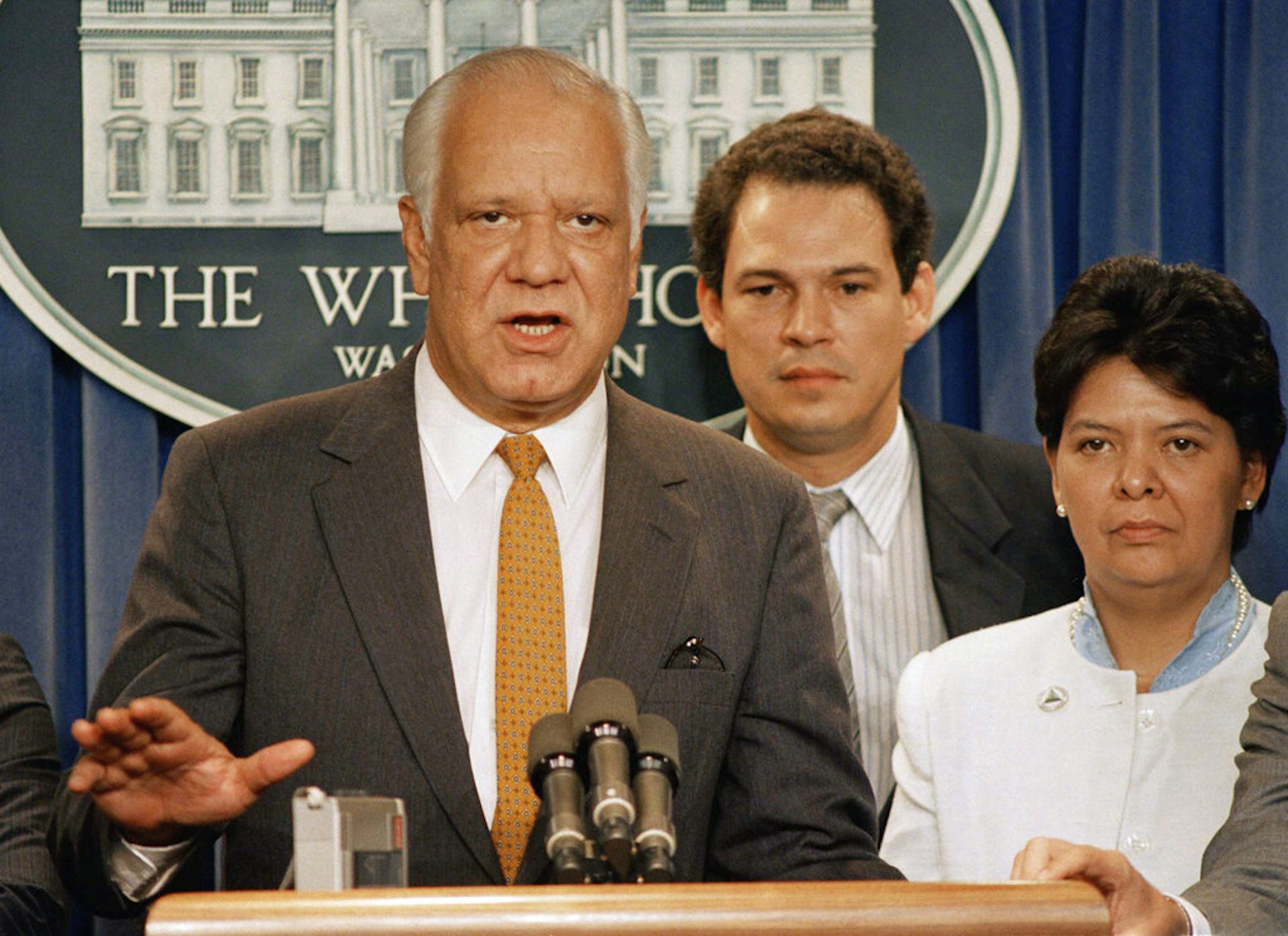
قادة الكونترَا أدولفو كاليرو، على اليسار، مع بيدرو خواكين تشامورو وماريو أزوسينا فيري، يتحدثون إلى المراسلين عام 1987 في غرفة الإحاطة بالبيت الأبيض بعد اجتماع مع الرئيس رونالد ريغان. صورة وكالة أسوشيتد برس / سكوت ستيوارت
The incident that indelibly linked the drug cartels and the communist guerrillas in the U.S. concept of narco-terrorism was the November 1985 M-19 siege of the Colombian Palace of Justice, the country’s supreme court. The M-19, or 19th of April movement, so named for a disputed election, had as a main objective to establish socialism in Colombia. The guerrillas took the high court hostage and intended to subject the then-president to a trial. The resulting clash with the military left nearly 100 people dead, including soldiers, guerrillas and 11 of the justices.
كانت الحادثة التي ربطت بشكل لا يمحى بين كارتلات المخدرات والجيشريلا الشيوعي في مفهوم الولايات المتحدة للإرهاب المخدراتي هي حصار الـ M-19 لقصر العدل الكولومبي في نوفمبر عام 1985، وهو أعلى محكمة في البلاد. كان الهدف الرئيسي لـ M-19، أو حركة الرابع عشر من أبريل، التي سُميت نسبةً إلى انتخابات متنازع عليها، هو إرساء الاشتراكية في كولومبيا. احتجز الجيشريلا المحكمة العليا ونوى محاكمة الرئيس آنذاك. وأسفر الاشتباك الناتج مع الجيش عن مقتل ما يقرب من 100 شخص، بمن فيهم جنود وجيشريلا و11 قاضياً.
Allegations surfaced that Pablo Escobar, head of the notorious Medellín cartel, had paid M-19 for the raid. The guerrillas had apparently stolen hundreds of documents, including U.S. extradition requests for Escobar. Though this motive is still disputed – and even the U.S. ambassador in Bogotá emphasized that the “narco-guerrilla connection” had not been proven – the shocking event hardened U.S. public opinion against the new threat of narco-terrorism.
ظهرت مزاعم بأن بابلو إسكوبار، زعيم كارتل ميديلين سيئ السمعة، دفع لـ M-19 مقابل الغارة. ويبدو أن الجيشريلا قد سرق مئات الوثائق، بما في ذلك طلبات التسليم الأمريكية الخاصة بإسكوبار. وعلى الرغم من أن هذا الدافع لا يزال محل خلاف – بل وأكد حتى السفير الأمريكي في بوغوتا أن “الصلة بين المخدرات والجيشريلا” لم يتم إثباتها – إلا أن الحدث الصادم قسّى الرأي العام الأمريكي ضد التهديد الجديد المتمثل في الإرهاب المخدراتي.
In April 1986 the Reagan administration issued National Security Decision Directive 221, officially linking counternarcotics and counterinsurgency in U.S. foreign policy. The declaration of drugs as a national security threat widened the scope of U.S. involvement in the Colombian counterinsurgency against entrenched communist guerrilla groups such as the Revolutionary Armed Forces of Colombia and the National Liberation Army.
في أبريل 1986، أصدرت إدارة ريغان التوجيه رقم 221 للأمن القومي، الذي ربط رسمياً بين مكافحة المخدرات ومكافحة التمرد في السياسة الخارجية الأمريكية. وقد وسّع إعلان المخدرات كتهديد للأمن القومي نطاق التدخل الأمريكي في مواجهة التمرد الكولومبي ضد مجموعات الجيشريلا الشيوعي المتجذرة مثل القوات المسلحة الثورية لكولومبيا والجيش الوطني للتحرير.
That cooperation continues to the present day, though it is currently jeopardized by hostility between Trump and Colombian President Gustavo Petro, himself a former member of M-19.
يستمر هذا التعاون حتى يومنا هذا، على الرغم من أنه معرض للخطر حالياً بسبب العداء بين ترامب والرئيس الكولومبي غوستافو بيترو، الذي كان نفسه عضواً سابقاً في M-19.
The selective application of trafficking claims
التطبيق الانتقائي لادعاءات الاتجار بالمخدرات
The narco-terrorism label was selectively applied not only to left-wing guerrillas but to the two communist governments in Latin America. The Reagan administration seized upon allegations of Nicaraguan and Cuban drug trafficking to influence U.S. public opinion at a time when the American people worried about becoming bogged down in another Vietnam-style quagmire.
لم يُطبّق وسم “الإرهاب المخدر” بشكل انتقائي على الثوار اليساريين فحسب، بل طُبِّق أيضًا على حكومتي شيوعيتين في أمريكا اللاتينية. استغلت إدارة ريغان مزاعم تهريب المخدرات من نيكاراغوا وكوبا للتأثير على الرأي العام الأمريكي في وقت كان فيه الشعب الأمريكي قلقًا من الانجرار إلى مستنقع آخر شبيه بحرب فيتنام.
Vietnam had shattered the foreign policy consensus around the containment of Soviet communism, but the 1980s crack cocaine epidemic created a powerful new rationale for U.S. intervention. After Congress, citing human rights concerns, restricted aid to the anti-communist Contra forces fighting Nicaragua’s left-wing Sandinista government, Reagan publicly accused the Sandinistas of drug trafficking.
كانت فيتنام قد حطمت الإجماع في السياسة الخارجية حول احتواء الشيوعية السوفيتية، لكن وباء الكوكايين المفتت (crack cocaine) في الثمانينات خلق مبررًا جديدًا وقويًا للتدخل الأمريكي. بعد أن قيّد الكونغرس المساعدات لقوات “الكونترا” المناهضة للشيوعية التي كانت تقاتل حكومة ساندينيستا اليسارية في نيكاراغوا، مستشهدًا بمخاوف حقوق الإنسان، اتهم ريغان علنًا الساندينيستاس بالاتجار بالمخدرات.
The only evidence produced to support the charge was likely obtained as the result of a joint DEA-CIA sting operation involving Barry Seal, an American drug smuggler turned DEA informant later played by Tom Cruise in the Hollywood cinematic version of the sordid tale, “American Made.” Questions arose as to whether the Nicaraguan trafficker identified by the sting was even linked to anyone in the Sandinista government.
الدليل الوحيد الذي قُدِّم لدعم هذا الاتهام كان على الأرجح ناتجًا عن عملية كمين مشتركة بين إدارة مكافحة المخدرات (DEA) ووكالة المخابرات المركزية (CIA) ، شملت باري سيل، وهو مهرب مخدرات أمريكي تحول إلى مصدر معلومات لإدارة مكافحة المخدرات، وقد قام بتجسيد دوره لاحقًا توم كروز في النسخة السينمائية الهوليودية للقصة المثيرة “أمريكي الصنع”. وظهرت تساؤلات حول ما إذا كان المهرب النيكاراغوي الذي حددته عملية الكمين مرتبطًا بأي شخص في حكومة ساندينيستا.
At the same time, the Reagan administration ignored allegations that the Contras themselves were smuggling cocaine into the U.S. Indeed, a Senate investigation spearheaded by U.S. Sen. John Kerry revealed that administration officials had repeatedly ignored or obstructed evidence of Contra drug trafficking. The CIA’s inspector general found that the agency had received but neglected to verify similar allegations.
في الوقت نفسه، تجاهلت إدارة ريغان المزاعم بأن قوات الكونترا نفسها كانت تهرب الكوكايين إلى الولايات المتحدة. في الواقع، كشف تحقيق أجرته مواقف مجلس الشيوخ بقيادة السيناتور جون كيري أن مسؤولي الإدارة كانوا يتجاهلون أو يعرقلون مرارًا وتكرارًا الأدلة على تهريب المخدرات من قبل الكونترا. ووجدت المفتش العام في وكالة المخابرات المركزية أن الوكالة قد تلقت، لكنها أهملت التحقق من مزاعم مماثلة.
These activities were tolerated because they raised money for a cause that Reagan and his supporters viewed as righteous. The Contras were seen as “freedom fighters” struggling to liberate Nicaragua from communism.
تم التغاضي عن هذه الأنشطة لأنها كانت ترفع الأموال لقضية رأى فيها ريغان وأنصاره أنها قضية نبيلة. ونُظر إلى قوات الكونترا على أنها “محاربو حرية” يكافحون لتحرير نيكاراغوا من الشيوعية.
Coming full circle
العودة إلى نقطة البداية
Then, as now, Washington policymakers pursued a regional approach designed to strengthen security cooperation and bolster the military capabilities of allied nations.
بعد ذلك، وكما يحدث الآن، سعت صناعة القرار في واشنطن إلى نهج إقليمي مصمم لتعزيز التعاون الأمني ودعم القدرات العسكرية للدول الحليفة.
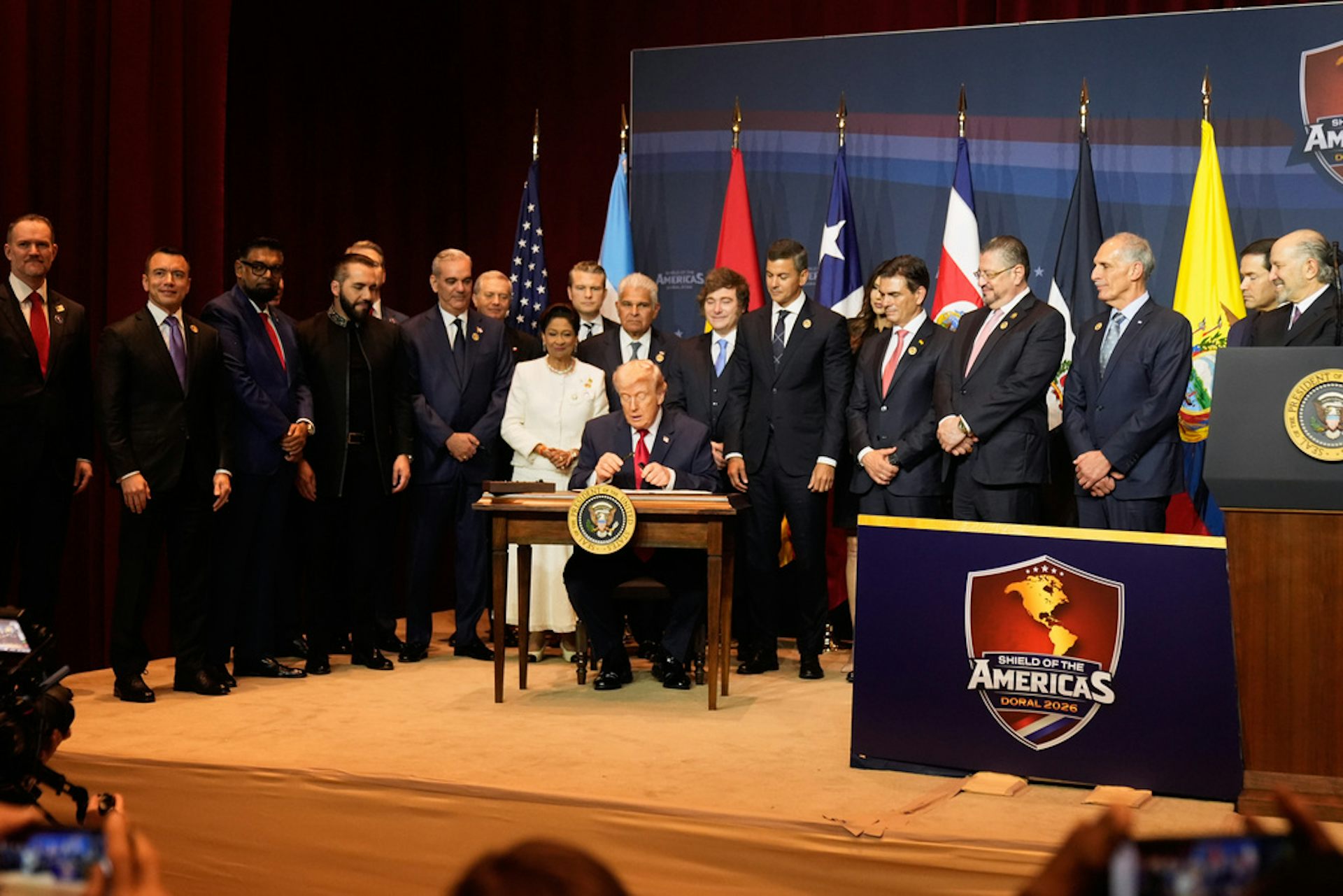
In March 2026 the Trump administration created the Americas Counter Cartel Coalition, or Shield of the Americas, a security alliance to stop illegal immigration, Russian and Chinese interference, and “narco-terrorist gangs and cartels.” In his remarks at the March 7 opening summit, Trump insisted that “the only way to defeat these enemies is by unleashing the power (of) our militaries.”
في مارس 2026، أنشأت إدارة ترامب “تحالف الأمريكتين لمكافحة الكارتلات”، أو “درع الأمريكتين”، وهو تحالف أمني لوقف الهجرة غير الشرعية والتدخل الروسي والصيني و” عصابات وكارتلات المخدرات الإرهابية”. وفي كلمته في قمة الافتتاح التي عُقدت في 7 مارس، أكد ترامب أن “الطريقة الوحيدة لهزيمة هؤلاء الأعداء هي إطلاق قوة جيوشنا”.
Then, as now, this collaboration appears to be aimed at the leftist and communist governments in the Western Hemisphere.
بعد ذلك، وكما يحدث الآن، يبدو أن هذا التعاون يهدف إلى الحكومات اليسارية والشيوعية في نصف الكرة الغربي.
In many cases, the drug framing is an explicit rationale for action. That was most recently on display with the U.S. designation of the two largest criminal gangs in Brazil as foreign terrorist organizations, leading Brazilian officials of the leftist Lula government to warn that any pretext for intervention would be “unacceptable.”
في العديد من الحالات، يكون تأطير المخدرات مبرراً صريحاً للعمل. وقد ظهر ذلك مؤخراً بتصنيف الولايات المتحدة لأكبر مجموعتين إجراميتين في البرازيل كمنظمات إرهابية أجنبية، مما دفع مسؤولين برازيليين من حكومة Lula اليسارية إلى التحذير من أن أي ذريعة للتدخل ستكون “غير مقبولة.”
In other cases the administration’s argument is broader. The ratcheting up of military maneuvers, rhetoric and sanctions against Cuba – including declaring the island nation an “unusual and extraordinary threat” to U.S. security – has led many to speculate that Cuba is the next target of regime change.
وفي حالات أخرى، تكون حجة الإدارة أوسع. فقد أدى تصعيد المناورات العسكرية والخطاب والعقوبات ضد كوبا – بما في ذلك إعلان الدولة الجزيرة أنها تشكل “تهديداً غير عادي واستثنائياً” للأمن الأمريكي – إلى جعل الكثيرين يتكهنون بأن كوبا هي الهدف التالي لتغيير النظام.
While the narco-terrorism label may be applied selectively depending on the case, the result remains the fulfillment of anti-communist political objectives dating back to the Cold War.
وفي حين يمكن تطبيق وصف الإرهاب المخدر بشكل انتقائي اعتماداً على الحالة، يظل النتيجة تحقيق الأهداف السياسية المناهضة للشيوعية التي تعود إلى الحرب الباردة.
The opinions expressed are the author’s alone and do not reflect the views of the U.S. Naval War College, the Department of the Navy, or any other part of the federal government.
الآراء المعبر عنها هي آراء الكاتب وحده ولا تعكس وجهات نظر كلية الحرب البحرية الأمريكية أو وزارة البحرية أو أي جزء آخر من الحكومة الفيدرالية.
Michelle D. Paranzino does not work for, consult, own shares in or receive funding from any company or organization that would benefit from this article, and has disclosed no relevant affiliations beyond their academic appointment.
لا تعمل ميشيل د. بارانزيني لدى، أو تستشير، أو تمتلك حصصاً في، أو تتلقى تمويلاً من أي شركة أو منظمة يمكن أن تستفيد من هذا المقال، ولم تكشف عن أي انتماءات ذات صلة بخلاف تعيينها الأكاديمي.
Read more
-
من هو بيتر ماغيار المجري وكيف أطاح بالديمقراطية غير الليبرالية لفيكتور أوربان
Who is Hungary’s Péter Magyar and how he overturned Viktor Orbán’s illiberal democracy
-
“تجاهل تام للمخاطر على الحياة البشرية”: فلوريدا تقاضي OpenAI وسام ألتمان بشأن سلامة الذكاء الاصطناعي
‘Utter disregard for the risk to human life’: Florida sues OpenAI and Sam Altman over AI safety