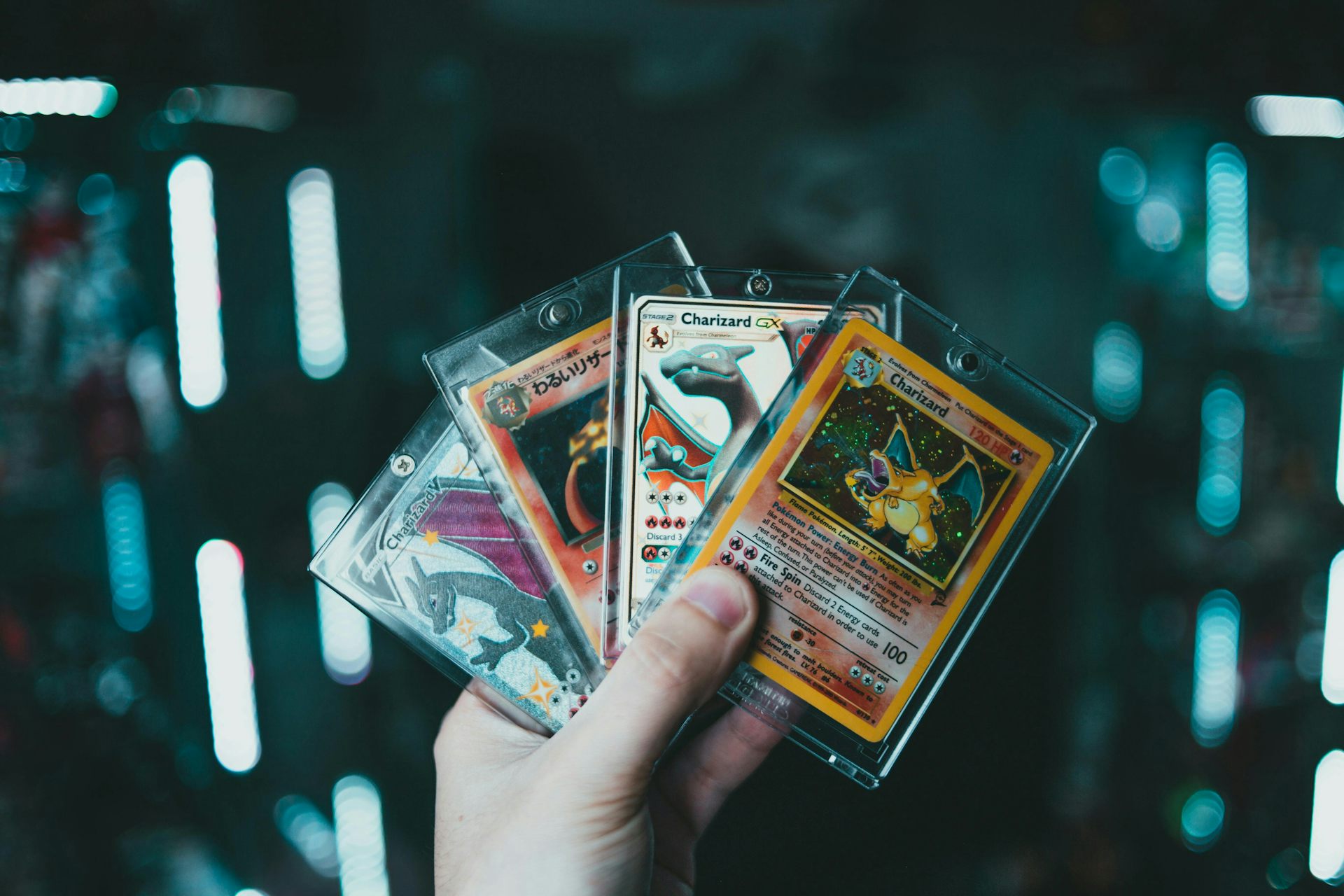
لماذا أصبح الناس مهووسين (وسارقين) بطاقات بوكيمون مرة أخرى؟
Why are people obsessed with (and stealing) Pokemon cards again?
Pokémon cards emerged from Japan’s love affair with collectables – but creator Satoshi Tajiri had a vision for global conquest.
نشأت بطاقات بوكيمون من ولع اليابان بالتحف القابلة للتجميع – لكن المبدع ساتوشي تاجيرا كان لديه رؤية للغزو العالمي.
In 1973, Japanese food company Calbee started attaching free collectable baseball player cards to its potato chip packets (and continues to do so today) . It was mimicking a trend that had already taken off in tobacco markets in Japan and overseas. Baseball, Japan’s national sport, was an obvious choice for Calbee to attract consumers.
في عام 1973، بدأت شركة الأغذية اليابانية “كالبي” (Calbee) بإرفاق بطاقات لاعب بيسبول قابلة للجمع ومجانية مع عبوات رقائق البطاطس الخاصة بها (وما زالت تفعل ذلك حتى اليوم) . كانت الشركة تحاكي اتجاهاً كان قد بدأ بالفعل في أسواق التبغ في اليابان وخارجها. وكان البيسبول، الرياضة الوطنية اليابانية، خياراً واضحاً لـ “كالبي” لجذب المستهلكين.
Some four years later, rival company Lotte joined the trend, launching a chocolate wafer snack with Bikkuriman “surprise man” stickers. These stickers quickly caught on – and eventually spawned an entire fantasy world that made its way to anime and manga.
بعد حوالي أربع سنوات، انضمت شركة “لوت” (Lotte) المنافسة إلى هذا الاتجاه، حيث أطلقت وجبة خفيفة من رقائق الشوكولاتة مع ملصقات “بيكوريمان” (Bikkuriman) “الرجل المفاجئ.” سرعان ما انتشرت هذه الملصقات – وفي نهاية المطاف أدت إلى نشوء عالم خيالي كامل وصل إلى عالم الأنمي والمانغا.
Both Calbee and Lotte helped set a template for how children’s collectables could become objects of desire, competition and, later, nostalgia. Bikkuriman is still sold today, with rare 1980s Super Zeus stickers going for thousands of dollars to adult collectors.
ساعدت كل من “كالبي” و”لوت” في وضع نموذج لكيفية تحول المقتنيات الخاصة بالأطفال إلى أشياء مرغوبة، ومنافسة، وفي وقت لاحق، حنين للماضي. ولا يزال “بيكوريمان” يُباع حتى اليوم، حيث تُباع ملصقات “سوبر زيوس” (Super Zeus) النادرة من حقبة الثمانينات بمبالغ تصل إلى آلاف الدولارات لهواة الجمع البالغين.
It was against this backdrop that Satoshi Tajiri (born 1965) grew up. He would have been about 12 when the first Bikkuriman card was released. Satoshi himself would end up creating one of the most popular collectable card games in the world: Pokémon.
في خضم هذا المشهد، نشأ ساتوشي تاجيرا (Satoshi Tajiri) (مواليد 1965) . كان سيكون في حوالي الثانية عشرة من عمره عندما تم إصدار أول بطاقة لـ “بيكوريمان”. وقد قام ساتوشي نفسه بإنشاء واحدة من أشهر ألعاب البطاقات القابلة للجمع في العالم: بوكيمون (Pokémon) .
These cards are now so highly coveted they are driving international crime, getting banned from schools, and locked behind glass cabinets in stores.
أصبحت هذه البطاقات الآن مرغوبة للغاية لدرجة أنها تقود الجريمة الدولية، وتُمنع من المدارس، ويتم قفلها خلف خزائن زجاجية في المتاجر.
Creating the cultural conditions for a hit
خلق الظروف الثقافية لنجاح باهر
Satoshi drew on a childhood memory when he created Pokémon (short for “Pocket Monsters”): catching insects and trading them with friends.
استلهم ساتوشي ذكرى طفولة عندما ابتكر بوكيمون (وهو اختصار لـ “وحوش الجيب”): وهي اصطياد الحشرات وتبادلها مع الأصدقاء.
He imagined a Nintendo Game Boy game where players could collect and exchange monsters. After seven years in development, Pocket Monsters Red and Green launched in February 1996. This was followed by a trading card game in October.
تخيل لعبة على جهاز نينتندو جيم بوي يمكن للاعبين فيها جمع الوحوش وتبادلها. وبعد سبع سنوات من التطوير، أُطلقت ألعاب “بوكيمون الأحمر والأخضر” في فبراير عام 1996. تبع ذلك إطلاق لعبة بطاقات التداول في أكتوبر.
In 1997, the anime began airing on Japanese television, with a protagonist also named Satoshi (the name still used in Japan today) . Pikachu – originally just one of 151 monsters – became the face of the franchise.
في عام 1997، بدأ عرض الأنمي على التلفزيون الياباني، وبطَل رئيسي يحمل اسم ساتوشي أيضاً (وهو الاسم الذي لا يزال مستخدماً في اليابان حتى اليوم) . وأصبح بيكاتشو – الذي كان في الأصل مجرد واحد من 151 وحشاً – الوجه الذي يمثل العلامة التجارية.
Like Bikkuriman, Pocket Monster spread rapidly across games, TV and print media. But unlike Bikkuriman, it also aimed to cross borders.
مثل بيكوريمان، انتشر بوكيمون بسرعة عبر الألعاب والتلفزيون ووسائل الإعلام المطبوعة. ولكن على عكس بيكوريمان، فقد استهدف أيضاً عبور الحدود.
The English-language version of the game was released in 1998, with its name changed to Pokémon. “Pocket Monsters” may have sounded awkward, or even suggestive, to English speakers. Although it remains the official name in Japan, most Japanese fans also use the portmanteau, Pokémon.
صدرت النسخة الإنجليزية من اللعبة في عام 1998، وتم تغيير اسمها إلى بوكيمون. ربما بدا اسم “بوكيت مونسترز” غريباً، أو حتى مثيراً، بالنسبة للمتحدثين باللغة الإنجليزية. وعلى الرغم من أنه لا يزال الاسم الرسمي في اليابان، إلا أن معظم المعجبين اليابانيين يستخدمون أيضاً الكلمة المركبة، بوكيمون.
Character names were also adapted and anglicised for overseas audiences.
كما تم تكييف وتغريب أسماء الشخصيات للجمهور في الخارج.
For instance, Satoshi became Ash. Nyarth, a bipedal cat thought to be inspired by the Japanese lucky charm maneki-neko, became Meowth, to match the English-language cat sound. (Pikachu, drawing on the Japanese onomatopoeia of “pika” and “chu”, was retained.)
على سبيل المثال، أصبح ساتوشي “آش.” وأما نيارث، وهو قط ثنائي الأرجل يُعتقد أنه مستوحى من تميمة الحظ اليابانية “مانيكي-نيكو”، فقد أصبح “ميوث”، لمطابقة صوت القط باللغة الإنجليزية. (أما بيكاتشو، الذي استمد صوته من المحاكاة الصوتية اليابانية “بيكا” و “تشو”، فقد احتفظ باسمه.)
Soon enough, the character names, types and Pokédex numbers became shared internationally, allowing players the world over to connect through a shared Pokémon language. In 2004, the first World Championship for the Pokémon Trading Card Game was held in the United States.
وسرعان ما أصبحت أسماء الشخصيات وأنواعها وأرقام بوكادكس مشتركة دولياً، مما سمح للاعبين في جميع أنحاء العالم بالتواصل من خلال لغة بوكيمون مشتركة. وفي عام 2004، أُقيم أول بطولة عالمية للعبة بطاقات بوكيمون التداول في الولايات المتحدة.
Squirtle in your neighbourhood
سكويرتل في حيك
It’s difficult for any single commodity to maintain popularity over decades. During the early 2010s, Nintendo suffered significantly, even falling into deficit, and the Pokémon franchise faced competition from rivals such as Yu-Gi-Oh! and Yo-Kai Watch.
من الصعب على أي سلعة واحدة أن تحافظ على شعبيتها على مدى عقود. فخلال أوائل العقد الثاني من القرن الحادي والعشرين، عانت نينتندو بشكل كبير، بل وتجاوزت العجز، وواجه امتياز بوكيمون منافسة من منافسين مثل يو-جي-أوه! ويو-كاي ووتش.
The old-school model of marketing through traditional media was no longer enough for global dominance. To survive, Pokémon would need to adopt the logic of new media platforms – and catch the eye of the online generation. Then came Pokémon GO.
لم يعد نموذج التسويق القديم عبر وسائل الإعلام التقليدية كافياً لتحقيق الهيمنة العالمية. لكي تنجو، كان على بوكيمون تبني منطق منصات الإعلام الجديدة – ولجذب انتباه الجيل الرقمي. ومن هنا جاء بوكيمون GO.
The 2016 smartphone app was developed by American software company Niantic, in collaboration with Nintendo and The Pokémon Company.
تم تطوير تطبيق الهواتف الذكية لعام 2016 بواسطة شركة البرمجيات الأمريكية نايانتيك، بالتعاون مع نينتندو وشركة بوكيمون.
Through augmented reality, parks, shopping streets and neighbourhoods gained new meaning as potential locations for your next Pokémon catch. One grandfather in Taiwan made the news for using 64 smartphones at once.
من خلال الواقع المعزز، اكتسبت الحدائق والشوارع التجارية والأحياء معنى جديداً كمواقع محتملة لالتقاط بوكيمون التالي لك. وقد تصدر جدّ في تايوان الأخبار لاستخدامه 64 هاتفاً ذكياً في وقت واحد.
Some players even travelled internationally to capture region-exclusive Pokémon, such as Kangaskhan in Australia, which was clearly modelled on a kangaroo.
حتى أن بعض اللاعبين سافروا دولياً لالتقاط بوكيمون حصري بمنطقة معينة، مثل كانغاسكان في أستراليا، والذي كان مستوحى بوضوح من الكنغر.
Downloaded more than 500 million times, the enormous success of Pokémon GO played a key role in re-energising the global Pokémon fandom. Many players sought out the cards they had collected as children.
بعد تنزيله أكثر من 500 مليون مرة، لعب النجاح الهائل لـ بوكيمون GO دوراً رئيسياً في إعادة تنشيط مجتمع المعجبين العالمي ببوكيمون. وبحث العديد من اللاعبين عن البطاقات التي جمعوها عندما كانوا أطفالاً.
Interest was further amplified by the release of Pokémon TCG Pocket. Released in 2024, this app digitised the old-school Japanese tabletop to make it accesible for all.
وتعزز الاهتمام أكثر بإصدار بوكيمون TCG Pocket. هذا التطبيق، الذي صدر في عام 2024، قام برقمنة الألعاب اللوحية اليابانية القديمة ليجعلها متاحة للجميع.
Chasing profits and childhood memories
مطاردة الأرباح وذكريات الطفولة
Then there was another, less predictable factor that drove the popularity of Pokémon cards: COVID lockdowns. With more time at home, people dug out old binders and rediscovered their childhood cards – many of which had high value – and began trading to make money.
ثم كان هناك عامل آخر، أقل قابلية للتنبؤ، دفع بشعبية بطاقات بوكيمون: وهي إغلاقات كوفيد. مع قضاء المزيد من الوقت في المنزل، أخرج الناس الدفاتر القديمة وأعادوا اكتشاف بطاقات طفولتهم – والتي كانت العديد منها ذات قيمة عالية – وبدأوا في المقايضة لكسب المال.
This has led to a renewed interest in rare cards such as the Pikachu Illustrator, which was distributed in 1998 to the winners of an illustration contest. The card features artwork by Atsuko Nishida, Pikachu’s original designer. With only 39 copies known to exist, collectors call it the “holy grail” of Pokémon cards.
وقد أدى ذلك إلى اهتمام متجدد بالبطاقات النادرة مثل “بيكا-بيكو إيلاستريتور” (Pikachu Illustrator) ، التي وُزعت في عام 1998 على الفائزين في مسابقة للرسوم التوضيحية. وتحمل البطاقة عملاً فنياً من تصميم أتسوكو نيشيدا، المصممة الأصلية لـ “بيكا-بيكو.” وبما أن ما يُعرف بوجود 39 نسخة فقط، يطلق عليها هواة الجمع لقب “الكأس المقدسة” لبطاقات بوكيمون.
Earlier this year, influencer Logan Paul sold his Pikachu Illustrator for US$16.492 million, setting a record for the most expensive trading card ever sold.
في وقت سابق من هذا العام، باع المؤثر لوغان بول بطاقة “بيكا-بيكو إيلاستريتور” الخاصة به مقابل 16.492 مليون دولار أمريكي، مسجلاً بذلك رقماً قياسياً لأغلى بطاقة تداول بيعت على الإطلاق.
This potential for profit has led to a surge in Pokémon card-related crime, as the cards are easy to carry, hide and move internationally. We’ve seen a wave of burglaries targeting hobby shops all over the world, including in Australia, the US and Japan.
وقد أدى هذا الاحتمال لتحقيق الربح إلى طفرة في الجرائم المتعلقة ببطاقات بوكيمون، حيث يسهل حمل هذه البطاقات وإخفائها ونقلها دولياً. وشهدنا موجة من السرقات التي استهدفت متاجر الهوايات في جميع أنحاء العالم، بما في ذلك في أستراليا والولايات المتحدة واليابان.
Many fans may now find themselves unable to purchase cards due to the economic bubble. Still, it seems demand is high; roughly 10.2 billion cards were printed from 2024 to 2025.
قد يجد العديد من المعجبين أنفسهم الآن غير قادرين على شراء البطاقات بسبب الفقاعة الاقتصادية. ومع ذلك، يبدو أن الطلب مرتفع؛ حيث طُبع ما يقرب من 10.2 مليار بطاقة في الفترة من 2024 إلى 2025.
Pokémon cards are a rare kind of tangible object. They connect the digital to the physical – the past to the present – and Japan to the world. They aren’t just collectables; they are a cultural currency, which, unfortunately, can be stolen.
بطاقات بوكيمون هي نوع نادر من الأشياء الملموسة. إنها تربط بين العالم الرقمي والمادي – وبين الماضي والحاضر – وبين اليابان والعالم. إنها ليست مجرد مقتنيات؛ بل هي عملة ثقافية، والتي للأسف، يمكن سرقتها.
Tets Kimura does not work for, consult, own shares in or receive funding from any company or organisation that would benefit from this article, and has disclosed no relevant affiliations beyond their academic appointment.
لا يعمل تيتس كيمورا لدى، أو يقدم استشارات ل، أو يمتلك حصصاً في، أو يتلقى تمويلاً من أي شركة أو منظمة تستفيد من هذا المقال، ولم يفصح عن أي انتماءات ذات صلة تتجاوز منصبه الأكاديمي.
Read more
-

هل تغذي تخفيضات المساعدات الصراع العنيف في أفريقيا؟ كيف يمكن تعزيز السلام
Do aid cuts fuel violent conflict in Africa? How to promote peace
-

في وساطة محادثات السلام بين الولايات المتحدة وإيران، تستعرض باكستان نفوذها الجيوسياسي
In mediating the US-Iran peace talks, Pakistan is flexing its geopolitical muscles