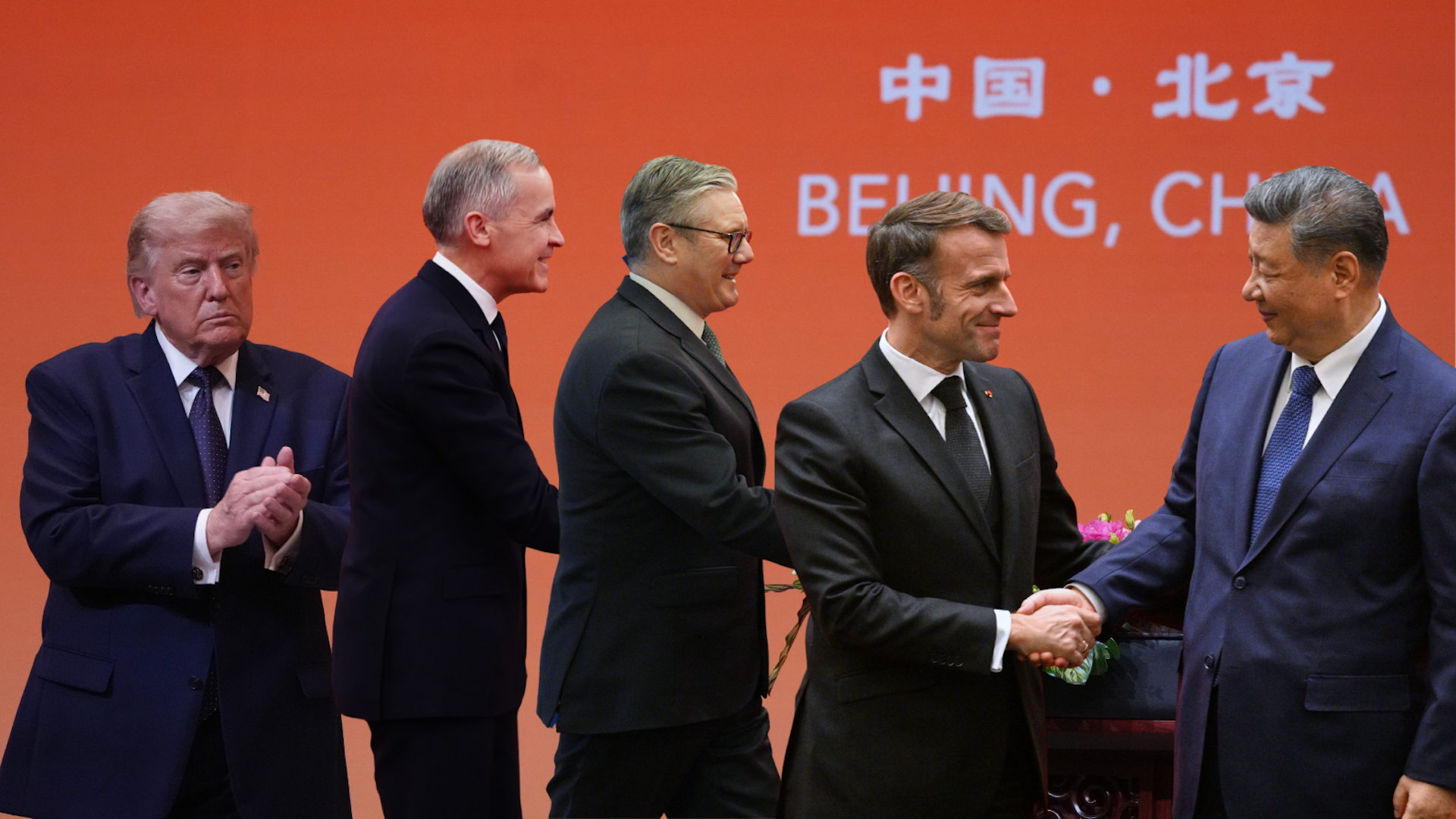
क्या बीजिंग दुनिया का ‘लिविंग रूम’ है? चीन वैश्विक मंच का आनंद ले रहा है, लेकिन इसके प्रभाव की सीमाएँ हैं।
Is Beijing the world’s ‘living room’? China is enjoying the global stage, but there are limits to its influence
A parade of global leaders through Beijing is good for optics. But this visibility does not necessarily translate into global leadership.
बीजिंग से वैश्विक नेताओं का आगमन (परेड) देखने में अच्छा लगता है। लेकिन यह दृश्यता आवश्यक रूप से वैश्विक नेतृत्व में परिवर्तित नहीं होती है।
In recent weeks, the back-to-back state visits to Beijing by Russian President Vladimir Putin and US President Donald Trump have put China in the global spotlight.
हाल के हफ्तों में, रूसी राष्ट्रपति व्लादिमीर पुतिन और अमेरिकी राष्ट्रपति डोनाल्ड ट्रम्प के बीजिंग के लगातार राज्य दौरों ने चीन को वैश्विक सुर्खियों में ला दिया है।
For some international analysts, the summits showcased China as a “stabilising force capable of hosting two major rivals within days”, a “broker between the big powers” and a “pillar of global stability”.
कुछ अंतर्राष्ट्रीय विश्लेषकों के लिए, इन शिखर सम्मेलनों ने चीन को एक “स्थिर करने वाली शक्ति” के रूप में प्रदर्शित किया जो कुछ ही दिनों में दो प्रमुख प्रतिद्वंद्वियों की मेजबानी करने में सक्षम है, एक “महाशक्तियों के बीच मध्यस्थ” और “वैश्विक स्थिरता का स्तंभ” है।
To others, the visits highlighted how China is becoming an “indispensable global power” and President Xi Jinping a “world leader to be reckoned with and courted”.
अन्य लोगों के लिए, इन दौरों ने इस बात पर प्रकाश डाला कि चीन कैसे एक “अपरिहार्य वैश्विक शक्ति” बन रहा है और राष्ट्रपति शी जिनपिंग एक “विश्व नेता हैं जिससे निपटा जा सके और जिसके साथ संबंध बनाए जा सकें”।
Chinese analysts, meanwhile, noted that over the past six months, numerous other world leaders have visited Beijing, including those from France, Britain, Canada, South Korea and Germany. Crucially, some leaders returned after long gaps. It was the first visit in eight years by a UK prime minister, for example. And the first visit in nine years for a Canadian, South Korean and American leader.
इस बीच, चीनी विश्लेषकों ने उल्लेख किया कि पिछले छह महीनों में, फ्रांस, ब्रिटेन, कनाडा, दक्षिण कोरिया और जर्मनी सहित कई अन्य विश्व नेताओं ने बीजिंग का दौरा किया है। महत्वपूर्ण बात यह है कि कुछ नेता लंबी अवधि के अंतराल के बाद लौटे। उदाहरण के लिए, यह एक यूके प्रधानमंत्री का आठ साल में पहला दौरा था। और एक कनाडाई, दक्षिण कोरियाई और अमेरिकी नेता के लिए नौ साल में पहला दौरा था।
With all these visits happening one after another, Chinese media described the Chinese capital as an international “living room” that provides stability in a turbulent world. Another headline read, “The world is entering” Beijing time “.
इन सभी दौरों के एक के बाद एक होने के कारण, चीनी मीडिया ने चीनी राजधानी को एक अंतर्राष्ट्रीय “बैठक कक्ष” बताया जो एक अशांत दुनिया में स्थिरता प्रदान करता है। एक अन्य शीर्षक था, “दुनिया ‘बीजिंग समय’ में प्रवेश कर रही है”।
Beyond the optics
ऑप्टिक्स से परे
While this has undeniably been a big moment on the global stage for Beijing, these interpretations miss three important points.
हालांकि यह निस्संदेह वैश्विक मंच पर बीजिंग के लिए एक बड़ा क्षण रहा है, लेकिन ये व्याख्याएं तीन महत्वपूर्ण बिंदुओं को नज़रअंदाज़ करती हैं।
First, it is unclear whether world leaders are visiting China because of proactive Chinese diplomacy or as a way of gaining leverage in dealings with the Trump administration.
पहला, यह स्पष्ट नहीं है कि दुनिया के नेता चीन का दौरा सक्रिय चीनी कूटनीति के कारण कर रहे हैं या ट्रम्प प्रशासन के साथ व्यवहार में लाभ प्राप्त करने के तरीके के रूप में।
For example, when Canadian Prime Minister Mark Carney visited Beijing in January, it was widely interpreted as a response to Canada’s structural dependence on the US and the volatility of the second Trump administration. Some media said he was playing the “China card” to negotiate better terms with the US.
उदाहरण के लिए, जब कनाडाई प्रधानमंत्री मार्क कार्नी ने जनवरी में बीजिंग का दौरा किया, तो इसे व्यापक रूप से अमेरिका पर कनाडा की संरचनात्मक निर्भरता और दूसरे ट्रम्प प्रशासन की अस्थिरता के जवाब के रूप में व्याख्या किया गया। कुछ मीडिया ने कहा कि वह अमेरिका के साथ बेहतर शर्तें बातचीत करने के लिए “चीन कार्ड” खेल रहे थे।
Second, Beijing sets a high “entry price” for visits to its “living room”. Occasionally, these summits have been linked to major policy shifts by visiting dignitaries.
दूसरा, बीजिंग अपने “लिविंग रूम” में दौरों के लिए एक उच्च “प्रवेश मूल्य” निर्धारित करता है। कभी-कभी, इन शिखर सम्मेलनों को आने वाले गणमान्य व्यक्तियों द्वारा बड़े नीतिगत बदलावों से जोड़ा गया है।
When Trump visited Beijing, for instance, he backtracked on earlier calls to block Chinese nationals from buying farmland in the US and to impose limits on the number of Chinese students at US universities. Chinese media highlighted the negative reactions these concessions got from Trump’s MAGA base and other Republicans in the US.
उदाहरण के लिए, जब ट्रम्प ने बीजिंग का दौरा किया, तो उन्होंने अमेरिका में चीनी नागरिकों को कृषि भूमि खरीदने से रोकने और अमेरिकी विश्वविद्यालयों में चीनी छात्रों की संख्या पर सीमा लगाने के शुरुआती आह्वान से पीछे हट गए। चीनी मीडिया ने उजागर किया कि इन रियायतों पर ट्रम्प के MAGA आधार और अमेरिका में अन्य республиканों से नकारात्मक प्रतिक्रियाएं मिलीं।
Similarly, Carney’s visit to China resulted in a trade deal reducing tariffs on made-in-China electric vehicles to 6.1% for the first 49,000 cars annually. In late 2024, Canada had imposed a 100% tariff on Chinese EVs. Months later, during the 2025 election, Carney called China the biggest threat “from a geopolitical sense”.
इसी तरह, चीन की यात्रा के परिणामस्वरूप एक व्यापार समझौता हुआ, जिसमें चीन में निर्मित इलेक्ट्रिक वाहनों पर टैरिफ को सालाना पहले 49,000 कारों के लिए 6.1% तक कम किया गया। 2024 के अंत में, कनाडा ने चीनी ईवी पर 100% टैरिफ लगा दिया था। महीनों बाद, 2025 के चुनाव के दौरान, कार्नी ने चीन को “भू-राजनीतिक दृष्टिकोण” से सबसे बड़ा खतरा बताया।
Carney’s concession on electric cars drew criticism back home. Politicians warned it would invite a “flood of cheap made-in-China electric vehicles”, without guarantees of investment in Canada’s economy.
इलेक्ट्रिक कारों पर कार्नी की रियायत ने घर पर आलोचना को आकर्षित किया। राजनेताओं ने चेतावनी दी कि इससे कनाडा की अर्थव्यवस्था में निवेश की गारंटी के बिना “सस्ती चीन निर्मित इलेक्ट्रिक वाहनों की बाढ़” आ सकती है।
Finally, these visits by foreign leaders have clearly not changed China’s core foreign policy positions.
अंत में, विदेशी नेताओं द्वारा ये दौरे स्पष्ट रूप से चीन की मूल विदेश नीति की स्थिति को नहीं बदल पाए हैं।
The appeals of European leaders did not, for example, change Beijing’s material support for Russia’s war in Ukraine. Nor did they reduce China’s large trade surplus with the European Union.
उदाहरण के लिए, यूरोपीय नेताओं की अपील ने यूक्रेन में रूस के युद्ध के लिए बीजिंग के भौतिक समर्थन को नहीं बदला। न ही उन्होंने यूरोपीय संघ के साथ चीन के बड़े व्यापार अधिशेष को कम किया।
Similarly, Beijing did not agree to assist the Trump administration on Iran, despite Trump’s praise for Xi’s leadership and his decision to pause a weapons sale to Taiwan.
इसी तरह, बीजिंग ने ट्रम्प की शी की नेतृत्व की प्रशंसा और ताइवान को हथियार बिक्री रोकने के निर्णय के बावजूद, ईरान पर ट्रम्प प्रशासन की सहायता करने के लिए सहमति नहीं दी।
And even Putin failed to resolve disagreements over the Power of Siberia 2 pipeline, a project long sought by Putin. If built, the pipeline could carry 50 billion cubic metres of Russian natural gas annually to China, or about 12% of China’s gas use in 2025.
और पुतिन भी पावर ऑफ साइबेरिया 2 पाइपलाइन पर असहमति को दूर करने में विफल रहे, जो पुतिन द्वारा लंबे समय से चाहा गया एक प्रोजेक्ट है। यदि यह बनाया जाता है, तो यह पाइपलाइन सालाना 50 अरब क्यूबिक मीटर रूसी प्राकृतिक गैस चीन तक पहुंचा सकती है, या 2025 में चीन के गैस उपयोग का लगभग 12%।
Visibility without influence?
प्रभाव के बिना दृश्यता?
The recent influx of international leaders to China may instead be a reflection of growing uncertainty in the global order.
चीन में अंतरराष्ट्रीय नेताओं का हालिया आगमन वैश्विक व्यवस्था में बढ़ती अनिश्चितता का प्रतिबिंब हो सकता है।
The dramatic shifts in US foreign policy under the Trump administration have prompted a great deal of concern among Washington’s traditional allies. It’s also provided an opportunity for China to project itself as a stable partner after years of pursuing its more aggressive, wolf-warrior diplomacy.
ट्रम्प प्रशासन के तहत अमेरिकी विदेश नीति में नाटकीय बदलावों ने वाशिंगटन के पारंपरिक सहयोगियों के बीच काफी चिंता पैदा की है। इसने चीन को वर्षों से अपनी अधिक आक्रामक, ‘भेड़िया-योद्धा’ कूटनीति का पालन करने के बाद खुद को एक स्थिर भागीदार के रूप में प्रस्तुत करने का अवसर भी दिया है।
But these visits do not prove China’s diplomatic efforts have become more effective. Domestic economic pressures and competing international priorities still limit what Beijing can realistically deliver.
लेकिन ये दौरे यह साबित नहीं करते कि चीन के राजनयिक प्रयास अधिक प्रभावी हो गए हैं। घरेलू आर्थिक दबाव और प्रतिस्पर्धी अंतर्राष्ट्रीय प्राथमिकताएं अभी भी सीमित करती हैं कि बीजिंग वास्तव में क्या दे सकता है।
For example, to prevent factory closures and meet growth targets, Beijing channels massive state subsidies into certain manufacturing sectors. This creates surplus output that is exported globally – including to the EU – at artificially low prices. China can’t afford to rein these exports in.
उदाहरण के लिए, कारखानों को बंद होने से रोकने और विकास लक्ष्यों को पूरा करने के लिए, बीजिंग कुछ विनिर्माण क्षेत्रों में भारी सरकारी सब्सिडी भेजता है। यह अतिरिक्त उत्पादन बनाता है जिसे कृत्रिम रूप से कम कीमतों पर वैश्विक स्तर पर – जिसमें यूरोपीय संघ भी शामिल है – निर्यात किया जाता है। चीन इन निर्यातों को नियंत्रित करने का खर्च नहीं उठा सकता।
At the same time, China has continued to support Russia and Iran in challenging the US and Europe’s security, despite the importance of these Western markets to China’s economic development.
साथ ही, चीन ने अमेरिका और यूरोप की सुरक्षा को चुनौती देने में रूस और ईरान का समर्थन करना जारी रखा है, भले ही ये पश्चिमी बाजार चीन के आर्थिक विकास के लिए महत्वपूर्ण हैं।
As a result, high-profile meetings in Beijing produce ceremony and pomp, but deliver limited concrete outcomes.
परिणामस्वरूप, बीजिंग में उच्च-प्रोफ़ाइल बैठकें समारोह और दिखावा पैदा करती हैं, लेकिन सीमित ठोस परिणाम देती हैं।
These recent visits by Trump, Putin and other world leaders have certainly made China appear more central to global diplomacy. But this visibility does not necessarily translate into effective global leadership.
ट्रम्प, पुतिन और अन्य विश्व नेताओं के ये हालिया दौरे ने निश्चित रूप से चीन को वैश्विक कूटनीति के लिए अधिक केंद्रीय बना दिया है। लेकिन यह दृश्यता आवश्यक रूप से प्रभावी वैश्विक नेतृत्व में परिवर्तित नहीं होती है।
Czeslaw Tubilewicz does not work for, consult, own shares in or receive funding from any company or organisation that would benefit from this article, and has disclosed no relevant affiliations beyond their academic appointment.
क्रज़्लाव ट्यूबिलेविच किसी भी कंपनी या संगठन के लिए काम नहीं करते, सलाह नहीं देते, उसमें शेयर नहीं रखते या उससे फंडिंग प्राप्त नहीं करते जिससे इस लेख से लाभ होगा, और उन्होंने अपनी शैक्षणिक नियुक्ति से परे कोई प्रासंगिक जुड़ाव नहीं बताया है।
Read more
-
एंडी बर्नहम: यूके के संभावित अगले प्रधानमंत्री से क्या उम्मीद करें
Andy Burnham: what to expect from the UK’s likely next prime minister
-

क्या हम ‘खेल’ को एक धर्म मान सकते हैं? ब्लूई निश्चित रूप से ऐसा सोचती है
Can we consider ‘play’ to be a religion? Bluey certainly thinks so