我们分析了142名男性的TikTok历史记录。这告诉了我们关于男性圈子的什么。
We analysed the TikTok history of 142 men. Here’s what …
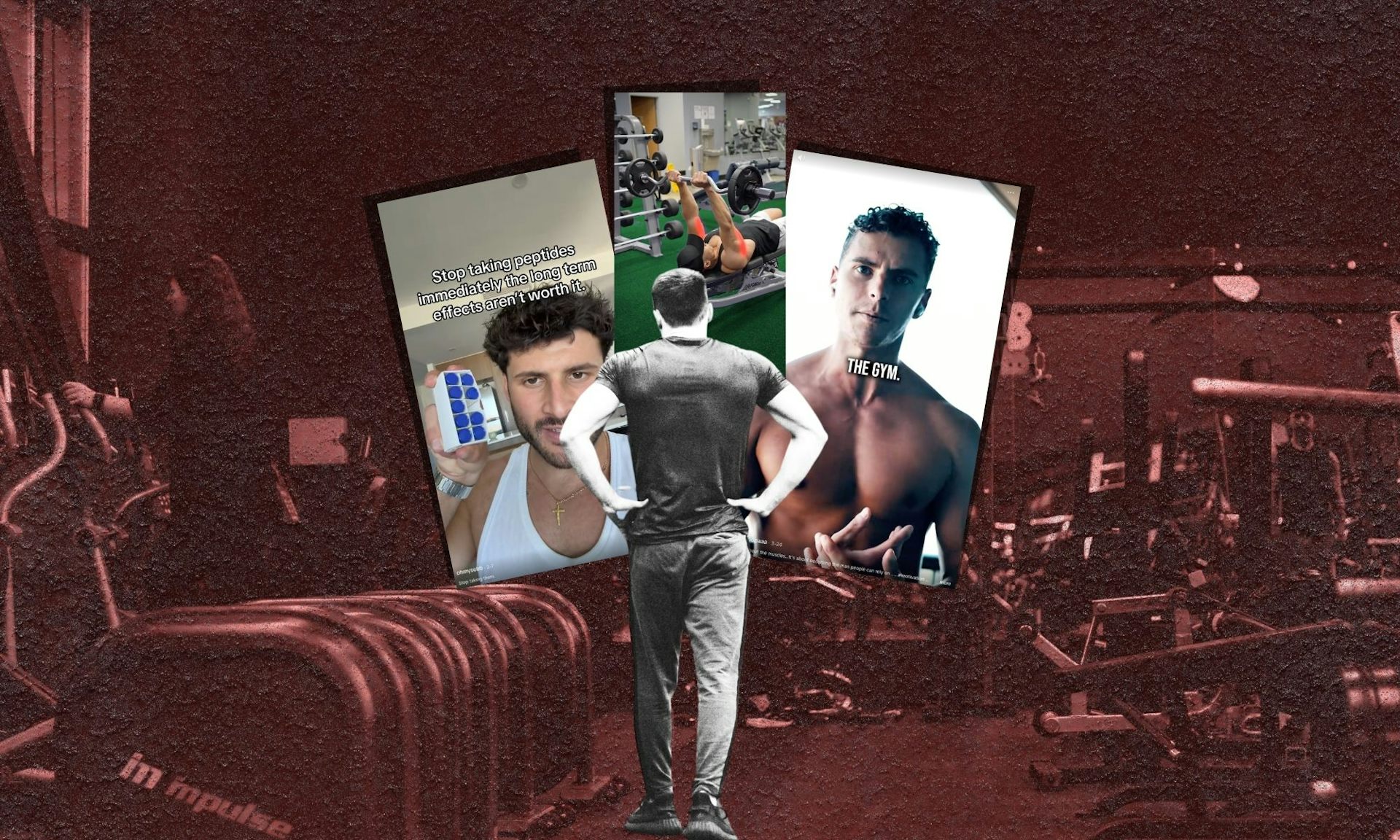
Three videos, three very different messages about masculinity and health. New research shows this is how the manosphere finds young men.
三个视频,关于男性气质和健康的三个截然不同的信息。新的研究表明,这就是男性圈子寻找年轻男性的方式。
Interest in the manosphere has recently surged yet again, with the recent Louis Theroux documentary catapulting the term “manosphere” back to the forefront of our cultural psyche.
近期,男人圈子的关注度再次激增,最近的路易斯·塞鲁纪录片将“男人圈子”一词重新推回了我们文化心理的前沿。
The term has become a catchall for the most inflammatory content and communities in young men’s digital worlds. Alarm bells are ringing, but our understanding of what the manosphere actually is – where it begins and ends – has more questions than answers.
这个术语已成为涵盖年轻男性数字世界中最具煽动性内容和社群的泛指。警钟正在敲响,但我们对男人圈子究竟是什么——它从何处开始,又到何处结束——的理解,更多的是疑问而非答案。
As concern grows, so does the ambiguity around how to define the manosphere and how young men actually experience it. Our policy responses, interventions and public discourse assume it’s one thing, one ideology, populated by one type of young man: a singular algorithmic journey from loneliness to radicalisation. It isn’t, and overlooking the complexity and nuance misses large parts of the problem.
随着担忧的加剧,关于如何定义男人圈子以及年轻男性如何实际体验它的模糊性也随之增加。我们的政策回应、干预措施和公共讨论都假设它只是一种东西、一种意识形态,由一种类型的年轻男性构成:一条从孤独到激进化的单一算法旅程。但事实并非如此,忽视了其复杂性和细微差别,就错过了问题的大部分。
So what is it instead? Our new research answers this question.
那么,它究竟是什么呢?我们的新研究回答了这个问题。
Simulations vs reality
模拟与现实
Addressing ambiguity matters, whether you’re a researcher trying to measure the full spectrum of harm being experienced, or part of a community trying to talk about it with sons, brothers and friends. You cannot diagnose a problem without truly understanding it, and that means going into these online ecosystems to explore their bounds.
无论是研究人员试图衡量所经历的伤害的全部范围,还是社区成员试图与儿子、兄弟和朋友讨论此事,处理模糊性都很重要。若不真正理解问题,就无法诊断出问题,而这意味着深入这些在线生态系统来探索它们的边界。
Previous research has included the use of dummy accounts to simulate internet use. These have been criticised by social media companies, who say the simulations don’t reflect the real experiences of users on their apps.
此前的研究包括使用虚拟账户来模拟网络使用。社交媒体公司对此提出了批评,他们表示这些模拟无法反映用户在他们应用上的真实体验。
In response, our new research looked at the real TikTok viewing histories of 142 young men across Australia, the United States and the United Kingdom. We watched what they watched, 2,000 videos over the past month, and built a framework to map the full spectrum of masculinity content that young men encounter online.
作为回应,我们的新研究考察了来自澳大利亚、美国和英国142名年轻男性的真实TikTok观看历史。我们观察了他们过去一个月观看的2000个视频,并建立了一个框架来描绘年轻人在网上遇到的男性气质内容的全部范围。
It’s the first time academic research has used real user data in this space. It means we can respond to what young men and boys are actually seeing, rather than simulations of user experiences and what we think they’re seeing.
这是学术研究首次在这个领域使用真实用户数据。这意味着我们可以回应年轻男性和男孩实际看到的内容,而不是用户体验的模拟,也不是我们认为他们看到的内容。
Almost half of the videos we analysed (44%) contained masculinity-related themes. Masculinity content fell into three distinct categories. Understanding these categories, how they escalate and who’s watching it makes tailored intervention possible, from policymakers to support services, and even the platforms themselves.
我们分析的视频中,近一半(44%)包含与男性气质相关的主题。男性气质内容可分为三个不同的类别。了解这些类别、它们如何升级,以及谁在观看,使得从政策制定者到支持服务,乃至平台本身,都能进行定制化的干预。
Beginning the journey
旅程的开始
The journey can start somewhere ordinary. Three videos. Same young man. Same day. Same algorithm.
这段旅程可以从任何平凡的地方开始。三段视频。同一个年轻人。同一天。同一个算法。
In the first video, a young, buff man located in a gym, demonstrating to his audience the correct technique when completing the “perfect lying tricep extension”.
在第一段视频中,一位年轻、健壮的男子在一个健身房里,向观众展示了完成“完美仰卧三头肌伸展”的正确技巧。
We called this tier “cultural touchpoints”. It includes gym, sport, fashion and dating tips content. It made up 38% of what young men in our study watched, making it the most common type of content.
我们称这一类别为“文化触点”。它包括健身房、体育、时尚和约会技巧等内容。它占我们研究中年轻男性观看内容的38%,使其成为最常见的类型。
On the surface, none of it raises alarm. But it quietly sets a norm. One type of male body, one set of male interests, one way of moving through the world.
从表面上看,这些内容都没有引起警觉。但它悄悄地设定了一种规范。一种男性体型,一套男性兴趣,一种生活方式。
Travelling deeper
深入探讨
In the second video, a shirtless young man delivers a motivational-style speech about gym and discipline. He argues that physical commitment produces results in other areas of life, such as earning admiration from his girlfriend and becoming a “superhero” to his future children.
在第二个视频中,一位赤裸上身的年轻人发表了一篇关于健身和纪律的励志演讲。他认为,身体上的投入会在生活的其他领域产生结果,例如赢得女友的钦佩,以及成为未来孩子眼中的“超级英雄”。
We called this tier “masculine status” content. It constituted 6% of the videos we analysed.
我们将这一类内容称为“男性地位”内容。它占我们分析的视频的6%。
Outwardly, it looks like self-improvement, motivational and informative content with messages of discipline, ambition, levelling up as a man.
从表面上看,它像是关于自我提升、励志和信息分享的内容,传递着纪律、雄心壮志、以及作为男人的“升级”信息。
Underneath, the rigid moulds become clear: muscularity, emotional suppression, financial abundance, the “high-value” male archetype.
然而,其内核的模式却变得清晰:肌肉发达、情感压抑、经济富裕,以及“高价值”的男性原型。
Women are framed as rewards to be earned. The content is ideologically hardened, but also easy to miss.
女性被塑造成需要赢得的奖励。这些内容在意识形态上是固化的,但同时也很容易被忽略。
The destination
目的地
In the third video, a male creator sarcastically warns his audience against peptides. He then proceeds to list the side-effects of “getting leaner, shredded and getting more bitches”, while showing the vials to the audience.
在第三个视频中,一位男性创作者讽刺地警告观众不要使用肽类药物。然后,他展示着小瓶,列举了“变得更瘦、更精悍和交到更多女人”的副作用。
We called this tier “degrading health” content. It made up less than 1% of content.
我们称这一类内容为“贬低健康的”内容。它占总内容的比例不到1%。
Most of it violates TikTok’s own community guidelines prohibiting the promotion of peptide hormones, testosterone boosters, and content that demeans, endangers or advocates for self-harm.
大部分内容都违反了TikTok自身的社区准则,这些准则禁止推广肽类激素、睾酮增强剂以及贬低、危害或提倡自残的内容。
This category includes overt misogyny and graphic depictions of violence against women.
该类别包括明显的厌女症和对女性暴力的图形化描绘。
It’s infrequent, but not isolated. This content sits at the end of a journey that began with a tricep extension tutorial.
它并不常见,但也不是孤立的。这些内容位于一个始于三头肌伸展教程的旅程的终点。
Three videos. Three very different messages about masculinity and health. This is how the manosphere finds young men: through platforms they’re already on, creators they already follow and in a cultural language they appreciate.
三个视频。关于男性气质和健康的三个截然不同的信息。这就是男性圈子吸引年轻男性的方式:通过他们已经使用的平台、他们已经关注的创作者,以及他们欣赏的文化语言。
Cultural touchpoints lay the foundation that make messages of misogyny, risk-taking, violence and hate not just palatable, but reasonable. Ideological shifts happen because it feels like much of the same.
文化触点奠定了基础,使得厌女症、冒险、暴力和仇恨的信息不仅令人接受,而且显得合理。意识形态的转变之所以发生,是因为它感觉与之前的内容非常相似。
Exploiting insecurities
利用不安全感
The manosphere doesn’t create these pressures – it finds genuine unmet needs and exploits them for profit and views. Often girls, women and other minority groups are at the receiving end of that harm, as well as the boys and men themselves.
男人圈子并没有制造这些压力——它只是发现并利用了真正的未满足需求,以获取利润和观点。通常,女孩、女性和其他少数群体是遭受这种伤害的接收方,而男孩和男性自身也是如此。
Our broader framework, in which these classifications are a part, gives researchers, regulators, and platforms a tool to identify and intervene across the full spectrum of young men’s digital lives, not just at the extremes.
我们更广泛的框架(其中包含这些分类)为研究人员、监管机构和平台提供了一个工具,可以在年轻男性的数字生活的整个谱系中进行识别和干预,而不仅仅是在极端情况。
Current moderation and regulation approaches are reactive. Content is removed once platform guidelines are violated, but often that comes too late, after thousands if not millions of users have already seen it.
当前的审核和监管方法是反应性的。一旦违反平台指南,内容就会被移除,但这往往来得太晚,数千甚至数百万用户已经看到了。
This research makes early and tailored intervention possible, disrupting the masculinity content pipeline at different points along the spectrum, before young men reach the most extreme end.
这项研究使得早期和定制化的干预成为可能,在年轻男性达到最极端之前,就能在谱系的各个点上打断男性气质内容流。
For example, tech companies could embed this classification framework into the design of recommender systems to ensure an age appropriate user experience. Cultural touchpoint content may be appropriate for a 16-year-old, but masculine status and degrading health videos may not be, and thus should not be recommended to them. Our work provides a defensible evidenced standard for appropriate moderation and digital platform design.
例如,科技公司可以将这种分类框架嵌入推荐系统的设计中,以确保用户体验符合年龄要求。文化触点内容可能适合16岁的青少年,但男性化的地位和贬低健康的视频则不一定,因此不应向他们推荐。我们的工作为适当的审核和数字平台设计提供了一个可辩护的证据标准。
Lastly, it helps create a shared language and collective understanding of the manosphere. We can talk about masculinity content in a way that aligns with young men’s actual digital experiences, and to build solutions that fit the problem.
最后,它有助于建立一个关于“男人圈子”的共同语言和集体理解。我们可以用与年轻男性实际数字经历相符的方式讨论男性气质内容,并构建适合问题的解决方案。
The manosphere has spent years speaking directly to young men’s fears and insecurities, building narratives that are fluent, persuasive and hard to counter. We need to be just as fluent, delivering effective responses and alternative narratives grounded in what young men actually see, watch and feel.
“男人圈子”多年来一直直接诉诸年轻男性的恐惧和不安全感,构建了流畅、有说服力且难以反驳的叙事。我们也需要做到同样流畅,提供有效的回应和替代性叙事,这些叙事必须基于年轻男性实际所看到、观看和感受到的内容。
This research is the first attempt to do that. Now we need to use these insights to expand our evidence on the manosphere’s harm, develop tailored solutions, call for platform reform and develop community resources to help protect the men and boys exposed to this content online.
这项研究是首次尝试做到这一点。现在我们需要利用这些见解,扩大我们关于“男人圈子”危害的证据,开发定制化的解决方案,呼吁平台改革,并开发社区资源来帮助保护在线接触到这些内容的男性和男孩。
Krista Fisher is affiliated with the Movember Institute of Men’s Health. Krista Fisher had support from the Polarization & Extremism Research & Innovation Lab (PERIL) and Diverting Hate when conducting this research.
Krista Fisher隶属于Movember男性健康研究所。在进行这项研究时,Krista Fisher获得了极化与极端主义研究与创新实验室(PERIL)和Diverting Hate的支持。
Emily Lewis is affiliated with the Movember Institute of Men’s Health.
Emily Lewis隶属于Movember男性健康研究所。
Zac Seidler has been awarded an National Health and Medical Research Council Investigator Grant. He is also the Global Director of Research with the Movember Institute of Men’s Health. He advises government on men’s suicide, masculinities, violence prevention and social media policy.
Zac Seidler获得了国家健康和医学研究委员会研究员基金。他也是Movember男性健康研究所的全球研究总监。他为政府就男性自杀、男性气质、暴力预防和社交媒体政策提供咨询。
Cynthia Miller-Idriss and Ruben Benakovic do not work for, consult, own shares in or receive funding from any company or organisation that would benefit from this article, and have disclosed no relevant affiliations beyond their academic appointment.
Cynthia Miller-Idriss和Ruben Benakovic不为任何从本文中受益的公司或组织工作、提供咨询、拥有股份或获得资金,并且除了其学术任命之外,没有披露任何相关的隶属关系。