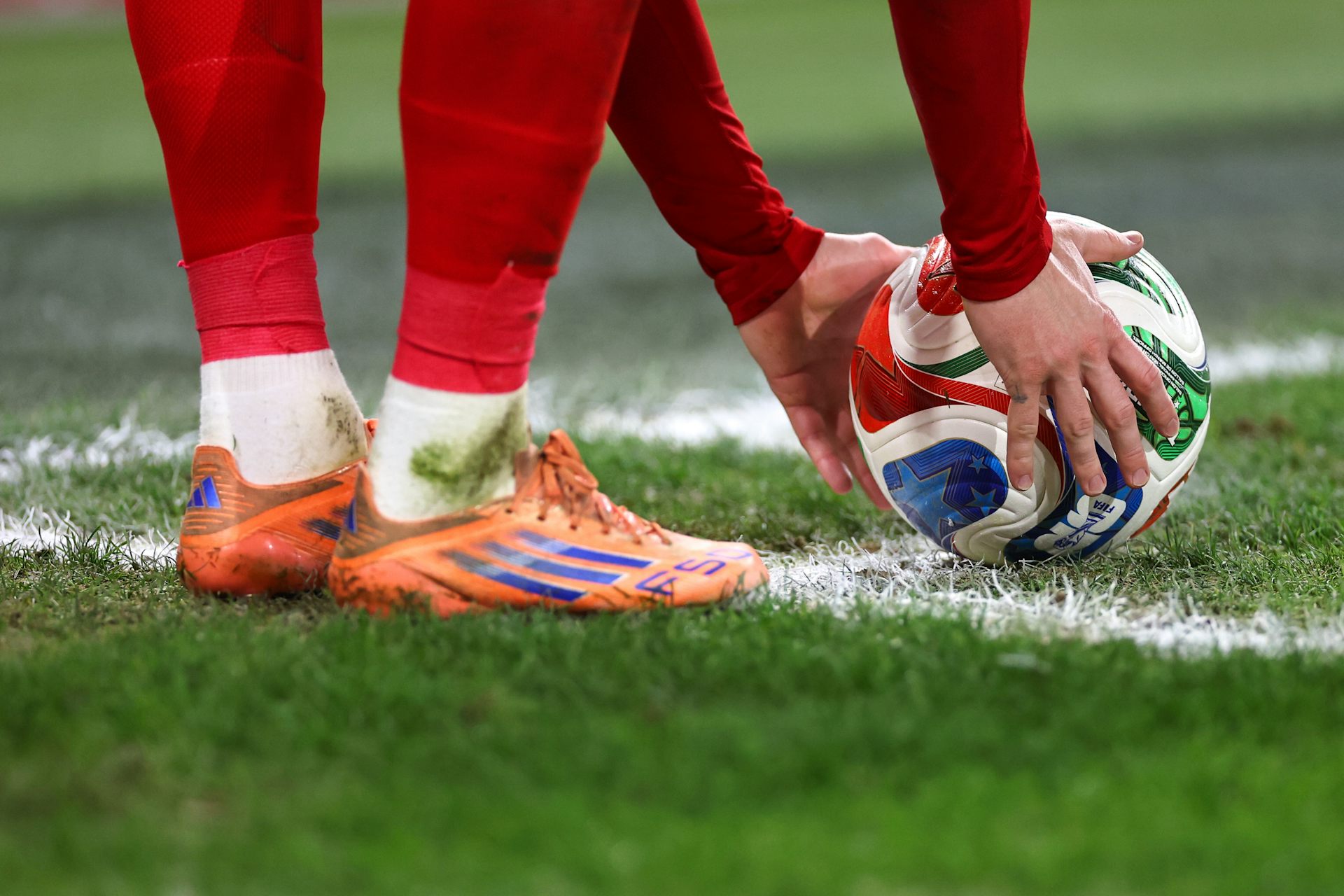
لقد اختبرنا كرة كأس العالم الجديدة – هذا ما تحتاج إلى معرفته حول كيفية طيرانها وانخفاضها وانحرافها
We tested the new World Cup ball – this is what you need to know about how it will fly, dip and swerve
For two decades, researchers have studied soccer ball aerodynamics. Latest tests suggest the 2026 ball is more stable, but with a slightly shorter range.
على مدى عقدين، درس الباحثون الديناميكا الهوائية لكرة القدم. وتشير أحدث الاختبارات إلى أن كرة عام 2026 أكثر استقراراً، ولكن بمدى أقصر قليلاً.
Every four years, the men’s World Cup delivers some certainties. The pitch dimensions are tightly regulated, offside is signaled with a flag, and referees end the match with a blast of a whistle. But one key piece of equipment is changed on purpose: the ball.
كل أربع سنوات، تقدم كأس العالم للرجال بعض اليقينيات. يتم تنظيم أبعاد الملعب بإحكام، ويتم الإشارة إلى خط المرمى بعلم، ويختتم الحكام المباراة بصفارة. ولكن قطعة معدات رئيسية واحدة يتم تغييرها عن قصد: الكرة.
Adidas, which has supplied World Cup soccer balls since 1970, introduces a new match ball for every tournament, and with that comes fresh aerodynamic calculations for players. How will it fly through the air, weave and dip?
شركة أديداس، التي زودت كرات كرة القدم لكأس العالم منذ عام 1970، تقدم كرة مباراة جديدة لكل بطولة، ومعها تأتي حسابات ديناميكية هوائية جديدة للاعبين. كيف ستحلق في الهواء، وتتلوى، وتنحني؟
For the past 20 years, my engineering colleagues in Japan and England and I have put the new balls through their paces, investigating soccer ball aerodynamics. Our work begins by putting balls in wind tunnels to measure drag, side and lift forces. We use the measurements from these tests in trajectory simulations that tell us how the ball will behave in a real-game setting.
على مدى العشرين عامًا الماضية، قمنا أنا وزملاء الهندسة في اليابان وإنجلترا بإخضاع الكرات الجديدة لاختبارات قاسية، محققين في ديناميكا هوائية كرة القدم. تبدأ عملنا بوضع الكرات في أنفاق الرياح لقياس قوى السحب والقوة الجانبية والرفع. نستخدم القياسات المستخلصة من هذه الاختبارات في محاكاة المسارات التي تخبرنا كيف ستتصرف الكرة في بيئة المباراة الحقيقية.
That may all sound a little academic, and we do produce an academic paper on our findings. But what our data indicates could mean the difference between a goal or a miss for strikers, a save or a blunder for goalkeepers, and jubilation or heartache for fans.
قد يبدو كل هذا أكاديمياً بعض الشيء، ونحن ننتج ورقة أكاديمية حول نتائجنا. ولكن ما تشير إليه بياناتنا يمكن أن يعني الفرق بين هدف أو تخطئة للمهاجمين، أو تصدي أو خطأ لحراس المرمى، أو فرح أو حزن للجماهير.
At the World Cup, the ball is the most important piece of equipment in the biggest tournament of the world’s most popular sport.
في كأس العالم، تكون الكرة هي أهم قطعة من المعدات في أكبر بطولة للرياضة الأكثر شعبية في العالم.
This year’s ball, the Trionda, is especially interesting. When FIFA and Adidas unveiled it in fall 2025, the first thing many people noticed was the color and the paneling.
كرة هذا العام، تريوندا، مثيرة للاهتمام بشكل خاص. عندما كشفت عنها الفيفا وأديداس في خريف عام 2025، كان أول ما لاحظه الكثير من الناس هو اللون والتصميم.
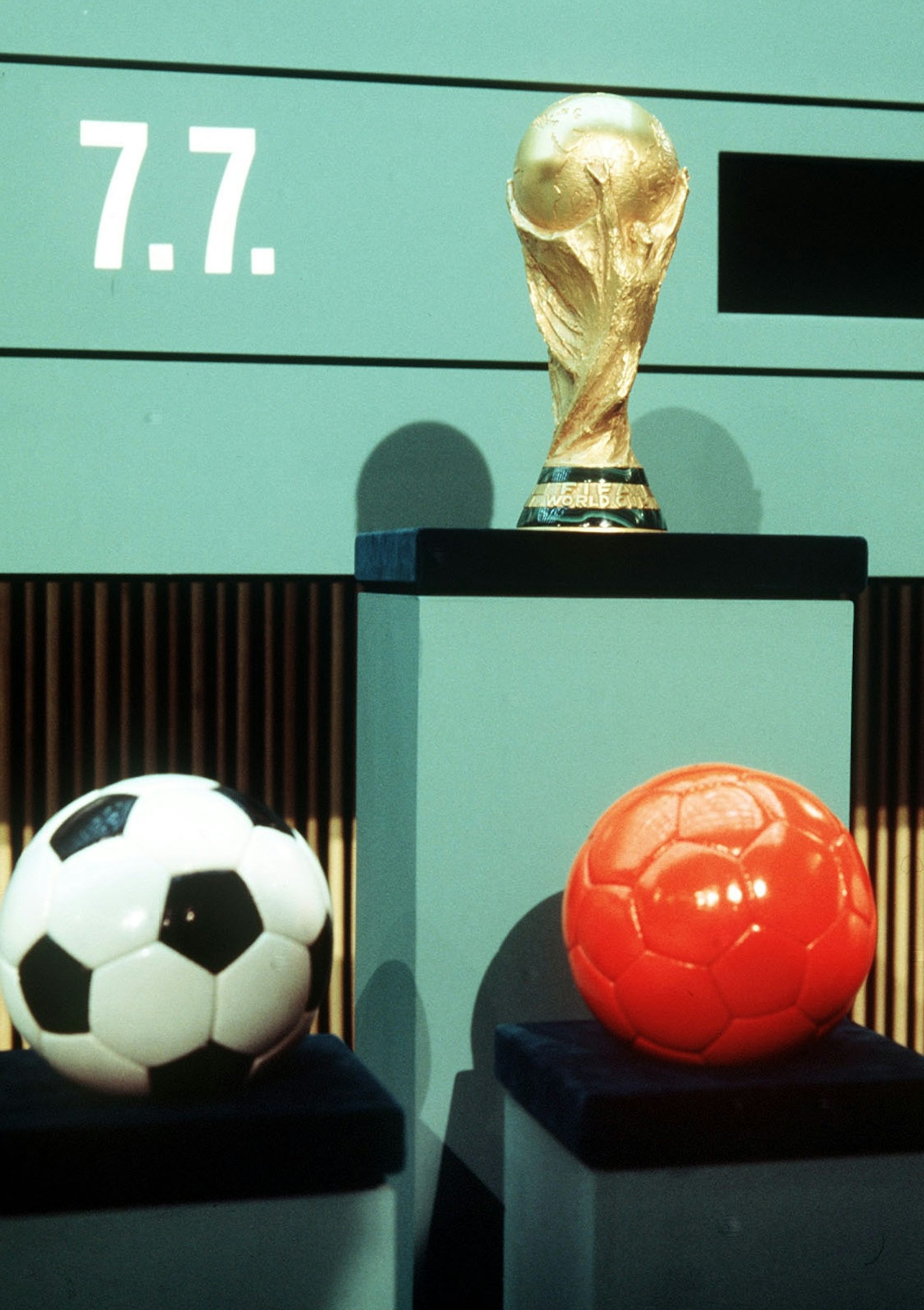
The ball’s red, blue and green graphics correspond to the three host countries, with maple leaf, star and eagle motifs representing Canada, the United States and Mexico. And for the first time in men’s World Cup history, matches will be played with a four-panel ball.
تتناسب الرسومات الحمراء والزرقاء والخضراء للكرة مع الدول المضيفة الثلاث، مع رموز أوراق القيقب والنجمة والنسر التي تمثل كندا والولايات المتحدة والمكسيك. ولأول مرة في تاريخ كأس العالم للرجال، ستُلعب المباريات بكرة ذات أربع ألواح.
But with so few panels, has Adidas made the ball too smooth? That is the trap engineers fell into with the Jabulani ball used at the 2010 World Cup in South Africa that became notorious for sudden dips and swerves, which made goalkeepers’ lives far trickier.
ولكن مع قلة الألواح، هل جعلت أديداس الكرة أكثر نعومة؟ هذه هي الفخ الذي وقع فيه المهندسون مع كرة جابولاني المستخدمة في كأس العالم 2010 في جنوب أفريقيا والتي اشتهرت بانخفاضات وانحرافات مفاجئة، مما جعل حياة حراس المرمى أكثر صعوبة بكثير.
You do not want the World Cup ball to feel like the start of a science experiment once it is in the air. And if it behaves strangely, players and goalkeepers notice immediately.
أنت لا تريد أن تشعر كرة كأس العالم وكأنها بداية تجربة علمية بمجرد أن تكون في الهواء. وإذا تصرفت بغرابة، يلاحظ اللاعبون وحراس المرمى ذلك على الفور.
The evolution of soccer balls
تطور كرات كرة القدم
World Cup balls have come a long way over the decades. If you go back to 1930, the ball looked very different. The first World Cup final used two different leather balls: Argentina’s Tiento in the first half and Uruguay’s T-Model in the second. Both were hand-sewn, multipaneled balls, inflated through a bladder opening that had to be tied off and tucked back beneath the laces. In damp conditions, the leather absorbed water, making the ball heavier and less predictable in play.
لقد قطعت كرات كأس العالم شوطاً طويلاً على مدى العقود. إذا عدنا إلى عام 1930، كان المظهر مختلفاً تماماً. استخدمت نهائي كأس العالم الأول كرتين من الجلد مختلفين: كرة الأرجنتين “تينتو” في النصف الأول وكرة الأوروغواي “تي-موديل” في النصف الثاني. كانت كلتاهما كرتين مخيطتين يدوياً وذات ألواح متعددة، ومنفوختين عبر فتحة بالون كان لا بد من ربطها وإدخالها مرة أخرى تحت الأربطة. في الظروف الرطبة، امتص الجلد الماء، مما جعل الكرة أثقل وأقل قابلية للتنبؤ أثناء اللعب.
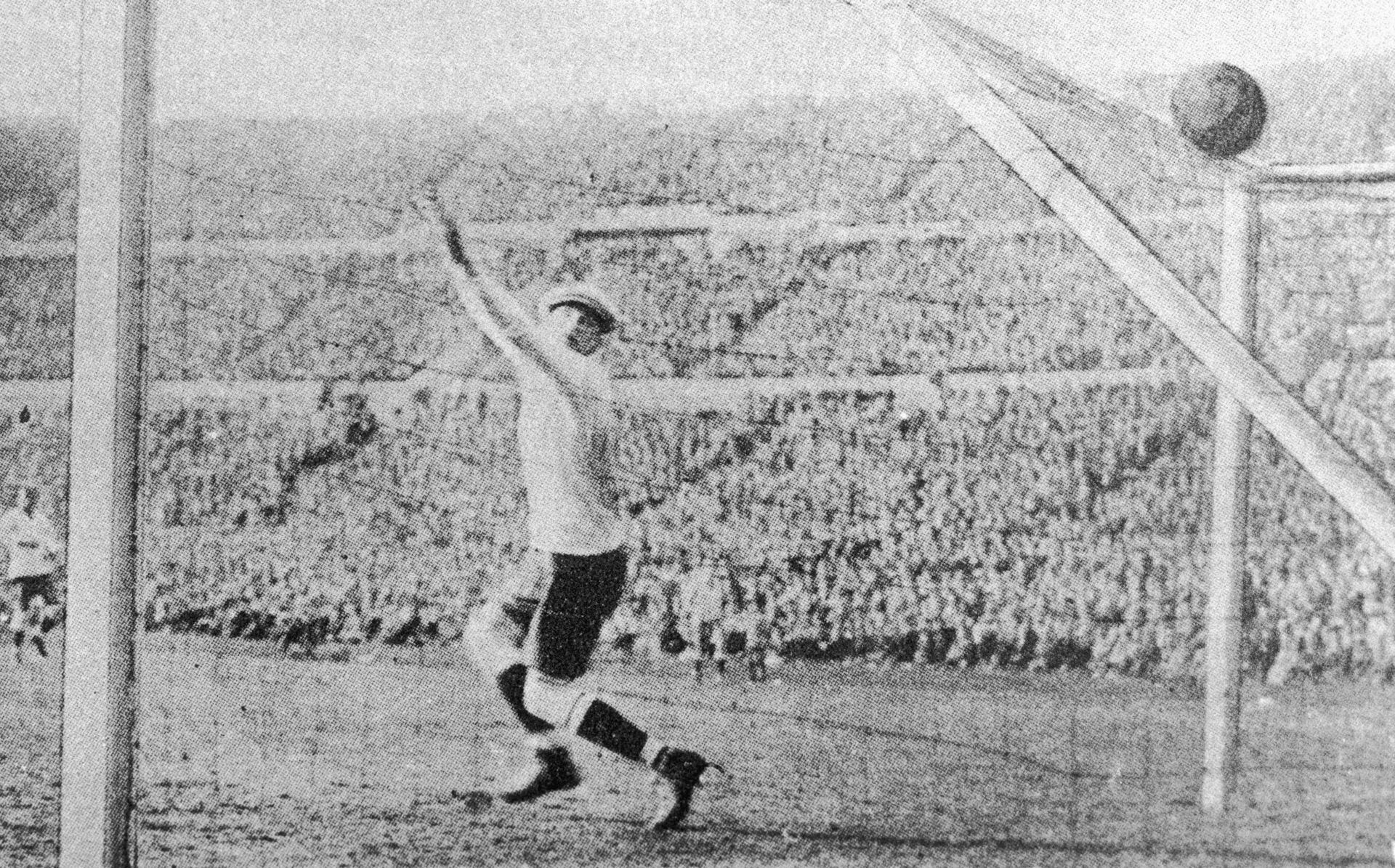
By 1994 – when the United States last hosted the men’s tournament – the official ball, Adidas’ Questra, had evolved into a foam-based design. The modern World Cup ball is no longer just stitched leather. It is an engineered aerodynamic surface.
بحلول عام 1994 – عندما استضافت الولايات المتحدة البطولة الرجالية للمرة الأخيرة – تطورت الكرة الرسمية، أديداس كويسترا، إلى تصميم قائم على الرغوة. لم تعد كرة كأس العالم الحديثة مجرد جلد مخيط. إنها سطح ديناميكي هوائي مُهندَس.
Trionda pushes that evolution further. It has only four panels, the fewest in men’s World Cup history, which have been thermally bonded – melded together using heat and adhesive.
تريوندا تدفع هذا التطور إلى أبعد مدى. لديها أربع ألواح فقط، وهو أقل عدد في تاريخ كأس العالم للرجال، وقد تم ربطها حرارياً – دمجها باستخدام الحرارة والمادة اللاصقة.
Fewer panels might suggest less total seam length and therefore a smoother ball. And smoothness matters because the thin boundary layer of air clinging to the ball determines where the flow separates, how large a wake forms, and how much drag the ball experiences.
قد تشير الألواح الأقل إلى طول خياطة إجمالي أقل وبالتالي كرة أكثر سلاسة. والسلاسة مهمة لأن الطبقة الحدودية الرقيقة من الهواء الملتصقة بالكرة تحدد مكان انفصال التدفق، وحجم الموجة التي تتشكل، وكمية السحب التي تختبرها الكرة.
The Trionda has intentionally deep seams, three pronounced grooves on each panel and fine surface texturing.
لدى تريوندا خياطات عميقة عن قصد، وثلاثة أخاديد بارزة على كل لوح وتفاصيل سطح دقيقة.
But will these textures and grooves do the trick? To find that out, my colleagues and I measured the ball’s seam geometry and overall aerodynamic behavior. We compared it with Trionda’s four predecessors: 2022’s Al Rihla, 2018’s Telstar 18, the Brazuca used in 2014 and the Jabulani in 2010.
ولكن هل ستحقق هذه الملامس والخدوش المطلوب؟ لمعرفة ذلك، قمت أنا وزملائي بقياس هندسة خياطة الكرة وسلوكها الديناميكي الهوائي العام. قارنّاها بالأسلاف الأربعة لتريوندا: أل ريخلا لعام 2022، وتيلستار 18 لعام 2018، وكرة برازوكا المستخدمة في عام 2014، وجابولاني في عام 2010.
What the measurements show
ما تظهره القياسات
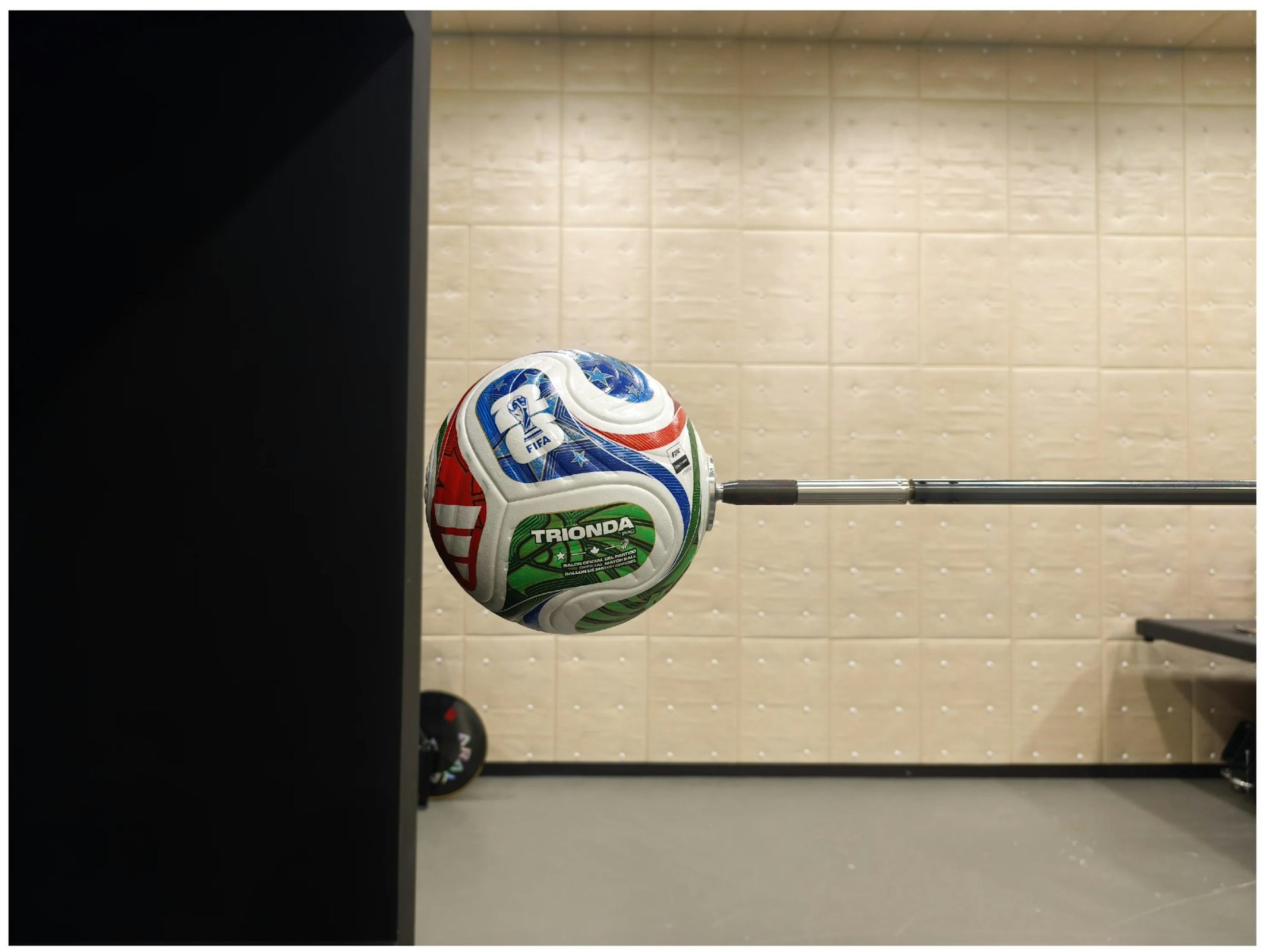
In our wind tunnel tests at the University of Tsukuba, we measured something called the drag coefficient, which is a way of describing how much air resistance a ball experiences as it moves.
في اختبارات نفق الرياح لدينا بجامعة تسوكوبا، قسنا شيئًا يسمى معامل السحب، وهو طريقة لوصف مقدار مقاومة الهواء التي يواجهها كرة أثناء حركتها.
Using this data, we gained insights into how the airflow changes around the ball after it is kicked. The tests helped identify the drag crisis, the speed range in which changes in the boundary layer and flow separation produce a sharp change in drag, which can alter the ball’s acceleration, trajectory and range.
باستخدام هذه البيانات، اكتسبنا رؤى حول كيفية تغير تدفق الهواء حول الكرة بعد ركلها. ساعدت الاختبارات في تحديد أزمة السحب، وهي نطاق السرعة الذي تسبب فيه التغير في الطبقة الحدية وانفصال التدفق في حدوث تغيير حاد في السحب، مما يمكن أن يغير تسارع الكرة ومسارها ومدى رحلتها.
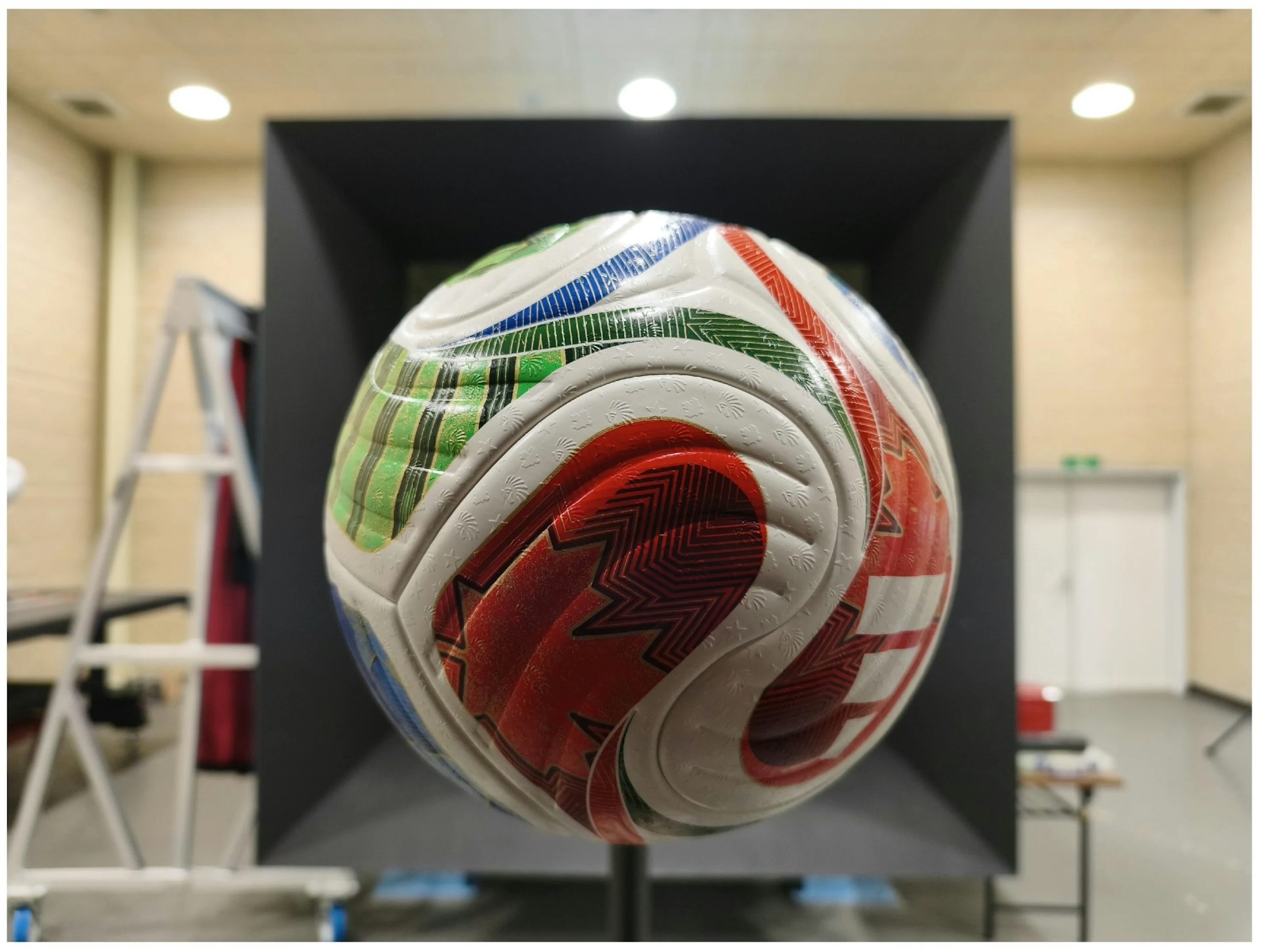
We found that the Trionda is effectively rougher than those predecessors.
وجدنا أن تريوندا أكثر خشونة بشكل فعال من تلك السلائف.
Trionda reaches its drag crisis at a lower speed, at about 27 mph (43 kph) . That is below the roughly 31-40 mph (50-65 kph) range for Al Rihla, Telstar 18 and Brazuca, and far below Jabulani’s roughly 49-60 mph (79-97 kph) range, depending on orientation.
تصل تريوندا إلى أزمة السحب عند سرعة أقل، حوالي 27 ميلاً في الساعة (43 كم/ساعة) . وهذا أقل من نطاق حوالي 31-40 ميلاً في الساعة (50-65 كم/ساعة) لـ “الرحلة”، و”تيلستار 18″، و”برازوكا”، وأبعد بكثير من نطاق جابولاني حوالي 49-60 ميلاً في الساعة (79-97 كم/ساعة) ، اعتمادًا على الاتجاه.
Why does all that matter? Because a ball can feel ordinary off the boot and still behave differently in flight. When the drag crisis occurs in the middle of game-relevant speeds, small changes in launch speed, orientation or spin can shift the ball from one aerodynamic regime to another.
لماذا كل هذا مهم؟ لأن الكرة يمكن أن تبدو عادية عند خروجها من الحذاء ولا تزال تتصرف بشكل مختلف في الطيران. عندما تحدث أزمة السحب في منتصف السرعات ذات الصلة بالمباراة، يمكن للتغيرات الطفيفة في سرعة الإطلاق أو الاتجاه أو الدوران أن تحول الكرة من نظام إيروديناميكي إلى آخر.
That was Jabulani’s problem. Once kicked with little spin, it had a tendency to slow down too much as it passed through its critical-speed range.
كانت تلك مشكلة جابولاني. بمجرد ركلها بقليل من الدوران، كان لديها ميل إلى التباطؤ أكثر من اللازم أثناء مرورها عبر نطاق السرعة الحرجة لها.
Trionda does not look like that kind of ball. It has a more steady and consistent drag coefficient in the range of speeds associated with corner kicks and free kicks.
تريوندا لا تبدو مثل هذا النوع من الكرات. لديها معامل سحب أكثر ثباتًا واتساقًا في نطاق السرعات المرتبطة بتسديدات الزاوية والركلات الحرة.
But there is a trade-off. Our measurements also showed that once Trionda enters the higher-speed, turbulent-flow regime, its drag coefficients are somewhat larger than those of Brazuca, Telstar 18 and Al Rihla.
ولكن هناك مقايضة. أظهرت قياساتنا أيضًا أنه بمجرد دخول تريوندا إلى نظام التدفق المضطرب عالي السرعة، تكون معاملات السحب الخاصة بها أكبر بعض الشيء من تلك الخاصة بـ “برازوكا”، و”تيلستار 18″، و”الرحلة.”
In plain language, that suggests a hard-hit long ball may lose a little range.
بكلمات بسيطة، هذا يشير إلى أن الكرة الطويلة التي تضرب بقوة قد تفقد القليل من المدى.
In our simulations, the difference is not huge. But it is large enough that players may notice long kicks coming up a few meters short.
في محاكياتنا، هذا الاختلاف ليس هائلاً. ولكنه كبير بما يكفي لكي يلاحظ اللاعبون التسديدات الطويلة القادمة بفارق بضعة أمتار.
It is also important to note that we tested a nonspinning ball. As such, our results do not provide a prediction of every pass, clearance or free kick fans will see this summer. Balls in flight often spin due to off-center kicks. That, along with altitude, humidity, temperature and air pressure all influence how a ball flies through the air once kicked.
من المهم أيضًا ملاحظة أننا اختبرنا كرة غير دوارة. وباعتبار ذلك، فإن نتائجنا لا تقدم تنبؤًا بكل تمريرة أو تخطي أو ركلة حرة سيرى المشجعون هذا الصيف. غالبًا ما تدور الكرات في الجو بسبب الركلات غير المتمركزة. كل ذلك، إلى جانب الارتفاع والرطوبة ودرجة الحرارة وضغط الهواء، يؤثر جميعها على كيفية طيران الكرة عبر الهواء بمجرد ركلها.
The big test yet to come
الاختبار الكبير القادم
Fewer panels and more texturing aren’t the only differences with the new ball.
ليست الألواح الأقل ووجود المزيد من التمويج هي الاختلافات الوحيدة مع الكرة الجديدة.
Trionda also carries technology that has little to do with its flight and a great deal to do with officiating. Like Al Rihla, Trionda includes “connected-ball technology” that lets computers know when the ball is kicked, helping with offside decisions.
تحمل تريوندا أيضًا تكنولوجيا لا علاقة لها بطيرانها بقدر ما لها علاقة بالتحكيم. مثل أل ريحلا، تتضمن تريوندا “تكنولوجيا الكرة المتصلة” التي تسمح للحواسيب بمعرفة متى تُقدم الكرة، مما يساعد في قرارات التسلل.
But the architecture has changed. In 2022, the measurement unit was suspended at the center of the ball. With Trionda, it sits in a specially created layer inside one panel, with counterbalancing weights in the other three panels. The chip sends data to the video assistant referee, or VAR, system and the tournament’s semi-automated offside system.
لكن البنية قد تغيرت. في عام 2022، تم تعليق وحدة القياس في منتصف الكرة. مع تريوندا، فإنها تستقر في طبقة تم إنشاؤها خصيصًا داخل إحدى الألواح، مع أوزان موازنة في الألواح الثلاث الأخرى. ترسل الشريحة بيانات إلى نظام حكم الفيديو المساعد، أو VAR، ونظام التسلل شبه الآلي للبطولة.
That tweak will help referees, but will the new ball in general help or hinder players?
سيساعد هذا التعديل الحكام، ولكن هل ستساعد الكرة الجديدة بشكل عام اللاعبين أم تعيقهم؟
The evidence from our tests suggests that the ball won’t be behaving in a way that leads to baffling and erratic flight.
تشير الأدلة من اختباراتنا إلى أن الكرة لن تتصرف بطريقة تؤدي إلى طيران محيّر ومتقلب.
But the more intriguing possibilities are subtler and outside the scope of our tests. Will the grooves on Trionda help players generate more backspin on the ball, generating more lift and possibly offsetting Trionda’s somewhat larger high-speed drag coefficient?
لكن الاحتمالات الأكثر إثارة للاهتمام أكثر دقة وخارج نطاق اختباراتنا. هل ستساعد الأخاديد الموجودة على تريوندا اللاعبين في توليد المزيد من الدوران الخلفي للكرة، مما يولد المزيد من الرفع وربما يعوض معامل السحب الأكبر نوعًا ما لتريوندا في السرعات العالية؟
That is why I keep studying World Cup balls both in the lab and through their behavior in play. Every four years, a new design offers a fresh way to watch physics enter the game, not in theory, but in the movement of an object in which every player on the soccer field must place their trust.
لهذا السبب أستمر في دراسة كرات كأس العالم في المختبر ومن خلال سلوكها أثناء اللعب. كل أربع سنوات، يقدم تصميم جديد طريقة جديدة لمراقبة دخول الفيزياء إلى اللعبة، ليس في النظرية، بل في حركة الجسم التي يجب على كل لاعب في ملعب كرة القدم أن يضع ثقته فيها.
John Eric Goff currently works as a visitor in the Department of Physics at the University of Puget Sound in Tacoma, Washington. Following the conclusion on 30 June of that one-year appointment, he will start on 1 July as Professor of Engineering Practice in the Weldon School of Biomedical Engineering and the School of Mechanical Engineering at Purdue University.
يعمل جون إريك غوف حاليًا كزائر في قسم الفيزياء بجامعة بوجيت ساوند في تاكوما، واشنطن. بعد الانتهاء من التعيين لمدة عام واحد في 30 يونيو، سيبدأ العمل في 1 يوليو كأستاذ ممارسة الهندسة في كلية الهندسة الطبية الحيوية وكلية الهندسة الميكانيكية في جامعة بيردو.
Read more
-
الشبكة التي تراقب محيطات العالم تتعرض لضغوط – تحديداً عندما تكون في أمس الحاجة إليها.
The network watching the world’s oceans is under pressure – just when it’s needed most
-
إن هوس وادي السيليكون بالذكاء الاصطناعي و”تعظيم الرموز” يواجه مشكلة كبيرة – وقد تنبأ بها الفلاسفة.
Silicon Valley’s AI ‘tokenmaxxing’ obsession has a big problem – and philosophers saw it coming