تشير نتائج مصادم الهادرونات الكبير إلى فيزياء غير مكتشفة
Our Large Hadron Collider results hint at undiscovered physics
The behaviour of sub-atomic particles in the LHC seems to disagree with the Standard Model.
يبدو أن سلوك الجسيمات دون الذرية في مصادم الهادرونات الكبير يتعارض مع النموذج القياسي.
Recent findings from research we have been carrying out at the Large Hadron Collider (LHC) at Cern in Geneva suggest that we might be closing in on signs of undiscovered physics.
تشير النتائج الحديثة المستخلصة من الأبحاث التي أجريناها في المصادم الهادروني الكبير (LHC) في سيرن بجنيف إلى أننا قد نقترب من علامات فيزياء غير مكتشفة.
If confirmed, these hints would overturn the theory, called the Standard Model, that has dominated particle physics for 50 years. The findings suggest the way that specific sub-atomic particles behave in the LHC disagrees with the Standard Model.
إذا تم تأكيدها، فإن هذه التلميحات من شأنها أن تقلب النظرية المعروفة بالنموذج القياسي، والتي هيمنت على فيزياء الجسيمات لمدة 50 عاماً. وتشير النتائج إلى أن طريقة تصرف جسيمات تحت ذرية معينة في المصادم الهادروني الكبير تتعارض مع النموذج القياسي.
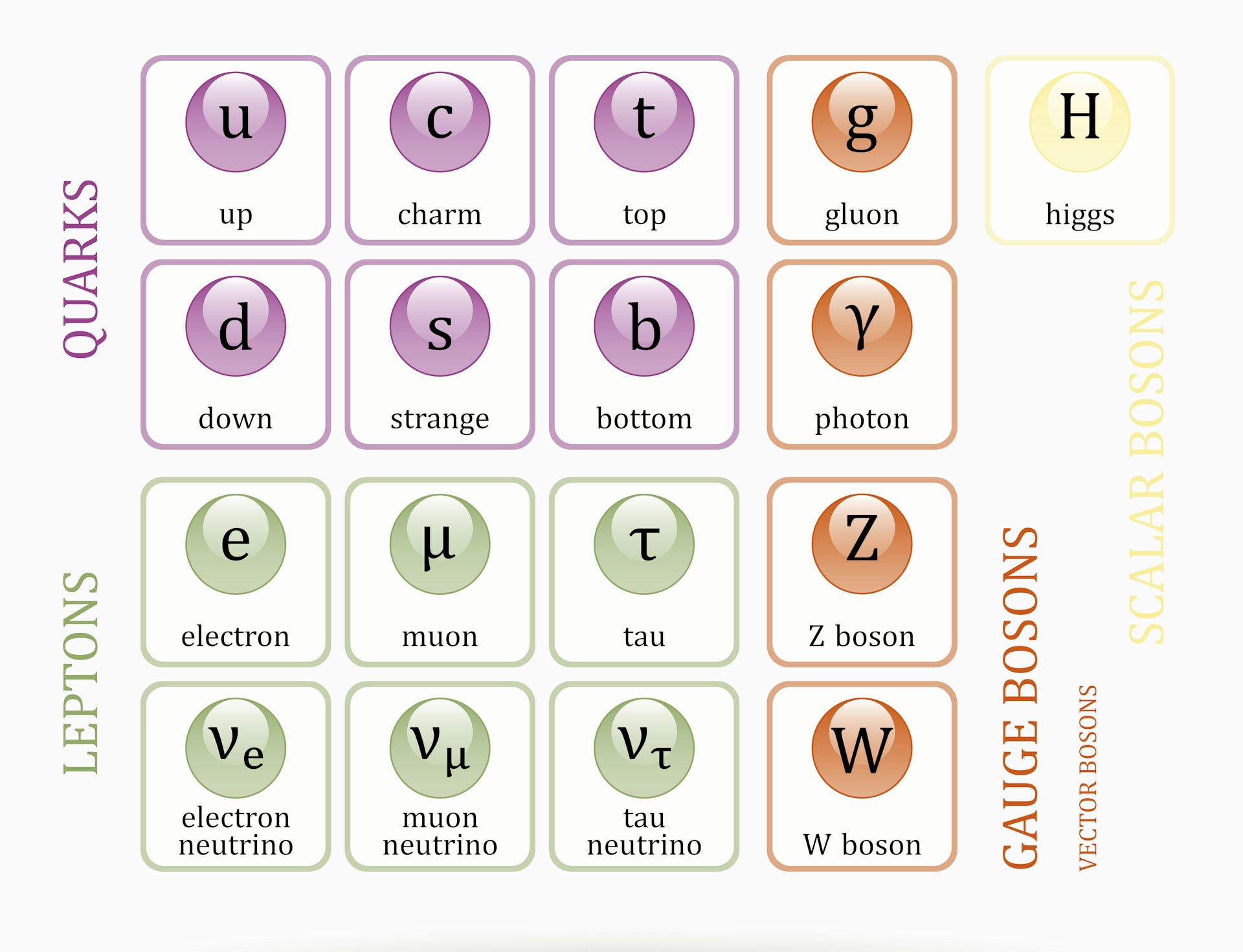
Fundamental particles are the most basic building blocks of matter – sub-atomic particles that cannot be divided into smaller units. The four fundamental forces – gravity, electromagnetism, the weak force and the strong force – govern how these particles interact.
الجسيمات الأساسية هي اللبنات الأكثر بدائية للمادة – وهي جسيمات تحت ذرية لا يمكن تقسيمها إلى وحدات أصغر. وتحكم القوى الأساسية الأربع – الجاذبية، والكهرومغناطيسية، والقوة الضعيفة، والقوة النووية القوية – كيفية تفاعل هذه الجسيمات.
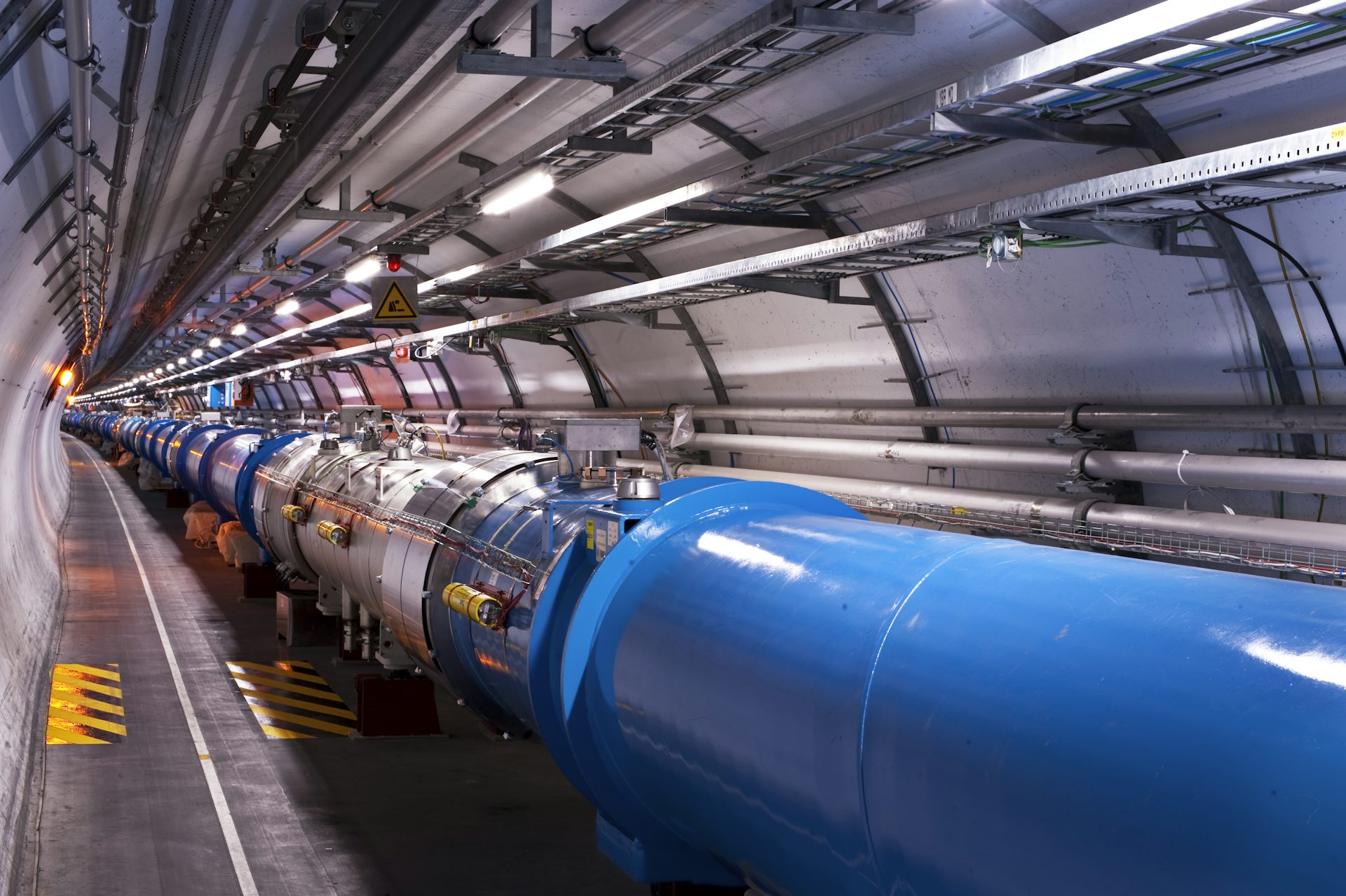
The LHC is a giant particle accelerator built in a 27km-long circular tunnel under the French-Swiss border. Its main purpose is to find cracks in the Standard Model.
المصادم الهادروني الكبير هو مسرع جسيمات عملاق بُني في نفق دائري يمتد على طول 27 كيلومتراً تحت الحدود الفرنسية السويسرية. ويتمثل غرضه الرئيسي في اكتشاف ثغرات في النموذج القياسي.
This theory is our best understanding of fundamental particles and forces, but we know it cannot be the whole story. It does not explain gravity or dark matter – the invisible, so far unmeasured type of matter that makes up approximately 25% of the universe.
تُعد هذه النظرية أفضل فهم لدينا للجسيمات والقوى الأساسية، لكننا نعلم أنها لا يمكن أن تكون القصة كاملة. فهي لا تفسر الجاذبية أو المادة المظلمة – وهي نوع من المادة غير المرئية التي لم يتم قياسها حتى الآن وتشكل حوالي 25% من الكون.
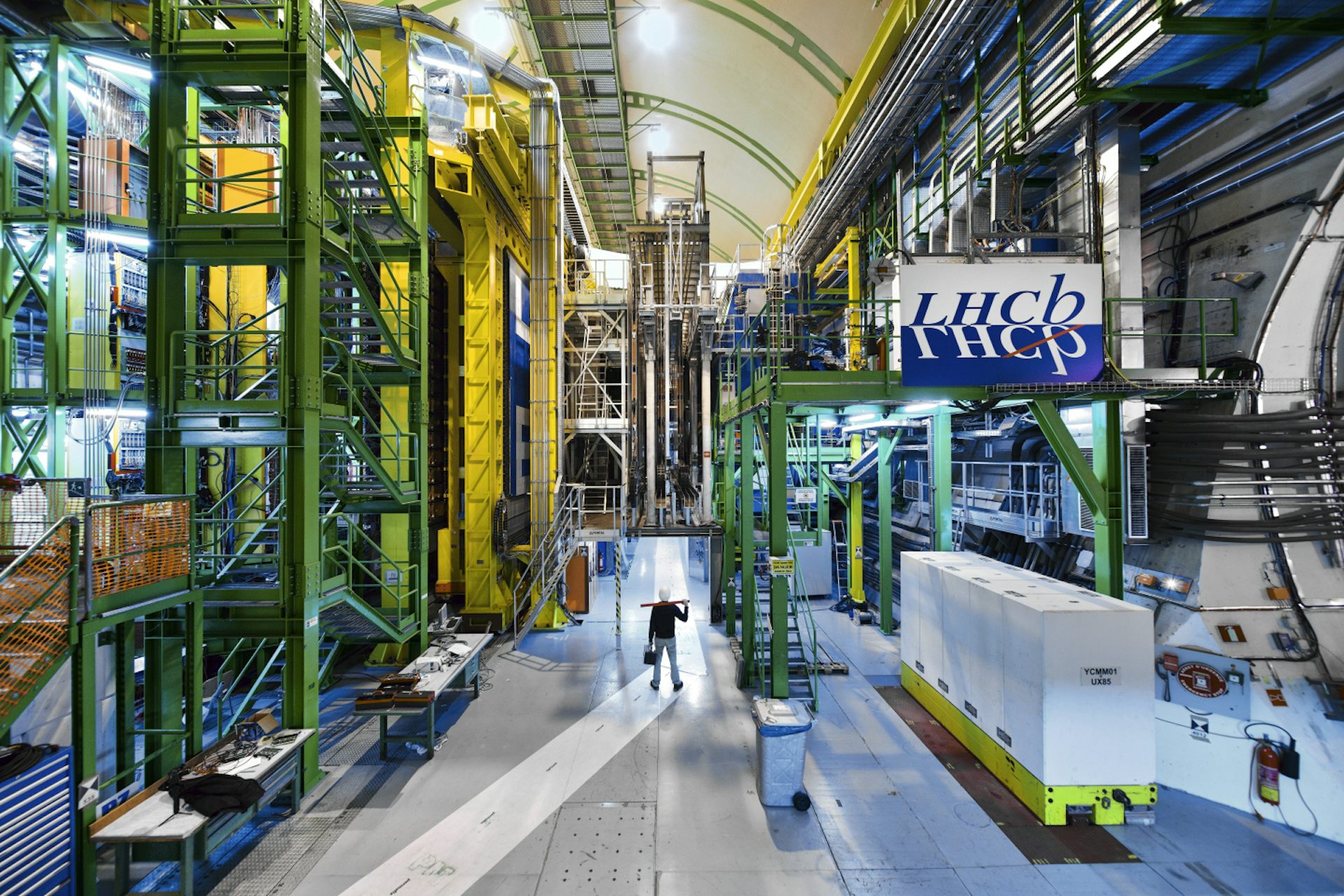
In the LHC, beams of proton particles travelling in opposite directions are made to collide, in a bid to uncover hints of undiscovered physics. The new results come from LHCb, an experiment at the Large Hadron Collider where these collisions are analysed.
في المصادم الهادروني الكبير، يتم جعل حزم من جسيمات البروتون التي تسافر في اتجاهات متعاكسة لتتصادم، في محاولة للكشف عن تلميحات فيزياء غير مكتشفة. وتأتي النتائج الجديدة من تجربة LHCb، وهي تجربة في المصادم الهادروني الكبير حيث يتم تحليل هذه التصادمات.
The result comes from studying the decay – a kind of transformation – of sub-atomic particles called B mesons. We investigated how these B mesons decay into other particles, finding that the particular way in which this happens disagrees with the predictions of the Standard Model.
تأتي النتيجة من دراسة اضمحلال – وهو نوع من التحول – للجسيمات تحت الذرية التي تسمى ميزونات B. وقد حققنا كيف تتحلل ميزونات B هذه إلى جسيمات أخرى، ووجدنا أن الطريقة الخاصة التي يحدث بها هذا الاضمحلال تتعارض مع تنبؤات النموذج القياسي.
An elegant theory
نظرية أنيقة
The Standard Model is built on two of the 20th century’s most transformative advances in physics; quantum mechanics and Einstein’s special relativity.
يعتمد النموذج القياسي على اثنين من أكثر التطورات تحولاً في الفيزياء في القرن العشرين: ميكانيكا الكم والنسبية الخاصة لأينشتاين.
Physicists can compare measurements made at facilities such as the LHC with predictions based on the Standard Model to rigorously test the theory.
يمكن للفيزيائيين مقارنة القياسات التي تتم في منشآت مثل مصادم الهادرونات الكبير (LHC) بالتنبؤات المستندة إلى النموذج القياسي لاختبار النظرية بدقة.
Despite the fact that we know the Standard Model is incomplete, in over 50 years of increasingly rigorous testing, particle physicists are yet to find a crack in the theory. That is, potentially, until now.
على الرغم من أننا نعلم أن النموذج القياسي غير مكتمل، إلا أنه على مدى أكثر من 50 عامًا من الاختبارات المتزايدة الصرامة، لم يتمكن فيزياء الجسيمات من العثور على ثغرة في النظرية. أي، ربما حتى الآن.
Our measurement, accepted for publication in Physical Review Letters, shows a tension of four standard deviations from the expectations of the Standard Model.
يظهر قياسنا، الذي قُبل للنشر في مجلة Physical Review Letters، تباينًا بمقدار أربعة انحرافات معيارية عن توقعات النموذج القياسي.
In real world terms, this means that, after considering the uncertainties from the experimental results and from the theory predictions, there is only a one in 16,000 chance that a random fluctuation in the data this extreme would occur if the Standard Model is correct.
بعبارات واقعية، هذا يعني أنه بعد أخذ حالة عدم اليقين من النتائج التجريبية والتنبؤات النظرية في الاعتبار، هناك احتمال واحد من 16,000 فقط بأن يحدث تقلب عشوائي في البيانات بهذا القدر من التطرف إذا كان النموذج القياسي صحيحًا.
Although this falls short of science’s gold standard – what’s known as five sigma, or five standard deviations (about a one in 1.7 million chance) – the evidence is starting to mount. Adding to this compelling narrative are results from an independent LHC experiment, CMS, that were published earlier in 2025.
على الرغم من أن هذا أقل من المعيار الذهبي للعلم – ما يُعرف باسم خمسة سيجما، أو خمس انحرافات معيارية (احتمال يقارب واحد من 1.7 مليون) – إلا أن الأدلة بدأت تتراكم. وتضيف إلى هذه السردية المقنعة نتائج من تجربة مستقلة في مصادم الهادرونات الكبير (LHC) ، وهي CMS، والتي نُشرت في وقت سابق من عام 2025.
Although the CMS results are not as precise as those from LHCb, they agree well, strengthening the case. Our new results have been found in a study of a particular kind of process, known as an electroweak penguin decay.
على الرغم من أن نتائج CMS ليست دقيقة مثل نتائج LHCb، إلا أنها تتفق جيدًا، مما يقوي الحجة. وقد وُجدت نتائجنا الجديدة في دراسة لنوع معين من العمليات، يُعرف باسم اضمحلال البنغوين الكهروضعيف.
Rare events
أحداث نادرة
The term “penguin” refers to a specific type of decay (transformation) of short-lived particles. In this case we study how the B meson decays into four other subatomic particles – a kaon, a pion and two muons.
يشير مصطلح “البنغوين” إلى نوع محدد من اضمحلال (تحول) الجسيمات قصيرة العمر. في هذه الحالة، ندرس كيف يتحلل ميسم B إلى أربعة جسيمات دون ذرية أخرى – كايون، وبايون، وميونان.
With some imagination, one can visualise the arrangement of the particles involved as looking like a penguin. Crucially, measurements of this decay let us study how one type of fundamental particle, a beauty quark, can transform into another, the strange quark.
باستخدام بعض الخيال، يمكن للمرء أن يتخيل ترتيب الجسيمات المعنية ليبدو كالبنغوين. والأهم من ذلك، أن قياسات هذا الاضمحلال تسمح لنا بدراسة كيف يمكن لنوع واحد من الجسيمات الأساسية، وهو كوارك الجمال، أن يتحول إلى نوع آخر، وهو كوارك الغريب.
This penguin decay is incredibly rare in the Standard Model: for every million B mesons, only one will decay in this manner. We have carefully analysed the angles and energies at which these particles are produced in the decay, and precisely determined how often the process takes place. We found that our measurements of these quantities disagree with Standard Model predictions.
يعد اضمحلال البنغوين نادرًا بشكل لا يصدق في النموذج القياسي: فمقابل كل مليون ميسم B، يتحلل واحد فقط بهذه الطريقة. لقد قمنا بتحليل الزوايا والطاقات التي يتم فيها إنتاج هذه الجسيمات في الاضمحلال بعناية، وحددنا بدقة مدى تكرار حدوث هذه العملية. ووجدنا أن قياساتنا لهذه الكميات لا تتفق مع تنبؤات النموذج القياسي.
Precise investigations of decays like this are one of the primary goals of the LHCb experiment, and have been since its inception in 1994. Penguin processes are uniquely sensitive to the effects of potentially very heavy new particles that cannot be created directly at the LHC.
يُعد إجراء تحقيقات دقيقة في اضمحلالات كهذه أحد الأهداف الرئيسية لتجربة LHCb، وقد كان كذلك منذ إنشائها عام 1994. وتتميز عمليات البنغوين بحساسيتها الفريدة لتأثيرات الجسيمات الجديدة الثقيلة المحتملة التي لا يمكن إنشاؤها مباشرة في LHC.
Such particles may still exert a measurable influence on these decays over the small Standard Model contribution. This kind of indirect observation is not new. For example, radioactivity was discovered 80 years before the fundamental particles that are responsible for it (the W bosons) were directly seen.
قد لا تزال هذه الجسيمات تمارس تأثيرًا قابلاً للقياس على هذه الاضمحلالات فوق المساهمة الصغيرة للنموذج القياسي. هذا النوع من الملاحظة غير المباشرة ليس جديدًا. على سبيل المثال، تم اكتشاف النشاط الإشعاعي قبل 80 عامًا من رؤية الجسيمات الأساسية المسؤولة عنه (بوزونات W) بشكل مباشر.
Future directions
الاتجاهات المستقبلية
Our studies of rare processes let us explore parts of nature that may otherwise only become accessible using particle colliders planned for the 2070s. There are a wide range of potential new theories that can explain our findings. Many contain new particles called “leptoquarks” that unite the two different types of matter: “leptons” and “quarks”.
تسمح لنا دراساتنا للعمليات النادرة باستكشاف أجزاء من الطبيعة قد لا تصبح متاحة إلا باستخدام مصادمات الجسيمات المخطط لها في حقبة السبعينيات من القرن الحادي والعشرين. هناك مجموعة واسعة من النظريات الجديدة المحتملة التي يمكنها تفسير نتائجنا. تحتوي العديد منها على جسيمات جديدة تسمى “ليبتوكوارك” (leptoquarks) التي توحد نوعي المادة المختلفين: “اللبتونات” (leptons) و”الكواركات” (quarks) .
Other potential theories contain particles that are heavier analogues of those already found in the Standard Model. The new results constrain the form of these models and will direct future searches for them.
تحتوي نظريات محتملة أخرى على جسيمات هي نظائر أثقل لتلك الموجودة بالفعل في النموذج القياسي. تقيد النتائج الجديدة شكل هذه النماذج وستوجه عمليات البحث المستقبلية عنها.
Despite our excitement, open theoretical questions remain that prevent us from definitively claiming that physics beyond the Standard Model has been observed. The most serious question arises from so-called “charming penguins”, a set of processes present in the Standard Model, whose contributions are extremely tricky to predict. Recent estimates of these charming penguins suggest their effects are not large enough to explain our data.
على الرغم من حماسنا، لا تزال هناك أسئلة نظرية مفتوحة تمنعنا من الادعاء بشكل قاطع بأن فيزياء ما وراء النموذج القياسي قد تمت ملاحظتها. ينبع السؤال الأكثر خطورة من ما يسمى بـ “البنجوين الساحر” (charming penguins) ، وهي مجموعة من العمليات الموجودة في النموذج القياسي، والتي يصعب للغاية التنبؤ بمساهماتها. تشير التقديرات الحديثة لهذه البنجوين الساحر إلى أن تأثيراتها ليست كبيرة بما يكفي لتفسير بياناتنا.
Furthermore, a combination of a theory model and experimental data from LHCb suggests that the charming penguins (and therefore, the Standard Model) struggle to explain the anomalous results.
علاوة على ذلك، يشير الجمع بين نموذج نظري والبيانات التجريبية من LHCb إلى أن البنجوين الساحر (وبالتالي النموذج القياسي) يواجه صعوبة في تفسير النتائج الشاذة.
New data already collected will let us confirm the situation in the coming years: in our current work we studied approximately 650 billion B meson decays recorded between 2011 and 2018 to find these penguin decays. Since then, the LHCb experiment has recorded three times as many B mesons.
ستسمح لنا البيانات الجديدة التي تم جمعها بالفعل بتأكيد الوضع في السنوات القادمة: في عملنا الحالي، درسنا حوالي 650 مليار تحلل لـ “ب-ميزون” (B meson) تم تسجيلها بين عامي 2011 و 2018 للعثور على تحللات البنجوين هذه. ومنذ ذلك الحين، سجلت تجربة LHCb عددًا أكبر بثلاث مرات من ب-الميزونات.
Further advances are planned for the 2030s to exploit future upgrades to the LHC and accrue a dataset 15 times larger again. This ultimate step will allow definitive claims to be made, potentially unlocking a new understanding of how the universe works at the most elementary level.
ومن المقرر إجراء المزيد من التطورات في ثلاثينيات القرن الحادي والعشرين لاستغلال الترقيات المستقبلية لـ LHC وتجميع مجموعة بيانات أكبر بمقدار 15 مرة مرة أخرى. ستسمح هذه الخطوة النهائية بإصدار ادعاءات قاطعة، ومن المحتمل أن تفتح فهمًا جديدًا لكيفية عمل الكون على المستوى الأكثر أساسية.
William Barter works for the University of Edinburgh. He receives funding from UKRI. He is a member of the LHCb collaboration at Cern.
يعمل ويليام بارتر في جامعة إدنبرة. ويتلقى التمويل من UKRI. وهو عضو في تعاون LHCb في سيرن.
Mark Smith does not work for, consult, own shares in or receive funding from any company or organisation that would benefit from this article, and has disclosed no relevant affiliations beyond their academic appointment.
لا يعمل مارك سميث، ولا يشارك في استشارته، ولا يمتلك أسهمًا في، أو يتلقى تمويلاً من أي شركة أو منظمة يمكن أن تستفيد من هذه المقالة، ولم يفصح عن أي انتماءات ذات صلة تتجاوز تعيينه الأكاديمي.
Read more
-

من التنقيب عن الأحافير إلى أن يصبح بطلاً للحياة على الأرض: السير ديفيد أتينبروغ في عامه المئة
From fossicking for fossils to a champion for life on Earth: Sir David Attenborough at 100
-

ما هو التعديل الخامس والعشرون وهل يمكن استخدامه لإبعاد ترامب عن منصبه؟
What is the 25th Amendment and could it be used to remove Trump from office?