我们测试了新的世界杯足球——你需要知道它飞、下坠和盘旋的方式
We tested the new World Cup ball – this is what you nee…
For two decades, researchers have studied soccer ball aerodynamics. Latest tests suggest the 2026 ball is more stable, but with a slightly shorter range.
二十年来,研究人员一直在研究足球的空气动力学。最新的测试表明,2026年的球更稳定,但射程略短。
Every four years, the men’s World Cup delivers some certainties. The pitch dimensions are tightly regulated, offside is signaled with a flag, and referees end the match with a blast of a whistle. But one key piece of equipment is changed on purpose: the ball.
每四年一次的男子世界杯带来一些确定性。场地尺寸受到严格的规范,越位通过旗帜发出信号,裁判用哨声结束比赛。但其中一件关键的装备被故意改变了:球。
Adidas, which has supplied World Cup soccer balls since 1970, introduces a new match ball for every tournament, and with that comes fresh aerodynamic calculations for players. How will it fly through the air, weave and dip?
阿迪达斯自1970年以来一直为世界杯足球球提供供应,它为每个锦标赛推出一个新的比赛球,并带来了针对球员的新的空气动力学计算。它将如何飞过空气,如何穿梭,如何下沉?
For the past 20 years, my engineering colleagues in Japan and England and I have put the new balls through their paces, investigating soccer ball aerodynamics. Our work begins by putting balls in wind tunnels to measure drag, side and lift forces. We use the measurements from these tests in trajectory simulations that tell us how the ball will behave in a real-game setting.
在过去的20年里,我和我在日本和英国的工程同事们对这些新球进行了严格的测试,研究足球的空气动力学。我们的工作始于将球放入风洞中,测量阻力、侧向力和升力。我们利用这些测试的测量结果进行轨迹模拟,告诉我们球在实际比赛中的表现。
That may all sound a little academic, and we do produce an academic paper on our findings. But what our data indicates could mean the difference between a goal or a miss for strikers, a save or a blunder for goalkeepers, and jubilation or heartache for fans.
这听起来可能有点学术化,我们确实对我们的发现撰写了一篇学术论文。但我们的数据表明可能意味着对于射手来说是进球还是失误,对于守门员来说是扑救还是失误,对于球迷来说是欢呼还是心碎之间的区别。
At the World Cup, the ball is the most important piece of equipment in the biggest tournament of the world’s most popular sport.
在世界杯上,球是世界上最受欢迎的运动最大赛事中最重要的装备。
This year’s ball, the Trionda, is especially interesting. When FIFA and Adidas unveiled it in fall 2025, the first thing many people noticed was the color and the paneling.
今年的球,Trionda,尤其引人注目。当国际足联和阿迪达斯于2025年秋季揭晓它时,许多人首先注意到的就是颜色和面板设计。
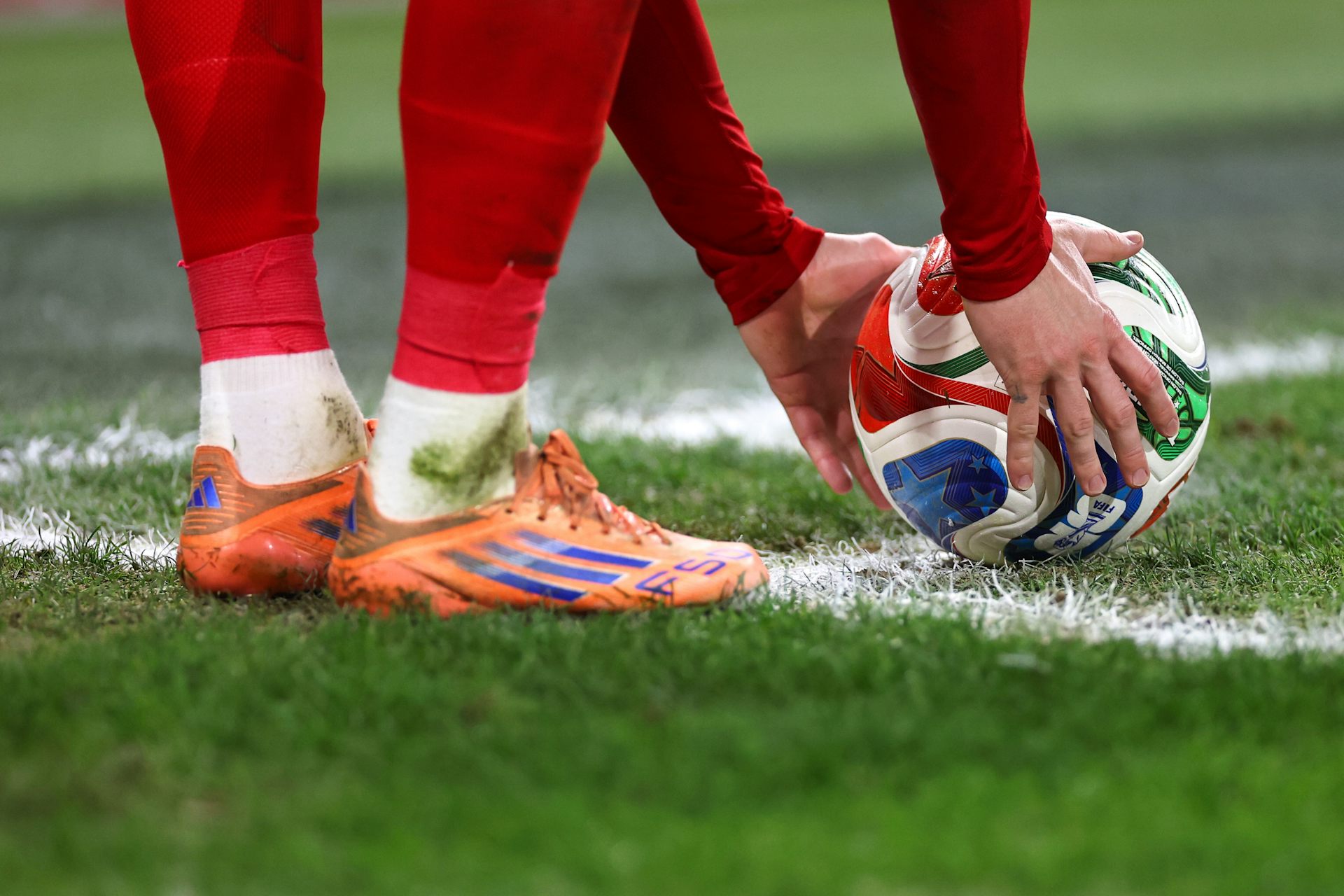
The ball’s red, blue and green graphics correspond to the three host countries, with maple leaf, star and eagle motifs representing Canada, the United States and Mexico. And for the first time in men’s World Cup history, matches will be played with a four-panel ball.
球上的红色、蓝色和绿色图案对应着三个主办国家,枫叶、星形和鹰的图案代表加拿大、美国和墨西哥。在男子世界杯历史上首次,比赛将使用四面板球。
But with so few panels, has Adidas made the ball too smooth? That is the trap engineers fell into with the Jabulani ball used at the 2010 World Cup in South Africa that became notorious for sudden dips and swerves, which made goalkeepers’ lives far trickier.
但由于面板数量很少,阿迪达斯是否让球变得过于光滑了?这就是工程师们在2010年南非世界杯使用的Jabulani球中陷入的陷阱,该球以突然的下沉和摆动而臭名昭著,这让守门员的生活变得更加困难。
You do not want the World Cup ball to feel like the start of a science experiment once it is in the air. And if it behaves strangely, players and goalkeepers notice immediately.
你不想让世界杯球在空中飞行时感觉像是一场科学实验的开始。如果它表现出奇怪的行为,球员和守门员会立即察觉。
The evolution of soccer balls
足球的演变
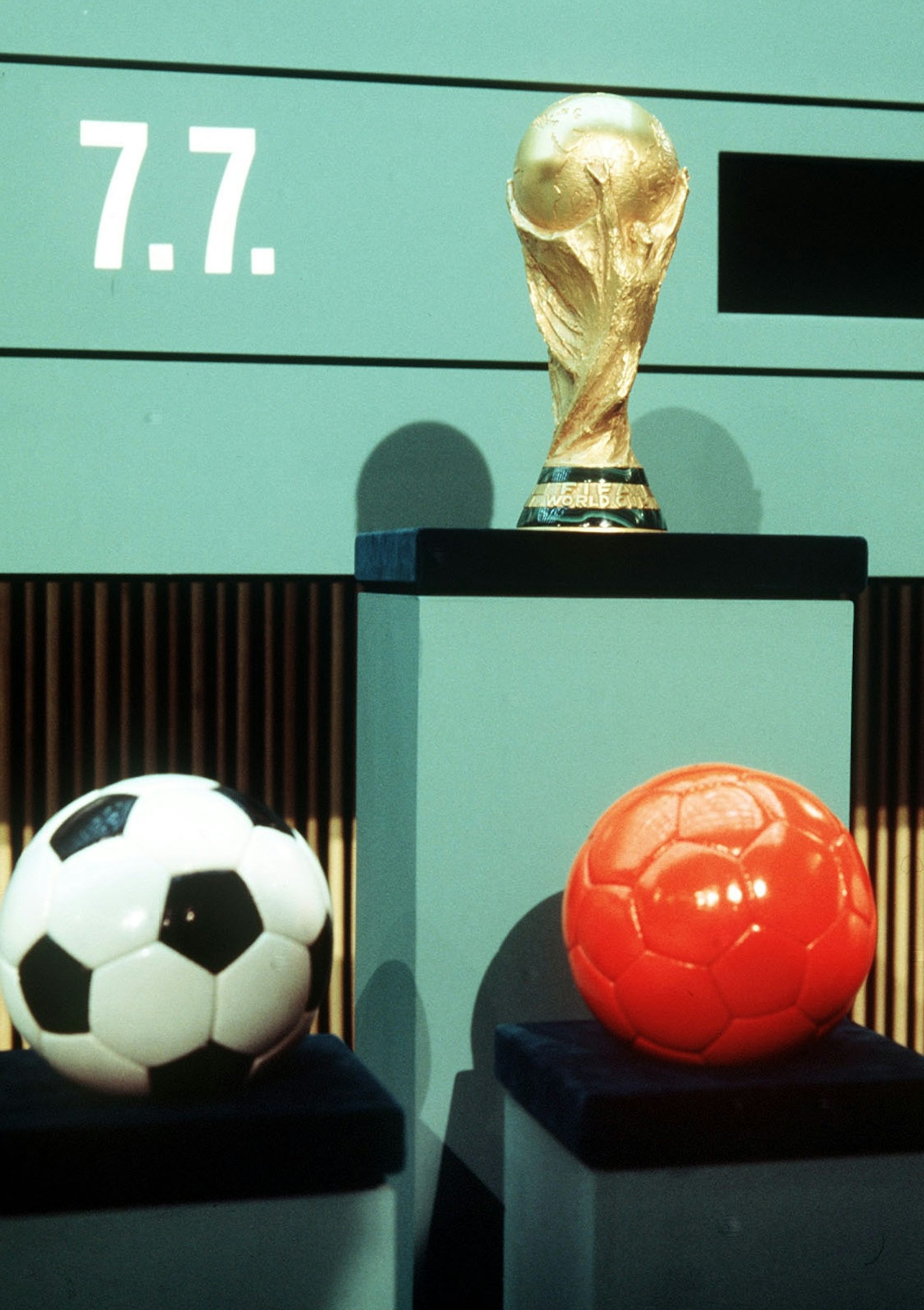
World Cup balls have come a long way over the decades. If you go back to 1930, the ball looked very different. The first World Cup final used two different leather balls: Argentina’s Tiento in the first half and Uruguay’s T-Model in the second. Both were hand-sewn, multipaneled balls, inflated through a bladder opening that had to be tied off and tucked back beneath the laces. In damp conditions, the leather absorbed water, making the ball heavier and less predictable in play.
世界杯球在几十年间经历了漫长的发展。如果回顾1930年,球看起来非常不同。第一次世界杯决赛使用了两种不同的皮球:上半场是阿根廷的Tiento,下半场是乌拉圭的T-Model。两者都是手工缝制的多面板球,通过一个气囊开口充气,需要将其系紧并塞回鞋带下方。在潮湿条件下,皮革会吸收水分,使球更重,在比赛中的可预测性降低。
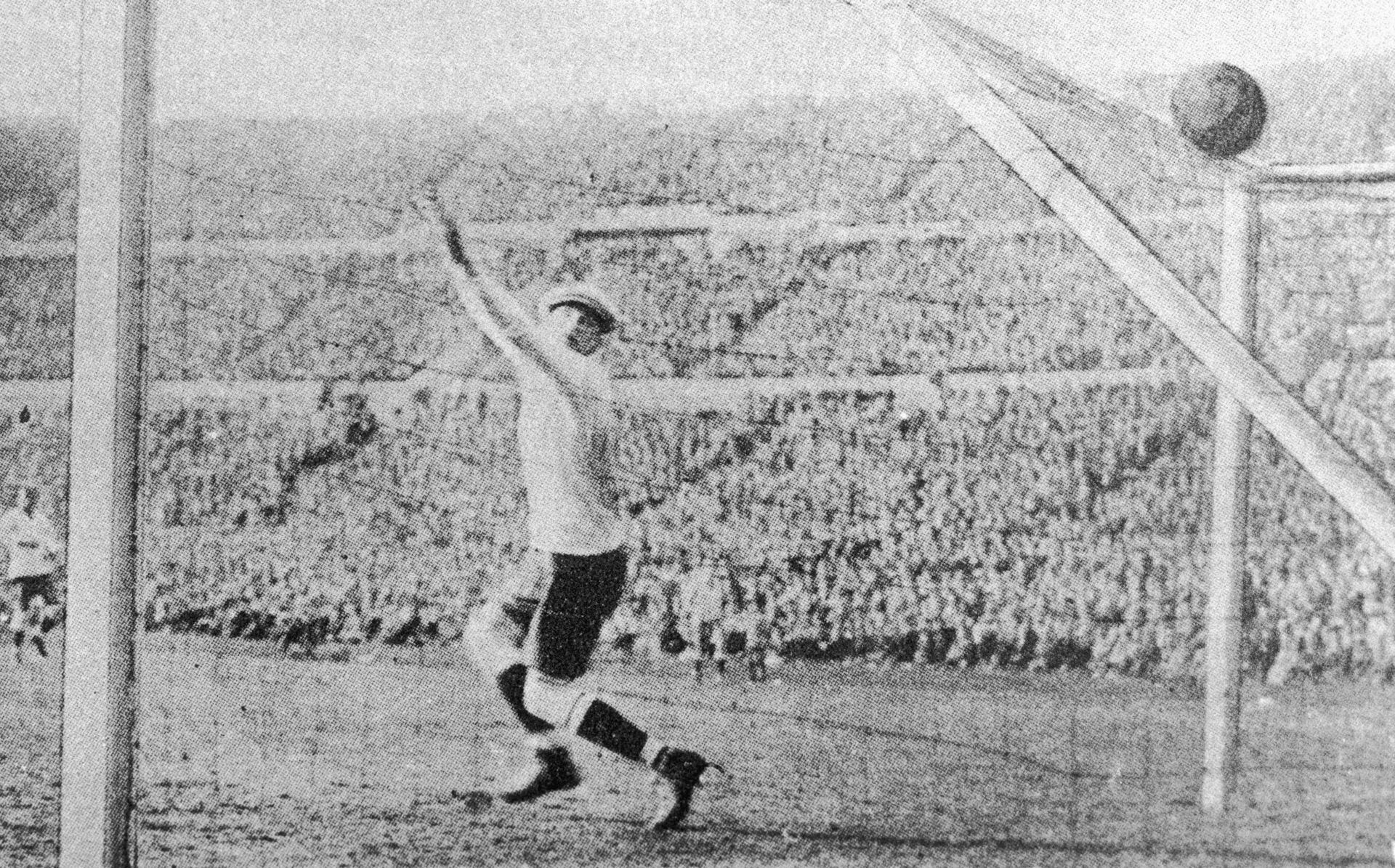
By 1994 – when the United States last hosted the men’s tournament – the official ball, Adidas’ Questra, had evolved into a foam-based design. The modern World Cup ball is no longer just stitched leather. It is an engineered aerodynamic surface.
1994年——美国最后一次主办男子锦标赛时——官方球Adidas的Questra已经演变成基于泡沫的设计。现代世界杯球不再仅仅是缝制的皮革。它是一种工程化的空气动力学表面。
Trionda pushes that evolution further. It has only four panels, the fewest in men’s World Cup history, which have been thermally bonded – melded together using heat and adhesive.
Trionda将这种演变推向了更远。它只有四个面板,是男子世界杯历史上最少的面板,它们是通过热量和粘合剂热熔粘合在一起的。
Fewer panels might suggest less total seam length and therefore a smoother ball. And smoothness matters because the thin boundary layer of air clinging to the ball determines where the flow separates, how large a wake forms, and how much drag the ball experiences.
更少的面板可能意味着总缝线长度更短,因此球更光滑。光滑度很重要,因为附着在球上的薄空气边界层决定了气流的分离点、形成的尾迹大小以及球所承受的阻力。
The Trionda has intentionally deep seams, three pronounced grooves on each panel and fine surface texturing.
Trionda故意设计了深缝线,每个面板上有三个明显的凹槽和精细的表面纹理。
But will these textures and grooves do the trick? To find that out, my colleagues and I measured the ball’s seam geometry and overall aerodynamic behavior. We compared it with Trionda’s four predecessors: 2022’s Al Rihla, 2018’s Telstar 18, the Brazuca used in 2014 and the Jabulani in 2010.
但这些纹理和凹槽是否奏效呢?为了找出答案,我和我的同事们测量了球的缝线几何形状和整体空气动力学行为。我们将它与Trionda的四个前身进行了比较:2022年的Al Rihla、2018年的Telstar 18、2014年使用的Brazuca以及2010年的Jabulani。
What the measurements show
测量结果显示
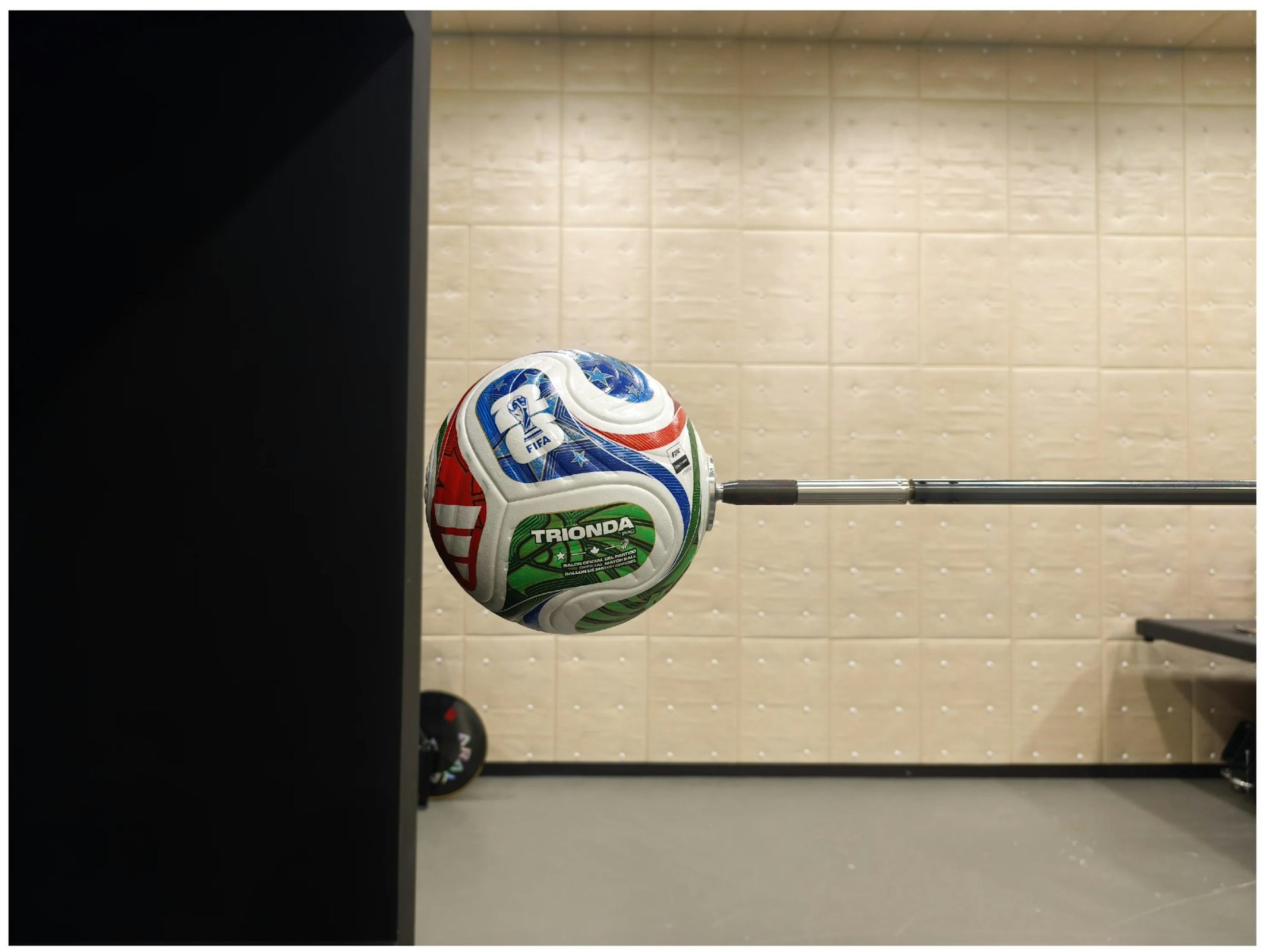
In our wind tunnel tests at the University of Tsukuba, we measured something called the drag coefficient, which is a way of describing how much air resistance a ball experiences as it moves.
在筑波大学的风洞测试中,我们测量了所谓的阻力系数(drag coefficient),这是一种描述球体在运动过程中所受到的空气阻力的方式。
Using this data, we gained insights into how the airflow changes around the ball after it is kicked. The tests helped identify the drag crisis, the speed range in which changes in the boundary layer and flow separation produce a sharp change in drag, which can alter the ball’s acceleration, trajectory and range.
利用这些数据,我们深入了解了球被踢出后气流如何围绕球体变化。这些测试有助于识别“阻力危机”(drag crisis),即在某一速度范围内,边界层和流动分离的变化导致阻力发生剧烈变化,这会改变球体的加速度、轨迹和射程。
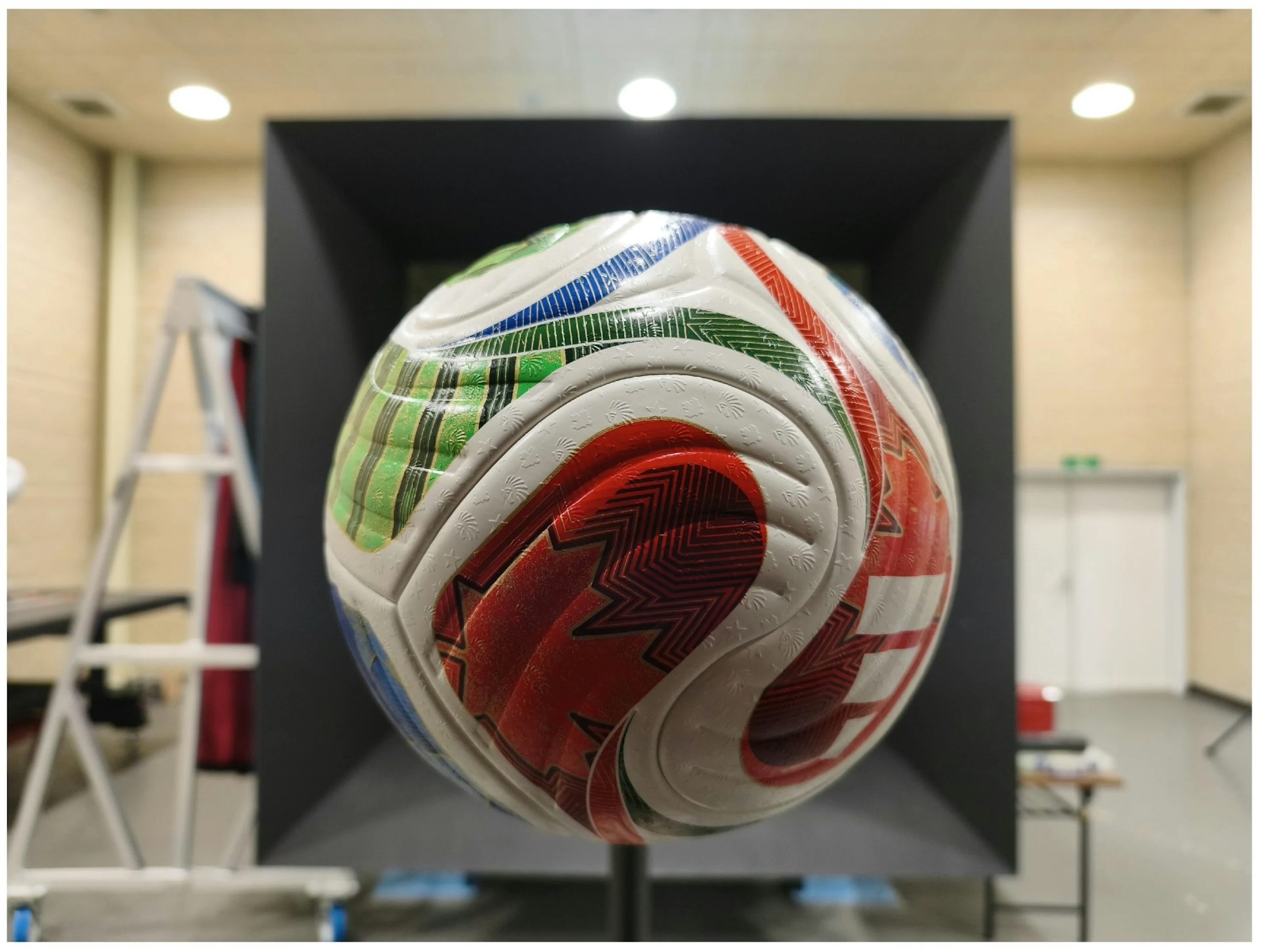
We found that the Trionda is effectively rougher than those predecessors.
我们发现Trionda比那些前代球更粗糙。
Trionda reaches its drag crisis at a lower speed, at about 27 mph (43 kph) . That is below the roughly 31-40 mph (50-65 kph) range for Al Rihla, Telstar 18 and Brazuca, and far below Jabulani’s roughly 49-60 mph (79-97 kph) range, depending on orientation.
Trionda的阻力危机发生在更低的速度下,大约27英里/小时(43公里/小时)。这低于Al Rihla、Telstar 18和Brazuca大约31-40英里/小时(50-65公里/小时)的范围,并且远低于Jabulani根据方向,大约49-60英里/小时(79-97公里/小时)的范围。
Why does all that matter? Because a ball can feel ordinary off the boot and still behave differently in flight. When the drag crisis occurs in the middle of game-relevant speeds, small changes in launch speed, orientation or spin can shift the ball from one aerodynamic regime to another.
为什么这一切很重要?因为一个球从脚上踢出时可能感觉很普通,但在飞行中表现却不同。当阻力危机发生在与比赛相关的速度范围内时,发射速度、方向或旋转的微小变化可以使球从一种空气动力学状态转变为另一种。
That was Jabulani’s problem. Once kicked with little spin, it had a tendency to slow down too much as it passed through its critical-speed range.
这就是Jabulani的问题。一旦以很少的旋转踢出,当它穿过临界速度范围时,它倾向于减速过多。
Trionda does not look like that kind of ball. It has a more steady and consistent drag coefficient in the range of speeds associated with corner kicks and free kicks.
Trionda看起来不像那种球。它在与角球和任意球相关的速度范围内,具有更稳定和一致的阻力系数。
But there is a trade-off. Our measurements also showed that once Trionda enters the higher-speed, turbulent-flow regime, its drag coefficients are somewhat larger than those of Brazuca, Telstar 18 and Al Rihla.
但存在一个权衡。我们的测量还表明,一旦Trionda进入高速、湍流气流状态,其阻力系数就比Brazuca、Telstar 18和Al Rihla的略大。
In plain language, that suggests a hard-hit long ball may lose a little range.
用简单的话来说,这表明硬踢的长传球可能会损失一点射程。
In our simulations, the difference is not huge. But it is large enough that players may notice long kicks coming up a few meters short.
在我们的模拟中,差异并不大。但它足够大,以至于球员可能会注意到长传球少了几米。
It is also important to note that we tested a nonspinning ball. As such, our results do not provide a prediction of every pass, clearance or free kick fans will see this summer. Balls in flight often spin due to off-center kicks. That, along with altitude, humidity, temperature and air pressure all influence how a ball flies through the air once kicked.
还必须指出,我们测试的是一个无旋转的球。因此,我们的结果不能预测球迷今年将看到的每一次传球、清空或任意球。飞行中的球通常由于非中心踢而旋转。这些因素,以及高度、湿度、温度和气压,都会影响球被踢出后在空气中飞行的轨迹。
The big test yet to come
即将来临的重大考验
Fewer panels and more texturing aren’t the only differences with the new ball.
较少的面板和更多的纹理并不是新球的唯一不同之处。
Trionda also carries technology that has little to do with its flight and a great deal to do with officiating. Like Al Rihla, Trionda includes “connected-ball technology” that lets computers know when the ball is kicked, helping with offside decisions.
Trionda 还携带了与飞行关系不大,而与裁判决策关系很大的技术。像 Al Rihla 一样,Trionda 包含了“连接球技术”,让计算机知道何时踢球,有助于越位判罚。
But the architecture has changed. In 2022, the measurement unit was suspended at the center of the ball. With Trionda, it sits in a specially created layer inside one panel, with counterbalancing weights in the other three panels. The chip sends data to the video assistant referee, or VAR, system and the tournament’s semi-automated offside system.
但结构已经改变。2022 年,测量单元悬挂在球的中心。在 Trionda 中,它位于一个面板内部特别创建的层中,其他三个面板中有平衡重量。芯片将数据发送给视频助理裁判(VAR)系统和锦标赛的半自动化越位系统。
That tweak will help referees, but will the new ball in general help or hinder players?
这个调整将帮助裁判,但新球总体上会帮助还是会阻碍球员?
The evidence from our tests suggests that the ball won’t be behaving in a way that leads to baffling and erratic flight.
我们测试的证据表明,球不会以导致令人困惑和不稳定的飞行方式表现出来。
But the more intriguing possibilities are subtler and outside the scope of our tests. Will the grooves on Trionda help players generate more backspin on the ball, generating more lift and possibly offsetting Trionda’s somewhat larger high-speed drag coefficient?
但更引人入胜的可能性更为微妙,超出了我们测试的范围。Trionda 上的凹槽是否能帮助球员在球上产生更多的后旋,产生更多的升力,并可能抵消 Trionda 稍大的高速阻力系数?
That is why I keep studying World Cup balls both in the lab and through their behavior in play. Every four years, a new design offers a fresh way to watch physics enter the game, not in theory, but in the movement of an object in which every player on the soccer field must place their trust.
这就是我不断研究世界杯球,既在实验室中,也通过它们在比赛中的表现。每四年,一种新的设计提供了一种新的方式来观察物理学进入比赛,不是在理论中,而是在一个物体运动中,所有足球场上的球员都必须信赖的运动中。
John Eric Goff currently works as a visitor in the Department of Physics at the University of Puget Sound in Tacoma, Washington. Following the conclusion on 30 June of that one-year appointment, he will start on 1 July as Professor of Engineering Practice in the Weldon School of Biomedical Engineering and the School of Mechanical Engineering at Purdue University.
John Eric Goff 目前在华盛顿州塔科马的普吉特声大学物理系担任访问学者。根据他一年任期的任命于 6 月 30 日结束,他将于 7 月 1 日在普渡大学的韦尔顿生物医学工程学院和机械工程学院担任工程实践教授。