伊朗的“疯狂”手段?霍尔木兹海峡的封锁,让人联想到一部几个世纪前的丹麦剧作——这对世界秩序而言,无疑是一场悲剧。
The method in Iran’s madness? Closure of Strait of Horm…
Iran’s decision to levy tolls on ships passing through the crucial choke hold has an unlikely connection to the site of Shakespeare’s ‘Hamlet.’
伊朗决定对通过该关键咽喉点的船只征收过路费,与莎士比亚《哈姆雷特》的发生地有着出人意料的关联。
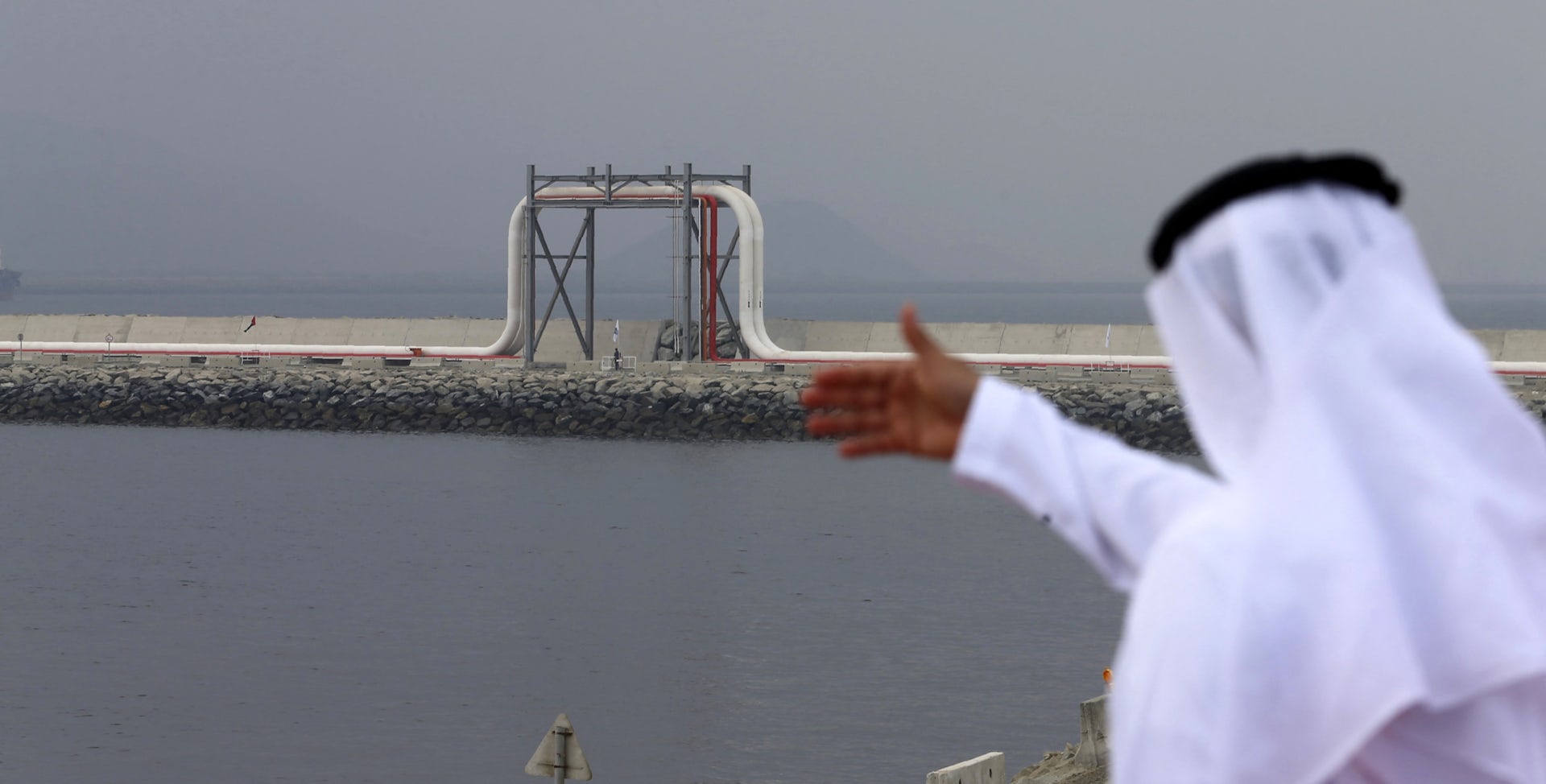
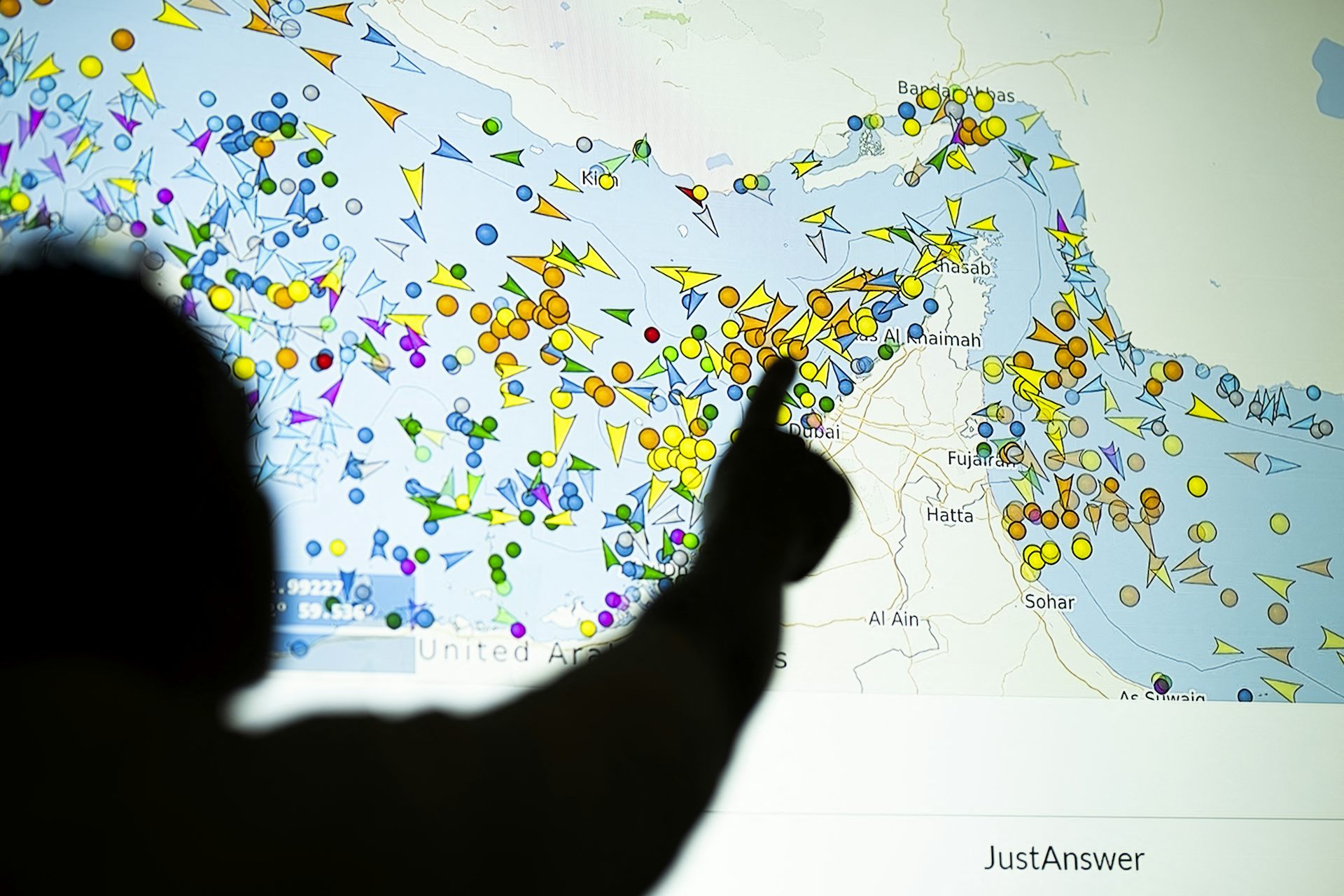
More than two months into the war in Iran, navigation through the Strait of Hormuz – the key waterway through which more than a third of the international trade in oil and gas passes – remains perilous and uncertain. Underscoring the uncertainty, on May 3, 2026, the Trump administration launched Project Freedom to help stranded ships through the strait. Yet the next day, at least two ships came under fire from Iran.
进入伊朗战争两个多月,通过霍尔木兹海峡的航行——该海峡是国际石油和天然气贸易超过三分之一的必经水道——仍然充满危险和不确定性。为了强调这种不确定性,特朗普政府于2026年5月3日启动了“自由计划”,帮助受困于海峡的船只。然而,第二天,至少有两艘船遭到了伊朗的火力攻击。
Iran began blocking the strait to navigation on Feb. 28, after the United States and Israel launched a military campaign against the country. By mid-March, Tehran was demanding tolls of up to US$2 million per vessel. In response, the U.S. imposed what President Donald Trump declared to be a “complete” maritime blockade on Iran and subsequently threatened punishing economic sanctions on any entity that pays Iran’s tolls.
伊朗在美利坚合众国和以色列对该国发动军事行动后,于2月28日开始封锁该海峡。到三月中旬,德黑兰要求每艘船支付高达200万美元的过境费。作为回应,美国宣布对伊朗实施了总统唐纳德·特朗普所称的“全面”海上封锁,并随后威胁对任何支付伊朗过境费的实体实施经济制裁。
Following Iran’s lead, other nations are now contemplating using their own leverage over crucial choke points closer to their shores. Indonesia floated a proposal to charge tolls on vessels transiting the Strait of Malacca, before walking it back. China has also issued warnings against foreign military vessels transiting the Taiwan Strait.
其他国家也效仿伊朗,正在考虑利用其在靠近海岸的关键咽喉点上的影响力。印度尼西亚曾提出对穿越马六甲海峡的船只征收过境费,但后来又撤回了该提案。中国也曾警告过外国军舰穿越台湾海峡。
These events have prompted commentators to warn of the end of a golden era of navigational freedom that the U.S. has underwritten for more than a century. But as an expert on international law, I know that attempts by nations to weaponize their leverage over crucial geographic choke points at sea and on land are nothing new. In fact, they go back at least six centuries.
这些事件促使评论人士警告称,美国为之支持了超过一个世纪的航行自由的黄金时代即将结束。但作为国际法专家,我知道,各国试图将它们在海上和陆地上关键地理咽喉点上的影响力武器化的行为,并非新鲜事。事实上,这些行为可以追溯到至少六个世纪前。
The Danish roots of sea tolls
海关税的丹麦根源
From the early 15th century until 1857, Denmark required ships passing through the narrow straits connecting the North Sea to the Baltic Sea to stop at the port city of Helsingør — or Elsinore, as Shakespeare styled it in “Hamlet” — and pay a toll before proceeding.
从15世纪初到1857年,丹麦要求所有通过连接北海和波罗的海的狭窄海峡的船只,必须停靠在海港城市赫尔辛格(Helsingør)——或如莎士比亚在《哈姆雷特》中所称的埃尔西诺(Elsinore)——并缴纳过路费才能继续航行。
At their peak, these Sound Dues generated nearly 10% of Danish national revenues. The Sound Dues rankled the maritime powers of the day, but Denmark could easily enforce them thanks to the narrowness of the Øresund Strait, which is less than 3 miles wide at Helsingør.
在鼎盛时期,这些海峡税收贡献了丹麦近10%的国库收入。海峡税收令当时的海洋强国心生不满,但由于奥雷斯运河(Øresund Strait)在赫尔辛格的狭窄程度(宽度不到3英里),丹麦可以轻松地执行这些税收。
Ultimately, they were ended not through war but through diplomacy, led in large part by a rising maritime power with a strong interest in open sea-lanes: the United States.
最终,这些税收并非通过战争结束,而是通过外交手段结束的,而这一过程在很大程度上是由一个对开放海域航道有浓厚兴趣的崛起的海上强国——美国所主导的。
Seeking to increase its trade with Prussia, in 1843 the administration of President John Tyler advised Denmark of the United States’ refusal to pay the Sound Dues because they lacked any basis in international law. Rumors swirled that the U.S. was willing to back up its refusal to pay with force.
为增加与普鲁士的贸易,1843年,美国总统约翰·泰勒(John Tyler)的政府通知丹麦,美国拒绝缴纳海峡税,因为这些税收缺乏国际法依据。谣言四起,称美国愿意用武力支持其拒绝缴税的立场。
After years of uncertainty, the fate of the Sound Dues was resolved by the Copenhagen Convention of 1857. Denmark agreed to abolish the tolls forever in exchange for a one-time, lump-sum payment from the major trading nations. The principle of free navigation of the world’s oceans has largely prevailed since then, in part as a result of subsequent U.S. efforts to exercise these freedoms against those who would restrict them.
经过多年的不确定性,海峡税的命运由1857年的哥本哈根公约解决了。丹麦同意永久废除这些过路费,以换取主要贸易国家的一次性大笔付款。自那时起,世界海洋自由航行原则在很大程度上得以确立,部分原因也是美国随后努力行使这些自由,对抗那些试图限制这些自由的国家所致。
How the law developed
法律的演变
The Danish settlement reflected a broader body of law – the law of transit – that had been evolving alongside an international system of sovereign states for centuries.
丹麦的解决方案反映了更广泛的法律体系——过境法——该法律体系在几个世纪以来一直与主权国家组成的国际体系同步发展。
Its core principle is that when convenience dictates or necessity requires, a country must allow the people, goods and vessels of other nations to pass through its territory for a journey that begins and ends elsewhere. The principle has deep roots in American and international legal history: Thomas Jefferson invoked it when negotiating with Spain, which then controlled Louisiana, to secure the United States’ right to navigate the Mississippi River.
其核心原则是,当便利要求或必要需要时,一个国家必须允许其他国家的民众、货物和船只通过其领土,进行始于和终于其他地方的旅程。这一原则在美国和国际法律史上有着深厚的根源:托马斯·杰斐逊在与西班牙(当时控制着路易斯安那)谈判时援引了这一原则,以确保美国航行密西西比河的权利。
Free transit guarantees have been a feature of every major international order since the Congress of Vienna ended the Napoleonic wars in 1815. Yet in each case, those guarantees have come under pressure as the order that produced them weakened.
自维也纳会议于1815年结束拿破仑战争以来,自由过境保障一直是每一个主要的国际秩序的特征。然而,在每一种情况下,随着产生这些保障的秩序的衰弱,这些保障都承受了压力。
Before World War I, restrictions on transit rights multiplied across Europe. The League of Nations, a precursor to today’s United Nations, made strengthening transit rights its first priority in the 1920s. But these arrangements fell apart as fascism rose across Europe and Asia and regimes from Nazi Germany to Imperial Japan denounced their international legal obligations.
第一次世界大战前,欧洲各地的过境权限制层出不穷。国际联盟(联合国的前身)在20世纪20年代将加强过境权作为其首要任务。但随着法西斯主义在欧洲和亚洲的兴起,以及从纳粹德国到日本帝国等政权宣布放弃其国际法律义务,这些安排也土崩瓦解。
The post-World War II order reaffirmed transit rights – through the law of the sea, trade agreements and the laws governing civil aviation – and for decades they held.
第二次世界大战后的秩序重申了过境权——通过海洋法、贸易协定和管理民用航空的法律——并且这种状态持续了几十年。
The International Court of Justice clarified the governing legal principle for international straits in its very first case, decided in 1949: Any body of water useful to international navigation between two open seas is open to the vessels of all nations.
国际法院在其最早审理的案件(1949年)中,阐明了国际海峡的适用法律原则:任何对两个开放海域之间国际航行有用的水域,都对所有国家的船只开放。
The U.N. Convention on the Law of the Sea, concluded in 1982, reaffirmed this rule in holding that countries may not charge tolls on vessels passing through straits within their waters. Although neither Iran nor the U.S. has ratified the convention, the U.S. accepts its provisions on navigational freedom as binding on all countries.
1982年通过的《联合国海洋法公约》重申了这一规则,指出各国不得对通过其水域海峡的船只征收过路费。尽管伊朗和美国都没有批准该公约,但美国接受其关于航行自由的规定对所有国家具有约束力。
Iran’s levying of tolls in the Strait of Hormuz violates the core legal principle that nations may not exploit advantages of geography to bilk foreigners who need to traverse their land or maritime territory. Yet the American and Israeli military campaign that provoked Iran’s response likewise violates the U.N. Charter’s rules on the use of force.
伊朗在霍尔木兹海峡征收过路费,违反了国家不得利用地理优势剥削需要穿越其陆地或海洋领土的外国人的核心法律原则。然而,美英对伊朗的军事行动,同样违反了《联合国宪章》关于使用武力的规则。
Such issues are not just limited to the Strait of Hormuz. Indeed, trade law, security commitments and the norms against the unilateral redrawing of borders are all under strain.
此类问题并不仅限于霍尔木兹海峡。事实上,贸易法、安全承诺以及反对单方面重新划定边界的规范,都在承受压力。
Seen in this larger context, China’s warnings against military passage through the Taiwan Strait and Indonesia’s trial balloon over the Malacca Strait are not isolated provocations. They are symptoms of the same underlying condition: an international order losing the shared commitment that has often made its rules enforceable.
从更宏观的背景来看,中国警告反对军事穿越台湾海峡,以及印度尼西亚在马六甲海峡进行的“试探性行动”,都不是孤立的挑衅。它们是同一潜在状况的症状:一个国际秩序正在失去其过去常使规则可执行的共同承诺。
In January 2026, Trump told The New York Times that he did not need international law and that his own moral judgment was the only constraint on American foreign policy. Around the same time, Canadian Prime Minister Mark Carney warned that the American-led international order was “fading.”
2026年1月,特朗普告诉《纽约时报》,他不需要国际法,而他自身的道德判断是美国外交政策唯一的约束。与此同时,加拿大总理马克·卡尼警告说,由美国主导的国际秩序正在“褪色”。
The Strait of Hormuz is where those trend lines are now colliding – to the detriment of billions of people around the world, and to the idea of an international order based on law rather than the naked exercise of power.
霍尔木兹海峡正是这些趋势线现在碰撞的地方——这对全球数十亿人民,以及对一个基于法律而非赤裸权力行使的国际秩序的理念,都是一种损害。
Vivek Krishnamurthy does not work for, consult, own shares in or receive funding from any company or organization that would benefit from this article, and has disclosed no relevant affiliations beyond their academic appointment.
Vivek Krishnamurthy不为任何受益于本文的公司或组织工作、咨询、持有股份或接受资金,并且除了其学术任职外,未披露任何相关隶属关系。