ईरान के पागलपन में तरीका? हॉर्मुज जलडमरूमध्य का बंद होना एक सदियों पुराने डेनिश नाटक की गूंज है – और यह विश्व व्यवस्था के लिए एक त्रासदी है।
The method in Iran’s madness? Closure of Strait of Hormuz echoes a centuries-old Danish play − and is a tragedy for the world order
Iran’s decision to levy tolls on ships passing through the crucial choke hold has an unlikely connection to the site of Shakespeare’s ‘Hamlet.’
महत्वपूर्ण चोक पॉइंट से गुजरने वाले जहाजों पर टोल लगाने का ईरान का निर्णय शेक्सपियर के ‘हैमलेट’ के स्थल से एक अप्रत्याशित संबंध रखता है।
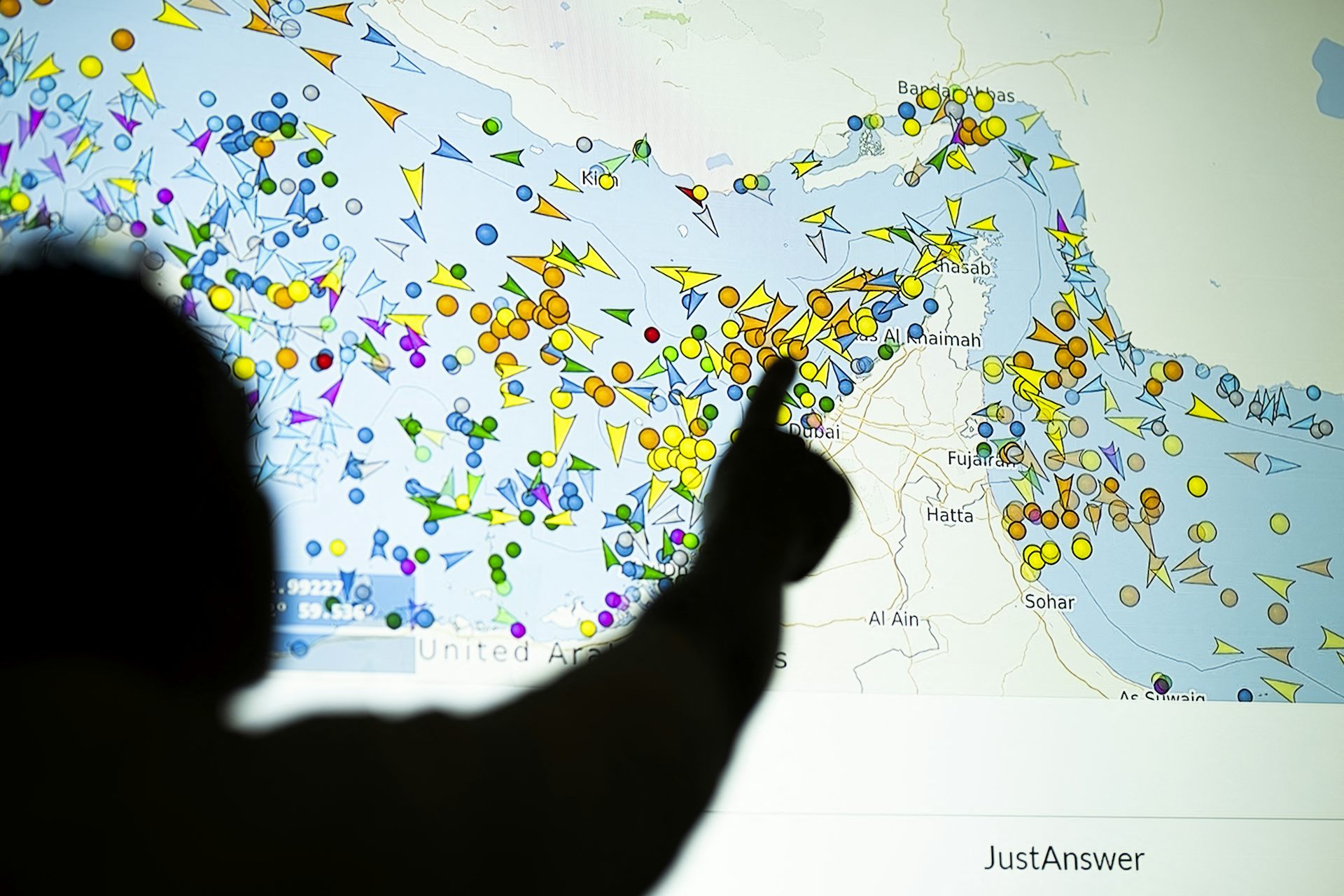
More than two months into the war in Iran, navigation through the Strait of Hormuz – the key waterway through which more than a third of the international trade in oil and gas passes – remains perilous and uncertain. Underscoring the uncertainty, on May 3, 2026, the Trump administration launched Project Freedom to help stranded ships through the strait. Yet the next day, at least two ships came under fire from Iran.
इरान में युद्ध के दो महीने से अधिक समय बाद, होर्मुज जलडमरूमध्य (Strait of Hormuz) से नेविगेशन – जो तेल और गैस के अंतर्राष्ट्रीय व्यापार का एक तिहाई से अधिक हिस्सा है – अभी भी खतरनाक और अनिश्चित बना हुआ है। इस अनिश्चितता को रेखांकित करते हुए, 3 मई, 2026 को, ट्रम्प प्रशासन ने जलडमरूमध्य से फंसे जहाजों की मदद के लिए ‘प्रोजेक्ट फ्रीडम’ (Project Freedom) शुरू किया। फिर भी, अगले ही दिन, ईरान ने कम से कम दो जहाजों पर गोलाबारी की।
Iran began blocking the strait to navigation on Feb. 28, after the United States and Israel launched a military campaign against the country. By mid-March, Tehran was demanding tolls of up to US$2 million per vessel. In response, the U.S. imposed what President Donald Trump declared to be a “complete” maritime blockade on Iran and subsequently threatened punishing economic sanctions on any entity that pays Iran’s tolls.
संयुक्त राज्य अमेरिका और इज़राइल द्वारा देश के खिलाफ सैन्य अभियान शुरू करने के बाद, ईरान ने 28 फरवरी को जलडमरूमध्य को नेविगेशन के लिए अवरुद्ध करना शुरू कर दिया। मार्च के मध्य तक, तेहरान ने प्रति जहाज 2 मिलियन अमेरिकी डॉलर तक टोल की मांग की। इसके जवाब में, अमेरिका ने राष्ट्रपति डोनाल्ड ट्रम्प द्वारा “पूर्ण” समुद्री नाकेबंदी घोषित की और बाद में किसी भी ऐसे संस्था पर आर्थिक प्रतिबंध लगाने की धमकी दी जो ईरान का टोल चुकाती है।
Following Iran’s lead, other nations are now contemplating using their own leverage over crucial choke points closer to their shores. Indonesia floated a proposal to charge tolls on vessels transiting the Strait of Malacca, before walking it back. China has also issued warnings against foreign military vessels transiting the Taiwan Strait.
ईरान के नेतृत्व में, अन्य देश अब अपने तटों के करीब महत्वपूर्ण चोक पॉइंट्स पर अपने स्वयं के प्रभाव का उपयोग करने पर विचार कर रहे हैं। इंडोनेशिया ने मलक्का जलडमरूमध्य से गुजरने वाले जहाजों पर टोल लगाने का प्रस्ताव दिया, जिसे बाद में वापस ले लिया गया। चीन ने ताइवान जलडमरूमध्य से गुजरने वाले विदेशी सैन्य जहाजों के खिलाफ भी चेतावनी जारी की है।
These events have prompted commentators to warn of the end of a golden era of navigational freedom that the U.S. has underwritten for more than a century. But as an expert on international law, I know that attempts by nations to weaponize their leverage over crucial geographic choke points at sea and on land are nothing new. In fact, they go back at least six centuries.
इन घटनाओं ने टिप्पणीकारों को चेतावनी दी है कि यह नौवहन स्वतंत्रता के स्वर्ण युग के अंत का संकेत है, जिसका समर्थन अमेरिका ने एक सदी से अधिक समय से किया है। लेकिन अंतर्राष्ट्रीय कानून के विशेषज्ञ के रूप में, मैं जानता हूँ कि समुद्र और भूमि पर महत्वपूर्ण भौगोलिक चोक पॉइंट्स पर अपने प्रभाव को हथियार बनाने के राष्ट्रों के प्रयास कुछ भी नहीं हैं। वास्तव में, ये कम से कम छह शताब्दी पुराने हैं।
The Danish roots of sea tolls
समुद्री टोल की डेनिश जड़ें
From the early 15th century until 1857, Denmark required ships passing through the narrow straits connecting the North Sea to the Baltic Sea to stop at the port city of Helsingør — or Elsinore, as Shakespeare styled it in “Hamlet” — and pay a toll before proceeding.
15वीं शताब्दी की शुरुआत से लेकर 1857 तक, डेनमार्क ने उत्तर सागर को बाल्टिक सागर से जोड़ने वाले संकरे जलडमरूमध्य से गुजरने वाले जहाजों को हेलसिंगर के बंदरगाह शहर पर रुकने और आगे बढ़ने से पहले टोल का भुगतान करने की आवश्यकता थी — या शेक्सपियर ने “हैमलेट” में जिस तरह से इसे एल्सिनोर कहा था।
At their peak, these Sound Dues generated nearly 10% of Danish national revenues. The Sound Dues rankled the maritime powers of the day, but Denmark could easily enforce them thanks to the narrowness of the Øresund Strait, which is less than 3 miles wide at Helsingør.
अपने चरम पर, इन साउंड शुल्कों ने डेनिश राष्ट्रीय राजस्व का लगभग 10% उत्पन्न किया। साउंड शुल्क उस समय की समुद्री शक्तियों को परेशान करते थे, लेकिन डेनमार्क आसानी से उन्हें लागू कर सकता था, जो ओरेसुंड जलडमरूमध्य की संकीर्णता के कारण था, जो हेलसिंगर पर 3 मील से भी कम चौड़ा है।
Ultimately, they were ended not through war but through diplomacy, led in large part by a rising maritime power with a strong interest in open sea-lanes: the United States.
अंततः, इन्हें युद्ध से नहीं, बल्कि कूटनीति से समाप्त किया गया, जिसका नेतृत्व एक उभरती समुद्री शक्ति ने किया, जिसे खुले समुद्री मार्गों में गहरी रुचि थी: संयुक्त राज्य अमेरिका।
Seeking to increase its trade with Prussia, in 1843 the administration of President John Tyler advised Denmark of the United States’ refusal to pay the Sound Dues because they lacked any basis in international law. Rumors swirled that the U.S. was willing to back up its refusal to pay with force.
प्रशिया के साथ अपने व्यापार को बढ़ाने की चाह में, 1843 में राष्ट्रपति जॉन टाइलर के प्रशासन ने डेनमार्क को सूचित किया कि संयुक्त राज्य अमेरिका साउंड शुल्क का भुगतान करने से इनकार करता है क्योंकि इसके पास अंतर्राष्ट्रीय कानून में कोई आधार नहीं था। अफवाहें उड़ीं कि अमेरिका अपने भुगतान से इनकार को बल से समर्थन देने को तैयार था।
After years of uncertainty, the fate of the Sound Dues was resolved by the Copenhagen Convention of 1857. Denmark agreed to abolish the tolls forever in exchange for a one-time, lump-sum payment from the major trading nations. The principle of free navigation of the world’s oceans has largely prevailed since then, in part as a result of subsequent U.S. efforts to exercise these freedoms against those who would restrict them.
वर्षों की अनिश्चितता के बाद, साउंड शुल्कों का भाग्य 1857 की कोपेनहेगन कन्वेंशन द्वारा तय किया गया। डेनमार्क ने प्रमुख व्यापारिक राष्ट्रों से एकमुश्त, एक बार के भुगतान के बदले में टोल को हमेशा के लिए समाप्त करने पर सहमति व्यक्त की। तब से दुनिया के महासागरों में स्वतंत्र नेविगेशन का सिद्धांत काफी हद तक कायम है, जो आंशिक रूप से उन लोगों के खिलाफ इन स्वतंत्रता का प्रयोग करने के लिए बाद के अमेरिकी प्रयासों का परिणाम है जो उन्हें प्रतिबंधित करना चाहते थे।
How the law developed
कानून का विकास कैसे हुआ
The Danish settlement reflected a broader body of law – the law of transit – that had been evolving alongside an international system of sovereign states for centuries.
डेनिश निपटान ने कानून के एक व्यापक निकाय को दर्शाया – पारगमन का कानून – जो सदियों से संप्रभु राज्यों की एक अंतर्राष्ट्रीय प्रणाली के साथ विकसित हो रहा था।
Its core principle is that when convenience dictates or necessity requires, a country must allow the people, goods and vessels of other nations to pass through its territory for a journey that begins and ends elsewhere. The principle has deep roots in American and international legal history: Thomas Jefferson invoked it when negotiating with Spain, which then controlled Louisiana, to secure the United States’ right to navigate the Mississippi River.
इसका मूल सिद्धांत यह है कि जब सुविधा निर्धारित करती है या आवश्यकता होती है, तो एक देश को अन्य राष्ट्रों के लोगों, सामान और जहाजों को अपने क्षेत्र से गुज़रने देना चाहिए, जो कहीं और शुरू होकर कहीं और समाप्त होता है। इस सिद्धांत की जड़ें अमेरिकी और अंतर्राष्ट्रीय कानूनी इतिहास में गहरी हैं: थॉमस जेफरसन ने संयुक्त राज्य अमेरिका के मिसीसिपी नदी पर नेविगेट करने के अधिकार को सुरक्षित करने के लिए स्पेन के साथ बातचीत करते समय इसका आह्वान किया था, जो उस समय लुइसियाना को नियंत्रित करता था।
Free transit guarantees have been a feature of every major international order since the Congress of Vienna ended the Napoleonic wars in 1815. Yet in each case, those guarantees have come under pressure as the order that produced them weakened.
मुक्त पारगमन गारंटी हर प्रमुख अंतर्राष्ट्रीय व्यवस्था की विशेषता रही हैं, जब 1815 में वियना कांग्रेस ने नेपोलियन युद्धों को समाप्त किया।
Before World War I, restrictions on transit rights multiplied across Europe. The League of Nations, a precursor to today’s United Nations, made strengthening transit rights its first priority in the 1920s. But these arrangements fell apart as fascism rose across Europe and Asia and regimes from Nazi Germany to Imperial Japan denounced their international legal obligations.
प्रथम विश्व युद्ध से पहले, यूरोप भर में पारगमन अधिकारों पर प्रतिबंध बढ़ गए। राष्ट्र संघ, जो आज के संयुक्त राष्ट्र का अग्रदूत था, ने 1920 के दशक में पारगमन अधिकारों को मजबूत करना अपनी पहली प्राथमिकता बनाया। लेकिन ये व्यवस्थाएं ढह गईं क्योंकि यूरोप और एशिया में फासीवाद बढ़ा और नाजी जर्मनी से लेकर इंपीरियल जापान तक के शासन ने अपने अंतर्राष्ट्रीय कानूनी दायित्वों का खंडन किया।
The post-World War II order reaffirmed transit rights – through the law of the sea, trade agreements and the laws governing civil aviation – and for decades they held.
द्वितीय विश्व युद्ध के बाद की व्यवस्था ने पारगमन अधिकारों की पुष्टि की – समुद्री कानून, व्यापार समझौतों और नागरिक उड्डयन को नियंत्रित करने वाले कानूनों के माध्यम से – और दशकों तक वे कायम रहे।
The International Court of Justice clarified the governing legal principle for international straits in its very first case, decided in 1949: Any body of water useful to international navigation between two open seas is open to the vessels of all nations.
अंतर्राष्ट्रीय न्यायालय ने अपने पहले ही मामले में, जो 1949 में तय किया गया था, अंतर्राष्ट्रीय जलडमरूमध्य के लिए शासी कानूनी सिद्धांत को स्पष्ट किया: दो खुले समुद्रों के बीच अंतर्राष्ट्रीय नेविगेशन के लिए उपयोगी कोई भी जल निकाय सभी राष्ट्रों के जहाजों के लिए खुला है।
The U.N. Convention on the Law of the Sea, concluded in 1982, reaffirmed this rule in holding that countries may not charge tolls on vessels passing through straits within their waters. Although neither Iran nor the U.S. has ratified the convention, the U.S. accepts its provisions on navigational freedom as binding on all countries.
1982 में संपन्न यू.एन कन्वेंशन ऑन द लॉ ऑफ द सी ने इस नियम की पुष्टि की, यह मानते हुए कि देश अपने जल के भीतर जलडमरूमध्य से गुजरने वाले जहाजों पर टोल नहीं लगा सकते। हालांकि ईरान या अमेरिका ने कन्वेंशन की पुष्टि नहीं की है, अमेरिका ने नेविगेशनल स्वतंत्रता पर इसके प्रावधानों को सभी देशों के लिए बाध्यकारी स्वीकार किया है।
Iran’s levying of tolls in the Strait of Hormuz violates the core legal principle that nations may not exploit advantages of geography to bilk foreigners who need to traverse their land or maritime territory. Yet the American and Israeli military campaign that provoked Iran’s response likewise violates the U.N. Charter’s rules on the use of force.
हॉर्मुज जलडमरूमध्य में टोल लगाना एक मौलिक कानूनी सिद्धांत का उल्लंघन करता है कि राष्ट्र भूगोल के लाभों का उपयोग विदेशी लोगों को लूटने के लिए नहीं कर सकते जिन्हें उनके भूमि या समुद्री क्षेत्र को पार करने की आवश्यकता होती है। फिर भी, अमेरिकी और इजरायली सैन्य अभियान जिसने ईरान की प्रतिक्रिया को उकसाया, वह भी बल के उपयोग पर यू.एन चार्टर के नियमों का उल्लंघन करता है।
Such issues are not just limited to the Strait of Hormuz. Indeed, trade law, security commitments and the norms against the unilateral redrawing of borders are all under strain.
ऐसे मुद्दे केवल हॉर्मुज जलडमरूमध्य तक सीमित नहीं हैं।
Seen in this larger context, China’s warnings against military passage through the Taiwan Strait and Indonesia’s trial balloon over the Malacca Strait are not isolated provocations. They are symptoms of the same underlying condition: an international order losing the shared commitment that has often made its rules enforceable.
इस व्यापक संदर्भ में, ताइवान जलडमरूमध्य से सैन्य मार्ग के खिलाफ चीन की चेतावनी और मलक्का जलडमरूमध्य पर इंडोनेशिया का परीक्षण गुब्बारा अलग-थलग उकसावे नहीं हैं। वे एक ही अंतर्निहित स्थिति के लक्षण हैं: एक अंतर्राष्ट्रीय व्यवस्था जो साझा प्रतिबद्धता खो रही है जिसने अक्सर इसके नियमों को लागू करने योग्य बनाया है।
In January 2026, Trump told The New York Times that he did not need international law and that his own moral judgment was the only constraint on American foreign policy. Around the same time, Canadian Prime Minister Mark Carney warned that the American-led international order was “fading.”
जनवरी 2026 में, ट्रम्प ने द न्यूयॉर्क टाइम्स को बताया कि उन्हें अंतर्राष्ट्रीय कानून की आवश्यकता नहीं है और कि उनका अपना नैतिक निर्णय अमेरिकी विदेश नीति पर एकमात्र प्रतिबंध है। लगभग उसी समय, कनाडाई प्रधानमंत्री मार्क कारनी ने चेतावनी दी कि अमेरिकी नेतृत्व वाली अंतर्राष्ट्रीय व्यवस्था “फीकी पड़ रही है।”
The Strait of Hormuz is where those trend lines are now colliding – to the detriment of billions of people around the world, and to the idea of an international order based on law rather than the naked exercise of power.
हॉर्मुज जलडमरूमध्य वह जगह है जहाँ वे रुझान रेखाएँ अब टकरा रही हैं – दुनिया भर के अरबों लोगों के लिए नुकसानदेह, और कानून पर आधारित अंतर्राष्ट्रीय व्यवस्था के विचार के लिए, न कि शक्ति के नंगे प्रयोग पर।
Vivek Krishnamurthy does not work for, consult, own shares in or receive funding from any company or organization that would benefit from this article, and has disclosed no relevant affiliations beyond their academic appointment.
विवेक कृष्णमूर्ति किसी भी कंपनी या संगठन के लिए काम नहीं करते हैं, न ही उनके पास शेयर हैं या उन्हें फंडिंग मिलती है जो इस लेख से लाभान्वित होगी, और उन्होंने अपने अकादमिक पद से परे कोई प्रासंगिक जुड़ाव प्रकट नहीं किया है।
Read more
-

विश्व कप में एआई: बेहतर रणनीति, स्वस्थ खिलाड़ी, सुरक्षित भीड़ – लेकिन नए जोखिम
AI at the World Cup: smarter tactics, healthy players, safer crowds – but new risks
-
‘दहाड़ते शेरों से कोई डर नहीं’: ईरान का बाहर के आक्रामक शक्तियों के खिलाफ मजबूती से खड़े रहने का लंबा इतिहास रहा है
‘No fear of roaring lions’: Iran has a long history of standing firm against outside aggressors