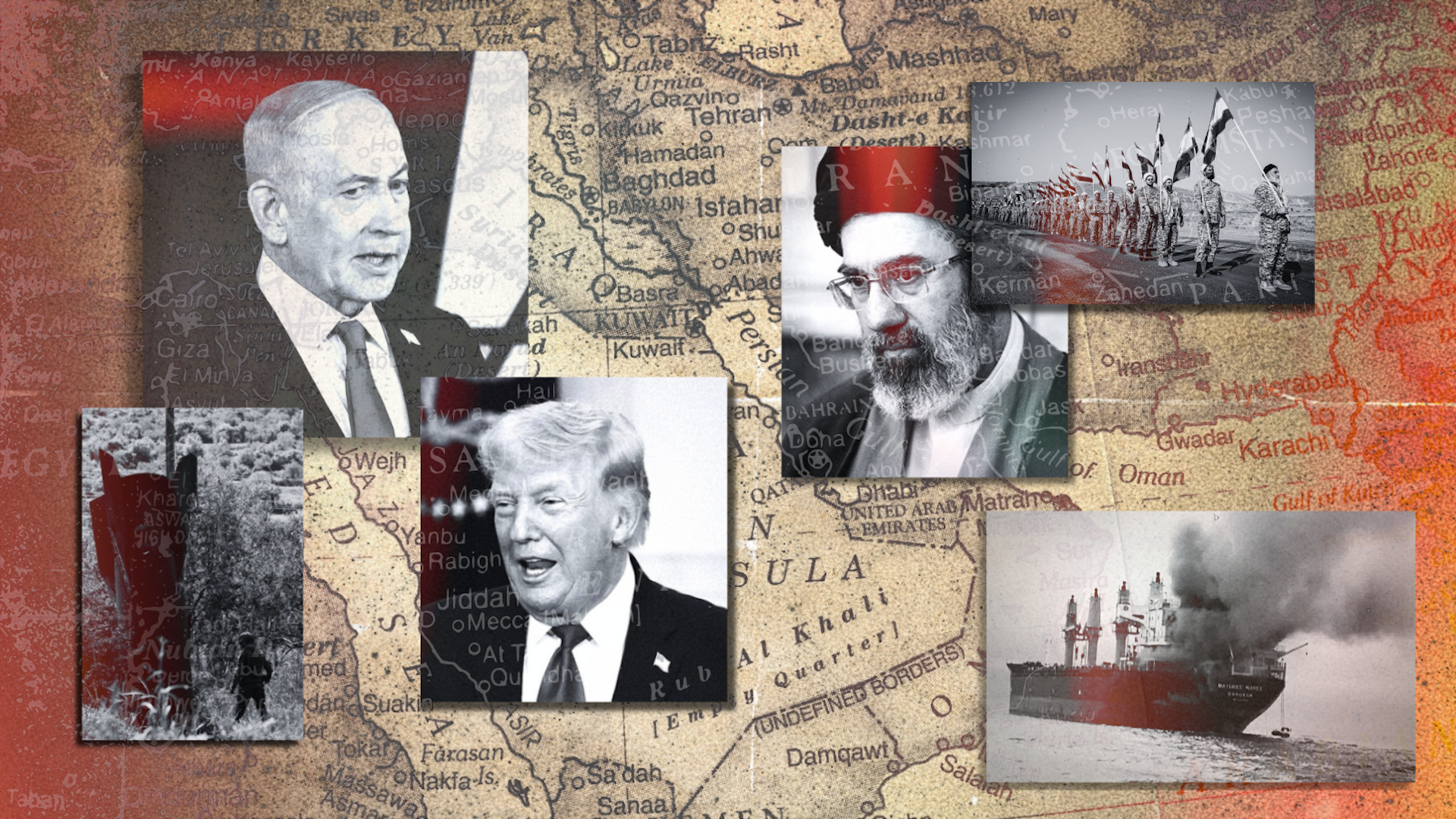
海湾国家的合作长期以来一直受到伊朗威胁的影响——但其展现的团结掩盖了分裂
Gulf state cooperation has long been shaped by the thre…
The Gulf Cooperation Council was formed after the Iranian Revolution of 1979. Since then, GCC members have tried different strategies to contend with Tehran.
海湾合作委员会是在1979年伊朗革命之后成立的。从那时起,GCC成员国就尝试了不同的策略来应对德黑兰。
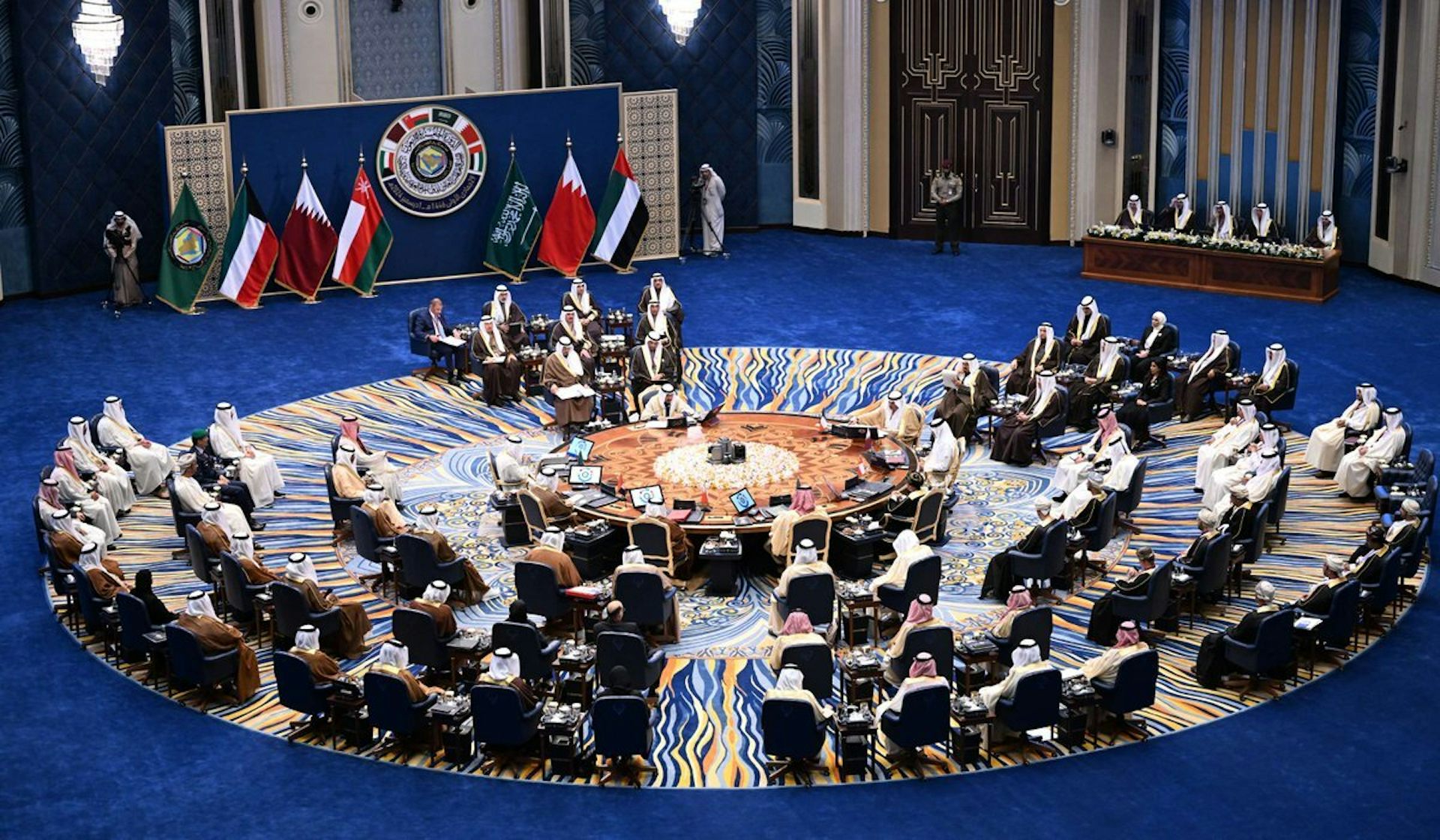
Arab Gulf countries, battered economically and physically by the war with Iran, were keen to put on a united front at a key regional meeting on April 28, 2026.
阿拉伯海湾国家在与伊朗的战争中在经济和军事上遭受重创,因此非常渴望在2026年4月28日举行的关键区域会议上展现出统一战线。
Gathering in the Saudi city Jeddah, representatives of the Gulf Cooperation Council warned the Iranian government in Tehran that an attack on any one of its six members would be taken as an attack on all. Rejecting Iran’s claims to control of the Strait of Hormuz, Qatari Emir Sheikh Tamim bin Hamad Al Thani later described the summit as embodying “the unified Gulf stance” over the conflict.
在沙特城市吉达召开的会议上,海湾合作委员会的代表警告伊朗德黑兰政府,攻击其任何一个成员国,都将被视为攻击所有成员国。卡塔尔埃米尔谢赫·塔米姆·本·哈马德·阿勒塔尼拒绝了伊朗对霍尔木兹海峡的控制主张,随后将此次峰会描述为体现了海湾地区对冲突的“统一立场”。
The show of togetherness may seem at odds with other recent developments that have seen members of the GCC split over policy and vision for the region – not least the United Arab Emirate’s decision to quit the oil cartel OPEC.
这种团结的表象,可能与近期一些发展相悖,这些发展包括海湾合作委员会成员国在区域政策和愿景上的分歧——其中最显著的便是阿拉伯联合酋长国决定退出石油卡特尔欧佩克。
But to followers of Gulf politics, like myself, the scene felt familiar. Time and again, Iran has accomplished what no outside mediator could: It has pushed divided Gulf Arab states together. When tensions rise, the monarchies of the GCC – Bahrain, Qatar, UAE, Saudi Arabia, Kuwait and Oman – tend to stand united, at least publicly.
但对于像我这样的海湾政治观察者来说,这一场景感觉很熟悉。伊朗一次又一次地做到了任何外部调解人都无法做到的事情:它将分裂的海湾阿拉伯国家团结了起来。当紧张局势升级时,海湾合作委员会的君主国——巴林、卡塔尔、阿联酋、沙特阿拉伯、科威特和阿曼——往往倾向于保持统一,至少是在公开场合是如此。
From revolution to coordination
从革命到协调
The modern Gulf security environment was profoundly shaped by the 1979 Iranian Revolution.
现代海湾的安全环境深受1979年伊朗革命的影响。
Iran shares a narrow and strategically vital waterway with the Gulf states but has long differed in identity and outlook. Specifically, Iran’s Shiite revolutionary model contrasts with the Sunni-led monarchies across the region.
伊朗与海湾国家共享一条狭窄但具有战略重要性的水道,但其身份和前景长期以来一直有所不同。具体来说,伊朗的什叶派革命模式与该地区以逊尼派为主导的君主制国家形成了鲜明对比。
Before 1979, when Iran was ruled by Shah Mohammad Reza Pahlavi Iran and Saudi Arabia, the largest of the Sunni Arab Gulf states, were regarded by Washington as “twin pillars,” protecting American interests in the Middle East. Their relationship was cooperative, but not close.
在1979年之前,伊朗由巴赫拉维沙阿统治时期,伊朗和沙特阿拉伯——海湾最大的逊尼派阿拉伯国家——曾被华盛顿视为“双支柱”,负责保护美国在中东的利益。它们的关系是合作的,但并非亲密的。
Then the emergence of the Islamic Republic after the revolution in 1979 introduced a new kind of regional actor – one defined not only by state power but also by Shiite ideological ambition.
随后,1979年革命后伊斯兰共和国的出现,引入了一种新型的区域行为体——这种行为体不仅由国家权力定义,也由什叶派的意识形态抱负所定义。
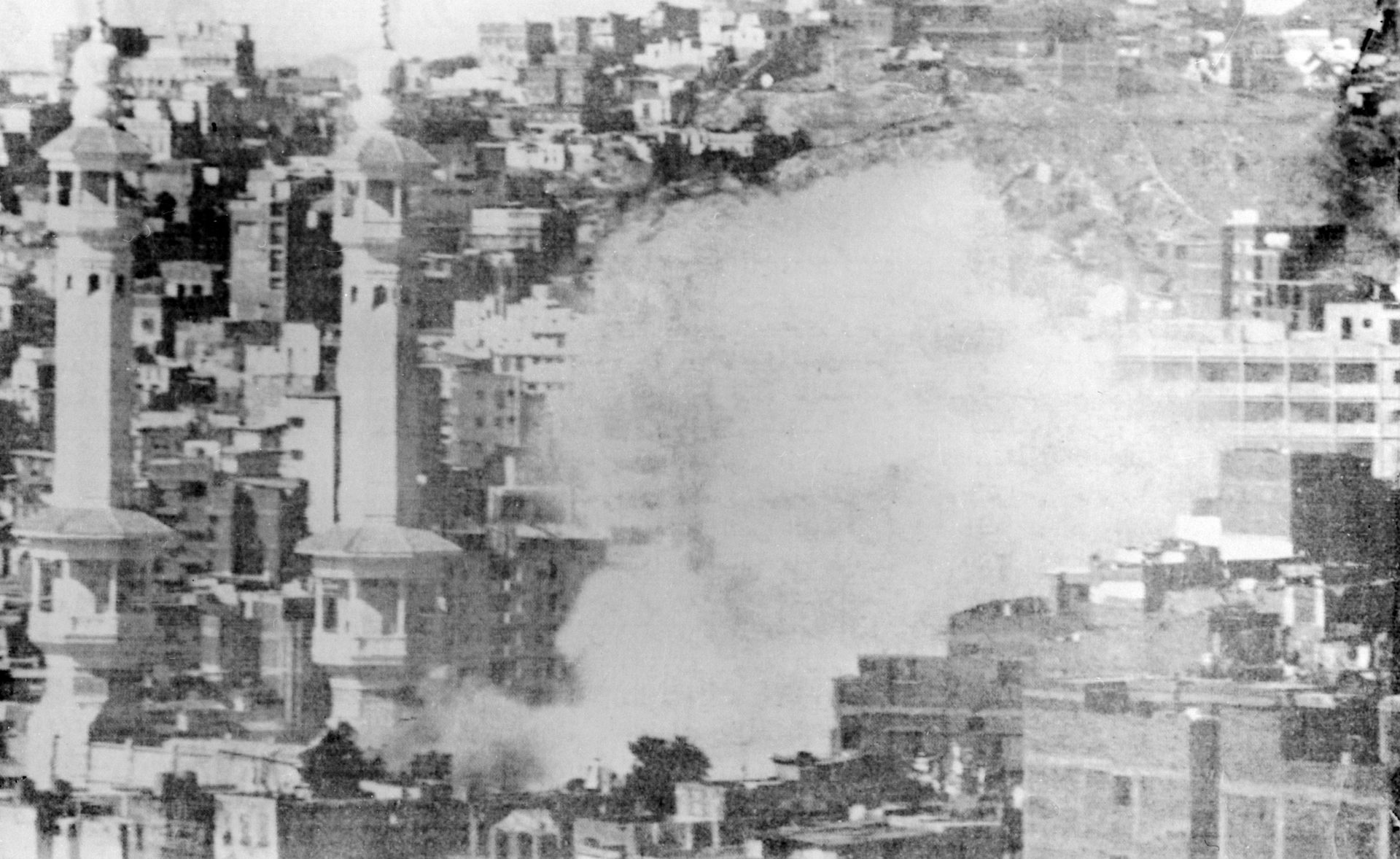
Gulf monarchies’ concern over both external security and internal stability was reinforced by the 1979 Grand Mosque seizure in Saudi Arabia, when Islamist militants seized Islam’s holiest site. The event, alongside Iran’s revolution, exposed the vulnerability of Gulf regimes to religiously driven upheaval.
海湾君主国对外部安全和内部稳定的担忧,因1979年伊斯兰主义激进分子在沙特阿拉伯夺取伊斯兰最神圣地点的事件而加剧。这一事件,连同伊朗革命,暴露了海湾政权容易受到宗教驱动的动荡的脆弱性。
In response to this revolution ideology, Bahrain, Kuwait, Oman, Qatar, Saudi Arabia and the UAE established the GCC in 1981. Although officially framed as a platform for economic and political cooperation, the organization also reflected shared security concerns and Arab identity.
为了应对这种革命意识形态,巴林、科威特、阿曼、卡塔尔、沙特阿拉伯和阿联酋于1981年建立了海湾合作委员会(GCC)。尽管官方将其定位为经济和政治合作平台,但该组织也反映了共同的安全担忧和阿拉伯身份认同。
But unity had limits. Member states did not all view threats to their respective regimes in the same way.
但统一性存在局限。成员国对各自政权面临的威胁的看法并非一致。
Saudi Arabia worried about U.S. pressure for reforms; Kuwait feared neighboring Iraq; Bahrain was concerned about Iran’s influence over its own Shiite population; and the UAE worried about both Iran and its own large foreign workforce. Meanwhile, Oman and Qatar followed a more independent or balanced approach.
沙特阿拉伯担心美国的改革压力;科威特担心邻国伊拉克;巴林担心伊朗对其本国什叶派人口的影响;而阿联酋则同时担心伊朗和自身庞大的外籍劳动力。与此同时,阿曼和卡塔尔采取了更独立或更平衡的做法。
These differences would shape the trajectory of the GCC, and Arab Gulf states’ relationship with Tehran.
这些差异塑造了海湾合作委员会的轨迹,以及阿拉伯海湾国家与德黑兰的关系。
The eight-year Iran–Iraq War, which began in 1980, brought to the fore fears of Iran’s influence across the region. While Oman declared neutrality, other GCC states supported Iraq by funneling billions of dollars to the regime of Saddam Hussein.
始于1980年的八年伊拉克战争,使地区对伊朗影响的担忧浮出水面。虽然阿曼宣布保持中立,但其他海湾合作委员会国家通过向萨达姆政权输送数十亿美元的方式支持了伊拉克。
This revealed an early pattern: Gulf states could coordinate politically, but avoided acting as a single strategic bloc. The GCC broadly favored Iraq as a counterweight to Iran, but there was no unified strategy or formal policy.
这揭示了一个早期模式:海湾国家可以在政治上进行协调,但避免作为一个单一的战略集团行动。海湾合作委员会普遍支持伊拉克作为对伊朗的制衡力量,但缺乏统一的战略或正式政策。
Security dependence
安全依赖
The Iraqi invasion of Kuwait in 1990 reshaped the region’s security structure again. In early 1991, the move prompted a U.S.-led coalition, including Saudi Arabia and other Gulf states, to expel Iraqi forces. Saudi Arabia’s role was especially significant: It not only hosted coalition forces but also actively participated militarily – marking one of the first major episodes in which a GCC state was directly involved in the defense of another member.
1990年伊拉克入侵科威特再次重塑了该地区的安全结构。1991年初,这一举动促使一个由美国主导的联盟——包括沙特阿拉伯和其他海湾国家——驱逐了伊拉克军队。沙特阿拉伯的作用尤为重要:它不仅托管了联盟部队,还积极参与了军事行动,这标志着海湾合作委员会国家首次直接参与了另一个成员国的防务。
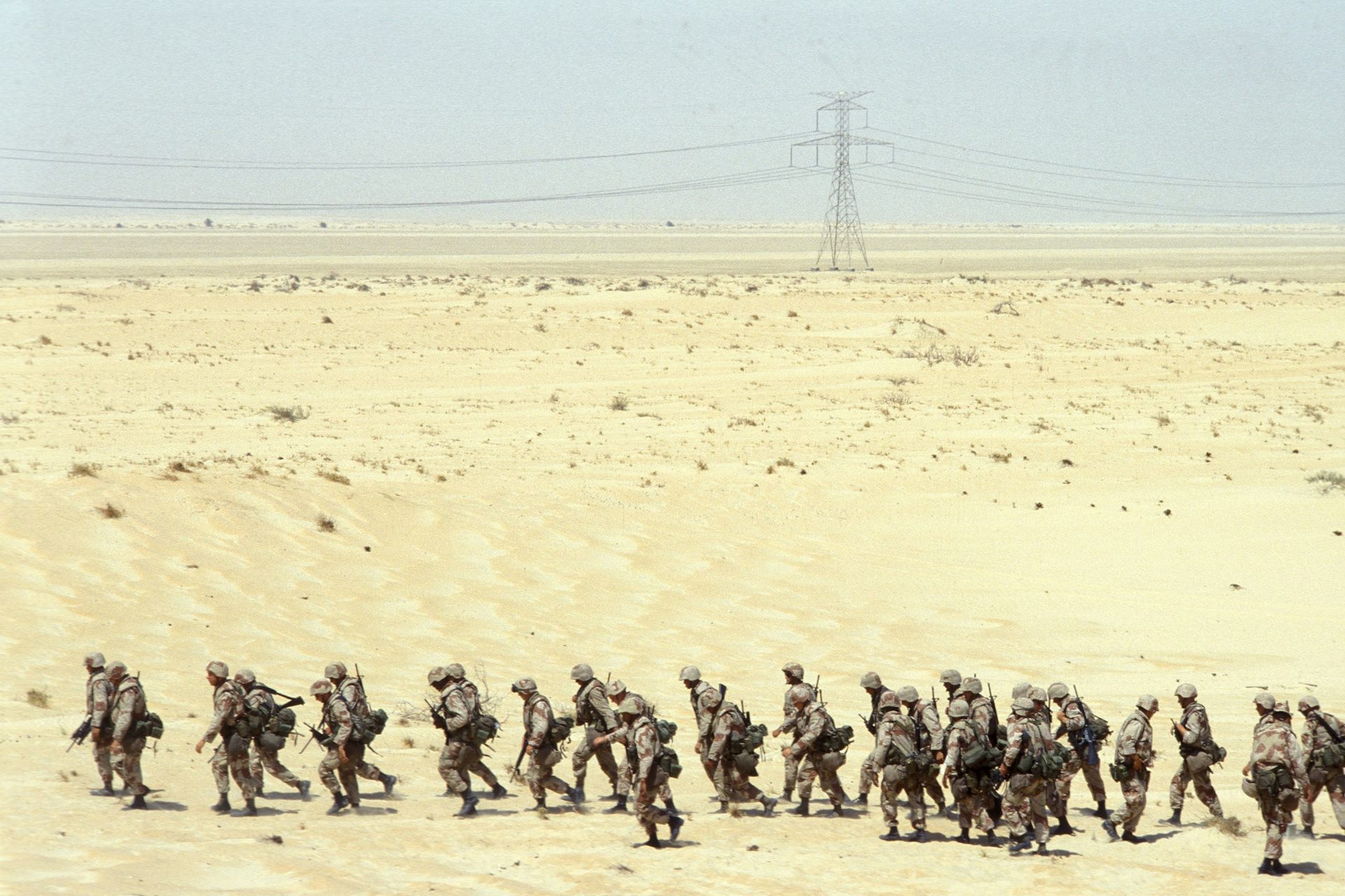
During – and especially after – the Gulf War, GCC states deepened their reliance on the United States, agreeing to host U.S. military bases and expanding long-term defense cooperation.
在海湾战争期间,尤其是在战后,海湾合作委员会国家加深了对美国的依赖,同意驻扎美国军事基地并扩大了长期防务合作。
This external security umbrella provided a measure of stability, but it also introduced new differences. While Saudi Arabia, Kuwait, the UAE and Bahrain aligned more closely with Washington’s strategic framework, others – notably Oman and Qatar – maintained a more flexible approach. As a result, the appearance of unity coexisted with growing variation in national strategies.
这种外部安全保护伞提供了一定程度的稳定,但也引入了新的差异。虽然沙特阿拉伯、科威特、阿联酋和巴林更紧密地与华盛顿的战略框架接轨,但其他国家——特别是阿曼和卡塔尔——则保持了更灵活的做法。因此,表面上的统一与国家战略日益分化并存。
This pattern has continued in recent years, significantly through diplomatic moves to normalize ties with Israel under the Abraham Accords. While the UAE and Bahrain moved quickly to formalize ties with Israel, others remained more cautious.
近年来,这一模式持续存在,尤其体现在通过“亚伯拉罕协议”等外交举措,推动与以色列关系正常化。虽然阿联酋和巴林迅速推进了与以色列的正式关系,但其他国家仍保持了更多谨慎的态度。
The effort to contain Iran
遏制伊朗的努力
When it comes to combating Iranian influence, GCC states have long played different roles.
在对抗伊朗影响力的方面,海湾合作委员会国家长期扮演着不同的角色。
Oman has consistently acted as a mediator, maintaining open channels with Tehran and facilitating quiet diplomacy — including back-channel talks between Iran and Western states.
阿曼一直充当调解人,与德黑兰保持开放渠道,并促进秘密外交——包括伊朗与西方国家之间的秘密渠道对话。
Qatar also kept communication open, partly because of shared economic interests with Iran – particularly the management of the North Field/South Pars gas reserve.
卡塔尔也保持了沟通畅通,部分原因在于其与伊朗拥有共同的经济利益——特别是北油田/南帕斯天然气储备的管理。
Saudi Arabia and the UAE, by contrast, have generally taken a more cautious and at times confrontational stance toward Iran. Both view Iran as a regional competitor and a source of security concerns, particularly due to Tehran’s missile program and its support for ideologically opposed non-state actors.
相比之下,沙特阿拉伯和阿联酋通常对伊朗采取了更为谨慎,有时甚至是对抗性的立场。两国都视伊朗为地区竞争者和安全担忧的来源,特别是由于德黑兰的导弹计划及其对意识形态上对立的非国家行为体的支持。
This contrasting approach to Iran across the GCC allows different states to engage Tehran through multiple channels, but it also makes it harder to form a consistent, unified GCC strategy.
这种海湾合作委员会国家对伊朗不同的方针,使得各国能够通过多个渠道与德黑兰互动,但也使得制定一致、统一的海湾合作委员会战略变得更加困难。
A changing regional balance
区域平衡的变化
The 2003 Iraq War marked a turning point in the GCC-Iran dynamic. The removal of Iraq as a regional counterweight allowed Iran to expand its influence.
2003年伊拉克战争标志着海湾合作委员会与伊朗关系的一个转折点。伊拉克作为区域制衡力量的移除,使得伊朗得以扩大其影响力。
And this development sharpened divisions within the GCC.
这一发展加剧了海湾合作委员会内部的分歧。
Saudi Arabia and the UAE increasingly viewed Iran as a direct strategic threat requiring containment. Qatar and Oman, however, emphasized dialogue and mediation.
沙特阿拉伯和阿联酋日益将伊朗视为需要遏制的直接战略威胁。然而,卡塔尔和阿曼则强调对话和调解。
These differences became more visible during the Qatar diplomatic crisis of 2017. The dispute centered around Qatar’s support for Islamist political groups such as the Muslim Brotherhood, considered a terrorist organization by the UAE and Saudi Arabia.
这些分歧在2017年的卡塔尔外交危机期间变得更加明显。这场争端围绕卡塔尔对穆斯林兄弟会等伊斯兰政治团体的支持展开,该组织被阿联酋和沙特阿拉伯视为恐怖组织。
Saudi Arabia, the UAE and Bahrain severed diplomatic ties with Qatar and imposed a full air, land and sea blockade in June 2017. The three nations accused Qatar of supporting extremist groups and maintaining close ties with Iran. Isolated, Qatar relied on Iran for airspace, trade routes and supplies, strengthening the relationship between the countries. The blockade eventually ended in January 2021, when the parties signed a declaration restoring diplomatic and trade relations at a GCC summit in Saudi Arabia.
沙特阿拉伯、阿联酋和巴林于2017年6月与卡塔尔断绝了外交关系,并实施了全面的空、陆、海封锁。这三个国家指责卡塔尔支持极端组织并与伊朗保持密切关系。在孤立之下,卡塔尔不得不依赖伊朗的领空、贸易路线和物资,从而加强了两国关系。最终,封锁于2021年1月结束,当时各方在沙特阿拉伯举行的海湾合作委员会峰会上签署了一份恢复外交和贸易关系的宣言。
GCC under attack
海湾合作委员会遭受攻击
The series of events that began with the Oct. 7, 2023, attack by Iranian-backed Hamas in Israel shook up GCC relations with Tehran.
从2023年10月7日伊朗支持的哈马斯在以色列发动的袭击开始的一系列事件,动摇了海湾合作委员会与德黑兰的关系。
In June 2025, in response to the U.S.-Israeli attack on Iran, Tehran struck a U.S. base in Qatar – the first such attack on a GCC state by Tehran.
2025年6月,为回应美以对伊朗的袭击,德黑兰袭击了卡塔尔的一个美军基地——这是德黑兰首次攻击海湾合作委员会成员国。
At an extraordinary meeting in Doha, Qatar’s capital, GCC members pledged full solidarity with Qatar and strongly condemned the Iranian attack.
在卡塔尔首都多哈的一次特别会议上,海湾合作委员会成员承诺对卡塔尔表示完全的团结,并强烈谴责了伊朗的袭击。
But it was not enough to prevent Iran from attacking all six GCC states in response to the ongoing conflict begun in February 2026 by U.S. and Israel.
但这不足以阻止伊朗对所有六个海湾合作委员会成员国发动袭击,以回应美和以色列于2026年2月开始的持续冲突。
The subsequent closure of the Strait of Hormuz, affecting 20% of global oil supplies, has sparked what many see as the biggest crisis in the Gulf since the inception of the GCC.
随后霍尔木兹海峡的关闭,影响了全球20%的石油供应,引发了许多人认为自海湾合作委员会成立以来最大的海湾危机。
The GCC responded by emphasizing collective security and unity. But yet again, the public show of togetherness masks divergent views on how to respond. When the war ends, each state will likely return to its own strategic and foreign policy approach.
海湾合作委员会通过强调集体安全和团结来回应。但再一次,公开的团结姿态掩盖了关于如何应对的不同观点。当战争结束时,每个国家可能会回归其自身的战略和外交政策方针。
Understanding the pattern
理解模式
Since 1979, Tehran’s actions in the Gulf region have exposed two parallel developments. On the surface, there are shared concerns among GCC members and public shows of unity. But underneath this facade of unity, each state has continued to develop its own national priorities and risk tolerance.
自1979年以来,德黑兰在海湾地区的行动暴露了两个平行的发展趋势。表面上看,海湾合作委员会(GCC)成员国之间存在共同的担忧和公开的团结姿态。但在这种团结的表象之下,每个国家都在持续发展其自身的国家优先事项和风险承受能力。
The combination of these two factors helps explain why the GCC often appears unified during crises, while remaining internally divided over how to respond to them.
这两种因素的结合有助于解释为什么海湾合作委员会在危机时期经常显得团结一致,但同时在如何应对危机的问题上却存在内部分歧。
Rather than viewing the GCC as a fully cohesive bloc, it may be more accurate to see it as a framework where cooperation and disagreement coexist.
与其将海湾合作委员会视为一个完全凝聚的集团,不如将其视为一个合作与分歧共存的框架。
Firmesk Rahim does not work for, consult, own shares in or receive funding from any company or organization that would benefit from this article, and has disclosed no relevant affiliations beyond their academic appointment.
Firmesk Rahim不为任何可能从本文中受益的公司或组织工作、提供咨询、拥有股份或接受资金,并且除了其学术任命之外,未披露任何相关隶属关系。