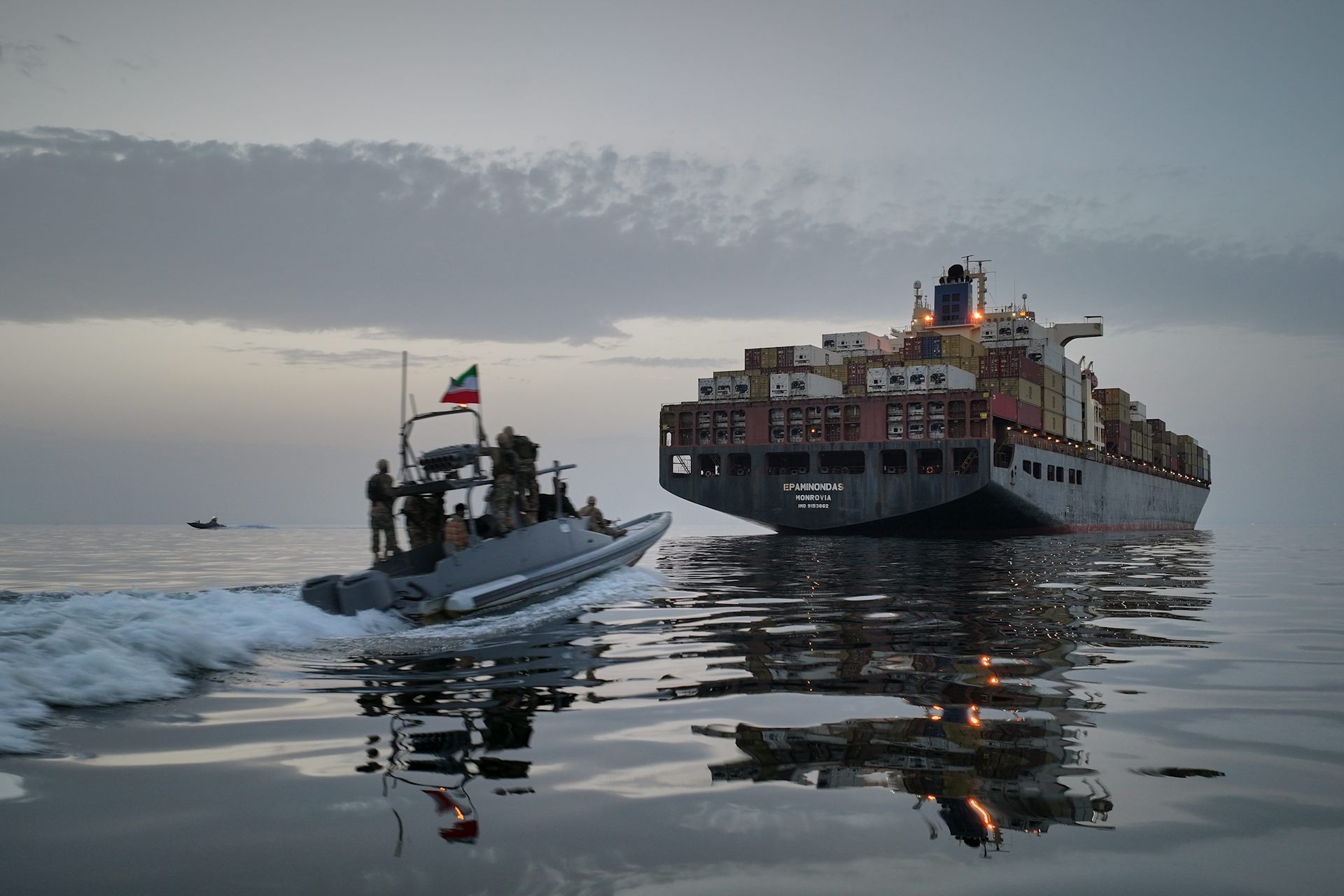
يواجه عشرون ألف بحار عالق في مضيق هرمز مخاوف الصواريخ والإرهاق والعزلة
20,000 stranded seafarers in the Strait of Hormuz face missile fears, exhaustion and isolation
Even at the best of times, most seafarers face extremely difficult working conditions, while contending with geopolitical crises and unpredictable trade cycles.
حتى في أفضل الأوقات، يواجه معظم البحارة ظروف عمل صعبة للغاية، بينما يتصارعون مع الأزمات الجيوسياسية ودورات التجارة غير المتوقعة.
As the closure of the Strait of Hormuz drags on, the United Nations’ International Maritime Organization has sounded the alarm over a related humanitarian crisis: the plight of the crew stuck on ships at or near the strait.
مع استمرار إغلاق مضيق هرمز، أطلقت المنظمة البحرية الدولية التابعة للأمم المتحدة ناقوس الخطر بشأن أزمة إنسانية مرتبطة: محنة الطواقم العالقة على متن السفن في المضيق أو بالقرب منه.
Up to 20,000 seafarers on 2,000 vessels remain stranded in and around the strait, enduring a combination of physical danger and psychological stress typical of combat zones.
لا يزال ما يصل إلى 20,000 بحار على متن 2,000 سفينة عالقين في المضيق وحوله، يتحملون مزيجًا من الخطر الجسدي والضغط النفسي النموذجي لمناطق القتال.
They face daily horrors at work. Exhausted by the risk of being hit by missiles or falling debris, they cannot rest in safe harbours, as nearby ports are not secure.
يواجهون رعبًا يوميًا في عملهم. وبسبب الإرهاق من خطر إصابتهم بالصواريخ أو الحطام المتساقط، لا يمكنهم الراحة في الموانئ الآمنة، حيث أن الموانئ القريبة ليست آمنة.
As their supplies dwindle to dangerously low levels, they must ration food and water and rely on charities such as Mission to Seafarers for supplies (at great risk to the charity workers) .
مع تناقص إمداداتهم إلى مستويات منخفضة وخطيرة، يجب عليهم ترشيد الغذاء والماء والاعتماد على الجمعيات الخيرية مثل “بعثة البحارة” لتوفير الإمدادات (وهو ما يشكل خطرًا كبيرًا على العاملين في العمل الخيري) .
The longer the crisis persists, the more likely seafarers will be working after their contracts expire. They risk not being paid and being unable to get home. Desperate seafarers have also reportedly been targeted by scammers offering safe passage through the strait in exchange for cryptocurrency.
كلما طالت الأزمة، زاد احتمال عمل البحارة بعد انتهاء عقودهم. ويخاطرون بعدم الحصول على أجورهم وعدم قدرتهم على العودة إلى ديارهم. كما أفادت التقارير أن البحارة اليائسين استهدفهم محتالون يعرضون عليهم عبور المضيق بأمان مقابل العملات المشفرة.
The current crisis is deeply troubling. But the grim reality is that even at the best of times, seafarers generally experience appalling working conditions, while contending with geopolitical crises and unpredictable trade cycles.
الأزمة الحالية مقلقة للغاية. لكن الواقع الكئيب هو أنه حتى في أفضل الأوقات، يواجه البحارة عمومًا ظروف عمل مروعة، بينما يتعاملون مع الأزمات الجيوسياسية ودورات التجارة غير المتوقعة.
These workers face financial insecurity, job uncertainty, physical and mental hazards, isolation, overwork and limited career prospects. Fatigue and sleep deprivation expose them to serious injuries or illnesses on vessels that often operate without adequate medical facilities or qualified doctors.
يواجه هؤلاء العمال انعدام الأمن المالي، وعدم اليقين الوظيفي، والمخاطر الجسدية والعقلية، والعزلة، والعمل المفرط، ومحدودية الآفاق المهنية. ويعرضهم الإرهاق والحرمان من النوم لإصابات أو أمراض خطيرة على متن سفن غالبًا ما تعمل دون مرافق طبية كافية أو أطباء مؤهلين.
Lessons of COVID
دروس كوفيد
The current crisis echoes problems revealed during the COVID pandemic. Then, some 400,000 seafarers were stranded at sea. Many were unpaid, and couldn’t be repatriated.
الأزمة الحالية تتردد أصداء مشاكل كُشفت خلال جائحة كوفيد. ثم، علق حوالي 400,000 بحار في عرض البحر. وكان الكثير منهم غير مدفوعي الأجور، ولم يتمكنوا من إعادة توطينهم.
Some ship operators introduced “no crew change” clauses (which ban crew changes while the operator’s cargo is onboard) . Such clauses in contracts undermine seafarers’ rights under the Maritime Labour Convention 2006. This exists to promote safety, security and good working conditions on ships, and protect seafarers’ rights.
أدخل بعض مشغلي السفن بنود “عدم تغيير الطاقم” (التي تحظر تغيير الطاقم أثناء وجود بضاعة المشغل على متن السفينة) . تقوّض مثل هذه البنود في العقود حقوق البحارة بموجب اتفاقية العمل البحري لعام 2006. وتهدف هذه الاتفاقية إلى تعزيز السلامة والأمن وظروف العمل الجيدة على متن السفن، وحماية حقوق البحارة.
As a result of an amendment to this convention, seafarers have since been designated as “key workers”. This facilitates access to shore leave, repatriation, crew changes and medical care ashore.
نتيجة لتعديل على هذه الاتفاقية، تم تصنيف البحارة منذ ذلك الحين كـ “عمال أساسيين.” وهذا يسهل الوصول إلى الإجازة البرية، وإعادة التوطين، وتغيير الطاقم، والرعاية الطبية على اليابسة.
However, the amendments do not take effect until December 2027.
ومع ذلك، فإن التعديلات لن تدخل حيز التنفيذ حتى ديسمبر 2027.
More broadly, the Maritime Labour Convention requires shipowners to provide accommodation, food, transportation, cover for medical expenses and repatriation (the cost of the seafarers’ journeys home, including accommodation) .
وبشكل أوسع، تتطلب اتفاقية العمل البحري من مالكي السفن توفير السكن، والغذاء، والمواصلات، وتغطية النفقات الطبية، وإعادة التوطين (تكلفة رحلات البحارة إلى ديارهم، بما في ذلك السكن) .
But it relies on the countries where ships are registered (known as flag states) to regulate shipping – and ships are constantly moving and beyond the reach of regulators. Many are registered under flags of convenience (that is, not where they are owned) in countries with low labour standards that are seldom enforced.
لكنها تعتمد على البلدان التي تُسجَّل فيها السفن (المعروفة باسم الدول العلمية) لتنظيم الشحن – والسفن تتحرك باستمرار وتتجاوز متناول المنظمين. ويتم تسجيل العديد منها تحت أعلام الراحة (أي، ليست مكان ملكيتها) في بلدان ذات معايير عمالية منخفضة ونادراً ما يتم تطبيقها.
Risk of attack or abandonment
خطر الهجوم أو التخلي
Many commercial ships currently stuck in the Strait of Hormuz have been targeted in military operations, by both Iranian and US forces.
تعرض العديد من السفن التجارية العالقة حاليًا في مضيق هرمز لاستهداف في عمليات عسكرية، من قبل القوات الإيرانية والأمريكية على حد سواء.
Seafarers also face the unique threat of abandonment. This is where shipowners – in breach of maritime law – leave them without wages, support or maintenance. This occurs when shipowners fail to secure new business.
يواجه البحارة أيضًا التهديد الفريد المتمثل في التخلي. ويحدث هذا عندما يترك مالكو السفن – في انتهاك لقانون البحار – البحارة دون أجور أو دعم أو صيانة. ويقع هذا عندما يفشل مالكو السفن في تأمين أعمال جديدة.
And it is very difficult for seafarers to leave the ship on which they work. Maritime law also compels crews to keep ships safe and operational and prevents them abandoning ships except under the most extreme circumstances, such as if the vessel is sinking.
ومن الصعب جدًا على البحارة مغادرة السفينة التي يعملون عليها. كما أن قانون البحار يجبر الطواقم على الحفاظ على سلامة السفن وتشغيلها ويمنعهم من التخلي عن السفن إلا في الظروف القصوى، مثل غرق السفينة.
In 2025, 6,223 seafarers were abandoned on 410 ships – the sixth yearly increase in a row.
في عام 2025، تم التخلي عن 6,223 بحارًا على 410 سفن – وهي الزيادة السنوية السادسة على التوالي.
According to the International Seafarers’ Welfare and Assistance Network, there are probably many more unreported cases as seafarers fear dismissal and being blacklisted from other work.
ووفقًا لشبكة الرفاه والمساعدة الدولية للبحارة، فمن المحتمل وجود المزيد من الحالات غير المبلغ عنها لأن البحارة يخشون الفصل وتسجيلهم في القائمة السوداء من أعمال أخرى.
Early indications for 2026 are that the number of seafarers abandoned by shipowners already exceeds 6,000 cases.
وتشير المؤشرات المبكرة لعام 2026 إلى أن عدد البحارة الذين تخلّى عنهم مالكو السفن يتجاوز بالفعل 6,000 حالة.
Abandoned seafarers were also owed US$25.8 million in unpaid wages in 2025, of which just $16.5 million was recovered.
كما كان البحارة المتخلى عنهم يستحقون 25.8 مليون دولار أمريكي كأجور غير مدفوعة في عام 2025، ولم يتم استرداد سوى 16.5 مليون دولار.
Shadow fleets
الأسطول الخفي
Most abandonments are linked to the shadow fleet, meaning ships that carry oil, gas and other goods in breach of sanctions. The shadow fleet has expanded to 20% of the world’s tankers and 7.5% of LPG carriers.
ترتبط معظم حالات التخلي عن السفن بالأسطول الخفي، أي السفن التي تنقل النفط والغاز والسلع الأخرى في خرق للعقوبات. وقد توسع الأسطول الخفي ليغطي 20% من ناقلات النفط العالمية و 7.5% من ناقلات الغاز المسال.
Shadow fleet vessels have opaque ownership, inadequate insurance and poorly trained crew obtained through illegal recruitment methods bordering on human trafficking.
تتميز سفن الأسطول الخفي بملكية غامضة، وتأمين غير كافٍ، وطواقم غير مدربة بشكل جيد يتم الحصول عليها من خلال أساليب توظيف غير قانونية تقترب من الاتجار بالبشر.
They are registered in countries with lenient labour laws and poor labour protections, few safety regulations and little oversight. More than half of these ships are more than 15 years old (the traditional cut off age for tankers used by major oil companies) and are in substandard condition. They also use ports where they are unlikely to be inspected.
يتم تسجيلها في دول ذات قوانين عمل متساهلة وحماية عمالية ضعيفة، وقواعد سلامة قليلة، ورقابة محدودة. وأكثر من نصف هذه السفن يزيد عمرها عن 15 عامًا (العمر التقليدي لقطع ناقلات النفط التي تستخدمها شركات النفط الكبرى) وهي في حالة دون المستوى. كما أنها تستخدم موانئ من غير المرجح أن تخضع للتفتيش.
In addition, they are often run by small ship management companies with little technical knowledge or industry experience, about which very little information is available.
بالإضافة إلى ذلك، غالبًا ما تديرها شركات إدارة سفن صغيرة ذات معرفة فنية أو خبرة صناعية قليلة، ولا تتوفر عنها معلومات كثيرة.
Stranded in the strait
عالقون في المضيق
Under the circumstances in the strait, seafarers have been denied the right of repatriation. First, the US blockade prevents ships accessing ports from which they could transit. Second, the fuel crisis has driven the price of flights to a level that many shipowners cannot afford.
في ظل الظروف السائدة في المضيق، حُرم البحارة من حق إعادة التوطين. أولاً، يمنع الحصار الأمريكي السفن من الوصول إلى الموانئ التي يمكنها العبور منها. وثانياً، دفعت أزمة الوقود سعر الرحلات الجوية إلى مستوى لا يستطيع العديد من ملاك السفن تحمله.
India, which maintains diplomatic relations with Iran and imports 90% of its gas from the Persian Gulf, has negotiated the safe passage of its seafarers.
وقد تفاوضت الهند، التي تحافظ على علاقات دبلوماسية مع إيران وتستورد 90% من غازها من الخليج الفارسي، على مرور آمن لبحارةها.
But thousands of others remain stranded, with no states coming to their aid.
لكن الآلاف من الآخرين ما زالوا عالقين، ولا تأتي أي دولة لمساعدتهم.
Claudio Bozzi does not work for, consult, own shares in or receive funding from any company or organisation that would benefit from this article, and has disclosed no relevant affiliations beyond their academic appointment.
كلاوديو بوزي لا يعمل لدى، أو يقدم استشارات ل، أو يمتلك حصصاً في، أو يتلقى تمويلاً من أي شركة أو منظمة قد تستفيد من هذه المقالة، ولم يفصح عن أي انتماءات ذات صلة تتجاوز منصبه الأكاديمي.
Read more
-
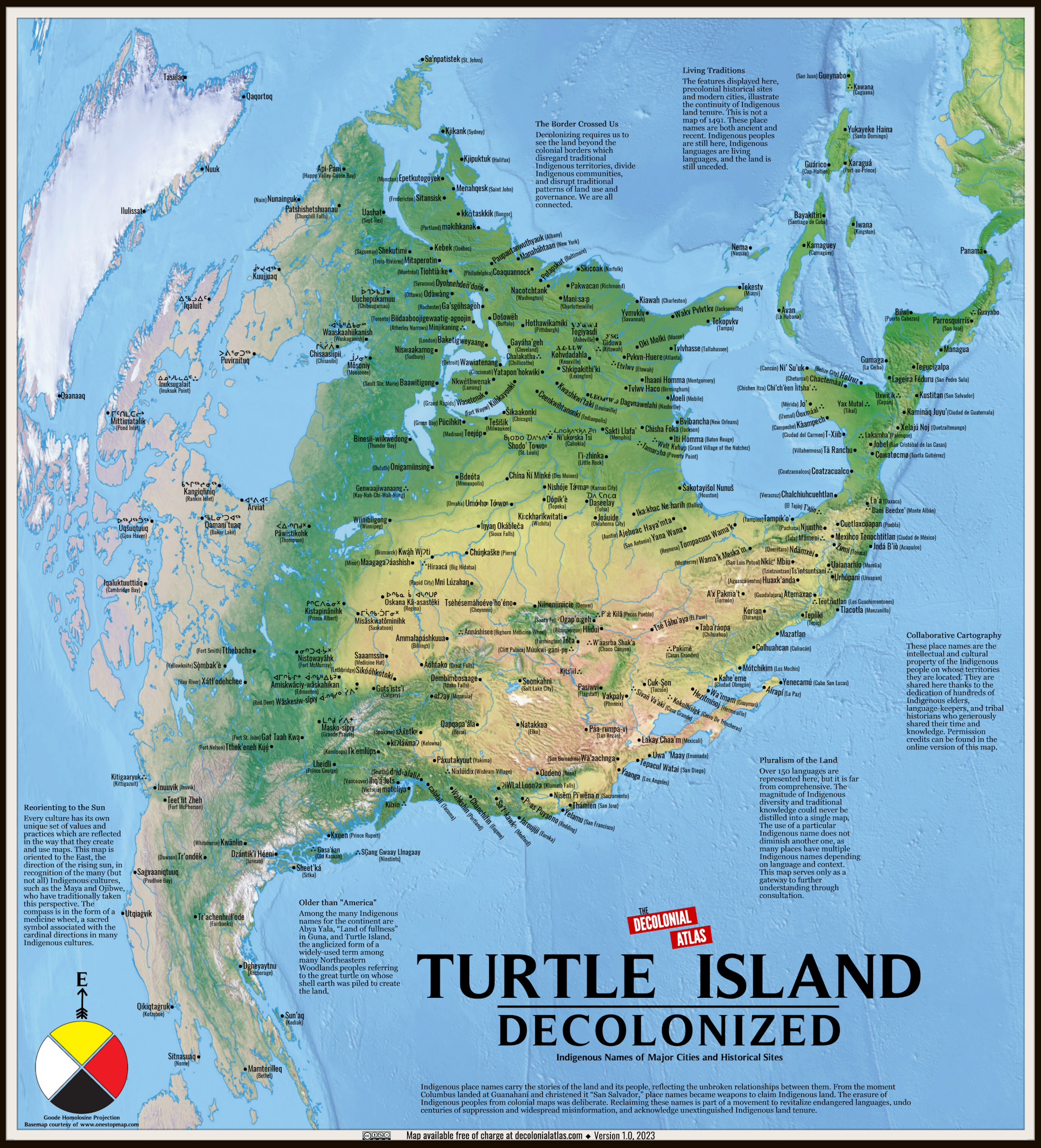
الخرائط هي أدوات سياسية قوية تشكل ماضي وأمر ومستقبل الأمة – وتسمح الخرائط المضادة للأفراد العاديين باستعادة السردية.
Maps are powerful political tools shaping a nation’s past, present and future – counter maps allow everyday people to reclaim the narrative
-

ماذا يمكن أن تعني “حقبة ما بعد المضادات الحيوية” للطب الحديث
What a ‘post-antibiotic era’ could mean for modern medicine