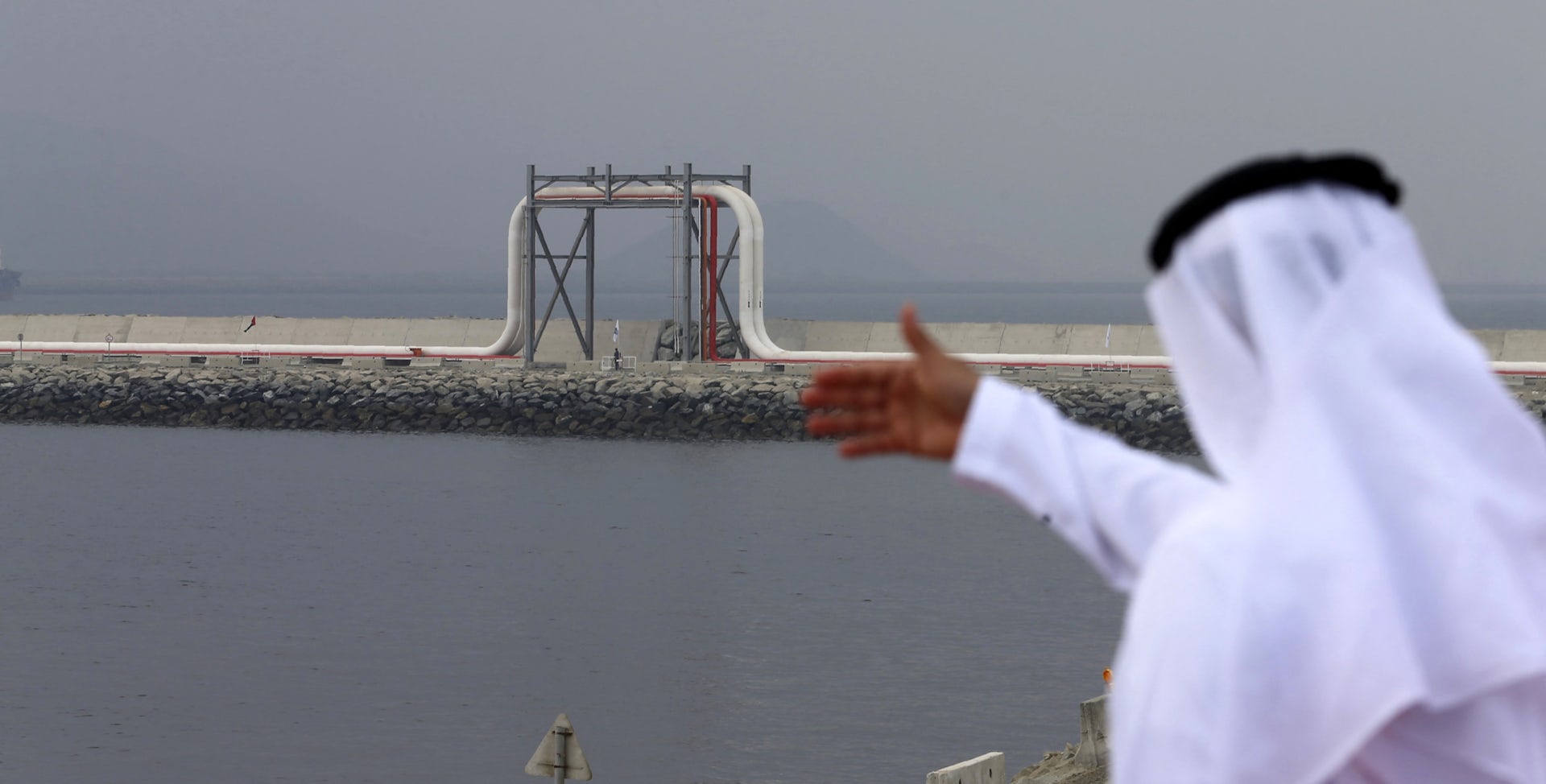
A saída dos Emirados Árabes Unidos da OPEP está em andamento há muito tempo – e pode marcar o início de um realinhamento no Golfo.
UAE’s OPEC exit has been long in the works – and may mark the beginning of a Gulf realignment
The UAE and Saudi Arabia have long been at odds over oil policy. The latest move is also likely to further their broader regional rivalry.
Os Emirados Árabes Unidos e a Arábia Saudita estão há muito tempo em desacordo sobre política de petróleo. O movimento mais recente também provavelmente irá aprofundar sua rivalidade regional mais ampla.
The United Arab Emirates’ decision to withdraw from the Organization of Petroleum Exporting Countries will leave the oil cartel weakened at a crucial time. It also illustrates the ongoing tensions between the UAE and Saudi Arabia, OPEC’s largest producer and de facto leader.
A decisão dos Emirados Árabes Unidos de se retirar da Organização dos Países Exportadores de Petróleo deixará o cartel do petróleo enfraquecido em um momento crucial. Isso também ilustra as tensões contínuas entre os EAU e a Arábia Saudita, o maior produtor e líder de facto da OPEP.
The UAE announced on April 28, 2026, that it will depart OPEC and OPEC+, an expanded grouping which includes Russia, on May 1, depriving the groups of their third- and fourth-largest oil producer, respectively.
Os EAU anunciaram em 28 de abril de 2026 que deixarão a OPEP e a OPEP+, um grupo expandido que inclui a Rússia, em 1º de maio, privando os grupos de seu terceiro e quarto maior produtor de petróleo, respectivamente.
Though the move may seem abrupt, as a close observer of the UAE and intra-Gulf politics, I believe Abu Dhabi’s decision to leave OPEC and go it alone was in the cards for a while and follows years of Abu Dhabi’s complaints about the cartel.
Embora o movimento possa parecer abrupto, como observador atento da política dos EAU e do Golfo, acredito que a decisão de Abu Dhabi de deixar a OPEP e agir sozinho estava no ar há algum tempo e segue anos de reclamações de Abu Dhabi sobre o cartel.
The announcement also follows years of divergence between Emirati and Saudi oil policies, as well as the growth of competitive rivalries between the two countries over wider regional questions. This rift between the two largest Sunni Gulf states burst into the open in December 2025, when competing visions for security in Yemen threatened to reignite civil conflict in the war-torn country.
O anúncio também se segue a anos de divergência nas políticas petrolíferas dos Emirados e da Arábia Saudita, bem como ao crescimento de rivalidades competitivas entre os dois países sobre questões regionais mais amplas. Este cisma entre os dois maiores estados do Golfo sunitas veio à tona em dezembro de 2025, quando visões concorrentes de segurança no Iêmen ameaçaram reacender o conflito civil no país devastado pela guerra.
Unity in the face of Iranian attacks since then should not mask that underlying split, of which the UAE’s OPEC decision is merely the latest manifestation.
A unidade diante dos ataques iranianos desde então não deve mascarar essa divisão subjacente, da qual a decisão dos EAU sobre a OPEP é meramente a manifestação mais recente.
The world’s most prominent cartel
O cartel mais proeminente do mundo
OPEC formed in 1960 as a way for the main oil producers to set production limits and therefore control the price of crude around the world.
A OPEP foi formada em 1960 como um meio para os principais produtores de petróleo estabelecerem limites de produção e, assim, controlar o preço do petróleo bruto em todo o mundo.
The UAE has been a member of OPEC since the seven-emirate federation was established in 1971, although Abu Dhabi – the emirate that holds 95% of Emirati oil reserves – has been a member since 1967.
Os Emirados Árabes Unidos são membros da OPEP desde que a federação dos sete emirados foi estabelecida em 1971, embora Abu Dhabi – o emirado que detém 95% das reservas de petróleo dos Emirados – seja membro desde 1967.
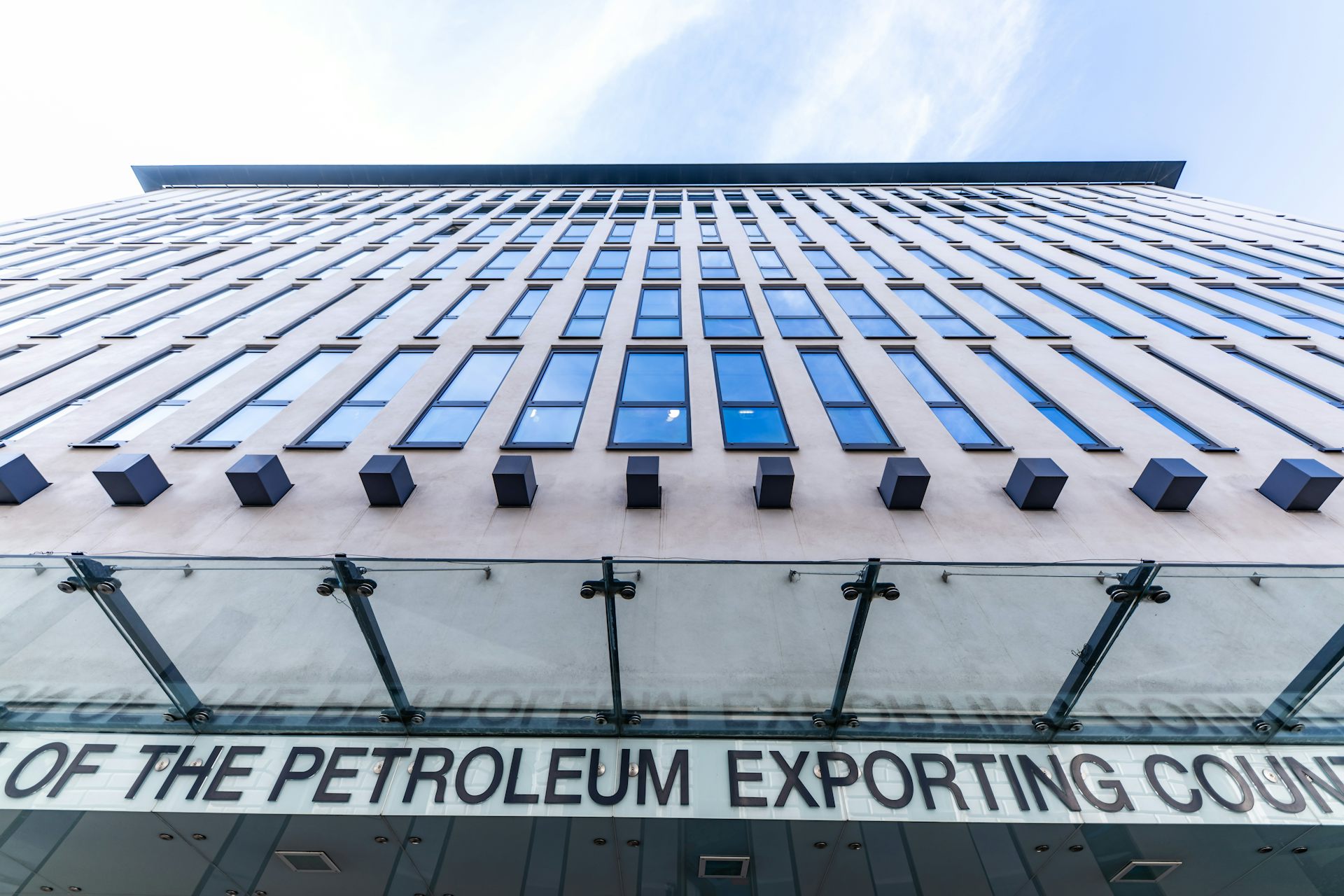
At its height in the mid- and late-1970s, OPEC played a powerful role in reshaping the balance of power between oil producers and consumers, and countering Western dominance in a postcolonial setting of resource nationalization.
Em seu auge, em meados e final dos anos 70, a OPEP desempenhou um papel poderoso na remodelação do equilíbrio de poder entre produtores e consumidores de petróleo, e no combate à dominância ocidental em um cenário pós-colonial de nacionalização de recursos.
While other members have withdrawn from OPEC in recent years – such as Qatar in 2019 and Angola in 2024 – the impact of the UAE’s departure is on a far greater scale, affecting about 12% of OPEC’s total oil output.
Embora outros membros tenham se retirado da OPEP nos últimos anos – como o Qatar em 2019 e Angola em 2024 – o impacto da saída dos EAU é em uma escala muito maior, afetando cerca de 12% da produção total de petróleo da OPEP.
Furthermore, the exit of the UAE removes one of the few major swing producers from OPEC, weakening the organization’s ability to respond rapidly to changing market conditions in the future.
Além disso, a saída dos EAU retira um dos poucos grandes produtores de balanço da OPEP, enfraquecendo a capacidade da organização de responder rapidamente às mudanças nas condições de mercado no futuro.
Diverging Gulf priorities
Prioridades Divergentes do Golfo
The UAE has been signaling a potential split for at least five years, when differences of opinion with Saudi Arabia on how to manage oil policy emerged ahead of a November 2020 OPEC+ summit. The rift became openly visible during a subsequent meeting of OPEC+ countries in July 2021.
Os Emirados Árabes Unidos (EAU) têm sinalizado uma potencial divisão há pelo menos cinco anos, quando surgiram diferenças de opinião com a Arábia Saudita sobre como gerir a política de petróleo antes da cúpula OPEC+ de novembro de 2020. A cisão tornou-se abertamente visível durante uma reunião subsequente de países do OPEC+ em julho de 2021.
In both cases, the UAE wished to increase oil production – which had been sharply curtailed by OPEC members during the COVID-19 pandemic – while the Saudis sought to maintain high prices by keeping output lower and prices higher.
Em ambos os casos, os EAU desejavam aumentar a produção de petróleo – que havia sido drasticamente reduzida pelos membros da OPEP durante a pandemia de COVID-19 – enquanto os sauditas procuravam manter preços altos, mantendo a produção mais baixa e os preços mais altos.
In part, this reflects the different circumstances of the two Gulf nations. The Saudis are reliant on higher oil prices to drive the revenues needed to fund its lavish budget and pay for massive infrastructure projects like its Vision 2030 project. The Emirati economy, on the other hand, is more diversified and less directly dependent on oil revenues.
Em parte, isso reflete as diferentes circunstâncias das duas nações do Golfo. Os sauditas dependem de preços mais altos do petróleo para gerar as receitas necessárias para financiar seu luxuoso orçamento e pagar por projetos de infraestrutura maciços, como seu projeto Visão 2030.
Instead, Abu Dhabi has invested heavily in recent years to expand capacity to be able to increase oil production from 3.4 million barrels a day before the U.S.-Israel war against Iran to 5 million barrels a day by 2027 – and potentially higher later on. This reflects a desire to monetize its reserves and move the oil to market to avoid the risk of stranded assets should global demand fall in any future transition away from fossil fuels.
A economia dos Emirados, por outro lado, é mais diversificada e menos diretamente dependente das receitas do petróleo. Em vez disso, Abu Dhabi investiu pesadamente nos últimos anos para expandir a capacidade, a fim de aumentar a produção de petróleo de 3,4 milhões de barris por dia antes da guerra EUA-Israel contra o Irã para 5 milhões de barris por dia até 2027 – e potencialmente mais alto mais tarde. Isso reflete um desejo de monetizar suas reservas e levar o petróleo ao mercado para evitar o risco de ativos encalhados caso a demanda global caia em qualquer futura transição para longe dos combustíveis fósseis.
Shorn of the constraints of OPEC quotas, which the Emiratis have chafed against for years, officials in Abu Dhabi will be able to increase production should it wish to do so once the impasse with Iran is broken and the Strait of Hormuz fully reopens.
Livres das restrições das cotas da OPEP, contra as quais os emiratenses se revoltaram por anos, os funcionários de Abu Dhabi poderão aumentar a produção se assim desejarem, assim que o impasse com o Irã for resolvido e o Estreito de Ormuz reabrir totalmente.
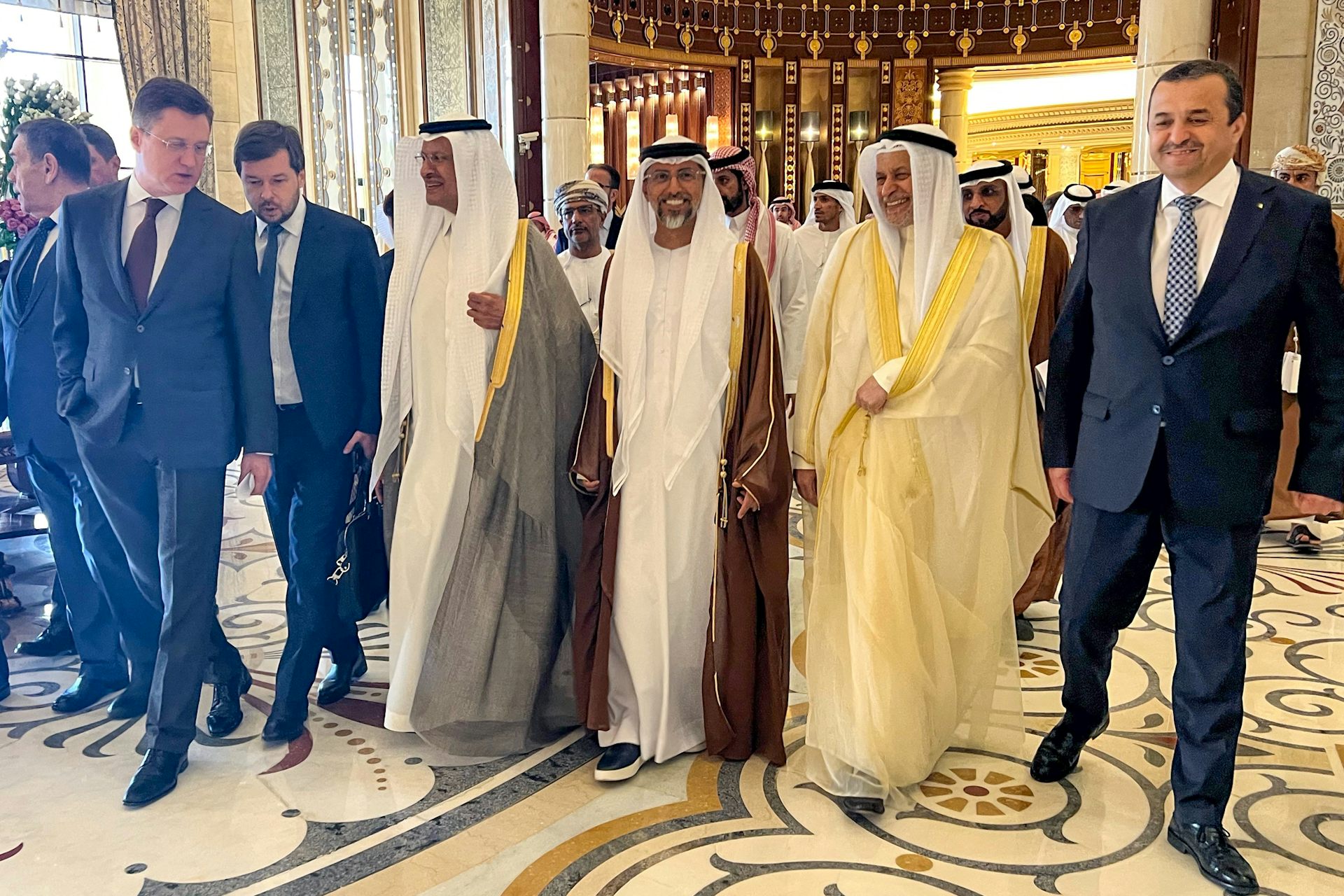
Post-Iran war regional shifts
Mudanças regionais pós-guerra do Irã
It is clear that UAE leadership is first and foremost intent on doubling down on the pursuit of its national interests, with an emphasis on prioritizing ties with the U.S. – and likely also Israel – over those with countries that Abu Dhabi feels reflect an old world it is now seeking to leave behind.
É claro que a liderança dos Emirados Árabes Unidos está, antes de tudo, determinada a intensificar a busca por seus interesses nacionais, com ênfase em priorizar laços com os EUA – e provavelmente também com Israel – em detrimento daqueles com países que Abu Dhabi sente que refletem um mundo antigo que agora está buscando deixar para trás.
While the war in Iran may have temporarily overshadowed the eruption of Saudi-Emirati tensions over Yemen and visions for the region, the rift had not been resolved prior to the U.S. and Israeli launch of military operations on Feb. 28.
Embora a guerra no Irã possa ter ofuscado temporariamente a erupção de tensões saudita-emiratinas sobre o Iêmen e visões para a região, a cisão não havia sido resolvida antes do lançamento das operações militares pelos EUA e Israel em 28 de fevereiro.
Comments by prominent Emiratis have suggested that officials in the UAE have paid close attention to which countries have, in their view, stepped up to assist the UAE in times of crisis, and which have not.
Comentários de emiratitas proeminentes sugeriram que os funcionários dos EAU prestaram muita atenção aos países que, em sua visão, se prontificaram a ajudar os EAU em tempos de crise, e quais não o fizeram.
The OPEC decision thus reflects a calculation in Abu Dhabi that there is no longer any utility in remaining part of a Saudi-dominated organization. The UAE’s reconsideration of other memberships, such as the Arab League, Organization of Islamic Conference or even the Gulf Cooperation Council, may be next, as the UAE and other regional countries begin to think ahead to an uncertain post-war landscape.
A decisão da OPEP, portanto, reflete um cálculo em Abu Dhabi de que não há mais utilidade em permanecer parte de uma organização dominada pela Arábia Saudita. A reconsideração dos EAU sobre outras filiações, como a Liga Árabe, a Organização da Conferência Islâmica ou até mesmo o Conselho de Cooperação do Golfo, pode ser o próximo passo, à medida que os EAU e outros países regionais começam a pensar em um cenário pós-guerra incerto.
Kristian Coates Ulrichsen does not work for, consult, own shares in or receive funding from any company or organization that would benefit from this article, and has disclosed no relevant affiliations beyond their academic appointment.
Kristian Coates Ulrichsen não trabalha, não é consultor, não possui ações nem recebe financiamento de nenhuma empresa ou organização que se beneficiaria deste artigo, e não divulgou afiliações relevantes além de seu cargo acadêmico.
Read more
-
Appolonia: a história de um reino africano que resistiu ao tráfico negreiro atlântico
Appolonia: the story of an African kingdom that resisted the Atlantic slave trade
-

Como Taiwan está equilibrando entre as visões americanas e chinesas de domínio energético
How Taiwan is balancing between American and Chinese visions of energy dominance